






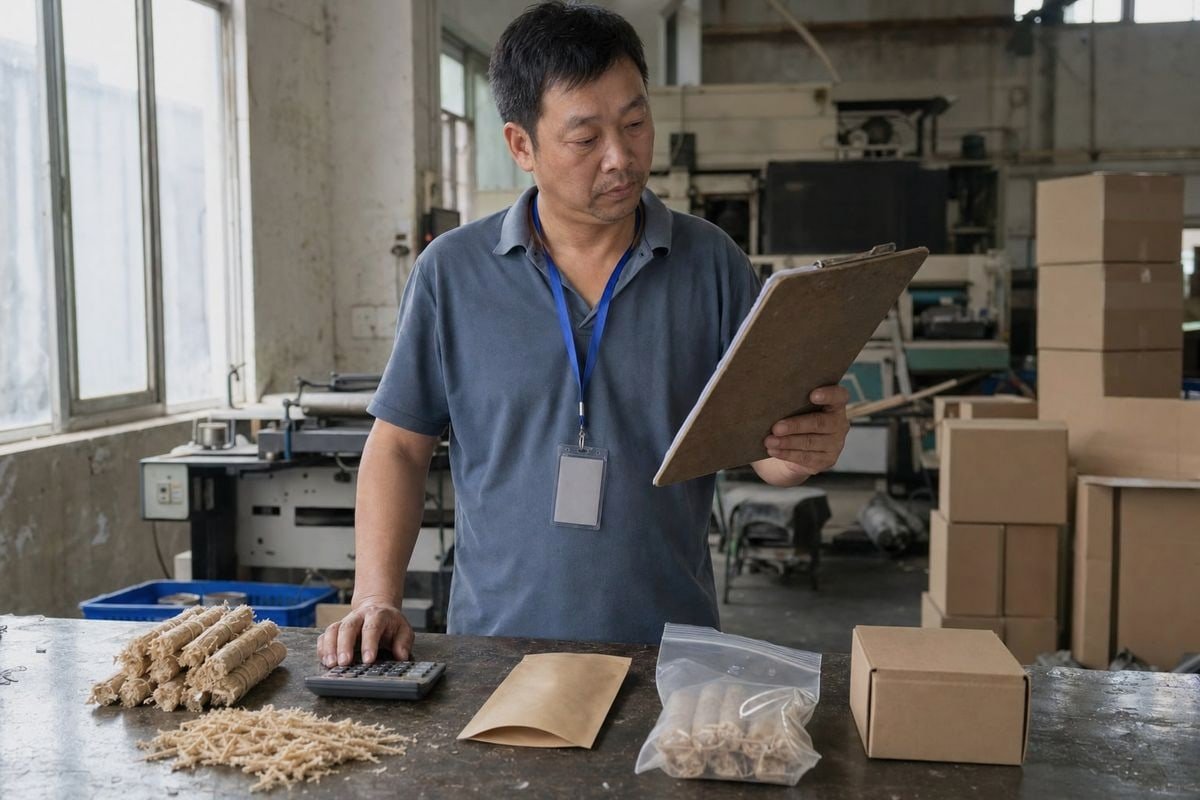
تقييم تغليف خاص بالعلامة التجارية 1 تكاليف بادئات الحريق الخشبية تربك العديد من المشترين. في خط الإنتاج الخاص بنا في نينغبو، أرى عروض أسعار تخفي نصف التكلفة الحقيقية. تتلاشى الهوامش بسرعة.
قم بتقييم تكاليف التعبئة والتغليف الخاصة بالعلامة التجارية الخاصة لبادئات إشعال النار الخشبية عن طريق حساب إجمالي تكلفة التسليم لكل وحدة: مواد التعبئة والتغليف، والطباعة، والإعداد لمرة واحدة ورسوم الألواح مقسمة على طلبك، ووضع العلامات الامتثال، والشحن الوارد، وتجهيز التنفيذ — لا تعتمد أبدًا على سعر التعبئة والتغليف المقتبس من المورد وحده.
تبدو تلك الصيغة بسيطة. في الواقع، كل سلة تكاليف تخفي فخاخًا. أدناه، أقوم بتفصيل كل قرار تغليف ستواجهه، باستخدام أرقام حقيقية من مشاريع OEM الخاصة بنا.
ما هي خيارات التعبئة والتغليف التي يجب أن أقارنها عند وضع ميزانية لبادئات الحريق الخشبية ذات العلامة التجارية الخاصة؟
في الربيع الماضي، طلب موزع ألماني منا تقديم عروض أسعار لثلاث فئات تغليف لنفس لفائف الخشب المغمسة بالشمع. انتشرت تكلفة الوحدة بشكل فاجأه - تقريبًا ثلاثة أضعاف من الأدنى إلى الأعلى.
قارن بين ثلاث مستويات تغليف: الميزانية (كيس بولي أو كرافت قياسي بالإضافة إلى ملصق لاصق، حوالي 0.40 دولار - 1.50 دولار لكل وحدة)، المستوى المتوسط (كيس مطبوع حسب الطلب أو علبة قابلة للطي، 0.80 دولار - 2.50 دولار)، والمستوى المميز (صندوق بيع بالتجزئة صلب مع طباعة متعددة الألوان، وحشوات، وشهادات بيئية، 2.00 دولار فأكثر لكل وحدة).
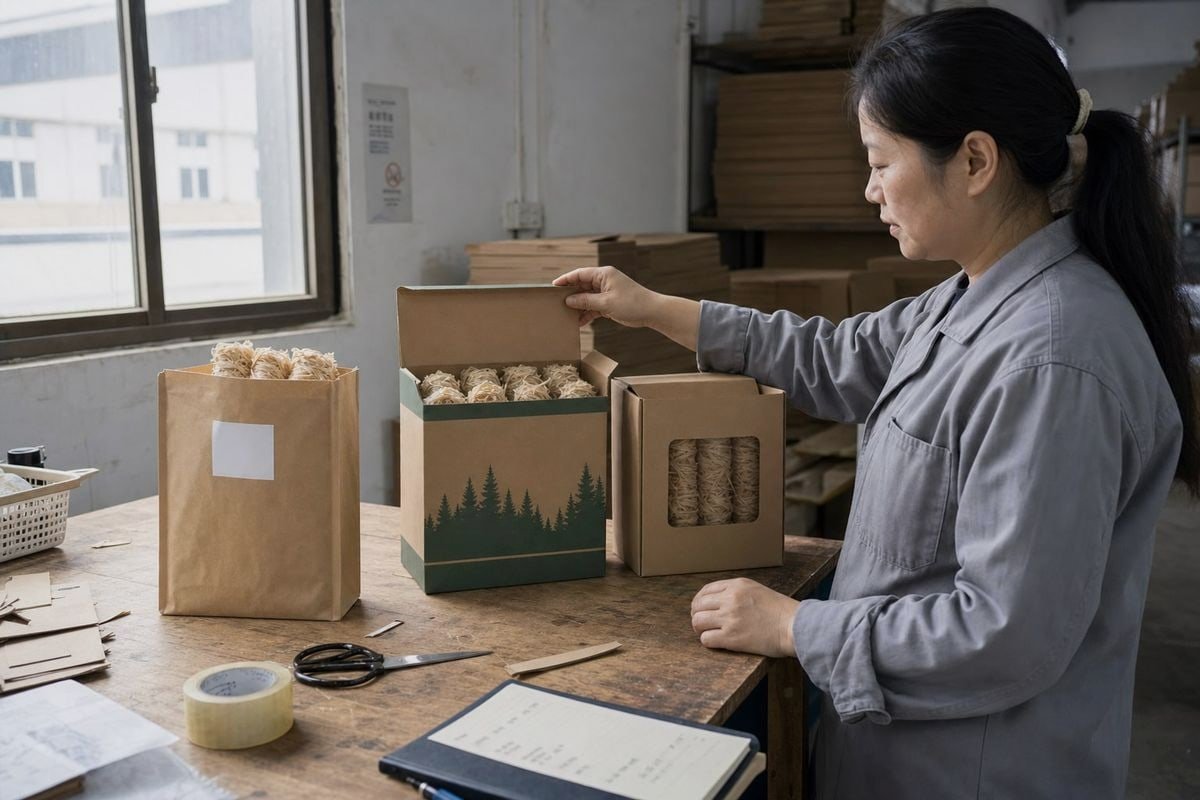
تعتمد الفئة المناسبة على قناتك. متجر المخيم يتحمل كيس كرافت 2 مع ملصق. رف البيع بالتجزئة من نوع هوم ديبوت لا يتحمل. عندما نقوم بمشاريع العلامات التجارية الخاصة في مصنعنا، نبدأ دائمًا بالسؤال عن المكان الذي سيوضع فيه المنتج فعليًا - سوق عبر الإنترنت، أو مركز حدائق، أو رف متجر كبير. هذه الإجابة تقود كل شيء آخر.
فئات التغليف الثلاث جنبًا إلى جنب
| عامل | فئة الميزانية | الطبقة الوسطى | فئة مميزة |
|---|---|---|---|
| العبوة الأساسية | كيس كرافت أو بولي قياسي | كيس أو علبة مطبوعة حسب الطلب | صندوق صلب، فتحة نافذة، حشوة |
| طريقة العلامة التجارية | ملصق لاصق | طباعة فليكسو بألوان 1-2 | طباعة بالألوان الكاملة، نقش بارز |
| تكلفة الوحدة النموذجية | 40 دولار - 1.50 دولار | 80 دولار - 2.50 دولار | $2.00+ |
| رسوم الإعداد | الحد الأدنى (0 دولار - 50 دولارًا للأعمال الفنية) | 100 دولار - 500 دولار ألواح | 500 دولار - 2000 دولار+ أدوات |
| أفضل ملاءمة للحد الأدنى لكمية الطلب | 300-1000 وحدة | 1000-5000 وحدة | 5,000+ وحدة |
| متاجر الهدايا، مراكز الحدائق، عروض العطلات | اختبار عبر الإنترنت، متاجر المزارع | علامات تجارية مباشرة للمستهلك، موزعين | متاجر التجزئة الكبيرة، سوق الهدايا |
ما تشتريه كل فئة
تغليف الميزانية يحمي المنتج ويحمل شعارك. لا شيء أكثر. إنه يعمل لاختبار الطلب. تغليف الفئة المتوسطة يضيف حضورًا على الرف و ألوان علامة تجارية متسقة. إنها النقطة المثالية لمعظم الطلبات الجادة الأولى التي ننتجها. تغليف مميز يشتري الامتثال للبيع بالتجزئة، وقابلية الإهداء، والقيمة المتصورة - ولكن الالتزامات المتعلقة بالأدوات والحد الأدنى لكمية الطلب هي أموال حقيقية.
تذكر أن المنتج نفسه رخيص نسبيًا مقارنة بالصندوق. بادئات الحريق الأساسية بالشمع والألياف الخشبية تكلف 0.05 دولار - 0.20 دولار للقطعة على نطاق واسع. هذا يعني أن التغليف يمكن أن يمثل بسهولة 30٪ - 50٪ من تكلفة الوحدة الخاصة بك. بالنسبة لبادئات الحريق، التغليف ليس فكرة لاحقة. إنه رافعة التكلفة الرئيسية.
كيف تؤثر الصناديق المخصصة والملصقات التحذيرية على تكلفة الشحن الإجمالية لكل وحدة؟
في 17 عامًا من تصدير منتجات الحريق إلى الولايات المتحدة والاتحاد الأوروبي، تسببت ملصقات التحذير في تأخير الشحنات أكثر من أي عنصر تغليف آخر. بيان خطر مفقود واحد يمكن أن يحتجز حاوية كاملة في الجمارك.
عادةً ما تضيف الصناديق المخصصة 0.30–2.00 دولار لكل وحدة بالإضافة إلى رسوم لوحة أو قالب لمرة واحدة بقيمة 100–2000 دولار، بينما تضيف ملصقات التحذير المتوافقة 0.05–0.25 دولار لكل وحدة. قم بتوزيع جميع رسوم الإعداد على كمية طلبك، ثم أضف الشحن والإعداد للحصول على التكلفة الحقيقية للوصول.
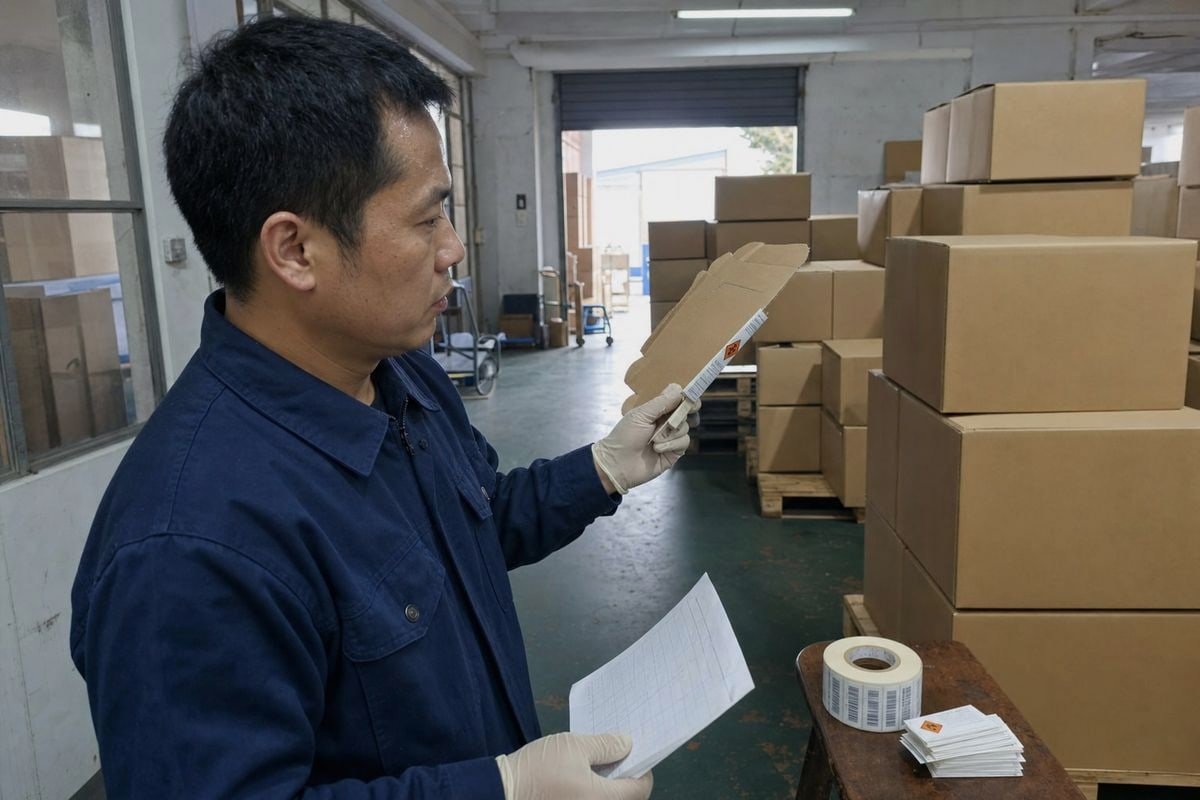
دعني أشرح كيف نقوم ببناء تكلفة التسليم مع المشترين. الرياضيات واضحة بمجرد أن تكون كل بند في الجدول. تبدأ المشكلة عندما يترك الموردون عناصر من الاقتباس.
صيغة تكلفة التسليم، بندًا ببند
- ابدأ بتكلفة المنتج الأساسية لكل بادئ حريق.
- أضف تكلفة مادة التغليف الأساسية (كيس، علبة، أو صندوق).
- أضف تكلفة الطباعة والديكور لكل وحدة.
- قسّم رسوم الإعداد لمرة واحدة (ألواح، قوالب، أعمال فنية) على إجمالي الوحدات، وأضف هذا النصيب.
- أضف ملصقات التحذير، الباركود، وأي إدخالات امتثال.
- أضف حصة الكرتون الرئيسي والمنصة لكل وحدة.
- أضف تكلفة الشحن الوارد لكل وحدة، بما في ذلك وزن الأبعاد 3 التأثيرات.
- أضف بدلًا بنسبة 1٪ - 3٪ للتلف والرفض.
مثال حسابي
| بند التكلفة | لكل وحدة (طلب 5000 وحدة) |
|---|---|
| مشعل نار خشبي (منتج) | $0.15 |
| صندوق قابل للطي مخصص، بلونين | $0.65 |
| ملصق تحذير + باركود | $0.08 |
| رسوم الإعداد (400 دولار ÷ 5000) | $0.08 |
| حصة الكرتون الرئيسي | $0.06 |
| حصة الشحن البحري | $0.22 |
| بدل التلف (2%) | $0.02 |
| التكلفة الحقيقية المسلمة | $1.26 |
لاحظ أن "سعر التعبئة والتغليف" المقتبس كان 0.65 دولار، لكن تكاليف التعبئة والتغليف الفعلية تصل إلى ضعف هذا المبلغ تقريبًا. تستحق ملصقات التحذير اهتمامًا خاصًا لمشعلات النار. يتوقع الناقلون وتجار التجزئة تحذيرات بشأن القابلية للاشتعال، وتعليمات الإشعال، ونصًا يبعد عن متناول الأطفال. في مصنعنا، نقوم ببناء قوالب ملصقات متوافقة مسبقًا للولايات المتحدة وألمانيا والمملكة المتحدة وفرنسا لأن إعادة تركيب الملصقات بعد الإنتاج أغلى بكثير من طباعتها بشكل صحيح من المرة الأولى. علامة CE 4 وتقارير الاختبار من SGS/Intertek تغذي مباشرة ما يجب أن ينص عليه الملصق، لذا فإن الامتثال وتكاليف التعبئة والتغليف مرتبطان، وليسا منفصلين.
ما هي التكاليف الخفية التي يجب أن أنتبه إليها عند تغيير الموردين لتعبئة العلامات الخاصة؟
جاء إلينا مشترٍ من المملكة المتحدة ذات مرة بعد أن انتقل من بائع أرخص. تبخرت "مدخراته" في رسوم إعادة تشكيل الأدوات، ومطابقة ألوان فاشلة، وعملية إعادة تسمية في مستودع مرخص. احتفظ بالفواتير كتذكير.
انتبه للرسوم المتكررة للإعداد والطباعة، ورسوم تعديل الأعمال الفنية، وإثباتات مطابقة الألوان، وحدود الحد الأدنى لكمية الطلب الجديدة، وإعادة تسمية المنتجات وفقًا للوائح، وزيادات تكاليف الشحن بناءً على أبعاد الصناديق المختلفة، وفجوات تحمل العيوب، ورسوم التعبئة والتغليف البيئية بموجب نظام مسؤولية المنتج الممتدة في الاتحاد الأوروبي - وهي تكاليف نادرًا ما تظهر في عرض الأسعار الأولي.
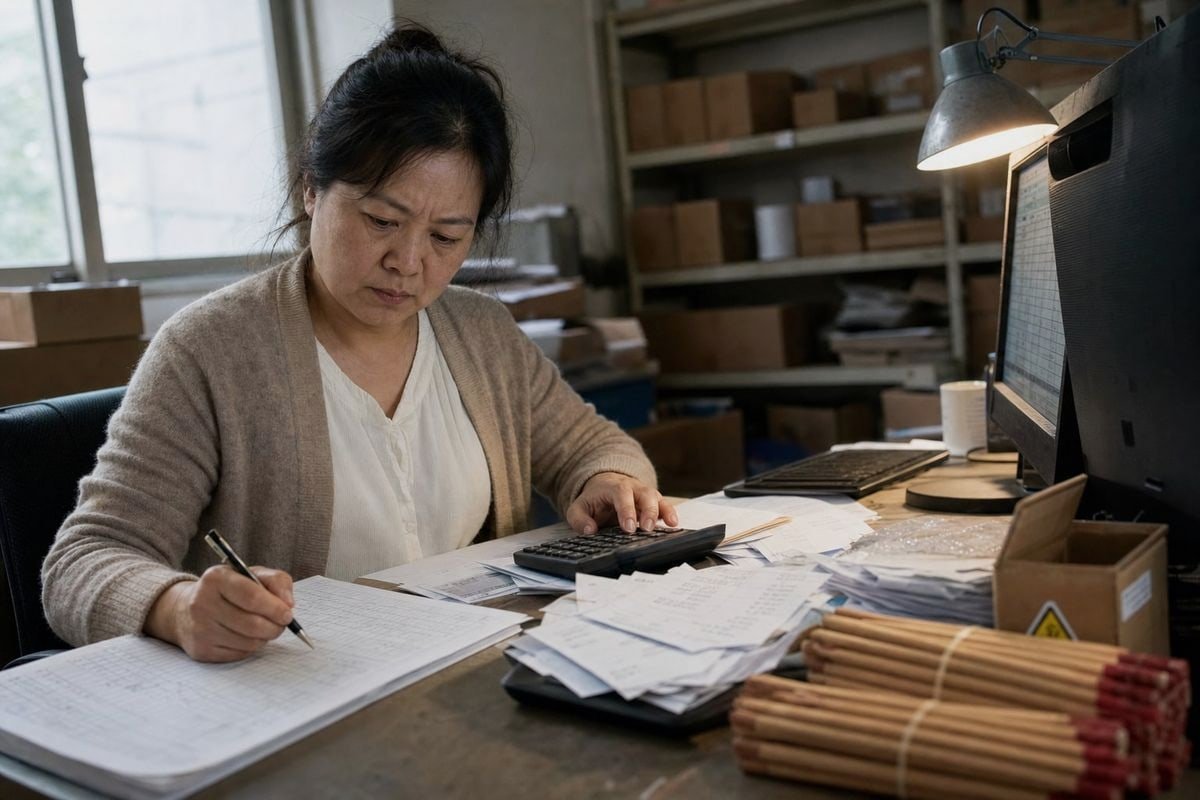
تبديل الموردين يعيد تعيين أكثر من سعر الوحدة. إنه يعيد تعيين إعداد التعبئة والتغليف بالكامل. إليك الفخاخ التي أراها في أغلب الأحيان عندما ينقل المشترون برامج مشعلات النار الخاصة بهم إلينا - أو بعيدًا عن شخص آخر.
تكاليف الإعداد التي تعود
تظل الألواح والقوالب والقوالب عادةً مع المورد القديم. تدفع مقابلها مرة أخرى. اسأل كل مورد جديد، كتابيًا، عما إذا كانت رسوم الإعداد لمرة واحدة أم متكررة، ومن يملك الأدوات. في مصنعنا، نحدد ملكية الأدوات في اتفاقية تصنيع المعدات الأصلية 5 لذلك لا يتم تقييد المشترين أبدًا من خلال أعمالهم الفنية الخاصة.
إعادة تعيين الجودة والامتثال
طابعة جديدة تعني ألوانًا جديدة. مطابقة بانتون 6 عبر الورق المقوى، والكرتون المطلي، والملصقات ليس تلقائيًا. خصص جولة أو جولتين من المراجعة. الامتثال هو خطر أكبر. إذا كان المورد الجديد الخاص بك يفتقر إلى تقارير اختبار SGS أو Intertek الحالية، فقد لا تكون ملصقات التحذير الحالية الخاصة بك مدعومة بوثائق صالحة. تصنف بعض الأسواق أيضًا أشكالًا معينة من مشعلات النار على أنها مواد صلبة قابلة للاشتعال بموجب قواعد DOT أو IATA 7, ، والتي قد تتطلب اختبار تغليف معتمد. تحقق من ذلك قبل الالتزام، وليس بعد الإنتاج.
انحراف اللوجستيات واللوائح
أبعاد الصندوق الجديدة تغير الوزن البعدي. يمكن لكرتون أعلى بـ 2 سم فقط أن يدفع شحنتك إلى فئة شحن أعلى. وفي الاتحاد الأوروبي وأجزاء من الولايات المتحدة،, تفرض رسوم مسؤولية المنتج الممتدة الآن رسومًا لكل وحدة على العبوات غير القابلة لإعادة التدوير. قد يقوم المورد الذي يستخدم فيلمًا مغلفًا أرخص بزيادة فاتورة EPR الخاصة بك بهدوء لسنوات.
الدرس: اطلب عروض أسعار مفصلة, وعينات مادية وتفاوتات عيوب محددة من أي مورد جديد. عرض أسعار بدون معدل رفض مذكور ليس عرض أسعار حقيقيًا.
كيف يمكنني الموازنة بين متطلبات الحد الأدنى لكمية الطلب وتكاليف تخصيص التعبئة والتغليف لطلبي الأول؟
الطلبات التجريبية هي المكان الذي نقضي فيه معظم الوقت في تقديم المشورة للمشترين. أراد مدير مشتريات في كندا صناديق مخصصة بالكامل على اختبار مكون من 500 وحدة - كانت رسوم الإعداد وحدها ستضيف أكثر من دولار لكل وحدة.
وازن بين الحد الأدنى لكمية الطلب والتخصيص من خلال مطابقة التزامك بثقتك: استخدم التعبئة والتغليف القياسية مع ملصقات لاصقة أقل من 1000 وحدة، وأكياس أو صناديق مطبوعة خصيصًا عند 1000-5000 وحدة، واحتفظ بالتعبئة والتغليف المميزة التي تتطلب أدوات كثيرة لأكثر من 5000 وحدة بمجرد إثبات الطلب.
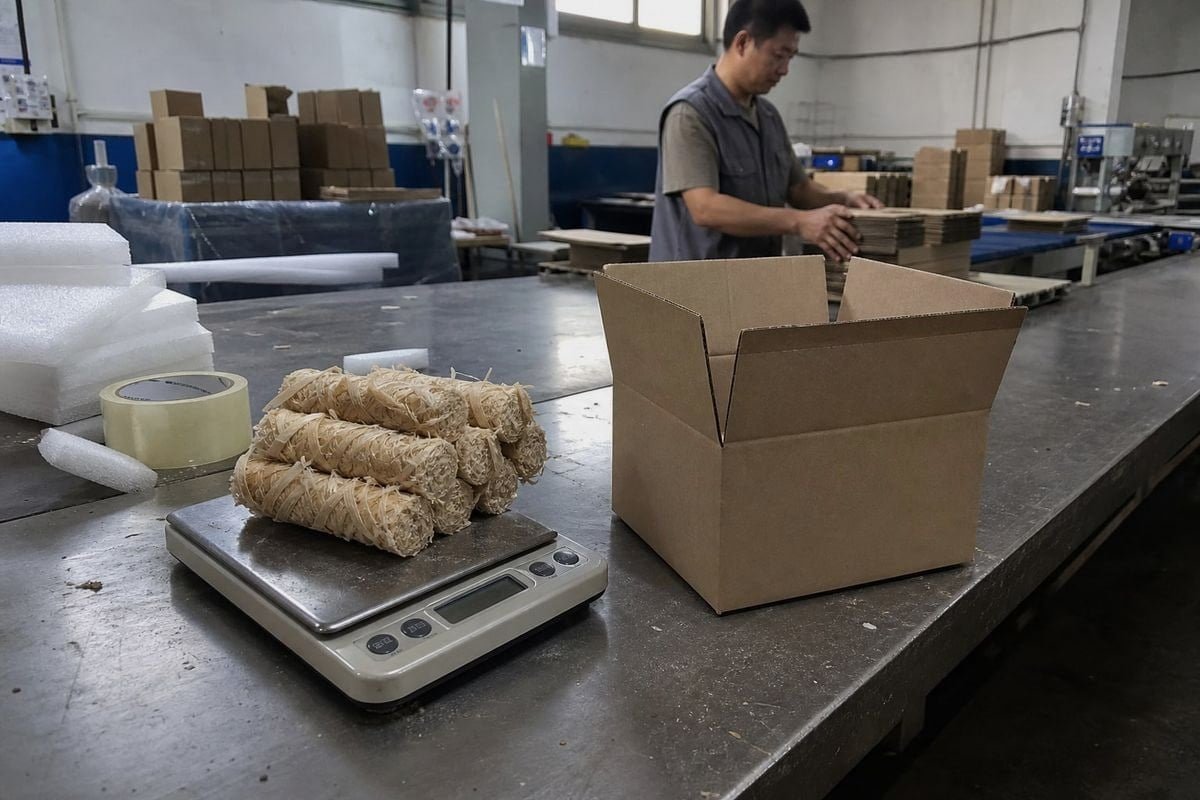
التوتر الأساسي بسيط. تكاليف التخصيص ثابتة في الغالب. تحدد الحد الأدنى لكميات الطلب كيفية انتشار هذه التكاليف الثابتة. اطلب عددًا قليلاً جدًا من الوحدات مع الكثير من التخصيص، وتدمر رسوم الإعداد هامشك. اطلب عددًا كبيرًا جدًا من الوحدات لتخفيف الرسوم، وتحمل مخاطر المخزون على منتج غير مثبت.
كيف يغير الاستهلاك الصورة
| كمية الطلب | 400 دولار رسوم إعداد لكل وحدة | 1500 دولار رسوم إعداد لكل وحدة |
|---|---|---|
| 500 وحدة | $0.80 | $3.00 |
| 1000 وحدة | $0.40 | $1.50 |
| 5000 وحدة | $0.08 | $0.30 |
| 10000 وحدة | $0.04 | $0.15 |
يوضح الجدول سبب توجيهنا للمشترين لأول مرة نحو الخيارات شبه المخصصة. حقيبة كرافت قياسية مع ملصق مصمم جيدًا تبدو احترافية، وتحتاج إلى رسوم إعداد قليلة جدًا، وتسمح لك باختبار ثلاثة أسواق بدفعة إنتاج واحدة.
نهج مرح يعمل
الطلب الأول: تغليف قياسي، علامة تجارية بالملصقات، حد أدنى لكمية الطلب. الهدف - التحقق من الطلب وقناة المبيعات الخاصة بك. الطلب الثاني: حقيبة مطبوعة مخصصة أو صندوق قابل للطي بحد أدنى لكمية طلب معتدلة، مع إعادة استخدام نفس العمل الفني لتجنب رسوم التصميم الجديدة. الطلب الثالث وما بعده: استثمر في صناديق جاهزة للبيع بالتجزئة، وتغليف عرض، ورسائل استدامة بمجرد أن تبرر الكميات الأدوات.
في برنامج تصنيع المعدات الأصلية الخاص بنا، نحافظ عمدًا على مرونة الحد الأدنى لكميات الطلب التجريبية لهذا السبب بالضبط. تضمن مراقبة الجودة من دفعة إلى أخرى أن تتطابق العينة التي توافق عليها مع الإنتاج الضخم، لذلك يمكن للمشترين توسيع استثمار التعبئة والتغليف خطوة بخطوة دون إعادة التحقق من صحة المنتج في كل مرة. هذا المسار المرح يحمي النقد مع الاستمرار في بناء علامة تجارية حقيقية.
خاتمة
احكم على تغليف العلامة التجارية الخاصة بتكلفة الوحدة الإجمالية الواصلة، وليس السعر المعروض. قم بتخصيص التخصيص مع الحد الأدنى لكمية الطلب، واستهلك رسوم الإعداد، وتحقق من الامتثال مبكرًا، وشارك مع مصنع معتمد.
ملاحظات ختامية
يوفر خلفية عن نموذج تصنيع العلامة التجارية الخاصة المشار إليه في السياق الافتتاحي للمقال. ↩︎
يوفر خلفية عن مادة ورق الكرافت المستخدمة بشكل شائع لأكياس التعبئة ذات المستوى الاقتصادي. ↩︎
يشرح تسعير الوزن البعدي، وهو عامل تكلفة الشحن المذكور في صيغة التكلفة الواصلة. ↩︎
يشرح علامة الامتثال الأوروبية المشار إليها جنبًا إلى جنب مع تقارير الاختبار لملصقات التعبئة والتغليف. ↩︎
Alibaba هي منصة توريد رائدة حيث يتم التفاوض عادةً على اتفاقيات OEM وشروط ملكية الأدوات. ↩︎
خلفية عن نظام ألوان Pantone المستخدم لمطابقة ألوان العلامة التجارية المتسقة عبر التعبئة والتغليف. ↩︎
تحدد IATA قواعد النقل الجوي الدولي لتصنيف المواد الصلبة القابلة للاشتعال في الشحنات. ↩︎

 English
  Spanish
  German
  French
  Arabic
  Portuguese
انضم إلى المحادثة