






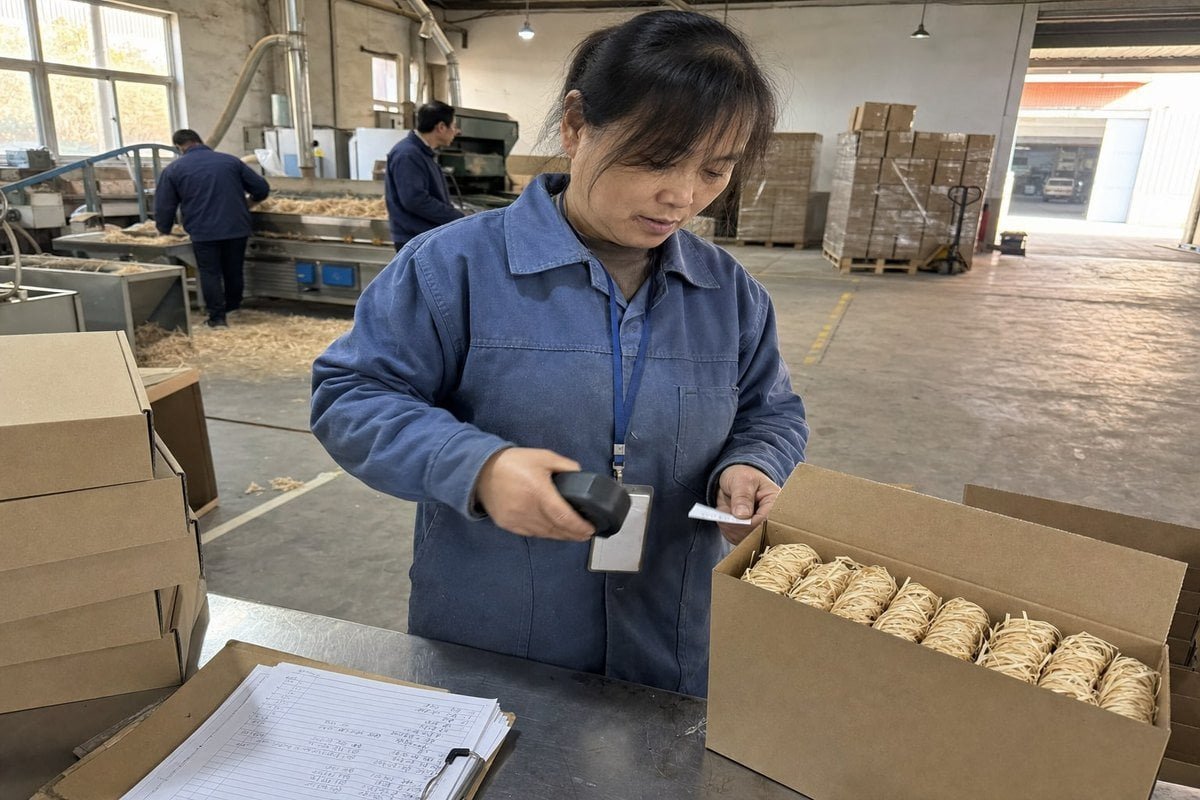
Traceable batch numbers for wood fire starter shipments protect your business. On our production line in Ningbo, I have seen one missing lot code turn a small complaint into a warehouse-wide headache.
To request traceable batch numbers for wood fire starter shipments, ask your supplier in writing to assign a unique lot code per production run, print it on every carton label, packing slip, and invoice, and confirm it links back to production batch records and raw material data.
That is the short answer. But making traceability work in practice takes a few more steps. Below, I walk through certifications, setup, failure handling, and custom coding.
What certifications should I ask my supplier to link to each batch number?
A German distributor once asked me a sharp question during a factory audit: "Your batch code is nice, but what proof sits behind it?" quality audit 1 That question changed how we document every lot.
Ask your supplier to link each batch number to ISO 9001 quality records, SGS or Intertek test reports, FSC or PEFC chain-of-custody certificates for the wood fiber, Material Safety Data Sheets for wax or paraffin, and any phytosanitary certificate requirements for your import market.

A batch number without supporting documents is just decoration. Real supply chain transparency means every code can pull up a paper trail. In our 17+ years exporting wood firestarters to the US, Germany, the UK, and 30+ other markets, we have learned that buyers who verify documents up front avoid customs delays and retail rejections later.
The core certificates to request per batch
Here is the document stack I recommend you request, and why each one matters for wood fire starters specifically:
| Document | What it proves | Why it matters for fire starters |
|---|---|---|
| ISO 9001 quality records | Consistent quality assurance protocols per run | Confirms burn time and ignition consistency lot to lot |
| SGS / Intertek test report | Independent lab verification | Retailers often refuse stock without third-party testing |
| FSC / PEFC chain-of-custody | Legal, sustainable wood sourcing | FSC certification standards satisfy EU and US retail buyers |
| MSDS (paraffin/wax) | Chemical composition and safety | Needed for shipping documentation compliance and customs |
| Phytosanitary certificate | Wood is pest-free and treated | Required by many import authorities for wood products |
| BSCI audit report | Ethical factory conditions | A hard requirement for large retail sourcing channels |
How to check the link is real
Do not accept a generic certificate PDF. Ask the supplier to show how the certificate connects to your specific lot. For example, our SGS test reports 2 reference the production batch tested, and our goods-in records tie wood fiber deliveries to outgoing lot codes. If a supplier cannot walk you through that chain in a video call, treat it as a red flag. Also confirm the certificate dates. An FSC certificate that expired last year proves nothing about this year's shipment. Finally, ask whether kiln-drying logs or moisture readings are recorded per batch, because moisture above roughly 10% hurts ignition performance.
How do I set up batch traceability requirements before placing my first wholesale order?
Trial orders are where habits form. When a Dutch importer placed their first order with us, they sent a one-page traceability requirement sheet before payment. Smart move. We now suggest that approach to every new buyer.
Set traceability requirements before your first order by writing batch-number clauses into your purchase order, defining the code format and label placement, requesting sample documents in advance, and confirming in writing that codes will appear on cartons, packing lists, and invoices.

The best time to demand traceability is before money moves. Once goods are on the water, your leverage drops. Here is the step-by-step process I recommend to purchasing managers, based on how our smoothest long-term partnerships started.
A five-step setup process
- Ask the baseline question. Ask whether the supplier already assigns lot codes at production. If they say "we can add one for you," dig deeper. A code invented at packing has no link to production batch records.
- Define the format together. Agree on a structure, such as manufacturing date codes plus a line identifier. A Julian-date style code (YYJJJ) tells you the exact production day at a glance.
- Specify placement. Require the code visibly on every carton label, on the packing slip, on the commercial invoice, and ideally on pallet labels for bulk shipments.
- Embed it in the PO. Make batch data a written condition in your purchase order terms. Tie final payment or acceptance to compliant labeling. This turns a vague promise into an enforceable term.
- Build your receiving log. Prepare a simple goods-in record before the shipment lands. Capture supplier name, delivery date, quantity, batch code, and your internal SKU mapping.
What to record at receiving
| Field | Example entry | Purpose |
|---|---|---|
| Supplier batch number | SR-25-W14-A | Lot number verification against carton labels |
| Your internal receiving ID | RCV-0087 | Maps supplier lot to your warehouse system |
| Delivery date | 2025-04-18 | Anchors the traceability timeline |
| Quantity received | 500 cartons | Reconciles against packing slip |
| Condition notes | 2 cartons dented, dry | Evidence if a claim arises later |
Small businesses can run this in a spreadsheet. Growing operations should use inventory software with lot tracking and barcode scanning 4 at receipt. inventory management software 5 Either way, the principle is the same: the traceability system begins at goods-in, and outbound shipments should reference the same code so the audit trail stays unbroken from our factory floor to your customer's fireplace.
What should I do if a batch fails quality testing after shipment arrives?
Nobody enjoys this conversation, but I have been on both sides of it. Years ago, a buyer reported inconsistent burn times on one pallet. Because both sides had matching lot codes, we isolated the affected units within a day.
If a batch fails quality testing after arrival, quarantine the affected lot immediately using its batch number, document the failure with photos and test data, notify the supplier in writing with the lot code, and negotiate replacement, credit, or rework based on your PO terms.
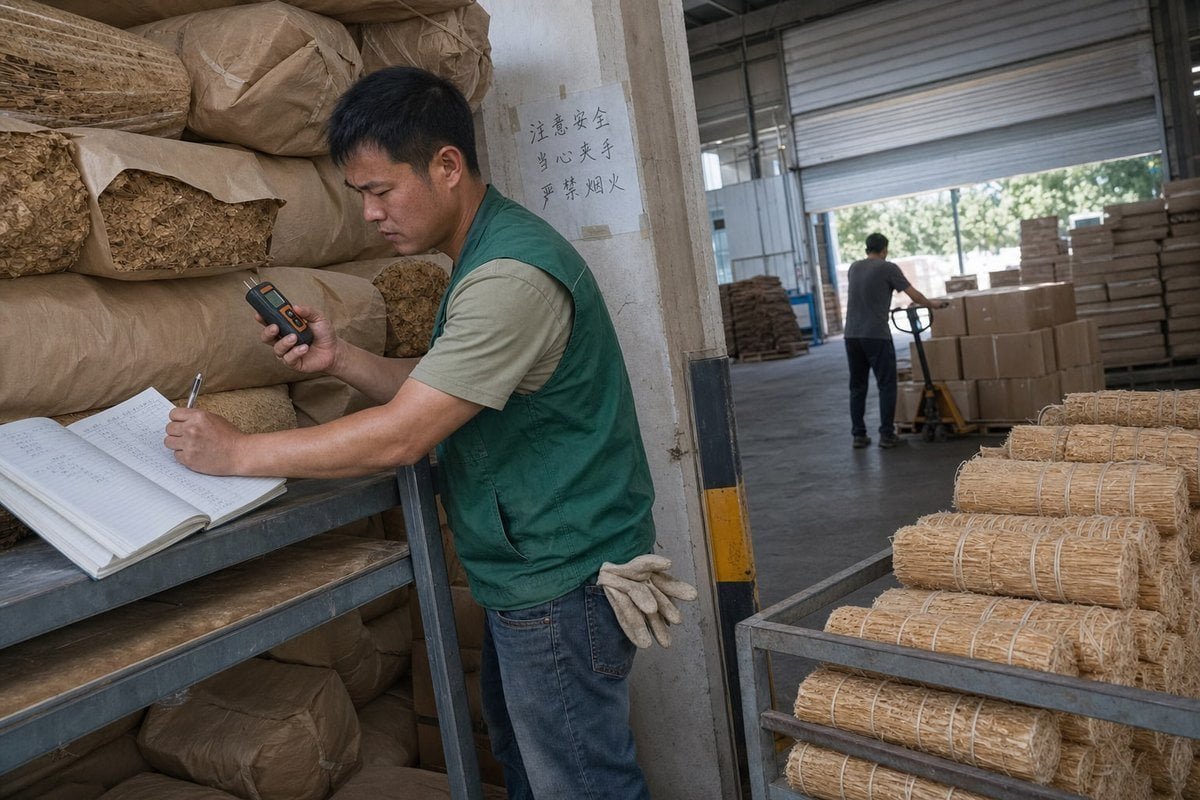
Speed and documentation decide how well a failure gets resolved. This is exactly the scenario traceable batch numbers were built for. Without them, you would have to freeze your entire fire starter inventory. With them, you freeze one lot and keep selling the rest.
Immediate containment steps
First, pull every unit carrying the failed batch number into a quarantine zone. Check your receiving log for split shipments, because one purchase order can contain multiple lots and only one may be affected. Second, run your tests on samples from other batches to confirm the problem is isolated. Third, photograph carton labels showing the lot code, the defect itself, and your test setup. Time-stamped evidence strengthens your claim.
Working with the supplier
Send a formal notice quoting the batch number, PO number, quantity affected, and the specific failure — for example, high moisture content 6, wax coating defects, or ignition failure. A serious factory will pull its own production batch records for that lot: raw material references, kiln-drying logs, line and shift data, and retained samples. At our facility, we keep retention samples from each run precisely so we can re-test the same lot a buyer questions. That is how batch-to-batch quality control should work.
If the failed batch already reached customers
This is where product recall procedures 7 matter. Your outbound records should show which customers received units from the failed lot. Notify only those customers, retrieve or replace affected stock, and log every action. A recall limited to one traceable batch costs a fraction of a blind, full-inventory recall — and it protects your brand's reputation with retail partners.
Can I request custom batch coding or labeling for my private label products?
Private label buyers ask us this almost weekly, and the answer shapes their shelf presence. One US camping brand wanted their own code format printed beside their barcode, and our packaging line handled it without slowing production.
Yes, most capable manufacturers can print custom batch codes, private-label branding, barcodes, QR codes, and warning labels directly on your retail boxes and shipping cartons — just define the format, placement, and data content in your OEM agreement before production starts.
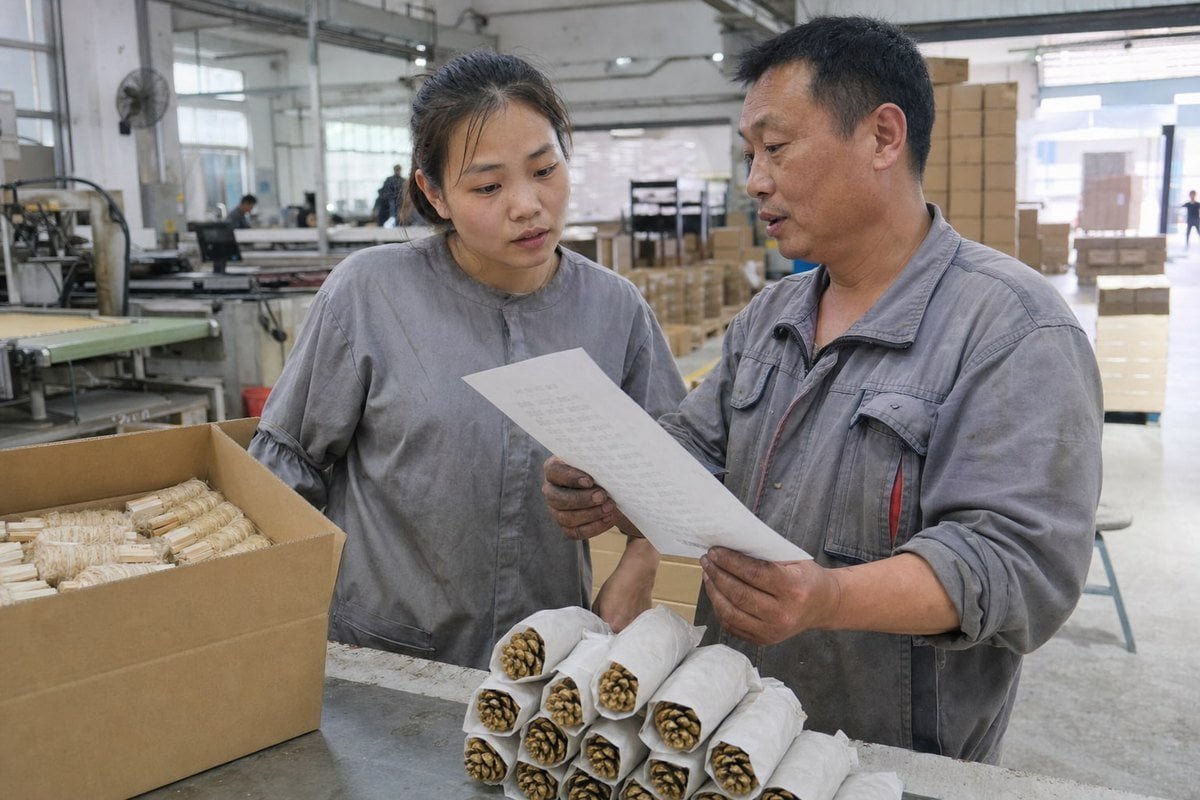
Custom coding is where traceability meets branding. As a one-stop OEM/ODM factory, we regularly build buyer-specific code schemes into custom boxes and display packaging. But there are trade-offs to weigh, and I want to be honest about them.
Simple codes versus structured codes
Simple sequential codes are easy for any supplier to manage and rarely get misprinted. Structured codes embed more intelligence — supplier ID, year, manufacturing week, production line — which speeds up investigations but demands stricter process discipline. Neither is universally "correct." Consistency matters more than complexity. Pick one system, document it, and never change it mid-relationship.
| Coding option | Best for | Trade-off |
|---|---|---|
| Sequential lot code (e.g., LOT-0142) | Small trial orders, new suppliers | Reveals nothing about production date |
| Date-based code (e.g., 25108-B) | Most private label programs | Needs a shared decoding key |
| Structured code (supplier + week + line) | Multi-supplier retail programs | Harder to implement consistently |
| QR / 2D barcode | Automated scanning at receiving | Requires label printing capability |
What to specify in your OEM agreement
Define the code structure, the human-readable format, and whether you also want a scannable QR code on bulk cartons for real-time receipt scanning. Specify placement: retail box, inner carton, master carton, or all three. For fire starters sold in the US and EU, also coordinate warning labels, composition text (for example, wood fiber and paraffin percentages), and barcodes so everything is shelf-ready on arrival. Finally, ask the supplier to keep an internal cross-reference between your custom code and their factory lot. Your code serves your brand; their code anchors the manufacturing history. Both must map to each other, or supply chain transparency breaks at the handoff.
Conclusion
Traceable batch numbers turn supplier promises into proof. Request codes before ordering, verify documents per lot, record everything at receiving, and choose partners whose records survive scrutiny.
Footnotes
1. Authoritative Wikipedia entry explaining the standards and processes of quality auditing. ↩︎
2. Authoritative background on SGS, the global leader in inspection and certification. ↩︎
3. Wikipedia entry explaining batch production and the importance of maintaining production records. ↩︎
4. GS1 global standards for barcodes, essential for product



 English
  Spanish
  German
  French
  Arabic
  Portuguese
Join the Conversation