






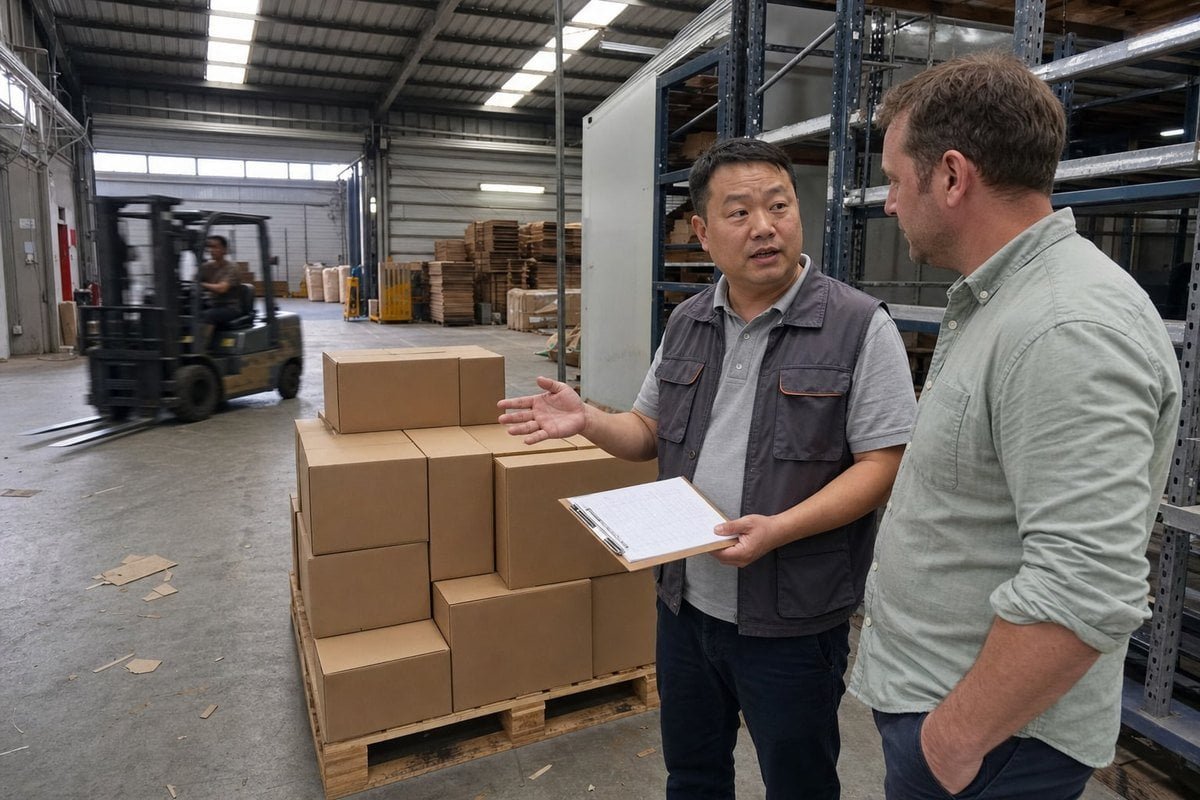
Balancing private label MOQ 1 and trial budget is the first hurdle I see buyers hit when they visit our wood firestarter production line. Order too many, and cash sits in a warehouse. Order too few, and the packaging never pays for itself, the freight rate punishes you, and the test tells you nothing. After 17+ years shipping wax-dipped wood rolls and wood wool firelighters to 30+ countries, we've learned there is a smarter middle path.
Balance private label MOQ and trial budget by ordering the smallest commercially meaningful quantity — typically 1,000–5,000 units — that still supports proper custom packaging, compliance labeling, and freight economics. Budget around landed cost per sellable unit, not factory price, and negotiate reorder terms upfront.
That answer sounds simple. In practice, it means asking better questions before you sign anything. Let me walk you through how we help buyers do exactly that, section by section.
What Is a Realistic MOQ When I'm Testing a New Wood Fire Starter Supplier?
Last winter, a German distributor asked our team for 500 branded units to "test the water." We had to explain why that number would actually cost him more per unit than 1,500. Here's the math behind it.
A realistic trial MOQ for private label wood fire starters is 1,000–5,000 units. Below 1,000, packaging print minimums and freight make unit economics fail. Suppliers demanding 10,000–20,000 units for a first order are structured for established brands, not market testing.
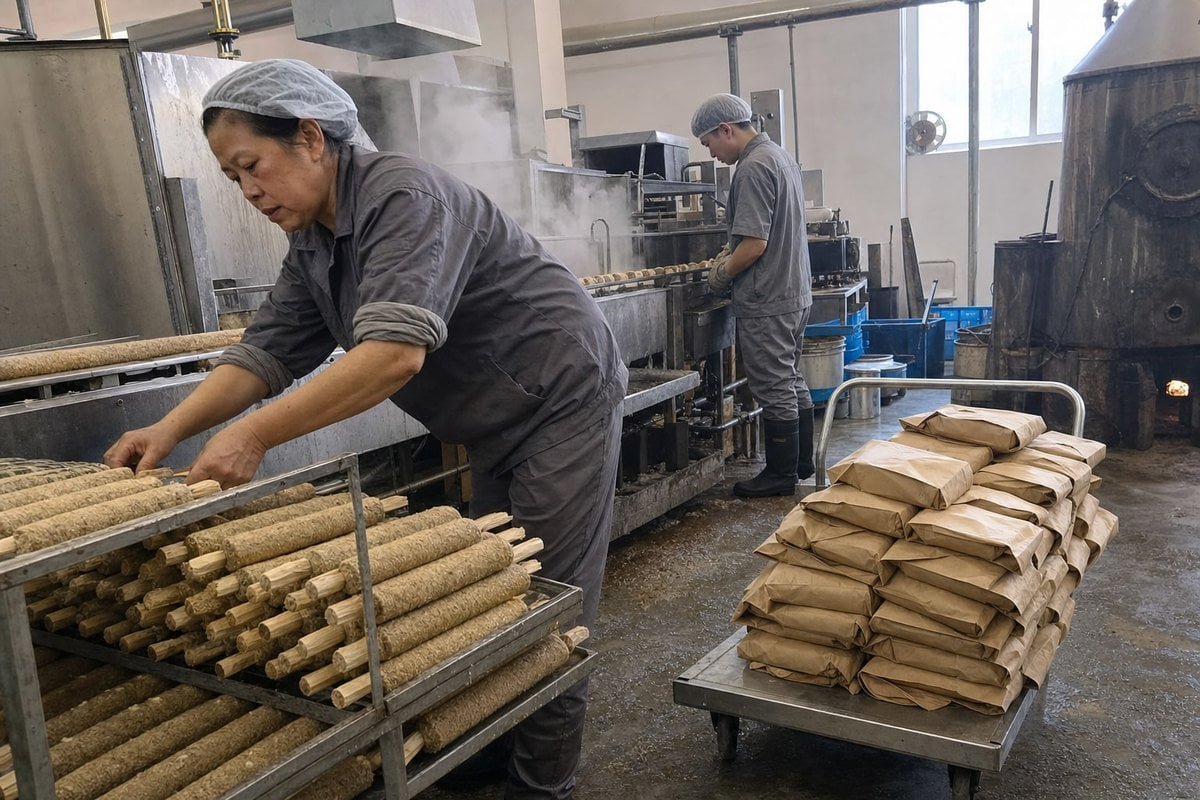
The MOQ number a supplier quotes is rarely arbitrary. It reflects three separate minimums stacked on top of each other: the production batch minimum, the packaging print minimum, and the freight break-even point. On our lines in Ningbo, a wax-dipping batch for wood rolls has a natural size. Running below it wastes wax, labor, and machine setup time. The packaging printer has a similar floor. Custom boxes often carry a plate or die fee, and printers won't run 300 boxes economically.
How MOQ Shifts by Product and Channel
Your first sales channel 2 should set your MOQ target — not the supplier's lowest offer. DTC e-commerce tolerates simpler packs. Big-box retail demands shelf-ready cartons, barcodes, and full documentation, which pushes minimums up.
| Scenario | Typical Realistic MOQ | Why |
|---|---|---|
| DTC / e-commerce test with kraft bags | 1,000–2,000 units | Simple packaging, low print minimums |
| Amazon / marketplace launch | 2,000–5,000 units | Barcode, poly-bag, and carton standards |
| Regional retail chain | 5,000+ units | Retail-ready packs in 12/24/36/48 counts |
| Big-box program | 10,000+ units | Compliance docs, display cartons, case-pack specs |
There is one more factor buyers overlook: sample quality consistency 3. A low MOQ is worthless if the trial batch doesn't match mass production. Because we run complete production lines with batch-to-batch quality control, the sample testing phase you approve is the product you receive at scale. Always ask a new supplier whether trial orders run on the same line as full production. If the answer is vague, the MOQ discussion is premature.
How Can I Negotiate a Lower Trial Order Without Compromising Private Label Quality?
One trade-off we discuss openly with every new buyer: we can flex on quantity, but we won't flex on wax formulation 4, burn time, or safety testing. Knowing where a factory can bend changes how you negotiate.
Negotiate a lower trial MOQ by accepting a 15–20% unit price premium, using sticker or sleeve branding on stock packaging, choosing standard product formats, and offering off-peak production timing. Never trade away compliance testing, material quality, or certifications to hit a smaller number.

Factories say no to small orders because small orders lose money on setup. So the negotiation is really about removing setup costs, not about pressuring the price. Here is the playbook we recommend to buyers who visit us in Liuyang or Ningbo.
Five Negotiation Levers That Actually Work
- Accept a trial-tier price. Pay a modest premium per unit in exchange for a lower minimum. A good factory will honor a written price step-down for your reorder, so the premium is temporary.
- Start with stock formats. Use our standard wood wool firelighters or wax-dipped rolls instead of a custom-engineered shape. Custom tooling is what drives 5,000+ minimums, not the product itself.
- Brand with sleeves or stickers first. A custom-printed paper sleeve or a quality vinyl label on eco-friendly kraft packaging tests your branding without box plate fees. This modular approach lets you trial two or three brand styles in one order.
- Offer flexible timing. Fire starters are seasonal. If you let production run during the summer off-peak window, many factories — ours included — can slot a smaller order without disrupting scheduled lines.
- Bring demand evidence. A landing page with real add-to-cart data, or small digital ad tests comparing "odorless" versus "extra-long burn" positioning, tells a factory you're serious about scaling. We treat that buyer very differently from a price shopper.
What you should never negotiate away: SGS or Intertek test reports 5, warning labels, or material specifications. White label manufacturing shortcuts that skip compliance always cost more later — usually in relabeling, rework, or a blocked customs clearance.
What Hidden Costs Should I Budget for Beyond the Unit Price and MOQ?
A US buyer once told me his "cheap" first order from another supplier ended up 40% over budget once freight, relabeling, and storage landed. That story is common, and it's avoidable with one metric.
Beyond unit price, budget for packaging setup and plate fees, barcode and label design, compliance testing and documentation, inbound freight and duties, warehousing, samples, and marketing test spend. The true decision metric is landed cost per sellable unit — often 40–80% above the factory price.

Factory price is only the visible tip of your trial budget. Everything below the waterline determines whether the test is actually profitable. When we quote OEM projects, we walk buyers through the full stack, because a surprised customer never reorders.
The Full Trial Budget Stack
| Cost Category | Type | Notes |
|---|---|---|
| Product (EXW/FOB price) | Per unit | The number everyone negotiates hardest — often wrongly |
| Packaging plates/dies | One-time | Avoidable on trial runs via sleeves or stock boxes |
| Label, barcode, artwork | One-time | UPC/EAN/GTIN registration plus design fees |
| Compliance & test reports | One-time / periodic | SDS documents, safety warnings, third-party testing |
| Freight & duties | Per shipment | Small orders pay the worst per-unit freight rates |
| Warehousing & fulfillment | Ongoing | Seasonal products can sit for months |
| Samples & revisions | One-time | Budget for at least two sample rounds |
| Marketing test spend | Campaign | Without it, a small trial underrepresents real demand |
Two Ways to Crush Freight Cost on Small Orders
Freight punishes small trial orders hardest. First, consider sharing pallet or container space — some of our buyers consolidate fire starters with charcoal or firewood suppliers shipping to the same region, cutting landed cost dramatically. Second, ask your factory about carton optimization. Our packaging team routinely redesigns case packs to fit pallet dimensions better, which is pure unit cost optimization at zero product change.
One warning: a cheap MOQ is not cheap if the goods need relabeling on arrival. Confirm safety language, warning labels, and barcode placement in writing before production. Rework in a US or EU warehouse costs multiples of getting it right at the factory.
How Do I Scale from a Trial Order to Full Production Without Renegotiating Everything?
The best purchasing managers we work with think about order number three before placing order number one. They lock the scaling path into the first agreement, and it saves them months of friction later.
Scale smoothly by agreeing on a written price ladder tied to volume tiers, confirming reorder lead times and packaging transitions upfront, and keeping specifications identical between trial and production runs. Treat the trial as phase one of a documented program, not a standalone purchase.

Renegotiating from scratch after a successful trial is where deals stall. The factory now knows you have demand; you now know switching suppliers means re-testing everything. Avoid that standoff by structuring the relationship before the first PO.
A Staged Scaling Plan That Works
| Phase | Timeline | Action | Packaging Level |
|---|---|---|---|
| Trial | Month 1 | 1,000–2,000 units, sleeve/sticker branding | Stock pack + label |
| Feedback | Month 2 | List online, run ads, gather reviews | Same |
| Reorder | Month 3 | 3,000–5,000 units with refined artwork | Custom-printed boxes |
| Expansion | Month 6 | Bundle SKUs (e.g., firelighters + fatwood kindling or color-flame packets) | Retail-ready display cartons |
What to Lock in Before the Trial Ships
First, a price ladder. Get tiered pricing for 1K, 5K, 10K, and 20K units in writing, valid for 6–12 months. Second, lead time management. Trial orders may ship in three to four weeks, but peak-season reorders can take longer — know the numbers before your inventory turnover ratio 6 forces a panic reorder. Third, specification freeze. The wax load, wood roll dimensions, burn time, and materials in your trial must be documented so production runs match exactly. If you plan to market FSC certified wood 7 or eco-friendly claims, confirm documentation continuity across batches too.
Finally, build the packaging transition into the plan. Moving from sleeves to full custom boxes at the reorder stage spreads the plate fees across a larger run, when the economics finally make sense. This is exactly how our one-stop OEM/ODM process is structured — size, burn time, packaging, warning labels, barcodes, and logistics evolve together as your volumes grow, without restarting the negotiation each time.
Conclusion
Overbuy and you strangle cash flow; underbuy and your test proves nothing. The fix is treating MOQ and trial budget as one plan: order the smallest commercially meaningful run, budget by landed cost, negotiate with levers instead of pressure, and lock the scaling path upfront. That's how we've helped brands in 30+ countries launch fire starters that actually sell through.
Footnotes
1. Definition of the minimum amount of stock a supplier is willing to sell in a single order. ↩︎
2. Explains the path through which a product travels from the manufacturer to the consumer. ↩︎
3. Details the systematic activities implemented in a quality system so that quality requirements are fulfilled. ↩︎
4. Technical overview of the chemical composition and industrial applications of various wax types. ↩︎
5. Official site of a global leader in product safety testing and certification services. ↩︎
6. Reliable financial resource explaining the calculation and significance of inventory turnover. ↩︎
7. Official information on the standards for wood products sourced from responsibly managed forests. ↩︎



 English
  Spanish
  German
  French
  Arabic
  Portuguese
Join the Conversation