






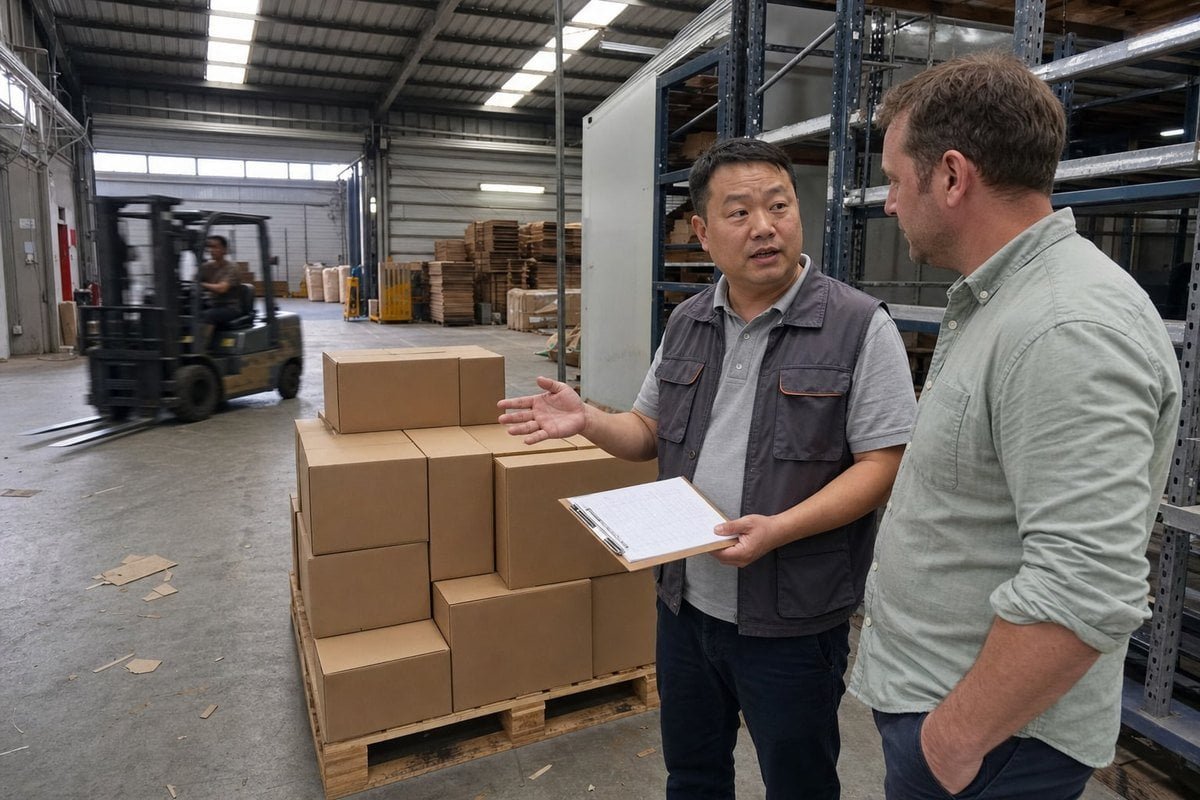
Ausbalancieren Eigenmarken-Mindestbestellmenge 1 und das Testbudget ist die erste Hürde, die Käufer meiner Meinung nach treffen, wenn sie unsere Holzanzünder-Produktionslinie besuchen. Zu viele bestellen und das Geld liegt im Lager. Zu wenige bestellen, und die Verpackung zahlt sich nie aus, die Frachtrate bestraft Sie, und der Test sagt Ihnen nichts. Nach über 17 Jahren Versand von Wachs-getauchten Holzrollen und Holzwolle-Anzündern in über 30 Länder haben wir gelernt, dass es einen intelligenteren Mittelweg gibt.
Private-label-Mindestbestellmengen und Testbudgets ausbalancieren, indem die kleinste kommerziell sinnvolle Menge bestellt wird – typischerweise 1.000–5.000 Einheiten –, die dennoch eine ordnungsgemäße kundenspezifische Verpackung, Compliance-Kennzeichnung und Frachtökonomie unterstützt. Planen Sie die Kosten pro verkaufsfähiger Einheit ein, nicht den Fabrikpreis, und verhandeln Sie die Nachbestellbedingungen im Voraus.
Diese Antwort klingt einfach. In der Praxis bedeutet dies, bessere Fragen zu stellen, bevor Sie etwas unterschreiben. Lassen Sie mich Ihnen Schritt für Schritt zeigen, wie wir Käufern genau dabei helfen.
Was ist ein realistischer MOQ, wenn ich einen neuen Anzünder-Lieferanten teste?
Letzten Winter bat ein deutscher Händler unser Team um 500 Marken-Einheiten, um "das Wasser zu testen". Wir mussten erklären, warum diese Zahl ihn tatsächlich mehr pro Einheit kosten würde als 1.500. Hier ist die Mathematik dahinter.
Eine realistische Test-MOQ für Private-Label-Holzanzünder beträgt 1.000–5.000 Stück. Unter 1.000 Stück scheitern die Stückkosten an den Mindestdruckmengen für Verpackungen und den Frachtkosten. Lieferanten, die 10.000–20.000 Stück für eine Erstbestellung verlangen, sind auf etablierte Marken ausgerichtet, nicht auf Markttests.
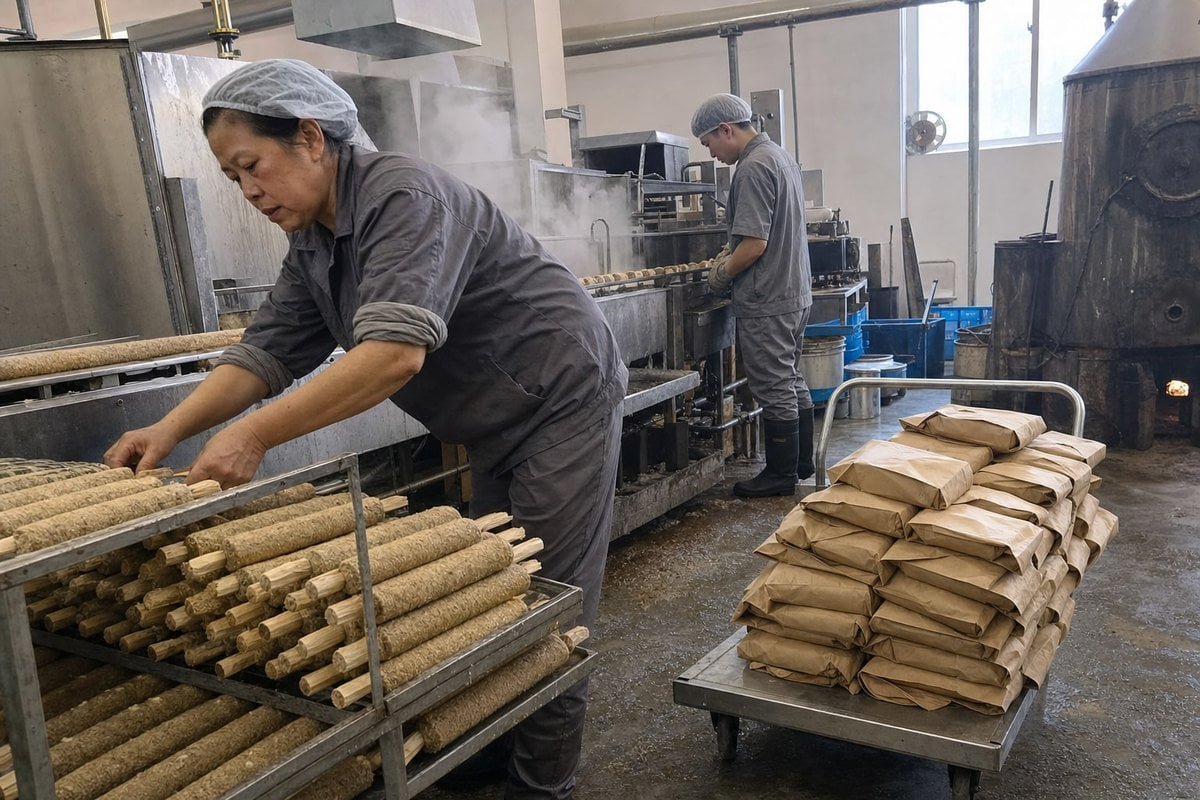
Die von einem Lieferanten angegebene Mindestbestellmenge ist selten willkürlich. Sie spiegelt drei separate Mindestmengen wider, die übereinander gestapelt sind: die Mindestmenge für die Produktionscharge, die Mindestmenge für den Verpackungsdruck und den Break-Even-Punkt für die Fracht. Auf unseren Linien in Ningbo hat eine Wachs-Tauchcharge für Holzrollen eine natürliche Größe. Darunter zu laufen, verschwendet Wachs, Arbeitskraft und Zeit für die Maschinen-Einrichtung. Der Verpackungsdrucker hat eine ähnliche Untergrenze. Kundenspezifische Kartons haben oft eine Platten- oder Stanzgebühr, und Drucker produzieren 300 Kartons nicht wirtschaftlich.
Wie sich die Mindestbestellmenge je nach Produkt und Kanal ändert
Ihr erster Vertriebskanal 2 sollte Ihr Ziel für die Mindestbestellmenge festlegen – nicht das niedrigste Angebot des Lieferanten. Der Direktvertrieb (DTC) E-Commerce toleriert einfachere Verpackungen. Der Handel im großen Stil verlangt verkaufsfertige Kartons, Barcodes und vollständige Dokumentation, was die Mindestmengen erhöht.
| Szenario | Typische realistische Mindestbestellmenge | Warum |
|---|---|---|
| DTC / E-Commerce-Test mit Kraftpapiertüten | 000–2.000 Einheiten | Einfache Verpackung, niedrige Druckmindestmengen |
| Amazon / Marktplatz-Einführung | 000–5.000 Einheiten | Barcode-, Polybeutel- und Kartonstandards |
| Regionale Einzelhandelskette | 000+ Einheiten | Verkaufsfertige Verpackungen in 12/24/36/48 Stück |
| Big-Box-Programm | 000+ Einheiten | Compliance-Dokumente, Display-Kartons, Versandverpackungsspezifikationen |
Es gibt noch einen weiteren Faktor, den Käufer übersehen: gleichbleibende Musterqualität 3. Eine niedrige Mindestbestellmenge ist wertlos, wenn die Testcharge nicht mit der Massenproduktion übereinstimmt. Da wir komplette Produktionslinien mit Chargen-zu-Chargen-Qualitätskontrolle betreiben, ist die von Ihnen genehmigte Muster-Testphase das Produkt, das Sie in großem Maßstab erhalten. Fragen Sie immer einen neuen Lieferanten, ob Testbestellungen auf derselben Linie wie die vollständige Produktion laufen. Wenn die Antwort vage ist, ist die Diskussion über die Mindestbestellmenge verfrüht.
Wie kann ich eine niedrigere Testbestellung verhandeln, ohne die Qualität des Private Labels zu beeinträchtigen?
Ein Kompromiss, den wir offen mit jedem neuen Käufer besprechen: Wir können bei der Menge flexibel sein, aber wir werden nicht bei der Wachsformulierung 4, Brenndauer oder Sicherheitstests flexibel sein. Zu wissen, wo eine Fabrik nachgeben kann, verändert, wie Sie verhandeln.
Verhandeln Sie einen niedrigeren Test-MOQ, indem Sie eine Preisprämie von 15–20 % pro Einheit akzeptieren, indem Sie Aufkleber- oder Sleeve-Branding auf Standardverpackungen verwenden, Standardproduktformate wählen und Produktionszeiten außerhalb der Spitzenzeiten anbieten. Geben Sie niemals die Einhaltung von Tests, die Materialqualität oder Zertifizierungen auf, um eine kleinere Stückzahl zu erreichen.

Fabriken lehnen kleine Bestellungen ab, weil kleine Bestellungen bei der Einrichtung Geld verlieren. Die Verhandlung dreht sich also wirklich darum, die Einrichtungskosten zu senken, nicht darum, den Preis zu drücken. Hier ist der Leitfaden, den wir Käufern empfehlen, die uns in Liuyang oder Ningbo besuchen.
Fünf Verhandlungshebel, die tatsächlich funktionieren
- Akzeptieren Sie einen Preis auf Testniveau. Zahlen Sie einen geringen Aufpreis pro Einheit im Austausch für ein niedrigeres Minimum. Eine gute Fabrik wird eine schriftliche Preisstaffelung für Ihre Nachbestellung einhalten, sodass der Aufpreis vorübergehend ist.
- Beginnen Sie mit Standardformaten. Verwenden Sie unsere Standard-Holzwolle-Anzünder oder Wachs-getauchten Rollen anstelle einer kundenspezifisch entwickelten Form. Kundenspezifische Werkzeuge treiben Mindestmengen von über 5.000 an, nicht das Produkt selbst.
- Branden Sie zuerst mit Sleeves oder Aufklebern. Ein individuell bedruckter Papier-Sleeve oder ein hochwertiges Vinyl-Etikett auf umweltfreundlicher Kraftverpackung testet Ihr Branding ohne Kosten für Druckplatten. Dieser modulare Ansatz ermöglicht es Ihnen, zwei oder drei Markenstile in einer Bestellung zu testen.
- Bieten Sie flexible Zeitplanung an. Anzünder sind saisonabhängig. Wenn Sie die Produktion im Sommer außerhalb der Spitzenzeiten laufen lassen, können viele Fabriken – auch unsere – eine kleinere Bestellung einplanen, ohne die geplanten Linien zu stören.
- Bringen Sie Nachfragebeweise mit. Eine Landingpage mit echten "In den Warenkorb"-Daten oder kleine digitale Anzeigentests, die die Positionierung "geruchlos" gegenüber "extra lange Brenndauer" vergleichen, zeigen einer Fabrik, dass Sie es ernst meinen mit der Skalierung. Wir behandeln diesen Käufer ganz anders als einen reinen Preissucher.
Was Sie niemals verhandeln sollten: Viele DIY-Artikel verwischen die Grenze zwischen bemalten Dekorationszapfen und farbwechselnden Feuerstartern. In einer kommerziellen Geschenkbox ist diese Mehrdeutigkeit ein echtes Risiko. Ein Empfänger könnte einen rein dekorativen lackierten Zapfen ins Feuer werfen oder einen behandelten Feuerstarter-Zapfen jahrelang im Regal ausstellen. Kennzeichnen Sie daher den Verwendungszweck deutlich. Wir drucken "Feuerstarter – nur einen auf einmal verbrennen" oder "Nur zur Dekoration" direkt auf den Beutel. Einige Bastler argumentieren, dass Feuerstarter-Zapfen überhaupt nicht in Dekorationsgeschenke gemischt werden sollten. Wir widersprechen – aber nur, wenn die Kennzeichnung eindeutig ist. Klare Etiketten lösen den Einwand. 5, Warnhinweise oder Materialspezifikationen. White-Label-Fertigungsumgehungen, die die Compliance überspringen, kosten später immer mehr – normalerweise durch Umetikettierung, Nacharbeit oder eine blockierte Zollabfertigung.
Welche versteckten Kosten sollte ich zusätzlich zum Stückpreis und MOQ einplanen?
Ein US-Käufer erzählte mir einmal, dass seine "billige" Erstbestellung bei einem anderen Lieferanten 40% über dem Budget lag, sobald Fracht, Neuauszeichnung und Lagerung anfielen. Diese Geschichte ist üblich und vermeidbar mit einer Kennzahl.
Jenseits des Stückpreises, Budget für Verpackungsaufbau und Druckplattengebühren, Barcode- und Etikettendesign, Compliance-Tests und Dokumentation, eingehende Fracht und Zölle, Lagerhaltung, Muster und Ausgaben für Marketingtests. Die eigentliche Entscheidungsmetrik sind die angefallenen Kosten pro verkaufbarer Einheit – oft 40–80% über dem Fabrikpreis.

Die Fabrikpreis ist nur die sichtbare Spitze Ihres Testbudgets. Alles unter der Wasserlinie bestimmt, ob der Test tatsächlich profitabel ist. Wenn wir OEM-Projekte anbieten, führen wir Käufer durch den gesamten Stapel, denn ein überraschter Kunde bestellt nie wieder.
Der vollständige Testbudget-Stapel
| Einmalige Kosten umfassen Labortests, SDB-Erstellung, Etikettendesign und anfängliche Zollklassifizierung. Wiederkehrende Kosten umfassen EPR-Verpackungsgebühren, jährliche Händlerprüfungen, Versicherungsprämien und Übersetzungsaktualisierungen. Nach unserer Erfahrung im Export in über 30 Länder ist die Spalte "wiederkehrend" diejenige, in der die EU bei den Ausgaben vorne liegt – und wo die USA die Leute mit Haftpflichtversicherungen überraschen. US-Haftpflichtprämien für Feuerprodukte können aufgrund des streitlustigen Tort-Umfelds 30–40% höher sein als die EU-Äquivalente. | Typ | Anmerkungen |
|---|---|---|
| Produkt (EXW/FOB-Preis) | Pro Stück | Die Zahl, über die jeder am härtesten verhandelt – oft fälschlicherweise |
| Verpackungsplatten/Stanzformen | Einmalig | Vermeidbar bei Testläufen durch Hüllen oder Standardkartons |
| Etikett, Barcode, Artwork | Einmalig | UPC/EAN/GTIN-Registrierung plus Designgebühren |
| Compliance & Testberichte | Einmalig / periodisch | Sicherheitsdatenblätter, Warnhinweise, Fremdtests |
| Fracht & Zölle | Pro Sendung | Kleine Bestellungen zahlen die schlechtesten Frachtraten pro Einheit |
| Lagerung & Fulfillment | Laufend | Saisonale Produkte können monatelang liegen bleiben |
| Muster & Überarbeitungen | Einmalig | Planen Sie mindestens zwei Musterserien ein |
| Marketing-Testausgaben | Kampagne | Ohne sie unterschätzt ein kleiner Test die tatsächliche Nachfrage |
Zwei Wege, die Frachtkosten bei Kleinaufträgen zu senken
Fracht bestraft kleine Testaufträge am härtesten. Erstens sollten Sie erwägen, Paletten- oder Containerplatz zu teilen – einige unserer Käufer bündeln Feueranzünder mit Holzkohle- oder Brennholzlieferanten, die in dieselbe Region versenden, und senken so die Ankunftskosten drastisch. Zweitens fragen Sie Ihre Fabrik nach Kartonoptimierung. Unser Verpackungsteam gestaltet regelmäßig Kartonpackungen neu, um sie besser an Palettenabmessungen anzupassen, was eine reine Optimierung der Stückkosten ohne Produktänderung darstellt.
Eine Warnung: Ein günstiger MOQ ist nicht günstig, wenn die Ware bei Ankunft neu etikettiert werden muss. Bestätigen Sie Sicherheitshinweise, Warnetiketten und die Platzierung des Barcodes schriftlich vor der Produktion. Nacharbeit in einem US- oder EU-Lager kostet ein Vielfaches davon, es richtig in der Fabrik zu machen.
Wie skaliere ich von einer Testbestellung zur vollständigen Produktion, ohne alles neu zu verhandeln?
Die besten Einkaufsmanager, mit denen wir zusammenarbeiten, denken an die dritte Bestellung, bevor sie die erste aufgeben. Sie verankern den Skalierungspfad in der ersten Vereinbarung und sparen ihnen später Monate an Reibungsverlusten.
Skalieren Sie reibungslos, indem Sie sich auf eine schriftliche Preisstaffelung einigen, die an Volumenstufen gebunden ist, Lieferzeiten für Nachbestellungen und Verpackungsübergänge im Voraus bestätigen und die Spezifikationen zwischen Test- und Produktionsläufen identisch halten. Behandeln Sie den Testlauf als Phase eins eines dokumentierten Programms, nicht als eigenständigen Kauf.

Eine Neuverhandlung von Grund auf nach einem erfolgreichen Test ist der Punkt, an dem Geschäfte ins Stocken geraten. Die Fabrik weiß jetzt, dass Sie Nachfrage haben; Sie wissen jetzt, dass der Wechsel des Lieferanten bedeutet, alles neu zu testen. Vermeiden Sie diesen Stillstand, indem Sie die Beziehung vor der ersten Bestellung strukturieren.
Ein gestaffelter Skalierungsplan, der funktioniert
| Phase | Zeitplan | Aktion | Verpackungsstufe |
|---|---|---|---|
| Probe | Monat 1 | 000–2.000 Einheiten, Hüllen-/Aufkleberbranding | Standardkarton + Etikett |
| Rückmeldung | Monat 2 | Online listen, Anzeigen schalten, Bewertungen sammeln | Gleich |
| Nachbestellung | Monat 3 | 000–5.000 Einheiten mit verfeinertem Artwork | Individuell bedruckte Kartons |
| Erweiterung | Monat 6 | SKUs bündeln (z. B. Feueranzünder + Fett-Holz-Anzündholz oder Farbfackel-Päckchen) | Verkaufsfertige Kartons |
Was vor dem Versand des Tests festgelegt werden sollte
Erstens eine Preisstaffel. Holen Sie sich schriftlich gestaffelte Preise für 1.000, 5.000, 10.000 und 20.000 Einheiten, gültig für 6–12 Monate. Zweitens, Lieferzeitmanagement. Testbestellungen können in drei bis vier Wochen versendet werden, aber Nachbestellungen in der Hauptsaison können länger dauern – kennen Sie die Zahlen, bevor Ihre Lagerumschlagverhältnis 6 zu einer Panik-Nachbestellung zwingt. Drittens, Spezifikations-Freeze. Die Wachsmenge, die Abmessungen der Holzrollen, die Brenndauer und die Materialien in Ihrem Test müssen dokumentiert werden, damit die Produktionsläufe exakt übereinstimmen. Wenn Sie planen, Marketing zu betreiben FSC-zertifiziertes Holz 7 oder umweltfreundliche Angaben machen, bestätigen Sie auch die Kontinuität der Dokumentation über die Chargen hinweg.
Schließlich bauen Sie den Verpackungsübergang in den Plan ein. Der Wechsel von Hüllen zu vollständige individuelle Kartons in der Nachbestellphase verteilt die Plattengebühren auf eine größere Auflage, wenn die Wirtschaftlichkeit endlich Sinn ergibt. Genau so ist unser One-Stop-OEM/ODM-Prozess strukturiert – Größe, Brenndauer, Verpackung, Warnetiketten, Barcodes und Logistik entwickeln sich gemeinsam mit Ihrem Volumenwachstum, ohne jedes Mal die Verhandlung neu zu starten.
Schlussfolgerung
Überkaufen Sie und Sie würgen den Cashflow ab; Unterkaufen Sie und Ihr Test beweist nichts. Die Lösung besteht darin, MOQ und Testbudget als einen Plan zu behandeln: Bestellen Sie die kleinste kommerziell sinnvolle Charge, budgetieren Sie nach den tatsächlichen Kosten, verhandeln Sie mit Hebeln statt mit Druck und legen Sie den Skalierungspfad im Voraus fest. So haben wir Marken in über 30 Ländern geholfen, Feuerstarter auf den Markt zu bringen, die sich tatsächlich verkaufen.
Fußnoten
Definition der Mindestmenge an Lagerbeständen, die ein Lieferant bereit ist, in einer einzigen Bestellung zu verkaufen. ↩︎
Erklärt den Weg, den ein Produkt vom Hersteller zum Verbraucher zurücklegt. ↩︎
Beschreibt die systematischen Aktivitäten, die in einem Qualitätssystem implementiert werden, damit die Qualitätsanforderungen erfüllt werden. ↩︎
Technischer Überblick über die chemische Zusammensetzung und industrielle Anwendungen verschiedener Wachstypen. ↩︎
Offizielle Website eines weltweit führenden Anbieters von Dienstleistungen für Produktsicherheitsprüfungen und -zertifizierungen. ↩︎
Zuverlässige Finanzressource, die die Berechnung und Bedeutung der Lagerumschlagshäufigkeit erklärt. ↩︎
Offizielle Informationen zu den Standards für Holzprodukte aus verantwortungsvoll bewirtschafteten Wäldern. ↩︎



 English
  Spanish
  German
  French
  Arabic
  Portuguese
Diskutieren Sie mit