






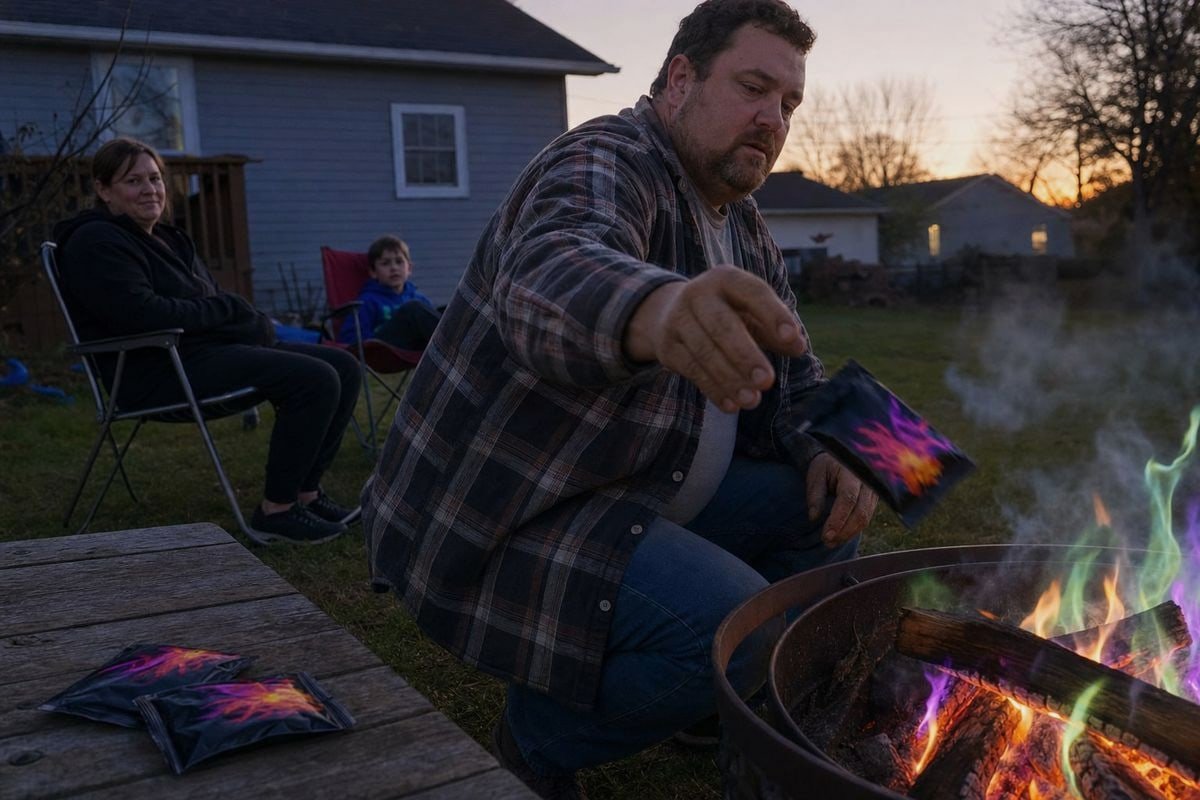
The recommended dosage of Magic Fire Powder confuses many buyers heavy-metal concerns 1. On our production line, we see importers guess at packet counts, get inconsistent flame color duration, and then field complaints from end users.
The recommended dosage of Magic Fire Powder is one to three unopened sachets per fire, thrown directly into an established wood flame. One 25–30 g packet gives a modest rainbow effect; two or three packets produce stronger, longer-lasting colored flames in larger fires.
That is the short answer. But dosage also touches burn time, safety compliance 2, and packaging design. Let me walk you through each part, based on what we do at our factory every day.
How much Magic Fire powder should I use for a standard campfire or fire pit?
During a burn test last winter at our Ningbo facility, our QC team compared one, two, and three sachets on identical wood fires. The difference in color intensity surprised even our senior technicians.
For a standard campfire or backyard fire pit, use one to three unopened Magic Fire Powder packets. One packet suits a small fire, two packets suit a medium fire, and three packets deliver maximum rainbow flame effects in a large, well-established blaze.
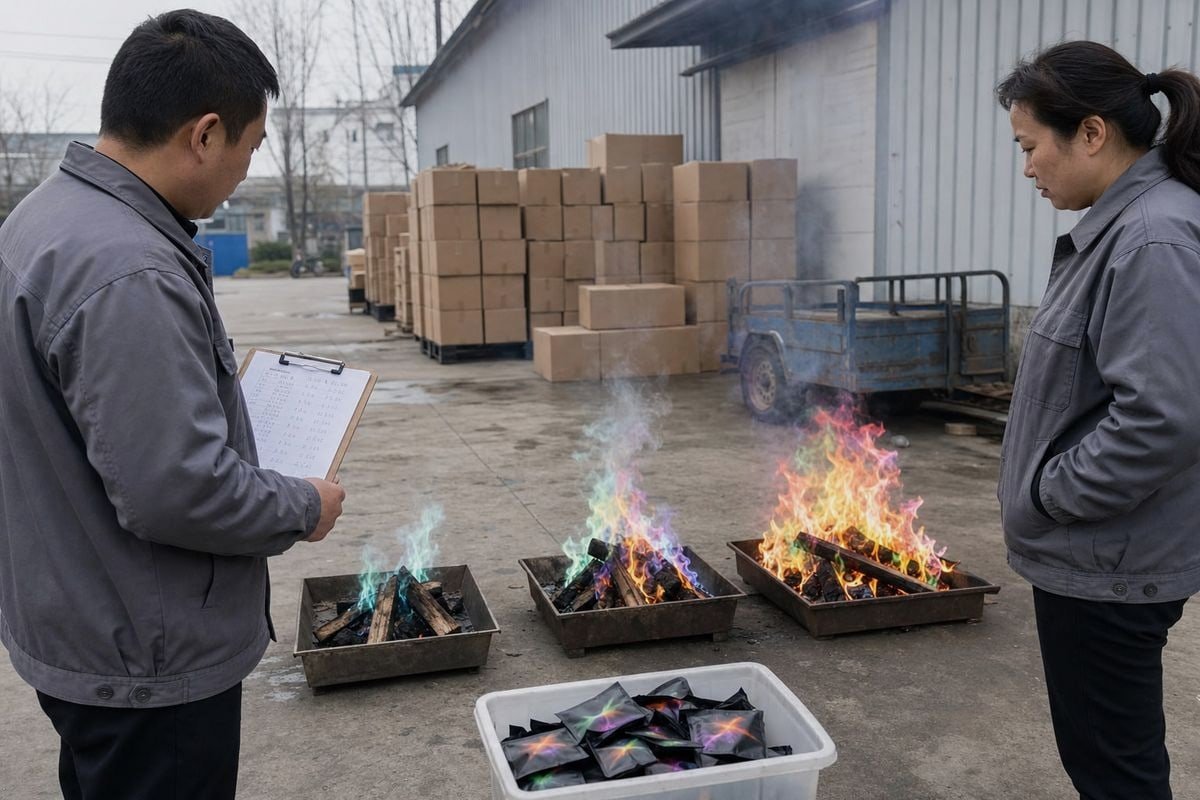
The key idea is simple. The "dose" here is not a measured spoonful. It is a packet count. Consumers should never open the sachet, weigh the powder, or sprinkle it by hand. The unopened packet is the unit of use, and this protects users from skin contact and inhalation hazards while giving a predictable result.
Match packet count to fire size
Fire size drives everything. A small fire has less heat and less surface area, so one packet is enough. A large bonfire spreads the colorant thin, so it needs more. Here is the guide we print for our OEM clients:
| Fire size | Typical setting | Recommended dosage | Expected effect |
|---|---|---|---|
| Small | Tabletop fire pit, small hearth | 1 packet | Gentle blue-green color shift |
| Medium | Backyard fire pit, campfire | 2 packets | Clear multicolor flames |
| Large | Bonfire, big outdoor pit | 3 packets | Vivid, sustained rainbow display |
Placement matters as much as quantity
Where the packet lands changes the result. Toss the sachet deep into the hot coal bed, not on top of fresh logs. The coals melt the outer film slowly, which releases the colorant gradually and extends the flame color duration. In smokeless fire pits, placing packets near the air intake improves ionization and color vibrancy.
Also, timing matters. Finish all cooking over the fire first. Cooking over colored flames is not recommended, because the metal salts 3 that create the colors should never touch food. Add the powder only after the marshmallows are done.
Can I customize the dosage per packet to match my brand's burn time requirements?
A German distributor once asked us for a packet that would color a fireplace flame for a full family movie night. We reformulated the granule size and fill weight until his target burn time held across three test batches.
Yes. Packet weight, granule size, and formulation can all be customized to hit a specific burn time. As a full OEM/ODM factory, we adjust fill weights from roughly 10 g to 30 g or more, tuning flame color duration to match your brand's promise on the label.
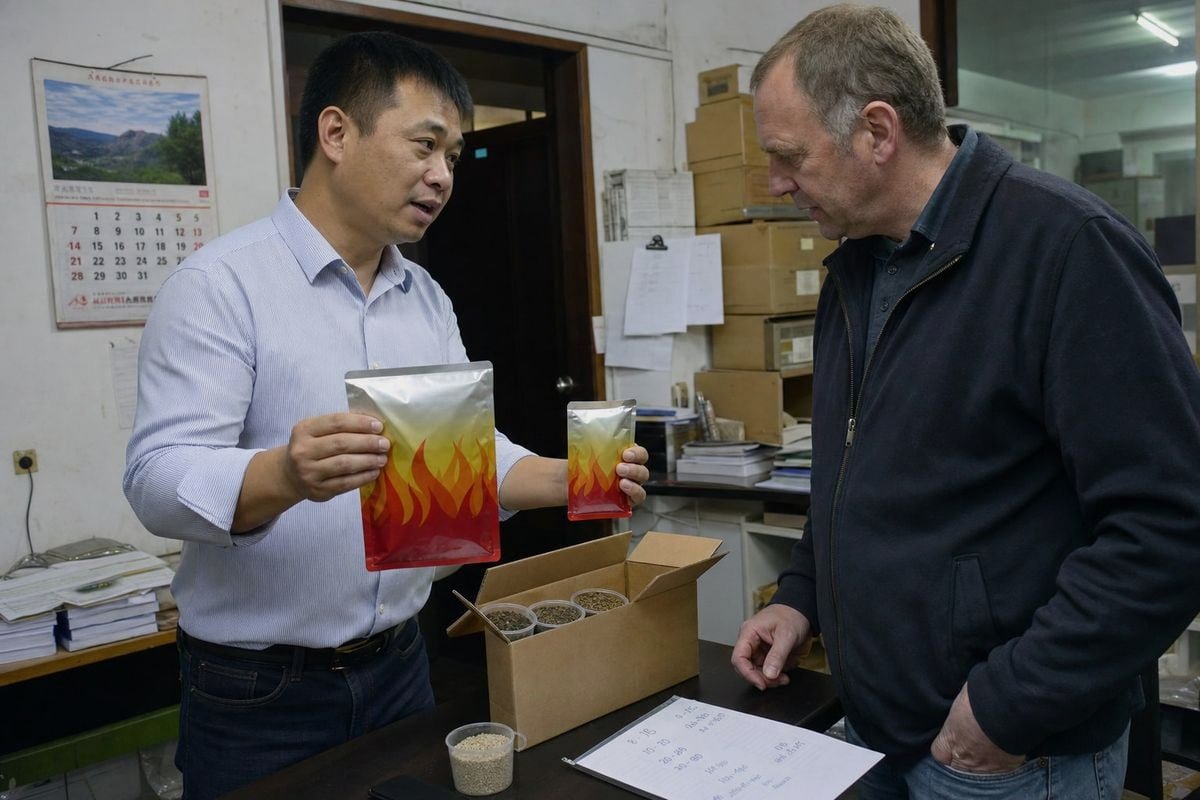
Here is a hard truth from our 17+ years in fire colorant packets: vendor duration claims 4 across the market conflict badly. Some listings say a 30 g pack lasts 5–10 minutes. Others claim 30 g lasts a full 60 minutes. Both can be "true" depending on formulation, granule size, fire heat, and airflow. That is exactly why serious brands come to a factory instead of relabeling generic stock.
What we can tune for your brand
Burn time is not one dial. It is several. When we develop a private-label spec, we adjust these variables together:
- Fill weight — more grams means longer color, all else equal.
- Granule size — coarser crystals release slower and last longer.
- Film thickness — the sachet material delays ignition slightly.
- Formulation blend — different pyrotechnic color additives burn at different rates.
Typical weight-to-duration ranges
Treat published numbers as marketing until they are verified. Below is the kind of realistic, tested range we work toward with clients, always confirmed by batch burn tests before mass production:
| Packet weight | Conservative duration | Optimistic seller claims | Our recommendation |
|---|---|---|---|
| 10 g | 3–7 minutes | Up to 20 minutes | Sampler or trial packs |
| 15 g | 5–10 minutes | Up to 30 minutes | Standard retail sachet |
| 25 g | 8–15 minutes | Up to 50 minutes | Premium campfire packet |
| 30 g | 10–20 minutes | Up to 60 minutes | Long-display or gift sets |
The lesson for purchasing managers is simple. Do not print a burn-time claim you have not tested. We provide burn-test videos and reports with every sample run, so the number on your packaging reflects what your customers will actually see. Our first sample reliably matches mass-production quality because we control the full line, batch to batch.
Does the recommended dosage affect compliance with international safety standards?
One of our earliest lessons in exporting to the EU came the hard way: a shipment of fire-themed goods 5 from a peer supplier got held at customs over incomplete labeling. Since then, compliance has sat at the center of everything we spec, including dosage instructions.
Yes, dosage instructions are part of compliance. Clear per-use limits, warning labels, and unopened-sachet directions are expected under EU and US consumer product rules. Products backed by CE marking, SGS or Intertek test reports, and ISO 9001 production control clear customs and retail audits far more smoothly.
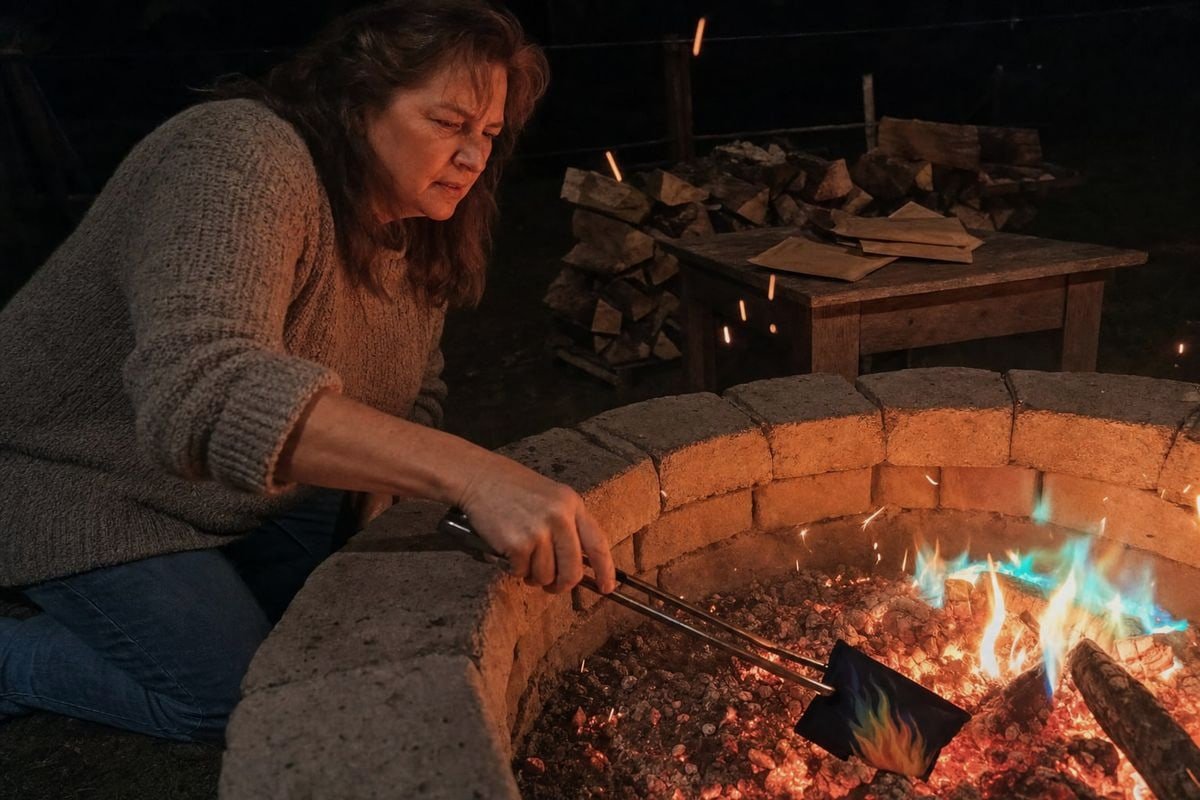
Let me be direct about why this matters to a buyer. Regulators do not test whether your flames look pretty. They test whether the product is safe when used as instructed. That phrase — "as instructed" — is where dosage lives. If your packaging says "use 1–3 unopened packets in a wood-burning fire," then testing labs evaluate that exact scenario. Vague or missing dosage guidance widens your liability.
How dosage guidance connects to specific requirements
There are several compliance touchpoints tied directly to per-use dosage:
- Warning labels. Instructions must state the maximum packets per use, prohibit opening the sachet, and warn against use in propane, gas, or bio-ethanol appliances. Wood-burning fireplace additives belong in wood fires only.
- Chemical safety. Formulation matters here. Cheap generic powders often lean on questionable colorants, which raises copper sulfate safety 6 questions and heavy-metal concerns. Our packets use eco-friendly materials with no harmful chemicals, and we back that with SGS and Intertek test reports.
- Food separation. Labels should tell users to finish cooking before adding the product. This is a standard campfire safety precaution we include on every private-label design.
- Disposal guidance. Ash from treated fires should go into trash receptacles, not garden soil, to avoid metal salt accumulation. It is a small line of text that audit teams genuinely check.
In our experience shipping to the US, Germany, the UK, France, and beyond, buyers who treat dosage labeling as a compliance element — not just usage advice — avoid customs delays and retail rejections. That is why we hold ISO 9001 and BSCI certification 7 and supply complete test documentation with every export order. For our clients, this is a hard requirement, not a nice-to-have.
How does packet size influence the dosage instructions I provide to end users?
When we design display boxes for retail sourcing channels, the packaging brief and the dosage instruction always get written together. A packet's size, weight, and format decide what "one dose" means on your label.
Packet size defines the dose. A 25 g sachet lets you print a clean "1–3 packets per fire" instruction, while smaller 10–15 g packets may need higher counts. Bulk jar formats require scoop-based guidance instead, typically one to two level scoops per application.
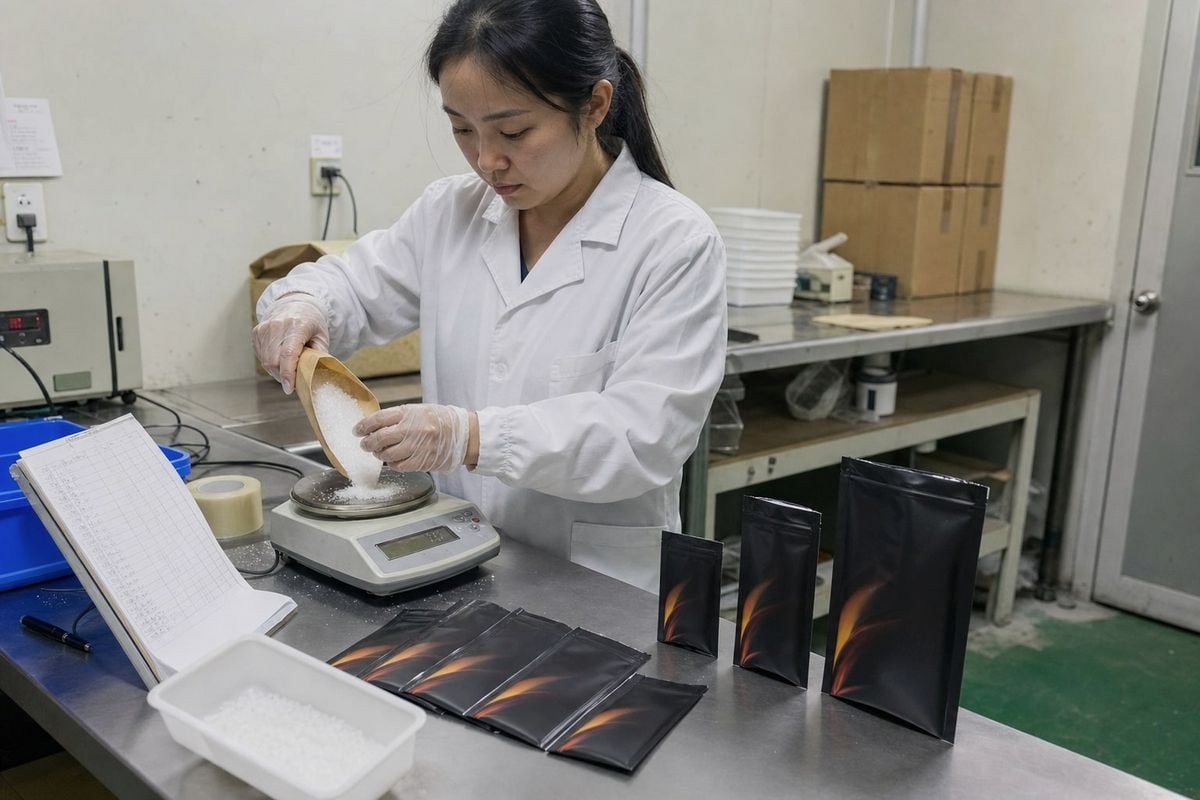
Think of the packet as the measuring device. If the packet is sized correctly for a typical fire, the instruction stays simple, and simple instructions get followed. Complicated dosing gets ignored, and ignored dosing leads to disappointed users or, worse, unsafe improvisation with open powder.
Format shapes the instruction
We produce Magic Fire packets in plastic bags, kraft stand-up pouches, and plastic jars. Each format changes the dosage language:
| Packaging format | Typical unit weight | Dosage instruction style | Best use case |
|---|---|---|---|
| Single foil sachet | 25–30 g | "Toss 1–3 unopened packets" | Retail impulse buys, gift sets |
| Multi-sachet kraft pouch | 10–15 g each | "Use 2–3 packets for medium fires" | Camping brands, outdoor fire pit accessories |
| Bulk plastic jar | 250 g+ | "Add 1–2 level scoops with the included scoop" | Frequent users, fireplace enthusiasts |
Practical rules we recommend to brands
First, size the packet so one to three units covers the common use case. If your target market is small patio pits, a 15 g packet may be the smarter base unit than 30 g. Second, keep the instruction on the sachet itself, not only on the outer box, because sachets get separated from packaging. Third, for jar versions, include a scoop. Asking users to estimate grams invites both wasted product and unnecessary exposure to dust — an avoidable inhalation risk.
One more detail buyers often miss: material choice affects long-term care instructions. Metal salts can leave residue, so we advise adding a line telling users to rinse stainless steel fire pits after colored burns to prevent corrosion. Small print, big customer-satisfaction difference. As a one-stop OEM/ODM partner, we handle all of this — custom sizes, warning labels, barcodes, and display boxes — so your product arrives shelf-ready.
Conclusion
Wrong dosage guidance wastes product, disappoints users, and creates compliance risk. The fix is simple: one to three unopened packets per fire, sized and labeled correctly for your market.
Over



 English
  Spanish
  German
  French
  Arabic
  Portuguese
Join the Conversation