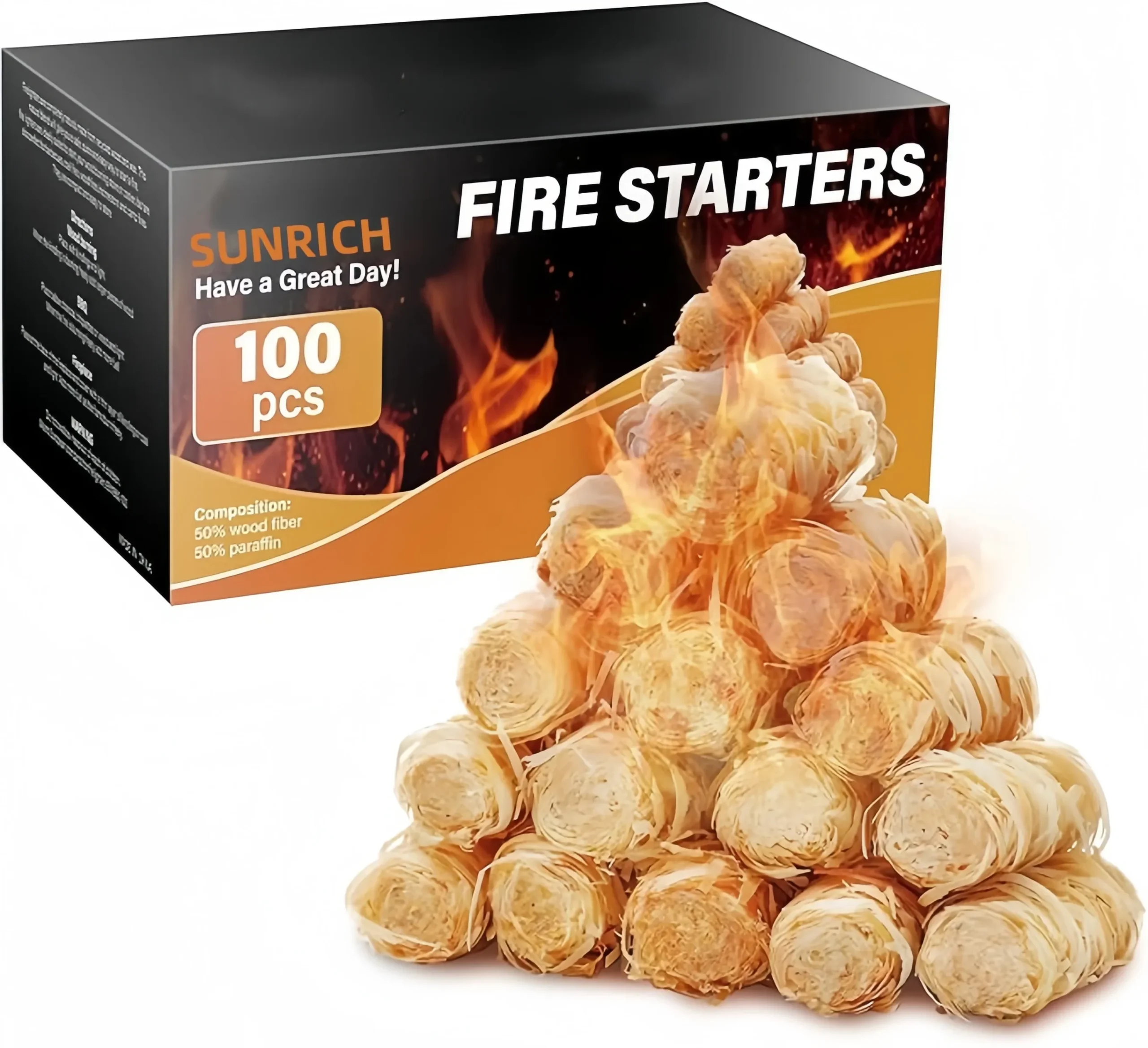
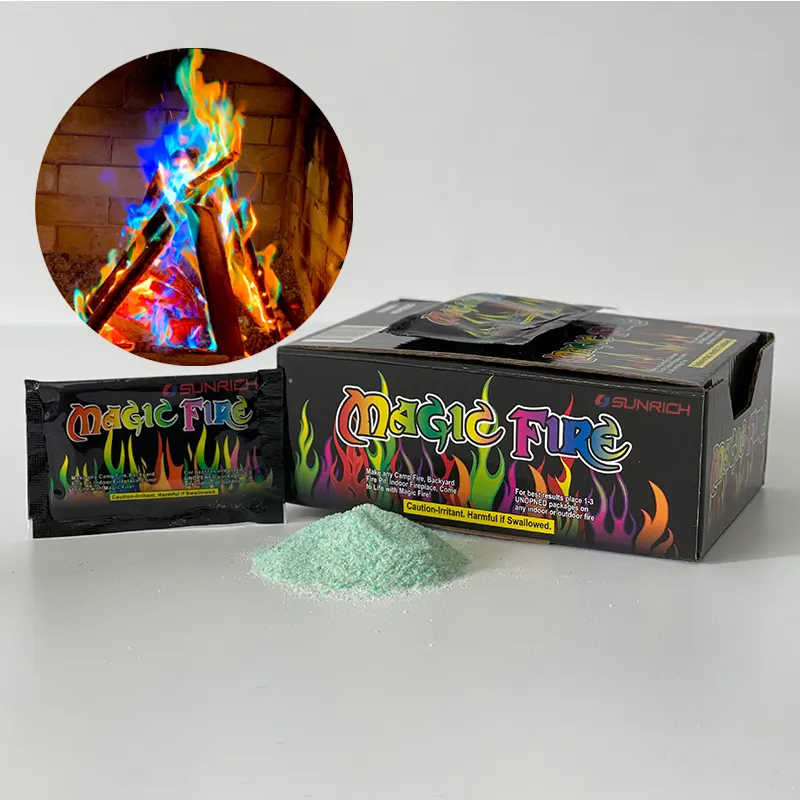

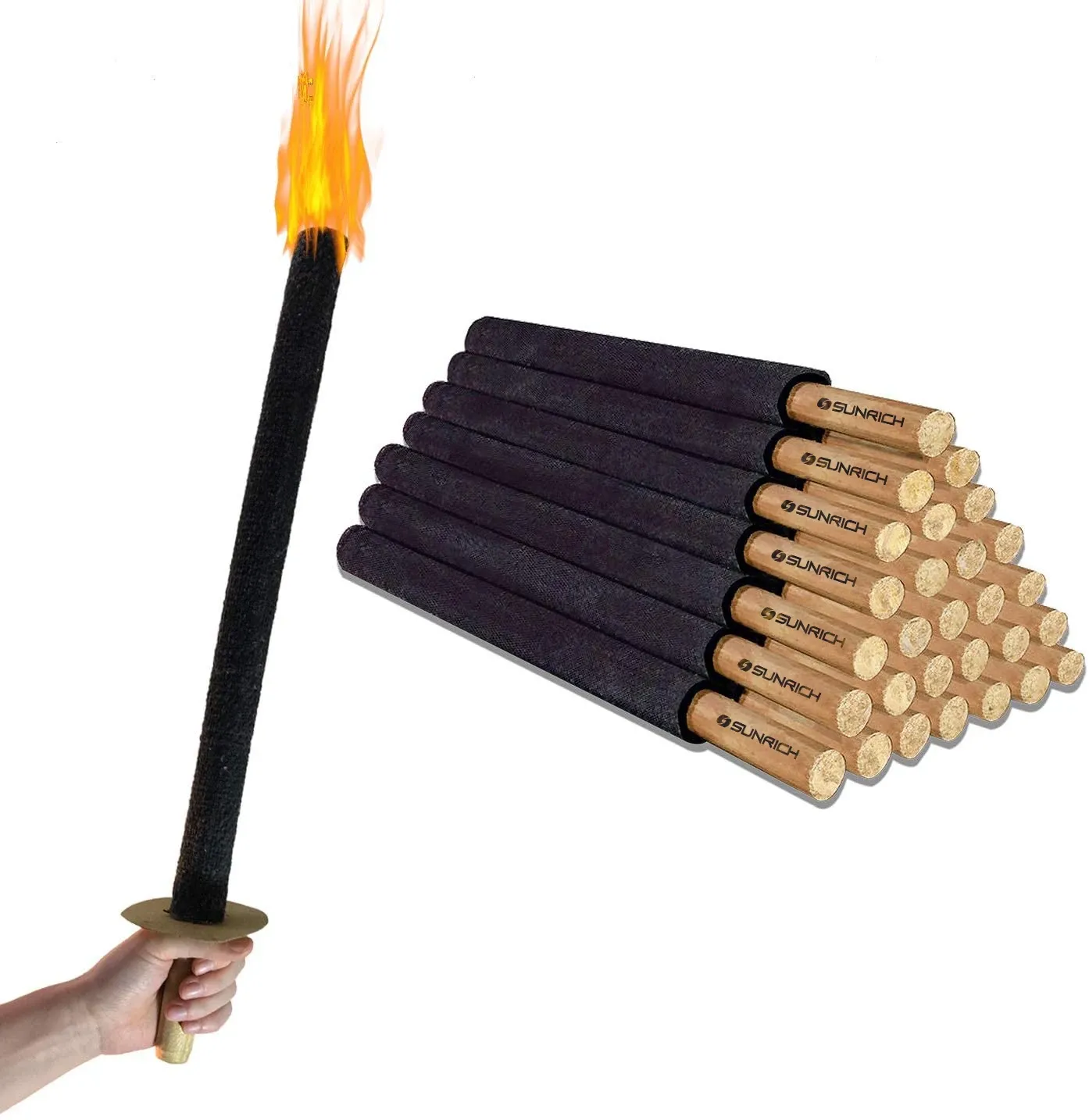
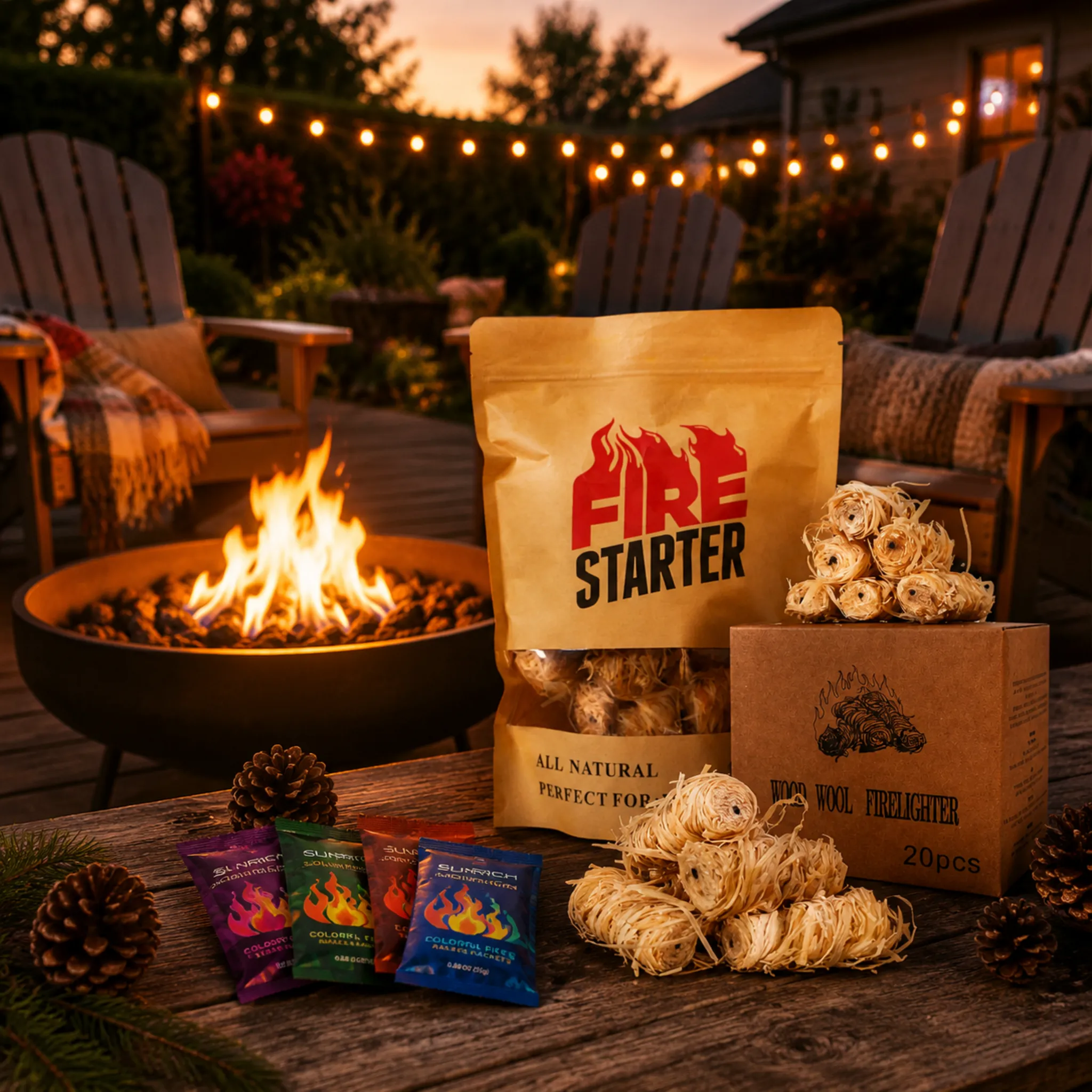
Food-contact safety requirements for wood fire starters worry many BBQ buyers I meet. One contaminated batch can taint food, trigger recalls, and destroy a brand our factory spent years helping build.
Food-contact safety requirements for wood fire starters demand that no harmful chemicals, odors, or residues migrate to grilled food. Compliant starters use untreated food-safe wood species, non-toxic binders, and clean burning fuel, verified through SGS or Intertek migration testing, EN 1860-3 conformity, and full ingredient disclosure.
That is the short answer. The details matter more, though. Below, I walk through certifications, test reports, wax and additive rules, and the exact documents you need for customs and retailers.
Which certifications prove my wood fire starters are safe for food-contact grilling applications?
A German distributor once rejected our first sample shipment paperwork — not the product, the paperwork. That lesson taught our team which certifications actually open doors in BBQ retail channels.
The key certifications are EN 1860-3 conformity for barbecue firelighters, third-party test reports from SGS or Intertek confirming no harmful residue migration, ISO 9001 for consistent production quality, and BSCI for ethical sourcing. In the US, alignment with FDA indirect food additive principles strengthens food-contact claims.

No single global certificate says "food-safe fire starter." Instead, buyers assemble a stack of proofs. In our 17+ years exporting fire-starting goods 1 to 30+ countries, we have learned which documents each market actually demands. Europe leans on EN 1860-3. The US leans on FDA indirect food additive logic plus retailer-specific audits. Both markets expect third-party lab evidence, not supplier promises.
The certification stack, market by market
| Certification / Standard | What It Proves | Where It Matters Most |
|---|---|---|
| EN 1860-3 | Firelighter leaves no harmful residue or off-odor on grilled food | EU, UK |
| SGS / Intertek test report | Independent verification of composition and migration safety | Global |
| ISO 9001 | Batch-to-batch quality consistency in production | Global B2B |
| BSCI audit | Ethical, audited factory conditions | EU retailers |
| CE marking (where applicable) | General product conformity for the EU market | EU |
| FDA indirect food additive alignment | Combustion byproducts 2 not expected to migrate unsafely to food | US |
Why EN 1860-3 is the anchor standard
EN 1860-3 was written specifically for barbecue firelighters. It covers ignition behavior, residue, and odor transfer. If your target market is Germany, France, the Netherlands, or the UK, retailers will ask for it by name. When we develop wax-dipped wood rolls for European BBQ distributors, EN 1860-3 conformity testing is the first milestone before we even discuss packaging.
What FDA alignment really means
The FDA does not "certify" fire starters. But its indirect food additive framework 3 applies when combustion byproducts could reasonably reach food. A credible supplier should show that wax and binder ingredients align with FDA food-grade certification categories or qualify as GRAS substances. Treat any supplier claiming an outright "FDA certificate for fire starters" with caution — that phrasing alone is a red flag.
What test reports should I request to verify no harmful chemical residue transfers to food?
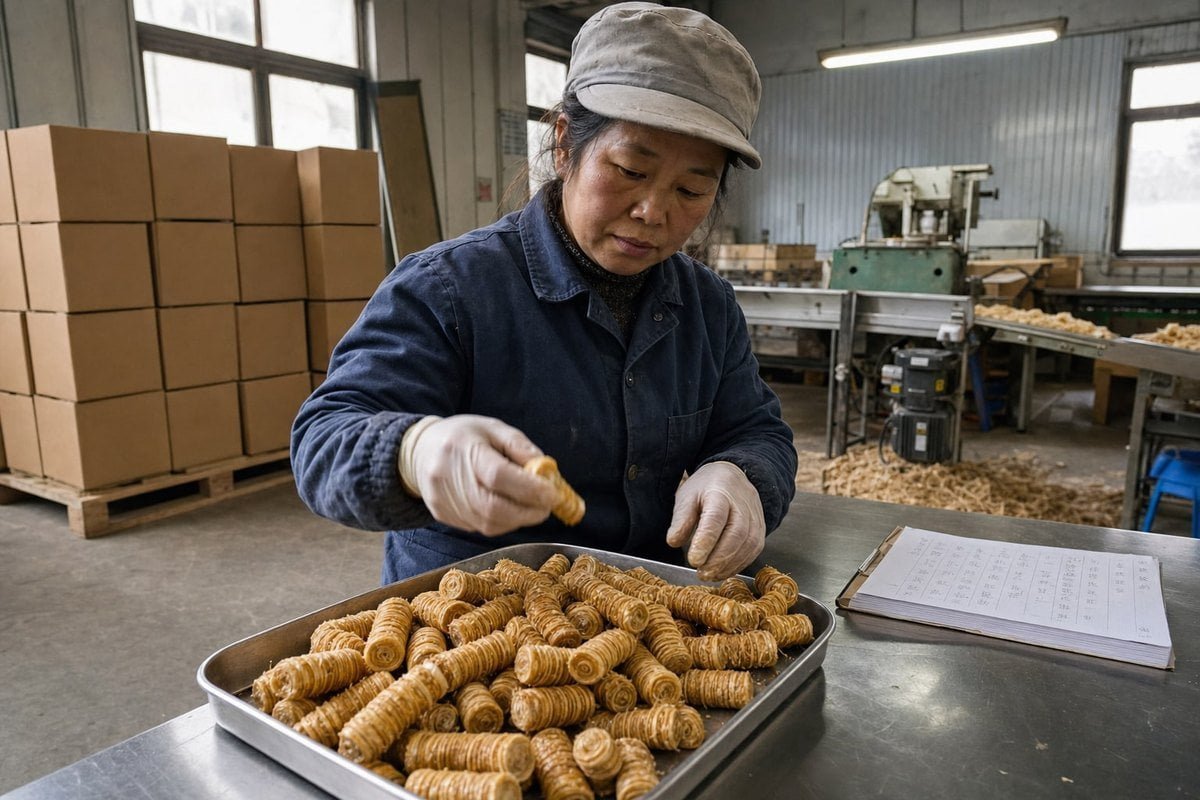
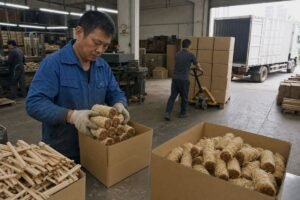
Every quarter, our QC team pulls random wax-dipped wood rolls off the Ningbo line and sends them for independent lab testing. Buyers should expect that same discipline from any supplier.
Request heavy metal migration reports, VOC emission test results, PAH combustion residue analysis, wax composition verification, and organoleptic (odor and taste transfer) testing. All reports should come from accredited third-party labs like SGS or Intertek, dated within the last 12 to 24 months.

A certificate tells you a standard exists. A test report tells you the product actually passed. In my experience negotiating with US and European purchasing managers 4, the buyers who avoid problems are the ones who request specific reports by name. Vague requests get vague answers.
The five test reports that matter
| Test Report | What It Detects | Why It Matters for BBQ Use |
|---|---|---|
| Heavy metal migration | Lead, cadmium, arsenic from treated wood | Pressure-treated wood scraps can release toxic metals into smoke |
| VOC emissions | Volatile organic compounds during ignition | High VOCs contaminate air and food surfaces in the ignition phase |
| PAH residue analysis | Polycyclic aromatic hydrocarbons | Incomplete combustion deposits carcinogenic compounds on grates |
| Wax composition | Paraffin purity or natural wax identity | Confirms petroleum-free ignition claims or food-grade paraffin quality |
| Organoleptic testing | Odor and flavor transfer to food | High-fat foods absorb smoke chemicals easily; sensory neutrality is the final proof |
How to read the reports critically
Check three things on every report. First, the sample description must match your actual product — same wood fiber ratio, same wax, same format. Second, the lab must be accredited and independent. Third, the date must be recent. Combustion byproducts vary with raw material sourcing, so a five-year-old report proves little about today's batches.
Watch for recycled fiber risks
One emerging test area is micro-adhesive screening. Wood wool sourced from recycled streams can carry trace industrial glues or microplastics that aerosolize during burning. Our production uses virgin poplar excelsior precisely to avoid this problem, and we recommend buyers ask any supplier to declare their fiber source in writing.
How do I ensure my supplier's wax coating and additives meet food-safety regulations in my market?
The trade-off we weigh most often on our line is wax selection. Cheaper industrial paraffin cuts cost, but it fails the food-contact expectations our BBQ distributor clients depend on.
Require full ingredient disclosure, confirm the wax is food-grade paraffin or a natural vegetable-based alternative, verify non-toxic binders through composition testing, and ban treated wood, dyes, and accelerants. Then match each ingredient against your market's rules — FDA GRAS categories in the US, EN 1860-3 in Europe.

The wax and binder are where most food-safety failures hide. Wood wool itself is simple. But the coating that makes it waterproof and slow-burning is a chemistry decision, and not every factory makes it responsibly. When we formulate our wax-dipped wood rolls, we treat the coating as if it will end up near food — because in a BBQ grill, it effectively does.
Ingredients to approve and ingredients to reject
- Approve: food-grade paraffin, vegetable-based waxes, natural resin binders, untreated hard poplar or pine excelsior, and chemical-free fire starters with fully declared composition.
- Reject: industrial paraffin of unknown purity, wood scraps containing adhesives or paint, pressure-treated lumber (chromated copper arsenate is the classic hazard), synthetic fragrance oils, and any undisclosed "proprietary accelerant."
Match the additive to the regulation
Different markets draw the line differently. In the US, ask whether each additive falls within FDA food-grade certification categories or qualifies under GRAS substances. In the EU, EN 1860-3 residue and odor limits 5 do the heavy lifting, while REACH governs the chemical substances themselves. A supplier who cannot map their formula to these frameworks has probably never been asked — which tells you something about their customer base.
Audit the process, not just the recipe
Even a clean formula fails if production is sloppy. Ask how the factory prevents cross-contamination between product lines, how wax purity is verified per delivery, and how batch records are kept. Our own ISO 9001 system 6 requires incoming wax inspection and retained samples from every production run, so a first sample genuinely predicts mass-production quality. That process discipline is what turns a compliant formula into a compliant product.
What documentation do I need from my manufacturer to pass customs and retailer compliance checks?
A UK buyer once told me his previous shipment sat in port for three weeks over one missing declaration. Since then, we prepare complete document packs before goods ever leave Ningbo.
You need a Safety Data Sheet, third-party test reports, EN 1860-3 or equivalent conformity documentation, a full composition declaration, certificate of origin, correct HS code classification, transport safety declarations, and compliant retail labeling with warnings and barcodes. Retailers may additionally require factory audit reports like BSCI.
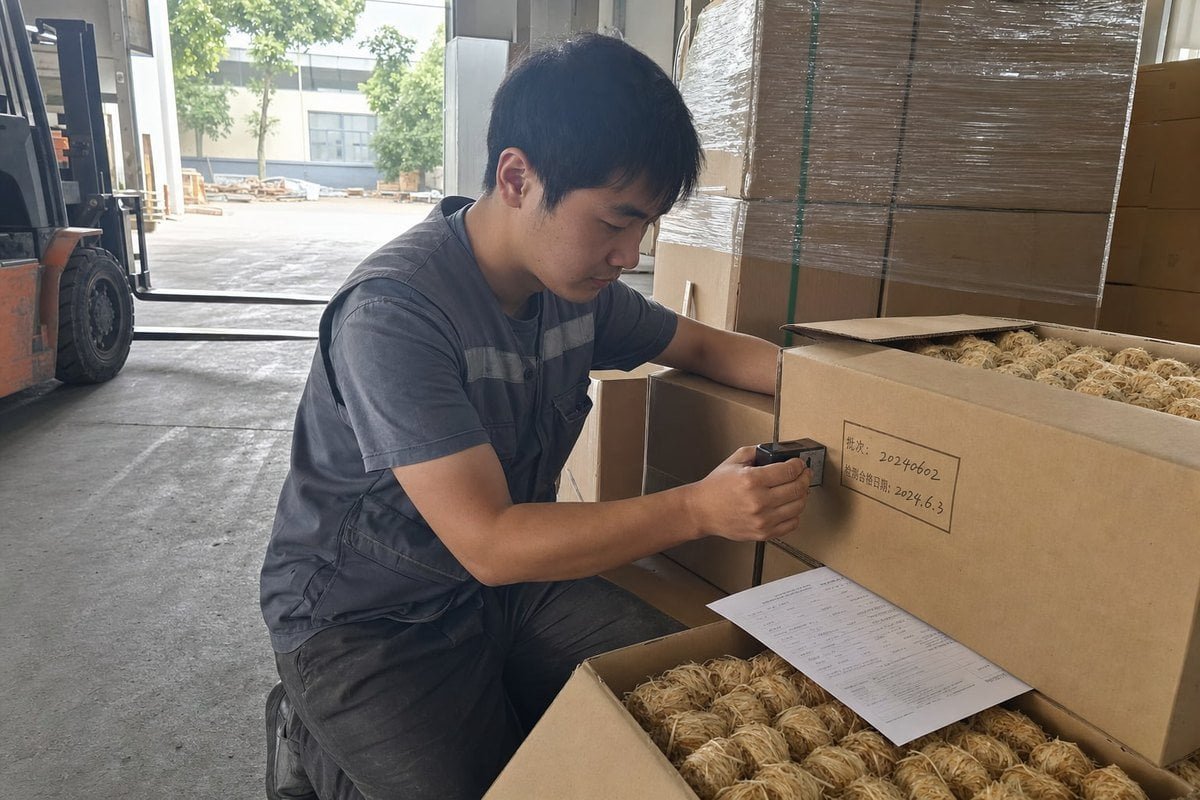
Customs officers and retail compliance teams 7 check different things, but both work from paper. Missing one document can hold a container or void a purchase order. Over 17+ years of exporting to the US, Germany, the UK, France, Canada, and Australia, we have built a standard document pack for every fire starter shipment. Here is what belongs in yours.
The complete export document pack
| Document | Who Requires It | Common Failure Point |
|---|---|---|
| Safety Data Sheet (SDS) | Customs, freight carriers, retailers | Outdated format or missing composition percentages |
| Third-party test reports | Retailers, importers | Report does not match the shipped SKU |
| EN 1860-3 conformity file | EU/UK retailers | Testing done on a different product variant |
| Composition declaration | Customs, retailers | Vague terms like "wax blend" without specifics |
| Certificate of origin | Customs | Mismatch with commercial invoice details |
| HS code classification | Customs | Wrong code triggers inspection or wrong duty |
| Transport declaration | Carriers | Firelighters misclassified for sea or air freight |
| Retail labeling proofs | Retailers | Missing warning text, barcode, or importer address |
Private-label products need their own paperwork
If you sell under your own brand, the documents must name your brand, not the factory's. This is where one-stop OEM support matters. We routinely prepare private-label SDS versions, custom warning labels in local languages, and barcode-ready display packaging for our distributor clients, so their compliance file matches their shelf product exactly.
Sequence the paperwork before production
Smart buyers request the draft document pack at the sampling stage, not at booking. That timing lets you fix a labeling gap or order an extra test before mass production starts. It costs nothing and can save weeks at the port. We now send a documentation checklist with every quotation for exactly this reason.
Conclusion
Food-contact safety requirements come down to proof: certified standards, current test reports, disclosed ingredients, and complete export documents. Choose suppliers who deliver all four, and your BBQ fire starters stay safe and shelf-ready.
Footnotes
1. Wikipedia overview of firelighters and various fire-starting materials used in consumer goods. ↩︎
2. EPA information regarding pollutants and byproducts resulting from various combustion processes. ↩︎
3. Official FDA guidance on substances used in food-contact applications and indirect additives. ↩︎
4. SGS services for testing materials that come into contact with food for global markets. ↩︎
5. Wikipedia entry for firelighters, which details the EN 1860-3 safety and performance standard. ↩︎
6. Official ISO page for the 9001 quality management standard used in manufacturing. ↩︎
7. Official site for amfori BSCI, the primary social compliance standard for retail supply chains. ↩︎


 English
 Spanish
 German
 French
 Arabic
 Portuguese
Join the Conversation