






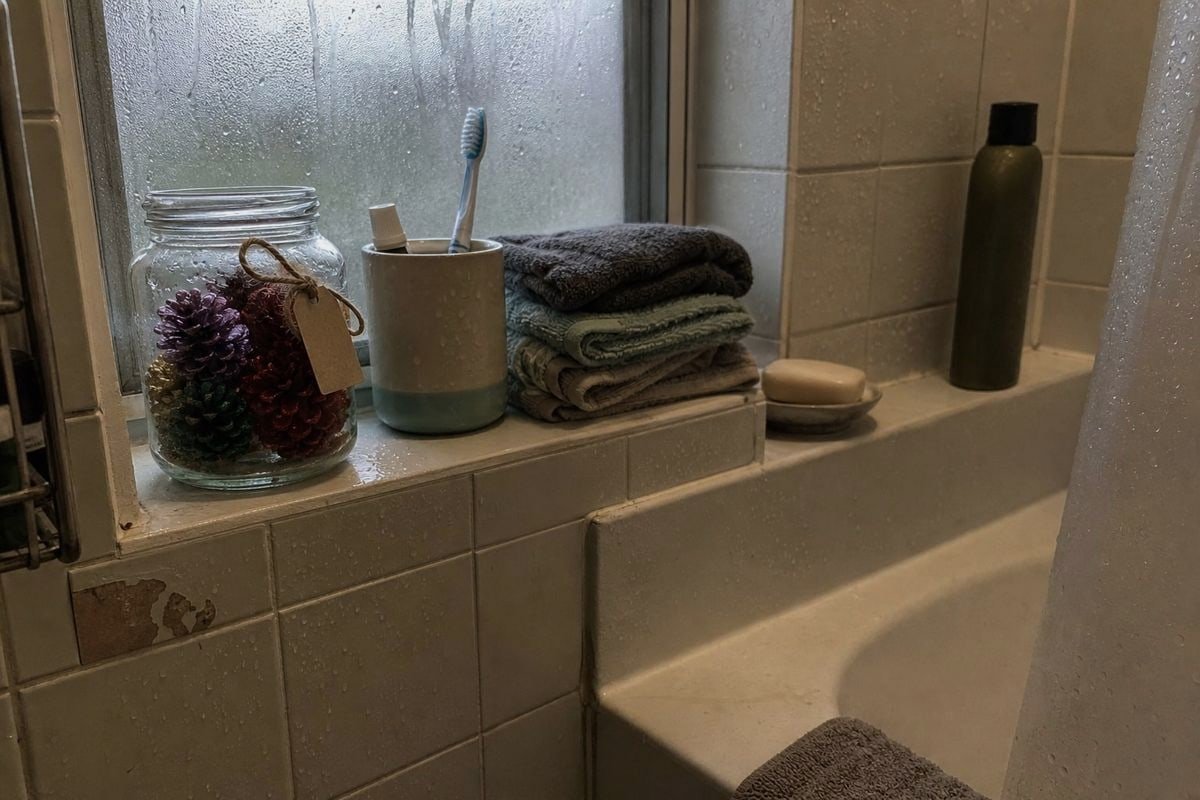
Pinhas coloridos parecem mágicos em uma lareira — até que um comprador os coloque no cômodo errado. Em nossa linha de produção em Ningbo, vimos o mau uso arruinar bons produtos.
Pinhas coloridas não são adequadas para fogueiras, churrasqueiras, salas mal ventiladas, espaços de alta umidade como banheiros, salas de brincar para crianças, áreas de animais de estimação sem supervisão ou perto de eletrônicos que geram calor. Pinhas com cor de chama devem queimar apenas em lareiras bem ventiladas; pinhas decorativas devem permanecer secas e longe de chamas abertas.
A distinção é importante. Pinhas decorativas pintadas e pinhas para colorir chamas 1 seguem regras de segurança diferentes. Abaixo, detalho onde cada tipo falha em ambientes internos e como você, como comprador, pode proteger seus clientes e sua marca.
Que Certificações de Segurança Devo Exigir Antes de Comercializar Pinhas Coloridas para Uso em Lareiras Internas?
Um distribuidor alemão nos pediu uma vez Documentação CE 2 antes mesmo de olhar as amostras. Essa conversa me ensinou o quão seriamente os compradores europeus tratam a papelada — e com razão.
Antes de comercializar pinhas coloridas para uso em lareiras internas, exija relatórios de teste SGS ou Intertek que confirmem a ausência de fumos tóxicos, marcação CE para a UE e certificação ISO 9001 e BSCI a nível de fornecedor. Isso comprova que os corantes de chama são seguros em relação a metais pesados e que a qualidade da produção é consistente.
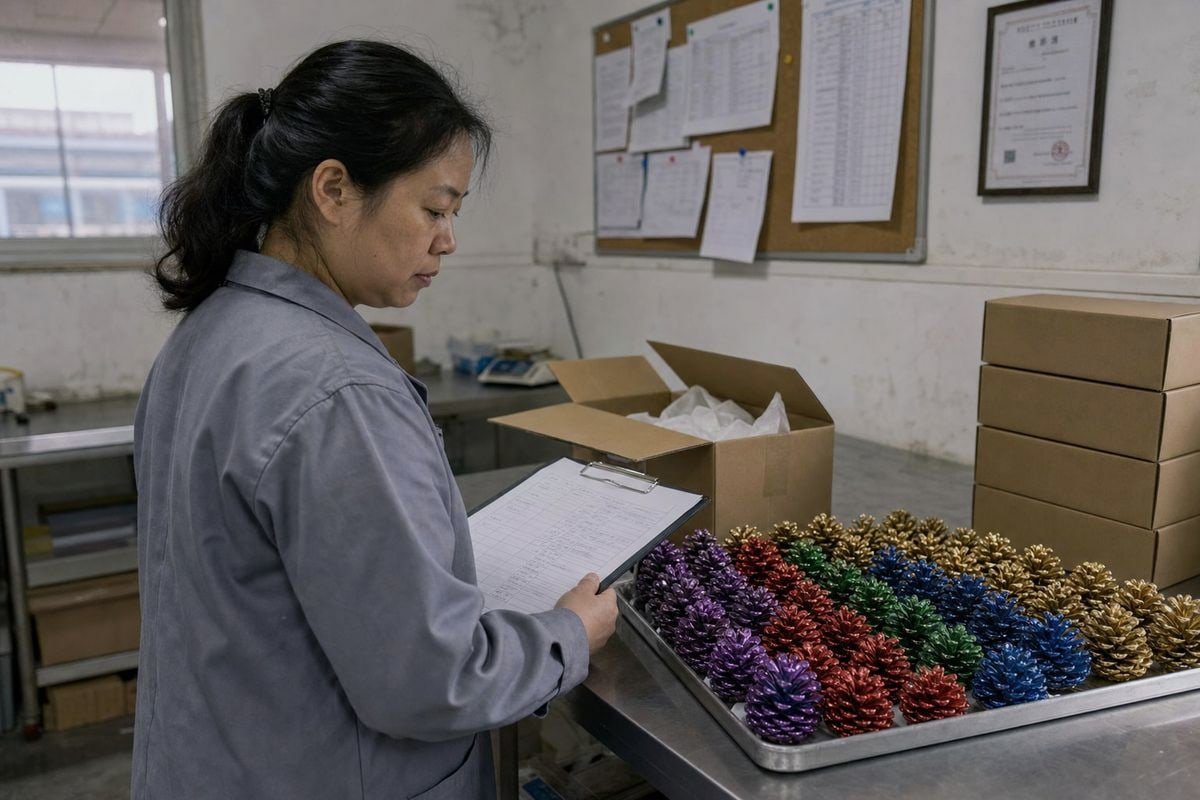
A certificação é o primeiro filtro que recomendo a todo gerente de compras. Em nossos mais de 17 anos exportando produtos com tema de fogo para mais de 30 países, nenhuma grande rede varejista jamais dispensou documentos de conformidade. Se um fornecedor hesitar quando você pedir relatórios de teste, desista.
A principal preocupação com pinhas para colorir chamas é a química. Os corantes de chama tradicionais dependem de sais metálicos para mudar a cor da chama. Algumas formulações usam compostos como ; as regras de segurança do sulfato de cobre exigem separação clara e rótulos de aviso intactos. 3, que podem liberar resíduos nocivos se a receita não for controlada. Nossas próprias pinhas de chama colorida usam materiais ecológicos sem produtos químicos nocivos, e apoiamos isso com relatórios de teste SGS e Intertek. Essa documentação é o que permite que nossos compradores coloquem produtos nas prateleiras nos EUA, Alemanha e Reino Unido sem dores de cabeça regulatórias.
O Checklist de Certificação
Aqui está o conjunto mínimo de documentação que aconselho os compradores a exigir:
| Certificação / Relatório | O que Comprova | Quem Precisa |
|---|---|---|
| Relatório de teste SGS ou Intertek | Emissões e segurança do material quando queimado | Todos os mercados |
| Marcação CE | Conformidade com os requisitos de segurança da UE | Compradores da UE |
| ISO 9001 | Sistema de gestão de qualidade consistente | Todos os compradores B2B |
| Auditoria BSCI | Condições de fábrica éticas e auditadas | Redes de varejo |
| Ficha MSDS / SDS | Divulgação da composição química | Alfândega, seguradoras |
Por que as Auditorias em Nível de Fábrica São Importantes
Um relatório de teste cobre um lote. Um sistema ISO 9001 cobre todos os lotes. Em nossa fábrica em Ningbo, o controle de qualidade lote a lote significa que a amostra que você aprova corresponde ao contêiner que você recebe seis meses depois. Para produtos de lareira interna, essa consistência é uma questão de segurança da lareira, não apenas uma questão de qualidade — um corante fora de especificação misturado em ambientes internos é muito mais arriscado do que um usado em ambientes externos.
Como Sei Se os Níveis de Ventilação em um Quarto São Muito Baixos para Queima Interna Segura?
Questões de ventilação surgem em quase todas as chamadas técnicas que recebemos de distribuidores de lareiras. É a única variável que separa uma chama colorida aconchegante de um risco de inalação de fumaça 4.
Uma sala é mal ventilada para queima interna se a lareira não tiver uma chaminé ou duto funcionando, a fumaça persistir ou voltar para a sala, as janelas não puderem ser abertas, ou os ocupantes notarem irritação nos olhos, dores de cabeça ou acúmulo de odor durante o uso.
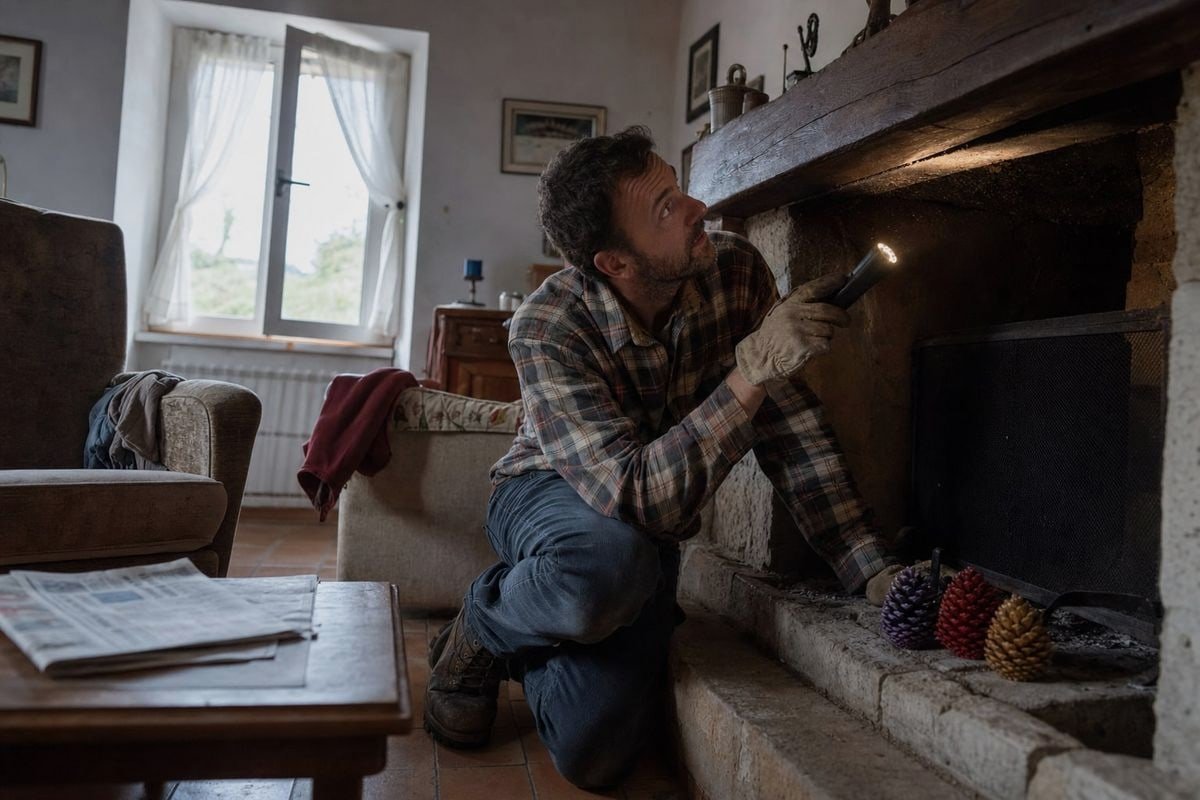
Quando desenvolvemos especificações de tempo de queima para nossos pacotes de chama colorida e pinhas, sempre testamos em uma configuração ventilada. A regra é simples: chamas coloridas seguem a mesma lógica de ventilação de qualquer fogo de lenha, e a chaminé deve fazer seu trabalho. Qualquer combustão consome oxigênio e produz fumaça, monóxido de carbono e partículas finas. Sais metálicos não mudam essa base — eles apenas mudam a cor da chama.
Sinais de Alerta de Ventilação Inadequada
Eu digo aos compradores para educarem seus clientes finais sobre esses sinais de alerta:
- Retorno de fumaça. A fumaça sai da caixa de fogo para o cômodo em vez de subir pela chaminé.
- Odor persistente. O cheiro de queimado persiste muito depois que o fogo se apaga.
- Sintomas físicos. Olhos lacrimejantes, tosse ou dores de cabeça durante ou após a queima.
- Uma comporta fechada ou bloqueada. A causa mais comum de fumaça perigosa em ambientes internos.
- Nenhuma fonte de ar fresco. Casas modernas herméticas podem privar uma lareira de ar de entrada.
Configurações Que Nunca São Adequadas
Alguns espaços internos falham no teste de ventilação por design. Quartos de dormir selados são um grande não — fumaça residual e gases de exaustão em um quarto podem desencadear irritação respiratória durante a noite. Tigelas de fogo decorativas sem ventilação, fogões de acampamento internos 5, e apartamentos hermeticamente fechados sem janelas operáveis também estão fora do uso seguro. E um ponto que imprimimos em todas as embalagens: nunca use produtos de chama colorida em fogos de cozinha ou churrasqueiras, pois os corantes de chama nunca devem entrar em contato com alimentos, independentemente de quão bem o espaço seja ventilado. Fumos tóxicos perto de áreas de preparo de alimentos são uma exclusão absoluta, não uma decisão.
Que Rótulos de Aviso e Instruções de Uso Devo Incluir para Prevenir o Uso Indevido em Espaços Confinados?
A rotulagem é onde vejo a maior lacuna entre fornecedores baratos e parceiros confiáveis. Uma vez redesenhamos toda a embalagem de um cliente dos EUA depois que sua equipe de conformidade de varejo sinalizou uma linha de aviso ausente.
As etiquetas de advertência para pinhas coloridas devem declarar: apenas para lareiras ventiladas e fogueiras, nunca use em fogos de cozinha ou churrasco, mantenha longe de crianças e animais de estimação, não queime em salas não ventiladas, não manuseie pinhas em chamas e guarde em local fresco e seco.
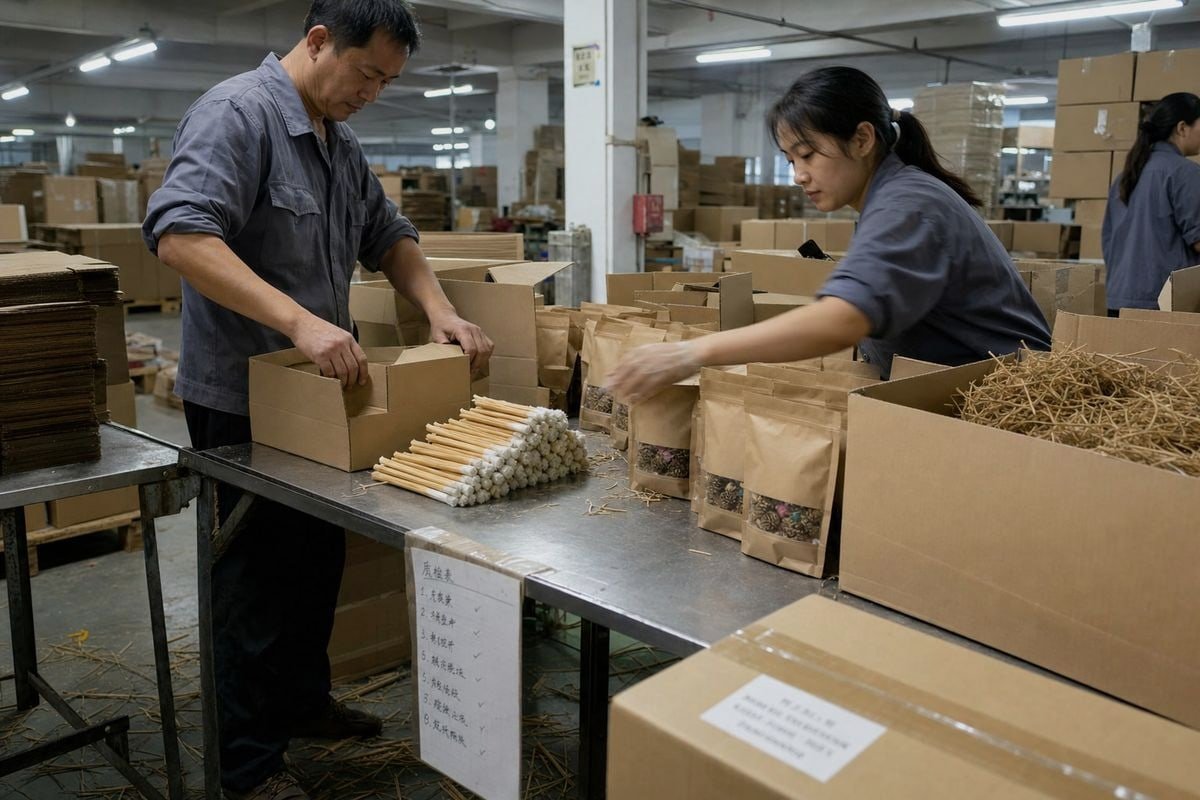
Nosso serviço OEM completo inclui etiquetas de aviso personalizadas, códigos de barras e embalagens de exibição, então este tópico está próximo do meu trabalho diário. Um bom rótulo cumpre duas funções. Ele protege o usuário final e protege sua marca contra responsabilidade. Nos EUA e na UE, um rótulo incompleto pode fazer com que um produto seja retirado das prateleiras, mesmo quando o produto em si está totalmente em conformidade.
Além do próprio produto de chama, lembre-se da categoria decorativa. Pinhas pintadas e tingidas apresentam riscos diferentes — um risco de asfixia 6 para crianças pequenas e um risco potencial de bloqueio intestinal se um cachorro engolir uma inteira. Escamas afiadas e tinta descascando merecem suas próprias linhas de aviso em SKUs decorativos.
Conteúdo do Rótulo por Tipo de Produto
| Elemento de Advertência | Cones para Colorir o Fogo | Cones Pintados Decorativos |
|---|---|---|
| Apenas para lareira/fogueira ventilada | Necessário | Não aplicável |
| Nunca use com fogos de cozinha ou churrasco | Necessário | Recomendado |
| Mantenha longe de crianças e animais de estimação | Necessário | Necessário |
| Não coloque perto de chamas abertas ou calor | Não aplicável | Obrigatório — resina inflamável inflama facilmente |
| Armazene em local fresco, seco e com baixa umidade | Necessário | Necessário |
| Não inale a fumaça diretamente | Necessário | Não aplicável |
Instruções que Previnem o Mau Uso em Espaços Fechados
As instruções de uso devem ser baseadas em ações e curtas. As nossas seguem este padrão: abra a chaminé, construa o fogo primeiro, adicione um ou dois cones às chamas estabelecidas, mantenha o ambiente ventilado e nunca deixe o fogo sem supervisão. Também aconselhamos os compradores a incluir um conjunto de pictogramas — ícones para "sem churrasco", "sem crianças" e "ventilar" — porque os pictogramas cruzam barreiras linguísticas em varejo multimarca, o que é importante quando um SKU é enviado para Alemanha, França e Polônia ao mesmo tempo.
Posso Obter Relatórios de Teste Confirmando Quais Ambientes Internos Meu Fornecedor Considera Inseguros?
Um importador canadense recentemente nos pressionou exatamente neste ponto durante uma auditoria em vídeo. Ele queria prova escrita, não garantia verbal — e esse instinto é o correto.
Sim. Um fornecedor credível deve fornecer relatórios de teste de queima da SGS ou Intertek, uma MSDS listando todos os corantes de chama e uma declaração escrita de escopo de uso excluindo incêndios de cozinha, salas sem ventilação e espaços fechados. A recusa em documentar essas exclusões é um sério sinal de alerta.

Relatórios de teste fazem mais do que confirmar o que é seguro. Leia atentamente, eles definem o que é inseguro — e esse escopo negativo é a parte que muitos compradores negligenciam. Quando nossos parceiros de laboratório testam uma pinha de cor de chama, o relatório especifica as condições testadas: um ambiente de combustão aberto e ventilado. Qualquer coisa fora desse escopo é território não verificado, e a documentação do seu produto deve indicar isso claramente.
Documentos a Solicitar e o Que Cada Um Diz a Você
| Documento | Visão Geral do Ambiente Inseguro Que Ele Fornece |
|---|---|
| Relatório de teste de emissão de queima | Confirma que o teste foi feito apenas em condições ventiladas |
| FISPQ / SDS | Lista os sais metálicos usados; sinaliza quaisquer compostos regulamentados |
| Declaração de escopo de uso | Exclusões escritas do fornecedor: churrasco, cozinha, salas seladas |
| Registros de CQ de lote | Comprova que a fórmula testada corresponde ao produto enviado |
| Orientação de armazenamento | Define limites de alta umidade e limites de exposição ao calor |
Como Verificar se os Relatórios São Reais
Encorajo todos os compradores a verificar independentemente. SGS e Intertek ambos permitem autenticação de relatório 7 através de seus canais oficiais usando o número do relatório. Peça o relatório completo, não uma página de resumo. Verifique se o nome do produto, número do lote e formulação no relatório correspondem ao seu pedido real. E faça uma pergunta direta ao seu fornecedor: "Quais ambientes internos você exclui por escrito?" Nossa resposta é consistente — sem fogos de cozinha, sem salas não ventiladas, sem uso supervisionado perto de crianças ou animais de estimação, e sem armazenamento em alta umidade onde a umidade degrada tanto a estrutura da pinha quanto o revestimento corante. Um parceiro que documenta exclusões tão claramente é um parceiro que pensou além da venda.
Conclusão
Pinhas coloridas falham em salas não ventiladas, áreas de cozinha, espaços úmidos e perto de crianças ou animais de estimação. Exija certificações, rótulos claros e exclusões documentadas — então venda com confiança.
Notas de rodapé
Explica a natureza química e a segurança dos produtos usados para colorir chamas de lareira. ↩︎
Página oficial da Comissão Europeia explicando os requisitos de segurança e conformidade para a marcação CE. ↩︎
Entrada de banco de dados químico autoritativo para sulfato de cobre, um sal metálico comum em corantes de chama. ↩︎
Recurso da EPA sobre qualidade do ar interior apoia a alegação sobre riscos de fumaça de combustão em ambientes internos. ↩︎
Diretrizes de segurança relativas aos riscos de usar fogões de acampamento internos e equipamentos de aquecimento não ventilados. ↩︎
Informações oficiais de segurança relativas à prevenção de risco de asfixia e normas de segurança de produtos de consumo. ↩︎
Ferramenta oficial da SGS para verificar a autenticidade de relatórios de teste de segurança e certificações. ↩︎

 English
  Spanish
  German
  French
  Arabic
  Portuguese
Participe da conversa