






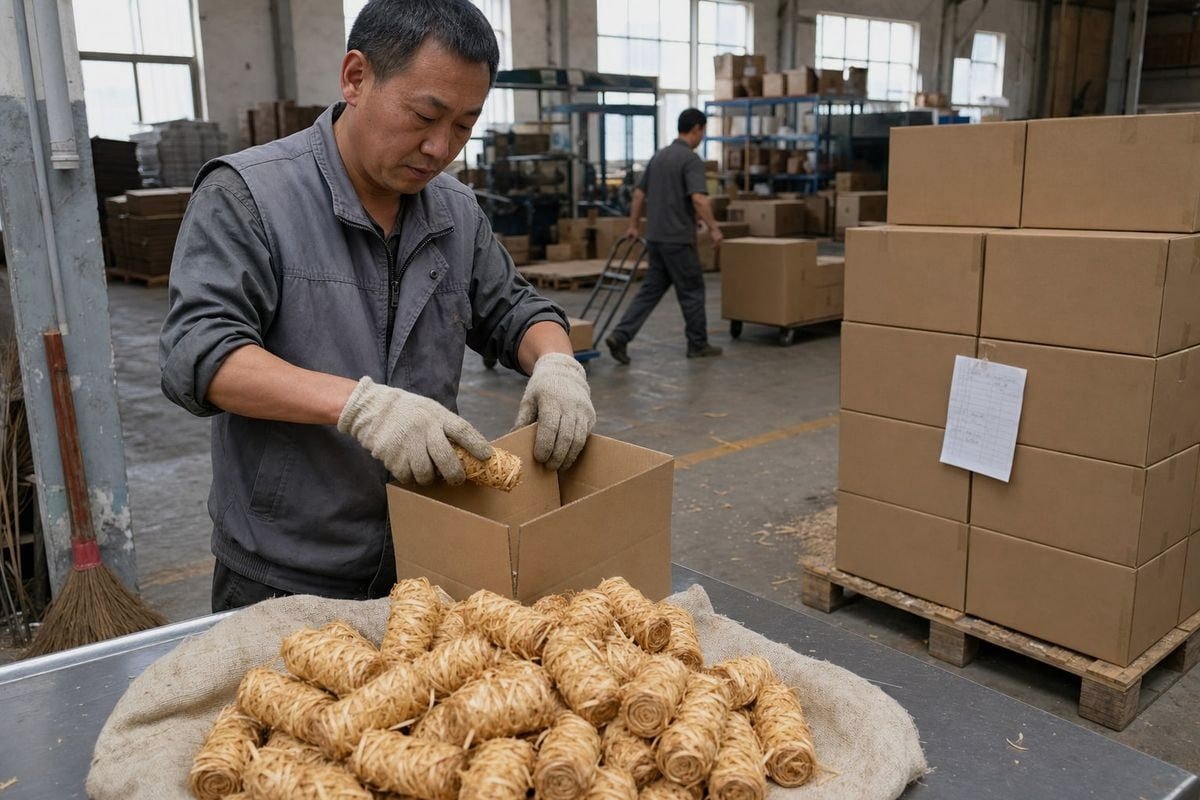
A phytosanitary declaration question can stall your wood fire starters at the UK border for weeks Border Target Operating Model 1. I've watched buyers panic over this. After 17 years shipping fire-starting goods from our factory, here's what actually matters.
Fully manufactured wood fire starters — such as wax-dipped wood wool rolls — generally do not require a phytosanitary certificate for UK import, because industrial processing eliminates pest risk. However, raw or untreated firewood from China does require one, so product classification is the deciding factor.
That answer sounds simple, but classification is where importers get tripped up APHA 2. Let me walk you through each part of the compliance picture, step by step.
What Exactly Is a Phytosanitary Declaration and Does It Apply to My Wood Firestarter Order?
A German distributor once emailed our export team in a mild panic, asking if his container needed "plant papers." We get this question about UK shipments constantly, so let me clear it up properly kiln-drying 3.
A phytosanitary certificate is an official document issued by the exporting country's plant health authority. It confirms wood products are inspected and free from quarantine pests. It applies to raw wood, bark, and firewood — not to fully processed, wax-coated fire starters classified as manufactured goods.
The word "declaration" gets used loosely in trade emails. The formal document the UK recognizes is a certificado fitossanitário 4. In China, it is issued by the local branch of the customs authority after an official inspection. It states the species, product type, country of origin, and confirms the goods meet the importing country's plant health rules.
Here is the key point. UK rules require this certificate for wood and wood products entering Great Britain from outside the EU, Switzerland, and Liechtenstein. UK firewood guidance specifically lists China among countries whose firewood consignments must carry this certificate, often with an added statement about treatment or freedom from pests like grubs.
So does this cover your fire starter order? It depends on what the product actually is.
Raw Wood vs. Manufactured Fire Starters
| Tipo de Produto | Classificação | Phytosanitary Certificate? |
|---|---|---|
| Split logs, kindling, raw firewood | Regulated firewood | Yes — required from China |
| Untreated wood chips with bark | Regulated wood product | Usually yes |
| Briquetes de serragem comprimida | Manufactured product | Generally no |
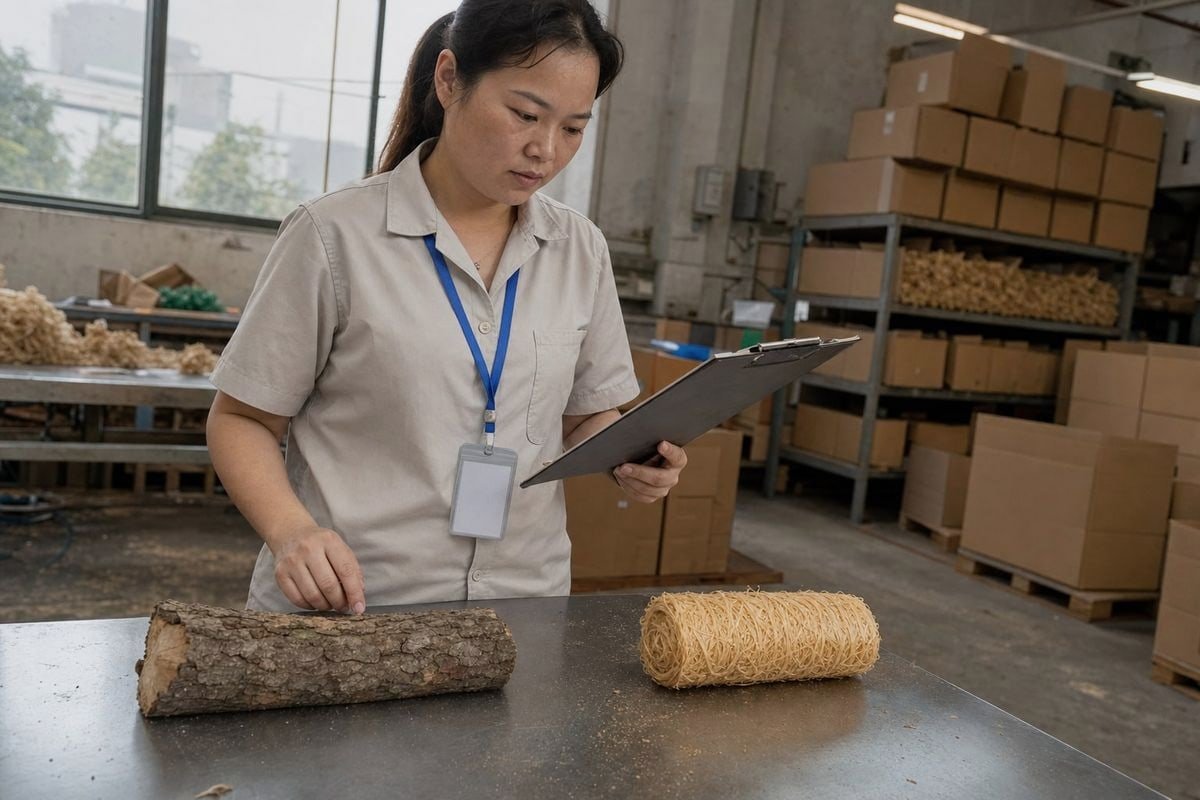
| Wax-dipped wood wool rolls (like ours) | Manufactured firelighter | Generally no |
| Paraffin/wood-fiber pucks (e.g., 50% wax) | Manufactured firelighter | Generally no |
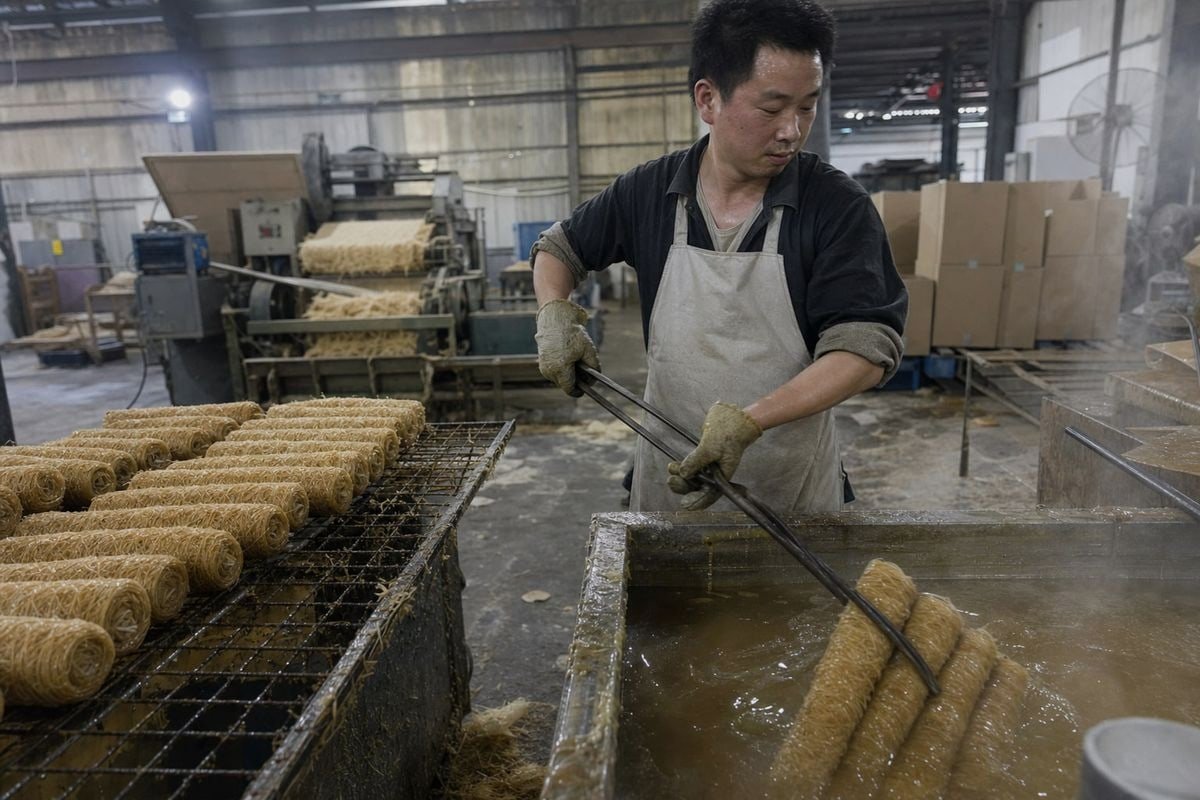
Our wax-dipped wood rolls go through shaving, compression, and full wax immersion. The wood is transformed. It no longer behaves like a raw plant commodity. That processing is what typically moves a product out of the phytosanitary regime — but you must confirm your specific product, not assume.
How Can I Confirm My Wood Fire Starters Are Exempt from UK Phytosanitary Certification?
Early in our UK export history, we learned a hard lesson: never let a customs broker guess your commodity code. One misclassified shipment taught us to verify everything upfront, in writing.
Confirm exemption by identifying the correct HS commodity code, checking it against the UK Plant Health Portal and the government's phytosanitary certificate checker tool, and verifying your product contains no bark or untreated wood. If in doubt, contact APHA or the Forestry Commission directly before shipping.

Exemption is never something you assume. It is something you verify and document. Here is the process I recommend to every UK buyer we work with.
Um Processo de Verificação de Quatro Passos
- Nail down the composition. Get an exact material breakdown from your supplier. Our fire starter pucks, for example, are 50% wood fiber and 50% paraffin, and the packaging states this. A blend like that is a manufactured firelighter, not firewood.
- Identify the HS code. Manufactured firelighters typically fall under a different commodity heading than fuelwood. The code determines which import rules apply. Confirm it with your broker and cross-check on the UK tariff lookup.
- Run the government tools. Use the UK's "Check which plants and plant products need a phytosanitary certificate" tool and the Plant Health Portal. These reflect current post-Brexit rules under the Border Target Operating Model 5, which sorts goods into risk categories.
- Check the destination regime. Great Britain and Northern Ireland run different plant health controls. Northern Ireland follows EU-aligned rules, so a shipment routed there may face different requirements than one landing in Felixstowe or Southampton.
Red Flags That Break an Exemption
Watch for these in any supplier's product:
- Visible bark attached to wood pieces
- Whole twigs, cones, or untreated wood chunks mixed in
- "Natural" decorative wood elements added for looks
- No processing records available from the factory
Any of these can push your goods back into regulated territory. Since BTOM took effect in 2024, wood products carry risk-based categories that determine whether IPAFFS pre-notification applies — independent of whether a certificate is needed. So check both questions separately.
What Documentation Should I Request from My Supplier to Avoid Customs Delays at UK Border?
When a UK fireplace distributor placed their first trial order with us, their compliance manager sent a two-page document request before signing anything. I respected that. It is exactly how professional buyers should operate.
Request a detailed commercial invoice with accurate HS codes, a material composition sheet, processing and treatment records, product test reports from labs like SGS or Intertek, a manufacturer's declaration of full processing, and correct ISPM15 marks on pallets — not on the product itself.

Most border delays we have seen do not come from missing certificates. They come from paperwork that contradicts itself. If your invoice says "firewood" but your packing list says "firelighters," you have just invited an inspection. Consistency across every document is the real goal.
The Complete Documentation Checklist
| Documento | O que Deve Mostrar | Why It Matters at the UK Border |
|---|---|---|
| Fatura comercial | Accurate product description + HS code | Wrong descriptions trigger reclassification checks |
| Composition sheet | Exact percentages (e.g., wood fiber vs. paraffin) | Proves the product is manufactured, not raw wood |
| Processing records | Compression, wax-dipping, or drying steps | Supports exemption if Border Force inspects |
| Relatórios de teste | SGS or Intertek results for the product batch | Demonstrates a controlled, certified production process |
| Manufacturer's declaration | Statement that no untreated wood or bark is present | A signed factory claim inspectors can rely on |
| ISPM15 7 pallet marks | Heat-treatment stamp on packaging wood only | Wood packaging always needs ISPM15, even when the product does not |
One warning from experience: some Chinese suppliers stamp ISPM15 marks or attach wood-packaging declarations onto the finished product paperwork. That confuses UK customs officers, because ISPM15 applies only to pallets and crates, never to the goods themselves. We keep the two document sets strictly separate — one file for the pallets, one for the product. Ask your supplier to do the same.
Also confirm whether your BTOM risk category requires IPAFFS pre-notification. Even exempt goods can face spot checks, and having this full document pack ready means a check takes hours instead of weeks.
Can My Manufacturer Provide Proof of Heat Treatment or Processing to Support Compliance Claims?
Our Ningbo production line keeps batch records for exactly this reason. Years ago, a buyer's forwarder called us at midnight, China time, needing processing proof for a held container. We had it in their inbox within the hour.
A capable manufacturer should provide kiln-drying or heat-treatment records, wax-dipping process documentation showing temperatures, batch traceability logs, and ISO 9001 quality records. For regulated firewood, UK rules accept heat treatment at 56°C for 30 continuous minutes, certified on the phytosanitary document.
Here is an important nuance many importers miss. If your product truly is regulated firewood, heat treatment does not replace the phytosanitary certificate. Treatment is one of the conditions that gets certified on that document. The recognized statements include heat treatment reaching at least 56°C for 30 continuous minutes throughout the wood, or ionizing irradiation to a minimum absorbed dose of 1 kGy, or a bark-free and grub-free declaration.
For manufactured fire starters, the situation is different. No certificate is needed, but processing proof becomes your safety net if a shipment gets flagged.
What Good Processing Proof Looks Like
| Evidence Type | Weak Version | Strong Version |
|---|---|---|
| Treatment records | Verbal assurance from a sales rep | Dated batch logs with temperatures and durations |
| Wax processing | "Products are wax-coated" | Documented dip temperature well above pest-kill thresholds |
| Rastreabilidade | No batch numbers | Batch codes linking cartons to production records |
| Sistema de qualidade | No certification | ISO 9001 audited process documentation |
| Third-party proof | Nenhum | SGS or Intertek test reports for the product line |
At our factory, wax immersion happens at temperatures that far exceed the 56°C pest-mortality threshold, and the wax fully penetrates the shaved wood fibers. We document this per batch under our ISO 9001 system. That means when a UK buyer's broker asks for evidence, we hand over real records, not a hastily typed letter.
My advice: ask for these records before you place the order, not after the container ships. A supplier who cannot produce them quickly is telling you something about their production discipline.
Conclusão
Misclassify your product and you risk holds, seizure, or re-export. But manufactured wood fire starters, backed by proper processing records and consistent paperwork, clear UK customs smoothly. Verify classification early, demand documentation from your supplier, and partner with a factory that treats compliance as standard practice — not an afterthought.
Notas de rodapé
1. Official UK government page explaining post-Brexit border risk categorization referenced in text. ↩︎
2. Official UK government agency responsible for plant health enforcement mentioned in the article. ↩︎
3. Background on wood drying processes relevant to heat-treatment compliance claims. ↩︎
4. Provides background on the official document central to the article's compliance discussion. ↩︎
5. Official UK government source describing the post-Brexit import risk framework mentioned in the article. ↩︎
6. Explains how commodity codes classify goods, key to determining exemption status. ↩︎
7. International standard governing wood packaging treatment referenced for pallet marks. ↩︎

 English
  Spanish
  German
  French
  Arabic
  Portuguese
Participe da conversa