







A escolha entre inspeção interna vs. terceirizada na China preocupa todo importador que hospedamos em nossa linha de produção em Ningbo. Um lote ruim pode apagar a margem de uma temporada. Existe uma maneira mais inteligente de decidir.
Inspeção interna na China oferece controle e custo menor em alto volume, enquanto inspeção de terceiros ($149–$320 por homem-dia) entrega independência e relatórios defensáveis. Escolha terceiros para novos fornecedores, disputas e documentação de conformidade; escolha interna para verificações frequentes e rotineiras em escala.
A escolha não é simplesmente barata versus cara. Depende de quem precisa confiar no resultado da inspeção. Vou detalhar o custo, a imparcialidade e o relatório para que você possa decidir com confiança.
Como decido entre inspeção interna e de terceiros para meus pedidos na China?
No ano passado, um distribuidor alemão de lareiras nos perguntou no meio de uma auditoria se eles realmente precisavam de sua própria visita de controle de qualidade, já que nossos pacotes de chama colorida já carregam relatórios SGS completos 1. Minha resposta honesta: depende do seu perfil de risco.
Decida com base em três fatores: frequência de pedidos, confiança do fornecedor e quem deve aceitar o relatório. Novos relacionamentos com fornecedores, pedidos de alto valor e produtos sensíveis à conformidade favorecem a inspeção por terceiros. Relacionamentos estabelecidos com pedidos frequentes e repetidos e pessoal na região favorecem a inspeção interna ou um modelo híbrido.

Existem três modelos de inspeção, e os compradores muitas vezes os confundem. Primeiro, autoinspeção de fábrica 2, onde a equipe de controle de qualidade do próprio fornecedor verifica as mercadorias. Segundo, inspeção interna do comprador, onde seu próprio funcionário viaja para ou mora perto da fábrica. Terceiro, inspeção independente de terceiros, onde uma empresa externa sem participação financeira no resultado verifica o envio.
Cada modelo responde a uma pergunta diferente. A autoinspeção de fábrica responde "a produção seguiu o plano?" A inspeção interna responde "isso atende ao meu padrão de marca?" A inspeção de terceiros responde "um terceiro pode verificar essa alegação?"
Uma matriz de decisão rápida por tipo de comprador
| Tipo de comprador | Modelo mais adequado | Por quê |
|---|---|---|
| Importador ocasional | Terceirizado | Sem custo fixo de controle de qualidade; custo previsível por visita |
| Importador de alto volume | Verificações pontuais internas + terceirizadas | O volume amortiza o custo da equipe; auditorias mantêm todos honestos |
| Vendedor da Amazon/e-commerce | Terceirizado | Precisa de evidências neutras para disputas de plataforma e pagamento |
| Escritório de sourcing na China | Equipe principal interna | Ciclos de feedback rápidos, profundo conhecimento do produto |
| Proprietário da marca com controle de qualidade rigoroso | Híbrido | Padrões internos mais aceitação final independente |
Em nossa experiência exportando Pacotes de Fogo Mágico para mais de 30 países, os compradores que se dão mal são aqueles que pulam totalmente a inspeção em um primeiro pedido porque uma amostra parecia boa. A primeira amostra deve refletir a produção em massa — a nossa reflete, porque executamos controles rigorosos lote a lote — mas um novo comprador não tem como saber disso ainda. É exatamente para isso que serve a verificação independente.
O modelo híbrido merece mais atenção do que geralmente recebe. Muitos de nossos distribuidores de longo prazo usam um gerente de qualidade interno para definir padrões e nos orientar sobre os requisitos de seus mercados, e então comissionam um inspeção pré-embarque por terceiros 3 para aceitação final. Isso mantém os custos razoáveis, preservando a verificação imparcial.
Quanto custa realmente uma inspeção de terceiros em comparação com confiar no controle de qualidade do meu fornecedor?
Um compromisso que discutimos constantemente com os compradores: um dia de inspeção custa algumas centenas de dólares, enquanto um contêiner rejeitado de produtos de camping pode custar dezenas de milhares, mais uma listagem de varejo perdida.
A inspeção por terceiros na China normalmente custa $149–$320 por homem-dia, tudo incluído, com viagens, amostragem AQL, fotos e um relatório escrito. A autoinspeção do fornecedor parece gratuita, mas acarreta custos de risco ocultos. A inspeção interna é mais barata por verificação apenas em volume alto e sustentado.
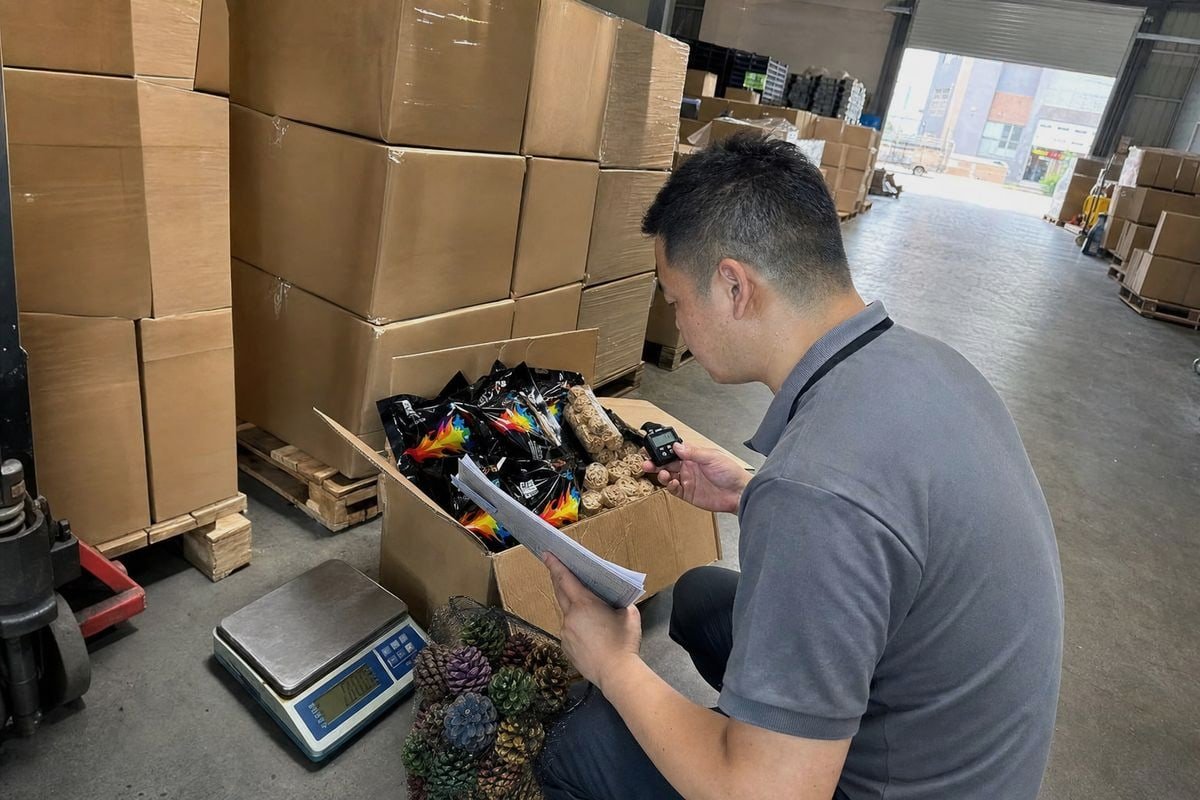
O mercado de inspeção chinês precifica por dia de trabalho. Um dia de trabalho equivale a um inspetor trabalhando um dia em uma fábrica. Provedores respeitáveis cotam taxas tudo incluído, e as faixas principais se agrupam de perto: US$ 149–US$ 320 por dia de trabalho para inspeção padrão pré-embarque, com alguns guias citando US$ 180–US$ 300 para empresas respeitáveis tudo incluído e US$ 199–US$ 299 por dia útil em outros lugares. As taxas aumentam para fábricas distantes da base do provedor, para produtos complexos e para auditorias especializadas.
O que deve ser incluído em uma taxa por dia de trabalho
Aqui está a armadilha. Alguns provedores anunciam taxas baixas, mas cobram extra pelas coisas que tornam uma inspeção útil. Antes de reservar, verifique se a taxa inclui:
- Viagem para a fábrica (ou regras claras de sobretaxa para locais remotos)
- amostragem AQL 4 de acordo com um nível acordado
- Fotos com data e hora e, idealmente, vídeo
- Verificação de código de barras, etiqueta e embalagem
- O próprio relatório formal escrito
Se a amostragem, fotos ou o relatório custarem extra, o preço não é verdadeiramente tudo incluído.
Comparação da estrutura de custos
| Elemento de custo | Autocontrole do fornecedor | Comprador interno | Terceirizado |
|---|---|---|---|
| Taxa direta por verificação | Nenhum visível | Salário + viagem amortizados | US$ 149–US$ 320 por dia de trabalho |
| Custo fixo fixo | Nenhum para o comprador | Contratação, treinamento, ferramentas, gerenciamento | Nenhum |
| Custo de risco oculto | Alto (conflito de interesses) | Baixo a médio | Baixo |
| Escala bem em | N/A | Alta frequência | Baixa a média frequência |
| Taxa adicional de fábrica remota | Não | O custo de viagem aumenta | Sim, às vezes |
Em nossa sede em Liuyang, recebemos inspetores de várias grandes empresas, e o padrão é consistente: um único homem-dia cobre confortavelmente uma verificação pré-embarque em um pedido típico de bens de consumo. Para um comprador inspecionando quatro remessas por ano, um terceiro ganha em custo. Para um comprador inspecionando quarenta, um funcionário interno começa a compensar — mas apenas se você também orçar treinamento, supervisão e rotação para evitar complacência.
Posso confiar em relatórios de inspeção internos ou preciso de um relatório independente para imparcialidade?
No início de nossa história de exportação, o inspetor de um comprador aprovou uma remessa sob pressão de prazo que nosso controle de qualidade de fábrica havia sinalizado para retificação de rótulos. Esse episódio me ensinou que a imparcialidade é estrutural, não pessoal.
Relatórios internos podem ser precisos, mas não são estruturalmente independentes, porque o inspetor está inserido na cadeia comercial do comprador e nos prazos de entrega. Para rejeições, reclamações ou negociações que precisam convencer uma parte externa, um relatório independente de terceiros tem muito mais peso.

A imparcialidade é o diferencial central neste debate, por isso merece uma análise cuidadosa. Empresas de inspeção terceirizadas, por definição, não têm relacionamento financeiro com o comprador ou o fornecedor. Empresas que operam sob princípios de independência estilo ISO/IEC 17020 5são estruturadas especificamente para remover conflitos de interesse. Essa estrutura é o que torna seus relatórios defensáveis.
Agora, considere as pressões sobre os outros dois modelos. Uma equipe de controle de qualidade de fábrica enfrenta pressão óbvia de prazo — ninguém quer ser a pessoa que atrasa uma remessa. Isso é verdade em qualquer fábrica, incluindo as bem administradas. Um inspetor interno do comprador é mais objetivo do que as autocontroles de fábrica, mas ainda não é neutro. Se o inspetor se reporta a um gerente de compras cujo bônus depende da entrega pontual, um viés sutil entra em jogo. O inspetor também pode se aproximar demais do relacionamento com a fábrica ao longo de anos de visitas.
Onde cada modelo está exposto
- Autocontrole de fábrica: pressão de prazo, desejo de aprovar remessa, sem responsabilidade externa
- Interno do comprador: pressão comercial de compras, deriva de relacionamento, separação fraca das metas de entrega
- Terceirizado: geralmente sólido, mas não automático — a disciplina do provedor varia
Devo levantar a objeção que compradores honestos levantam comigo: "terceirizado" é sempre confiável? Não. Algumas empresas na China tiveram laços não divulgados de indicação ou suborno com as fábricas que inspecionam. O rótulo por si só significa pouco sem sistemas consistentes, inspetores treinados, listas de verificação padronizadas e amostragem AQL disciplinada. Portanto, antes de contratar, verifique a estrutura de propriedade do provedor e a política de conflito de interesses, e pergunte como eles rotacionam os inspetores entre as fábricas.
Há também um argumento justo a favor do interno. Equipes internas acumulam profundo conhecimento do produto. Um inspetor genérico rotacionando por centenas de categorias de produtos pode perder uma falha sutil que seu próprio engenheiro detecta instantaneamente — digamos, um tamanho de grão de cristal que afeta a dispersão da cor da chama. A resposta prática não é um ou outro: use a expertise interna para escrever a lista de verificação de inspeção, e então deixe uma empresa independente executá-la.
Qual opção de inspeção me dá a documentação mais confiável para conformidade e alfândega?
Documentação é onde vivemos diariamente — nossos pacotes Magic Fire são enviados com relatórios de teste SGS e Intertek, Marcação CE 6, e rótulos de advertência específicos do mercado, porque nossos compradores de varejo não podem listar produtos sem essa trilha de papel.
Relatórios de inspeção de terceiros fornecem a documentação externa mais confiável, com fotos com registro de data e hora, resultados de AQL, dados de medição e verificação de rótulos, geralmente entregues em 24 horas. Bancos, seguradoras, autoridades alfandegárias e processadores de pagamento os tratam como evidência neutra, ao contrário de listas de verificação internas.
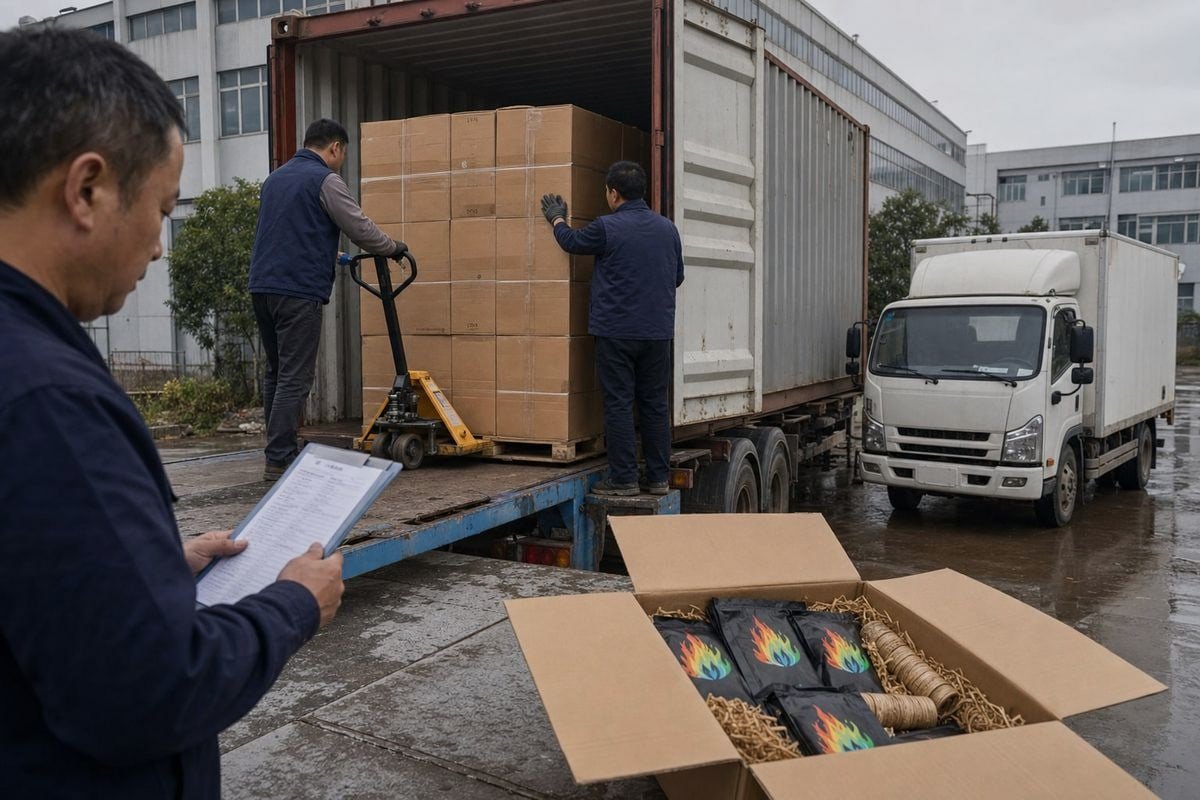
Relatórios são onde a diferença entre interno e terceirizado se torna concreta. Um relatório de pré-embarque terceirizado respeitável não é uma lista de verificação com tiques. Ele documenta os achados de defeitos por categoria, declara o resultado da amostragem AQL, inclui fotos com data e hora e, muitas vezes, vídeo, verifica códigos de barras e marcas de envio, registra os resultados dos testes de função e anota as ações corretivas. A entrega em até 24 horas é agora a norma do mercado, com opções de mesmo dia às vezes disponíveis mediante taxa.
Por que isso importa além da qualidade? Porque o relatório se torna evidência. A documentação terceirizada tem peso real em sinistros de seguro de comércio, negociações de carta de crédito 7, disputas de chargeback com processadores de pagamento e arbitragem de qualidade. Uma planilha interna, por mais detalhada que seja, será vista como autointeressada por um banco ou seguradora.
Valor da documentação por público
| Público | Relatório interno | Relatório terceirizado |
|---|---|---|
| Sua própria equipe de QC | Excelente — totalmente personalizado | Bom — segue a lista de verificação acordada |
| Fornecedor (para demandas de retificação) | Contestável | Difícil de contestar |
| Seguradora / banco (termos LC) | Raramente aceito | Amplamente aceito |
| Arquivo de alfândega / conformidade | Evidência autônoma fraca | Forte evidência de apoio |
| Auditorias de compradores de varejo | Suplementar | Evidência primária |
Uma nuance do nosso lado: relatórios de inspeção e certificados de conformidade são documentos diferentes que trabalham juntos. Quando um distribuidor dos EUA ou da UE estoca nossos pinhas de chama colorida ou acendedores de fogo de cera, o arquivo de conformidade deles normalmente combina relatórios de teste de produto de um laboratório credenciado com um relatório de inspeção de terceiros em nível de remessa, confirmando que o que foi enviado corresponde ao que foi testado e rotulado. O relatório de inspeção fecha o ciclo entre certificado e contêiner.
Para sua lista de verificação de fornecedores: confirme o tempo de resposta do relatório por escrito, solicite um relatório de amostra antes de reservar e esclareça como as inspeções falhas e as reinspeções são tratadas e precificadas. Essas três perguntas expõem fornecedores fracos mais rápido do que qualquer comparação de preços.
Conclusão
Custo é uma variável; credibilidade é a decisiva. Use inspeção de terceiros quando for necessário que terceiros confiem no resultado, internamente em escala e um modelo híbrido para o melhor dos dois.
Notas de rodapé
Links para a empresa oficial de inspeção e certificação referenciada pelo autor. ↩︎
Fornece contexto fundamental sobre os conceitos de controle de qualidade que sustentam os modelos de inspeção comparados. ↩︎
O próprio acordo da OMC sobre inspeção pré-embarque é diretamente relevante para as práticas de verificação comercial discutidas. ↩︎
Explicação de fundo da metodologia de amostragem referenciada repetidamente em todo o artigo. ↩︎
Cita a norma internacional que rege a independência dos órgãos de inspeção mencionados no texto. ↩︎
Fonte oficial da UE explicando a marcação de conformidade referenciada para entrada no mercado de varejo. ↩︎
Fornece informações de fundo sobre o instrumento de financiamento comercial mencionado como dependente de relatórios de inspeção. ↩︎

 English
  Spanish
  German
  French
  Arabic
  Portuguese
Participe da conversa