







Planejar quantidades de pedidos fora de estação para acendedores de fogo a lenha confunde até mesmo compradores experientes. Observei clientes de nossa fábrica em Ningbo economizarem no preço unitário, para depois perderem tudo em taxas de armazém. Descontos por volume parecem ótimos em abril. Mas em agosto, paletes de rolos de madeira mergulhados em cera em um 3PL começam a envelhecer em taxas de armazenamento de longo prazo. A margem pela qual você lutou desaparece silenciosamente. A solução não é pedir menos por instinto — é pedir de acordo com um plano construído com base em matemática de demanda, matemática de paletes e tempo de envio.
Para planejar as quantidades de pedidos fora de época para acendedores de lenha, preveja a demanda da alta temporada com base nas vendas históricas, subtraia o estoque disponível e em trânsito, converta o resultado em paletes e limite o pedido ao que será vendido antes que as sobretaxas de envelhecimento do armazém comecem. Use remessas escalonadas para preencher o restante.
Essa resposta parece simples. Na prática, são necessárias quatro decisões: quanto pedir, como estruturar o MOQ, como prever e como negociar a entrega. Vamos analisar cada uma delas.
Como calculo o volume certo de pedidos na entressafra sem comprometer o espaço do meu armazém?
Um distribuidor alemão uma vez pediu à nossa equipe para orçar um contêiner completo de 40 pés de acendedores de fogo a lenha em maio. Analisamos juntos os números de vendas dele e reduzimos o pedido em quase metade — ele me agradeceu em outubro.
Calcule o volume de pedidos fora de temporada dividindo sua previsão de demanda na alta temporada pela janela de armazenamento gratuito do seu armazém, em seguida, convertendo caixas em posições de palete. Peça apenas a quantidade que gira antes que as taxas de armazenamento de longo prazo sejam acionadas e agende o restante como um segundo envio.
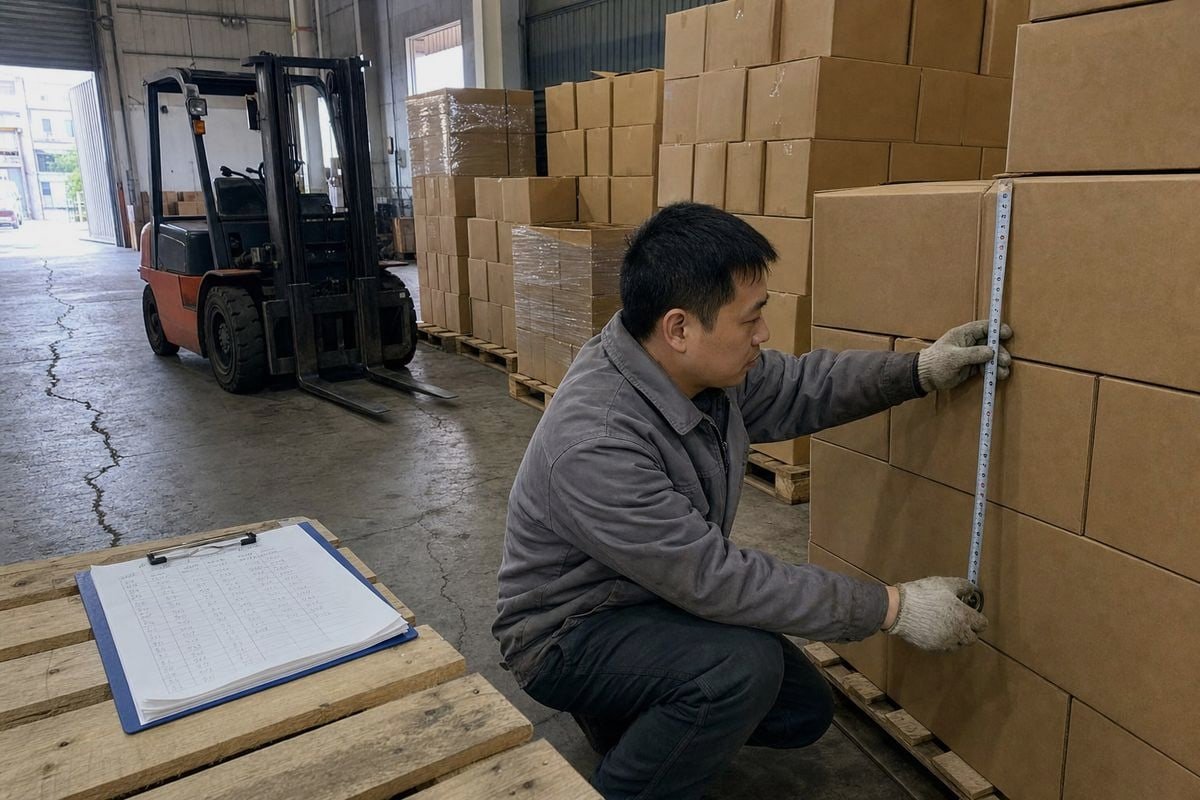
O maior erro que vejo é compradores planejando em unidades. Acendedores de fogo são baratos por peça, então um pedido "grande" parece inofensivo. Mas eles são volumosos em relação ao seu valor. Uma caixa de varejo de 100 peças ocupa espaço real nas prateleiras, e a otimização do espaço do armazém 1 torna-se um fator de custo de primeira ordem assim que você atinge a escala de paletes. Meça seu compromisso em paletes, não em caixas.
Converta unidades em realidade de armazenamento
Peça ao seu fornecedor as dimensões exatas da caixa e as caixas por palete antes de fazer o pedido. Em nossas linhas de produção, fornecemos esses dados com cada cotação porque os compradores precisam deles para modelar as taxas de armazenamento. Aqui está uma imagem típica de dimensionamento para remessas de acendedores de fogo a lenha:
| Escala do Pedido | Contagem Aproximada de Caixas | Posições Típicas de Paletes | Nível de Risco de Armazenamento |
|---|---|---|---|
| Teste / aéreo ou pequeno LCL | 100–200 caixas | 2–4 paletes | Baixo |
| Remessa marítima LCL | 300–500 caixas | 6–10 paletes | Moderado |
| contêiner de 20 pés | 800–1.200 caixas | 10–11 paletes | Alto se de baixa rotatividade |
| Contêiner de 40 pés | 600–2.400 caixas | 20–24 paletes | Muito alto fora de estação |
Execute a verificação de ponto de equilíbrio
Em seguida, compare dois números. Primeiro, a economia total de descontos de compra em volume e consolidação de frete. Segundo, o total custos de manutenção de estoque 2: taxas mensais de paletes, manuseio, seguro e o dinheiro empatado. Se seu armazém cobra por palete por mês, multiplique isso pelo número de meses que o estoque ficará parado. Quando o custo de manutenção se aproxima do desconto, pare de aumentar o pedido. Uma regra útil de nossa experiência de exportação: nunca peça mais do que você pode realisticamente vender em seis meses. Além disso, o risco de envelhecimento e o risco de desvalorização superam quase qualquer vantagem de preço unitário.
Quais opções de MOQ e envio escalonado podem me ajudar a evitar pagar por armazenamento que não preciso?
O dilema que discutimos com mais frequência com novos compradores é o MOQ versus a exposição ao armazém. Após mais de 17 anos fornecendo produtos para iniciar fogo para mais de 30 países, aprendemos que MOQs rígidos empurram os compradores para problemas de armazenamento que eles nunca precisaram ter.
Escolha um fornecedor que ofereça MOQs de pedido de teste e termos de envio dividido. Faça um pedido de produção ao preço a granel, depois libere-o em duas ou três entregas escalonadas — normalmente 60% antes da alta temporada e 40% no meio da temporada — para que o estoque chegue à medida que é vendido, não antes.
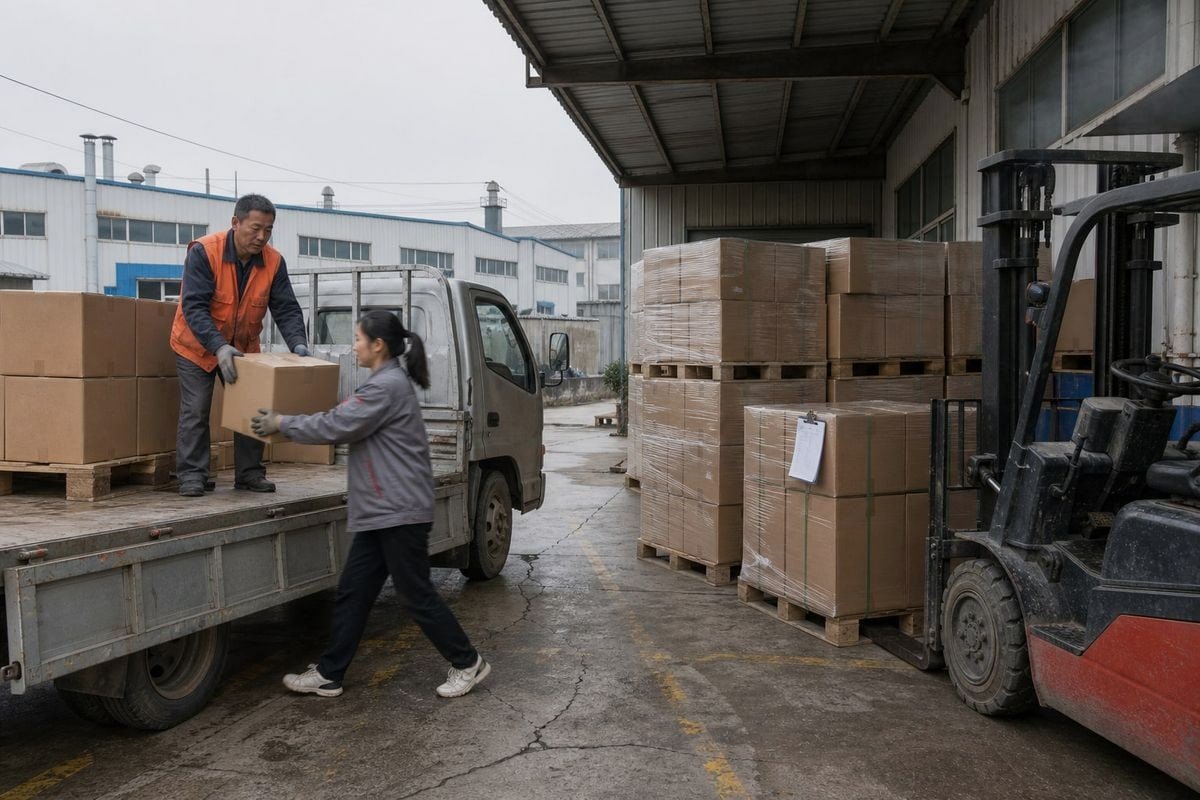
O MOQ é negociável com mais frequência do que os compradores imaginam. O que uma fábrica realmente precisa é eficiência de produção 3, não uma entrega gigante. Em nossa instalação, frequentemente produzimos um lote completo para um cliente e o enviamos em fases. O comprador garante o preço unitário em volume. Nós mantemos os produtos acabados brevemente na origem. O 3PL do cliente nunca vê um palete antes que ele seja necessário.
Arranjos flexíveis comuns
Aqui estão as estruturas que vemos funcionando melhor para produtos sazonais de fogo:
- Remessas divididas de um PO. Um preço, duas ou três datas de entrega. A opção mais simples e a primeira coisa que você deve solicitar.
- Pedidos globais com chamadas. Comprometa-se com uma quantidade anual; libere remessas mensalmente ou trimestralmente contra ela. Isso encurta seu tempo de entrega efetivo da cadeia de suprimentos porque os produtos já foram produzidos.
- MOQ de teste mais prioridade de reordem. Comece com um pequeno pedido em escala de palete, depois obtenha slots de produção garantidos para reordens na alta temporada.
- Manutenção em estilo gerenciado pelo fornecedor. O fabricante mantém o estoque até que seu inventário atinja um ponto de reordem e, em seguida, envia. Isso funciona quando a comunicação é rápida e ambos os lados confiam na previsão.
Combine a estrutura com sua tabela de taxas
| Sua Estrutura de Taxas de Armazém | Melhor Estrutura de Pedido | Por que Funciona |
|---|---|---|
| Taxa mensal por palete | Envios divididos | Menos paletes por mês |
| Taxa adicional após 90/180 dias | Pedido em consignação com chamadas | O estoque nunca envelhece além do limite |
| Cobrança por pé cúbico | Caixas compactas + entrega escalonada | Reduz a pegada faturável a qualquer momento |
| Taxas de manuseio de entrada/saída | Entregas menores e mais frequentes | Equilibra o custo de manuseio com o custo de envelhecimento |
A chave é alinhar o tempo de envio com o seu taxa de giro de estoque 4. Se um envio chega e é vendido em 60 dias, as taxas de armazenamento permanecem triviais. Se ele fica parado por cinco meses, a tabela de taxas — não o produto — decide sua margem.
Como prevejo com precisão a demanda sazonal para não encomendar em excesso acendedores de lareira a lenha antes da alta temporada?
No início de nossa história de exportação, um cliente canadense triplicou seu pedido após uma temporada de inverno ameno com fortes vendas de camping. O inverno seguinte foi ameno, o surto de camping normalizou-se e ele manteve estoque até junho. Essa lição moldou como agora aconselhamos os compradores sobre previsão de demanda.
Preveja a demanda sazonal construindo uma linha de base móvel de 12 meses a partir das vendas mensais históricas, ponderando as duas ou três últimas temporadas de pico, ajustando para previsões meteorológicas e promoções, e adicionando um buffer de estoque de segurança dimensionado ao tempo de entrega do seu fornecedor — tipicamente duas a quatro semanas de vendas de pico.

Acendedores de fogo a lenha seguem previsíveis as tendências de vendas sazonais 5, mas "previsível" não significa "estável". A demanda aumenta antes da primeira onda de frio, atinge o pico durante o inverno, depois mostra pequenos picos na temporada de camping, na temporada de churrasco e nas compras de preparação para emergências. Sua previsão precisa separar essas camadas em vez de tratar o ano como uma média.
Um método de previsão de quatro etapas
- Estabeleça a demanda base. Pegue as vendas mensais de unidades do ano passado. Use uma média móvel de 12 meses para suavizar picos promocionais e pedidos em massa pontuais.
- Isole o pico. Identifique sua janela de pico — geralmente de setembro a janeiro para canais de lareira. Pondere os dois ou três picos mais recentes com mais peso se seu canal estiver crescendo.
- Ajuste para variáveis conhecidas. Promoções de varejistas, novas listagens de lojas, previsões de inverno de longo prazo e expansão de canais mudam a curva. Dados preditivos de clima valem a pena verificar para compras regionais.
- Adicione estoque de segurança. Dimensiona para cobrir a demanda durante o tempo de entrega da sua cadeia de suprimentos, mais uma margem para erro de previsão. Tempos de entrega mais longos exigem margens maiores; ciclos de reabastecimento domésticos curtos precisam de menos.
Por que conservador supera agressivo aqui
Como os acendedores de fogo são consumíveis de baixo custo, o erro de previsão custa mais em armazenamento do que em produto. Se você pedir 20% a mais em um SKU barato, o excesso não apenas imobiliza dinheiro — ele ocupa posições de palete até a primavera, potencialmente acionando taxas de armazenamento de longo prazo que excedem o valor dos bens. Pedir menos também prejudica, mas um fabricante confiável com tempos de entrega consistentes 6 permite que você reordene no meio da temporada. É por isso que enfatizamos a consistência lote a lote em nossa fábrica: os compradores podem confiar que um reordenamento de novembro corresponde exatamente ao envio de agosto, o que torna a previsão mais enxuta segura.
Acompanhe seu taxa de giro de estoque mensal durante a temporada. Se as vendas diminuírem inesperadamente em dezembro, aja cedo — promoções em pacote ou preços de liquidação no final do inverno são melhores do que pagar armazenamento em estoque que se arrasta até o verão.
Posso negociar horários de entrega flexíveis com meu fabricante para reduzir as taxas de armazenamento fora de época?
Os compradores às vezes assumem que os termos de entrega são imutáveis assim que a cotação chega. Em nossas conversas com importadores dos EUA e da Europa, o oposto é verdadeiro — a flexibilidade de entrega é uma das coisas mais fáceis de negociar, se você perguntar antes que o PO seja assinado.
Sim. A maioria dos fabricantes estabelecidos negociará entregas escalonadas, armazenamento de origem de curto prazo, pedidos globais com liberações programadas ou produção programada para as suas datas de retirada. Aumente a flexibilidade de entrega durante a cotação, comprometa-se com um volume anual total e a fábrica ganha previsibilidade enquanto você evita taxas de armazenamento.

A negociação funciona porque ambos os lados ganham. Uma fábrica valoriza a visibilidade da previsão. Quando um comprador se compromete com uma quantidade anual de acendedores de fogo a lenha, podemos agendar a produção durante nossos próprios meses mais tranquilos, garantir materiais com antecedência e otimizar nossas linhas. Em troca, manter produtos acabados por algumas semanas e enviar de acordo com o cronograma do comprador nos custa pouco. O que mata a flexibilidade é a incerteza — um comprador que não se compromete com o volume não pode razoavelmente pedir a uma fábrica para manter o estoque.
O que colocar na mesa de negociação
- Compromisso anual total. Esta é a sua principal alavancagem. Ele o transforma de uma transação em um parceiro de planejamento.
- Um cronograma de liberação por escrito. Proponha janelas de envio específicas — por exemplo, final de julho, meados de setembro e início de novembro — com períodos de aviso de ajuste acordados.
- Termos de retenção na origem. Pergunte por quanto tempo a fábrica pode reter os produtos acabados e se uma pequena taxa de retenção se aplica. Mesmo uma taxa modesta na origem geralmente supera as taxas adicionais de 3PL no destino.
- Estrutura de pagamento. As fábricas geralmente aceitam depósitos por lote de produção com saldos devidos por liberação de remessa. Isso alinha o fluxo de caixa em ambos os lados.
- Prioridade de reordenamento. Negocie slots de produção garantidos para reposições na temporada. Isso permite que você peça menos no início, sabendo que um reordenamento rápido é possível.
Mais um ponto prático de nossas operações de exportação: documentação de conformidade 7 deve viajar com cada remessa, não apenas com a primeira. Mercadorias certificadas com relatórios de teste liberam a alfândega de forma previsível, e a liberação previsível faz parte da confiabilidade da entrega. Um cronograma escalonado só reduz as taxas de armazenamento se cada remessa chegar realmente no prazo — portanto, avalie o histórico de tempo de entrega do seu fabricante com o mesmo cuidado que o preço.
Conclusão
A compra fora de época de acendedores de fogo a lenha recompensa o planejamento, não o volume. Preveja conservadoramente, meça em paletes, respeite os limites de taxas e negocie entregas escalonadas — as economias então permanecem suas.
Notas de rodapé
Fornece conhecimento técnico sobre a otimização de espaços de armazém e o gerenciamento da eficiência de armazenamento em escala de paletes. ↩︎
Entrada autoritativa da Wikipedia definindo os custos de manutenção de estoque e seu impacto nas finanças empresariais. ↩︎
Explica o conceito econômico de maximização da produção que impulsiona os requisitos de MOQ e lote da fábrica. ↩︎
Visão geral abrangente da Wikipedia sobre a taxa de giro de estoque e seu cálculo. ↩︎
Oferece contexto sobre como as flutuações previsíveis da demanda afetam o planejamento de estoque e os ciclos de aquisição. ↩︎
Recurso confiável da Wikipedia explicando os componentes do lead time e o gerenciamento em cadeias de suprimentos. ↩︎
Guia autoritativo sobre a documentação necessária para o desembaraço aduaneiro tranquilo no comércio internacional. ↩︎



 English
  Spanish
  German
  French
  Arabic
  Portuguese
Participe da conversa