






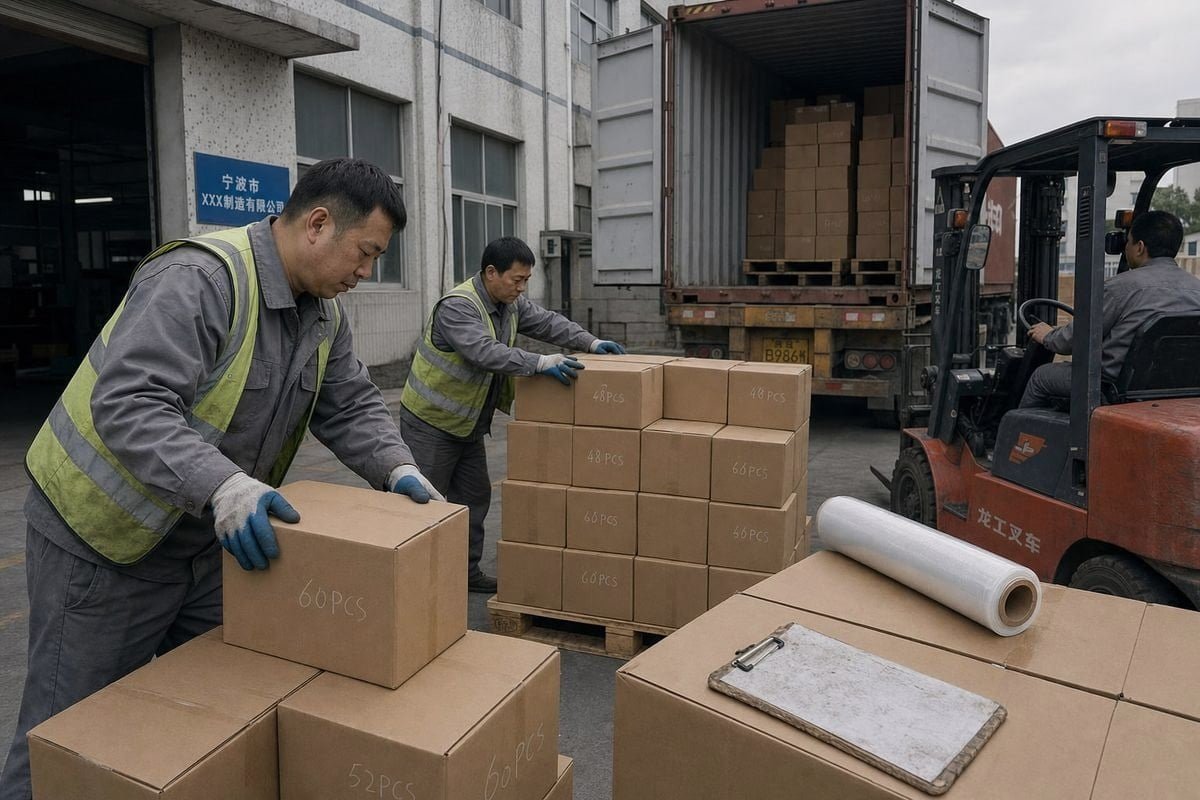
Todos os anos em agosto, vejo compradores correndo atrás de espaço em contêineres 1 em nossos acendedores de fogo a lenha da China. Reservas de última hora significam sobretaxas de frete na alta temporada, datas de prateleira perdidas e estoque parado. Nossa equipe de exportação aprendeu a planejar com muita antecedência — e você também deveria.
Para planear a logística de acendedores de fogo a lenha da China, faça as encomendas entre março e maio, reserve o transporte marítimo com 3-4 semanas de antecedência, confirme os códigos HS e os documentos MSDS atempadamente, escolha FCL em vez de LCL quando o volume o permitir e trabalhe com uma fábrica experiente em tempos de exportação sazonais.
Essa é a resposta curta. Agora, deixe-me guiá-lo por cada etapa, usando o que vemos em nosso próprio calendário de produção e envio todos os anos.
Com quanta antecedência devo fazer o meu pedido para evitar perder a procura da época alta de aquecimento?
Um distribuidor alemão nos ligou em setembro pedindo dois contêineres para outubro. Tivemos que dizer não. Nossas vagas de produção para rolos de madeira mergulhados em cera já estavam totalmente reservadas para a temporada.
Faça seu pedido de seis a oito meses antes da alta temporada de aquecimento — idealmente de março a maio. Isso permite 30 a 45 dias para produção, 25 a 40 dias para frete marítimo e procedimentos de desembaraço aduaneiro, mais tempo de reserva para inspeções, para que as mercadorias cheguem aos armazéns em setembro.

Prazos de entrega da cadeia de suprimentos para produtos sazonais de fogo são mais longos do que a maioria dos importadores de primeira viagem espera. O problema não é apenas a produção. É o acúmulo de cada etapa: amostragem, ferramental para embalagem de marca própria, produção em lote, inspeção de qualidade, reserva de contêineres de frete marítimo, trânsito, desembaraço portuário e entrega em terra. Perder uma janela e toda a cadeia escorrega.
Um calendário pré-temporada realista
Aqui está o cronograma que recomendamos aos nossos compradores dos EUA e da Europa. Ele é construído a partir de mais de 17 anos de envio de mercadorias para iniciar fogo para mais de 30 países.
| Mês | Marco | Por que importa |
|---|---|---|
| Março | Confirmar amostras, arte da embalagem, MOQ | Caixas personalizadas e rótulos de advertência levam tempo para aprovar |
| Abril | Fazer pedido de compra, pagar depósito | Garante uma vaga de produção antes da correria |
| Maio–Junho | Produção e controle de qualidade em lote | A imersão em cera e a secagem não podem ser apressadas com segurança |
| Julho | Inspeção pré-embarque, reservar navio | Evita sobretaxas de frete na alta temporada |
| Agosto | Navegar de Ningbo | A janela crítica de envio antes da congestão |
| Setembro | Chegada, alfândega, recibo do armazém | Estoque pronto antes do pico de demanda de outubro |
Duas forças tornam o pedido tardio caro. Primeiro, a capacidade da fábrica aperta a partir de julho, porque todas as marcas de lareira e churrasqueira querem a mesma janela. Segundo, as companhias marítimas aumentam as tarifas e rolam as reservas quando a demanda atinge o pico. Aconselhamos os compradores a reservar o frete marítimo com pelo menos três a quatro semanas de antecedência antes que as mercadorias sejam necessárias no porto, e mais cedo na correria de julho a setembro.
Há também um risco de desvantagem do outro lado. Acendedores de fogo que chegam em dezembro muitas vezes ficam como estoque parado até o próximo ano. Boas estratégias de gerenciamento de estoque significam pousar 100% do volume sazonal antes que a temporada comece, não entregá-lo gradualmente durante a temporada.
Que documentos de envio e alfândega preciso para acendedores de fogo a lenha da China?
A papelada é onde vi os atrasos mais evitáveis. O contêiner de um comprador ficou em Roterdã por duas semanas porque o código HS na fatura não correspondia à classificação do despachante.
Você precisa de uma fatura comercial, lista de embalagem, conhecimento de embarque, MSDS para mercadorias inflamáveis e um código HS verificado pelo despachante - comumente 3606.90 para acendedores de fogo à base de cera. Alguns destinos também exigem relatórios de teste, certificados de origem e declarações de mercadorias perigosas IMDG.

Deixe-me dividir a pilha de documentos em três camadas, pois elas atendem a diferentes guardiões.
Camada um: documentos comerciais
Sua fatura comercial e lista de embalagem devem corresponder exatamente — mesmas contagens de caixas, mesmos pesos, mesmas descrições de produtos. Os funcionários da alfândega os comparam linha por linha. Papelada inconsistente é o caminho mais rápido para retenções de inspeção e multas.
Camada dois: classificação e segurança
A seleção do código HS não é acadêmica. Ele define suas taxas e impostos de importação 2 e determina se o envio é sinalizado. Acendedores de fogo de lã de madeira são frequentemente classificados sob 3606.90, mas algumas formulações se enquadram em 4401 ou 3824. Um fornecedor pode sugerir um código; apenas seu despachante aduaneiro deve confirmá-lo. Fornecemos Documentação MSDS 3 para nossos rolos de madeira mergulhados em cera como padrão, porque nossos compradores nos EUA e na UE o tratam como um requisito rigoroso. A FDS também permite que seu transitário verifique se as regras IMDG se aplicam à sua formulação específica para transporte marítimo. Nem todo acendedor de fogo é regulamentado como mercadoria perigosa — mas você deve verificar, não assumir.
Camada três: prova de conformidade
| Documento | Quem exige | Nosso papel |
|---|---|---|
| FISPQ | Transportadora, transitário, despachante | Emitido por SKU e formulação |
| Relatórios de teste SGS/Intertek | Varejistas, importadores | Disponível com cada linha de produto |
| Documentação de marcação CE | Entrada no mercado da UE | Incluído para mercadorias com destino à UE |
| Certificado de origem | Tratamento de impostos, AEL | Organizado no embarque |
| Registros BSCI/ISO 9001 | Auditorias de sourcing de varejo | Em arquivo para auditorias de compradores |
Concorde com Incoterms para comércio internacional 4 cedo. FOB Ningbo lhe dá controle de frete; DDP transfere o risco de desembaraço para o vendedor. De qualquer forma, tenha todos os documentos redigidos antes que o navio zarpe, não depois.
Como posso evitar atrasos com uma fábrica que entende o tempo da logística sazonal?
O dilema que pondero a cada temporada é este: uma cotação barata de uma empresa de comércio versus um preço ligeiramente mais alto de uma fábrica que realmente controla seu calendário de produção. O primeiro geralmente custa mais no final.
Trabalhe com uma fábrica certificada que reserva horários de produção sazonais, fornece dimensões de caixas e MSDS antecipadamente, coordena diretamente com seu despachante de carga e tem um histórico de exportações pré-sazonais. O controle em nível de fábrica sobre a produção e o CQ elimina os atrasos de intermediários introduzidos pelas empresas de comércio.
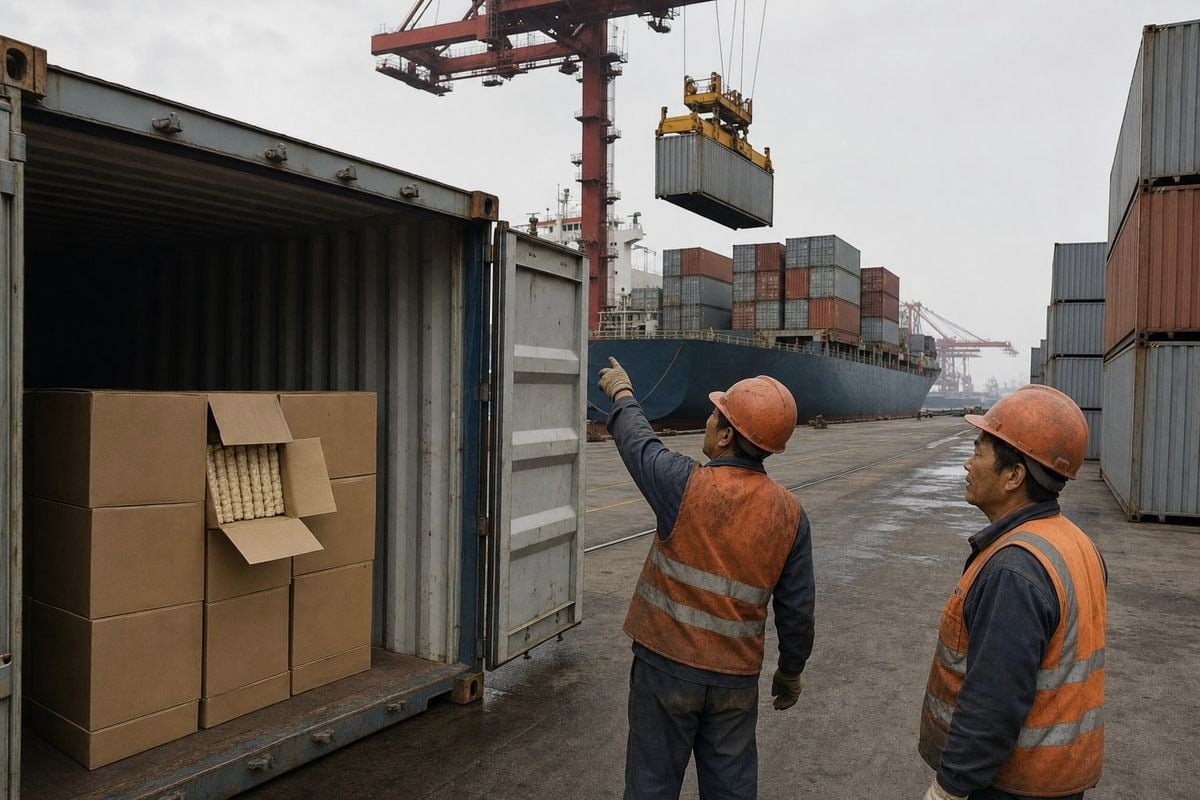
Atrasos raramente vêm de uma grande falha. Eles vêm de pequenos handoffs que dão errado. Em nossa experiência exportando para os EUA, Alemanha, Reino Unido e Polônia, quatro comportamentos do lado da fábrica separam fornecedores pontuais de fornecedores arriscados.
Quatro sinais de uma fábrica pronta para logística
-
Eles falam sobre as dimensões da caixa antes que você pergunte. A economia de frete para produtos volumosos e de baixo valor vive e morre na densidade da embalagem. Um fornecedor sério oferece o tamanho da caixa, peso bruto e unidades por caixa na fase de cotação, porque seu despachante precisa desses números para planejar paletes e o encaixe do contêiner.
-
Eles bloqueiam horários de produção contra a temporada. Nossas linhas de Ningbo operam com capacidade sazonal total a partir de junho. Dizemos aos compradores honestamente quando um slot está esgotado, em vez de aceitar pedidos que não podemos enviar a tempo. Pergunte a qualquer fábrica prospectiva como eles alocam a capacidade de julho a agosto. Uma resposta vaga é um aviso.
-
Eles apoiam o frete direto da China. Uma fábrica acostumada a exportações sazonais irá coordenar datas de carregamento 5 com seu despachante, supervisionar o carregamento do contêiner, empilhar as caixas uniformemente para evitar esmagamento e entregar os documentos na mesma semana em que o contêiner sai. Essa coordenação é onde as empresas de comércio geralmente tropeçam, porque elas não controlam o cais de carregamento.
-
Sua primeira amostra corresponde à produção em massa. Isso parece um ponto de qualidade, mas também é um ponto de logística. Se os bens de produção em massa falharem em sua inspeção pré-embarque, você perde semanas refazendo ou renegociando — geralmente em agosto, o pior mês possível. QC rigoroso lote a lote, apoiado por processos ISO 9001, é o que faz o calendário de embarque se manter.
Mais uma dica prática: peça à fábrica referências em seu mercado de destino. Um fornecedor que já desembaraçou mercadorias nos portos do seu país já conhece as peculiaridades de documentação que atrapalham os iniciantes.
Quais opções de MOQ e contêiner funcionam melhor para um pedido de teste antes do início da temporada?
Um distribuidor canadense de lareiras recentemente nos pediu o menor pedido inicial sensato. Minha resposta não foi uma contagem de unidades — foi uma contagem de caixas, porque é assim que o frete é realmente precificado.
Para uma encomenda de teste, um envio LCL de aproximadamente 300–500 caixas funciona bem antes de escalar para um contentor de 20 pés (cerca de 800–1.200 caixas) ou um contentor de 40 pés (cerca de 1.600–2.400 caixas). MOQs flexíveis permitem testar o mercado sem se comprometer com volume de contentor completo.
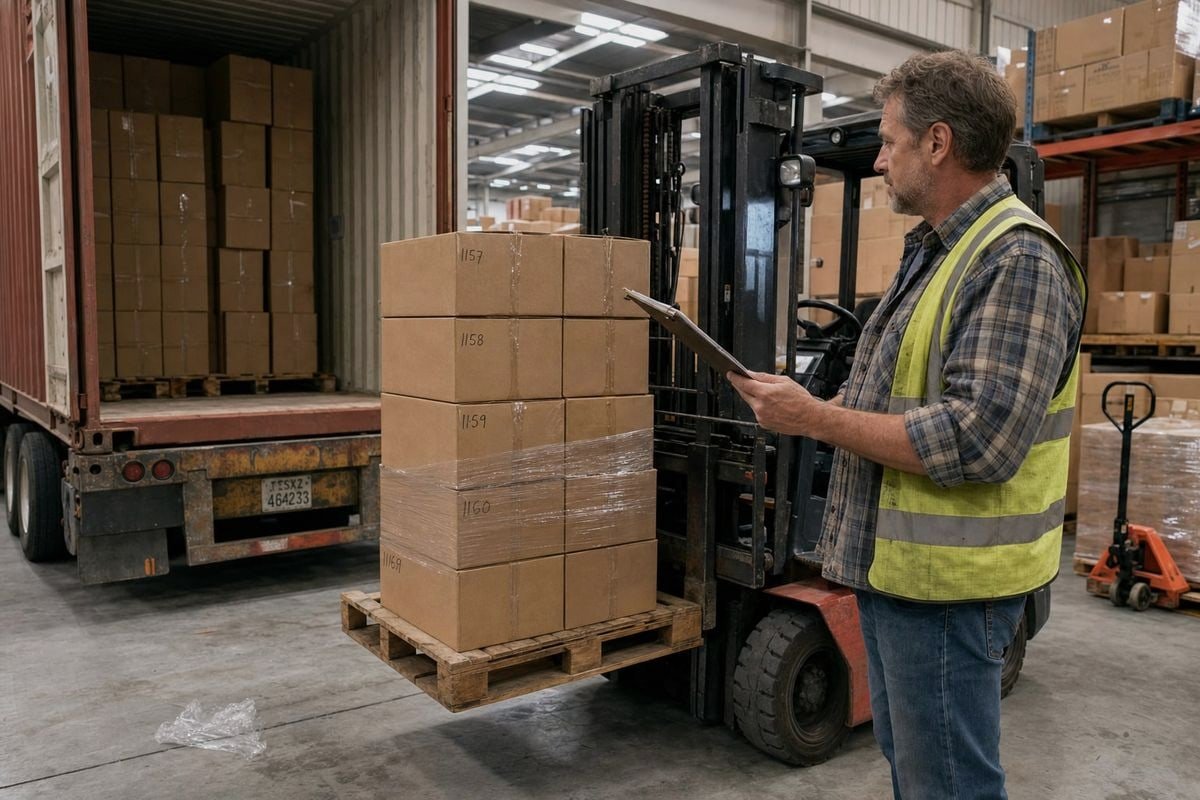
Trate esses números como estimativas de planejamento, não como regras fixas. O encaixe real depende das dimensões da sua caixa, peso e configuração do palete. Sempre confirme as especificações com seu fornecedor e despachante antes de reservar.
Comparando suas opções de envio
| Opção | Faixa típica de caixas | Melhor para | Cuidado com |
|---|---|---|---|
| LCL | 300–500 caixas | Pedidos de teste, testes de mercado | Mais manuseio, custo mais alto por caixa |
| FCL 20 pés | 800–1.200 caixas (~10 paletes) | Primeira temporada em escala total | Menos eficiente por unidade do que 40FT |
| FCL 40 pés | 600–2.400 caixas (~20–22 paletes) | Demanda estabelecida | Requer previsão de vendas confiante |
A economia favorece a escala. Um contêiner de 40 pés geralmente custa apenas cerca de 30% a mais que um de 20 pés, enquanto transporta aproximadamente o dobro da carga, o que reduz frete por unidade 6 acentuadamente. Mas não deixe que isso o tente a pedir em excesso um produto sazonal em sua primeira tentativa. A aquisição em massa de acendedores de fogo funciona melhor como um processo escalonado: LCL de teste na primavera, observe os sinais iniciais de varejo e, em seguida, comprometa-se com FCL para a temporada principal ou para o ano seguinte.
Como estruturamos pedidos de teste
Nossa configuração OEM/ODM suporta esse escalonamento. Mantemos os MOQs de teste flexíveis e podemos misturar SKUs — rolos de madeira mergulhados em cera, pinhas de chama colorida e pacotes Magic Fire — em um único envio consolidado para que um distribuidor teste uma linha completa de acessórios de fogo em uma única reserva LCL. Também integramos a embalagem de varejo, códigos de barras e rótulos de aviso na execução do teste, para que o que você testa seja exatamente o que você escalaria.
Antes de reservar, faça três perguntas ao seu despachante: quantos de seus paletes cabem no contêiner escolhido, se a consolidação através de um porto próximo reduz o custo e qual é a estimativa de trânsito atual para seu destino. Em seguida, calcule o custo de chegada 7 — produto, frete, impostos e taxas de importação, taxas portuárias e entrega interna. O imposto sobre acendedores de fogo geralmente varia de 2% a 8%, às vezes reduzido sob acordos de livre comércio. O preço unitário mais barato é insignificante se o custo de chegada destruir sua margem.
Conclusão
O planejamento tardio transforma acendedores de fogo de madeira em estoque encalhado e margem perdida. Peça na primavera, verifique os documentos com antecedência, faça parceria com uma fábrica experiente e escale os volumes com sabedoria.
Notas de rodapé
Explica o conceito de conteinerização e como o espaço é gerenciado na logística global de transporte. ↩︎
Recurso oficial do governo dos EUA explicando como os impostos e taxas de importação são calculados e aplicados. ↩︎
Fornece a definição padrão e os requisitos para fichas de dados de segurança no comércio internacional. ↩︎
A fonte oficial para as regras Incoterms 2020, definindo responsabilidades em transações comerciais internacionais. ↩︎
Explica a importância das datas de carregamento e da documentação no processo de envio e conhecimento de embarque. ↩︎
Entrada confiável de enciclopédia definindo taxas de frete e os fatores que determinam os custos de envio. ↩︎
Explicação detalhada do custo de chegada, cobrindo todas as despesas incorridas na aquisição de mercadorias importadas. ↩︎


 English
  Spanish
  German
  French
  Arabic
  Portuguese
Participe da conversa