






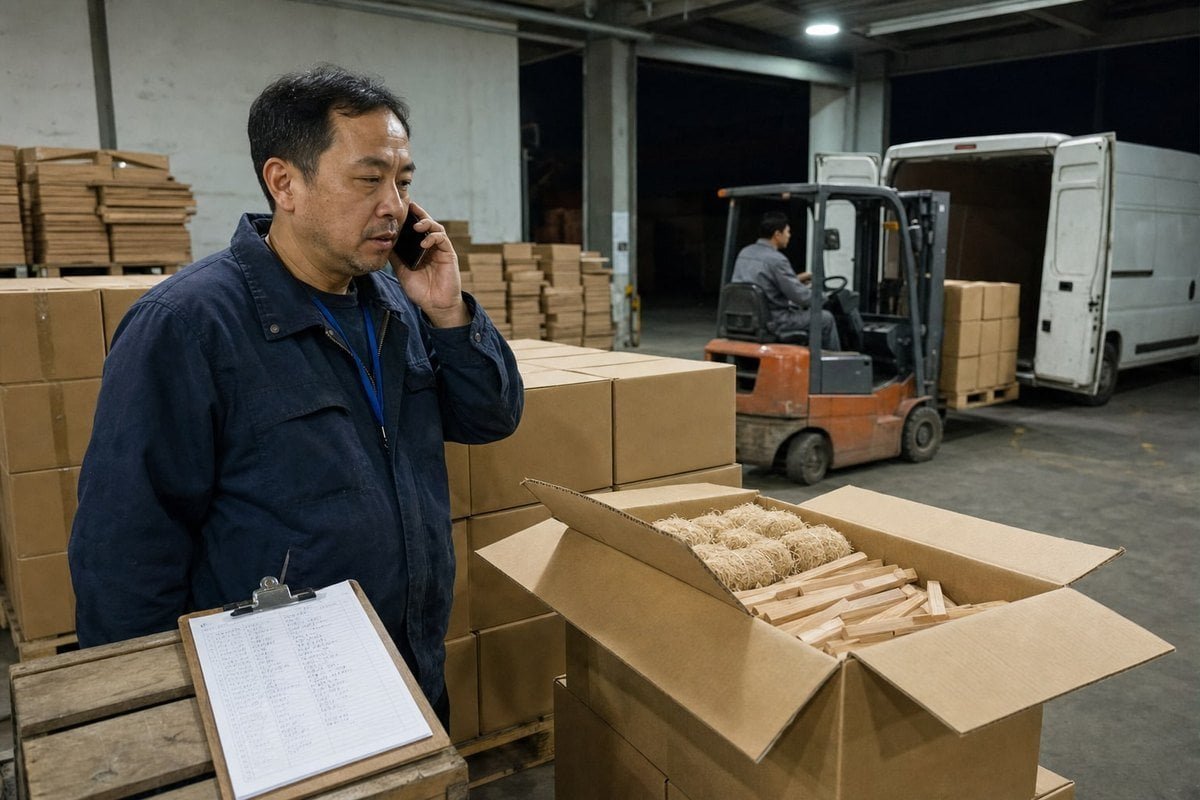
Transferências emergenciais entre armazéns com fornecedores de acendedores de madeira podem salvar uma temporada — ou arruiná-la. Observei compradores perderem espaço de prateleira em dezembro porque ninguém pré-acordou quem move o estoque, quem paga e quem aprova às 2 da manhã.
Para negociar transferências emergenciais entre armazéns com fornecedores de acendedores de fogo a lenha, concorde com condições de gatilho por escrito, tempos de resposta garantidos, frete expresso pré-precificado, protocolos de embalagem e umidade, um contato de aprovação nomeado, regras de compartilhamento de custos e um compromisso de reposição — tudo antes que uma emergência aconteça.
Abaixo, divido isso em quatro perguntas práticas. Cada uma cobre uma parte da negociação, desde cláusulas contratuais até papelada de conformidade e preços justos. Vamos começar com o próprio acordo.
O que devo incluir num acordo de transferência de emergência com o meu fornecedor de iniciadores de fogo a lenha?
Um distribuidor alemão ligou uma vez para nossa fábrica em Ningbo em uma sexta-feira à noite, desesperado por rolos de madeira revestidos de cera. Movemos o estoque — mas apenas porque tínhamos termos escritos primeiro.
Um acordo de transferência de emergência deve incluir condições de gatilho definidas, tempos máximos de resposta e aprovação, sobretaxas de frete pré-negociadas, padrões de embalagem e paletização, responsabilidade por danos em trânsito, um contato de autorização 24 horas por dia, 7 dias por semana, regras de alocação de custos e uma janela de reposição firme para o armazém de origem.

O maior erro que vejo é tratar uma transferência de emergência como um favor ad hoc. Não é. É uma capacidade pré-negociada, e o acordo deve ser lido dessa forma. Quando nossa equipe elabora essas cláusulas com parceiros de distribuição de acendedores no atacado, focamos em seis blocos de construção.
As Seis Cláusulas Principais
| Cláusula | O que Define | Por que é importante |
|---|---|---|
| Condições de gatilho | Risco de falta de estoque, pico de previsão, evento climático, prazo do varejista | Remove o debate sobre se a situação se qualifica |
| SLA de resposta | Horas para reconhecer, horas para aprovar, horários de corte | Impede que sua solicitação fique em uma caixa de entrada durante todo o fim de semana |
| Termos de frete | Frete expresso pré-precificado, limites de sobretaxa | Impede preços de crise quando você não tem alavancagem |
| Especificação de embalagem | Caixas seladas, paletes padrão, proteção contra umidade | Produtos de fibra de madeira e cera devem permanecer secos e intactos |
| Responsabilidade | Quem assume o risco de danos em trânsito, regras de inspeção | Evita disputas sobre caixas amassadas ou úmidas |
| Reposição | Dias para reabastecer o armazém de origem | Protege os outros clientes do fornecedor e seu relacionamento |
Negocie também uma matriz de autorização. Nomeie as pessoas de ambos os lados que podem aprovar uma transferência à noite, nos fins de semana ou durante os picos da temporada de aquecimento. Em nossa experiência exportando para mais de 30 países, os negócios param com mais frequência porque a única pessoa com autoridade está dormindo em outro fuso horário. Fortes acordos de nível de serviço 1 corrigem isso com substitutos nomeados. Finalmente, adicione uma cláusula de aceitação de qualidade. Defina o que significa "em boas condições" na chegada — caixas secas, revestimento de cera intacto, rolos sem amassar — para que ninguém discuta depois que o caminhão sair.
Como Posso Verificar Se Meu Fornecedor Tem Capacidade Multiarmazém Antes Que Uma Emergência Surja?
Durante uma temporada de auditoria de fábrica há alguns anos, um de nossos compradores dos EUA pediu para ver dados de estoque ao vivo por local — não um folheto. Essa pergunta mudou a forma como relatamos o inventário.
Verifique a capacidade de múltiplos armazéns solicitando instantâneos de inventário por local, auditando pelo menos um depósito secundário, testando uma transferência pequena e não urgente, confirmando API ou relatórios agendados para visibilidade em tempo real e verificando se o fornecedor é proprietário dos armazéns ou subloca espaço de terceiros.
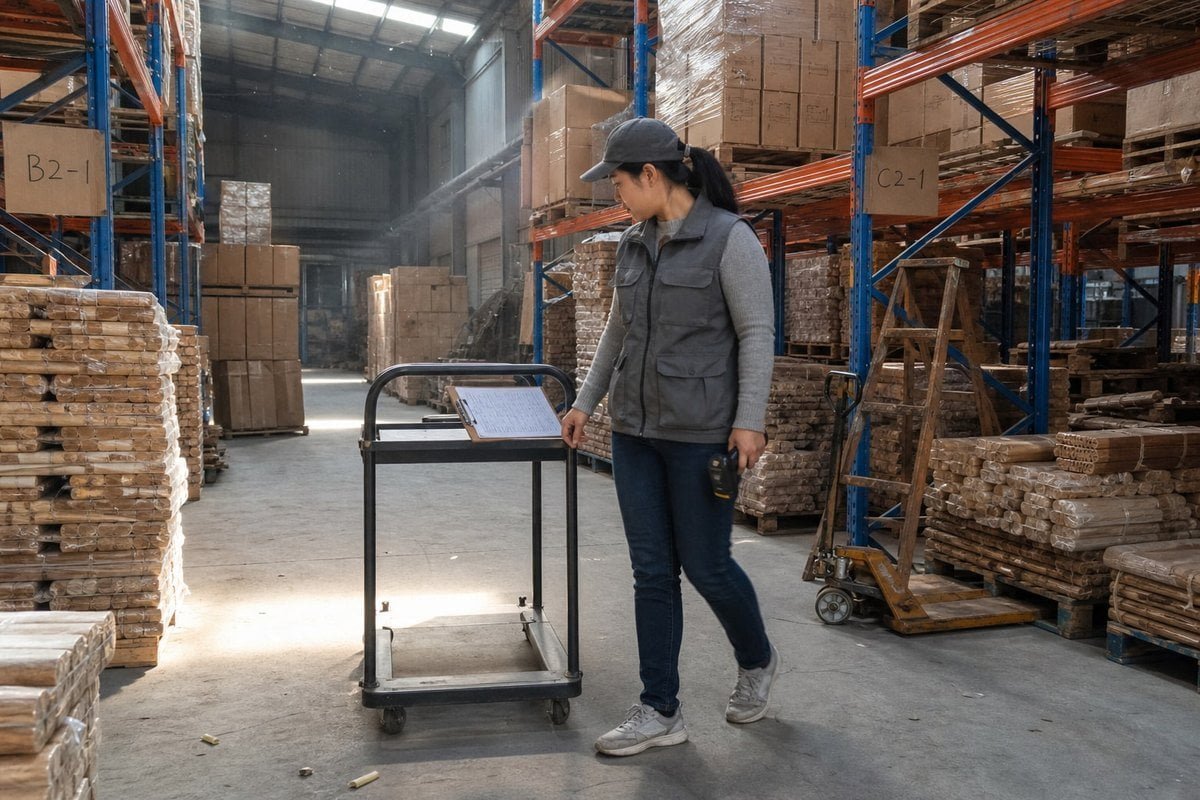
Confie, depois verifique. Muitos fornecedores afirmam "múltiplos armazéns" quando na verdade querem dizer uma instalação mais o espaço de um transitário. Essa distinção importa enormemente para resiliência da cadeia de suprimentos 2. Aqui está a sequência de verificação que recomendo aos gerentes de compras, com base em como nossas próprias operações em Liuyang e Ningbo são auditadas por grandes canais de sourcing de varejo.
Um Processo de Verificação de Cinco Passos
- Peça instantâneos de inventário por local. Solicite contagens de estoque divididas por armazém, atualizadas semanalmente no mínimo. Totais vagos escondem a verdade.
- Audite ou faça um tour em vídeo de um depósito secundário. Um armazém real tem prateleiras, zonas rotuladas e funcionários. Um canto emprestado do chão de um 3PL não tem.
- Execute uma transferência de teste durante a baixa temporada. Peça uma pequena transferência de inventário entre armazéns na primavera, quando nada é urgente. Meça o tempo real de entrega em relação ao prometido.
- Confirme a conectividade de dados. O rastreamento integrado por API ou relatórios EDI agendados permitem que você acione alertas quando estoque de segurança 3 em um armazém regional cai abaixo do limite. Isso suporta a otimização genuína do estoque de segurança em vez de adivinhação.
- Verifique a propriedade e a equipe. Pergunte quem controla legalmente cada local, quem o opera fora do horário de expediente e se a frota do fornecedor ou uma rede 3PL pré-aprovada lida com movimentações urgentes.
Se um fornecedor resistir a todas as cinco etapas, isso diz algo. O bom gerenciamento de relacionamento com fornecedores é construído sobre a transparência mútua. gerenciamento de relacionamento com fornecedores 4 Compartilhamos nossos dados de produção e armazém com parceiros B2B sérios porque isso encurta seus ciclos de planejamento — e significa que, quando eles ligam em uma crise, eles já sabem exatamente onde o estoque está.
Que Documentos de Conformidade Preciso ao Transferir Acendedores de Fogo a Lenha Entre Armazéns?
Nossa equipe de conformidade gasta uma parte surpreendente de sua semana preparando a papelada para movimentações de estoque, não apenas para remessas de exportação. Os compradores raramente veem esse trabalho — até que uma transferência seja retida.
Você precisa da Ficha de Dados de Segurança do produto, uma nota de transferência ou entrega com números de lote, um registro de cadeia de custódia, comprovante de embalagem e rotulagem, confirmação de seguro e quaisquer licenças de armazenamento locais — embora a maioria dos acendedores de fogo a lenha seja classificada como não perigosa para transporte.
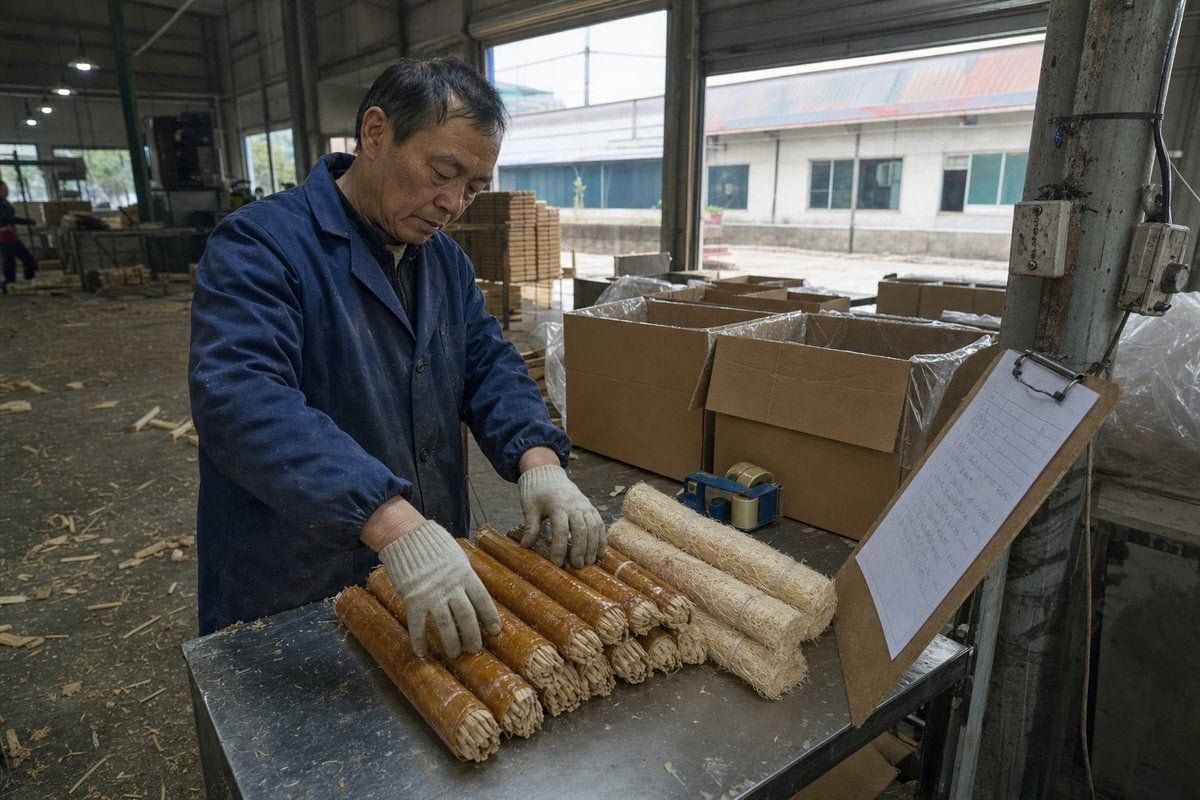
Aqui estão as boas notícias primeiro. Iniciadores de fogo de lã de madeira e à base de cera são geralmente tratados como bens de consumo combustíveis, não como mercadorias perigosas regulamentadas. Publicado Documentos de FISPQ 5 para iniciadores de fogo de lã de madeira geralmente confirmam que o produto não é perigoso para transporte, e as orientações de manuseio se concentram em controles de bom senso: manter longe de fontes de calor e ignição, usar áreas bem ventiladas, varrer derramamentos para recipientes adequados e descartar resíduos de acordo com os regulamentos locais e da CE. Portanto, o ônus da conformidade é real, mas gerenciável.
A Pilha de Documentos
| Documento | Propósito | Quem o Fornece |
|---|---|---|
| Ficha de Dados de Segurança (FDS) | Confirma as regras de manuseio, derramamento e armazenamento para o SKU exato | Fornecedor / fabricante |
| Nota de transferência com números de lote | Vincula o estoque movido a lotes de produção para rastreabilidade | Armazém do fornecedor |
| Registro de cadeia de custódia | Documenta cada entrega da doca de origem à doca de destino | Ambas as partes + transportadora |
| Comprovante de embalagem e etiquetagem | Confirma caixas seladas, rótulos de aviso e códigos de barras intactos | Fornecedor |
| Confirmação de seguro | Cobre perda ou dano durante a movimentação de emergência | Quem quer que suporte o risco de trânsito |
| Verificação da licença de armazenamento | Verifica se o destino pode legalmente armazenar mercadorias combustíveis | Armazém de destino |
Em nossa fábrica, cada lote de rolo de madeira revestido com cera é enviado com relatórios de teste SGS ou Intertek disponíveis, e nossa CE e ISO 9001 6 a documentação viaja com o pacote de papelada. Isso é importante porque um gerente de armazém de destino que nunca viu seu produto pode recusá-lo sem uma FISPQ arquivada. Meu conselho: crie um modelo de documento pré-aprovado com seu fornecedor agora. Quando a emergência ocorrer, você imprime, assina e envia — sem rascunhar sob pressão. É aqui que a redução do prazo de entrega realmente vem: não de caminhões mais rápidos, mas de papelada já pronta.
Como Negocio Custos e Prazos de Entrega Justos para Remessas Urgentes Entre Armazéns?
A decisão de precificação mais difícil que já lidei envolveu um comprador canadense enfrentando uma onda de frio, um armazém regional vazio e uma cláusula de penalidade do varejista. Dividimos o custo do frete expresso — porque tínhamos uma fórmula pronta.
Negocie custos justos pré-precificando cada nível de frete antes de qualquer crise, dividindo as taxas extras de urgência com base em quem causou a deficiência, limitando as taxas de manuseio e trocando compromissos de volume fora do pico por transferências de emergência dispensadas ou com desconto durante a temporada de aquecimento de inverno.
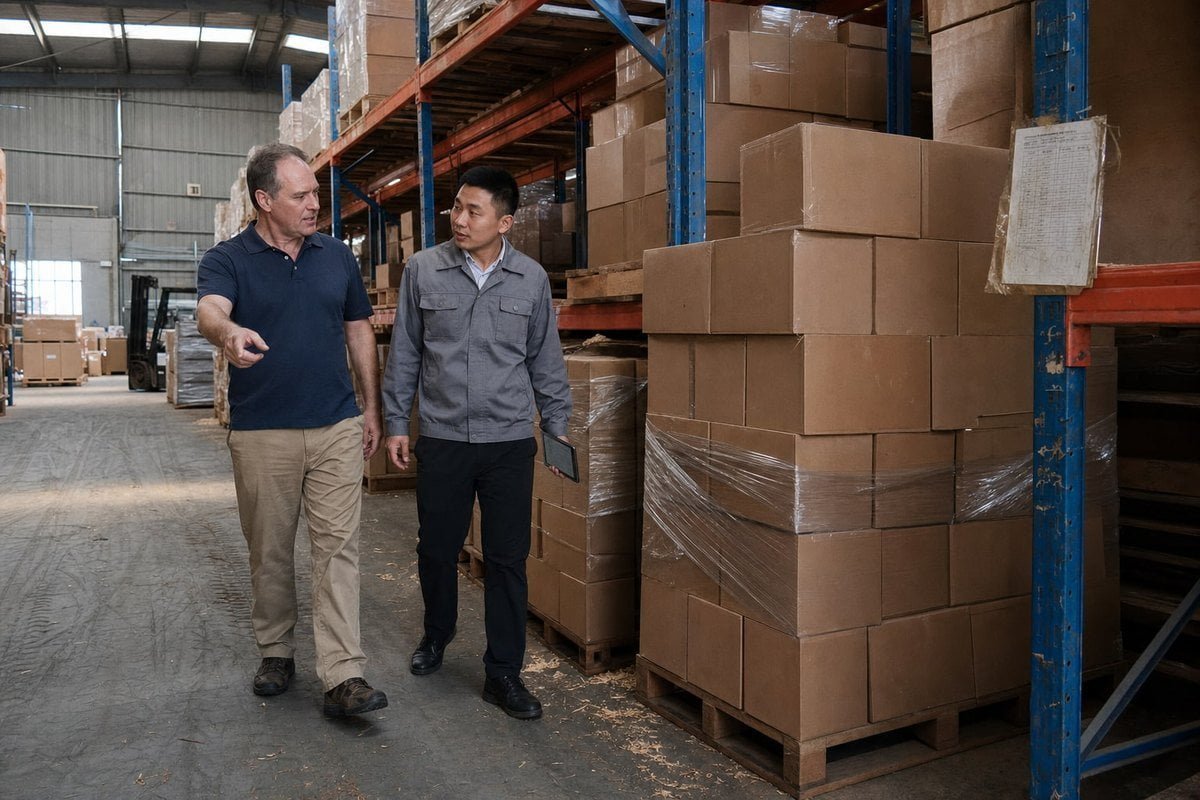
Nunca negocie taxas de frete durante uma falta de estoque. Sua alavancagem é zero e o fornecedor sabe disso. Em vez disso, bloqueie um quadro de custos durante sua revisão anual, quando ambos os lados estiverem calmos. Os custos de frete expresso variam amplamente, portanto, o quadro deve precificar níveis, não rotas únicas.
Um Quadro Justo de Compartilhamento de Custos
| Cenário | Quem Causou | Divisão de Custos Sugerida |
|---|---|---|
| Atraso na produção do fornecedor | Fornecedor | Fornecedor paga sobretaxa de frete expresso |
| Erro de previsão do comprador | Comprador | Comprador paga sobretaxa; fornecedor isenta manuseio |
| Onda de clima ou demanda | Nenhum dos dois | Divisão 50/50 na sobretaxa; frete padrão como normal |
| Mudança no prazo do varejista | Externo | Negociado caso a caso com um limite predefinido |
Além da divisão, use estas alavancas. Primeiro, créditos de pico sazonal: comprometer volume consistente fora de pico em troca de um número definido de transferências de emergência com isenção de taxa no inverno. Oferecemos estruturas como essa a parceiros de longo prazo porque pedidos previsíveis na primavera e no verão mantêm nossas linhas de produção equilibradas — isso vale dinheiro real para qualquer fábrica. Segundo, direito de primeira recusa em estoque de segurança não alocado em depósitos secundários, para que gerenciamento de falta de estoque não dependa da sorte. Terceiro, direitos de pooling de estoque virtual , permitindo que você retire do pool regional total do fornecedor em vez de apenas do estoque vinculado à sua conta. Quarto, um desvio direto da fábrica: se o armazém de distribuição apresentar gargalos, você coleta os produtos acabados diretamente do local de produção.
Em relação aos prazos de entrega, defina três números por escrito: horas para aprovar, horas para carregar e horas para entregar. Combine isso com liberações just-in-time 7 disciplina em pedidos regulares para que a capacidade de emergência permaneça genuinamente reservada para emergências. Um fornecedor que o vê gerenciando bem sua linha de base lutará mais por você quando for importante.
Conclusão
Uma falta de estoque na temporada de aquecimento é brutal, e transferências improvisadas pioram a situação. Pré-negocie gatilhos, verifique a capacidade, prepare documentos e precifique o acordo com antecedência — então as emergências se tornam execuções rotineiras, não crises.
Notas de rodapé
Explica o conceito de SLA que fundamenta as garantias de tempo de resposta negociadas em contratos com fornecedores. ↩︎
Conceito de fundo para explicar por que a verificação em vários armazéns protege contra interrupções. ↩︎
Recurso de associação da cadeia de suprimentos sobre estoque de segurança e práticas de gerenciamento de limites de estoque. ↩︎
Entrada autoritativa da Wikipedia definindo o gerenciamento estratégico de interações com terceiros e parcerias na cadeia de suprimentos. ↩︎
Recurso de comunicação de perigos da OSHA explica os requisitos da Ficha de Dados de Segurança referenciados aqui. ↩︎
Entrada autorizada da Wikipedia fornecendo uma visão geral abrangente do padrão de gerenciamento de qualidade ISO 9001. ↩︎
Explica a disciplina de entrega just-in-time referenciada para reservar capacidade de emergência. ↩︎

 English
  Spanish
  German
  French
  Arabic
  Portuguese
Participe da conversa