







Regras de verificação e rotulagem do GPSR para pinhas coloridas apanham muitos importadores de surpresa UE 2023/988 1. Na nossa linha de produção em Ningbo, vemos compradores da UE a apressarem-se depois de a alfândega reter remessas.
Para atender às regras de verificação e rotulagem do GPSR para pinhas coloridas da China, você precisa de uma avaliação de risco documentada, documentação técnica, relatórios de testes químicos para corantes e revestimentos, uma Pessoa Responsável designada na UE, marcas de rastreabilidade de lote e avisos de segurança específicos do idioma na embalagem.
Isso parece muito. É gerenciável se você dividir em quatro etapas. Abaixo, apresento documentos, relatórios de testes, rótulos de advertência e seleção de fornecedores — nessa ordem.
Que Documentos GPSR Preciso Antes de Importar Pinhas Coloridas da China?
Um distribuidor alemão pediu-nos uma "certificação GPSR" antes de fazer a sua primeira encomenda de pinhas com chama colorida Diretiva de Segurança de Brinquedos 2. Tive de explicar gentilmente: tal certificado não existe. A nossa equipa de conformidade constrói um ficheiro em vez disso.
Antes de importar pinhas coloridas da China, você precisa de uma avaliação de risco por escrito, um dossiê técnico, relatórios de teste do fornecedor para corantes, uma folha de especificações do produto, registos de codificação de lote, arte da embalagem com avisos e um acordo assinado com o Responsável pela UE com dados de contacto.

Este é o ponto que a maioria dos compradores perde. A "verificação" GPSR não é um selo que se compra. É um fluxo de trabalho de documentação que se constrói e mantém. O regulamento (UE 2023/988 3, em vigor a 13 de dezembro de 2024) exige que a segurança seja comprovada, documentada e rastreável para cada produto de consumo colocado no mercado da UE. Pinhas pintadas ou revestidas contam. Uma pinha natural e inalterada pode ficar fora do âmbito. No momento em que a tingimos, revestimos ou tratamos com química de chama colorida, ela torna-se um bem de consumo fabricado com obrigações plenas.
A Pilha Central de Documentos
Recomendo organizar o seu ficheiro nesta ordem:
| Documento | O que Cobre | Quem Prepara |
|---|---|---|
| Avaliação de risco | Perigos, uso indevido previsível, mitigação | Importador, com entrada da fábrica |
| Documentação técnica | Descrição do produto, materiais, normas aplicadas | Fábrica + importador |
| Relatórios de teste | Metais pesados, corantes azo, migração de ftalatos 4 | Laboratório terceirizado (SGS/Intertek) |
| Folha de especificações | Dimensões, revestimentos, uso pretendido | Fábrica |
| Acordo de Pessoa Responsável | Contacto da UE para autoridades | Importador ou serviço de RP |
| Prova de arte da embalagem | Avisos, rastreabilidade, endereço do RP | Fábrica, aprovada pelo importador |
Guarde este ficheiro durante dez anos. As autoridades de vigilância do mercado podem solicitá-lo e, na prática, esperam uma resposta rápida — alguns estados-membros trabalham com uma expectativa de 48 horas. Quando integramos um novo cliente da UE na nossa sede em Liuyang, entregamos um pacote de documentação antecipadamente, porque perseguir papelada após uma consulta alfandegária é muito mais caro do que prepará-la antes do envio.
Mais um ponto. Se o seu produto não for fabricado na UE, você, como importador, torna-se frequentemente o guardião da conformidade. A fábrica apoia-o. A responsabilidade legal dentro da UE recai sobre si ou sobre a sua Pessoa Responsável designada.
Como Sei Se os Relatórios de Teste do Meu Fornecedor Chinês Atendem aos Padrões GPSR da UE?
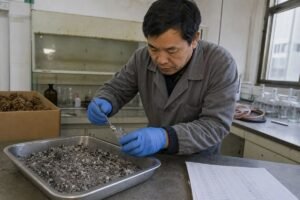
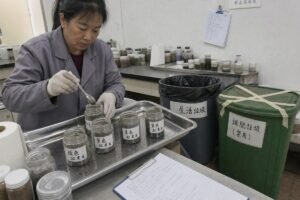
A revisão de relatórios de laboratório é uma tarefa semanal no nosso escritório de CQ. Vimos compradores aceitarem relatórios que testaram o lote errado, a substância errada ou nada relevante. Esse erro só surge durante uma auditoria.
Um relatório de teste válido deve vir de um laboratório credenciado como SGS ou Intertek, nomear seu produto e lote exatos, testar os corantes e revestimentos reais para metais pesados, corantes azóicos e ftalatos sob o Anexo XVII do REACH, e ter uma data de emissão recente.

Deixe-me ser direto sobre o que significa "atender aos padrões da UE" para este produto. O próprio GPSR não lista limites químicos. Exige que o produto seja seguro e que os riscos sejam avaliados. Os limites químicos vêm de uma via separada: o Anexo XVII do REACH restringe corantes azo e metais pesados como chumbo e cádmio em artigos de consumo. Os importadores da categoria de decoração ignoram isso constantemente, porque assumem que o GPSR é o único conjunto de regras. A sua avaliação de risco deve referenciar estes resultados do REACH como prova de segurança química.
Um Processo de Verificação de Cinco Pontos
- Verifique o laboratório. Os relatórios devem vir de um laboratório terceirizado credenciado. Os nossos próprios produtos têm relatórios SGS e Intertek, e fábricas sérias mostrá-los-ão sem hesitação.
- Corresponda ao produto. O relatório deve descrever as suas pinhas coloridas — não um "artigo de artesanato pintado" genérico de três anos atrás.
- Corresponda ao lote. Revestimentos e fórmulas de tintas mudam. Um relatório ligado a um código de lote prova que o item testado é o que é enviado.
- Verifique as substâncias. Para pinhas coloridas, procure chumbo, cádmio, migração de ftalatos e corantes azo restritos 5.
- Verifique o uso pretendido. Uma pinha vendida como combustível para lareira precisa que o seu comportamento de combustão e emissões sejam considerados no ficheiro de risco, não apenas a sua química de superfície.
Há uma segunda armadilha que vale a pena nomear: "O fornecedor diz que é compatível, então estou coberto." Sob o GPSR, essa defesa não se sustenta. O importador deve deter a documentação e defender a avaliação de risco. Uma declaração do fornecedor é uma entrada, nunca um substituto. Na nossa experiência exportando para Alemanha, França e Holanda, os compradores que evitam problemas são aqueles que verificam cada relatório antes da ordem de compra, não depois que o contentor chega a Roterdão.
Quais Rótulos de Aviso e Informações de Segurança São Exigidos na Embalagem de Pinhas Coloridas com Chama?
A arte da embalagem é onde a nossa equipa de design passa mais tempo de idas e vindas com clientes da UE. Um comprador holandês enviou-nos arte com apenas um código QR para informações de segurança. Sinalizámos antes de imprimir. Um código QR pode complementar a rotulagem física, mas não a pode substituir.
A embalagem do cone de pinho de chama colorida deve exibir o nome e endereço do fabricante, os detalhes de contato da Pessoa Responsável da UE, um número de lote ou partida, avisos de uso contra fogo no idioma de cada mercado de destino e avisos de segurança infantil onde o produto possa atrair crianças.

A hierarquia de rotulagem sob o GPSR é simples. Coloque as informações no produto sempre que possível. Para pinhas, isso é impraticável, então vai para a embalagem — o saco de papel kraft, pote ou saco de juta. Se nenhum dos dois funcionar, um documento acompanhante é a alternativa. Para vendas à distância, a mesma identificação e avisos devem também aparecer na página do produto, pois desde 2024 marketplaces como Amazon e Etsy devem verificar a documentação GPSR antes de listar. Vendedores sem uma Pessoa Responsável registrada na UE enfrentam a exclusão automática, independentemente de quão em conformidade o envio físico esteja.
Lista de Verificação de Rotulagem por Elemento
| Elemento do Rótulo | Necessário? | Notas |
|---|---|---|
| Nome do fabricante + endereço postal | Sim | Endereço físico, não apenas e-mail |
| Nome + endereço da Pessoa Responsável na UE | Sim, para fabricantes não pertencentes à UE | Deve estar no produto, embalagem ou documento |
| Número de lote / lote | Sim | Permite rastreabilidade de recall |
| Identificador do tipo ou modelo do produto | Sim | Impresso na embalagem ou etiqueta anexada |
| Avisos de uso em fogo | Sim, para produtos de queima | "Não usar em fogos de cozinha ou churrasqueiras" |
| Idioma do mercado de destino | Sim | Alemão para Alemanha, Francês para França, etc. |
| Avisos para crianças | Condicional | Necessário se as pinhas puderem atrair crianças |
| Código QR / etiqueta digital | Opcional | Complementa as marcas físicas; nunca as substitui |
Avisos Específicos para Produtos de Chama Colorida
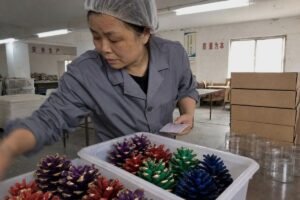
Como nossas pinhas de chama colorida são projetadas para serem queimadas, imprimimos avisos de uso explícitos: uso apenas em lareiras internas e fogueiras externas, nunca em fogos de cozinha ou churrasqueiras, não misture vários lotes de cores, mantenha longe de crianças e ventile o ambiente. O uso indevido previsível molda o conjunto de avisos. Se uma criança puder confundir uma pinha roxa brilhante com ponta dourada com um brinquedo, você também pode acionar Diretiva de Segurança de Brinquedos 6 perguntas, incluindo testes EN71 e marcação CE. O posicionamento claro de "não é um brinquedo" e os avisos de uso adulto reduzem esse risco. Produzimos etiquetas de aviso, códigos de barras e painéis multilíngues internamente, para que a arte de nossos clientes chegue pronta para as prateleiras.
Como Escolho um Fabricante Chinês Que Pode Garantir a Conformidade com o GPSR para os Meus Pedidos?
A lição mais difícil que aprendi em dezessete anos exportando produtos de fogo veio da falha de um concorrente, não da nossa. Um importador do Reino Unido mudou para uma empresa comercial mais barata, recebeu um lote com corantes não listados e perdeu sua listagem no marketplace durante a alta temporada. Ele voltou para nós em novembro — tarde demais para aquele ano.
Escolha um fabricante com certificações verificáveis como ISO 9001 e BSCI, relatórios de teste existentes da SGS ou Intertek para o produto exato, rastreabilidade em nível de lote, impressão interna de etiqueta privada e etiqueta de aviso, histórico de exportação para a UE e disposição para compartilhar documentação técnica antes de fazer o pedido.

Nem todo fornecedor pode suportar o GPSR, e o preço geralmente diz o porquê. Um comerciante que revende de oficinas desconhecidas não pode controlar as fórmulas de corante lote a lote. Uma fábrica real pode. Veja como sugiro separar os dois durante o fornecimento.
Fábrica vs. Empresa Comercial: A Lacuna de Conformidade
| Capacidade | Fábrica Real | Empresa de Trading |
|---|---|---|
| Controle de fórmula lote a lote | Controle direto na linha | Depende de subfornecedores |
| Relatórios de teste para o seu lote | Pode encomendar e combinar | Frequentemente reutiliza relatórios antigos |
| Etiquetas de aviso personalizadas + códigos de barras | Impresso internamente | Terceirizado, revisões lentas |
| Suporte de documentação técnica | Fornece fichas técnicas, dados de materiais | Visibilidade limitada |
| Acesso à auditoria | Visitas à fábrica, auditorias BSCI | Geralmente recusado |
Perguntas a Fazer Antes do Primeiro Pedido de Compra
- Você pode compartilhar relatórios SGS ou Intertek para esta linha de produtos exata?
- Como você codifica os lotes e o código aparecerá na minha embalagem?
- Você pode imprimir os detalhes da minha Pessoa Responsável e os avisos multilíngues?
- O lote de produção em massa corresponderá à fórmula da amostra aprovada?
- Você já exporta este produto para a UE e para quais países?
Em nossas instalações, essas perguntas são bem-vindas. Nossos pacotes de chama colorida, pinhas, acendedores de fogo e tochas de cera são enviados para mais de 30 países, com Alemanha, Reino Unido, França, Holanda e Polônia entre nossos principais mercados da UE. Possuímos ISO 9001 e certificação BSCI 7, mantemos testes SGS e Intertek, e operamos linhas de produção completas com rigoroso controle de qualidade de lote — para que a primeira amostra reflita honestamente a produção em massa. Essa consistência é exatamente o que um arquivo GPSR depende. Uma ressalva: nenhuma fábrica pode legalmente "garantir" sua conformidade com o GPSR, pois os deveres do importador são do próprio importador. O que uma boa fábrica garante são os insumos — fórmulas estáveis, dados de teste válidos, etiquetas corretas e documentação sob demanda.
Conclusão
Pinhas coloridas parecem simples. O GPSR não é. Perca um rótulo ou relatório, e seu envio para. Construa o arquivo, verifique os testes, imprima os avisos corretos e faça parceria com uma fábrica certificada.
Notas de rodapé
Texto legal oficial do Regulamento Geral de Segurança de Produtos da UE referenciado no artigo. ↩︎
Fonte oficial da UE esclarecendo os requisitos de conformidade de segurança de brinquedos mencionados no artigo. ↩︎
O texto oficial do regulamento da UE define o Regulamento Geral de Segurança de Produtos referenciado no artigo. ↩︎
O histórico sobre ftalatos ajuda os leitores a entender o risco de migração química que está sendo testado. ↩︎
Explica a classe de química de corantes restrita sob o REACH e testada em relatórios de fornecedores. ↩︎
Histórico sobre as regras de segurança de brinquedos da UE relevantes para as preocupações de marcação EN71 e CE levantadas. ↩︎
A página oficial da BSCI da Amfori descreve o padrão de auditoria de conformidade social referenciado para fábricas. ↩︎
 English
  Spanish
  German
  French
  Arabic
  Portuguese
Participe da conversa