







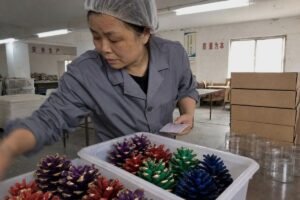
قواعد التحقق ووضع العلامات الخاصة بـ GPSR لأكواز الصنوبر الملونة تفاجئ العديد من المستوردين الاتحاد الأوروبي 2023/988 1. في خط الإنتاج الخاص بنا في نينغبو، نرى مشترين من الاتحاد الأوروبي يتدافعون بعد أن تحتجز الجمارك الشحنات.
لتلبية قواعد التحقق ووضع العلامات الخاصة بـ GPSR لمخاريط الصنوبر الملونة من الصين، تحتاج إلى تقييم مخاطر موثق، ووثائق فنية، وتقارير اختبار كيميائية للأصباغ والطلاءات، وشخص مسؤول معين في الاتحاد الأوروبي، وعلامات تتبع دفعات، وتحذيرات سلامة خاصة باللغة على العبوة.
يبدو هذا كثيرًا. يمكن إدارته إذا قمت بتقسيمه إلى أربع خطوات. أدناه، سأستعرض المستندات وتقارير الاختبار والملصقات التحذيرية واختيار المورد - بهذا الترتيب.
ما هي وثائق GPSR التي أحتاجها قبل استيراد مخاريط الصنوبر الملونة من الصين؟
سألنا موزع ألماني ذات مرة عن "شهادة GPSR" قبل تقديم أول طلب لأكواز الصنوبر الملونة باللهب. توجيه سلامة الألعاب 2. كان علي أن أشرح بلطف: لا توجد شهادة كهذه. يقوم فريق الامتثال لدينا ببناء ملف بدلاً من ذلك.
قبل استيراد مخاريط الصنوبر الملونة من الصين، تحتاج إلى تقييم مكتوب للمخاطر، وملف وثائق فنية، وتقارير اختبار من الموردين للملونات، وصحيفة مواصفات المنتج، وسجلات ترميز الدُفعات، وأعمال فنية للتعبئة مع تحذيرات، واتفاقية موقعة من شخص مسؤول في الاتحاد الأوروبي مع تفاصيل الاتصال.

هذه هي النقطة التي يغفلها معظم المشترين. "التحقق" من GPSR ليس ختمًا تشتريه. إنها سير عمل توثيق تقوم ببنائه وصيانته. يتطلب اللائحة (الاتحاد الأوروبي 2023/988 3, ، سارية المفعول في 13 ديسمبر 2024) إثبات السلامة وتوثيقها وتتبعها لكل منتج استهلاكي يتم طرحه في سوق الاتحاد الأوروبي. أكواز الصنوبر المطلية أو المغلفة تُحتسب. قد يقع مخروط طبيعي غير معدل خارج النطاق. في اللحظة التي نقوم فيها بصبغه أو طلائه أو معالجته بكيمياء اللهب الملون، يصبح سلعة استهلاكية مصنعة مع التزامات كاملة.
حزمة المستندات الأساسية
أوصي بتنظيم ملفك بهذا الترتيب:
| وثيقة | ما يغطيه | من يقوم بإعداده |
|---|---|---|
| تقييم المخاطر | المخاطر، سوء الاستخدام المتوقع، التخفيف | المستورد، مع مدخلات المصنع |
| الوثائق الفنية | وصف المنتج، المواد، المعايير المطبقة | المصنع + المستورد |
| تقارير الاختبار | المعادن الثقيلة، أصباغ الآزو،, هجرة الفثالات 4 | مختبر طرف ثالث (SGS/Intertek) |
| ورقة المواصفات | الأبعاد، الطلاءات، الاستخدام المقصود | المصنع |
| اتفاقية الشخص المسؤول | جهة اتصال الاتحاد الأوروبي للسلطات | خدمة المستورد أو الشخص المسؤول |
| إثبات تصميم فن التعبئة والتغليف | التحذيرات، إمكانية التتبع، عنوان الشخص المسؤول | المصنع، معتمد من المستورد |
احتفظ بهذا الملف لمدة عشر سنوات. يمكن لسلطات مراقبة السوق طلبه، وفي الممارسة العملية يتوقعون استجابة سريعة - تعمل بعض الدول الأعضاء بتوقع 48 ساعة. عندما نقوم بضم عميل جديد من الاتحاد الأوروبي في مقرنا الرئيسي في ليويانغ، نسلم حزمة وثائق مقدمًا، لأن مطاردة الأوراق بعد استعلام جمركي أكثر تكلفة بكثير من إعدادها قبل الشحن.
نقطة أخرى. إذا لم يتم تصنيع منتجك في الاتحاد الأوروبي، فأنت كمستورد غالبًا ما تصبح حارس بوابة الامتثال. المصنع يدعمك. تقع المسؤولية القانونية داخل الاتحاد الأوروبي عليك أو على الشخص المسؤول المعين من قبلك.
كيف أعرف ما إذا كانت تقارير الاختبار الخاصة بموردي الصيني تلبي معايير GPSR للاتحاد الأوروبي؟
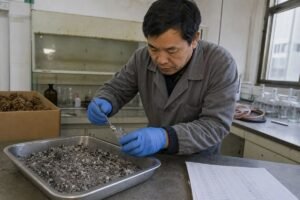
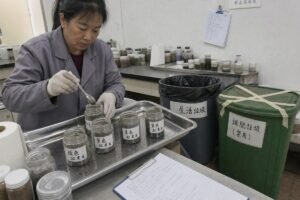
مراجعة تقارير المختبر هي مهمة أسبوعية في مكتب مراقبة الجودة لدينا. لقد رأينا مشترين يقبلون تقارير اختبرت دفعة خاطئة، أو مادة خاطئة، أو لا شيء ذا صلة على الإطلاق. يظهر هذا الخطأ فقط أثناء التدقيق.
يجب أن يأتي تقرير الاختبار الصالح من مختبر معتمد مثل SGS أو Intertek، ويذكر اسم منتجك المحدد والدفعة، ويختبر الأصباغ والطلاءات الفعلية بحثًا عن المعادن الثقيلة والأصباغ الآزو والفثالات بموجب الملحق XVII من لائحة REACH، ويحمل تاريخ إصدار حديث.

دعني أكون مباشرًا بشأن ما تعنيه "تلبية معايير الاتحاد الأوروبي" لهذا المنتج. لا يحدد GPSR نفسه حدودًا كيميائية. يتطلب أن يكون المنتج آمنًا وأن يتم تقييم المخاطر. تأتي الحدود الكيميائية من مسار منفصل: الملحق السابع عشر من REACH يقيد أصباغ الآزو والمعادن الثقيلة مثل الرصاص والكادميوم في السلع الاستهلاكية. يتجاهل مستوردو فئة الديكور هذا باستمرار، لأنهم يفترضون أن GPSR هو كتاب القواعد الوحيد. يجب أن يشير تقييم المخاطر الخاص بك إلى نتائج REACH هذه كدليل على السلامة الكيميائية.
عملية تحقق من خمس نقاط
- تحقق من المختبر. يجب أن تأتي التقارير من مختبر طرف ثالث معتمد. تحمل منتجاتنا تقارير SGS و Intertek، والمصانع الجادة ستعرضها دون تردد.
- طابق المنتج. يجب أن يصف التقرير أكواز الصنوبر الملونة الخاصة بك - وليس "عنصر حرفي مطلي" عام من ثلاث سنوات مضت.
- مطابقة الدفعة. تتغير تركيبات الطلاء والأصباغ. يثبت التقرير المرتبط برمز الدفعة أن العنصر الذي تم اختباره هو ما يتم شحنه.
- التحقق من المواد. بالنسبة للأكواز الملونة، ابحث عن الرصاص والكادميوم وهجرة الفثالات و أصباغ الآزو المقيدة 5.
- التحقق من الاستخدام المقصود. المخروط المباع كوقود للمدفأة يحتاج إلى النظر في سلوك الاحتراق والانبعاثات في ملف المخاطر، وليس فقط كيمياء سطحه.
هناك فخ ثانٍ يستحق التسمية: "يقول المورد إنه متوافق، لذا فأنا مغطى." بموجب GPSR، لا يصمد هذا الدفاع. يجب على المستورد الاحتفاظ بالوثائق ودعم تقييم المخاطر. إعلان المورد هو مدخل، وليس بديلاً أبدًا. في تجربتنا في التصدير إلى ألمانيا وفرنسا وهولندا، فإن المشترين الذين يتجنبون المتاعب هم أولئك الذين يتحققون من كل تقرير قبل أمر الشراء، وليس بعد وصول الحاوية إلى روتردام.
ما هي ملصقات التحذير ومعلومات السلامة المطلوبة على عبوات مخاريط الصنوبر الملونة باللهب؟
فن التعبئة والتغليف هو المكان الذي يقضي فيه فريق التصميم لدينا معظم الوقت في التبادل مع عملاء الاتحاد الأوروبي. أرسل لنا مشترٍ هولندي تصميمًا فنيًا يحتوي فقط على رمز QR لمعلومات السلامة. لقد أشرنا إليه قبل الطباعة. يمكن لرمز QR أن يكمل الملصقات المادية، ولكنه لا يمكن أن يحل محلها.
يجب أن تُظهر عبوة مخروط الصنوبر الملون باللهب اسم الشركة المصنعة وعنوانها، وتفاصيل الاتصال بالشخص المسؤول في الاتحاد الأوروبي، ورقم الدفعة أو المجموعة، وتحذيرات الاستخدام بالنار بلغة كل سوق وجهة، وإشعارات السلامة للأطفال حيث يمكن للمنتج جذب الأطفال.

تسلسل وضع العلامات بموجب GPSR بسيط. ضع المعلومات على المنتج حيثما أمكن. بالنسبة لأكواز الصنوبر، هذا غير عملي، لذا فهو يذهب على العبوة - الحقيبة الورقية، أو البرطمان، أو كيس الخيش. إذا لم ينجح أي منهما، فإن وثيقة مصاحبة هي الحل الأخير. بالنسبة للمبيعات عن بعد، يجب أيضًا ظهور نفس التعريف والتحذيرات على صفحة المنتج، لأنه منذ عام 2024 يجب على الأسواق مثل Amazon و Etsy التحقق من وثائق GPSR قبل الإدراج. يواجه البائعون الذين ليس لديهم شخص مسؤول مسجل في الاتحاد الأوروبي إلغاء الإدراج التلقائي، بغض النظر عن مدى امتثال الشحنة المادية.
قائمة التحقق من وضع العلامات حسب العنصر
| عنصر الملصق | مطلوب؟ | مصادر الأكواز الخام |
|---|---|---|
| اسم الشركة المصنعة + العنوان البريدي | نعم | Physical address, not just email |
| EU Responsible Person name + address | Yes, for non-EU manufacturers | Must be on product, packaging, or document |
| رقم الدفعة / الدفعة | نعم | Enables recall traceability |
| Product type or model identifier | نعم | Printed on packaging or attached label |
| Fire-use warnings | Yes, for burn products | "Do not use on cooking fires or BBQ grills" |
| Language of destination market | نعم | German for Germany, French for France, etc. |
| Child warnings | مشروط | Needed if cones could appeal to children |
| QR code / digital label | اختياري | Complements physical marks; never replaces them |
Warnings Specific to Color-Flame Products
Because our color-flame pinecones are designed to be burned, we print explicit use warnings: indoor fireplace and outdoor fire pit use only, never on cooking fires or grills, do not mix multiple color batches, keep away from children, and ventilate the room. Foreseeable misuse shapes the warning set. If a child might mistake a bright purple, gold-tipped cone for a toy, you may also trigger توجيه سلامة الألعاب 6 questions, including EN71 testing and CE marking. Clear "not a toy" positioning and adult-use warnings reduce that risk. We produce warning labels, barcodes, and multi-language panels in-house, so our clients' artwork arrives shelf-ready.
كيف أختار شركة صينية يمكنها ضمان الامتثال لـ GPSR لطلباتي؟
The hardest lesson I learned in seventeen years of exporting fire products came from a competitor's failure, not our own. A UK importer switched to a cheaper trading company, received a batch with unlisted colorants, and lost his marketplace listing during peak season. He came back to us in November — too late for that year.
اختر مصنعًا بشهادات قابلة للتحقق مثل ISO 9001 و BSCI، وتقارير اختبار SGS أو Intertek الحالية للمنتج المحدد، وإمكانية تتبع على مستوى الدفعة، وطباعة الملصقات الخاصة والملصقات التحذيرية داخليًا، وسجل تصدير إلى الاتحاد الأوروبي، والاستعداد لمشاركة الوثائق الفنية قبل الطلب.

Not every supplier can support GPSR, and price usually tells you why. A trader reselling from unknown workshops cannot control dye formulas batch to batch. A real factory can. Here is how I suggest you separate the two during sourcing.
Factory vs. Trading Company: The Compliance Gap
| من اختيار المنتج إلى التعبئة والتغليف والعينات والوثائق والإنتاج بالجملة، تساعد Sunrich المشترين على تقليل مخاطر الشراء وبناء برامج منتجات نيران خارجية. | مصنع حقيقي | شركة تجارية |
|---|---|---|
| Batch-to-batch formula control | Direct control on the line | Depends on sub-suppliers |
| Test reports for your batch | Can commission and match | Often reuses old reports |
| Custom warning labels + barcodes | Printed in-house | Outsourced, slow revisions |
| Technical documentation support | Provides spec sheets, materials data | Limited visibility |
| Audit access | Factory tours, BSCI audits | Usually refused |
Questions to Ask Before the First Purchase Order
- Can you share SGS or Intertek reports for this exact product line?
- How do you code batches, and will the code appear on my packaging?
- Can you print my Responsible Person details and multi-language warnings?
- Will the mass-production batch match the approved sample formula?
- Do you already export this product to the EU, and to which countries?
At our facility, these questions are welcome. Our color-flame packets, pinecones, firestarters, and wax torches ship to 30+ countries, with Germany, the UK, France, the Netherlands, and Poland among our core EU markets. We hold ISO 9001 and BSCI الخاصة بنا 7, maintain SGS and Intertek testing, and run complete production lines with strict batch QC — so the first sample honestly reflects mass production. That consistency is exactly what a GPSR file depends on. One caution: no factory can legally "guarantee" your GPSR compliance, because the importer's duties are the importer's own. What a good factory guarantees is the inputs — stable formulas, valid test data, correct labels, and documentation on demand.
خاتمة
Colored pine cones look simple. GPSR is not. Miss one label or report, and your shipment stalls. Build the file, verify the tests, print correct warnings, and partner with a certified factory.
ملاحظات ختامية
1. Official legal text of the EU General Product Safety Regulation referenced in the article. ↩︎
2. Official EU source clarifying toy safety compliance requirements mentioned in the article. ↩︎
3. Official EU regulation text defines the General Product Safety Regulation referenced in the article. ↩︎
4. Background on phthalates helps readers understand the chemical migration risk being tested. ↩︎
5. Explains the dye chemistry class restricted under REACH and tested in supplier reports. ↩︎
6. Background on EU toy safety rules relevant to the EN71 and CE marking concerns raised. ↩︎
7. Amfori's official BSCI page describes the social compliance audit standard referenced for factories. ↩︎
 English
  Spanish
  German
  French
  Arabic
  Portuguese
انضم إلى المحادثة