






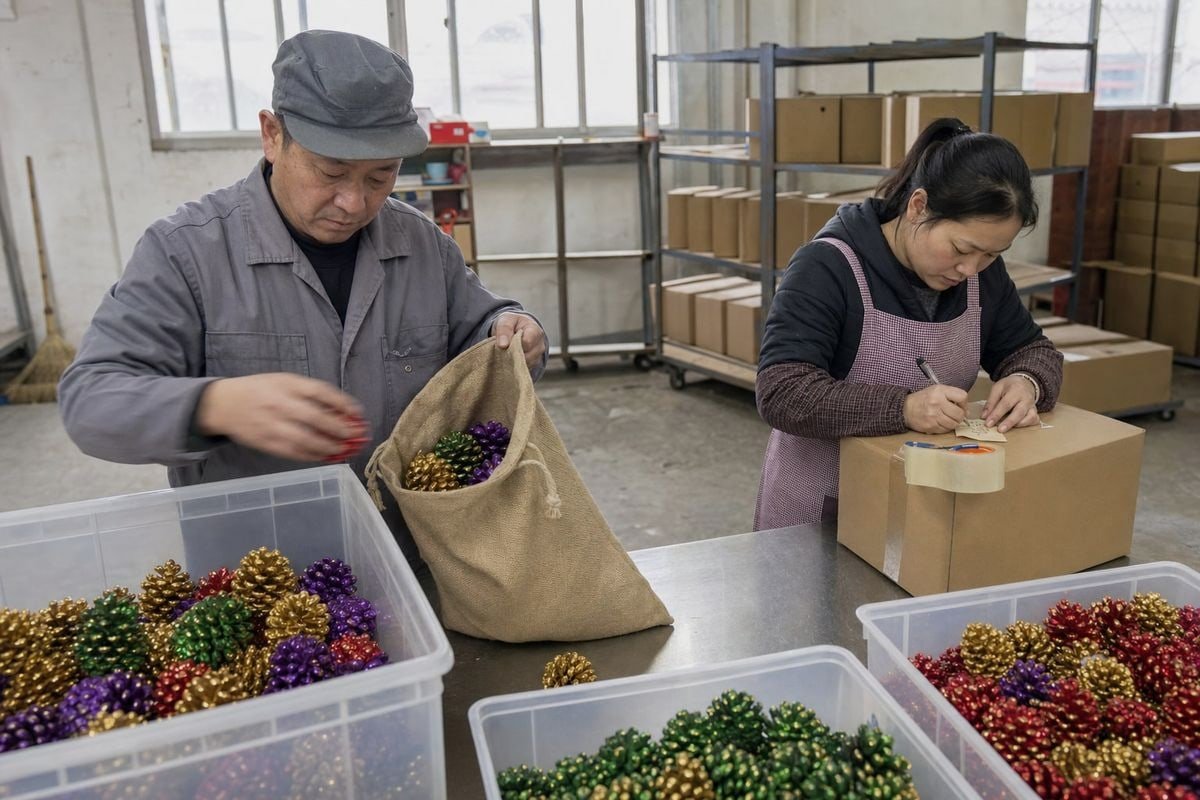
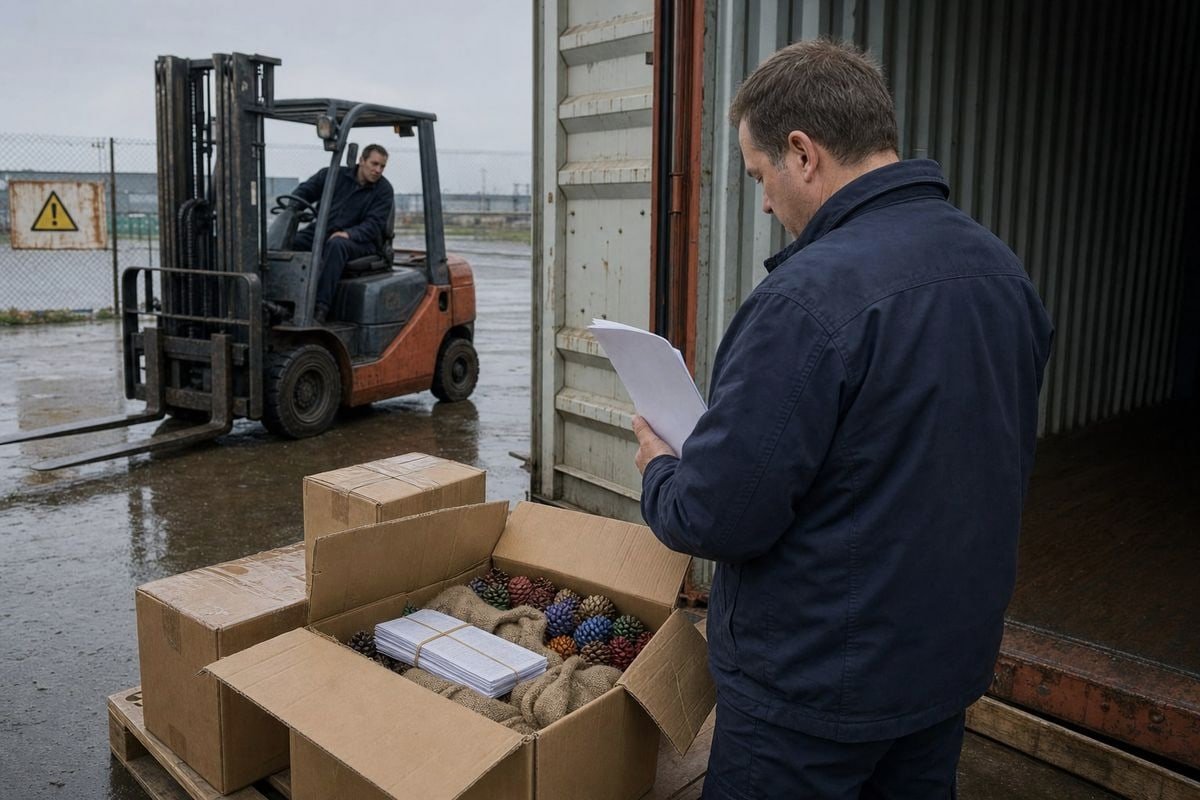
As proibições de importação de combustível de madeira podem impedir o envio de pinhas coloridas na fronteira. Já vi compradores perderem temporadas inteiras de feriados porque faltava um documento. Nossa fábrica aprendeu a solução cedo: classificar primeiro, documentar segundo, enviar terceiro.
Para lidar com as proibições de importação de combustível de madeira ao comprar pinhas coloridas, classifique as pinhas como produtos ornamentais tratados em vez de lenha, em seguida, obtenha um certificado fitossanitário, certificação de tratamento térmico e documentação livre de sementes e cascas de um fornecedor registrado para o seu mercado de destino antes de fazer o pedido.
Essa resposta parece simples. Na prática, cada etapa esconde uma armadilha. Abaixo, detalho os documentos, as regras do país, as verificações do fornecedor e os planos de contingência — nessa ordem.
Que documentação preciso para provar que minhas pinhas coloridas estão isentas das restrições de importação de combustível de madeira?
Anos atrás, um de nossos distribuidores alemães teve um contêiner retido por onze dias porque o certificado de tratamento listava a temperatura incorreta do forno. Desde então, nossa equipe de exportação trata a papelada como parte do próprio produto.
Você precisa de um certificado fitossanitário da organização de proteção de plantas do país exportador, um certificado de tratamento térmico ou de fumigação mostrando 56°C por 30 minutos ou tratamento com brometo de metila, uma declaração de que não há sementes nem cascas, e documentos comerciais que classifiquem os cones como artigos ornamentais, não como combustível.
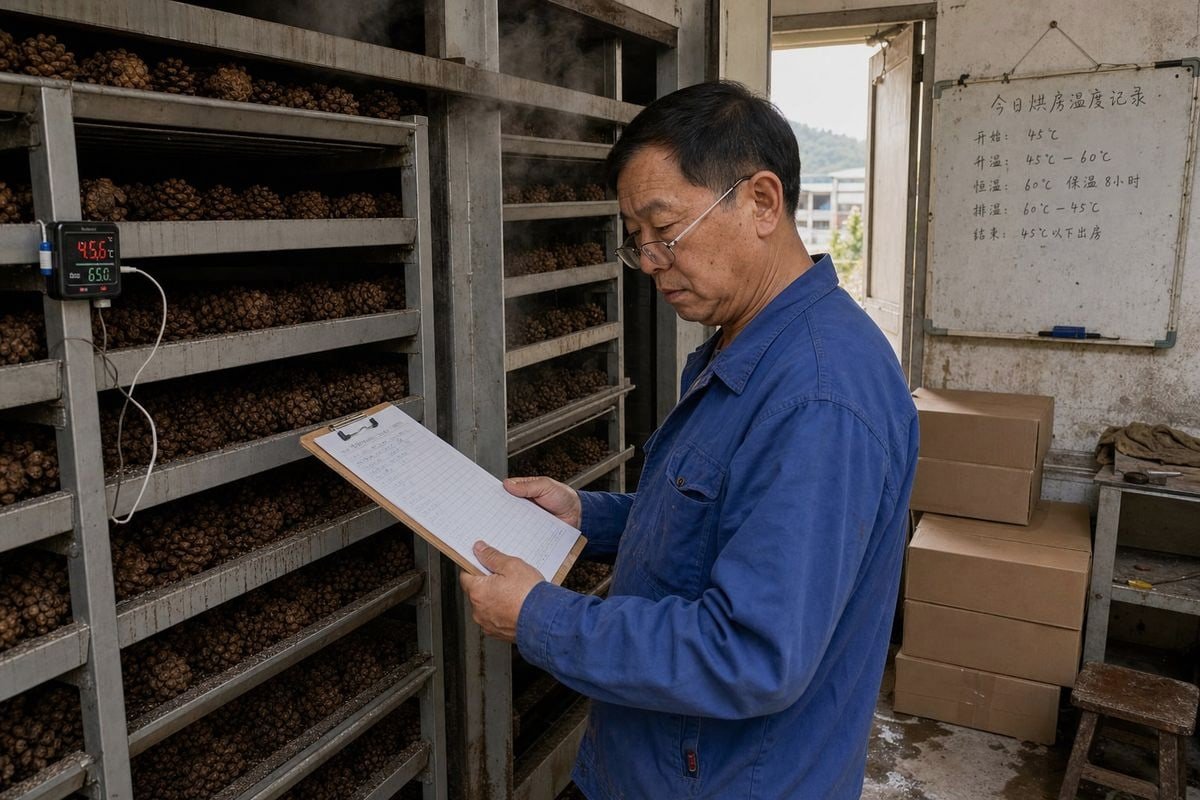
A questão central não é o revestimento de cor. Os funcionários da alfândega se preocupam com três coisas: o que o produto é botanicamente, como foi tratado e como é classificado no papel. Alinhe essas três coisas, e a maioria das restrições de combustível de madeira não se aplicará mais à sua remessa.
A pilha de documentos, camada por camada
Pense em sua papelada como uma pilha. Cada camada responde a uma pergunta que um oficial de fronteira fará.
| Documento | O que prova | Quem o emite |
|---|---|---|
| Certificado fitossanitário 1 | Pinhas livres de pragas e doenças invasoras | Organização de proteção de plantas do país exportador |
| Certificação de tratamento térmico | Pinhas foram secas em estufa a 56°C por pelo menos 30 minutos | Instalação de tratamento aprovada, endossada oficialmente |
| Certificado de fumigação (alternativa) | Tratamento com brometo de metila foi aplicado | Prestador de serviços de fumigação licenciado |
| Declaração de isenção de sementes | Nenhuma semente viável permanece nas pinhas | Fornecedor, apoiado por registros de inspeção |
| Certificação livre de casca | Sem fragmentos de casca que abrigam insetos brocadores | Fornecedor ou órgão inspetor |
| Fatura comercial com código HTS correto | Produto é ornamental, não combustível sólido | Exportador |
A linha de classificação é a mais importante. Artigos vegetais secos ornamentais ficam em uma família tarifária completamente diferente do combustível de madeira. Se sua fatura, embalagem e marketing disserem "combustível para iniciar fogo", você convida os controles de lenha. Se disserem "pinhas tratadas decorativas, sem sementes, secas em estufa", você está descrevendo um item ornamental processado. Em nossa experiência de envio de pinhas de chama colorida para mais de 30 países, alinhamos a redação da fatura, o certificado de tratamento e a cópia da embalagem de varejo antes que qualquer coisa saia de Ningbo. Redação incompatível entre os documentos é o gatilho mais comum para uma inspeção manual.
Mais um ponto. O próprio tratamento de cor pode ajudá-lo. O processo de saturação com sal metálico transforma a pinha de matéria vegetal bruta em um artigo quimicamente processado. Documentado corretamente, esse processamento apoia sua classificação ornamental. Mas nunca substitui o certificado fitossanitário — requisitos de importação de biossegurança 2 ainda se aplicam ao material vegetal base.
Quais países atualmente restringem produtos de fogo à base de madeira e como isso afeta meus planos de fornecimento?
A lição mais difícil de nossa primeira década de exportação foi que produtos idênticos enfrentam regras completamente diferentes no Canadá, Reino Unido e Austrália. Um palete que passa por Roterdã sem comentários pode ser destruído na chegada a Sydney.
Canadá, o Reino Unido, a UE, os EUA e a Austrália restringem todos os produtos de fogo à base de madeira, com regras que vão desde a secagem em estufa obrigatória e registro de importador até proibições quase totais de material de coníferas não tratado. Seu plano de fornecimento deve corresponder ao requisito mais rigoroso de seu destino, não à média.
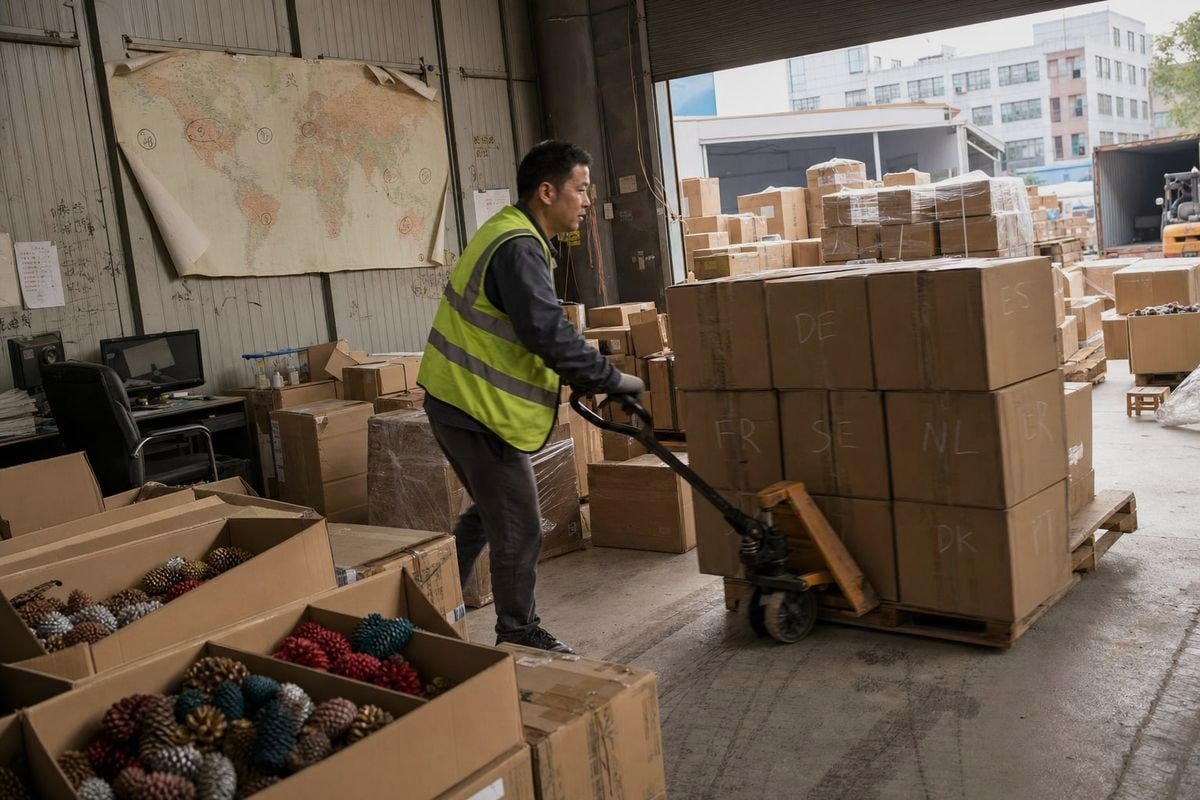
Aqui está o quadro prático, mercado por mercado. Agrupei os requisitos da maneira como nossa equipe de conformidade orienta novos compradores.
| Destino | Restrição chave | O que significa para os compradores |
|---|---|---|
| Canadá | Pinhas secas permitidas apenas se livres de sementes e fumigadas ou secas em estufa, com certificação oficial | Insista na remoção de sementes e tratamento documentado |
| Reino Unido | Combustível de coníferas regulamentado deve ser livre de casca ou seco em estufa com umidade abaixo de 20%; importadores devem se registrar na Comissão Florestal 3 | Registre-se antes de enviar, não depois |
| União Europeia | Conformidade livre de casca e proibições baseadas em pragas de origens de alto risco | Verifique a região de origem, não apenas o país de origem |
| Estados Unidos | Regulamentos do USDA APHIS regem a entrada de material vegetal; Alfândega e Proteção de Fronteiras 4 revisa a classificação e as declarações da Lacey Act | Apresente declarações precisas; a classificação é examinada |
| Austrália | Avisos explícitos de biossegurança em pinhas que carregam pragas, doenças e sementes proibidas viáveis | Espere o regime de inspeção mais rigoroso; reserve tempo extra de antecedência |
Como isso remodela as decisões de fornecimento
Três consequências se seguem. Primeiro, a origem importa tanto quanto o tratamento. Regiões com pragas endêmicas como o nematóide do pinho 5 ou a processionária do pinheiro podem enfrentar proibições totais, independentemente de secagem em estufa 6. Pergunte ao seu fornecedor onde os cones crus foram colhidos, não apenas onde foram embalados. Segundo, o registro do importador é uma tarefa do comprador. O registro da UK Forestry Commission e as licenças de proteção de plantas em alguns mercados não podem ser delegados à sua fábrica chinesa — podemos preparar os documentos, mas você deve manter o registro. Terceiro, o tempo muda. Pedidos para a Austrália de nossa linha recebem aproximadamente duas semanas extras no cronograma para risco de inspeção. Se a sua data de reinício de férias for fixa, trabalhe retroativamente a partir do mercado mais rigoroso primeiro.
O padrão por trás de tudo isso é o aumento da fiscalização da biosseguridade ano após ano. Os reguladores não estão visando especificamente produtos decorativos. Eles estão visando material de coníferas como um vetor de pragas. Seus cones acontecem de ser material de coníferas.
Como posso verificar a conformidade de um fornecedor antes de fazer um pedido em massa de pinhas com chama colorida?
Um gerente de compras da Holanda nos pediu nossos relatórios SGS antes mesmo de pedir o preço. Essa ligação mudou a forma como penso sobre a verificação de fornecedores — os compradores sérios auditam primeiro e negociam depois.
Verifique um fornecedor solicitando certificados fitossanitários e de tratamento térmico atuais, relatórios de testes de terceiros da SGS ou Intertek, auditorias ISO 9001 e BSCI, prova de desembaraços anteriores no seu mercado específico e uma inspeção de fábrica confirmando que a remoção de sementes e a secagem em estufa ocorrem internamente.
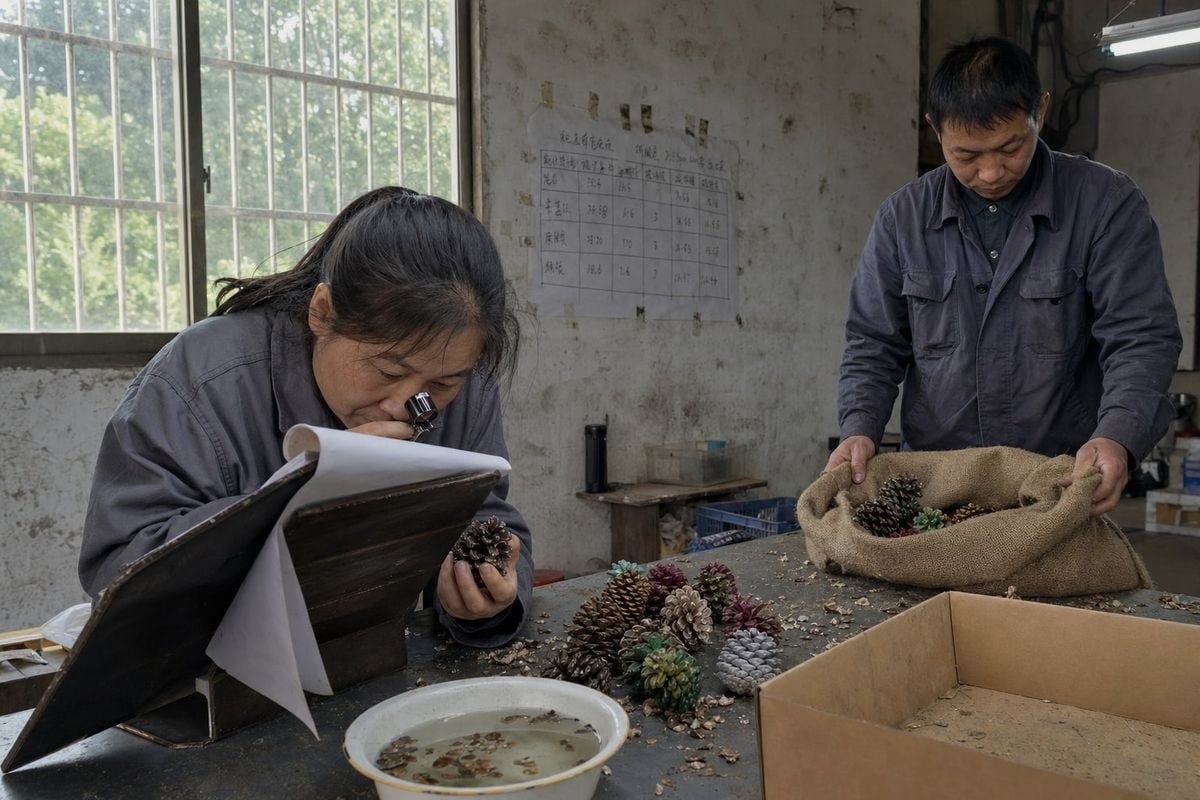
Documentos podem ser falsificados. Processos não podem ser falsificados com tanta facilidade. Portanto, verifique ambos, nesta ordem.
Um processo de verificação de cinco etapas
- Solicite o conjunto de certificados de um envio recente, não um modelo. Peça um certificado fitossanitário redigido e certificação de tratamento térmico de uma remessa real para sua região nos últimos doze meses. Um fornecedor que passou pela alfândega do Reino Unido ou da Austrália recentemente produzirá esses documentos em um dia. Nossa equipe mantém registros de liberação precisamente porque os compradores perguntam.
- Verifique as alegações de tratamento em relação à lógica dos padrões ISPM 15 . O ponto de referência recorrente é 56°C de temperatura central por 30 minutos. Pergunte qual instalação realizou a secagem em estufa e se ela é oficialmente aprovada. Respostas vagas como "nossos cones são secos naturalmente" são um sinal de alerta — a secagem ao sol não é tratamento térmico.
- Confirme se a remoção de sementes e casca é um processo controlado. O status livre de sementes altera materialmente a admissibilidade em mercados como o Canadá. Pergunte como as sementes são removidas, em qual estágio de produção e como os lotes são inspecionados. Em nossas linhas, isso acontece antes da saturação com sal de cor, e o controle de qualidade amostra cada lote.
- Valide auditorias de terceiros. ISO 9001 7, BSCI, marcação CE quando aplicável, e relatórios de teste SGS ou Intertek devem ter números de relatório verificáveis. Ligue para o órgão de teste se o valor do pedido justificar.
- Teste com um pedido de amostra. Um pequeno primeiro pedido diz duas coisas: se a papelada passa pela sua alfândega e se a produção em massa corresponde à amostra. A consistência lote a lote é onde as empresas comerciais tropeçam e as fábricas reais se mantêm firmes.
Uma ressalva sobre a questão da classificação. Alguns intermediários sugerirão rotular tudo como "enfeites de feriado" para evitar escrutínio. A declaração incorreta deliberada à Alfândega e Proteção de Fronteiras ou a qualquer autoridade da UE arrisca apreensão, penalidades e um registro de importador sinalizado. A atitude correta é a classificação precisa apoiada por processamento genuíno — não rotulagem criativa.
Existem materiais alternativos ou formatos de produto que eu deveria considerar se as proibições de lenha se apertarem ainda mais?
Quando desenvolvemos nossos pacotes de chama colorida Magic Fire, o objetivo original era simplesmente um produto sem bagunça. Acabou sendo nossa melhor resposta às regras de biosseguridade cada vez mais rigorosas, porque um pacote de papel de sais minerais não contém nenhum material vegetal.
Sim. Pacotes de chama colorida em sachês de papel kraft ou plástico, acendedores de fogo à base de cera, réplicas de cones de minerais ou cerâmica e cones de origem local tratados domesticamente proporcionam efeitos de chama colorida, evitando os certificados fitossanitários e as regras de produtos de madeira secos em estufa que regem os pinhas importados.
Se as regras do seu mercado se tornarem mais rigorosas, você não precisará abandonar a categoria de chama colorida. Você tem quatro caminhos realistas, cada um com concessões.
| Alternativa | Exposição regulatória | Combinação estética | Melhor ajuste |
|---|---|---|---|
| Pacotes de chama colorida (saco de papel, pote ou sachê) | Mínima — sem madeira, sem material vegetal | Efeito de cor total, sem visual de cone | Marcas de camping, varejo em massa |
| Iniciadores de fogo de madeira mergulhados em cera | Baixa — produtos de madeira processados e secos em estufa com revestimento de cera | Visual rústico, chama padrão | Distribuidores de lareiras e churrasqueiras |
| Réplicas de cones de cerâmica ou minerais fundidos | Nenhuma — totalmente inerte | Formato de cone, reutilizável em fogos a gás | Linhas de decoração premium para casa |
| Cones de origem doméstica, tratados localmente | Apenas regras domésticas — sem controles de importação | Idêntico aos cones importados | Mercados com forte suprimento local de pinho |
Como ponderar a concessão
A decisão geralmente se resume ao que seu cliente está realmente comprando. Se eles querem o momento da fogueira — chamas arco-íris subindo sobre a fogueira — o formato do pacote oferece isso sem o risco de pragas invasoras e com logística muito mais simples. Nossos pacotes de saco de papel kraft são enviados como bens de consumo comuns. Se o seu cliente quer o objeto em si — um cone roxo com ponta dourada em um saco de juta em uma lareira — então o formato do cone é o produto, e você gerencia a conformidade em vez de evitá-la.
Há também uma estratégia híbrida que recomendo aos distribuidores que enfrentam regras incertas: ofereça ambos os SKUs. Mantenha pinhas coloridas para mercados onde seu pipeline de documentação é comprovado, e lidere com pacotes de chama colorida em mercados onde os requisitos de importação de biosseguridade são voláteis. Embalagens de marca própria faz com que ambos pareçam uma família de produtos, e desrisca sua compra sazonal. Como nossas linhas produzem ambos os formatos, os compradores podem mudar a mistura no meio da temporada sem trocar de fornecedores — que é exatamente a flexibilidade que importa quando uma regulamentação muda três meses antes do Natal.
Conclusão
As proibições de importação de combustível de madeira são gerenciáveis quando você classifica corretamente os cones de pinho coloridos, garante a documentação de tratamento e fitossanitária, verifica o registo de conformidade real do seu fornecedor e mantém alternativas baseadas em pacotes prontas como seguro.
Notas de rodapé
A IPPC emite normas internacionais que regem a certificação fitossanitária para produtos vegetais comercializados. ↩︎
Contexto geral sobre os conceitos de biossegurança que sustentam os controlos de importação discutidos ao longo do texto. ↩︎
Página oficial do governo do Reino Unido para a Comissão Florestal e os seus requisitos de registo de importadores. ↩︎
Página oficial do diretório do governo dos EUA para a agência de Alfândega e Proteção de Fronteiras. ↩︎
Contexto sobre a praga que impulsiona muitas restrições à importação de coníferas citadas no artigo. ↩︎
Contexto sobre a tecnologia de secagem em estufa referenciada como o principal método de tratamento térmico. ↩︎
Visão geral autorizada da Wikipedia sobre a norma internacional para sistemas de gestão da qualidade. ↩︎
 English
  Spanish
  German
  French
  Arabic
  Portuguese
Participe da conversa