






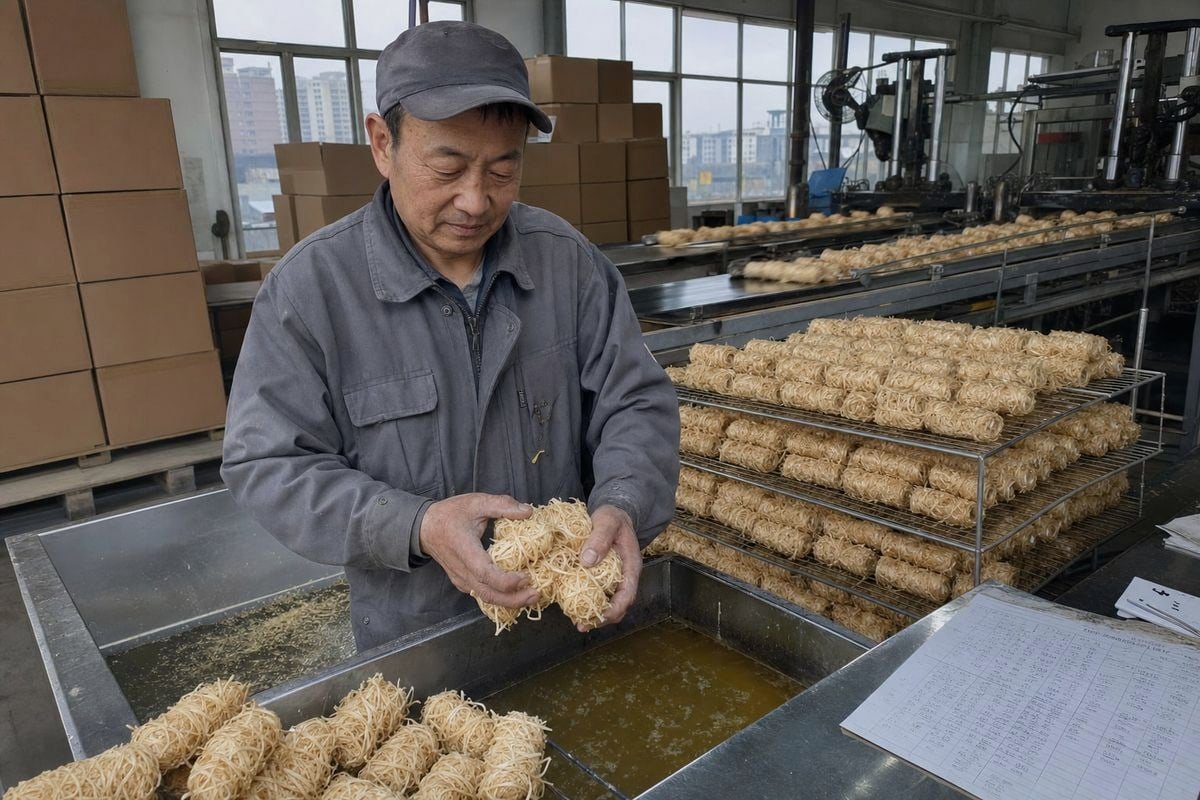
Sourcing low-emission wood fire starters 1 gets harder every year. On our production line, we watch buyers struggle with vague "eco" claims, rejected shipments, and clean-air rules they never saw coming.
To find low-emission wood fire starters for restricted regions, choose products made from natural wood fiber or wood wool with food-grade or natural wax, verify smoke and particulate performance through SGS or Intertek test reports, and confirm the supplier holds ISO 9001, CE, and BSCI certifications.
That answer sounds simple. In practice, it takes a clear checklist. Below, I break down the standards, the verification steps, the paperwork, and how to pick an OEM partner.
What Emission Standards Should I Verify Before Importing Wood Fire Starters Into Restricted Regions?
A German distributor once asked our team to re-check a full container against local clean-air rules two days before shipping. That scramble taught us to verify standards first, not last.
Before importing, verify smoke control area regulations in the UK, EPA guidance for the US, and Ecodesign rules in the EU. Check limits on PM2.5 particulate matter, VOC content, moisture levels, and whether the starter is approved for use in DEFRA exempt appliances.

Restricted regions do not share one rulebook. Each market regulates solid-fuel products differently. So the first job is mapping your target region to its actual rules. The second job is understanding that fire starters are judged as part of the whole combustion system. A clean starter used in a non-compliant stove still creates a problem for your customer.
The Three Regulatory Frameworks That Matter Most
In our 17+ years exporting to the US, UK, Germany, France, and the Netherlands, three frameworks come up again and again.
| Região | Framework | O Que Controla | What Buyers Should Check |
|---|---|---|---|
| Reino Unido | Smoke Control Areas / Ready to Burn | Visible smoke, fuel moisture under 20% | Whether starters suit DEFRA exempt appliances |
| EUA | EPA stove rules, local AQMD burn bans | PM2.5 particulate matter output | Compatibility with EPA certified wood stoves |
| UE | Ecodesign, REACH | Emissions, chemical content, labeling | VOC limits, natural wax coating disclosure |
Why PM2.5 and Ignition Phase Matter
Most particulate pollution 2 from a home fire happens during ignition. That is exactly when the fire starter is working. A starter that burns hot and fast gets logs to full combustion 3 quickly, which cuts visible smoke and PM2.5 output. A starter loaded with synthetic accelerants or petroleum paraffin often smolders, smokes, and releases odors that trigger complaints in urban zones.
That is why we build our wax-dipped wood rolls around natural wood fiber and clean wax. Air quality compliance starts with what goes into the product, not what the label claims.
How Can I Confirm a Supplier's Wood Fire Starters Are Truly Compliant With Low-Emission Regulations?
There is a trade-off we weigh in every product spec: ignition speed versus clean burn. Cheap synthetic wax lights faster, but it smokes. That tension is where fake "eco" claims hide.
Confirm compliance by requesting full ingredient disclosure, third-party test reports from labs like SGS or Intertek, and a written compliance statement for your target region. Then run your own test burns to check smoke, odor, residue, and ignition efficiency before placing a wholesale order.
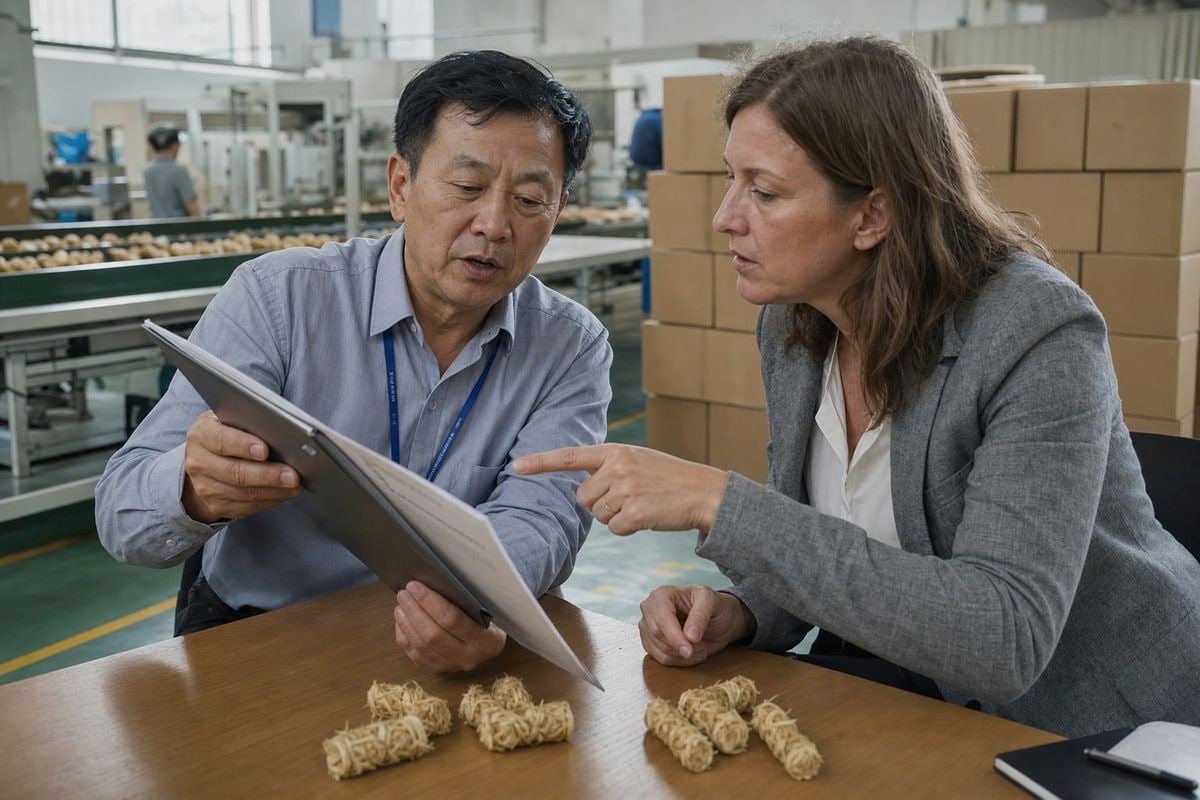
Marketing language is cheap. Words like "clean-burning" and "low smoke" appear on almost every product page now. What separates a compliant product 4 from a risky one is evidence. In our experience shipping to 30+ countries, buyers who skip verification pay for it later — through customs delays, retailer rejections, or angry end customers in smoke-sensitive urban markets.
Processo de Verificação Passo a Passo
- Request the full bill of materials. The supplier should name the wood source and the wax type. "Wax blend" without detail is a red flag. Look for natural wax coating, food-grade wax, or clearly disclosed recycled wax.
- Ask what is NOT in the product. Non-toxic fire starters should contain no kerosene, no synthetic accelerants, and no chemical odorants. Get that in writing.
- Demand third-party test reports. A real factory can show SGS or Intertek documentation. A trading company often cannot.
- Check moisture control. Like firewood under the Ready to Burn scheme, starters with low moisture ignite cleaner. Ask how the factory dries and stores wood fiber.
- Run a test burn. Order samples. Light them indoors in a compliant stove and outdoors in a fire pit. Watch for visible smoke, sticky residue, and lingering odor.
- Verify batch consistency. One good sample means little. Ask how the supplier controls wax ratio and density from batch to batch.
Claims to Question
Be skeptical of products that emphasize convenience but never mention composition. Also question "eco" branding with no ingredient list, and wholesale listings that never state whether the wax is recycled, food-grade, or petroleum-based. If a page shows "50% wood fiber, 50% paraffin" with no paraffin grade specified, ask which paraffin. The answer changes everything for restricted regions.
What Certifications and Test Reports Should I Request From My Fire Starter Manufacturer?
A UK buyer once told our export team he had lost a major retail listing because his previous supplier could not produce a single valid certificate. The retailer's compliance team walked away in one meeting.
Request ISO 9001 for quality management, BSCI for social compliance, CE marking for EU market access, and SGS or Intertek test reports covering composition, heavy metals, and burn behavior. Add SDS documents, sustainable forestry certification where available, and region-specific compliance statements.

Paperwork is not bureaucracy. It is your legal shield. For our B2B buyers 5 in the US and Europe, certification is a hard requirement, not a nice-to-have. Retail sourcing channels — the Home Depot type — will not even open negotiations without a complete documentation package. Specialty stores in restricted regions face the same scrutiny, sometimes more, because local inspectors focus on urban clean-air enforcement.
The Core Documentation Package
| Documento | O que Comprova | Why Restricted Regions Care |
|---|---|---|
| ISO 9001 | Sistema de gestão de qualidade consistente | Batch-to-batch consistency of wax ratio and emissions |
| Auditoria BSCI | Condições de fábrica éticas e auditadas | Required by many European retail buyers |
| Marcação CE | EU regulatory conformity | Acesso legal ao mercado em toda a UE |
| Relatórios SGS / Intertek | Composition, safety, burn testing | Direct evidence for air quality compliance |
| SDS (Ficha de Dados de Segurança) | Handling, storage, hazard data | Needed for shipping combustible goods legally |
| Sustainable forestry certification | Origem responsável da madeira | Supports genuine eco positioning at retail |
Documents Specific to Your Region
Beyond the core package, match documents to your market. For the UK, ask whether the product line has been assessed against smoke control area regulations. For the US, ask about state-level rules and whether the starter suits EPA certified wood stoves. For the EU, request REACH-relevant chemical declarations. At our factory, we prepare compliance statements per destination market, because a Netherlands shipment and a Brazil shipment do not need identical files.
One practical tip from years of doing this: check report dates. A test report from five years ago on a reformulated product is worthless. Ask for reports tied to the current formulation and, ideally, the current production year.
How Do I Choose a Reliable OEM Partner for Low-Emission Fire Starters Sold in Specialty Stores?
Something we learned early in building our OEM program: the first sample tells you about the product, but only the third and fourth repeat orders tell you about the factory.
Choose an OEM partner that is a genuine factory with 15+ years of production depth, full certification, transparent ingredients, flexible MOQs for trial orders, and complete private-label support — including custom packaging, warning labels, barcodes, and logistics optimized for combustible goods.
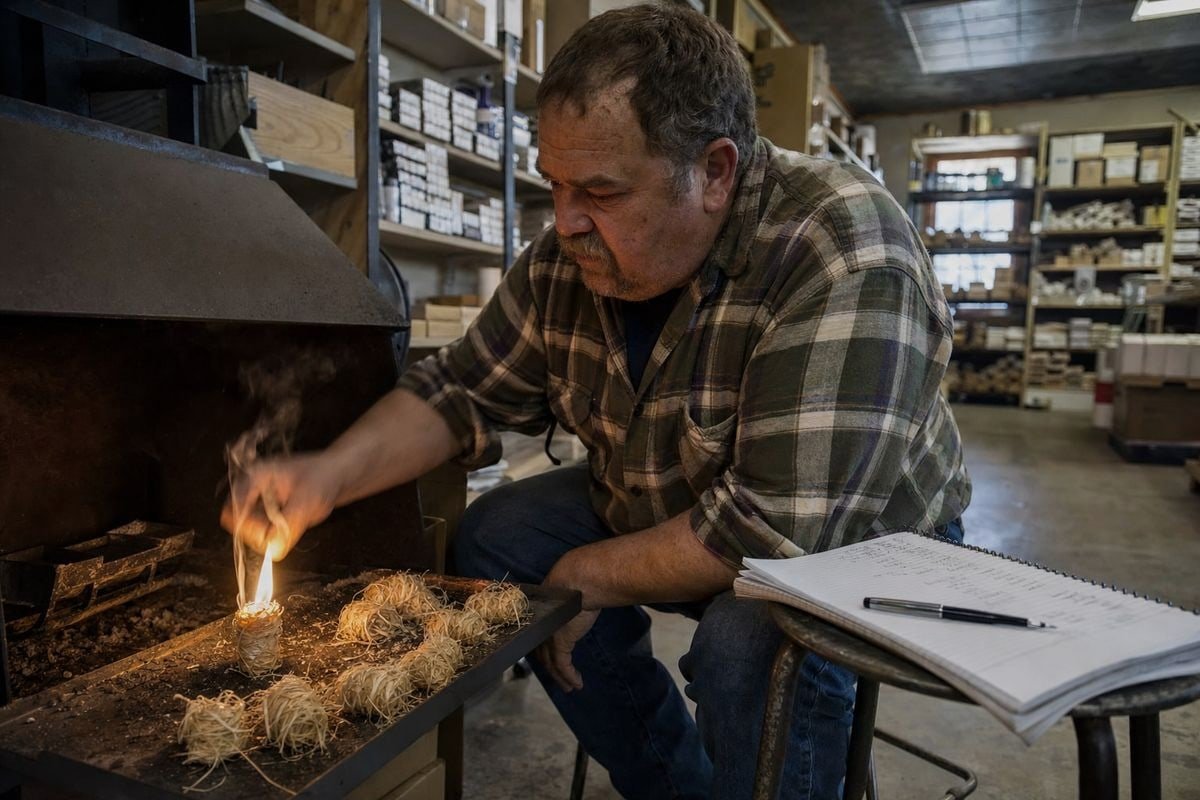
Specialty stores in restricted regions cannot afford supplier roulette. Your shelf space is limited, your customers are informed, and your local rules are strict. That means the sourcing decision is less about unit price and more about whether the partner can deliver the same compliant product, order after order, with the paperwork to prove it.
Factory or Trading Company?
The first filter is structural. A trading company resells what factories make and often cannot answer technical questions about wax grade, wood fiber density 6, or drying processes. A real factory — like ours, headquartered in Liuyang with production in Ningbo — controls the full line and can adjust burn time, size, and composition to your spec. Ask for a video factory tour. Ask who signs the test reports. The answers reveal a lot quickly.
Product Formats to Match Your Shelf
Different low-emission formats serve different specialty-store customers. A good OEM partner should offer several and help you choose.
| Formato | Exposição de Caixa Inicial | Emission Profile |
|---|---|---|
| Rolos de madeira mergulhados em cera | Fireplace and stove owners | Hot, efficient ignition; low visible smoke |
| Acendedores de fogo de lã de madeira | Urban indoor users, gift retail | Fast, clean ignition; high surface area |
| Compressed sawdust briquettes with starters | Bundled kits, camping brands | Low moisture; pairs well with Ready to Burn fuel |
| Kindling and starter kits | Premium specialty positioning | Complete system sold as one compliant package |
The Private-Label Test
Real OEM depth shows in the details. Can the partner produce your custom box, display packaging, etiquetas de advertência 7 in your market's language, and correct barcodes? Can they accept a smaller trial order before you commit to full containers? Can they answer emails in clear English within a business day? In our OEM work with outdoor brands and fireplace distributors across the US, Germany, and Australia, these operational details predict long-term reliability far better than a low quote does. A partner who cuts corners on labels will eventually cut corners on wax.
Conclusão
Restricted regions punish vague sourcing. Verify standards, demand test reports, collect certifications, and partner with a real factory. That discipline turns low-emission wood fire starters into a lasting advantage.
Notas de rodapé
1. Official EPA Burn Wise guidance recommending all-natural fire starters to reduce wood smoke emissions. ↩︎
2. EPA definition and basic information on particulate matter pollution and its health effects. ↩︎
3. Explains the process of complete combustion and its impact on emissions. ↩︎
4. General overview of regulatory compliance in international trade and manufacturing. ↩︎
5. Definition of business-to-business (B2B) commerce and its specific procurement requirements. ↩︎
6. The Forest Products Laboratory provides scientific research on wood fiber and material properties. ↩︎
7. CPSC guidance on mandatory warning labels for consumer products in the US. ↩︎


 English
  Spanish
  German
  French
  Arabic
  Portuguese
Participe da conversa