






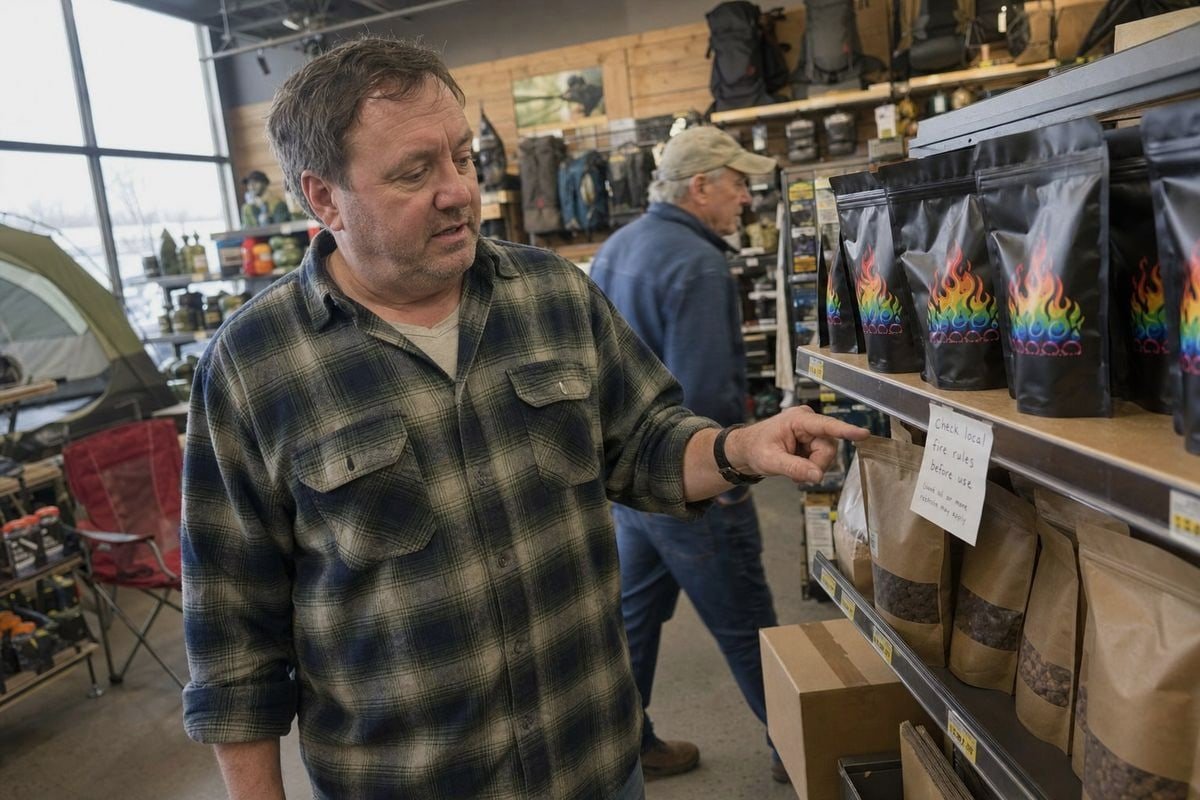
Explicar as restrições de proibição de fogo em Magic Fire Powder confunde até distribuidores experientes. Nossa equipe de exportação recebe essa exata pergunta de compradores de varejo quase toda temporada de incêndios florestais.
Explique as restrições de proibição de fogo no Pó Mágico de Fogo dizendo aos varejistas três coisas: o produto é um corante de chama, não uma isenção de proibição de fogo; proibições locais de queima e regras de fogos de artifício ainda podem restringir seu uso; e a equipe deve direcionar os clientes a verificar as regras da autoridade de incêndio local antes do uso.
Essa resposta parece simples. Na prática, requer conhecimento regional, documentação, rotulagem e treinamento de pessoal. Vou detalhar cada item, com base no que fazemos para nossos próprios parceiros de varejo.
Que Regulamentos Regionais de Proibição de Fogo Devo Saber Antes de Vender Pó Mágico de Fogo a Retalhistas?
Há alguns anos, um importador canadense nos perguntou se nossos pacotes de chama colorida contavam como "pó propelente" sob suas regras de explosivos. Esse único e-mail remodelou como nossa fábrica orienta cada novo comprador.
Conheça quatro camadas regulatórias antes de vender Pó Mágico de Fogo: classificações nacionais de explosivos ou fogos de artifício, restrições estaduais ou provinciais de incêndio florestal, como proibições de queima de Nível 2, regulamentos municipais de queima ao ar livre e regras sazonais de janela de vendas. Cada camada pode restringir independentemente onde e quando o produto é vendido ou usado.
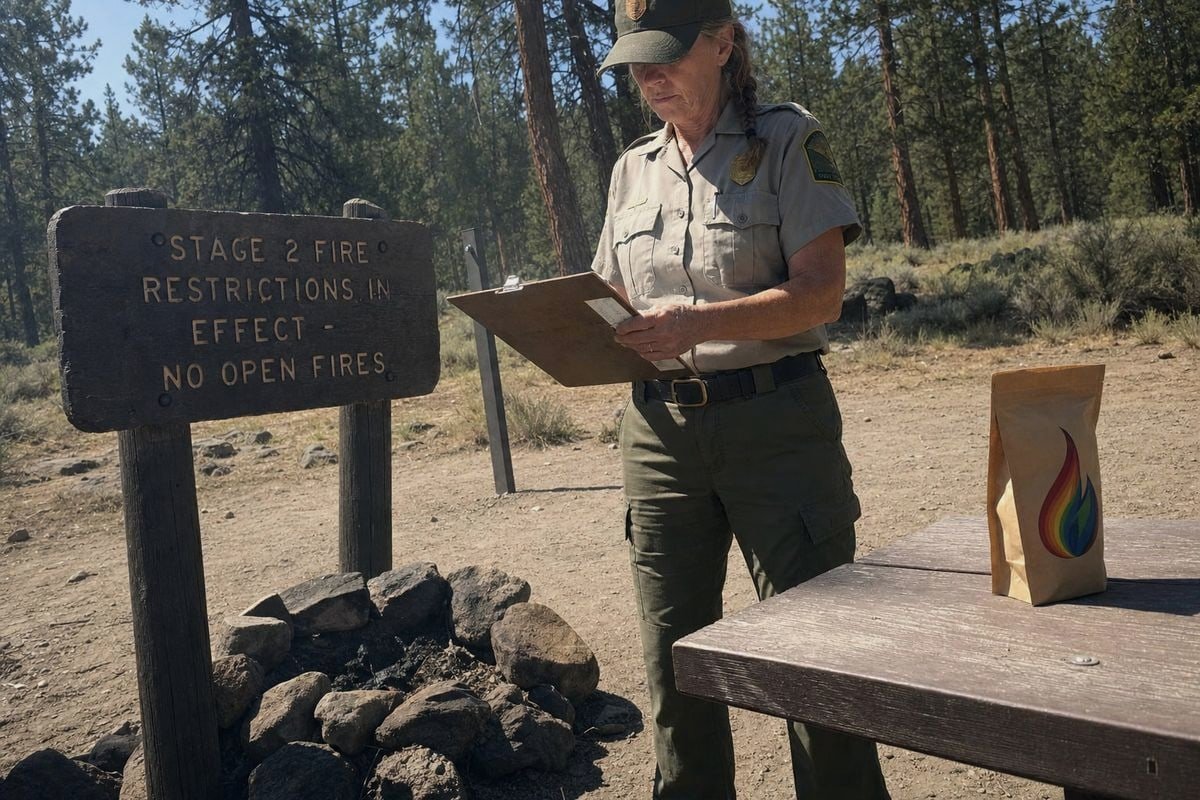
O maior erro que vejo os distribuidores cometerem é tratar proibições de fogo e proibições de fogos de artifício 1como a mesma coisa. Eles não são. Uma proibição de fogo é geralmente uma medida de emergência ampla. Ela visa fontes de ignição durante alto risco de incêndio florestal e pode cobrir fogueiras, churrasqueiras a carvão, tochas, pirotecnia e, às vezes, explosivos. Uma proibição de fogos de artifício ou regulamentação de varejo pirotécnico, em contraste, é específica do produto. Ela rege quem pode vender, quando podem vender, quanto pode ser armazenado e quem pode comprar.
Magic Fire Powder fica estranhamente entre os dois. As autoridades alfandegárias frequentemente classificam produtos de coloração de chama sob "Outros Artigos Pirotécnicos 2" (HTS 3604.90), embora muitos corantes químicos de chama não tenham um oxidante interno e só funcionem quando adicionados a um fogo existente. Essa tensão de classificação importa. Se um chefe de bombeiros local tratar o produto como adjacente à pirotecnia, então as ordens de restrição de fogo que proíbem "qualquer tipo de fogos de artifício ou outro dispositivo pirotécnico" podem se aplicar a ele durante períodos de alto risco.
Como as Camadas se Empilham em Mercados Chave
| Camada Regulatória | Exemplo de Regra | O Que os Varejistas Devem Fazer |
|---|---|---|
| Classificação Nacional | Regulamentos de Explosivos do Canadá, 2013 para pós propelentes | Confirme a categoria legal do produto antes de estocar |
| Restrições de Incêndios Florestais | Proibições de queima Estágio 1 e Estágio 2 dos EUA proibindo fogueiras de madeira e churrasqueiras a carvão | Pause a promoção focada no uso durante proibições ativas |
| Ordenanças Municipais | Códigos locais do chefe de bombeiros sobre chamas abertas | Verifique as regras da cidade e do condado, não apenas as regras do estado |
| Janelas de venda sazonais | Períodos de venda de fogos de artifício estilo Reino Unido (15 de outubro a 10 de novembro, 26 a 31 de dezembro) | Verifique se os efeitos de chama se enquadram nas regras da janela de venda |
Observe o detalhe canadense. Onde as regras de pó propelente se aplicam, os varejistas devem manter os produtos longe de fontes de ignição, limitar o acesso, evitar reembalar, a menos que licenciados, e observar os limites de armazenamento em residências de 25 kg de pó propelente total, com não mais que 10 kg de pólvora negra. Nossos pacotes de chama colorida não são pó propelente. Mas ainda orientamos os compradores sobre essas regras, porque os funcionários da alfândega e os inspetores locais podem fazer a pergunta. A postura mais segura que recomendamos: nunca assuma isenção apenas porque o produto é enviado em embalagem de varejo para o consumidor.
Por Que as Proibições de Queima Estágio 2 Importam Mais
As proibições de queima Estágio 2 geralmente proíbem todas as fogueiras de madeira e churrasqueiras a carvão. Se os clientes não puderem acender legalmente uma fogueira, eles não poderão usar legalmente um corante de fogo ao ar livre. Isso efetivamente suspende o caso de uso externo do produto para a temporada, embora a venda dele possa permanecer legal. Os varejistas precisam entender essa lacuna entre a legalidade da venda e a legalidade do uso.
Como Posso Provar Que Meu Pó Mágico de Fogo Está em Conformidade e é Seguro para Distribuição no Varejo?
Quando integramos um novo distribuidor europeu, os primeiros documentos que eles solicitam nunca são listas de preços. Eles pedem relatórios de teste SGS e nossos arquivos SDS. Essa ordem de prioridade diz tudo sobre o quão seriamente os compradores avaliam produtos de fogo hoje.
Comprovar a conformidade com uma pilha de documentação: relatórios de testes de terceiros de laboratórios como SGS ou Intertek, documentação completa de conformidade SDS para cada fórmula, marcação CE quando aplicável, certificações de fábrica como ISO 9001 e BSCI, e registos de qualidade a nível de lote que demonstrem composição consistente.

Provas superam promessas neste negócio. Uma bolsa brilhante que diz "seguro" não significa nada para um gerente de compras em uma grande rede de varejo. O que significa algo é um rastro de papel rastreável da matéria-prima ao sachê acabado. Em nossa fábrica em Ningbo, construímos essa trilha ao longo de 17 anos, e posso dizer quais documentos realmente impulsionam um negócio de varejo.
Comece com a Ficha de Dados de Segurança. Sob a Padrão de Comunicação de Perigos 3, da OSHA, ingredientes comumente usados em corantes químicos de chama — ; as regras de segurança do sulfato de cobre exigem separação clara e rótulos de aviso intactos. 4 e cloreto de amônio são os suspeitos usuais — são classificados como perigosos. Os varejistas são legalmente obrigados a manter e fornecer SDS para tais produtos. Se o seu fornecedor não puder entregar uma SDS atual e precisa em termos de ingredientes, seus parceiros de varejo ficam expostos. Fornecemos SDS em inglês como padrão e apoiamos versões traduzidas para mercados como Alemanha, França e Holanda.
Em seguida, testes de terceiros. O relatório de laboratório de um fornecedor não é uma prova. Relatórios independentes SGS ou Intertek têm peso com compradores, seguradoras e funcionários da alfândega. Tratamos isso como um requisito rígido, não como algo bom de ter, porque nossos compradores o fazem.
A Pilha de Conformidade Que os Varejistas Realmente Verificam
| Documento | O que Comprova | Quem Pede |
|---|---|---|
| SDS (por fórmula) | Classificação de perigo, manuseio, primeiros socorros | Varejistas, seguradoras, inspetores da OSHA |
| Relatório de teste SGS / Intertek | Verificação independente da composição e segurança | Importadores, grandes canais de suprimentos de varejo |
| Documentação de marcação CE | Conformidade para entrada no mercado europeu | Distribuidores e alfândegas da UE |
| Certificados ISO 9001 / BSCI | Sistemas de qualidade de fábrica e auditorias éticas | Varejistas de rede, parceiros de marca |
| Registros de CQ de lote | A primeira amostra corresponde à produção em massa | Gerentes de compras em reordenações |
Mais uma área que vale a pena abordar: alegações ambientais. Há um foco regulatório crescente na toxicidade das cinzas, já que resíduos de metais pesados 5 como o cobre pode vazar para as águas subterrâneas se as cinzas da fogueira forem descartadas em jardins ou lixeiras sem revestimento. Uma avaliação honesta do impacto ambiental e orientações claras de descarte de cinzas na embalagem protegem tanto o seu varejista quanto a sua marca. Nossas formulações ecológicas foram desenvolvidas especificamente para antecipar essa fiscalização, e aconselhamos todos os compradores a incluir linguagem de descarte em vez de esperar que ninguém pergunte.
Quais Rótulos de Aviso e Documentação Devo Fornecer Para Que os Varejistas Entendam as Regras de Proibição de Incêndio?
O dilema que ponderamos em cada projeto de marca própria é o mesmo: quanta advertência cabe em um pequeno sachê de papel alumínio antes que ele deixe de ser legível? Colocar tudo na embalagem falha. Dividir as informações entre o rótulo, a caixa de exibição e um kit de varejista funciona.
Forneça documentação em camadas: advertências de segurança ao consumidor na embalagem, incluindo "verifique as restrições locais de incêndio antes de usar", um painel de cautela cobrindo o uso por adultos e o descarte de cinzas, uma FISPQ para os arquivos do varejista e um kit de conformidade com modelos de sinalização, folhas de perguntas frequentes e linguagem de isenção de responsabilidade sobre proibição de queimadas.
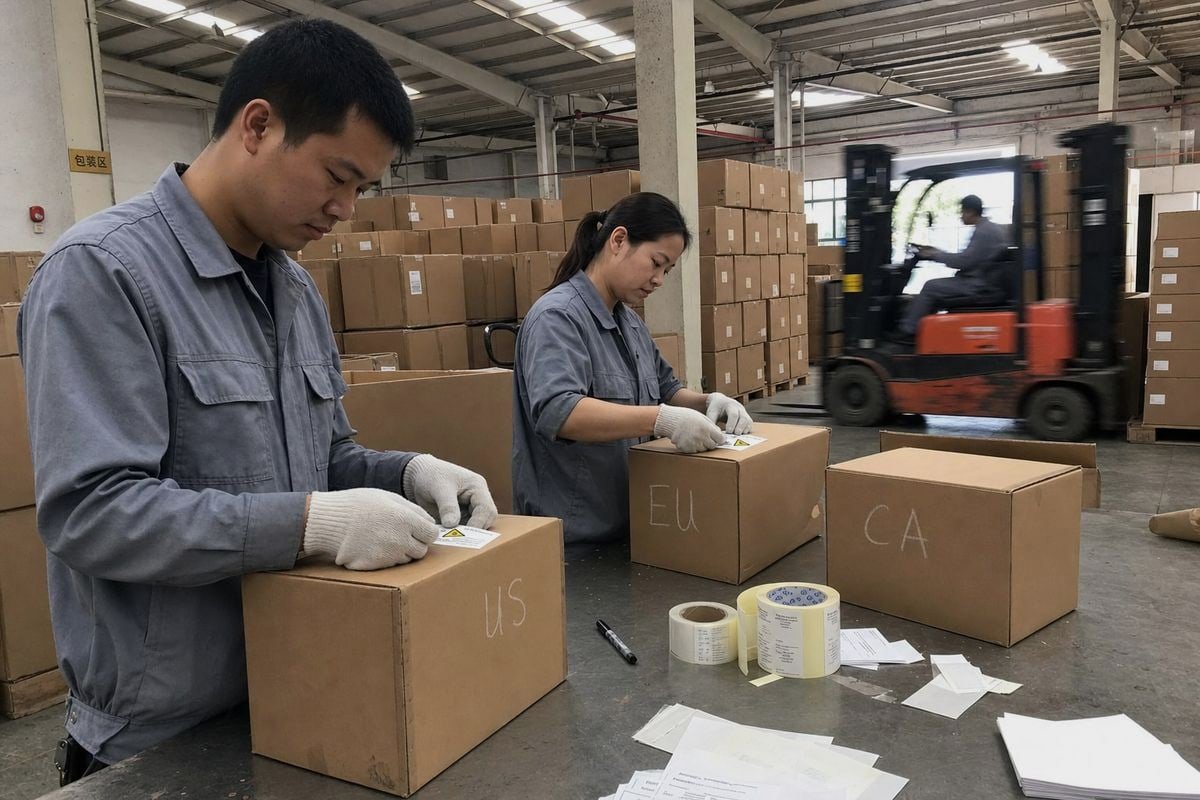
Os rótulos cumprem duas funções diferentes, e os varejistas muitas vezes as confundem. As instruções de segurança do produto informam ao usuário como manusear o produto sem se machucar. A linguagem de legalidade de proibição de incêndio informa ao usuário que o produto pode ser restrito por lei em sua localidade ou estação. Um pacote pode ser perfeitamente seguro para uso normal e ainda ser ilegal de usar durante uma proibição de queimadas ativa. Ambas as mensagens devem aparecer e não devem ser misturadas em uma única frase vaga.
Há uma terceira questão de rotulagem específica para esta categoria de produto. A CPSC sinalizou embalagens de pó de chama 6 por perigos semelhantes, pois sachês pequenos e coloridos podem ser confundidos com doces por crianças. Nossa equipe de design aborda isso em todos os projetos de OEM: símbolos de cautela claros, linguagem de "não para consumo", declarações de "mantenha longe das crianças" e escolhas gráficas conscientes das crianças. Branding lúdico vende o produto; painéis de cautela responsáveis o mantêm nas prateleiras.
O Sistema de Rotulagem em Camadas que Recomendamos
- No sachê: advertências de ignição, "somente para adultos", "não comer" e uma linha curta dizendo "pode ser restrito durante proibições locais de incêndio"."
- Na caixa de exibição: instruções completas de uso, orientação sobre descarte de cinzas, uma nota de que corantes de chama químicos podem anular algumas garantias de lareiras devido à corrosão de sais metálicos e um código QR.
- No kit do varejista: FISPQ, cópias de relatórios de teste, modelos de sinalização de prateleira e texto de isenção de responsabilidade pré-redigido para recibos e páginas de produtos.
Esse código QR merece ênfase. Embalagens inteligentes são uma tendência emergente: códigos QR dinâmicos em sachês que vinculam os clientes a mapas em tempo real de proibições locais de incêndio com base na localização GPS. Podemos imprimir códigos dinâmicos durante a produção, e vários de nossos clientes de marcas de camping agora os utilizam. Isso transfere o ônus de "isso é legal hoje, aqui?" do caixa para uma fonte oficial sempre atualizada.
A redação conservadora é importante em todos os aspectos. Nunca deixe que a embalagem ou a sinalização digam "à prova de fogo", "à prova de proibição" ou "legal em todos os lugares". Essas frases criam risco de responsabilidade do produto. Se um cliente usar o produto durante uma proibição de Nível 2 e causar uma ignição, advogados de acusação lerão cada palavra em sua embalagem. Os varejistas podem enfrentar responsabilidade objetiva 7 ou reivindicações de negligência por não exibirem avisos de proibição de queimadas ao vender acessórios para iniciar fogo onde chamas abertas são proibidas. Linguagem cuidadosa é um seguro barato.
Como Treinar Meus Parceiros Varejistas para Comunicar Restrições de Proibição de Fogo aos Seus Clientes?
Um comprador de uma marca de camping dos EUA me disse uma vez que seus funcionários da loja estavam garantindo aos clientes que os corantes de chama "não contavam" durante as proibições de queimadas porque os pacotes eram "apenas sais". Essa conversa é o motivo pelo qual agora incluímos roteiros de treinamento em todos os kits de conformidade que enviamos.
Treine os parceiros de varejo com quatro ferramentas: um resumo de classificação de uma página, scripts de ponto de venda para perguntas sobre proibição de incêndio, sinalização sazonal ligada aos níveis de restrição local e uma regra de escalonamento — quando a equipe não tiver certeza, ela direcionará os clientes para a autoridade local de incêndio, nunca adivinhe.
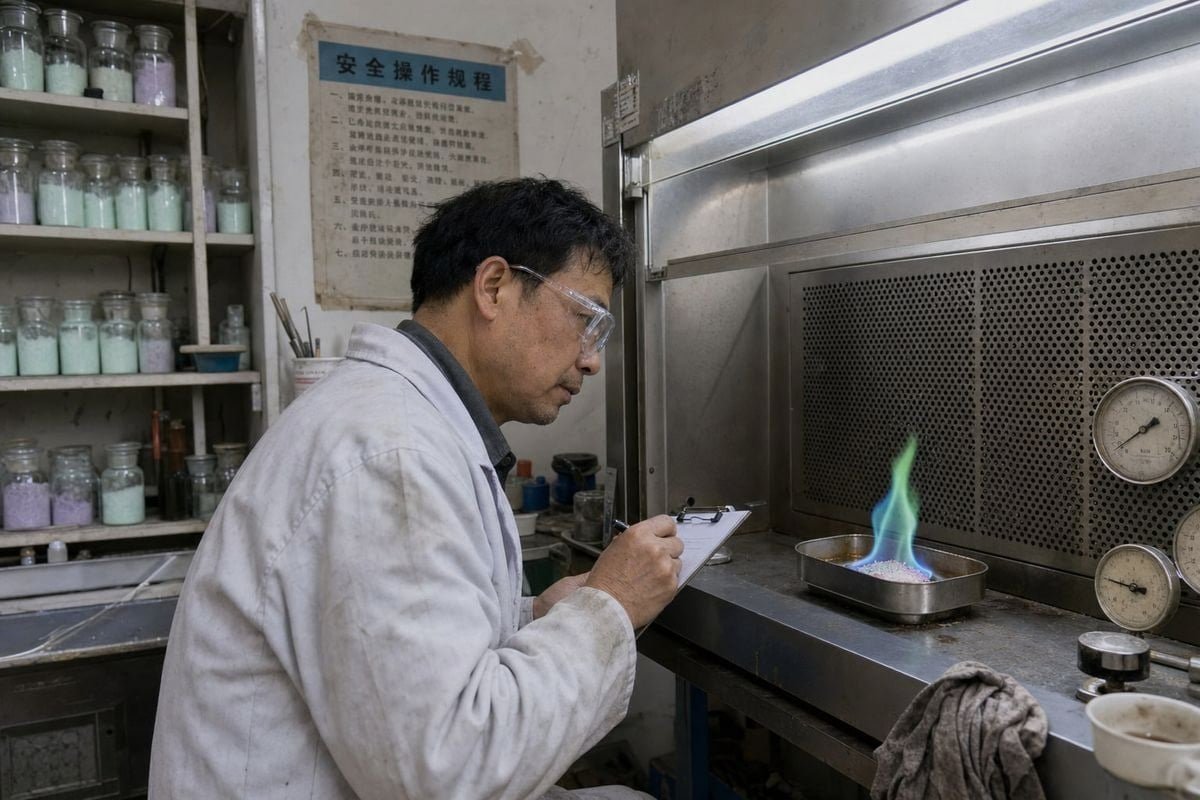
O treinamento funciona melhor quando é curto, roteirizado e repetido sazonalmente. Os funcionários de chão de loja não precisam entender protocolos de mitigação de incêndios florestais 8 em profundidade. Eles precisam de três frases que possam dizer com confiança e uma regra sobre quando parar de falar e apontar para uma fonte oficial.
Aqui está a distinção central que os funcionários devem internalizar: a loja que vende o produto é uma questão legal; o cliente que o usa esta noite é outra. Durante condições elevadas de risco de incêndio, a resposta honesta para "posso usar isso?" não é "sim" ou "não". É "verifique suas restrições locais primeiro". Os varejistas podem querer uma linguagem simples de permissão geral, porque é mais fácil no caixa. Mas os reguladores escrevem regras estreitas e específicas do local, e a loja que dá garantias gerais absorve a responsabilidade quando essas garantias estão erradas.
Roteiros de Ponto de Venda que Protegem a Loja
| Pergunta do Cliente | Resposta do Funcionário em Conformidade |
|---|---|
| "Isso é permitido durante a proibição de incêndio?" | "Se fogueiras abertas estiverem proibidas em sua área agora, você não deve usá-lo até que a proibição seja suspensa. O código QR na embalagem vincula às restrições atuais." |
| "É apenas um corante, certo? Não fogos de artifício?" | "É um aditivo de chama, mas as proibições de incêndio cobrem o próprio fogo. Nenhum fogo legal, nenhum uso legal." |
| "Posso usar em ambientes fechados?" | "Apenas em uma lareira ventilada adequada, seguindo as instruções da embalagem. Verifique o manual do seu aparelho primeiro, pois algumas garantias excluem corantes." |
| "É seguro para crianças?" | "É um produto de uso adulto. Mantenha-o guardado longe das crianças — pode parecer doce." |
A abordagem para uso interno precisa ser tratada com cuidado no treinamento. Alguns varejistas mudam o marketing para uso em lareiras ventiladas durante a temporada de proibição de queimadas ao ar livre, e essa mudança é legítima — mas apenas quando o produto é especificamente rotulado para essa aplicação e os funcionários não apresentam o uso interno como uma brecha para restrições externas. Ajudamos nossos clientes de OEM a obter a rotulagem correta para que a alegação de marketing e a alegação da embalagem correspondam.
Para vendas online, aplique a mesma disciplina. As páginas de produtos devem conter a linguagem de isenção de responsabilidade, as equipes de envio devem conhecer as regras de transportadoras adjacentes a materiais perigosos, e os macros de atendimento ao cliente devem espelhar os roteiros da loja. A consistência entre os canais é o que transforma o treinamento de um seminário único em proteção genuína. Atualizamos nossos materiais de treinamento de parceiros antes de cada temporada de pico de incêndios florestais, pois os regulamentos de queima ao ar livre mudam e o roteiro do ano passado pode já estar desatualizado.
Conclusão
As restrições de proibição de incêndio ao Pó Mágico de Fogo exigem uma explicação em camadas: conheça as regras regionais, prove a conformidade com documentos reais, rotule conservadoramente e treine a equipe de varejo para dizer "verifique as restrições locais" com confiança.
Notas de rodapé
Visão geral da Wikipedia sobre regulamentos e proibições de fogos de artifício. ↩︎
Tabela oficial de tarifas harmonizadas dos EUA para classificações pirotécnicas. ↩︎
Página oficial da OSHA para o padrão que rege os dados de segurança química. ↩︎
Entrada de banco de dados químico autoritativo para sulfato de cobre. ↩︎
Entrada da Wikipedia explicando os impactos ambientais e de saúde dos metais pesados. ↩︎
Site oficial da Comissão de Segurança de Produtos de Consumo dos EUA. ↩︎
Definição legal de responsabilidade objetiva do Cornell's Legal Information Institute. ↩︎
Recurso oficial do National Interagency Fire Center para protocolos de prevenção e mitigação de incêndios florestais. ↩︎


 English
  Spanish
  German
  French
  Arabic
  Portuguese
Participe da conversa