






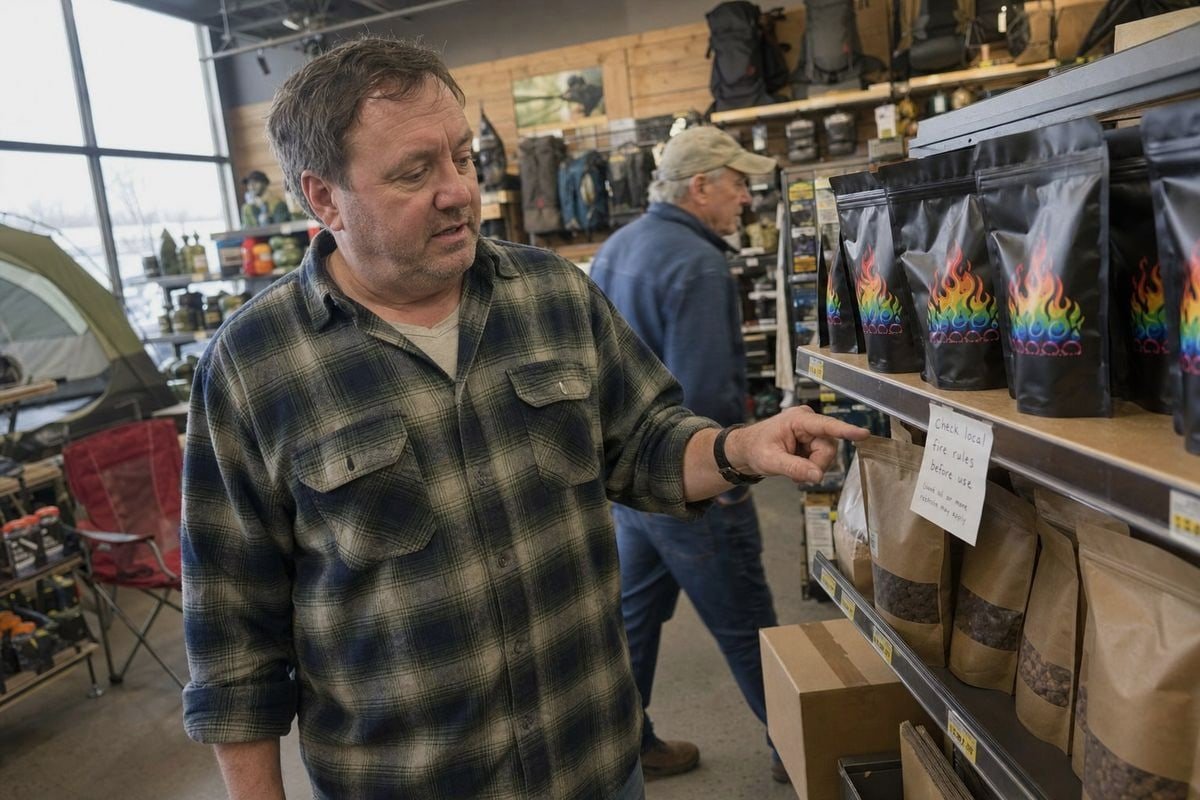
Expliquer les restrictions sur les interdictions de feu sur la poudre magique pour le feu déconcerte même les distributeurs expérimentés. Notre équipe d'exportation traite cette question exacte des acheteurs de détail presque chaque saison d'incendies de forêt.
Expliquez les restrictions de l'interdiction de feu sur la poudre magique pour le feu en disant aux détaillants trois choses : le produit est un colorant de flamme, pas une exemption à l'interdiction de feu ; les interdictions de feu locales et les règles sur les feux d'artifice peuvent toujours en restreindre l'utilisation ; et le personnel doit diriger les clients à vérifier les règles de l'autorité locale de lutte contre les incendies avant utilisation.
Cette réponse semble simple. En pratique, elle nécessite des connaissances régionales, de la documentation, un étiquetage et une formation du personnel. Laissez-moi vous expliquer chaque élément, en m'appuyant sur ce que nous faisons pour nos propres partenaires de détail.
Quelles réglementations régionales sur les interdictions de feu dois-je connaître avant de vendre de la poudre magique à des détaillants ?
La plus grande erreur que je vois commettre par les distributeurs est de traiter les interdictions de feu et les.
Connaissez quatre couches réglementaires avant de vendre de la poudre magique à feu : les classifications nationales des explosifs ou des feux d'artifice, les restrictions provinciales ou étatiques sur les feux de forêt telles que les interdictions de brûlage de stade 2, les ordonnances municipales sur les feux en plein air et les règles saisonnières sur les fenêtres de vente. Chaque couche peut indépendamment restreindre où et quand le produit est vendu ou utilisé.
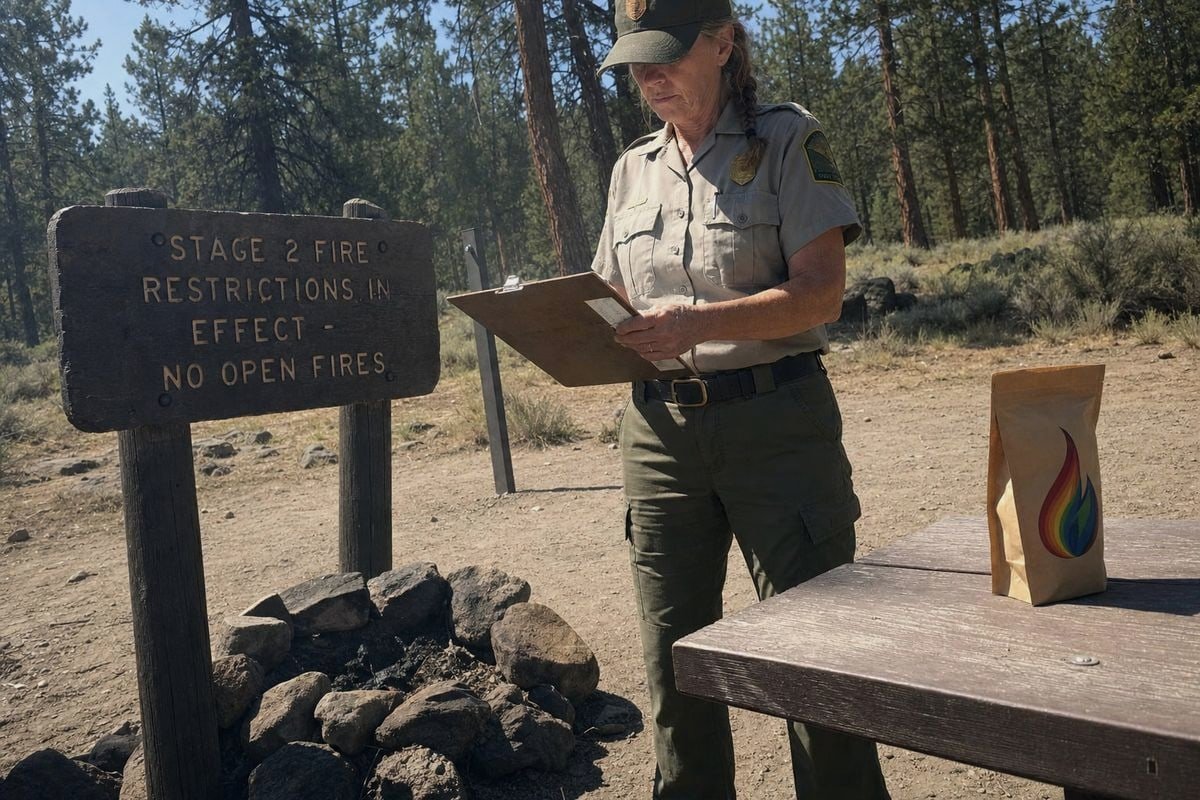
comme la même chose. Ce n'est pas le cas. Une interdiction de feu est généralement une mesure d'urgence générale. Elle cible les sources d'inflammation pendant les périodes de risque élevé d'incendie de forêt, et elle peut couvrir les feux de camp, les barbecues au charbon de bois, les torches, les feux d'artifice et parfois les explosifs. Une interdiction de feux d'artifice ou une réglementation de vente au détail de feux d'artifice, en revanche, est spécifique au produit. Elle régit qui peut vendre, quand ils peuvent vendre, combien peut être stocké et qui peut acheter. La poudre magique pour le feu se situe maladroitement entre les deux. Les autorités douanières classent souvent les produits de coloration de flamme sous la rubrique " 1Autres articles pyrotechniques.
" (SH 3604.90), même si de nombreux colorants chimiques de flamme manquent d'un oxydant interne et ne fonctionnent que lorsqu'ils sont ajoutés à un feu existant. Cette tension de classification est importante. Si un chef des pompiers local traite le produit comme étant adjacent aux feux d'artifice, alors les ordres de restriction d'incendie qui interdisent "tout type de feu d'artifice ou autre dispositif pyrotechnique" peuvent s'appliquer à celui-ci pendant les périodes à haut risque."Comment les couches s'empilent sur les marchés clés 2"Couche réglementaire.
Exemple de règle
| Ce que les détaillants doivent faire | Classification nationale | Règlement sur les explosifs du Canada, 2013 pour les poudres propulsives |
|---|---|---|
| Confirmer la catégorie légale du produit avant de le stocker | Restrictions sur les incendies de forêt | Suspendre la promotion axée sur l'utilisation pendant les interdictions actives |
| Ordonnances municipales | Codes locaux du chef des pompiers sur les flammes nues | Vérifier les règles de la ville et du comté, pas seulement les règles de l'État |
| Fenêtres de vente saisonnières | Périodes de vente de feux d'artifice de style britannique (15 octobre-10 novembre, 26-31 décembre) | Vérifier si les effets de flamme entrent dans le cadre des règles de la fenêtre de vente |
| Pourquoi les interdictions de brûlage de niveau 2 sont les plus importantes | Les interdictions de brûlage de niveau 2 interdisent généralement tous les feux à bois et les barbecues au charbon de bois. Si les clients ne peuvent pas légalement allumer un feu de camp, ils ne peuvent pas légalement utiliser un colorant de flamme à l'extérieur. Cela suspend effectivement le cas d'utilisation extérieure du produit pour la saison, même si sa vente peut rester légale. Les détaillants doivent comprendre cette distinction entre la légalité de la vente et la légalité de l'utilisation. | Une interdiction de brûlage de niveau 2 peut rendre l'utilisation extérieure de la poudre magique pour le feu effectivement illégale même là où sa vente reste légale |
Les restrictions de niveau 2 interdisent les feux de bois et les barbecues au charbon de bois dont dépend le produit, de sorte que toute utilisation extérieure enfreint l'interdiction de feu sous-jacente, quel que soit le statut légal du produit lui-même.
L'emballage de détail signifie que la poudre magique pour le feu est automatiquement exempte des interdictions de feu et des règles sur les feux d'artifice
L'emballage de consommation n'a aucune incidence sur la classification légale ; les autorités locales de lutte contre les incendies peuvent restreindre les produits à effets de flamme en vertu des ordonnances sur les incendies de forêt ou des réglementations de vente au détail de feux d'artifice, quelle que soit la façon dont ils sont emballés.
Comment puis-je prouver que ma poudre à feu magique est conforme et sûre pour la distribution au détail ?
La pile de conformité que les détaillants vérifient réellement.
Prouver la conformité avec une pile documentaire : rapports de tests par des tiers de laboratoires tels que SGS ou Intertek, documentation complète de conformité SDS pour chaque formule, marquage CE le cas échéant, certifications d'usine telles que ISO 9001 et BSCI, et enregistrements de qualité au niveau du lot montrant une composition cohérente.

FDS (par formule).
Classification des dangers, manipulation, premiers secours Détaillants, assureurs, inspecteurs de l'OSHA 3, Systèmes de qualité d'usine et audits éthiques sulfate de cuivre 4 Détaillants de chaînes, partenaires de marque.
Responsables des achats lors des réapprovisionnements.
Un autre domaine qui mérite d'être abordé : les allégations environnementales. Il y a une attention réglementaire croissante sur la toxicité des cendres, car des métaux comme le cuivre peuvent s'infiltrer dans les eaux souterraines si les cendres de foyers sont jetées dans des jardins ou des poubelles non doublées. Une évaluation honnête de l'impact environnemental et des instructions claires sur l'élimination des cendres sur l'emballage protègent à la fois votre détaillant et votre marque. Nos formulations écologiques ont été développées spécifiquement pour anticiper cet examen minutieux, et nous conseillons à chaque acheteur d'inclure des instructions d'élimination plutôt que d'espérer que personne ne pose de questions.
| Document | Ce qu'il prouve | Qui le demande |
|---|---|---|
| FDS (par formule) | Classification des dangers, manipulation, premiers secours | Détaillants, assureurs, inspecteurs de l'OSHA |
| Rapport de test SGS / Intertek | Vérification indépendante de la composition et de la sécurité | Importateurs, grands canaux d'approvisionnement de détail |
| Documentation de marquage CE | Conformité pour l'entrée sur le marché européen | Distributeurs et douanes de l'UE |
| Certificats ISO 9001 / BSCI | Systèmes de qualité d'usine et audits éthiques | Détaillants de chaînes, partenaires de marque |
| Dossiers de contrôle qualité des lots | Le premier échantillon correspond à la production de masse | Responsables des achats pour les réapprovisionnements |
Un autre domaine qui mérite d'être abordé : les allégations environnementales. L'attention réglementaire se porte de plus en plus sur la toxicité des cendres, car que les résidus de métaux lourds 5 des éléments tels que le cuivre peuvent s'infiltrer dans les eaux souterraines si les cendres de brasero sont jetées dans les jardins ou des poubelles non doublées. Une évaluation honnête de l'impact environnemental et des instructions claires sur l'élimination des cendres sur l'emballage protègent à la fois votre détaillant et votre marque. Nos formulations écologiques ont été développées spécifiquement pour anticiper cet examen minutieux, et nous conseillons à chaque acheteur d'inclure des instructions d'élimination plutôt que d'espérer que personne ne pose de questions.
Quels avertissements et documents dois-je fournir pour que les détaillants comprennent les règles d'interdiction de feu ?
Le compromis que nous évaluons sur chaque projet de marque de distributeur est le même : quelle quantité de texte d'avertissement peut tenir sur un petit sachet en aluminium avant qu'il ne devienne illisible ? Tout mettre sur la pochette échoue. La division des informations sur l'étiquette, la boîte d'affichage et un kit de détaillant fonctionne.
Fournir une documentation stratifiée : avertissements de sécurité pour le consommateur sur l'emballage, y compris "vérifier les restrictions locales d'incendie avant utilisation", un panneau d'avertissement couvrant l'utilisation par les adultes et l'élimination des cendres, une FDS pour les dossiers du détaillant, et un kit de conformité avec des modèles de signalisation, des feuilles de FAQ et un langage de déni de responsabilité concernant les interdictions de brûlage.
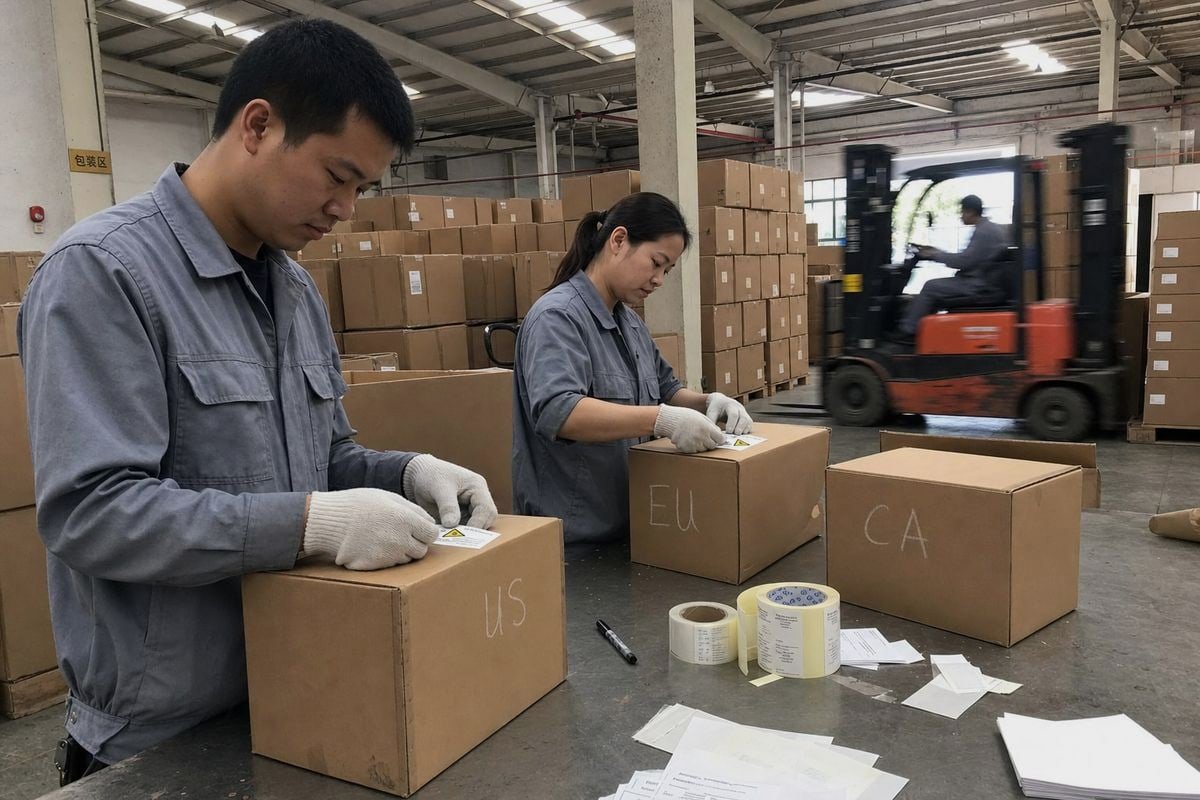
Les étiquettes remplissent deux fonctions différentes, et les détaillants les confondent souvent. Les instructions de sécurité du produit indiquent à l'utilisateur comment manipuler le produit sans se blesser. Le langage de légalité concernant les interdictions de feu indique à l'utilisateur que le produit peut être restreint par la loi dans son lieu ou sa saison. Un paquet peut être parfaitement sûr pour une utilisation normale et toujours illégal à utiliser pendant une interdiction de brûlage active. Les deux messages doivent apparaître, et ils ne doivent pas être mélangés en une seule phrase vague.
Il existe un troisième problème d'étiquetage spécifique à cette catégorie de produits. La CPSC a signalé l'emballage de poudre inflammable 6 pour des dangers de ressemblance, car les petits sachets colorés peuvent être confondus avec des bonbons par les enfants. Notre équipe de conception aborde cela sur chaque projet OEM : symboles d'avertissement clairs, langage "non destiné à la consommation", déclarations "tenir à l'écart des enfants" et choix graphiques tenant compte des enfants. Une image de marque ludique vend le produit ; des panneaux d'avertissement responsables le maintiennent sur les étagères.
Le système d'étiquetage stratifié que nous recommandons
- Sur le sachet : avertissements d'allumage, "adultes seulement", "ne pas manger", et une courte ligne indiquant "peut être restreint pendant les interdictions locales de feu"."
- Sur la boîte d'affichage : instructions d'utilisation complètes, conseils d'élimination des cendres, note indiquant que les colorants chimiques pour flammes peuvent annuler certaines garanties de foyers en raison de la corrosion par les sels métalliques, et un code QR.
- Dans le kit du détaillant : FDS, copies des rapports de test, modèles de signalisation en rayon et texte de déni de responsabilité pré-rédigé pour les reçus et les pages produit.
Ce code QR mérite d'être souligné. L'emballage intelligent est une tendance émergente : des codes QR dynamiques sur les sachets qui relient les clients aux cartes d'interdiction de feu locales en temps réel basées sur la localisation GPS. Nous pouvons imprimer des codes dynamiques pendant la production, et plusieurs de nos clients de marques de camping les utilisent maintenant. Cela transfère le fardeau de "est-ce légal aujourd'hui, ici ?" du caissier à une source officielle toujours à jour.
Une formulation conservatrice est importante partout. Ne laissez jamais l'emballage ou la signalisation dire "ignifugé", "à l'épreuve des interdictions" ou "légal partout". Ces phrases créent un risque de responsabilité du produit. Si un client utilise le produit pendant une interdiction de niveau 2 et provoque une ignition, les avocats des plaignants liront chaque mot sur votre pochette. Les détaillants peuvent faire face à une responsabilité stricte 7 ou à des réclamations pour négligence pour ne pas avoir affiché les avertissements d'interdiction de brûlage tout en vendant des accessoires d'allumage de feu là où les flammes nues sont interdites. Un langage prudent est une assurance bon marché.
Comment former mes partenaires détaillants à communiquer les restrictions d'interdiction de feu à leurs clients ?
Un acheteur d'une marque de camping américaine m'a dit un jour que le personnel de leur magasin assurait aux clients que les colorants de flamme "ne comptaient pas" pendant les interdictions de brûlage parce que les paquets étaient "juste des sels". Cette conversation est la raison pour laquelle nous incluons maintenant des scripts de formation dans chaque kit de conformité que nous expédions.
Former les partenaires de vente au détail avec quatre outils : un résumé de classification d'une page, des scripts de point de vente pour les questions sur les interdictions de feu, une signalisation saisonnière liée aux niveaux de restriction locaux et une règle d'escalade — lorsque le personnel n'est pas sûr, il dirige les clients vers l'autorité locale de lutte contre les incendies, ne devine jamais.

La formation est plus efficace lorsqu'elle est courte, scénarisée et répétée saisonnièrement. Le personnel de terrain n'a pas besoin de comprendre les protocoles d'atténuation des feux de forêt 8 en profondeur. Ils ont besoin de trois phrases qu'ils peuvent dire avec confiance, et d'une règle sur quand arrêter de parler et indiquer une source officielle.
Voici la distinction fondamentale que le personnel doit internaliser : le magasin qui vend le produit est une question juridique ; le client qui l'utilise ce soir en est une autre. Pendant les conditions de risque d'incendie élevé, la réponse honnête à "puis-je l'utiliser ?" n'est pas "oui" ou "non". C'est "vérifiez d'abord vos restrictions locales". Les détaillants peuvent vouloir un langage simple d'autorisation générale, car c'est plus facile à la caisse. Mais les régulateurs rédigent des règles étroites et spécifiques à l'emplacement, et le magasin qui donne des assurances générales assume la responsabilité lorsque ces assurances sont erronées.
Scripts de point de vente qui protègent le magasin
| Question du client | Réponse du personnel conforme |
|---|---|
| "Est-ce autorisé pendant l'interdiction de feu ?" | "Si les feux à ciel ouvert sont interdits dans votre région en ce moment, vous ne devriez pas l'utiliser avant que l'interdiction ne soit levée. Le code QR sur l'emballage renvoie aux restrictions actuelles." |
| "C'est juste un colorant, n'est-ce pas ? Pas des feux d'artifice ?" | "C'est un additif de flamme, mais les interdictions de feu couvrent le feu lui-même. Pas de feu légal, pas d'utilisation légale." |
| "Puis-je l'utiliser à l'intérieur à la place ?" | "Seulement dans une cheminée correctement ventilée, en suivant les instructions de l'emballage. Vérifiez d'abord le manuel de votre appareil, car certaines garanties excluent les colorants." |
| "Est-ce sans danger pour les enfants ?" | "C'est un produit à usage adulte. Gardez-le hors de portée des enfants - il peut ressembler à des bonbons." |
Le cadrage de l'utilisation intérieure nécessite une manipulation prudente dans la formation. Certains détaillants réorientent le marketing vers l'utilisation dans les foyers ventilés pendant la saison des interdictions de brûlage extérieures, et ce pivot est légitime - mais seulement lorsque le produit est spécifiquement étiqueté pour cette application et que le personnel ne présente pas l'utilisation intérieure comme une échappatoire aux restrictions extérieures. Nous aidons nos clients OEM à obtenir un étiquetage correct afin que l'allégation marketing et l'allégation d'emballage correspondent.
Pour les ventes en ligne, appliquez la même discipline. Les pages produit doivent porter le langage de déni de responsabilité, les équipes d'expédition doivent connaître les règles des transporteurs adjacents aux matières dangereuses, et les macros du service client doivent refléter les scripts en magasin. La cohérence entre les canaux est ce qui transforme la formation d'un séminaire ponctuel en une protection réelle. Nous actualisons nos supports de formation partenaires avant chaque saison de feux de forêt de pointe, car les ordonnances sur les feux extérieurs changent et le script de l'année dernière peut déjà être obsolète.
Conclusion
Les restrictions d'interdiction de feu sur la poudre magique pour le feu exigent une explication stratifiée : connaître les règles régionales, prouver la conformité avec de vrais documents, étiqueter de manière conservatrice et former le personnel de vente à dire "vérifiez les restrictions locales" avec confiance.
Notes de bas de page
Aperçu Wikipedia de la réglementation et des interdictions des feux d'artifice. ↩︎
Tarif douanier américain officiel pour les classifications pyrotechniques. ↩︎
Page officielle de l'OSHA concernant la norme régissant les données de sécurité chimique. ↩︎
Entrée faisant autorité dans la base de données chimiques pour le sulfate de cuivre. ↩︎
Entrée Wikipedia expliquant les impacts environnementaux et sanitaires des métaux lourds. ↩︎
Site officiel de la U.S. Consumer Product Safety Commission. ↩︎
Définition juridique de la responsabilité stricte du Cornell's Legal Information Institute. ↩︎
Ressource officielle du National Interagency Fire Center pour les protocoles de prévention et d'atténuation des feux de forêt. ↩︎



 English
  Spanish
  German
  French
  Arabic
  Portuguese
Rejoignez la conversation