






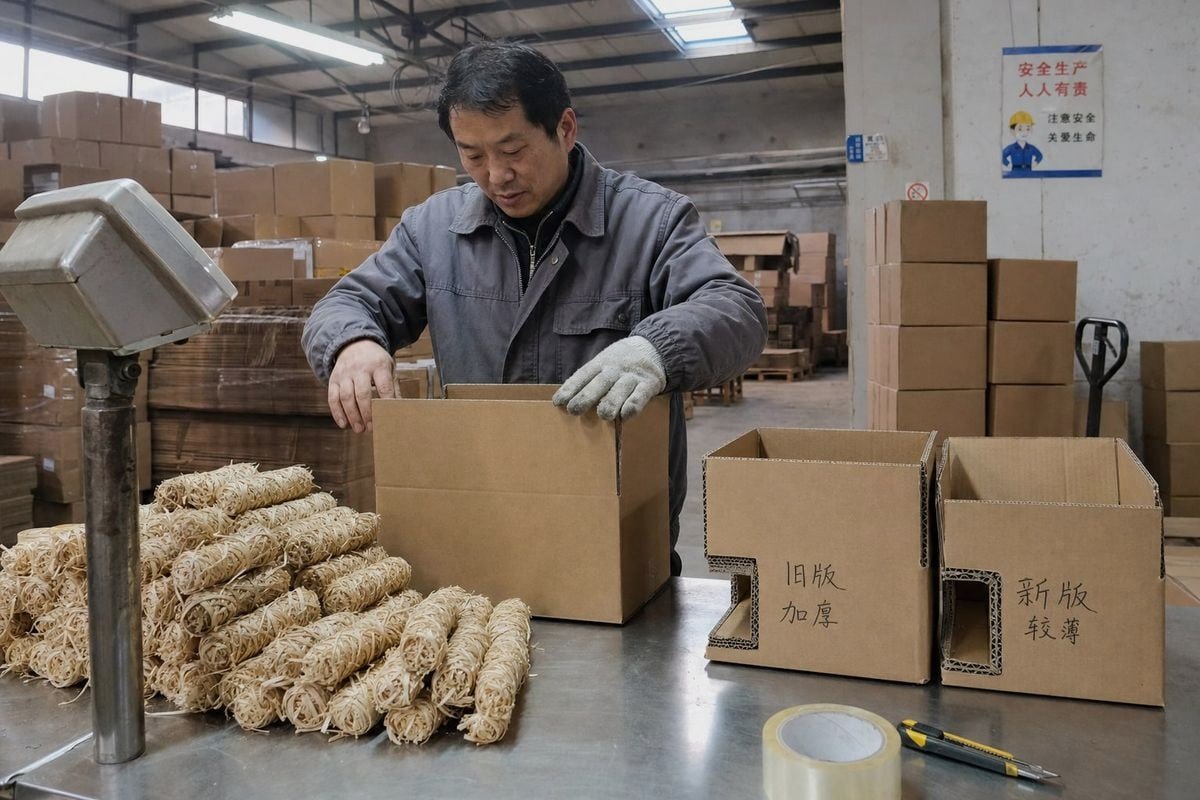
A cada trimestre, os compradores fazem a mesma pergunta à nossa equipe de embalagem: reduza o peso da embalagem ao adquirir acendedores de fogo de madeira da China. As contas de frete continuam subindo. Caixas pesadas comem margens. Mas corte demais, e caixas amassadas e rolos de cera danificados pela umidade chegam ao seu armazém em vez de estoque vendável. A solução é perguntar da maneira certa.
Para pedir aos fornecedores que reduzam o peso da embalagem com segurança, defina primeiro o padrão de proteção, depois solicite a embalagem mais leve que ainda passe nos testes de queda, compressão e umidade. Solicite uma folha de especificações da embalagem, amostras revisadas, dimensões da caixa, peso bruto e evidências de testes de trânsito antes de aprovar qualquer alteração.
Essa é a versão curta. Abaixo, detalho o que certificar, como amostrar, quais materiais especificar e como verificar a proteção durante a alfândega e o trânsito.
Que certificações devo solicitar para confirmar que embalagens leves ainda atendem aos padrões de segurança?
Um distribuidor alemão me disse uma vez que seu fornecedor anterior "aliviou" as caixas simplesmente removendo uma classe de papelão — sem relatório de teste. Metade de um contêiner chegou amassado. Essa conversa moldou como documentamos cada mudança de embalagem em nossa fábrica em Ningbo.
Solicitar relatórios de teste de trânsito ISTA, confirmação de conformidade GB 23350-2021, certificados de resistência de caixas de papelão ondulado (ECT ou resistência à ruptura), resultados de testes de terceiros SGS ou Intertek e certificação FSC se você quiser alegações de fornecimento sustentável. Esses documentos comprovam que embalagens mais leves ainda protegem os iniciadores de fogo à base de cera em condições de exportação.
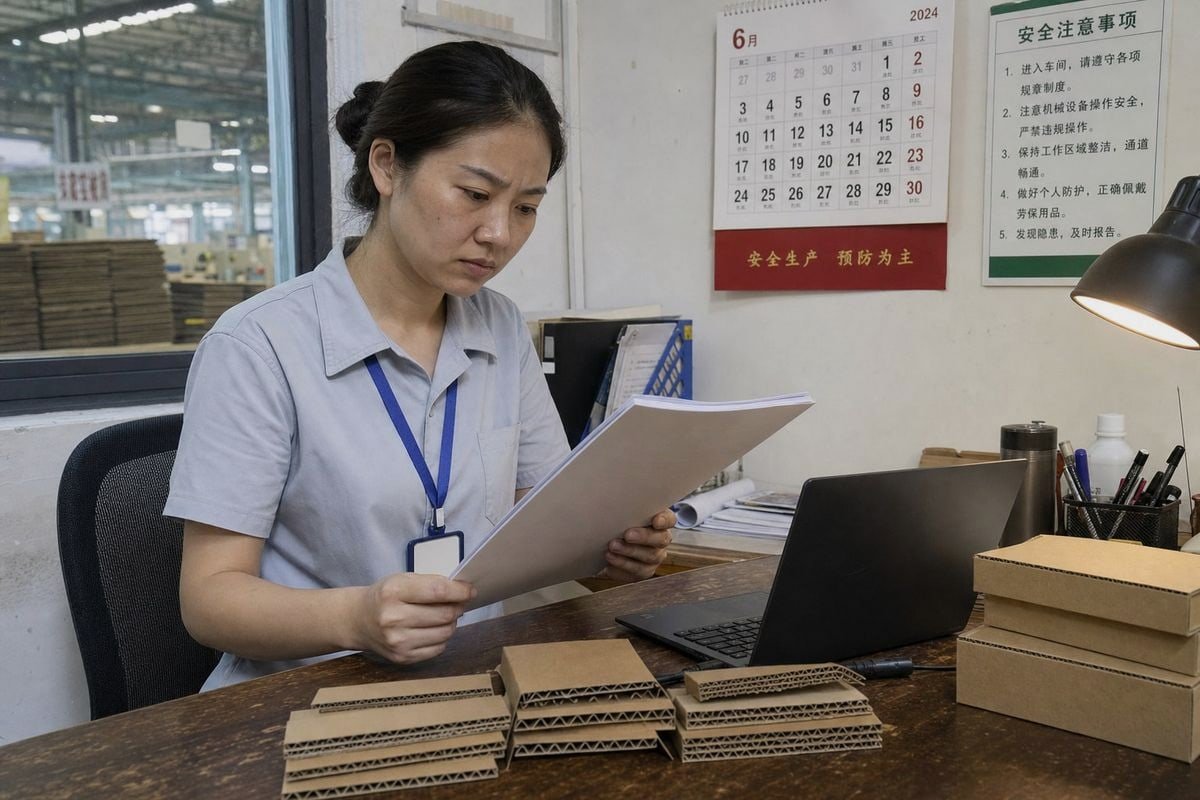
Certificações transformam uma promessa vaga em evidência verificável. Quando um fornecedor diz "a caixa mais leve está boa", sua única proteção é a papelada que prova isso. Em nosso próprio processo de exportação, tratamos a documentação da embalagem da mesma forma que tratamos a conformidade do produto — como um requisito rígido, não algo bom de se ter. Nossos compradores nos EUA e na UE esperam controle de processo ISO 9001 por trás de cada mudança de especificação, e a embalagem não é exceção.
Os documentos principais a serem solicitados
Peça cada um destes antes de aprovar qualquer redução de peso:
| Documento | O que Comprova | Por que é Importante para Iniciadores de Fogo |
|---|---|---|
| Relatório de teste de trânsito ISTA | Caixas sobrevivem a quedas, vibrações e compressão | Rolos de madeira mergulhados em cera deformam sob cargas de esmagamento |
| Certificado de ECT / resistência à ruptura | Resistência da caixa de papelão 1 na nova classe de papelão | Paredes mais finas ainda devem empilhar com segurança nos contêineres |
| Conformidade com GB 23350-2021 | Camadas de embalagem e espaço vazio atendem aos limites de embalagem excessiva da China | Dá a você alavancagem legal para solicitar redução de camadas |
| Relatório SGS / Intertek | Verificação independente de materiais e desempenho | Remove a dependência da autodeclaração do fornecedor |
| Certificação FSC 2 | Papel e papelão vêm de silvicultura responsável | Apoia alegações de sustentabilidade no varejo nos EUA e na UE |
Por que GB 23350-2021 é sua alavancagem de negociação
O padrão obrigatório da China limita camadas de embalagem e espaço vazio para muitos bens de consumo. Referenciá-lo sinaliza que você conhece o cenário regulatório. Também reformula sua solicitação: você não está pedindo um favor. Você está pedindo ao fornecedor para se alinhar a um padrão que ele já deveria seguir. Na minha experiência, os fornecedores respondem mais rápido quando um comprador cita um padrão nacional chinês do que quando ouvem um genérico "faça mais leve"."
Mais um ponto. Testes de integridade do produto e testes de embalagem são documentos diferentes. Um teste de tempo de queima não diz nada sobre a sobrevivência da caixa. Peça ambos, e peça que o relatório de embalagem referencie a especificação revisada exata — classe do papelão, dimensões e peso bruto — para que não haja ambiguidade na inspeção pré-embarque.
Como posso pedir amostras de embalagem aos fornecedores antes de aprovar uma redução de peso?
Antes de enviarmos qualquer embalagem revisada de nossa linha de produção, enviamos aos compradores um conjunto completo de amostras — caixa interna, caixa principal e fotos da montagem do palete. Dezessete anos de exportação nos ensinaram que uma amostra de cinquenta dólares evita uma reclamação de cinco mil dólares.
Solicite uma amostra completa de embalagem revisada: a caixa de varejo, as embalagens internas e a caixa master com a nova especificação. Solicite as dimensões exatas da caixa, o peso bruto por caixa, a qualidade do papelão e fotos da embalagem. Não aprove nada até inspecionar fisicamente e testar a amostra você mesmo.
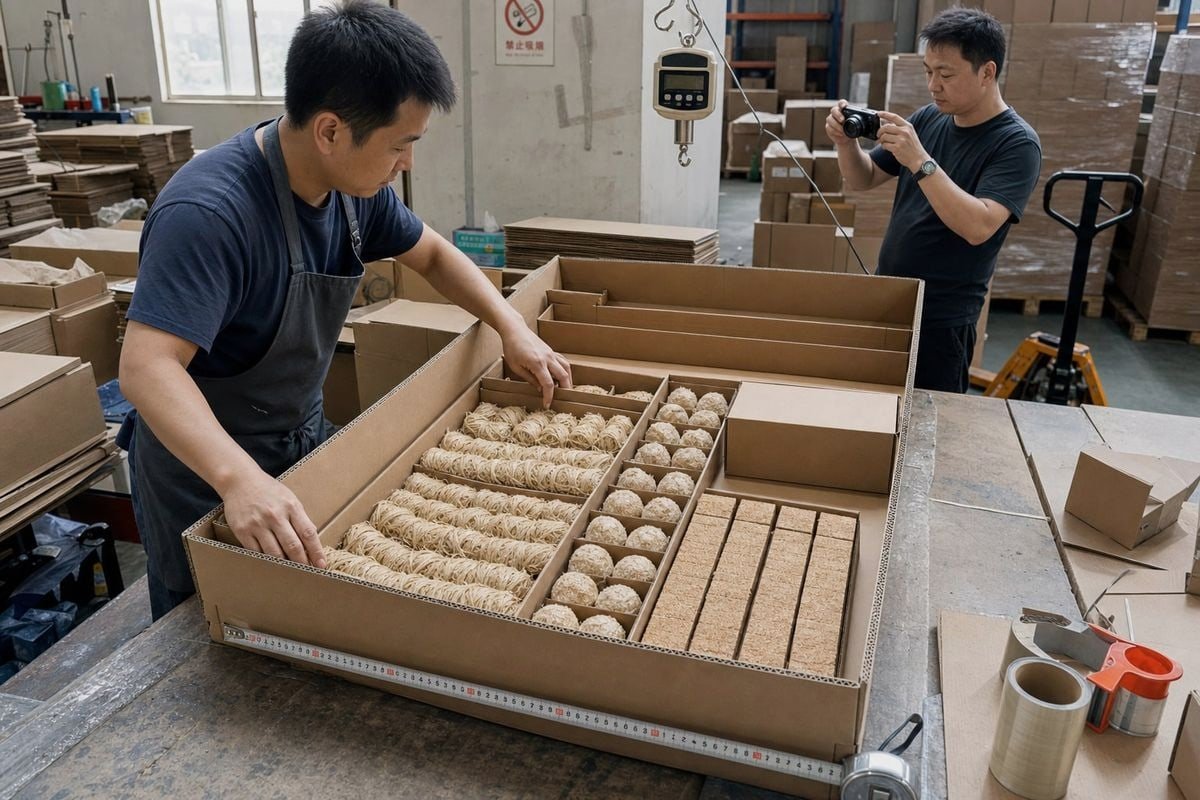
A solicitação de amostra é onde a maioria dos compradores erra. Eles pedem "uma amostra da nova caixa" e recebem uma única caixa vazia. Isso não lhe diz quase nada. Você precisa da embalagem completa — produto dentro, bandejas internas no lugar, fita aplicada, exatamente como será enviado. Só então você poderá julgar se a especificação mais leve protege os rolos de madeira revestidos de cera da maneira que a antiga fazia.
Um processo passo a passo de pedido de amostra
- Solicite primeiro a folha de especificação de embalagem atual. Você não pode avaliar uma redução sem uma linha de base. Obtenha as dimensões da caixa, peso bruto, contagem de embalagem interna e detalhamento de material por camada.
- Peça ao fornecedor para propor a mudança, não apenas executá-la. Boas fábricas conhecem seus materiais. Diga: "Por favor, proponha a embalagem mais leve que ainda proteja o produto durante o frete marítimo, e compartilhe o peso e as dimensões estimados da caixa."
- Peça uma amostra completa da embalagem com o produto dentro. Insista nos acendedores de fogo reais, não em enchimento. Rolos de cera se comportam de maneira diferente de espaço vazio sob compressão.
- Solicite fotos e um vídeo do processo de embalagem. Isso confirma que a amostra corresponde ao que a produção em massa fará.
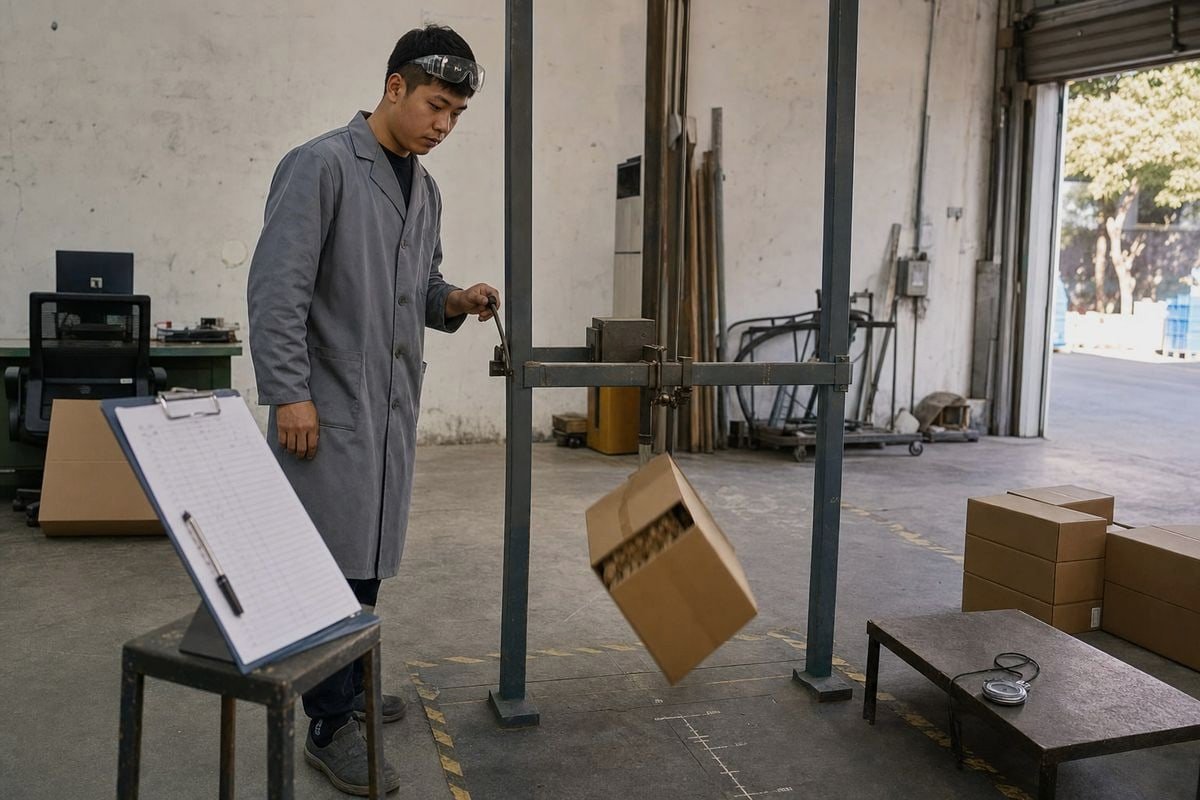
- Faça seus próprios testes. Deixe cair a caixa de uma altura da cintura. Empilhe peso sobre ela. Deixe-a em uma sala úmida por uma semana. Verifique a superfície da cera e a fibra de madeira quanto a danos ou absorção de umidade.
- Aprove por escrito com a especificação anexada. Refira a amostra exata em seu pedido de compra para que a inspeção pré-embarque tenha uma amostra de referência para comparar.
O que comparar entre amostras antigas e novas
Pese ambas. Meça ambas. Verifique a rigidez dos cantos pressionando cada canto firmemente. Observe a qualidade da impressão na caixa de varejo, pois papelão mais fino às vezes imprime pior. Se a nova caixa principal economizar 200 gramas, mas os cantos cederem, a redução do custo de frete será anulada por reclamações de danos. Em nossa fábrica, uma embalagem revisada só vai para produção em massa depois que o comprador assina a aprovação da amostra — essa disciplina é o motivo pelo qual nossa primeira amostra reflete de forma confiável a qualidade em massa.
Que materiais de embalagem posso solicitar para reduzir o peso sem arriscar danos durante o envio?
Ponderar as compensações é um trabalho diário para os nossos engenheiros de embalagem. Um papelão mais fino economiza gramas, mas perde a resistência ao empilhamento. Um filme mais leve economiza custos, mas enfraquece a barreira resistente à umidade que os rolos de madeira mergulhados em cera precisam em uma viagem oceânica de seis semanas. A resposta certa é sempre material por material.
Solicitar cartão kraft de alta gramatura com espessura reduzida, estruturas corrugadas monomateriais, caixas dimensionadas com espaço vazio mínimo, reforço de canto de carga pontual em vez de paredes mais espessas e revestimentos dessecantes para controle de umidade. Essas mudanças reduzem o peso, preservando a resistência da caixa de papelão ondulado e a proteção no transporte.
O peso vive em lugares específicos: as paredes da caixa mestra, camadas internas redundantes, preenchimento de espaço vazio e elementos decorativos. Ataque cada um separadamente, e você geralmente pode cortar peso significativo por caixa sem tocar na proteção. Ataque-os cegamente, e você aposta com um produto combustível e sensível à umidade.
Trocas de material que funcionam para acendedores de fogo
| Componente Atual | Alternativa Mais Leve | Weight Impact | Nível de Risco |
|---|---|---|---|
| Standard double-wall master carton | High-GSM kraft single-wall with corner reinforcement | Moderate saving | Low, if compression-tested |
| Foam or plastic inserts | Nesting product geometry with die-cut board dividers | High saving | Baixo |
| Multi-layer laminated retail box | Mono-material corrugated retail box | Moderate saving | Baixo |
| Oversized carton with void fill | Right-sized carton, zero void space | High saving | Muito baixo |
| Heavy PE moisture wrap | Thin film plus desiccant-infused liner | Moderate saving | Low, if humidity-tested |
| Decorative outer sleeve | Printed directly on the box | Moderate saving | Nenhum |
Right-sizing beats thinning
The safest weight cut is not thinner material — it is a smaller box. Ask your supplier for a volumetric right-sizing audit 3. Empty space inside a carton adds weight, adds dimensional weight charges 4, and actually weakens the pack, because unsupported walls buckle. Removing void space improves bulk density 5, which means more units per master carton and better container loadability. For our wood firestarters, tightening the inner arrangement so the cylindrical rolls nest against each other lets the product itself become part of the structure. That self-supporting geometry reduces the need for external bracing.
Onde não cortar
Do not thin the moisture barrier without a compensating desiccant strategy. Wood fiber absorbs humidity in ocean containers, and damp fire starters light poorly and generate returns. Do not remove corner protection on pallets carrying stacked master cartons. And do not accept "recycled" as an automatic substitute for "tested" — recycled and FSC-certified materials are excellent for your sustainability story, but they still must match the required corrugated box strength on paper and in testing.
Como posso confirmar se a embalagem mais leve do meu fornecedor ainda protege os acendedores de fogo a lenha durante a alfândega e o trânsito?
A buyer in the Netherlands once asked me a sharp question: "Your new carton is 18% lighter — how do I know it survives the bottom of a container stack in August humidity?" Fair challenge. We answered with data, not assurances, and that is exactly what you should demand.
Confirmar a proteção exigindo testes de compressão e queda certificados pela ISTA na embalagem revisada, uma inspeção pré-embarque em relação à amostra aprovada, um envio experimental pago antes da conversão total e a inspeção das mercadorias chegadas quanto a esmagamento, danos por umidade e deformação da cera antes de aumentar a escala.
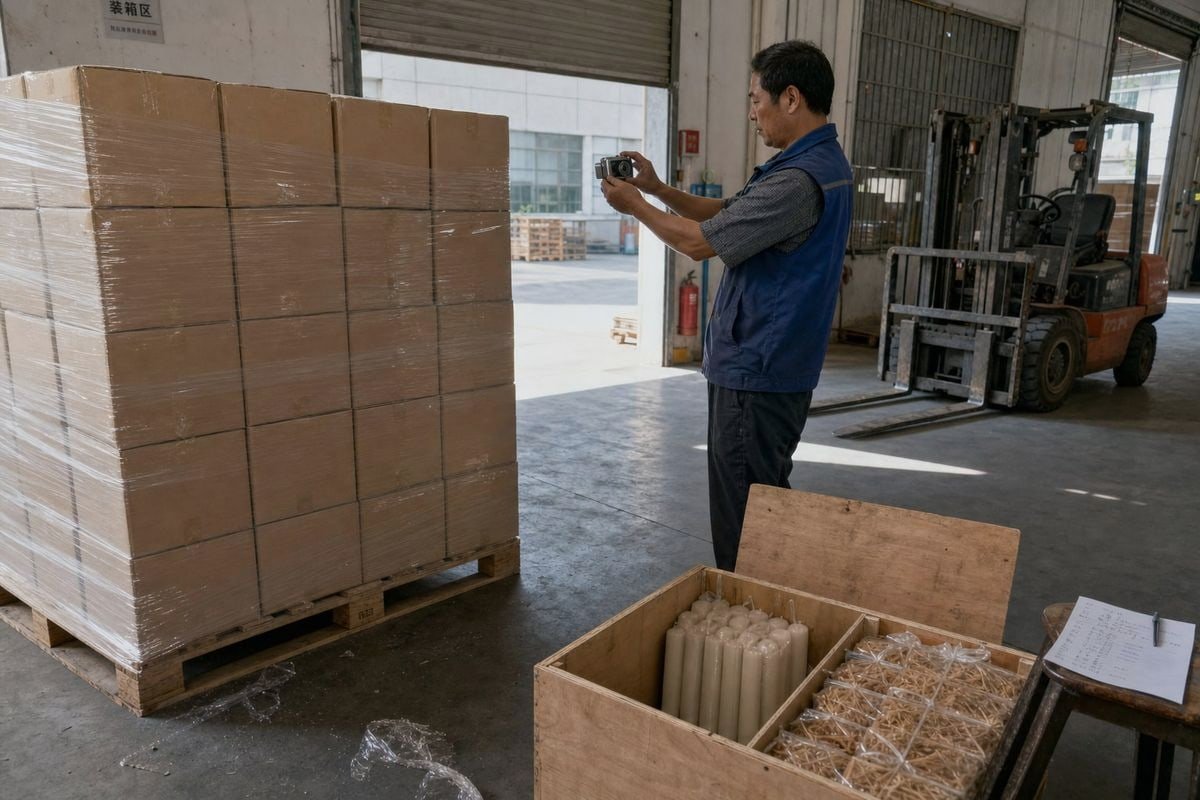
Verification is a staged process, not a single checkbox. Lighter packaging fails in slow, boring ways — a bottom-row carton compressing over five weeks at sea, humidity creeping through a thinner liner, a pallet shifting during a rough port transfer. Your confirmation plan needs to catch all of these before you convert your whole order book.
The three-stage verification approach
Stage one: laboratory evidence. Require ISTA-style compression testing 6 that simulates the full container stack height, plus drop testing that mimics warehouse handling. If your supplier has engineering capability, ask whether they can run digital twin stress modeling 7 to predict long-term sea freight compression on the new board grade. Ask for humidity cycling on the moisture-resistant barrier, since paraffin-coated wood rolls can bloom or soften if the liner underperforms.
Stage two: pre-shipment inspection. Reserve um inspeção pré-embarque por terceiros 8 with the approved golden sample as the reference. The inspector should verify board grade, carton dimensions, gross weight, and pack-out method — not just count units. In our experience shipping to 30-plus countries, most packaging failures trace back to an unverified material substitution, and an inspection catches that before the container seals.
Stage three: staged rollout. Ship one trial container or a partial order in the new packaging. Compare damage rates against your historical baseline.
| Ponto de verificação | O Que Medir | Critérios de Aprovação |
|---|---|---|
| Container unloading | Crushed or bulging cartons | Equal or fewer than old packaging |
| Recebimento no armazém | Moisture staining, soft wax, musty odor | Zero moisture-related defects |
| Retail unit check | Retail box print and structure intact | Shelf-ready without rework |
| Claims over 90 days | Customer damage complaints | No increase versus baseline |
Only after the trial passes should you convert all SKUs. This staged path protects you, and honestly, it protects the supplier relationship too — nobody argues over a spec that has already proven itself in a real shipment.
Conclusão
Heavy packaging drains freight budgets, but blind cuts destroy inventory. Define the protection standard, demand certified tests and samples, verify through inspection and trial shipments — then scale confidently.
Notas de rodapé
1. Background reference on corrugated fiberboard explains the strength ratings suppliers must certify. ↩︎
2. Forest Stewardship Council issues the certification standard referenced for responsibly sourced packaging materials. ↩︎
3. EPA's sustainable packaging guidance supports right-sizing practices that reduce material weight and waste. ↩︎
4. WTO trade facilitation resources relate to shipping costs and cargo weight considerations in trade. ↩︎
5. Bulk density is a technical measurement concept underlying packaging efficiency and container loadability. ↩︎
6. ISTA sets the transit testing protocols referenced for validating lightweight packaging performance. ↩︎
7. Background concept explaining how digital twin simulation predicts material stress and performance. ↩︎
8. Official WTO resource for the Agreement on Pre-shipment Inspection, providing the global regulatory framework and standards. ↩︎

 English
  Spanish
  German
  French
  Arabic
  Portuguese
Participe da conversa