







Regional demand shifts from wood-burning bans caught several of our long-term buyers off guard last winter wood wool and wax-dipped rolls 1. Containers of standard fire starters sat unsold while compliant alternatives ran out on shelves.
To address regional demand shifts from wood-burning bans, diversify your fire starter portfolio toward natural, low-smoke, and certified-compliant products, verify emissions and ingredient documentation for each market, split SKUs by region, and partner with a manufacturer flexible enough to adjust formats, materials, and packaging quickly.
Bans do not simply erase demand. They re-route it. The buyers who understand where demand goes next win the shelf space. Let me walk you through how we help our partners do exactly that.
What Are the Best Compliant Alternatives to Wood-Burning Fire Starters for Restricted Regions?
A German distributor once asked us to reformulate an entire order after his city expanded its smoke control areas 2. That request reshaped how our factory thinks about compliant product design.
The best compliant alternatives for restricted regions are natural wood wool firelighters, wax-dipped wood rolls, plant-based and soy wax starters, low-smoke chemical-free ignition aids, and fatwood — all of which burn cleaner than kerosene-soaked blocks and align with PM2.5 emission standards in regulated markets.

Here is a quick comparison of the leading compliant alternatives and where each fits best:
| Alternative | Core Material | Smoke Profile | Best Regional Fit |
|---|---|---|---|
| Acendedores de fogo de lã de madeira | Twisted wood shavings + natural wax | Muito baixo | EU smoke control areas, urban markets |
| Rolos de madeira mergulhados em cera | Compressed wood fiber + paraffin or vegetable wax | Baixo | North America, mixed indoor/outdoor use |
| Soy wax starters | Renewable plant wax | Very low, low odor | Premium eco channels, indoor fireplaces |
| Varetas de Fatwood | Pinus rico em resina | Moderado | Camping, outdoor recreation |
| Recycled biomass pucks | Compressed sawdust or agri-waste | Baixo | Sustainability-led retailers |
Why "Natural" Is Not Enough on Its Own
A product can be natural and still fail regional rules. The real question is what it emits. Air quality regulations in cities like London or the Bay Area focus on particulate output 3, not marketing labels. So we test our wood wool and wax-dipped rolls for clean combustion, not just biodegradability.
Match the Alternative to the Appliance
Restricted regions increasingly allow only EPA-certified appliances 4 or gas devices on no-burn days. That changes what a compliant starter must do. Modern high-efficiency stoves need starters that reach ignition temperature fast without flooding the firebox with smoke. Our wax-dipped wood rolls were refined over several production cycles precisely for that fast, clean first burn. Meanwhile, gas fire pits are often exempt from temporary bans, so gas-compatible ignition tools and odorless indoor-safe formats deserve a slot in your assortment too.
One more point. Do not assume one substitute will absorb all displaced demand. In our experience exporting to 30+ countries, restricted markets split between premium indoor eco products and rugged outdoor formats. Stock both.
How Can I Adjust My Product Mix to Meet Changing Regional Fire Regulations?
Balancing a container between stable SKUs and regulation-sensitive SKUs is a trade-off we discuss with buyers almost weekly. Overcommit to one substitute, and a single policy change strands your inventory.
Adjust your product mix by building a two-tier portfolio: core SKUs for stable, unregulated demand and flexible SKUs for ban-affected regions. Map each market's rules, weight your assortment toward low-smoke and outdoor-use formats where restrictions apply, and review the mix each season.

The key insight is that regulations come in three distinct types, and each drives a different purchasing pattern:
| Regulation Type | Exemplo | Demand Effect | Sourcing Response |
|---|---|---|---|
| Permanent policy bans | Urban smoke control zones | Structural shift away from wood fuel | Reposition toward eco and gas-compatible SKUs long term |
| Temporary burn restrictions | Winter "Spare the Air" alerts tied to PM2.5 levels | Sudden short-term drops, then rebounds | Keep flexible inventory; avoid deep stock of wood-only items |
| Seasonal fire-danger rules | Summer wildfire burn bans | Outdoor demand shifts to contained or gas devices | Push camping-safe and low-spark formats seasonally |
Use Seasonal Demand Forecasting, Not Gut Feel
Demand in this category swings with weather and air quality alerts. We encourage buyers to build seasonal demand forecasting into their ordering rhythm. Some advanced distributors now track regional air quality data to pre-position smokeless products in areas where no-burn days cluster. You do not need an API integration to start. A simple review of last winter's alert frequency by region tells you a lot.
Shift Volume Between Use Cases
When fireplace demand falls, grilling and camping often absorb some of the volume. Our BBQ and camping brand customers in the US and Australia consistently order through summer, while fireplace distributors in Germany and the UK peak in autumn. Splitting your mix across both use cases smooths revenue and protects supply chain resilience when one channel gets hit by a ban.
Keep Trial Quantities Small at First
When entering a newly restricted market, order flexible MOQs for the new SKUs. We support trial orders for this exact reason. Test the shelf response before committing a full container.
What Certifications Should I Require When Sourcing Fire Starters for Ban-Affected Markets?
Compliance paperwork is the first thing serious buyers ask us for — usually before price. After 17+ years shipping fire products to the US and Europe, we treat certification as a hard gate, not a selling point.
Require ISO 9001 for quality management, BSCI for social compliance, CE marking for European markets, and third-party test reports from labs like SGS or Intertek verifying composition, emissions behavior, and safety. Also demand ingredient traceability documents and region-correct warning labels.

Documentation requirements differ by destination, so structure your supplier checklist around the market you serve:
| Requisito | O que Comprova | Most Critical For |
|---|---|---|
| ISO 9001 5 | Consistent batch-to-batch production quality | Todos os mercados |
| Auditoria BSCI | Condições éticas de fábrica | EU retail chains, large US retailers |
| CE / relevant EU conformity | Product safety for the EU | Alemanha, França, Holanda, Polônia |
| Relatórios de teste SGS / Intertek | Verificação independente da composição e comportamento de queima | Ban-affected and regulation-sensitive regions |
| Ingredient traceability | Origin of wood fiber, wax, and additives | Sustainable procurement programs |
| Labeling and warning compliance | Correct hazard text, barcodes, language | Retail shelf readiness everywhere |
Why Test Reports Matter More in Ban-Affected Markets
A ban zone means regulators and retailers are watching the category. If your "clean-burning" claim cannot be backed by a lab report, you risk delisting — or worse, a customs hold. We keep current relatórios SGS e Intertek 6 on file for our wood firestarters and color-flame products because our buyers' compliance teams request them during onboarding, not after problems appear.
Traceability Supports Your Sustainability Story
Retailers pushing sustainable procurement increasingly ask where the wood fiber and wax come from. Ask your supplier for origin documentation on raw materials. A factory that controls its own production lines can answer this quickly. A trading company usually cannot. That difference shows up fast when a buyer's audit team starts asking questions.
Verify the Certificate, Not Just the Claim
Ask for the actual certificate numbers and check validity dates. Expired or borrowed certificates are more common in this category than most buyers expect.
How Do I Work With My Manufacturer to Quickly Adapt to New Regional Demand Trends?
Last year, a UK importer needed his packaging reworked for expanded smoke control messaging in under six weeks. Because we run our own OEM/ODM lines, we redesigned the box, updated warning labels, and shipped on schedule.
Work with your manufacturer by sharing regional regulation updates early, requesting fast sampling of adjusted formulations, using OEM/ODM flexibility for packaging and labeling changes, agreeing on flexible MOQs for new SKUs, and setting a quarterly review of regional sell-through data together.
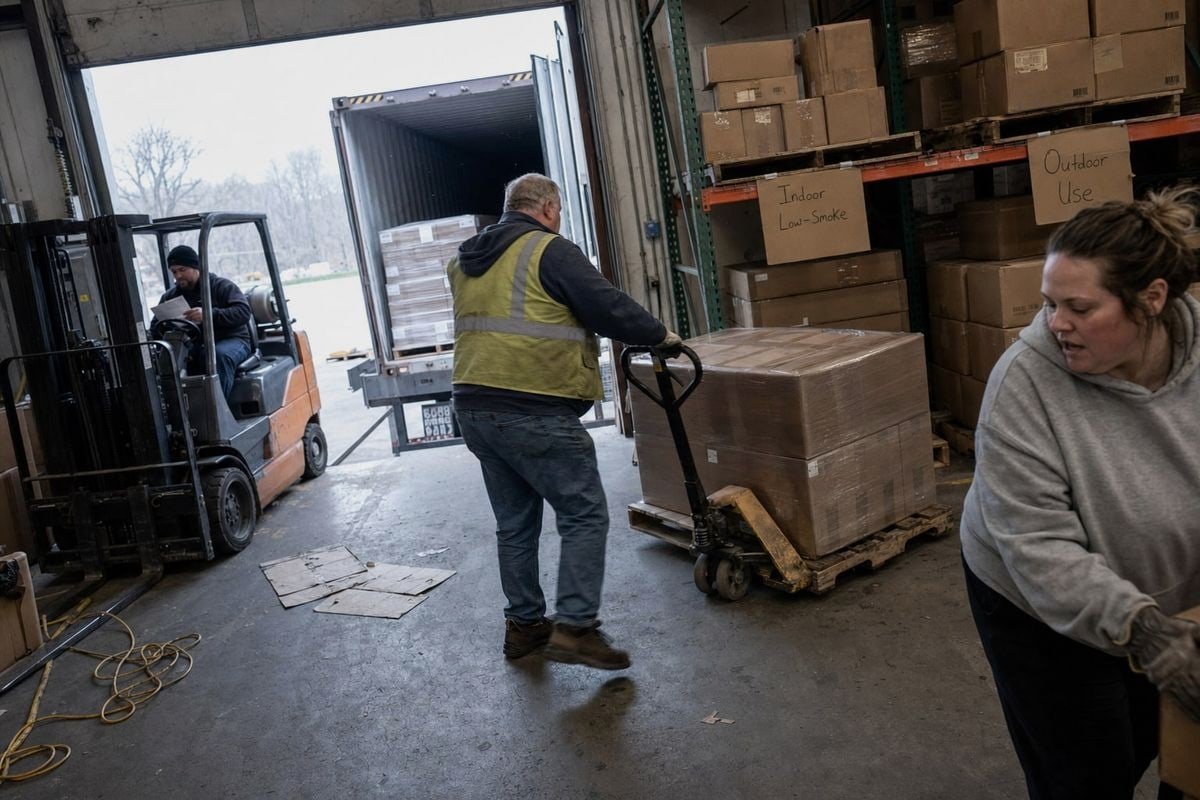
Speed of adaptation is where suppliers separate. Here is the process we recommend, based on how our fastest-moving buyers operate:
A Five-Step Adaptation Loop
- Share the trigger early. Send your manufacturer the regulation text or air quality alert pattern as soon as you see it. We can only adapt to what we know about.
- Request adjusted samples fast. A capable factory should turn around modified samples — different wax ratio, burn time, or size — in weeks, not months. Our production depth means the first sample reliably matches mass production, which cuts your validation time.
- Adapt packaging and claims. Update warning labels, add "low-smoke" or "indoor-safe" callouts where substantiated, and adjust barcodes and box formats for the new channel. Full private-label support makes this a single conversation instead of three vendors.
- Run a flexible trial order. Use a smaller MOQ to test the ban-affected region before scaling.
- Review sell-through quarterly. Regulations and weather shift each season. A standing review keeps your mix current instead of reactive.
What to Look for in an Adaptable Partner
Cheap suppliers optimize for one long run of one SKU. Adaptable partners run complete production lines, hold certifications ready, and answer in clear English within a business day. When a temporary burn restriction hits your market mid-season, that responsiveness is the difference between pivoting your assortment and eating dead stock. Ask about changeover time for formats and packaging before you sign — not after the ban announcement lands.
Also discuss logistics. Splitting one container across two regional assortments, or staging shipments around your peak season, can matter as much as the product itself. We optimize routing for buyers in the US, Europe, and Australia for exactly this reason.
Conclusão
Wood-burning bans re-route demand rather than kill it. Buyers who diversify compliant SKUs, verify certifications, and partner with an adaptable factory turn regulation into shelf-space opportunity.
Notas de rodapé
1. Wikipedia entry providing a technical definition and common uses for wood wool in industrial applications. ↩︎
2. Authoritative government source explaining the regulations and restrictions within designated smoke control areas. ↩︎
3. WHO fact sheet providing technical context on particulate matter and its impact on air quality standards. ↩︎
4. Updated to the current live EPA Burn Wise page for selecting certified wood-burning appliances. ↩︎
5. Replaced 403-restricted official link with an accessible, authoritative Wikipedia overview of the standard. ↩︎
6. Industry-leading testing laboratory site explaining the importance of third-party verification for consumer goods compliance. ↩︎



 English
  Spanish
  German
  French
  Arabic
  Portuguese
Participe da conversa