
Every season, our production team fields the same concern from distributors: customers love [wax-coated wood shavings fire starters](https://sunrichfire.com/wax-based-vs-compressed-wood-shaving-fire-starters-better/), but nobody loves paraffin wax 1 residue on their fingers.
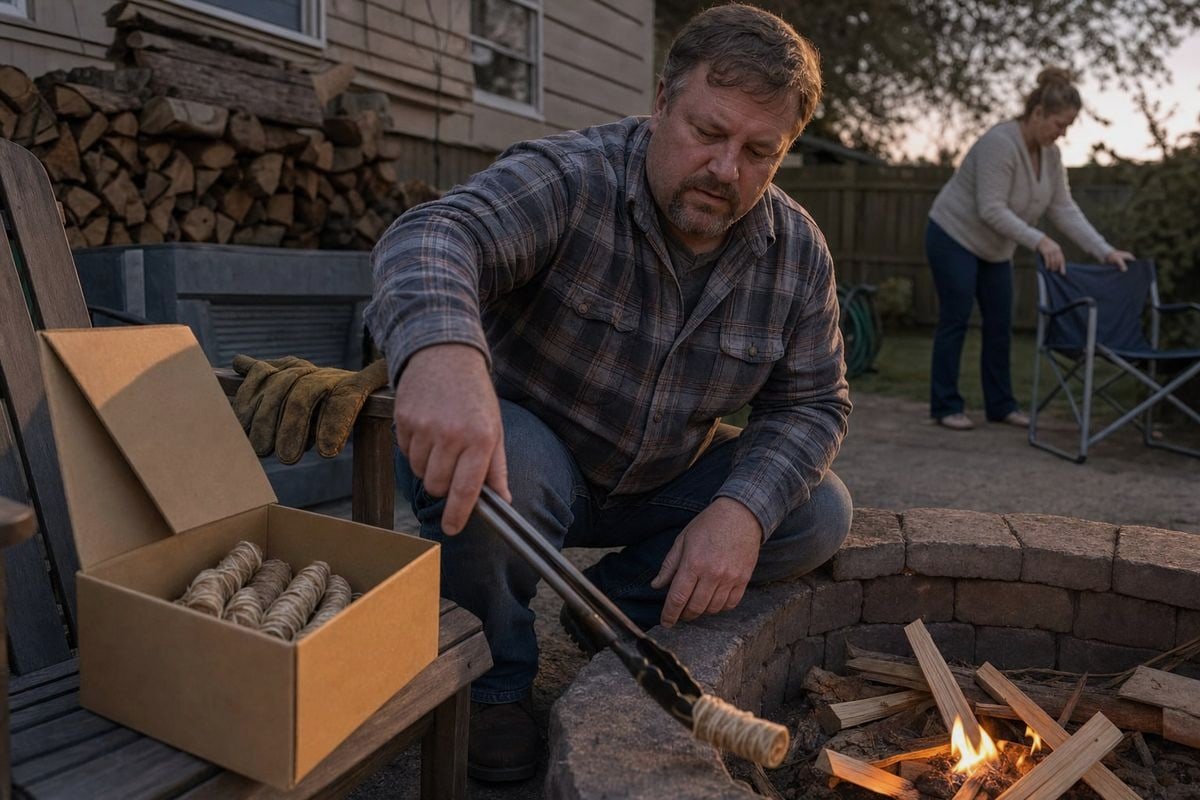
Handle wood fire starters cleanly by choosing dry-exterior designs like wood wool cubes or paper-tabbed starters, using fireplace tongs or heat-resistant gloves during placement, and storing starters in cool conditions so wax stays brittle and non-transferable until ignition.
The mess is not inevitable. It comes down to product design, packaging choices, and a few handling habits. Below, I walk through exactly how we solve this for our B2B partners and their end users.
What packaging options can keep my customers' hands clean when using your wood fire starters?
A buyer from a major US outdoor retailer once told me his top return complaint was not performance — it was greasy fingers after pulling fire starter cubes from the bag.
Individual wax-paper wraps, compartmented trays, and twist-sealed pouches are the most effective packaging options for keeping hands clean, because they create a combustible barrier between the user's skin and the waxy or oily starter surface.
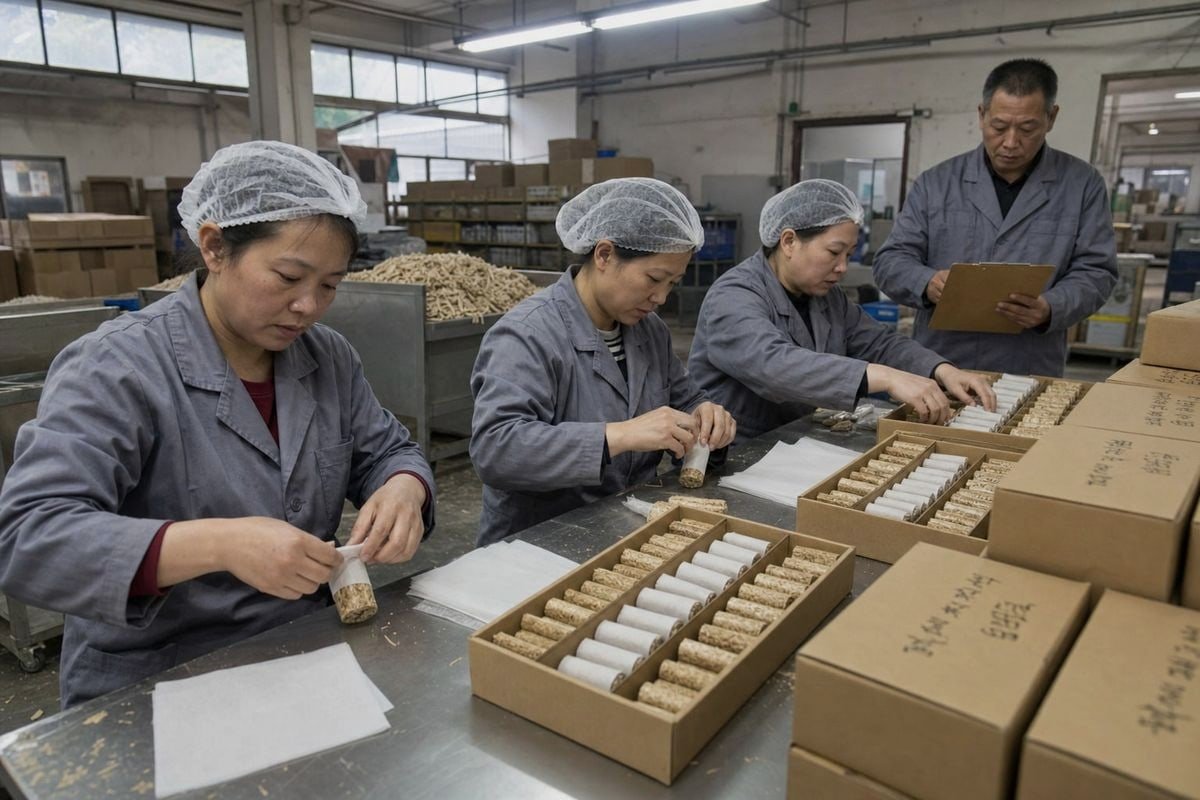
That conversation changed how we approach packaging on our Ningbo production line. The core issue is simple: when a wax-dipped wood roll sits loose inside a poly bag, body heat from a customer's hand softens the paraffin coating. The wax transfers instantly. The same applies to oil-based starters that lack an absorbent outer layer. Packaging is the first and easiest line of defense.
Single-Wrap vs. Bulk-Pack Formats
We offer several packaging tiers depending on the buyer's price point and brand positioning. Here is how they compare for mess prevention:
| Packaging Format | Mess Prevention | Cost Impact | Best For |
|---|---|---|---|
| Individual wax-paper twist wrap | Excellent — paper burns away, hands stay dry | Moderate increase | Premium retail, gift sets |
| Compartmented cardboard tray | Very good — each starter sits in its own cell | Low increase | Big-box shelf display |
| Loose in poly bag | Poor — starters touch each other and melt slightly | Lowest cost | Bulk / wholesale only |
| Resealable kraft pouch with inner liner | Good — liner reduces contact | Moderate increase | E-commerce, subscription boxes |
| Blister card (single starter) | Excellent — sealed until use | Highest cost | Impulse-buy / checkout display |
The "Tea-Bag" Tail Approach
One design we developed attaches a six-inch tail of untreated jute twine 2 to each starter. The user lifts, carries, and places the starter by the twine — like lowering a tea bag into a cup. No finger contact with the wax surface at all. This small addition costs very little but eliminates the stickiness complaint entirely. It also doubles as a remote-ignition wick: light the tail end, and the flame travels down to the starter without needing a long match or lighter.
Cold-Storage Guidance on Packaging
We also print a short storage note on retail boxes: "Store in a cool, dry place." Paraffin wax stays brittle below about 20 °C. When it is brittle, it does not transfer. When a retailer stocks the product near a heat source — a fireplace display, for instance — the wax softens and creates sticky residue removal headaches. A simple shelf-placement guideline solves most complaints before they happen.
Can I request a mess-free coating or wrap design for private-label wood fire starters?
During a recent ODM project for a German fireplace brand, the product manager asked us to engineer a starter that could sit on a living-room mantel without leaving an oily ring on the wood.
Yes — our OEM/ODM service includes custom dry-touch coatings, partial-dip designs that leave a clean grip zone, and branded combustible wraps, all tailored to your private-label specifications and tested across our full production run.

This is where our 17 years of manufacturing depth really matter. Achieving a mess-free exterior is not just about dipping less wax — it is about controlling the dip temperature, the cooling speed, and the fiber density of the wood wool 3 base. Here is what we can customize.
Partial-Dip Design
Instead of submerging the entire starter, we dip only 60–70 % of the cylinder. The untreated end becomes a built-in clean handle. The user grips the dry wood wool, places the starter wax-side-down, and lights it. This is the simplest and most cost-effective mess-free modification.
Dry-Touch Overcoat
For brands that want full wax coverage for maximum burn time but still need a clean exterior, we apply a light dusting of natural powder — similar to how tumbleweed starters use a dry fiber shell. The result is a starter that feels dry to the touch but ignites just as quickly. We test every batch to confirm the coating does not interfere with ignition speed.
Custom Wrap Options
| Wrap Material | Burns Cleanly | Printable for Branding | Adds Burn Time | Keeps Hands Clean |
|---|---|---|---|---|
| Kraft paper band | Yes | Yes — up to 4-color | No | Yes |
| Wax-paper sleeve | Yes | Limited — 1-color | Slightly | Yes |
| Cotton mesh net | Yes | No | No | Yes |
| Corn-starch film | Yes | Yes — up to 2-color | No | Yes |
All four wrap options pass our SGS and Intertek testing 4 for safe combustion — no toxic fumes, no residue in the ash. We handle the artwork, dieline, and print production in-house, so the wrap carries your brand, your barcode, and your safety warnings.
Why Material Choice Matters More Than You Think
Many buyers assume that fatwood resin 5 starters are inherently messy. They are not — if the resin content and surface treatment are right. Natural resin can be buffed to a semi-dry finish that lights easily but does not coat fingers. The same principle applies to petroleum-based coatings: the key is full curing. On our line, every wax-dipped starter passes through a cooling tunnel before packaging. Rushed cooling is the single biggest cause of sticky products in this category.
How do I train retail buyers to handle wax-dipped firestarters without residue on their hands?
Last quarter, a Canadian distributor shared feedback from three big-box locations: staff were stacking our fire starter cubes barehanded during restocking and then complaining about paraffin wax residue on merchandise they touched next.
Train retail staff to use disposable nitrile gloves or silicone finger cots during restocking, store cartons away from heat sources, and direct end users to grip the dry end or use fireplace tongs — a simple one-page handling guide included in each case solves most complaints.
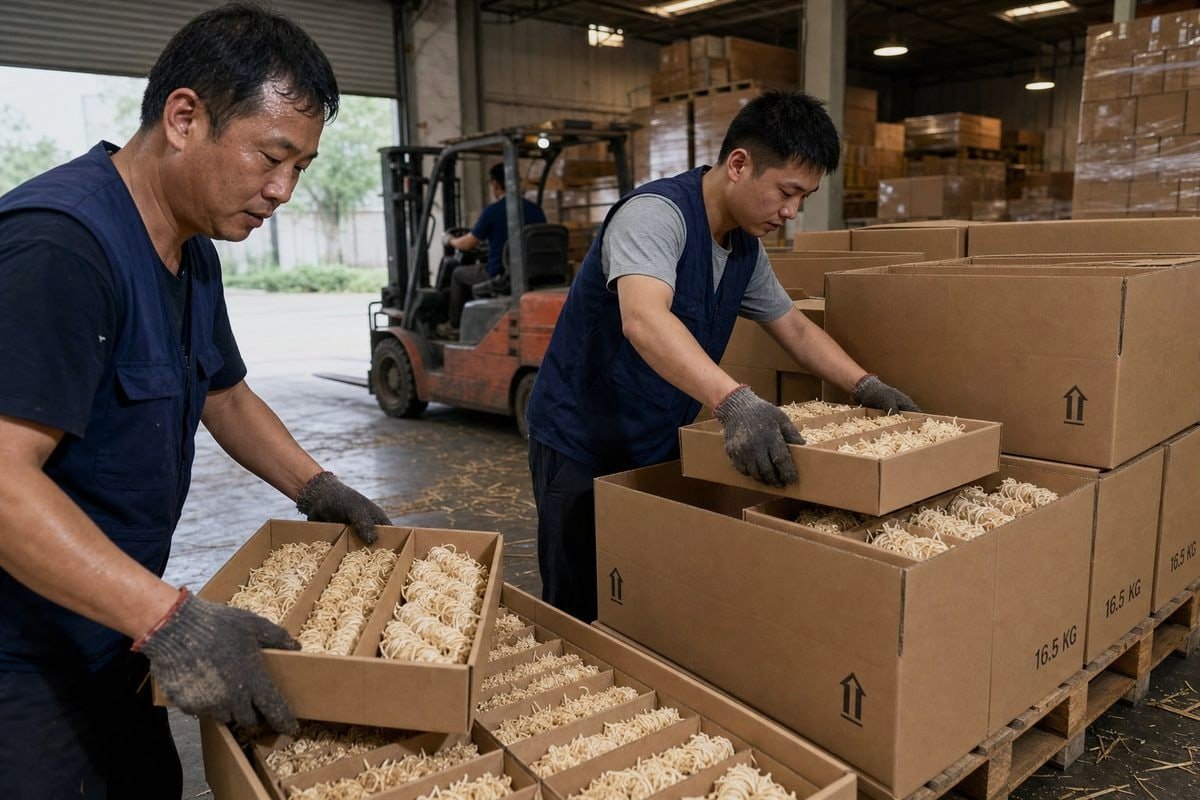
The issue is not the product. It is the gap between how a starter is designed to be used and how store employees actually handle it. We bridge that gap with practical training materials shipped inside every wholesale case. Here is the framework.
The One-Page Handling Guide
We include a laminated card in each master carton. It covers three audiences:
- Warehouse staff — Keep cases on pallets, climate-controlled if possible. Do not stack near loading-dock heaters.
- Shelf-stocking crew — Wear nitrile gloves 6 or use the cardboard tray insert to slide product onto shelves. Never handle starters with bare hands during warm months.
- End consumers — Use the printed on-box instructions: grip the dry end, place with fireplace tongs, and wash hands with degreasing hand soap 7 if contact occurs.
Common Handling Mistakes and Fixes
| Mistake | Why It Causes Mess | Fix |
|---|---|---|
| Squeezing the starter tightly | Body heat melts surface wax | Light pinch grip or use tongs from a fireplace tool set |
| Storing near radiant heat display | Wax softens above 25 °C | Relocate to ambient-temperature aisle |
| Stacking starters without dividers | Wax surfaces fuse together | Use compartmented trays or wax-paper separators |
| Touching face or merchandise after handling | Transfers invisible wax film | Gloves or immediate handwash with warm water and dish soap |
| Ignoring the dry-grip end | Full surface contact | Train staff to orient product dry-end-up on shelf |
Sticky Residue Removal for End Users
Even with the best design, some wax will occasionally get on hands. We recommend buyers print this quick tip on the box or insert card: rub a small amount of cooking oil over the waxy skin, then wash with warm water and degreasing hand soap. The oil dissolves the paraffin far faster than soap alone. It takes about ten seconds.
Why This Matters for Brand Reputation
Retailers judge a product by the problems it creates on the sales floor, not just by how well it performs in a fireplace. A single sticky-shelf complaint can get a SKU delisted. By providing the training card and recommending heat-resistant gloves for restocking, we help our partners protect their shelf placement and their brand image.
What materials do you use to reduce oil and wax transfer during shipping and handling?
One lesson we learned early — shipping a container of wax-coated wood shavings across the Pacific in summer without the right inner packaging is a recipe for a fused, sticky block of product arriving at the port.
We use food-grade wax-paper interleaves, corrugated cell dividers, and silicone-release liners inside each case to prevent starter-to-starter contact, and we specify climate-controlled container loading during warm-season shipments to keep wax below its softening point.
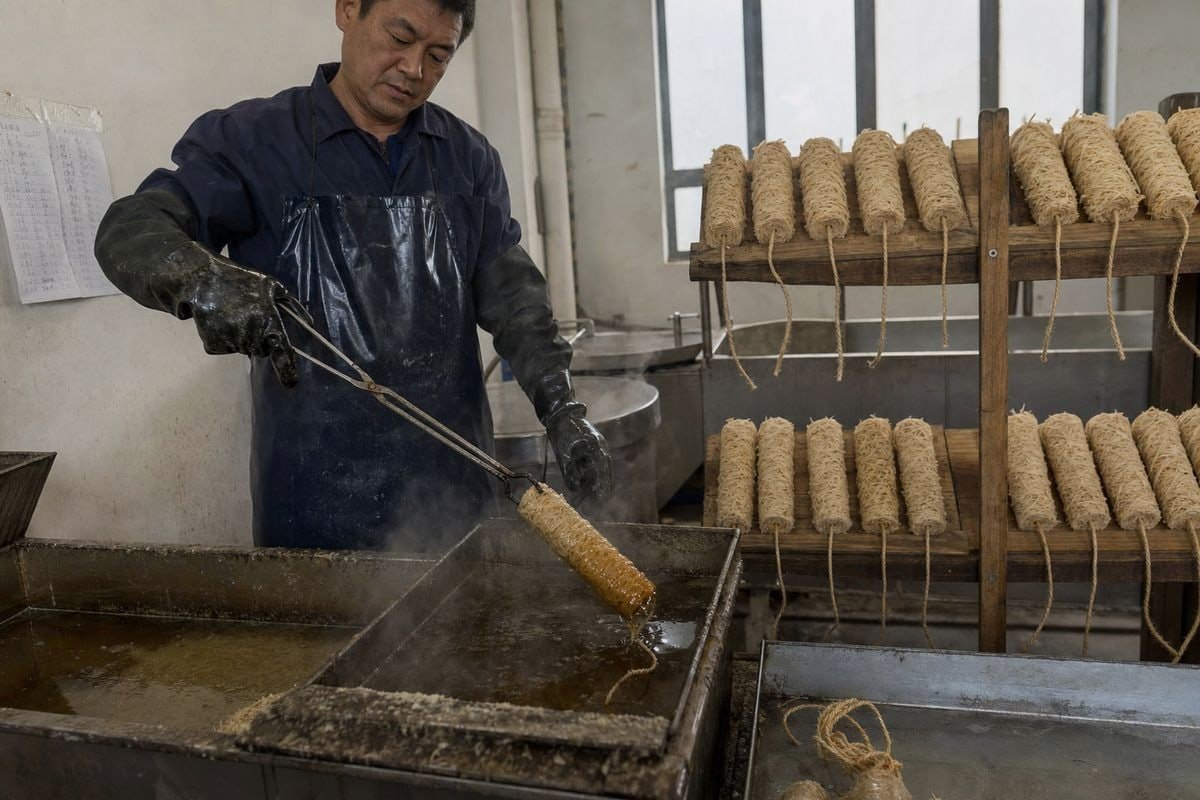
Material selection during production and packing is where the real prevention happens. Our quality-control team in Ningbo runs a simple heat-exposure test on every new packaging configuration before we approve it for export. We place a sealed case in a 40 °C chamber for 48 hours, then open it and check for wax migration. If any starter sticks to its neighbor or to the carton wall, we redesign the inner packaging.
Inner Packaging Materials We Use
- Wax-paper interleaves — Thin sheets placed between each layer of starters. They stop surface-to-surface wax bonding and peel away cleanly.
- Corrugated cell dividers — Egg-crate-style grids that keep each starter in its own pocket. Ideal for cylindrical rolls.
- Silicone-release liner — A coated paper that lines the bottom and top of each case. Wax does not adhere to silicone, so the first and last layers stay clean.
- Kraft paper dust layer — A light dusting of unbleached kraft fiber applied to the exterior of each starter before packing. It absorbs surface oil and creates a dry-touch feel similar to how flour prevents dough from sticking.
How We Minimize Wax Transfer at the Production Stage
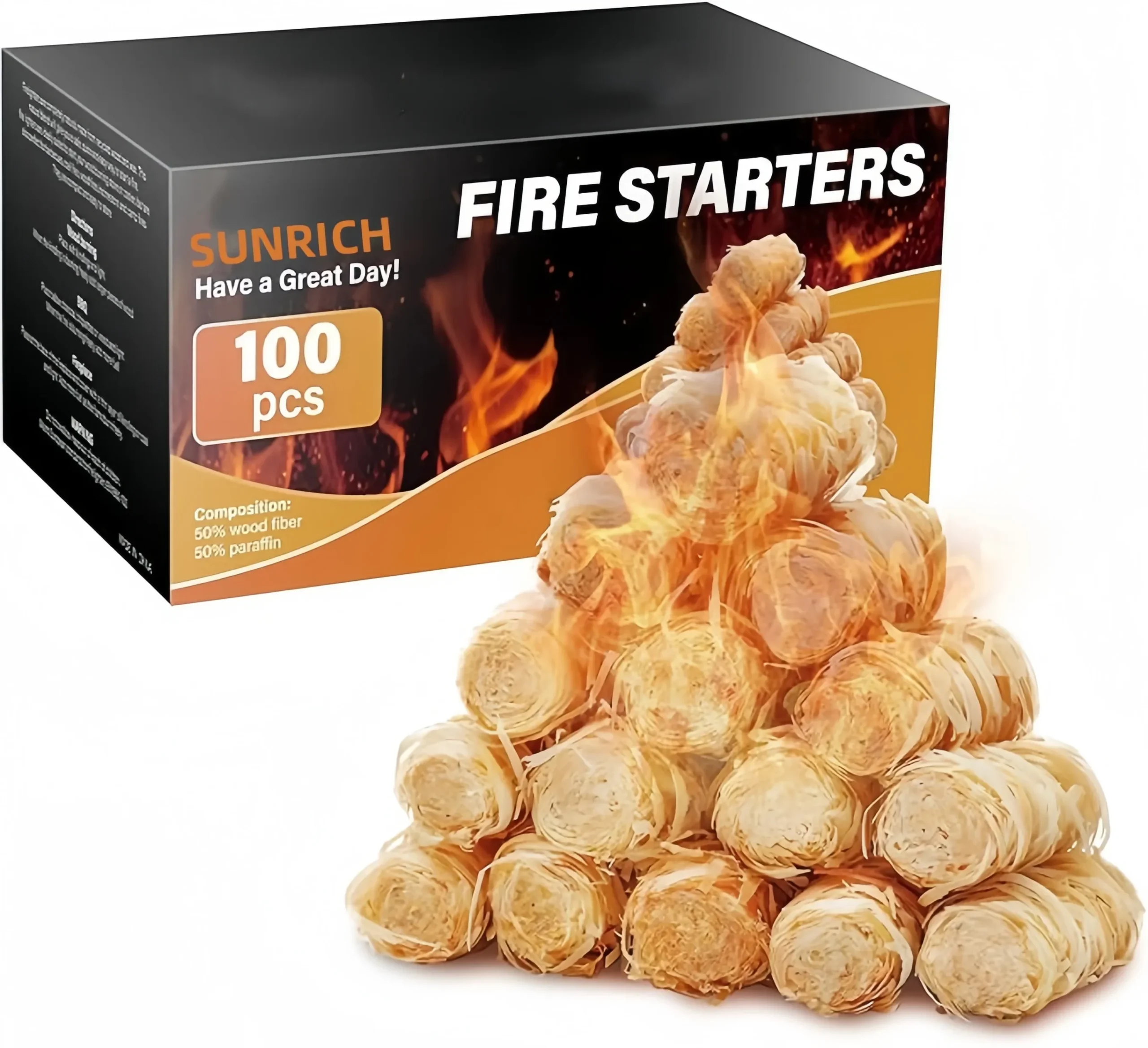
The composition of our standard fire starter cubes — 50 % wood fiber and 50 % paraffin — is optimized for clean handling as well as burn performance. We control the paraffin blend to favor higher-melting-point waxes. A higher melt point 8 means the surface stays solid at normal room temperatures and even during warm shipping conditions. Lower-grade paraffin with a melt point below 50 °C is cheaper, but it creates exactly the sticky-hands problem buyers complain about.
We also calibrate dip time on our production line. A starter that sits in the wax bath too long absorbs excess paraffin that later migrates to the surface. Our standard dip cycle is timed to saturate the wood fiber core without overloading the exterior. This is one of those details that separates a factory with real process control from a trading company reselling someone else's output.
Shipping Season Considerations
For orders shipping between May and September to warm-climate destinations — the US Southwest, the Middle East, Brazil — we recommend refrigerated or ventilated containers. The incremental freight cost is far less than the cost of a rejected shipment. We flag this during order confirmation so buyers can make an informed logistics decision.
Conclusion
Clean handling of wood fire starters comes down to smart product design, proper packaging, staff training, and controlled shipping — all areas where our factory partners with you from sample to shelf.
`
Footnotes
1. Explains the wax's chemical properties and melting behavior relevant to residue transfer. ↩︎
2. Comprehensive resource covering the properties, cultivation, and industrial uses of jute fiber. ↩︎
3. Background on the wood wool material used as the fire starter base. ↩︎
4. Links to the official testing authority validating safe combustion claims mentioned. ↩︎
5. Provides context on fatwood's natural resin content mentioned as a material option. ↩︎
6. CDC guidance on skin protection supports glove recommendation for warehouse handling. ↩︎
7. CDC handwashing guidance supports the recommended residue-removal soap technique. ↩︎
8. ASTM sets standard test methods for measuring wax melt point in materials. ↩︎



 English
 Spanish
 German
 French
 Arabic
 Portuguese
Join the Conversation