






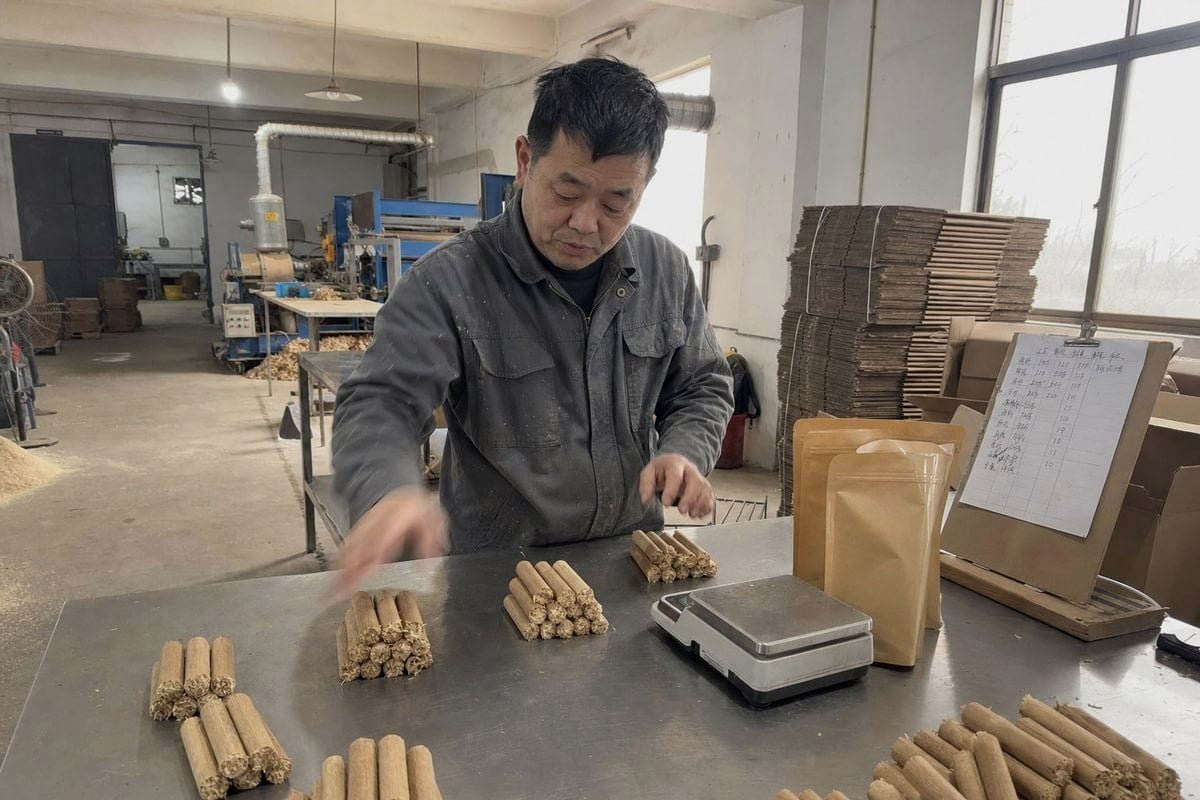
Getting quantity per pack and weight limit wrong on backpacker wood fire starters kills product lines fast. I've watched buyers on our production line learn this lesson the expensive way.
For backpacker wood fire starters, pack 4–8 units per pouch, keep each starter at 0.2–0.5 oz, and cap total pack weight at 2–4 oz. This gives one fire per day plus a backup, without hurting a hiker's base weight optimization.
That answer is the short version. Below, I break down how to reach those numbers for your own product, step by step, using real production and market data.
How many wood fire starters should I include in each pack for backpacker convenience?
During a packaging trial at our Ningbo facility a few years back, a German outdoor brand asked us to cut a 24-count box down to a 6-count pouch. Sales tripled.
Include 4 to 8 wood fire starters per pack for backpackers. This covers one fire per day on a weekend trip, plus a 50% safety buffer for damp conditions. Larger counts of 20 or more suit home fireplace users, not trail carry.

The retail market is confusing here, and your buyers know it. Some products sell by unit count. Some sell by total weight. Some even say the count "may vary" because bags are filled by weight, not by piece. A backpacker standing in a store cannot easily convert a 2-pound bag of fatwood sticks into "how many trips does this cover?" That confusion is your opportunity. A clearly labeled count-based pack wins the shelf.
Match pack count to trip length
Think in fires, not pieces. A solo overnight trip needs one evening fire, maybe a morning fire. A weekend trip needs two to four. Then add the safety buffer. In wet regions, backpackers often double their supply — the "wet wood factor" is real, and experienced hikers plan for it.
| Trip Type | Fires Needed | Recommended Pack Count |
|---|---|---|
| Solo overnight | 1–2 | 3–4 starters |
| Weekend (2 nights) | 2–4 | 5–6 starters |
| Multi-day (3–5 nights) | 4–6 | 8 starters |
| Shoulder season / wet climate | Double the above | 8–12 starters |
Why smaller counts sell better on trail shelves
When we develop OEM pouches for camping brands, we push clients toward the 4–8 range for one reason: it maps to a single purchase decision. A hiker buys one pouch per trip. A 100-piece box, like the bulk formats we also produce for fireplace distributors, forces the hiker to repack — and repacking means your branded packaging goes in the trash. Keep the count small, keep your brand in the backpack.
What weight limit works best for backpacker fire starters without adding excess pack weight?
One trade-off we weigh constantly on our wax-dipped wood roll 1 line: a heavier starter burns longer, but every extra gram fights against what ultralight hikers will tolerate.
Keep each wood fire starter between 0.2 and 0.5 ounces, and keep the total pack under 4 ounces. Serious ultralight backpacking gear users treat anything above 4 oz for fire-starting as excess, since a full emergency fire kit should stay under 6 oz.

There is no regulation setting a "weight limit" for fire starters. The limit is set by the customer's tolerance, and that tolerance is brutal. Ultralight hikers count grams. Base weight optimization 2 is a culture, not a preference. If your pouch weighs 8 ounces, it will lose to a competitor's 2-ounce pouch every time, even at a higher price per unit.
Think in ounces per fire, not ounces per pack
The most useful metric is weight per fire. Divide total pack weight by the number of fires it supports. Commercial backpacking pouches on the market hit roughly 0.4–0.5 oz per fire. DIY options like wood-shaving bon-bons can go as low as 0.1 oz, but they burn briefly. Your product needs to land in the middle: light enough to compete, heavy enough to perform.
| Format | Total Weight | Fires Supported | Weight Per Fire |
|---|---|---|---|
| Compact backpacking pouch | 1.75 oz | 4 | ~0.44 oz |
| Wax-dipped wood roll (our standard) | 2.4 oz | 6 | 0.4 oz |
| DIY dryer lint egg | 1 oz | 1 | 1.0 oz |
| Bulk fatwood bag | 32 oz | 40+ | 0.8 oz |
Packaging tare matters too
Heavy retail boxes get stripped off and thrown away at the trailhead. Hikers repack into Mylar or silicone bags to cut kit weight. So we design moisture-proof packaging that is light enough to carry as-is — a sealed kraft or foil pouch under 0.3 oz. When the packaging itself is trail-ready, your brand stays with the customer for the whole trip.
How do I balance burn time and quantity per pack to meet backpacker expectations?
A UK distributor once returned a trial batch to us — not for quality, but because the starters burned "too long" at 18 minutes. Backpackers, he said, wanted lighter units, not longer flames.
Target an average burn time of 8 to 12 minutes per starter, then size the pack at 4–8 units. A starter burning under 4 minutes rarely transfers enough heat to damp kindling, so never trade burn time below 6 minutes for extra count.
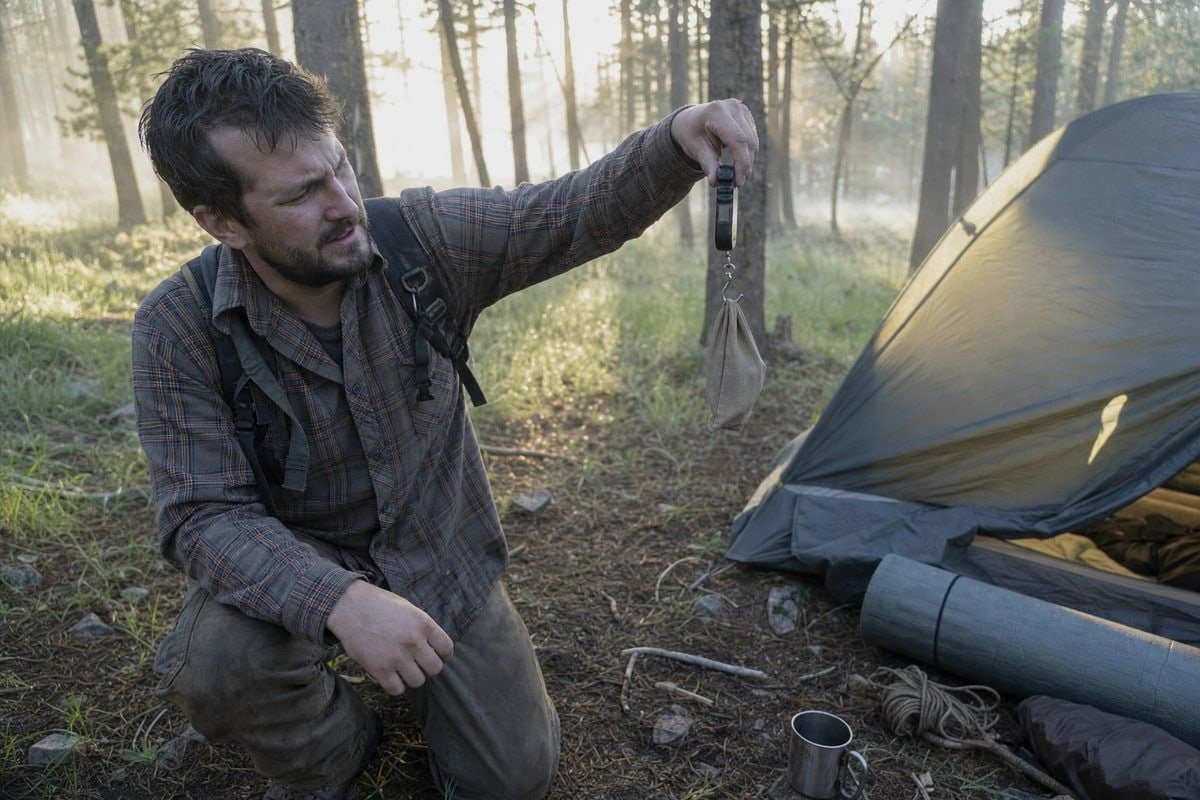
Quantity and burn time pull against each other. For a fixed pack weight, more units means smaller units, and smaller units burn out faster. The market data makes the tension clear. Some starters burn around 10 minutes. Premium eco options advertise 15+ minutes. Tested DIY options range from 2.5 to 7 minutes. Reviewers use a 6–8 minute minimum as the benchmark, because anything that dies under 4 minutes may fail to ignite the main fuel — especially wet fuel.
Use a burn-to-weight ratio as your design target
A practical rule from long-distance hikers: aim for at least two minutes of burn time per gram of starter weight. On our wood firestarter line, we tune this by adjusting the wax-to-wood ratio. Our standard blend is roughly half wood fiber, half paraffin 3. More wax extends burn time but adds weight; more wood fiber lightens the unit but shortens the flame. We run burn tests on every batch so the ratio stays consistent — a starter that burns 10 minutes in your sample must burn 10 minutes in container number twenty.
Where quantity beats burn time — and where it doesn't
In dry summer conditions, a hiker can succeed with a 5-minute starter. In a temperate rainforest or at altitude, where wood ignites slowly and burns less efficiently, a long single burn beats three short ones. Advise your retail buyers accordingly: position 8–12 minute starters as the all-conditions default, and offer 15+ minute versions for wet-climate and shoulder-season markets. A smaller pack of strong starters outperforms a bigger pack of weak ones, and your customers will feel that difference on their second trip.
What packaging formats help me stay compliant while meeting weight and quantity specs for backpacker markets?
Compliance questions come up in nearly every buyer call we take — usually before price. Our BSCI and ISO 9001 4 audits exist precisely because US and EU importers cannot risk non-compliant fire goods.
Use sealed, moisture-proof pouches of 4–8 starters, printed with count, unit weight, total weight, burn time, and required warning labels. Pair CE marking and SGS or Intertek test reports with barcodes and country-specific safety text to clear US and EU retail requirements.
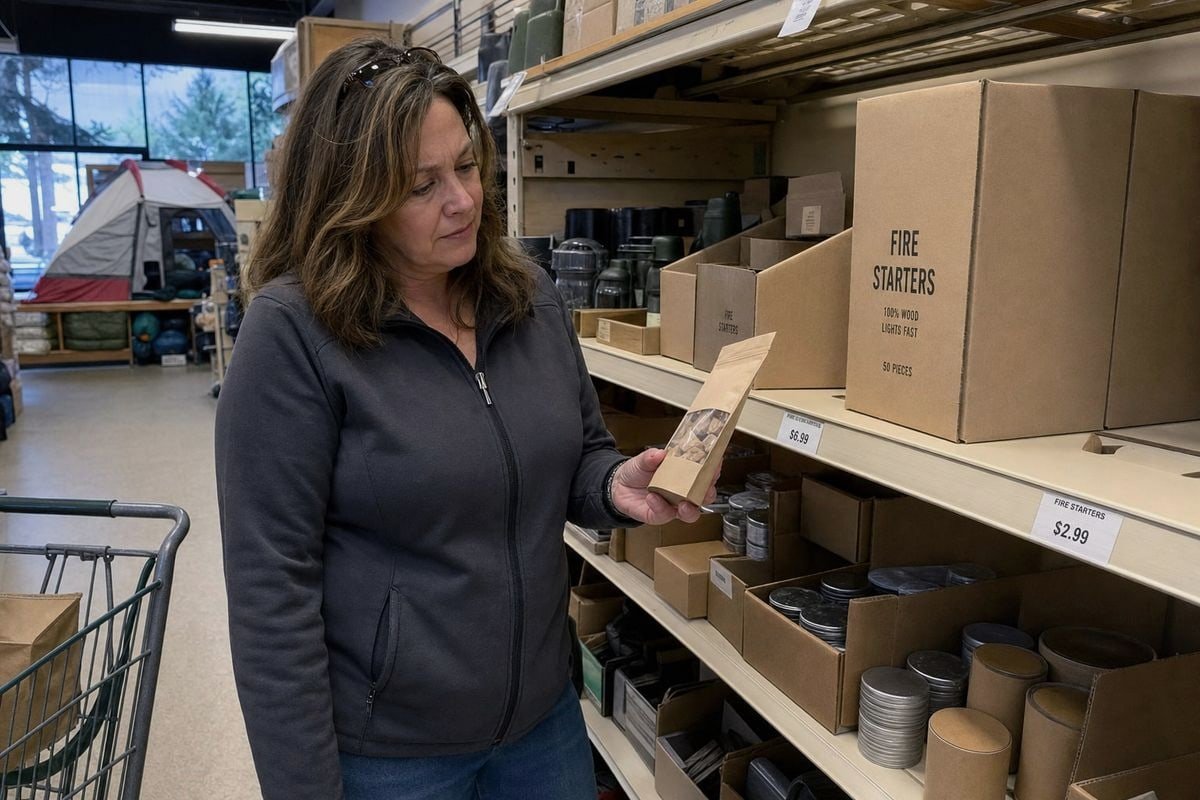
Packaging for backpacker fire starters has to do three jobs at once. It must protect the product, satisfy regulators, and stay light enough that hikers carry it as-is. Miss any one of the three and the product fails at retail or on the trail.
The label information hierarchy
Backpackers read labels in a predictable order: total weight first, then count, then burn time, then material and waterproofing. Structure your front panel the same way. Our OEM clients who lead with "2.4 oz — 6 starters — 10 min burn each" consistently outperform vague "value pack" messaging. Behind that front panel, the back panel carries the compliance load: composition, warnings, batch codes, and origin.
| Packaging Element | Purpose | Backpacker Benefit |
|---|---|---|
| Resealable foil or kraft pouch | Moisture-proof packaging, keeps wax-dipped rolls dry | Works as waterproof tinder storage on trail |
| Printed count + unit weight | Compliance and transparency | Instant trip planning math |
| Warning labels + barcodes | US/EU retail requirements | Retail-ready, no relabeling |
| Natural fiber + wax composition note | Eco-friendly firelighting claim support | Leave-no-trace 5 confidence in protected areas |
Compliance is a spec, not a sticker
Certification has to trace back to the actual product. Our CE marking 6 and SGS/Intertek reports cover the specific wax-and-wood-fiber formulation we ship, so a buyer's customs broker gets matching documents. Because our starters use eco-friendly materials with no harmful chemicals, clients can also make credible zero-trace claims for sensitive alpine watersheds — a growing requirement in European wilderness retail. One more design tip from the survival gear essentials world: package one starter in a separate mini-sleeve inside the pouch. Hikers keep it on their person as an emergency-only unit, paired with a ferro rod striker 7, in case they are ever separated from their pack. It costs pennies and adds a genuine safety story to your listing.
Conclusion
Guessing at specs wastes containers and shelf space. Set 4–8 starters per pack, 0.2–0.5 oz per unit, 8–12 minute burns, and compliant lightweight pouches — then your backpacker line sells itself.
Footnotes
1. Background on fire starter products and materials discussed throughout the article. ↩︎
2. Explains the ultralight hiking philosophy referenced when discussing pack weight tolerance. ↩︎
3. EPA reference relevant to wax composition and environmental safety of fire starter materials. ↩︎
4. Official standard reference for the quality management certification mentioned in compliance section. ↩︎
5. Official National Park Service guide to the seven Leave No Trace principles. ↩︎
6. Background on the European conformity marking required for EU retail compliance. ↩︎
7. Explains the ferrocerium fire-starting tool paired with emergency backup starters. ↩︎



 English
  Spanish
  German
  French
  Arabic
  Portuguese
Join the Conversation