Wood fire starters that fit backpack pockets or cookware sound simple until a container of crushed, leaking product lands at your warehouse CE documentation 1. Our production line learned that lesson years ago.
Choose wood fire starters sized 30–50mm in diameter, wax-dipped for waterproofing, with a 5–10 minute burn time. Confirm crush resistance, low-residue burn, verified safety certifications like CE and SGS testing, and batch-level quality control before importing for backpack or cookware use.
That answer covers the basics. But if you are sourcing for a retail line, the details matter far more. Let me walk you through each decision, step by step.
What size and shape specifications should I request to ensure these firestarters fit standard backpack pockets and cookware sets?
A buyer from Germany once sent us the exact interior dimensions of his brand's most popular camping pot. We built the fire starter spec backward from that number. It worked beautifully.
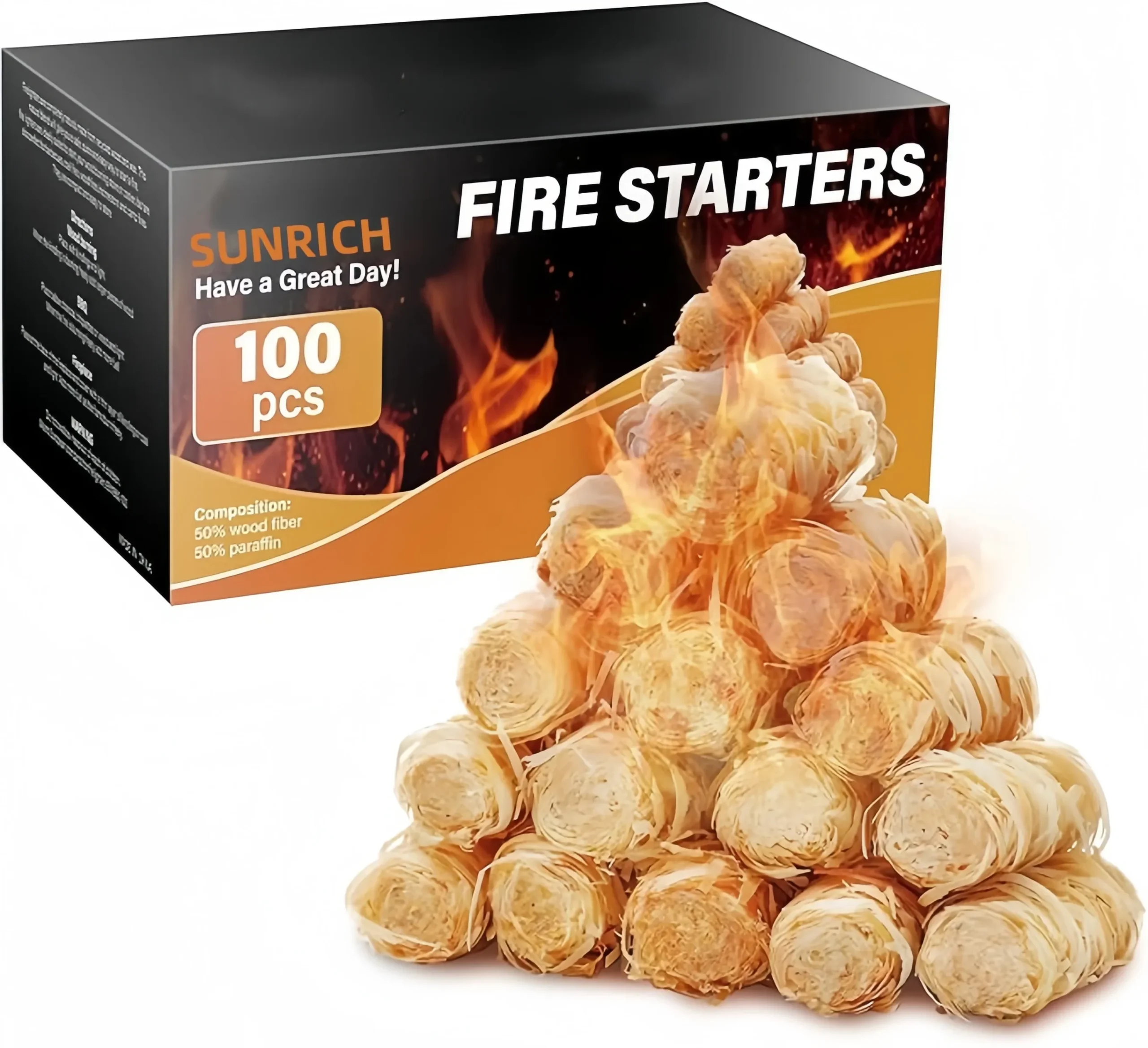
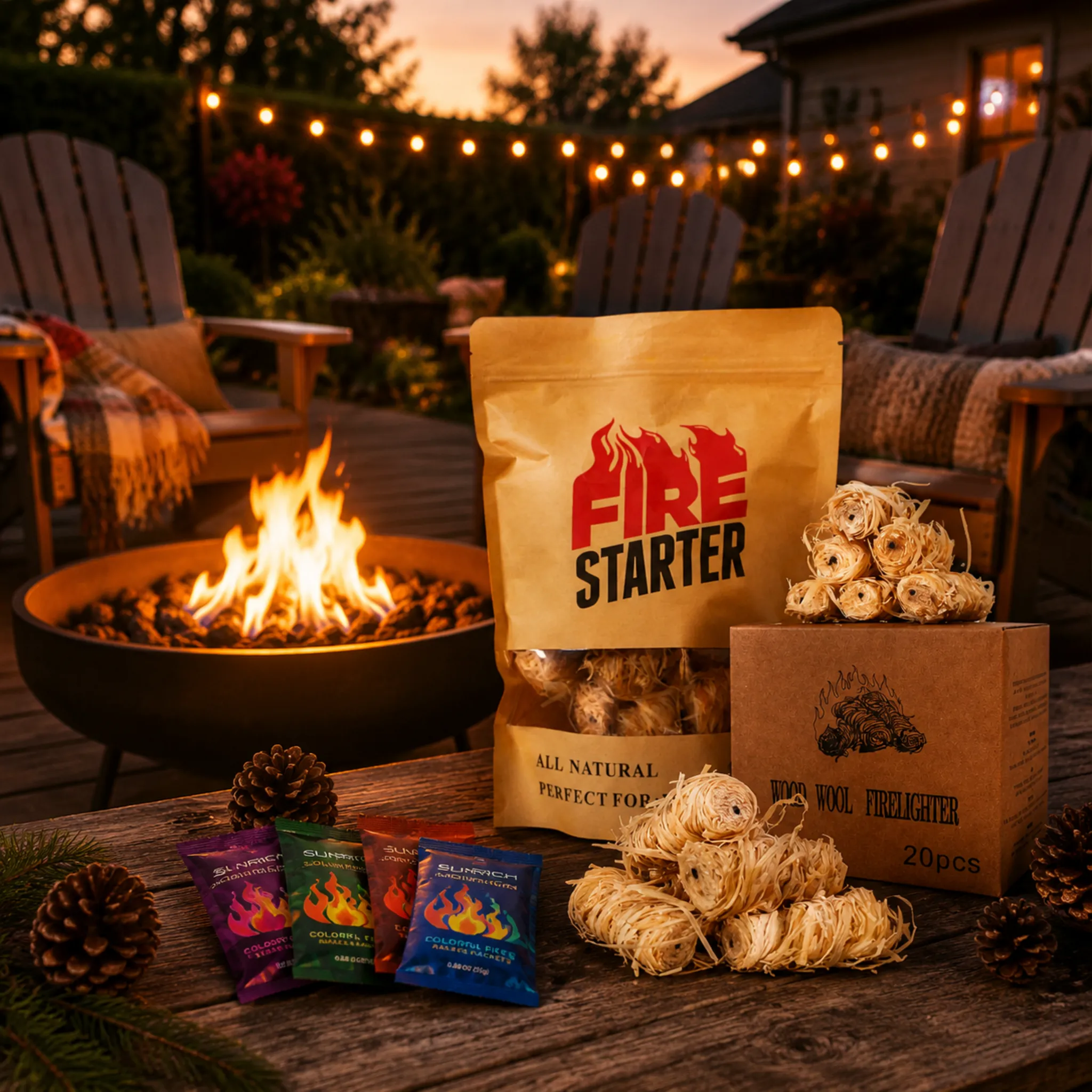
Request cylindrical wood fire starters of 30–50mm diameter and 40–60mm length, under 20 grams each. This size nests inside standard 750ml–1L camping pots, slides into hip-belt pockets, and resists crushing. Flat disc formats around 10–15mm thick suit pot-bottom storage.

Size sounds like the easy part of a spec sheet. In practice, it is where most sourcing mistakes happen. A fire starter that measures perfectly on paper can still fail in the field if the shape, weight, or surface finish is wrong for how it will be carried.
Match the format to the carry method
There are two very different destinations for these products. Backpack pockets demand one set of traits. Cookware nesting demands another. In our experience shipping to outdoor brands across the US and Europe, buyers who separate these two use cases early get far better sell-through.
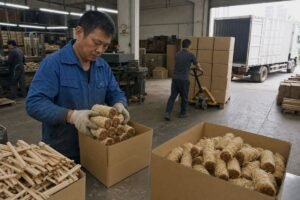
For pocket carry, the starter must survive compression, sweat, and repeated handling. Our wax-dipped wood rolls hold up here because the wax shell acts as both waterproofing and structural protection for the wood wool core. Untreated natural fire tinder, by contrast, sheds fibers and absorbs moisture inside a warm pocket.
For cookware storage, think about dead space. A 750ml titanium pot popular with ultralight backpacking gear 2 users has narrow vertical gaps beside the fuel canister. Slim cylinders or fatwood sticks fit these gaps. Flat wax discs can line the pot bottom, and several of our clients spec them partly because they stop stove rattle during transit on the trail.
Specification checklist to send your supplier
| Specification | Backpack Pocket Use | Cookware Nesting Use |
|---|---|---|
| Diameter | 30–40mm | 25–50mm (match pot interior) |
| Length/thickness | 40–60mm | 10–15mm discs or slim rods |
| Weight per piece | Under 15g | Under 20g |
| Coating | Full wax dip, high-melt-point | Full wax dip, low-odor |
| Edge finish | Rounded, smooth | Smooth, non-abrasive |
| Packaging | Individually sealed or tin-ready | Heat-sealed film |
Two more details we always flag. First, insist on a wax with a melt point well above body temperature. Low-melt paraffin blends can soften in a hip pocket and leave oil stains on technical fabrics. Second, ask for rounded edges. Sharp compressed-wood corners abrade ultralight nylon liners over months of carry, and returns from that damage land on your brand, not the supplier's.
How do I verify a supplier's wood firestarters meet international safety and compliance standards before importing?
Compliance questions are usually the first thing serious buyers ask us — often before price. After 17+ years exporting fire products to 30+ countries, we consider that entirely correct.
Verify compliance by requesting current SGS or Intertek test reports, CE documentation for the EU, ISO 9001 and BSCI audit certificates, and a full material composition disclosure. Cross-check certificate numbers directly with the issuing body, and confirm packaging carries correct warning labels for your market.

Fire products sit in a sensitive import category. Customs officers, retail compliance teams, and liability insurers all scrutinize them. A missing document can strand a container at port or, worse, trigger a retail recall. So verification should be a structured process, not a quick email exchange.
The document set you should demand
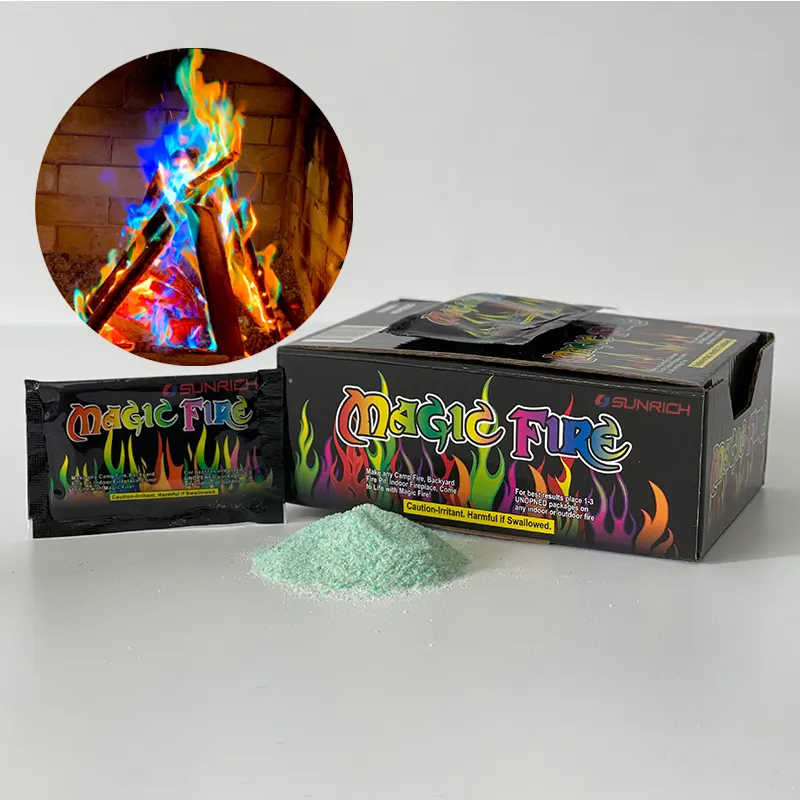
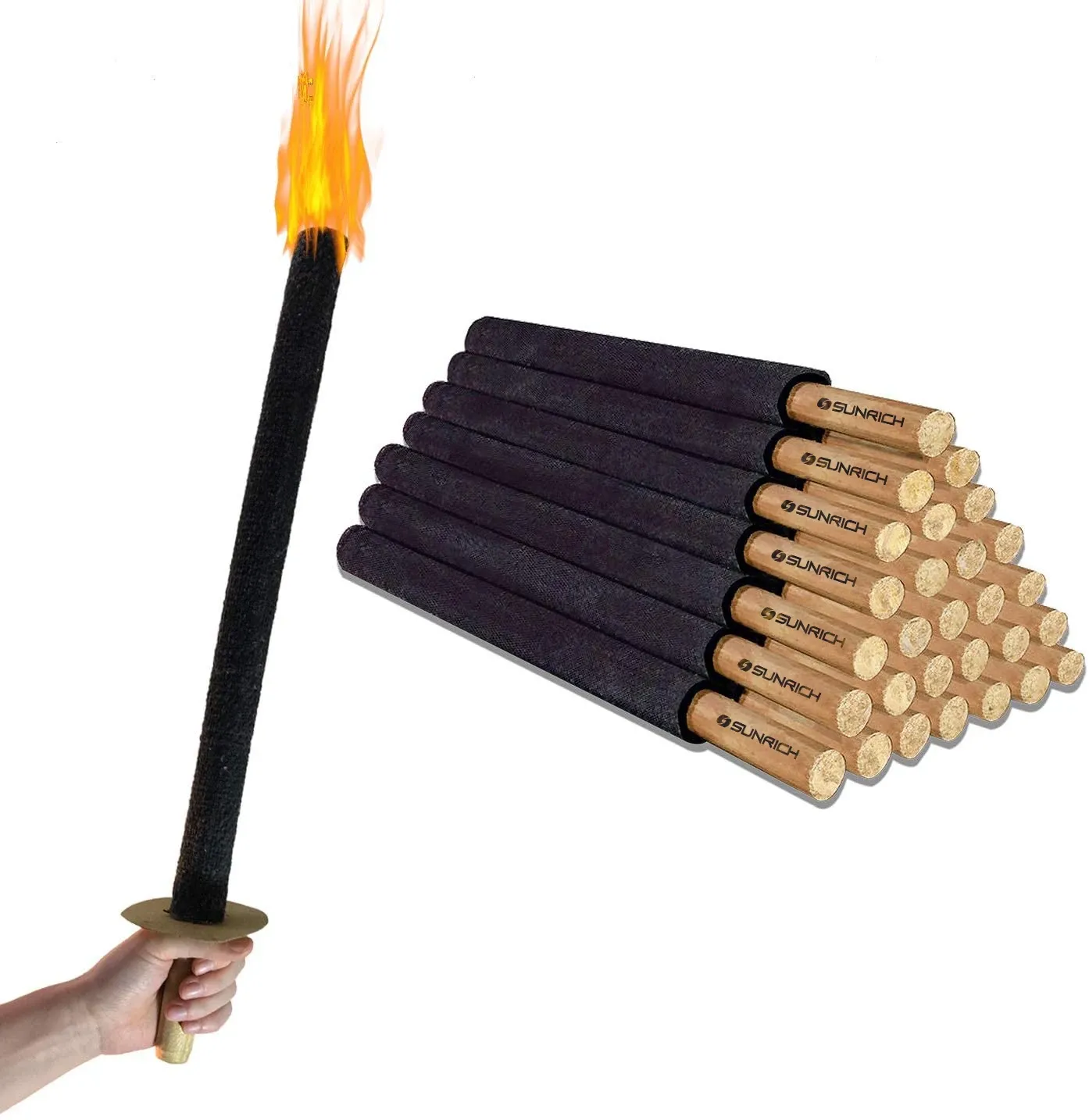
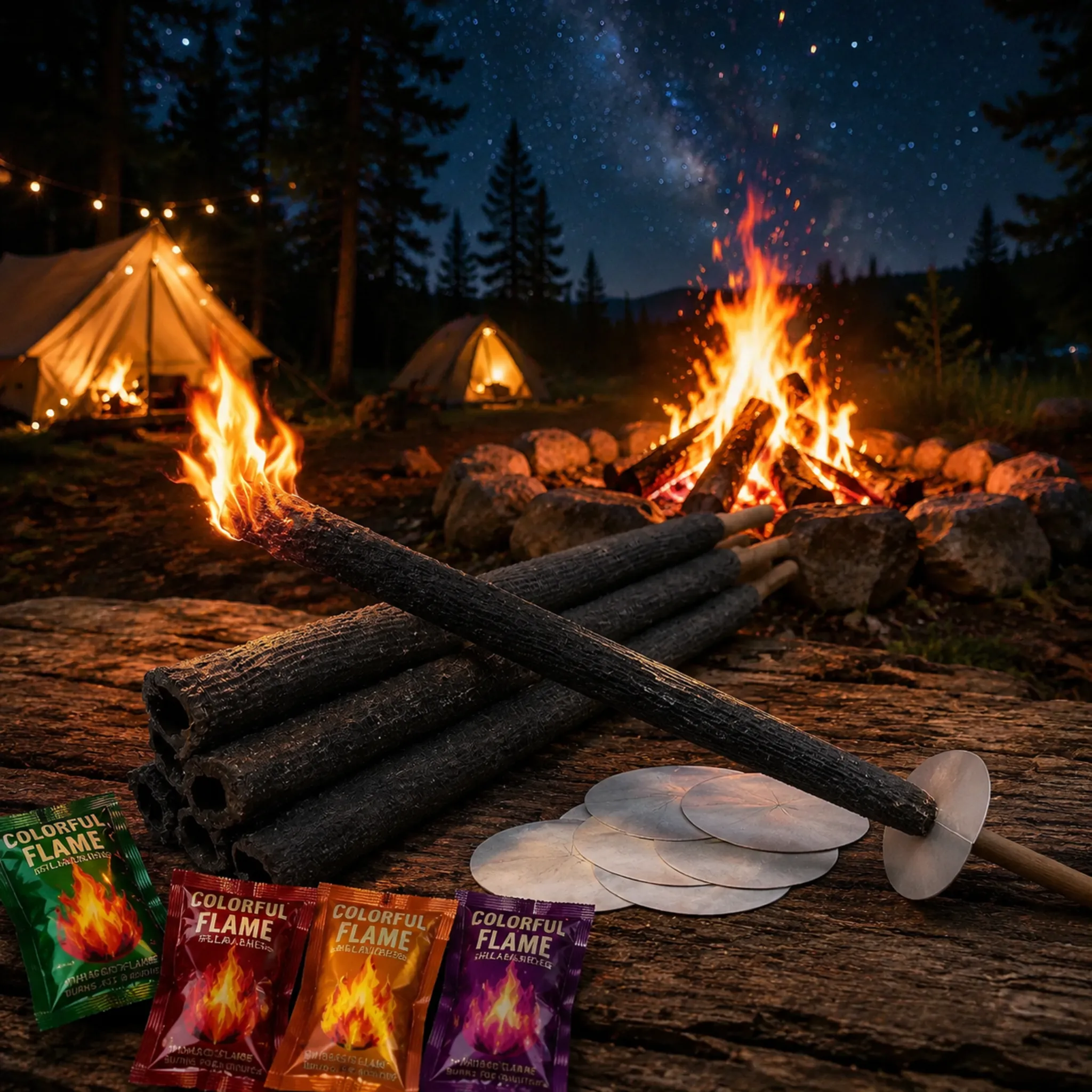
Start with third-party testing. SGS and Intertek reports are the international standard, and any factory serious about export will hold current ones. At our facility, testing is a hard requirement for every product family — Magic Fire packets, wax torches, and wood firestarters alike — because our US and European buyers cannot list products without it. Ask for the actual report, not a summary. Then verify the report number with the lab directly. Forged summaries circulate more than most buyers realize.
Next, look at the factory itself. ISO 9001 3 tells you a documented quality system exists. A BSCI audit 4 tells you the factory meets social compliance standards, which large retail sourcing channels increasingly require. If a supplier holds neither, you are likely dealing with a trading company reselling from an unaudited workshop.
A practical verification sequence
- Request SGS/Intertek test reports and check issue dates are within validity.
- Confirm certificate numbers with the issuing lab or database.
- Request ISO 9001 and BSCI certificates and match the factory name to your contract.
- Ask for full composition disclosure — for example, a 50% wood fiber and 50% paraffin blend must be stated plainly.
- Review packaging artwork for market-correct warning labels and barcodes.
- Order a pre-shipment inspection on your first two orders.
Composition disclosure deserves special attention. Some cheap firestarters use chemical accelerants similar to hexamine fuel tablets 5 to inflate burn performance. Those chemistries carry different transport classifications and odor issues near cookware. Our position has always been eco-friendly wood fiber and wax with no harmful chemicals, and we document it because buyers must prove it downstream.
What quality control steps should I confirm with a manufacturer to ensure every batch performs consistently in outdoor conditions?
Years ago we rejected an entire wax batch because its melt point drifted a few degrees from spec. That decision cost us a week. It also taught us why batch discipline is everything in this product.
Confirm the manufacturer runs incoming material checks on wood fiber and wax, in-process controls for wax saturation and weight tolerance, and per-batch performance tests covering burn time, wet ignition, and wind resistance. Ask for batch records and retained samples from every production run.

A fire starter has one job: light reliably, every time, in bad conditions. The buyer standing in cold rain does not care about your spec sheet. So quality control has to simulate that reality, batch after batch. Here is what we have found actually predicts field performance after 17+ years of running these lines.
Control the inputs first
Wood wool density and moisture content vary by timber lot. If moisture runs high, the finished starter ignites slowly no matter how good the wax is. Wax blends drift too — supplier changes in paraffin grade shift melt point and burn time. A serious factory samples and tests every incoming lot before it touches production. Ask your supplier to show you those incoming inspection records. If they cannot, consistency is luck, not process.
Test the outputs like a customer would
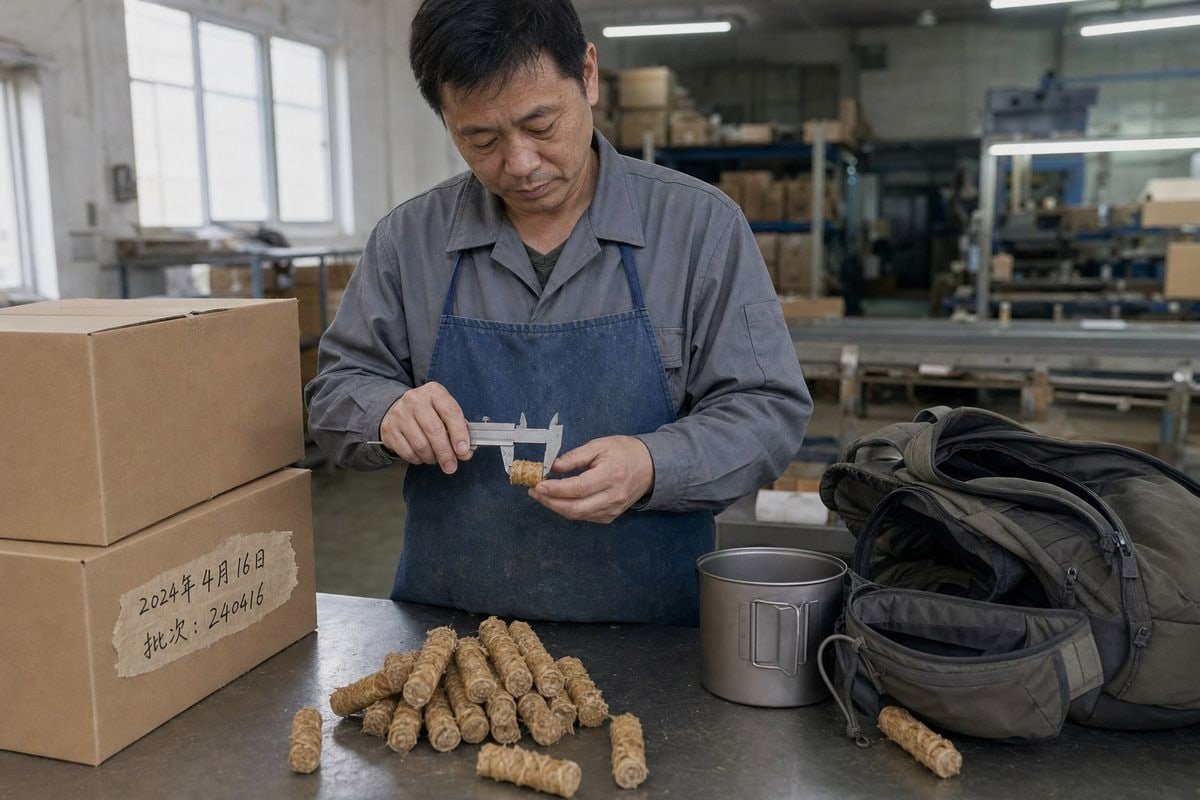
Paper checks are not enough. Real performance testing means igniting samples from each batch under stress conditions. Our QC team pulls units from every run and checks three things: single-match ignition, sustained burn time within tolerance, and ignition after water exposure. For products destined for bushcraft survival kit 6 assemblers, we also verify the wood wool catches sparks from a ferrocerium rod 7 when fluffed, because that customer may carry stormproof matches 8 or a magnesium fire starter rather than a lighter.
| QC Stage | What to Check | Acceptable Practice |
|---|---|---|
| Incoming materials | Wood fiber moisture, wax melt point | Lot testing with recorded results |
| In-process | Wax saturation, unit weight, dimensions | Sampling at set intervals per shift |
| Finished batch | Burn time, wet ignition, spark ignition | Live burn tests, documented per batch |
| Pre-shipment | Packaging seal, labeling, carton drop test | Third-party or factory inspection report |
| Traceability | Batch codes, retained samples | Samples held from every production run |
One more point that separates factories from trading companies: the first sample must reflect mass production. We calibrate our lines so a trial-order carton burns exactly like the golden sample a buyer approved. Ask any prospective supplier how they guarantee that link. Their answer tells you almost everything.
Can I get custom packaging, sizing, or private-label branding for wood firestarters to match my retail or outdoor product line?
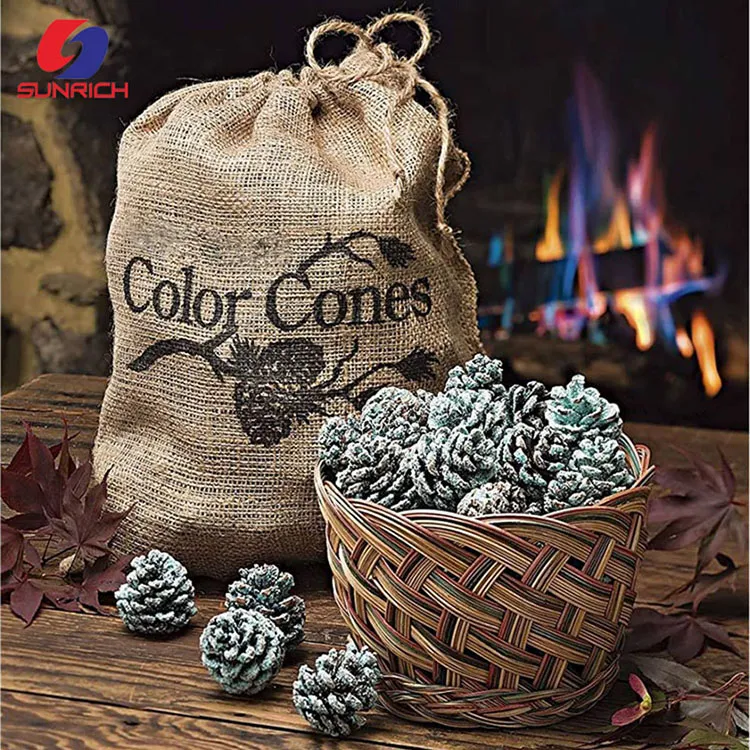
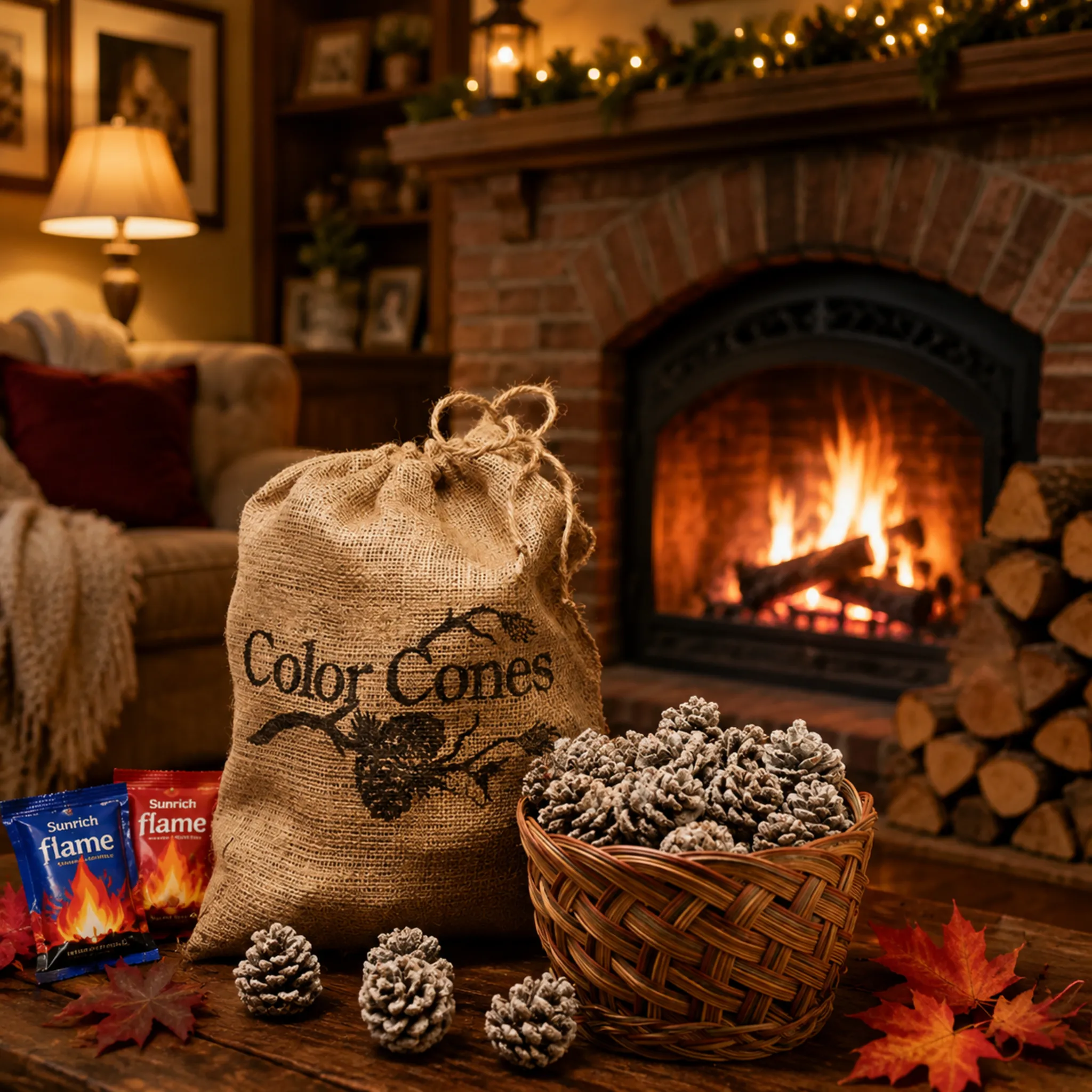
One of the more interesting projects we handled paired wax-dipped wood rolls with our color-flame pinecones in a single branded gift box for a European fireplace distributor. The whole program — sizing, artwork, barcodes — ran through one factory.
Yes. Established factories offer full OEM/ODM services: custom diameters, lengths, and burn times, private-label boxes, kraft bags, tins, or display packaging, plus barcodes, warning labels, and multilingual artwork. Trial orders with flexible MOQs let you test a retail-ready product before scaling.

Customization is where a fire starter stops being a commodity and becomes part of your brand. But not every supplier can actually deliver it. Trading companies resell fixed formats. A real factory can change the tooling, the wax formula, and the packaging line to fit your product family.
What can genuinely be customized
Physically, almost everything. Diameter and length can be tuned so units nest inside your cookware sets or match a hip-belt pocket format. Burn time is adjustable through wax loading and fiber density — a camp-cooking line might want a clean, fast 5-minute flame, while a wet-weather emergency product benefits from 8–10 minutes to dry out damp kindling. We have built specs at both ends for outdoor brands, and the tooling difference is modest once the target is clear.
Packaging is equally flexible. Options we run regularly include printed retail boxes, kraft pouches, plastic jars, metal-tin formats for pocket organization, and counter display packaging for BBQ and fireplace distributors. Heat-sealed inner film matters more than buyers expect: it locks out moisture and prevents any wax odor from transferring inside cookware where customers boil water.
Customization scope at a glance
| Element | Typical Options | Why It Matters for Retail |
|---|---|---|
| Sizing | Custom diameter, length, disc or roll | Nests with your cookware or gear line |
| Burn time | Roughly 5–10 minutes, tunable | Matches use case: cooking vs. wet weather |
| Inner packaging | Heat-sealed film, individual wrap | Waterproof tinder performance, no odor transfer |
| Outer packaging | Boxes, kraft bags, jars, tins, displays | Shelf presence and channel fit |
| Compliance printing | Warning labels, barcodes, multi-language | Passes retail and customs review |
| Branding | Full private label, custom artwork | Product looks native to your line |
My practical advice: start with a trial order at a flexible MOQ, place your approved sample against the mass-production carton, and only then scale. A partner confident in their batch control will welcome that test. We do, because it is exactly how our longest US and German relationships began.
Conclusion
The wrong wood fire starters crush, leak, or fail customs. The right ones fit your pockets, pots, and compliance file. Spec the size, verify the certificates, audit the QC, then brand it — and source from a factory that proves all four.
Footnotes
1. Official EU source explaining CE marking compliance requirements cited for importers. ↩︎
2. Background concept explaining the ultralight backpacking context referenced for cookware nesting. ↩︎
3. Authoritative and stable encyclopedia reference for the quality standard. ↩︎
4. Official body behind BSCI social compliance audits referenced for supplier verification. ↩︎
5. Wikipedia background on the chemical fire-starting alternative mentioned for comparison. ↩︎
6. Background context on bushcraft practice relevant to survival kit product use case. ↩︎
7. Encyclopedia reference explaining the fire-starting tool material mentioned in QC testing. ↩︎
8. Encyclopedia reference on match technology mentioned as an alternative ignition method. ↩︎


 English
 Spanish
 German
 French
 Arabic
 Portuguese
Join the Conversation