






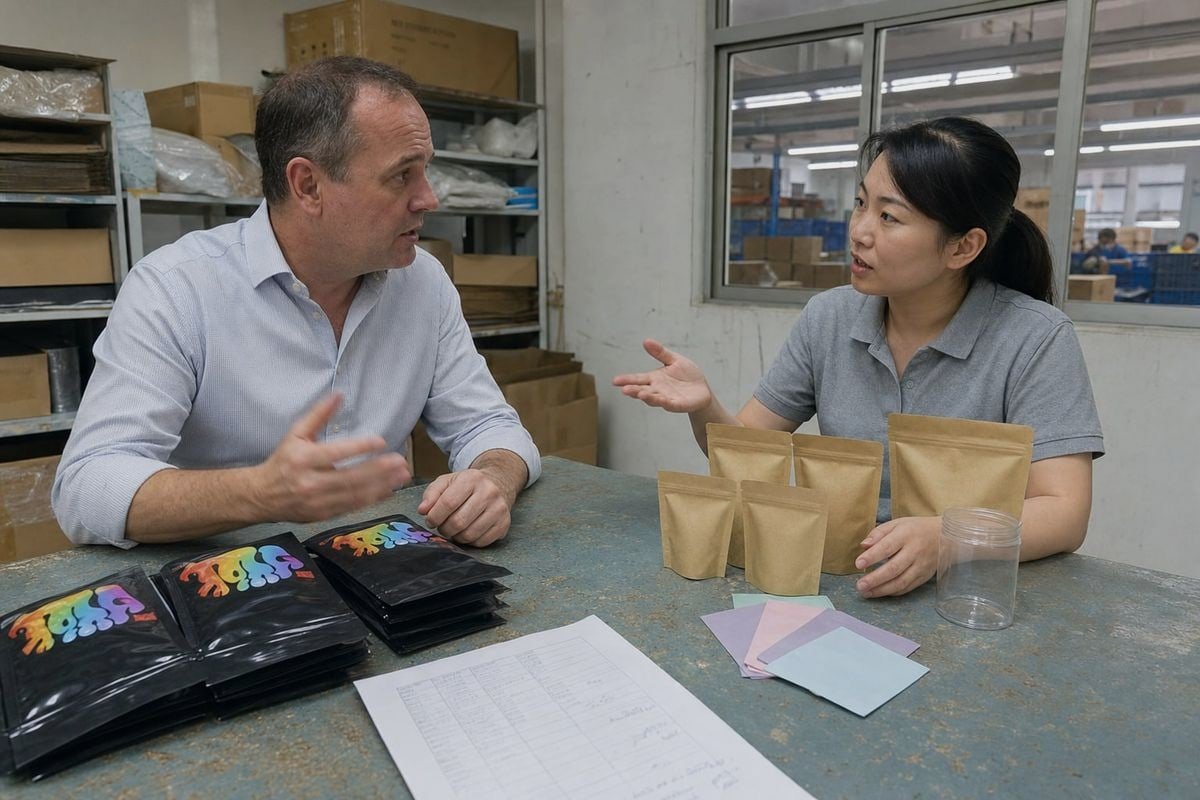
Choosing between reselling vs private-label branding for Magic Fire Powder from China stalls many buyers. I see it weekly on our production floor in Ningbo — good importers frozen by one decision.
Choose reselling Magic Fire Powder if you need fast market entry, low capital, and demand validation; choose private-label branding if you have budget for 500–5,000 unit MOQs, can wait 6–12 months for ROI, and want long-term brand equity and pricing control.
That is the short answer. But this product category has compliance, shipping, and liability layers that ordinary goods do not. Let me walk you through how experienced buyers actually decide.
How do I decide if reselling an existing Magic Fire Powder product fits my brand?
A German distributor once asked me for 300 finished pouches "just as they are" — no logo, no changes. Six months later, he came back for a full private-label line. That sequence was smart.
Reselling fits your brand if you want to test demand quickly with small orders, accept the factory's existing packaging and positioning, and can tolerate thinner margins plus competition from other sellers offering the identical product in your market.
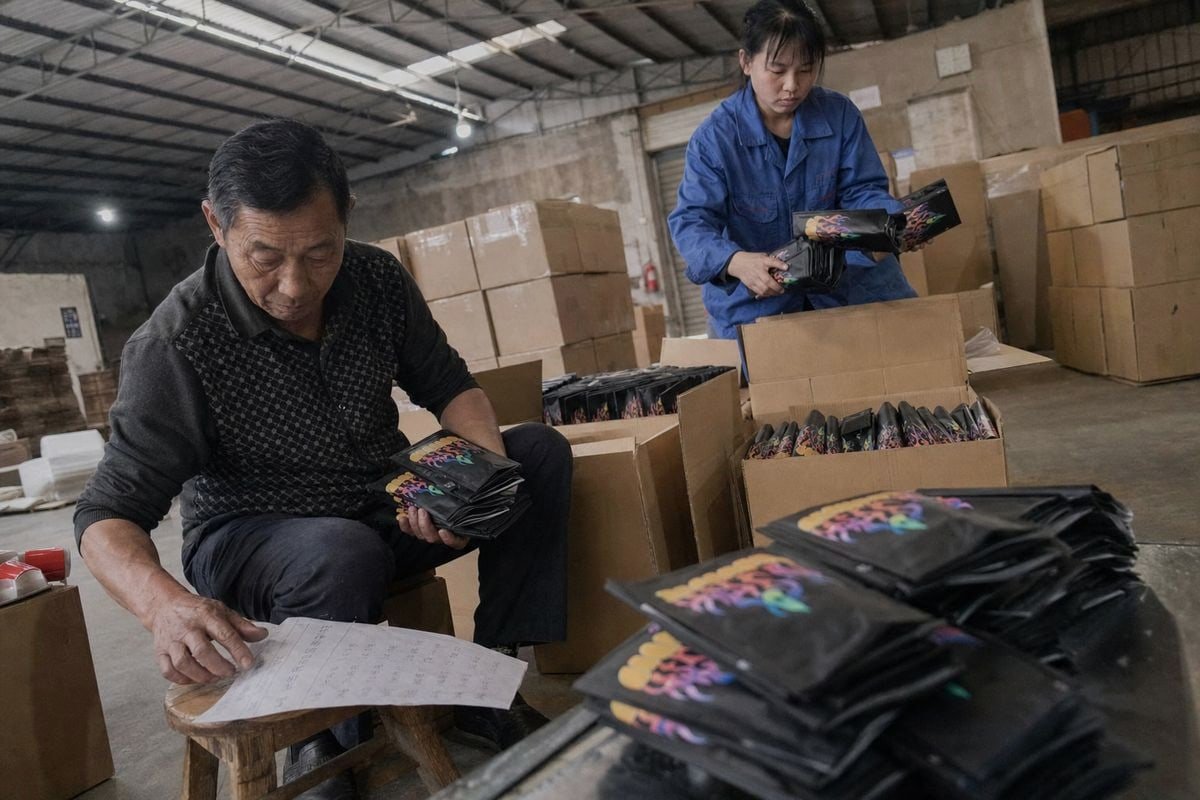
First, be clear on terms, because buyers mix them up constantly. Reselling means you buy a finished, already-branded product — like our glossy black Magic Fire pouches with the rainbow flame graphics — and mark it up. You do not own the brand. Private label 1 means the same factory produces the product under your brand name, your packaging, your barcode. White label 2 sits in between: a generic product that many retailers rebrand with minimal changes.
Where reselling genuinely wins
Reselling gets you to market fast. Our stock pouches ship with warning labels, usage instructions, and demonstration photos already printed. You skip artwork approval, plate fees, and sample rounds. For a purchasing manager testing whether color-flame products sell in, say, Canadian camping retail, that speed is worth more than margin.
Where reselling quietly costs you
Every sale you make builds the manufacturer's brand recognition, not yours. If three other importers in your country source the same finished pouch, you compete on price alone. Margins compress. You also cannot control positioning — if the stock design reads "novelty gift" and your channel is premium outdoor retail, you are stuck.
| Factor | Reselling | Private Label |
|---|---|---|
| Time to market | 2–4 weeks | 8–16 weeks |
| Typical MOQ | Small (often 100–500 units) | 500–5,000+ units |
| Brand ownership | Manufacturer's | Yours |
| Margin potential | Lower, compresses over time | Higher at scale |
| Differentiation | Nearly none | Full control |
| Upfront risk | Low | Moderate to high |
My honest advice: resell first if you have never sold fire-effect products before. The sales data you collect is the cheapest market research you will ever buy.
What does private-label branding require in terms of MOQ, cost, and lead time?
There is a trade-off I discuss with almost every new buyer: lower per-unit cost at scale versus higher money at risk before the first sale. Private label sits firmly on the second side.
Private-label Magic Fire Powder typically requires MOQs of 500–5,000+ units, upfront investment in packaging design, printing plates, samples, and compliance testing, and lead times of 8–16 weeks from artwork approval to shipment — roughly $15k+ total for a serious launch.
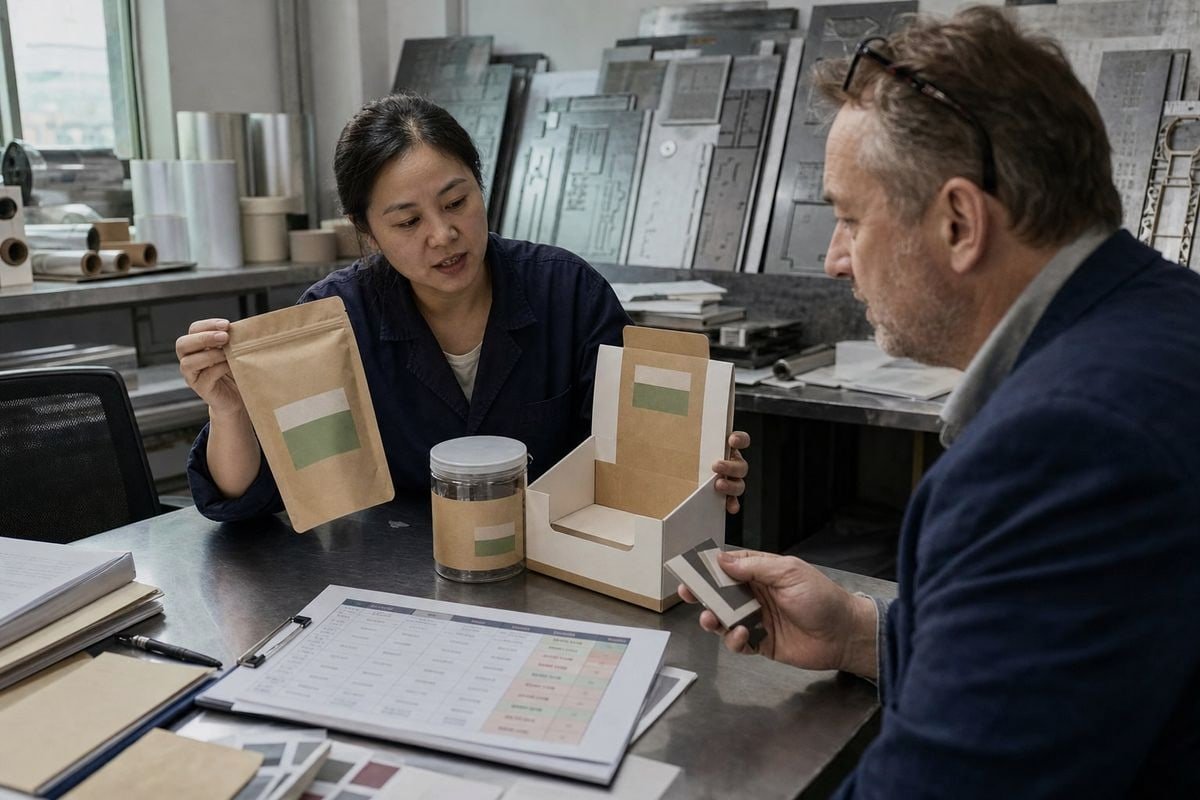
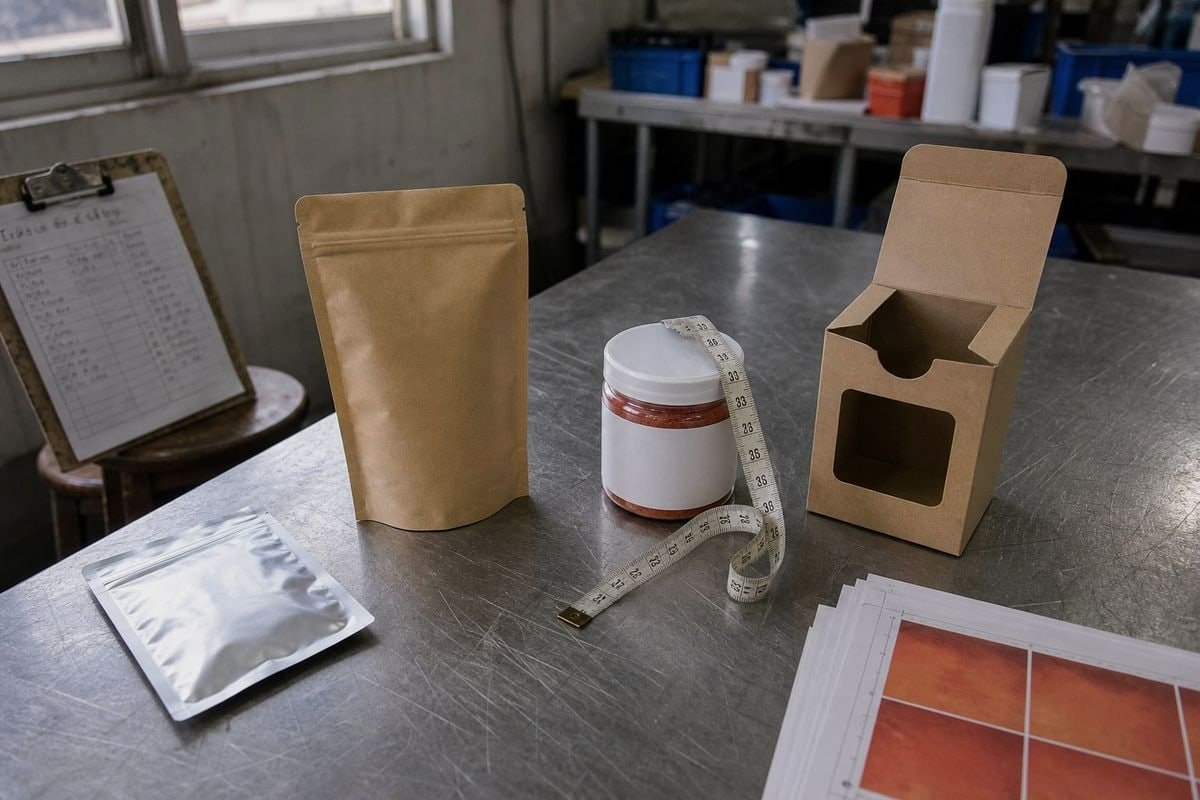
The numbers vary by packaging format, so let me break down what we actually quote from our Ningbo lines. A simple foil sachet with your logo is the cheapest entry. A kraft stand-up pouch with a resealable zip costs more per unit but photographs better for e-commerce. A retail display box — the flip-top type with a demonstration photo inset — adds tooling and carton costs but is what Home Depot–style channels expect on shelf.
Typical private-label requirements by format
| Packaging Format | Typical MOQ | Extra Lead Time | Main Upfront Costs |
|---|---|---|---|
| Foil sachet, custom print | 3,000–5,000 pcs | +2–3 weeks | Printing plates, artwork |
| Kraft stand-up pouch | 1,000–3,000 pcs | +3–4 weeks | Pouch dies, print setup |
| Plastic jar with label | 1,000–2,000 pcs | +2–3 weeks | Label design, jar sourcing |
| Retail display box | 500–1,000 boxes | +4–6 weeks | Box tooling, carton design, barcodes |
The steps most buyers underestimate
- Artwork and warning-label review. Fire products need correct caution text for each destination market. We supply templates, but your local legal review takes time.
- Pre-production samples. Budget one to two rounds. Never skip this — your first sample must reflect mass-production quality, which is exactly why we run strict batch-to-batch QC.
- Compliance testing under your brand. SGS or Intertek 3 reports, CE marking where applicable, and heavy-metal disclosure documentation for markets like California under Prop 65 4.
- Shipping classification. Flame-coloring powders can trigger specific freight handling. Our formulations use eco-friendly materials with no harmful chemicals, which keeps logistics simpler, but you must confirm the classification for your lane and carrier before quoting landed cost.
One benchmark worth repeating: plan for a 6–12 month horizon before private label pays back. If that timeline strains your cash flow, resell first.
Which option gives me better margins and long-term brand control in my market?
Years of quoting both models taught me one lesson: the buyer asking "which margin is higher?" is usually asking the wrong question. The right question is which margin survives competition.
Private-label branding delivers better long-term margins and full brand control because you own pricing, positioning, and customer loyalty; reselling delivers faster but thinner margins that erode as competitors source the identical product. Private label wins on risk-adjusted return only if demand is proven.
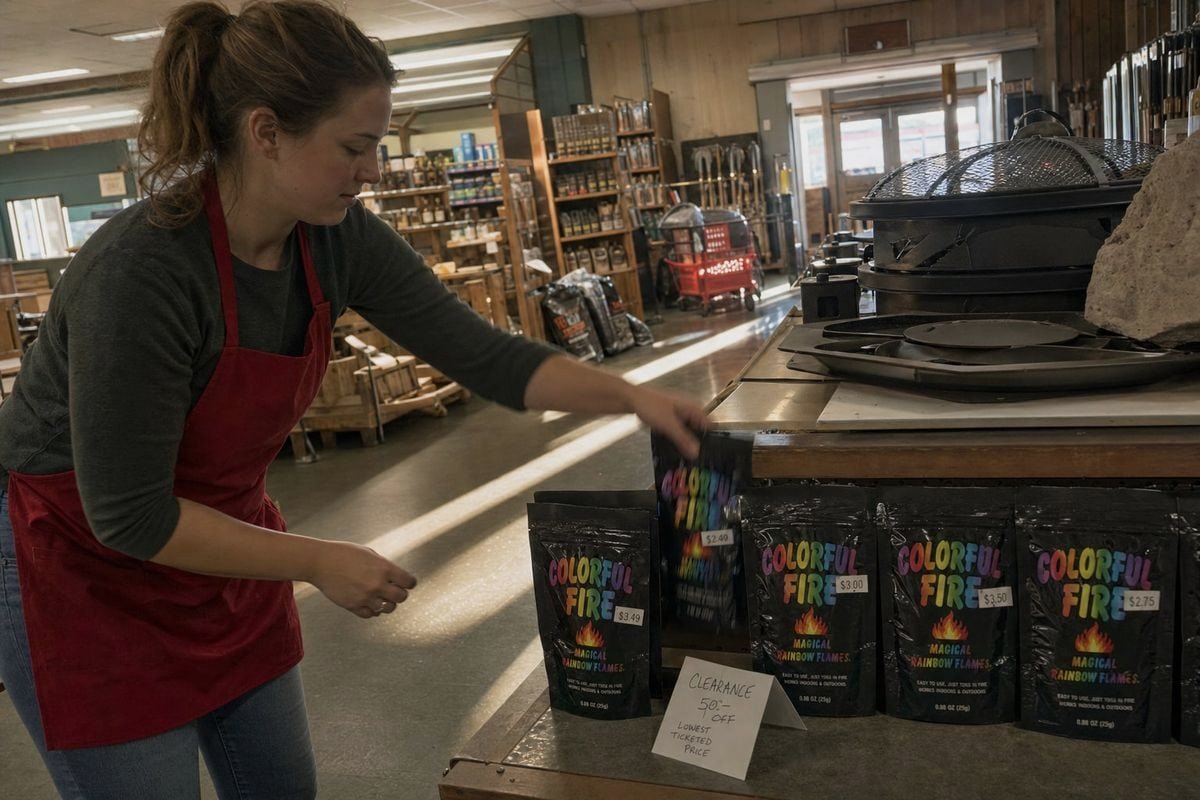
Here is how the math actually behaves in this category. A resold pouch might give you a healthy markup in month one. But because multiple sellers can buy the same finished stock, your price ceiling is set by the least disciplined competitor in your market. We have watched this happen to resellers in the UK and Poland — strong first season, then a race to the bottom.
Private label flips the dynamic. Your packaging, your brand story, your bundle — perhaps pairing color-flame packets with wax-dipped firestarters or color-flame pinecones as a gift set — cannot be price-matched one-to-one. Pricing power builds with brand recognition. And a brand is a sellable asset; a distribution margin stream is not.
A decision matrix for your situation
| Your Situation | Better Fit |
|---|---|
| Capital under ~$15k | Reselling |
| Need revenue within 60 days | Reselling |
| Unproven demand in your market | Reselling |
| Capital $15k+, 6–12 month ROI horizon | Private label |
| Established retail or e-commerce channels | Private label |
| Goal is a sellable brand asset | Private label |
| Heavy compliance uncertainty in your market | Reselling first, hybrid later |
The hybrid path most of our best partners take
In practice, the strongest importers we serve do both, in sequence. They resell our stock Magic Fire packets for one or two seasons, collect data on price points and customer objections, then move their two or three winning SKUs into private label while keeping stock items for smaller channels. This phased approach keeps revenue flowing while the branded line ramps up. It also spreads risk: if a compliance rule changes in one market, the whole business does not depend on a single branded SKU.
How do I verify compliance and quality consistency whether I resell or private-label?
During a batch inspection last year, our QC team rejected a granule lot for color-intensity variance most buyers would never notice. That standard exists because compliance failures surface at customs, not at the factory gate.
Verify compliance by requiring ISO 9001 and BSCI factory certification, current SGS or Intertek test reports, correct shipping classification documents, and market-specific labeling such as Prop 65 or REACH conformity. Verify consistency through pre-production samples, batch QC records, and third-party lab checks.
This is the section where I push back hardest on cost-first sourcing. Many Chinese factories produce flame-coloring powders with nearly identical base formulas. On paper, they look interchangeable. In reality, the differences show up in three places: what is actually in the powder, how consistently it is made, and whether the paperwork holds up in your destination market.
What to demand before any purchase order
- Factory certifications. We hold ISO 9001 and BSCI 5, and our buyers treat these as hard requirements, not nice-to-haves. If a supplier cannot show them, walk away.
- Third-party test reports. SGS or Intertek reports on the actual formulation, not a generic category report. If you private-label, request testing on your specific production batch so the report matches your product.
- Independent lab verification. Because many factories use similar chemical blends, a third-party lab check confirms whether claimed differentiation — or claimed safety properties — is real.
- Shipping documentation. Confirm the freight classification for flame-coloring powders on your specific lane. Reformulating for private label can trigger new certification requirements that resellers using pre-approved supply chains avoid. Factor this into your model choice.
- Market-specific rules. California's Prop 65 heavy-metal disclosure and EU REACH restrictions 6 on certain metal salts can limit where a fire-powder brand is legally sellable. Our eco-friendly, no-harmful-chemicals formulations were developed precisely because our main markets — the US, Germany, France, the Netherlands — enforce these rules seriously.
The liability point private-label buyers overlook
When your brand is on the pouch, burn or injury claims land on you. Product liability insurance 7 and rigorously designed warning labels are real costs. We supply compliant warning-label templates and can print your barcodes and caution text, but your insurance is your responsibility. Price it into the margin comparison before you decide — most buyers forget to.
Conclusion
Reselling buys speed and cheap validation; private label buys margins, control, and a brand asset — but only if compliance holds. Test first, brand what wins, and partner with a certified factory.
Footnotes
1. Background definition of private-label branding, a core concept discussed throughout the article. ↩︎
2. Clarifies the white-label model buyers often confuse with reselling or private-label branding. ↩︎
3. SGS is a named third-party testing lab used for verifying formulation compliance and safety. ↩︎
4. Official California regulator page explaining Proposition 65 disclosure requirements cited in the article. ↩︎
5. BSCI is the social compliance auditing scheme mentioned as a factory requirement. ↩︎
6. ECHA explains the REACH regulation on chemical substances referenced for metal salt limits. ↩︎
7. Explains the legal concept of product liability underlying the insurance obligation discussed for brand owners. ↩︎



 English
  Spanish
  German
  French
  Arabic
  Portuguese
Join the Conversation