






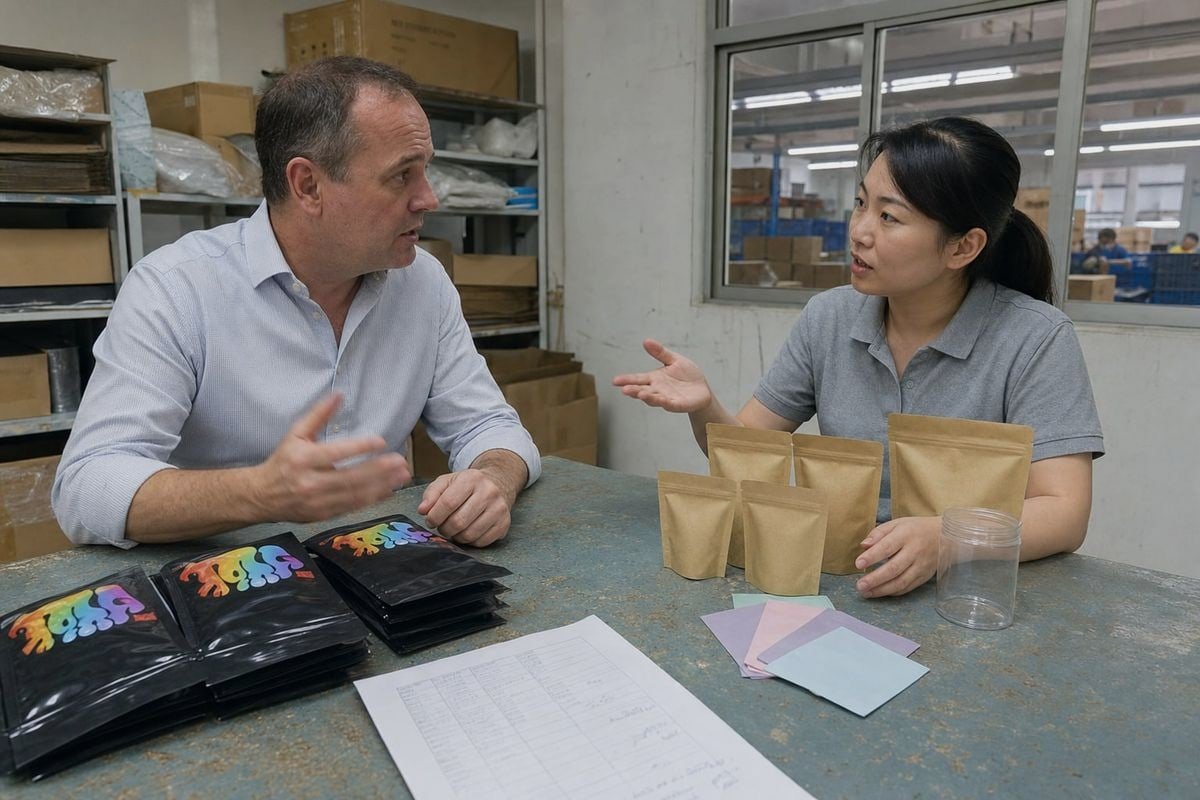
Die Wahl zwischen Wiederverkauf und Eigenmarken-Branding für Magic Fire Powder aus China verunsichert viele Käufer. Ich sehe es wöchentlich in unserer Produktionshalle in Ningbo – gute Importeure sind durch eine Entscheidung gelähmt.
Wählen Sie den Wiederverkauf von Magic Fire Powder, wenn Sie einen schnellen Markteintritt, geringes Kapital und eine Nachfragevalidierung benötigen; wählen Sie Private-Label-Branding, wenn Sie über ein Budget für 500–5.000 Einheiten MOQs verfügen, 6–12 Monate auf den ROI warten können und langfristiges Marken-Equity und Preiskontrolle wünschen.
Das ist die kurze Antwort. Aber diese Produktkategorie hat Compliance-, Versand- und Haftungsschichten, die gewöhnliche Waren nicht haben. Lassen Sie mich Ihnen zeigen, wie erfahrene Käufer tatsächlich entscheiden.
Wie entscheide ich, ob der Wiederverkauf eines bestehenden Magic Fire Powder-Produkts zu meiner Marke passt?
Ein deutscher Händler bat mich einmal um 300 fertige Beutel "wie sie sind" – ohne Logo, ohne Änderungen. Sechs Monate später kam er für eine vollständige Eigenmarken-Linie zurück. Diese Reihenfolge war klug.
Wiederverkauf passt zu Ihrer Marke, wenn Sie die Nachfrage schnell mit kleinen Bestellungen testen möchten, die vorhandene Verpackung und Positionierung der Fabrik akzeptieren und dünnere Margen sowie den Wettbewerb von anderen Verkäufern, die das identische Produkt in Ihrem Markt anbieten, tolerieren können.
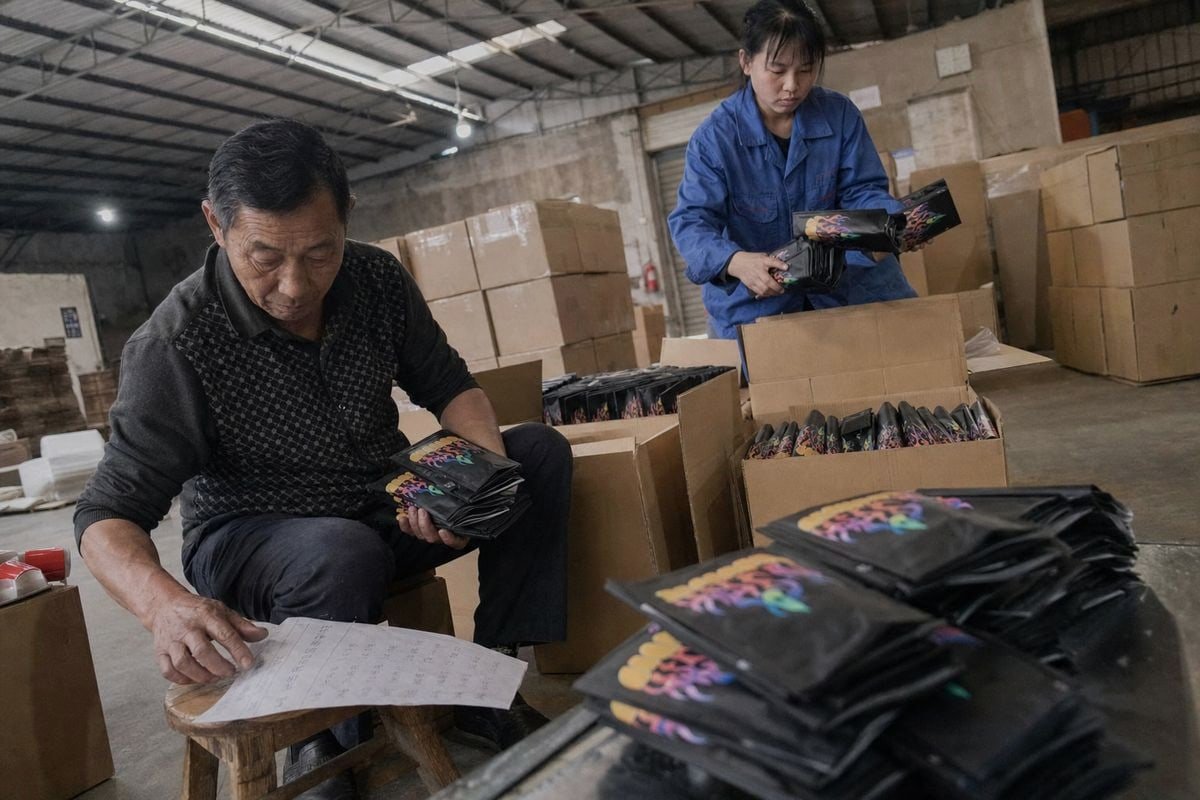
Zuerst sollten die Begriffe klar sein, da Käufer sie ständig verwechseln. Wiederverkauf bedeutet, dass Sie ein fertiges, bereits gebrandetes Produkt kaufen – wie unsere glänzend schwarzen Magic Fire Beutel mit den Regenbogenflammen-Grafiken – und es mit Aufschlag verkaufen. Sie besitzen die Marke nicht. Eigenmarke 1 bedeutet, dass dieselbe Fabrik das Produkt unter Ihrem Markennamen, Ihrer Verpackung, Ihrem Barcode produziert. Weißes Etikett 2 liegt dazwischen: ein generisches Produkt, das viele Einzelhändler mit minimalen Änderungen neu branden.
Wo Wiederverkauf wirklich punktet
Wiederverkauf bringt Sie schnell auf den Markt. Unsere Lagerbeutel werden mit bereits aufgedruckten Warnhinweisen, Gebrauchsanweisungen und Demonstrationsfotos versendet. Sie überspringen die Genehmigung von Grafiken, Druckplattengebühren und Musterrunden. Für einen Einkaufsmanager, der testet, ob Farbfلامmen-Produkte beispielsweise im kanadischen Camping-Einzelhandel verkauft werden, ist diese Geschwindigkeit mehr wert als die Marge.
Wo Wiederverkauf Sie leise teuer zu stehen kommt
Jeder Verkauf, den Sie tätigen, stärkt die Markenbekanntheit des Herstellers, nicht Ihre. Wenn drei andere Importeure in Ihrem Land denselben fertigen Beutel beziehen, konkurrieren Sie nur über den Preis. Die Margen schrumpfen. Sie können auch die Positionierung nicht kontrollieren – wenn das Standarddesign "Geschenkartikel" lautet und Ihr Kanal Premium-Outdoor-Einzelhandel ist, stecken Sie fest.
| Faktor | Wiederverkauf | Wir arbeiten mit Importeuren, Großhändlern, Markeninhabern, großen Einzelhändlern, Distributoren von Outdoor-Produkten, Verkäufern von Kaminzubehör und Käufern von saisonalen Geschenken zusammen, die stabile Qualität, praktische Verpackungen und zuverlässige Exportkommunikation benötigen. |
|---|---|---|
| Markteinführungszeit | 2–4 Wochen | 8–16 Wochen |
| Typische MOQ | Klein (oft 100–500 Stück) | 500–5.000+ Stück |
| Markenbesitz | Hersteller | Ihr eigener |
| Margenpotenzial | Niedriger, sinkt mit der Zeit | Höher bei Skalierung |
| Differenzierung | Fast keine | Volle Kontrolle |
| Anfängliches Risiko | Niedrig | Mittel bis hoch |
Mein ehrlicher Rat: Verkaufen Sie zuerst weiter, wenn Sie noch nie Feuer-Effekt-Produkte verkauft haben. Die gesammelten Verkaufsdaten sind die günstigste Marktforschung, die Sie jemals kaufen werden.
Was erfordert Private-Label-Branding in Bezug auf MOQ, Kosten und Lieferzeit?
Es gibt einen Kompromiss, den ich mit fast jedem neuen Käufer bespreche: geringere Stückkosten bei Skalierung gegenüber höherem Geldrisiko vor dem ersten Verkauf. Private Label liegt fest auf der zweiten Seite.
Private-Label Magic Fire Powder erfordert typischerweise MOQs von 500–5.000+ Einheiten, Vorabinvestitionen in Verpackungsdesign, Druckplatten, Muster und Compliance-Tests sowie Vorlaufzeiten von 8–16 Wochen von der Freigabe der Grafik bis zum Versand – ungefähr $15k+ insgesamt für einen ernsthaften Start.
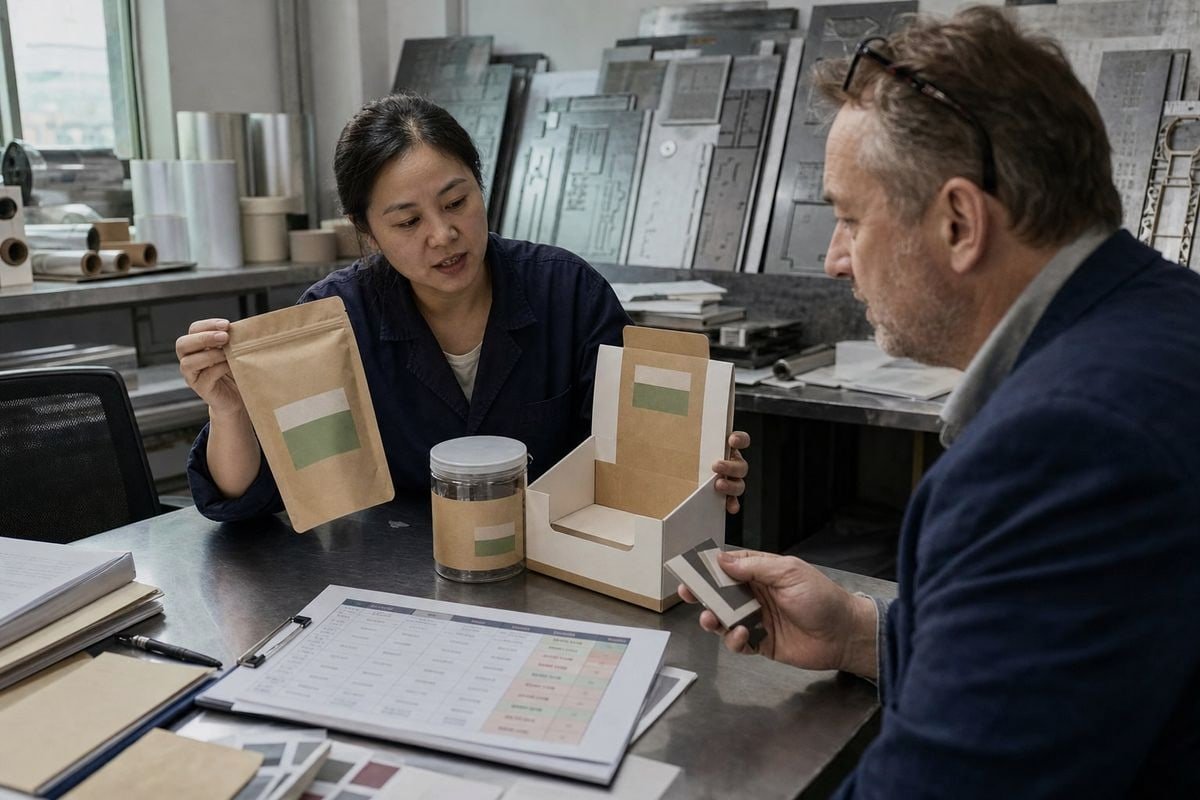
Die Zahlen variieren je nach Verpackungsformat, daher möchte ich aufschlüsseln, was wir tatsächlich von unseren Ningbo-Linien anbieten. Ein einfacher Folienbeutel mit Ihrem Logo ist der günstigste Einstieg. Ein Kraft-Standbodenbeutel mit wiederverschließbarem Reißverschluss kostet pro Stück mehr, fotografiert sich aber besser für den E-Commerce. Eine Verkaufsdisplaybox – der Flip-Top-Typ mit eingelegtem Demonstrationsfoto – verursacht Werkzeug- und Kartonkosten, ist aber das, was Kanäle im Stil von Home Depot im Regal erwarten.
Typische Eigenmarken-Anforderungen nach Format
| Verpackungsformat | Typische MOQ | Zusätzliche Vorlaufzeit | Hauptkosten im Voraus |
|---|---|---|---|
| Folienbeutel, individueller Druck | 000–5.000 Stück | +2–3 Wochen | Druckplatten, Grafikdesign |
| Stehbeutel aus Kraftpapier | 000–3.000 Stück | +3–4 Wochen | Beutel-Stanzformen, Druckeinrichtung |
| Plastikglas mit Etikett | 000–2.000 Stück | +2–3 Wochen | Etikettendesign, Beschaffung von Gläsern |
| Verkaufsdisplaybox | 500–1.000 Boxen | +4–6 Wochen | Werkzeugbau, Karton design, Barcodes |
Die Schritte, die die meisten Käufer unterschätzen
- Überprüfung von Artwork und Warnhinweisen. Feuerprodukte benötigen korrekte Warnhinweise für jedes Zielmarkt. Wir liefern Vorlagen, aber Ihre lokale rechtliche Prüfung braucht Zeit.
- Vorserienmuster. Planen Sie ein bis zwei Runden ein. Überspringen Sie dies niemals – Ihr erstes Muster muss die Qualität der Massenproduktion widerspiegeln, weshalb wir eine strenge Chargen-zu-Chargen-Qualitätskontrolle durchführen.
- Konformitätsprüfung unter Ihrer Marke. SGS oder Intertek 3 Berichte, CE-Kennzeichnung, wo zutreffend, und Dokumentation zur Offenlegung von Schwermetallen für Märkte wie Kalifornien unter Prop 65 4.
- Versandklassifizierung. Flammenfärbepulver können eine spezielle Frachtbehandlung auslösen. Unsere Formulierungen verwenden umweltfreundliche Materialien ohne schädliche Chemikalien, was die Logistik vereinfacht, aber Sie müssen die Klassifizierung für Ihre Route und Ihren Spediteur bestätigen, bevor Sie den Landungspreis anbieten.
Ein wiederholenswerter Maßstab: Planen Sie einen Horizont von 6–12 Monaten ein, bevor Private Label sich auszahlt. Wenn dieser Zeitplan Ihren Cashflow belastet, verkaufen Sie zuerst weiter.
Welche Option gibt mir bessere Margen und langfristige Markenkontrolle in meinem Markt?
Jahre des Anbietens beider Modelle haben mich eine Lektion gelehrt: Der Käufer, der fragt "welche Marge ist höher?", stellt normalerweise die falsche Frage. Die richtige Frage ist, welche Marge dem Wettbewerb standhält.
Eigenmarken-Branding liefert bessere langfristige Margen und volle Markenkontrolle, da Sie Preisgestaltung, Positionierung und Kundenbindung besitzen; Wiederverkauf liefert schnellere, aber dünnere Margen, die schwinden, wenn Wettbewerber das identische Produkt beziehen. Eigenmarken gewinnen bei risikobereinigter Rendite nur, wenn die Nachfrage nachgewiesen ist.
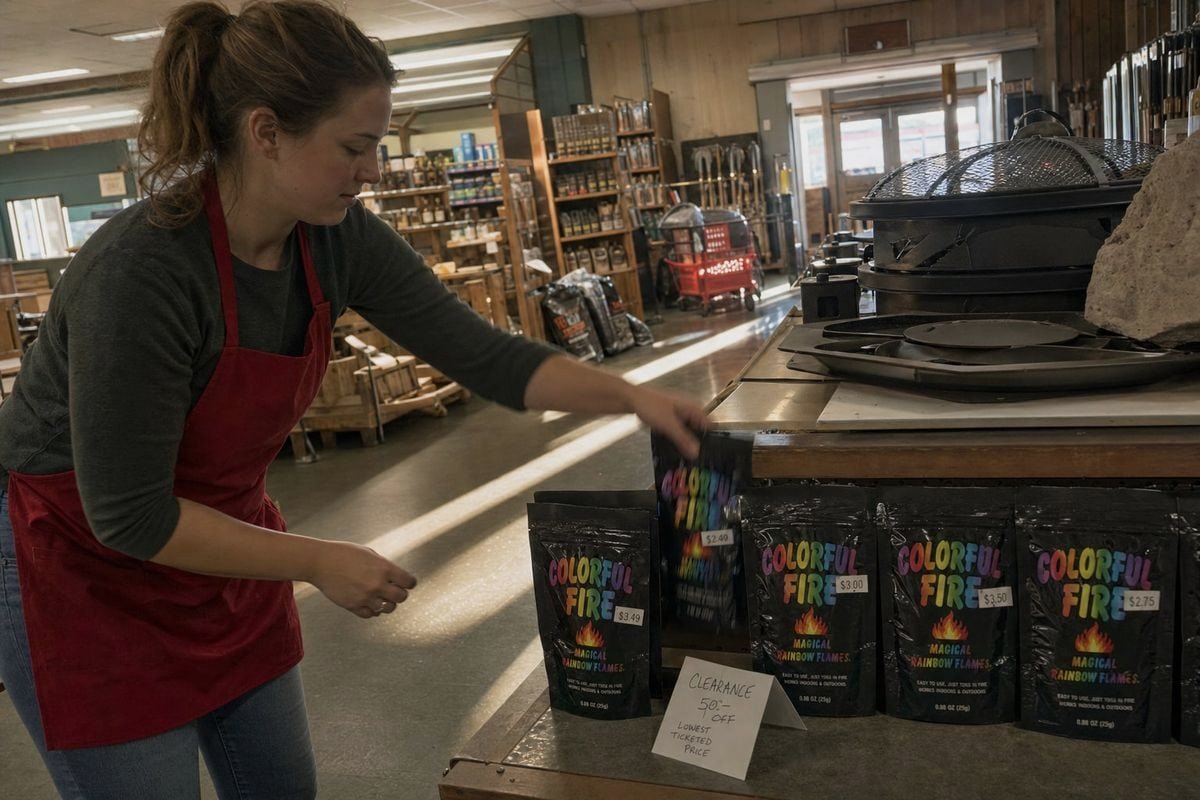
So verhält sich die Mathematik in dieser Kategorie tatsächlich. Ein weiterverkaufter Beutel kann Ihnen im ersten Monat eine gesunde Gewinnspanne verschaffen. Aber da mehrere Verkäufer dieselbe Fertigware kaufen können, wird Ihre Preisobergrenze durch den am wenigsten disziplinierten Wettbewerber in Ihrem Markt bestimmt. Wir haben dies bei Wiederverkäufern in Großbritannien und Polen beobachtet – starke erste Saison, dann ein Wettlauf nach unten.
Private Label kehrt die Dynamik um. Ihre Verpackung, Ihre Markengeschichte, Ihr Bundle – vielleicht die Kombination von Farbfackel-Päckchen mit in Wachs getauchten Feuerstartern oder Farbfackel-Kiefernzapfen als Geschenkset – kann nicht eins zu eins preislich abgeglichen werden. Die Preissetzungsmacht wächst mit der Markenbekanntheit. Und eine Marke ist ein verkaufsfähiger Vermögenswert; ein Margenstrom aus dem Vertrieb ist es nicht.
Eine Entscheidungsmatrix für Ihre Situation
| Ihre Situation | Bessere Passform |
|---|---|
| Kapital unter ~$15k | Wiederverkauf |
| Benötigen Sie Umsatz innerhalb von 60 Tagen | Wiederverkauf |
| Unbewiesene Nachfrage in Ihrem Markt | Wiederverkauf |
| Kapital $15k+, 6–12 Monate ROI-Horizont | Eigenmarke |
| Etablierte Einzelhandels- oder E-Commerce-Kanäle | Eigenmarke |
| Ziel ist ein verkaufsfähiger Markenwert | Eigenmarke |
| Hohe Compliance-Unsicherheit in Ihrem Markt | Erst weiterverkaufen, später hybrid |
Der hybride Weg, den die meisten unserer besten Partner gehen
In der Praxis tun die stärksten Importeure, die wir betreuen, beides, nacheinander. Sie verkaufen unsere Magic Fire Päckchen als Wiederverkäufer für ein oder zwei Saisons, sammeln Daten über Preise und Kundeneinwände und führen dann ihre zwei oder drei erfolgreichsten SKUs in Private Label über, während sie Lagerartikel für kleinere Kanäle behalten. Dieser phasenweise Ansatz hält den Umsatz fließend, während die Eigenmarkenlinie hochfährt. Er verteilt auch das Risiko: Wenn sich eine Compliance-Regel in einem Markt ändert, ist nicht das gesamte Geschäft von einem einzigen Marken-SKU abhängig.
Wie überprüfe ich die Einhaltung von Vorschriften und die gleichbleibende Qualität, egal ob ich weiterverkaufe oder Eigenmarken anbiete?
Bei einer Chargeninspektion im letzten Jahr lehnte unser Qualitätskontrollteam eine Granulatcharge wegen Farbintensitätsabweichungen ab, die die meisten Käufer nie bemerken würden. Dieser Standard existiert, weil Compliance-Fehler am Zoll auftreten, nicht am Werkstor.
Konformität durch Anforderung von ISO 9001 und BSCI-Fabrikzertifizierung, aktuelle SGS- oder Intertek-Prüfberichte, korrekte Versandklassifizierungsdokumente und marktspezifische Kennzeichnungen wie Prop 65 oder REACH-Konformität überprüfen. Konsistenz durch Muster vor der Produktion, Chargen-QC-Aufzeichnungen und Laborprüfungen durch Dritte überprüfen.
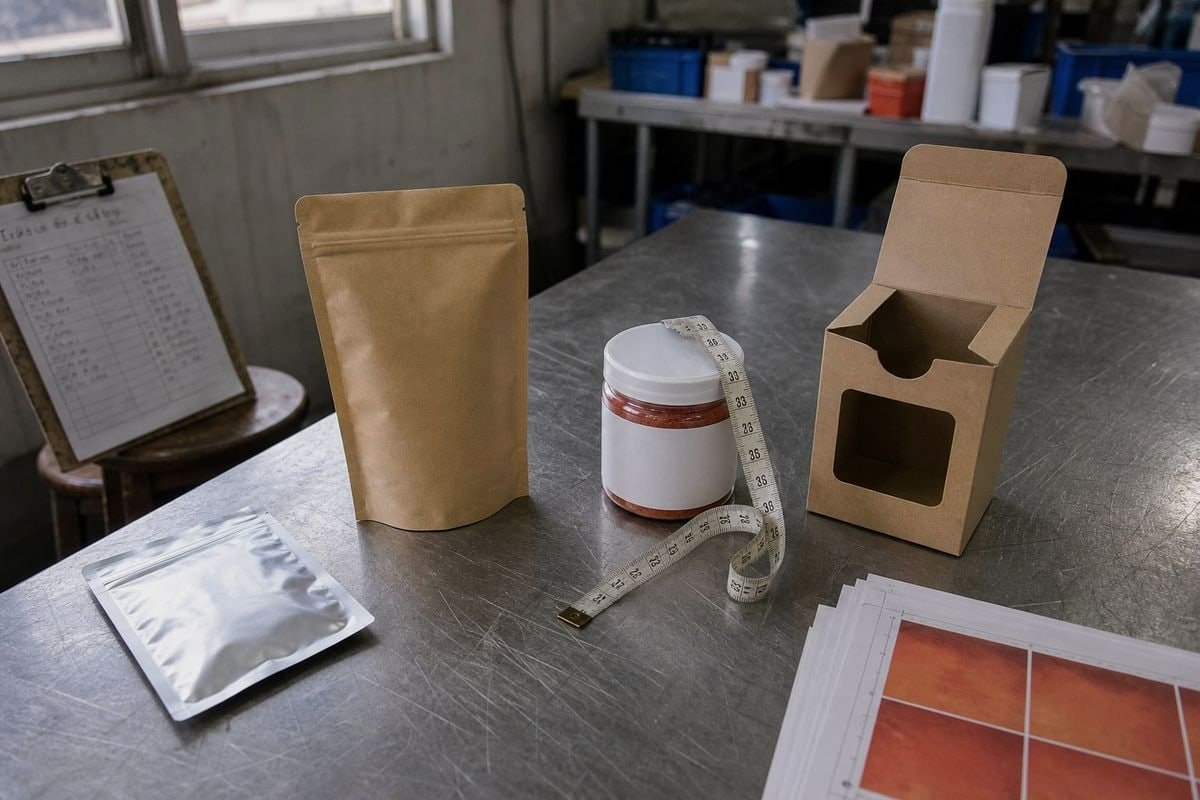
Dies ist der Abschnitt, in dem ich am stärksten gegen kostenorientierte Beschaffung vorgehe. Viele chinesische Fabriken produzieren Flammenfärbepulver mit nahezu identischen Grundformeln. Auf dem Papier sehen sie austauschbar aus. In Wirklichkeit zeigen sich die Unterschiede an drei Stellen: was tatsächlich im Pulver enthalten ist, wie konsistent es hergestellt wird und ob die Papiere in Ihrem Zielmarkt Bestand haben.
Was Sie vor jeder Bestellung verlangen sollten
- Werkszertifizierungen. Wir halten ISO 9001 und BSCI 5, und unsere Käufer behandeln diese als harte Anforderungen, nicht als nette Extras. Wenn ein Lieferant sie nicht vorweisen kann, gehen Sie weg.
- Drittanbieter-Testberichte. SGS- oder Intertek-Berichte über die tatsächliche Formulierung, nicht über eine generische Kategorie. Wenn Sie Private Label betreiben, fordern Sie Tests für Ihre spezifische Produktionscharge an, damit der Bericht Ihrem Produkt entspricht.
- Unabhängige Laborüberprüfung. Da viele Fabriken ähnliche chemische Mischungen verwenden, bestätigt ein externer Labortest, ob die beanspruchte Differenzierung – oder die beanspruchten Sicherheitseigenschaften – real ist.
- Versanddokumentation. Bestätigen Sie die Frachtklassifizierung für Flammenfärbepulver auf Ihrer spezifischen Route. Die Neuformulierung für Private Label kann neue Zertifizierungsanforderungen auslösen, die Wiederverkäufer, die bereits genehmigte Lieferketten nutzen, vermeiden. Berücksichtigen Sie dies bei Ihrer Modellwahl.
- Marktspezifische Regeln. Kaliforniens Prop 65 Schwermetall-Offenlegung und EU REACH-Beschränkungen 6 für bestimmte Metallsalze können einschränken, wo eine Feuerpulvermarke legal verkauft werden kann. Unsere umweltfreundlichen, schadstofffreien Formulierungen wurden genau deshalb entwickelt, weil unsere Hauptmärkte – die USA, Deutschland, Frankreich, die Niederlande – diese Regeln ernsthaft durchsetzen.
Der Haftungspunkt, den Private-Label-Käufer übersehen
Wenn Ihre Marke auf dem Beutel ist, landen Verbrennungs- oder Verletzungsansprüche bei Ihnen. Produkthaftpflichtversicherung 7 und rigoros gestaltete Warnhinweise sind reale Kosten. Wir liefern konforme Vorlagen für Warnhinweise und können Ihre Barcodes und Warntexte drucken, aber Ihre Versicherung ist Ihre Verantwortung. Kalkulieren Sie dies in den Margenvergleich ein, bevor Sie sich entscheiden – die meisten Käufer vergessen das.
Schlussfolgerung
Wiederverkauf kauft Geschwindigkeit und günstige Validierung; Private Label kauft Margen, Kontrolle und einen Markenwert – aber nur, wenn die Compliance eingehalten wird. Testen Sie zuerst, branden Sie, was gewinnt, und arbeiten Sie mit einer zertifizierten Fabrik zusammen.
Fußnoten
Hintergrunddefinition des Private-Label-Brandings, ein Kernkonzept, das im gesamten Artikel behandelt wird. ↩︎
Klärt das White-Label-Modell, das Käufer oft mit Wiederverkauf oder Private-Label-Branding verwechseln. ↩︎
SGS ist ein benanntes externes Prüflabor, das zur Überprüfung der Formulierungs-Compliance und Sicherheit verwendet wird. ↩︎
Offizielle kalifornische Regulierungsbehördenseite, die die im Artikel genannten Offenlegungspflichten gemäß Proposition 65 erläutert. ↩︎
BSCI ist das genannte System für Sozialaudits, das als Anforderung für Fabriken aufgeführt ist. ↩︎
Die ECHA erläutert die REACH-Verordnung zu chemischen Stoffen, die für Grenzwerte von Metallsalzen zitiert wird. ↩︎
Erläutert das Rechtskonzept der Produkthaftung, das der für Markeninhaber diskutierten Versicherungspflicht zugrunde liegt. ↩︎



 English
  Spanish
  German
  French
  Arabic
  Portuguese
Diskutieren Sie mit