






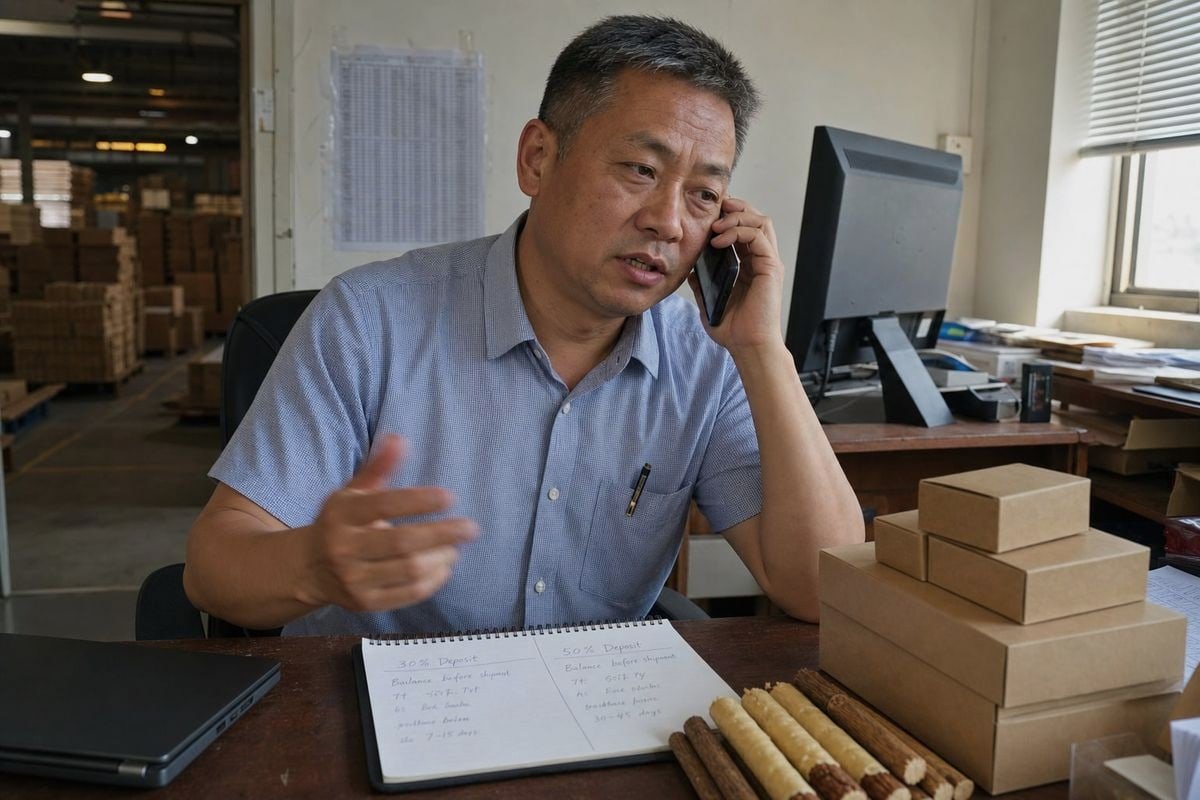
Les conditions d'acompte sur les commandes d'allume-feu en bois peuvent rapidement faire échouer une affaire. J'ai vu des acheteurs prometteurs hésiter à 50%, et j'ai vu notre équipe financière grimacer à 30% pour un étranger. Sur notre chaîne de production, cire et laine de bois 1 sont achetés avant qu'une seule bobine ne soit trempée, donc la question de l'acompte n'est jamais académique. Faites-le mal, et soit vous supportez le risque, soit nous le supportons.
Pour les commandes d'allume-feu en bois, un acompte de 30% convient aux acheteurs réguliers ayant un historique de paiement prouvé commandant des SKUS standard, tandis qu'un acompte de 50% convient aux nouveaux acheteurs, aux séries personnalisées sous marque privée ou aux commandes saisonnières importantes. Le bon pourcentage correspond au niveau de confiance, au coût initial des matériaux et au risque d'annulation, et non à une norme de l'industrie.
C'est la réponse courte. Mais les détails comptent, car votre pourcentage d'acompte façonne les délais, le pouvoir de négociation et même la protection de la qualité. Laissez-moi vous expliquer chaque point.
Quelles conditions de dépôt dois-je attendre en tant qu'acheteur débutant d'allume-feu pour bois ?
Il y a quelques saisons, un nouveau distributeur britannique nous a demandé pourquoi sa première commande nécessitait 50% d'acompte alors qu'un post sur un forum disait que 30% était "standard". Question légitime. Voici la réponse honnête de notre côté de l'usine.
Les acheteurs novices d'allume-feu en bois doivent s'attendre à un acompte de 40 à 50%, le solde étant payable avant l'expédition ou contre le connaissement. Les fournisseurs fixent des acomptes initiaux plus élevés pour couvrir les coûts de cire, de laine de bois et d'emballage qu'ils ne peuvent pas récupérer si un nouvel acheteur non vérifié annule.
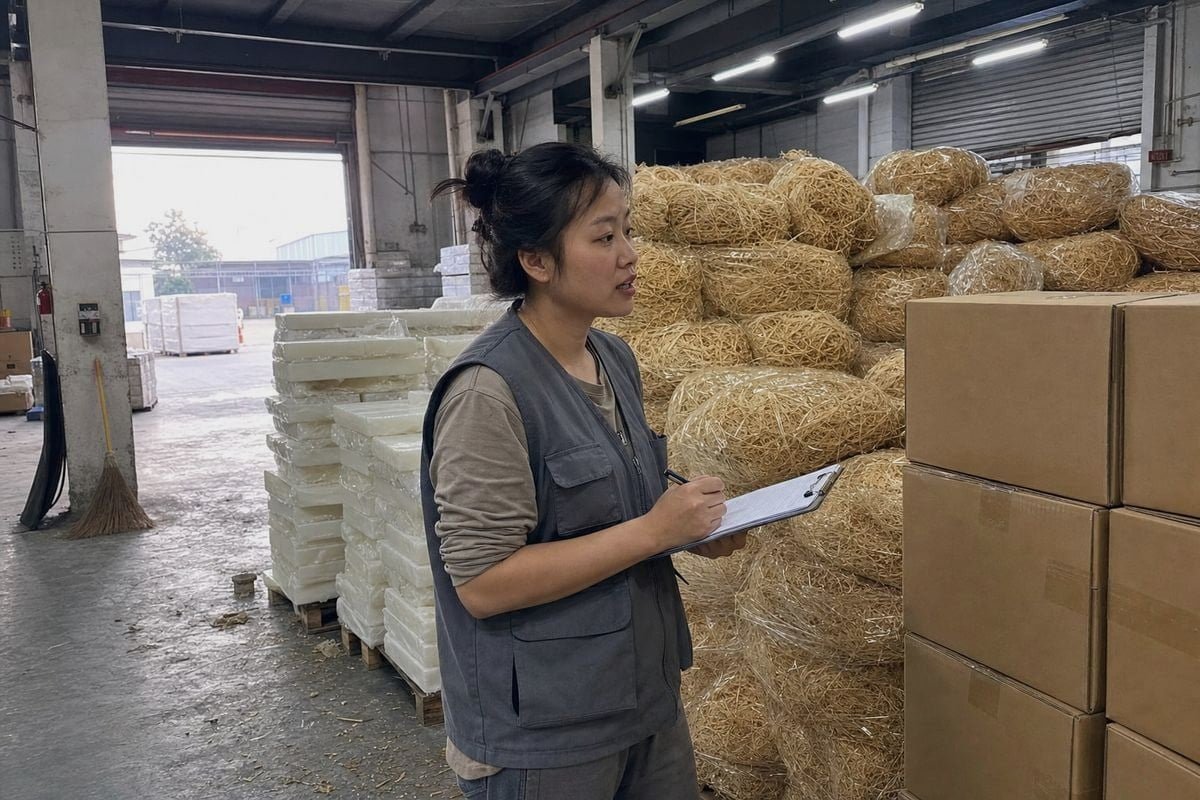
La logique derrière les acomptes de première commande est simple : les matières premières sont achetées avant le début de la production. Pour nos rouleaux de bois enduits de cire, cela signifie paraffine, copeaux de bois, cartons et toutes les boîtes de vente au détail imprimées. Si un nouvel acheteur abandonne en cours de production, une usine détenant des marchandises de marque n'a presque aucune voie de revente. Ce risque est intégré dans l'acompte.
Qu'est-ce qui fait monter ou descend le pourcentage
Trois facteurs font bouger le chiffre. Premièrement, la personnalisation. Une commande en marque privée 2 avec votre logo sur la boîte ne vaut rien pour personne d'autre, elle se situe donc dans la fourchette haute. Deuxièmement, la taille de la commande par rapport à votre historique, qui, pour une première commande, est nulle. Troisièmement, la vérification. Les acheteurs qui effectuent un audit d'usine, un appel vidéo ou une transaction d'assurance commerciale débloquent souvent des conditions plus souples plus rapidement.
| Type de commande (nouvel acheteur) | Acompte typique | Pourquoi |
|---|---|---|
| SKU standard, petite commande d'essai | 30–40% | Les marchandises sont revendables en cas de défaut |
| Emballage personnalisé / marque privée | 40–50% | Le stock de marque ne peut pas être revendu |
| Pré-réservation saisonnière importante (fête du T4) | 50% | La capacité est réservée pendant la haute saison |
| Très grosse première commande | 50% ou L/C | Exposition trop élevée pour un faible acompte |
Au cours de nos dix-sept années d'exportation vers les États-Unis, l'Allemagne et au-delà, nous avons constaté que les nouveaux acheteurs qui acceptent les conditions standard de 50% et paient le solde rapidement passent à de meilleures conditions étonnamment vite. Considérez le premier acompte comme des frais d'entrée dans une relation, pas comme une taxe permanente. Et mettez toujours les conditions par écrit : montant de l'acompte, date d'échéance, conditions de remboursement et déclencheur du solde. Un accord verbal vague ne protège personne.
Encore un point. Certains nouveaux acheteurs insistent pour obtenir 30% dès la première commande. Une usine sérieuse dira généralement non, et honnêtement, une usine qui accepte n'importe quelles conditions de n'importe quel étranger peut être désespérée de liquidités. C'est un signal d'alarme en soi.
Comment mon pourcentage de dépôt affecte-t-il la priorité de production et les délais de livraison ?
Chaque octobre, nos lignes de Ningbo fonctionnent à capacité quasi maximale pour la saison des fêtes, et nos planificateurs classent discrètement les commandes. Le statut de l'acompte est l'une des premières choses qu'ils vérifient. Voici pourquoi c'est important pour vous.
Un acompte plus élevé ou payé plus rapidement déplace généralement votre commande plus haut dans la file de production, car les usines n'achètent les matériaux et ne réservent la capacité de la chaîne de montage qu'une fois l'acompte réglé. En haute saison, un acompte de 50% payé rapidement peut réduire le délai de livraison effectif de une à trois semaines par rapport à un acompte de 30% retardé.
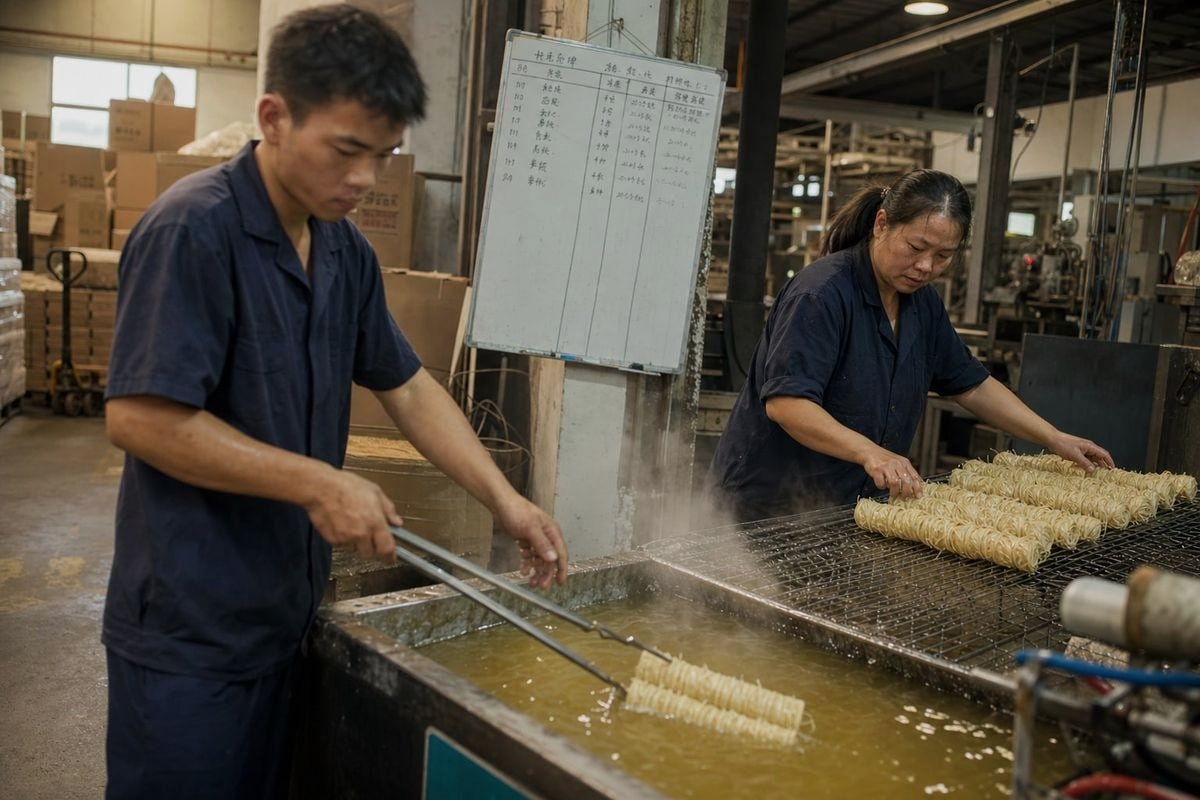
Le délai de livraison des allume-feu en bois n'est pas une horloge unique, c'est une chaîne d'horloges. Approvisionnement en matériaux, enroulement de la laine de bois, trempage dans la cire, séchage, emballage et réservation du fret. L'acompte démarre la première horloge. Pas d'acompte, pas de bons de commande de matériaux. C'est vrai dans notre usine et dans presque toutes les usines que je connais.
Où se situe l'acompte dans le calendrier
- Acompte reçu et encaissé. Les matériaux sont commandés ; la capacité est réservée.
- La production tourne. Pour les rouleaux enduits de cire, le trempage et le séchage prennent un temps fixe que vous ne pouvez pas compresser.
- Inspection avant expédition. Le contrôle qualité par un tiers ou par l'acheteur a lieu ici.
- Solde payé. Les marchandises sont libérées à l'expéditeur ou contre le Connaissement 4.
Notification étape quatre. Un paiement de solde lent retarde l'expédition autant qu'un acompte lent retarde la production. Les acheteurs blâment parfois le "délai de production de l'usine" alors que le véritable goulot d'étranglement était un retard de cinq jours dans leur propre virement bancaire.
La saisonnalité change les calculs
Les allume-feu sont brutalement saisonniers. Les commandes passées au printemps ou en été trouvent une capacité ouverte, donc les usines sont plus flexibles, acceptant parfois 30% même de nouveaux clients, car le coût d'opportunité du temps de ligne est faible. Les commandes passées en septembre pour une livraison en novembre entrent en concurrence pour une capacité limitée. Un acompte engagé de 50% signale le sérieux, et les planificateurs récompensent le sérieux. D'après notre expérience, les acheteurs qui réservent hors saison avec des acomptes modestes obtiennent à la fois de meilleures conditions et des créneaux garantis. C'est le jeu le plus intelligent disponible, et trop peu de responsables des achats l'utilisent.
Le calendrier des devises est également important. Si votre cycle de production s'étend sur huit semaines, les fluctuations des taux de change entre l'acompte et le solde peuvent modifier les coûts réels. La fixation de la devise de la facture et, pour les grosses commandes, l'accord sur une clause de protection du taux maintiennent les deux parties entières.
Puis-je négocier un dépôt inférieur une fois que j'ai établi une relation de confiance avec un fournisseur ?
L'un de nos plus anciens distributeurs allemands a commencé avec 50% d'acompte sur une palette d'essai. Quatre ans et de nombreux conteneurs plus tard, leurs conditions sont très différentes. L'historique est une monnaie véritablement négociable.
Oui. Après trois à cinq commandes à temps, la plupart des fournisseurs réduiront les dépôts de 50 % à 30 %, et les comptes stratégiques à long terme pourront négocier des conditions de 20 % ou même de paiement après expédition. Des volumes constants, des paiements rapides et des prévisions claires sont les leviers les plus efficaces pour des conditions de dépôt plus souples.
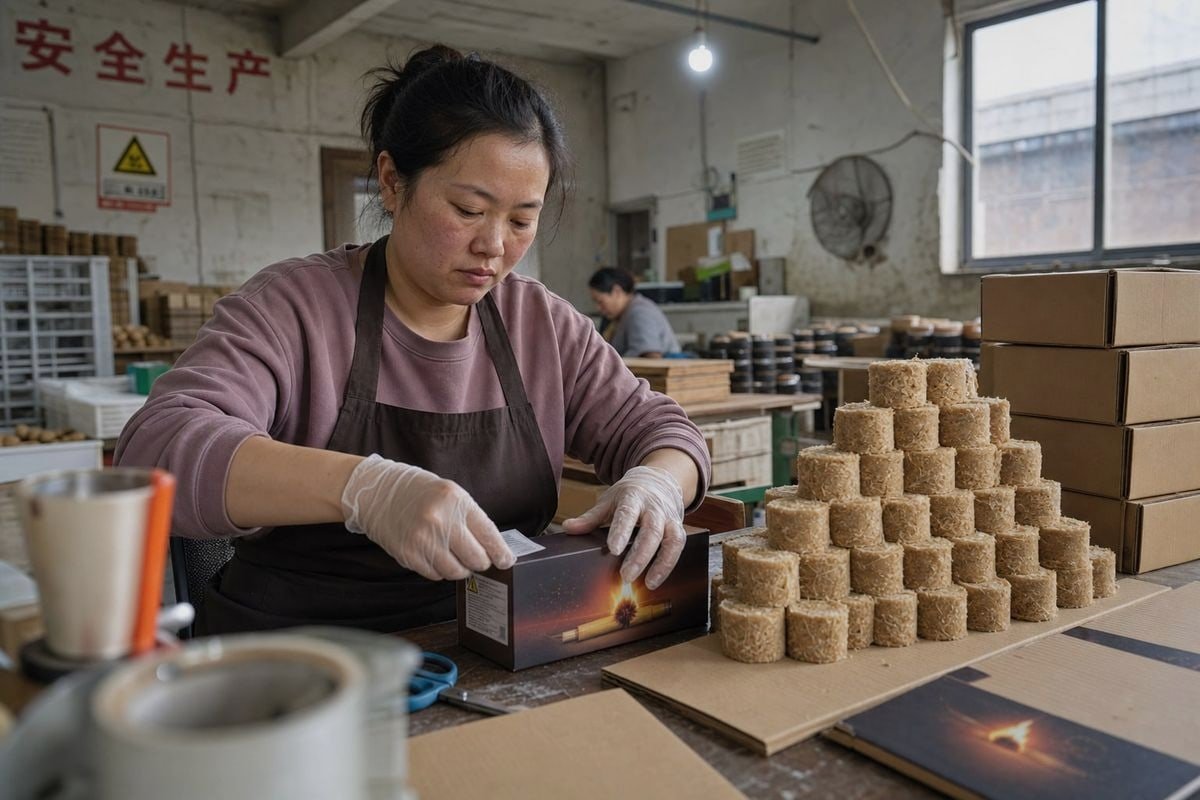
La réduction de l'acompte n'est pas une faveur, c'est une reprévision du risque. Chaque transaction propre réduit le risque perçu d'annulation et de non-paiement par le fournisseur, et les usines rationnelles le répercutent sous forme de flexibilité. Mais il faut demander, et il faut demander avec des preuves.
Qu'est-ce qui permet réellement d'obtenir de meilleures conditions
Du point de vue du fournisseur, ces comportements comptent le plus, à peu près dans l'ordre :
| Comportement de l'acheteur | Effet sur les conditions d'acompte |
|---|---|
| Solde payé à la date d'échéance ou avant, chaque commande | Facteur le plus fort |
| Commandes répétées à volume constant ou croissant | Justifie de vous traiter comme un partenaire |
| Prévisions annuelles ou contrats d'achat généraux | Permet à l'usine de planifier les matériaux ; grand levier |
| Commande de SKUs standard aux côtés de séries personnalisées | Réduit l'exposition aux biens irrécupérables |
| Placement de commande hors saison | Réduit le coût d'opportunité de l'usine |
Remarquez ce qui manque : la taille de la commande seule. Une grosse commande d'un acheteur non éprouvé augmente l'exposition ; elle ne la réduit pas.
Alternatives lorsque la trésorerie est serrée
Si vous ne pouvez pas attendre pour constituer un historique, des alternatives structurées existent. Lettres de crédit 5 donner à l'usine sécurité de paiement sans votre gros paiement initial — courant pour les commandes à l'échelle du conteneur. Plateformes d'assurance commerciale et de dépôt fiduciaire 6 remplissent une fonction similaire pour des volumes plus petits. Les calendriers à plusieurs étapes, tels que 30 % d'acompte, 30 % à mi-production, 40 % avant expédition, répartissent le risque sur le cycle de production et fonctionnent bien pour les biens avec des étapes de durcissement ou de séchage. Lorsque nous proposons des devis aux clients OEM, nous proposons souvent un parcours échelonné par écrit : 50 % sur la première commande, 40 % sur les commandes deux et trois, 30 % par la suite avec un historique de paiement clair. Mettre le parcours par écrit dans le contrat transforme une vague promesse en un plan auquel les deux parties peuvent se tenir mutuellement.
Quels sont les délais de paiement qui me protègent si des problèmes de qualité surviennent après la production ?
Les litiges de qualité sont là où la structure de paiement fait vraiment ses preuves. Nous avons eu une fois l'inspecteur d'un acheteur signaler des temps de combustion incohérents sur un lot — détecté lors de l'inspection avant expédition, avant que le solde ne soit payé. Ce moment a évité une dispute à tout le monde.
La protection la plus solide consiste à lier votre paiement du solde à une inspection préalable à l'expédition réussie : payez un acompte de 30%, puis libérez les 70% restants uniquement après que le contrôle qualité par un tiers ait confirmé les spécifications. Combinez cela avec des normes de qualité écrites, des échantillons conservés et des clauses de recours claires couvrant la retouche, le remplacement ou le crédit.

Un pourcentage d'acompte seul ne protège personne en matière de qualité. Ce qui vous protège, c'est la séquence des paiements et la documentation qui les entoure. Le solde est votre levier ; ne le cédez jamais avant d'avoir vérifié les marchandises.
Intégrez la protection dans le contrat
Votre accord d'achat doit spécifier, au minimum : la plage de temps de combustion par pièce, la composition (par exemple, fibres de bois et de paraffine de 50/50 7), la tolérance de poids par pièce, les limites d'humidité, les spécifications d'emballage, et les certifications de sécurité et rapports de test applicables. Des termes vagues comme "bonne qualité" sont inexécutables. De notre côté, nous maintenons des processus ISO 9001 et fournissons des rapports de test SGS ou Intertek précisément parce que les acheteurs aux États-Unis et dans l'UE ont besoin de normes documentées et vérifiables — et parce qu'un échantillon d'or signé résout la plupart des litiges avant qu'ils ne commencent.
Structures de paiement classées par protection de l'acheteur
| Structure | Niveau de protection de l'acheteur | Notes |
|---|---|---|
| 30 % d'acompte, 70 % après inspection par un tiers | Élevé | Le standard réalisable pour la plupart des commandes |
| 30/70 contre connaissement avec clause d'inspection | Élevé | Courant dans le commerce international |
| Plateforme de dépôt fiduciaire ou d'assurance commerciale | Moyen-élevé | Bon pour les relations plus petites ou plus récentes |
| Lettre de crédit avec documents d'inspection requis | Élevé | Idéal pour les grosses commandes ; coût bancaire plus élevé |
| 50 % d'acompte, 50 % avant la fin de la production | Faible | Solde payé avant que les marchandises ne soient vérifiables |
| 100 % à l'avance | Très faible | À éviter sauf pour les minuscules commandes d'échantillons |
Convenez également des recours à l'avance. Si des défauts apparaissent après expédition, que se passe-t-il ? Des options raisonnables incluent des unités de remplacement dans le prochain conteneur, une note de crédit sur la prochaine commande, ou un remboursement partiel au-dessus d'un seuil de défaut convenu. Conservez des échantillons de référence scellés de chaque lot des deux côtés. Et vérifiez votre réglementation locale — les produits d'allumage pour consommateurs font face à des règles d'étiquetage et de sécurité sur de nombreux marchés, et votre contrat doit indiquer quelle partie certifie la conformité. Une usine confiante dans sa cohérence d'un lot à l'autre acceptera les paiements liés à l'inspection sans drame. L'hésitation sur cette clause vous dit quelque chose.
Conclusion
Choisir mal sur les acomptes soit met à rude épreuve votre trésorerie, soit met à rude épreuve votre relation avec le fournisseur. La solution est simple : 30 % achètent de la flexibilité pour les partenaires éprouvés ; 50 % achètent une protection pendant que la confiance est encore en cours d'acquisition. Adaptez le pourcentage à la relation, documentez tout et liez le solde à l'inspection. De notre chaîne de production à votre entrepôt, cette structure maintient les deux parties honnêtes — et maintient l'expédition des allume-feux à temps.
Notes de bas de page
Explique la matière première référencée comme un coût de production irrécupérable qui entraîne un risque d'acompte. ↩︎
Explique le concept de marque privée qui entraîne des exigences d'acompte plus élevées pour les biens personnalisés. ↩︎
Contexte sur cette matière première utilisée dans la production d'allume-feux trempés dans la cire. ↩︎
Clarifie le document d'expédition auquel les acheteurs font référence lorsque le paiement du solde est dû. ↩︎
Définit l'instrument de financement commercial que les fournisseurs acceptent comme alternative aux gros acomptes initiaux. ↩︎
Page officielle décrivant le service de protection des paiements mentionné comme alternative à l'acompte. ↩︎
Contexte sur la cire de paraffine, un facteur de composition matérielle clé pour les allume-feu. ↩︎



 English
  Spanish
  German
  French
  Arabic
  Portuguese
Rejoignez la conversation