







Chaque printemps, nos lignes de production à Ningbo tournent à plein régime pour les commandes d'allume-feu en bois de clients basés en Chine documentation CE 1. Le schéma douloureux que je vois ? Les détaillants commandent trop tard, le stock arrive après la fête des Mères, et une marge de saison entière s'évapore.
Pour planifier les commandes d'allume-feu en bois depuis la Chine pour la haute saison du camping, travaillez à rebours à partir de votre date de mise en stock. Prévoyez 30 à 45 jours pour la production, 40 jours pour le transport maritime et 20 jours pour le dédouanement et la livraison — passez donc vos commandes en gros en janvier ou février pour un lancement fin mai.
C'est la réponse courte. Mais le vrai calendrier comporte plus de pièges — le Nouvel An chinois 2, l'échantillonnage, la paperasse de conformité et les pics de fret. Laissez-moi vous expliquer chacun d'eux.
Combien de temps à l'avance dois-je passer ma commande pour garantir le stock avant le début de la haute saison de camping ?
L'année dernière, un distributeur néerlandais nous a envoyé un e-mail en avril demandant des allume-feu en laine de bois en vrac pour juin. Nous avons dû lui dire les chiffres honnêtes — et ça a fait mal.
Passez votre commande en gros au moins 4 à 5 mois avant le début de la haute saison de camping. Pour un lancement en magasin fin mai aux États-Unis ou en Europe, finalisez votre bon de commande d'ici janvier, ou d'ici octobre-novembre si la production doit se terminer avant la fermeture du Nouvel An chinois.

L'erreur que font la plupart des importateurs pour la première fois est de baser leur commande uniquement sur le délai de livraison de l'usine. D'après notre expérience d'exportation dans plus de 30 pays, l'usine n'est qu'une partie du calendrier. Vous avez également besoin de temps pour l'échantillonnage, l'approbation de l'emballage, les délais de transit du fret maritime, le processus de dédouanement 3, et le transport routier national vers votre entrepôt. Chaque étape prend des semaines.
Travaillez à rebours à partir de la date de mise en rayon, pas à partir du devis
Commencez par la date à laquelle votre produit doit être vendable. Pour les articles de camping aux États-Unis, c'est généralement à la mi-mai, avant le week-end de la fête des Mères. En Allemagne ou au Royaume-Uni, la saison du jardin et du camping commence vers avril. Ensuite, soustrayez chaque étape.
| Étape | Durée typique | Notes |
|---|---|---|
| Approbation et révisions des échantillons | 2–4 semaines | Plus long pour l'emballage personnalisé |
| Production | 30–45 jours | Standard pour les allume-feu en bois |
| Réservation et fret intérieur vers le port | 1–2 semaines | Réservez les navires tôt pendant les mois de pointe |
| Transit maritime (Chine vers États-Unis/UE) | Mêmes QMC | Dépend de la route |
| Dédouanement et arrimage | 1–3 semaines | Marge pour les inspections |
| Réception et distribution en entrepôt | 1–2 semaines | Souvent oublié |
Additionnez ces éléments et vous arrivez à environ 90 à 120 jours pour une commande répétée, et 120 à 150 jours pour une première commande avec un nouvel emballage. C'est pourquoi nos acheteurs les plus fiables à long terme confirment leurs volumes saisonniers à l'automne, pas au printemps.
Le facteur du Nouvel An chinois
Les retards d'expédition du Nouvel An chinois sont le plus grand piège du calendrier. Les usines ferment pendant deux semaines, mais la véritable paralysie dure six à huit semaines — les travailleurs rentrent chez eux, la production redémarre lentement et les ports s'engorgent. Si vos marchandises doivent être expédiées au premier trimestre, passez la commande avant octobre pour que la production soit terminée avant la fermeture. Les commandes passées en décembre n'expédient souvent qu'en mars.
Quels délais devrais-je prévoir pour la production et l'expédition internationale depuis une usine chinoise de démarreurs de feu en bois ?
Lorsque nous indiquons les délais de livraison dans notre usine de Ningbo, je sépare toujours deux chiffres : les jours pour terminer la production et les jours jusqu'à ce que le conteneur quitte votre port. Les acheteurs qui confondent les deux se brûlent les doigts.
Attendez 30 à 45 jours pour la production d'allume-feu en bois dans une usine chinoise, plus 25 à 40 jours de transport maritime, et 15 à 20 jours pour le dédouanement et la livraison intérieure. Le délai total de porte à porte est généralement de 75 à 105 jours pour les commandes répétées.
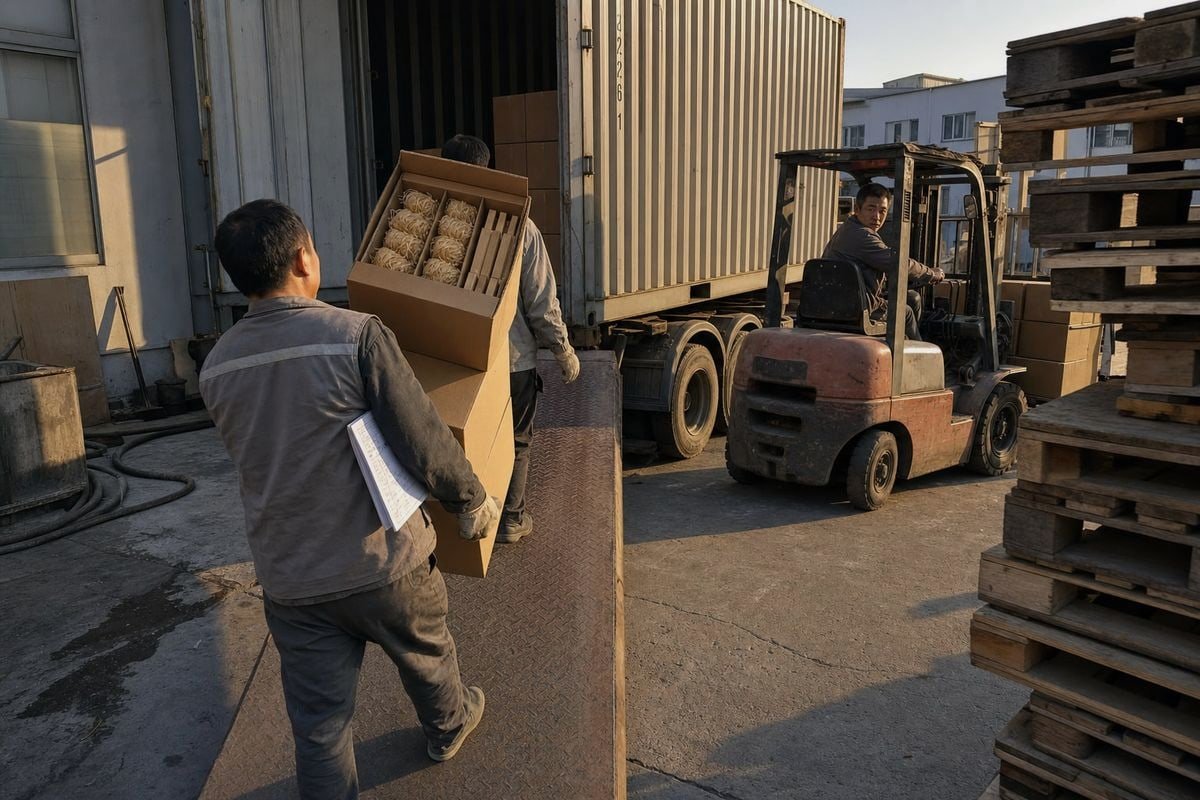
La gestion des délais pour un produit saisonnier d'allumage consiste vraiment à comprendre ce qui étire chaque étape. Les allume-feu en bois semblent simples — rouleaux de laine de bois trempés dans la cire, pastilles de fibres de bois compressées — mais le processus de production présente des goulots d'étranglement naturels qu'une feuille de calcul ne vous montrera pas.
Ce qui étire la fenêtre de production
Le séchage au four est la variable cachée. Nos rouleaux de bois doivent atteindre un faible taux d'humidité teneur en humidité 4 avant le trempage dans la cire, et pendant la saison humide des pluies de juin-juillet, les cycles de séchage dans le sud de la Chine peuvent durer environ 15 % plus longtemps. Les inspections environnementales dans les régions de transformation du bois peuvent également déclencher des pauses courtes et non annoncées dans l'approvisionnement en matériaux à l'automne. Nous intégrons ces risques dans nos calendriers, mais tous les fournisseurs ne le font pas — demandez-leur directement comment ils les gèrent.
La taille de la commande compte aussi. La plupart des usines fixent un seuil quantité minimale de commande d'environ quelques milliers d'ensembles, et les commandes personnalisées plus importantes font la queue derrière la production existante. Les premières commandes avec emballage sous marque privée ajoutent deux à quatre semaines pour les illustrations, les épreuves de cartons et l'approbation des étiquettes.
Réalités du fret maritime par destination
| Destination | Transit maritime | Dédouanement + Arrimage | Typique Porte-à-Porte |
|---|---|---|---|
| Côte Ouest des États-Unis | 18–25 jours | 10–20 jours | 75–90 jours au total |
| Côte Est des États-Unis | 30–40 jours | 10–20 jours | 90–105 jours au total |
| Europe du Nord (Rotterdam, Hambourg) | 30–38 jours | 7–15 jours | 85–100 jours au total |
| Royaume-Uni (Felixstowe) | 30–36 jours | 7–15 jours | 85–100 jours au total |
Deux autres avertissements de calendrier. De juillet à octobre, les transporteurs surréservent les navires ; sécurisez votre réservation environ quatre semaines à l'avance ou risquez des reports de cargaison, plus une surtaxe de pointe 5 sur les tarifs de fret. Et évitez de programmer les enlèvements d'exportation dans les dix jours suivant le Double 11 en novembre, lorsque la logistique intérieure consomme le transport routier et la main-d'œuvre portuaire dans toute la Chine. Semaine d'Or 6 en début octobre provoque une pression similaire — tirez le réapprovisionnement de fin de saison vers août.
Enfin, comparer les devis sur le coût débarqué, pas seulement le prix FOB Chine. Un prix unitaire moins cher n'a que peu d'importance si le fret vous oblige à expédier par avion plus tard.
Comment puis-je intégrer les vérifications de certification et la paperasse de conformité dans mon calendrier de commande sans causer de retards?
Un acheteur allemand m'a dit un jour que l'expédition de son ancien fournisseur était restée bloquée à la douane de Hambourg pendant trois semaines parce que la documentation SDS était incomplète. Cette histoire explique pourquoi nous gardons nos rapports de test prêts avant de faire des devis.
Demandez tous les documents de conformité — fiches SDS, rapports de test SGS ou Intertek, et documentation CE — lors de la sélection des fournisseurs, avant de passer votre commande. La vérification des documents en parallèle avec l'échantillonnage n'ajoute aucun jour à votre calendrier ; la découverte de lacunes après la production en ajoute des semaines.
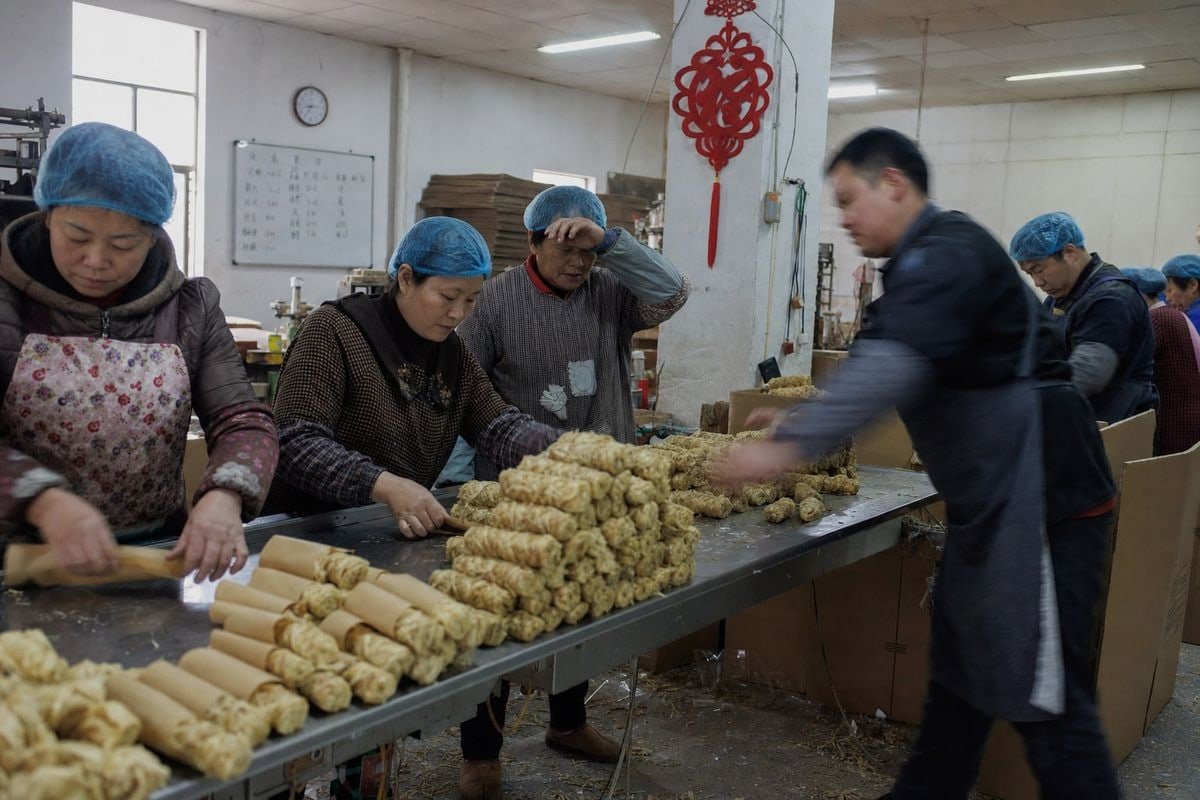
La conformité n'est pas une étape que l'on ajoute à la fin. C'est un filtre que l'on applique au début. Au cours de nos 17+ années d'approvisionnement pour les importateurs américains et européens, les acheteurs qui ne rencontrent jamais de retards douaniers sont ceux qui auditent la paperasse avant d'auditer les prix. Les allume-feu sont des biens de consommation combustibles, donc les autorités douanières et les grands détaillants les examinent plus attentivement que le matériel de camping ordinaire.
Exécutez la conformité en parallèle, pas en séquence
Voici la séquence qui n'ajoute aucun temps à votre calendrier :
- Lors de la présélection des fournisseurs : demandez les ISO 9001 7 et les certificats BSCI, ainsi que les rapports de test SGS ou Intertek existants pour le produit exact. Une vraie usine les a en dossier. Une société commerciale doit souvent aller les chercher.
- Lors de l'échantillonnage : demandez la fiche SDS et vérifiez que la composition du matériau correspond à l'étiquette fiche de données de sécurité 8 — par exemple, un mélange de fibre de bois et de paraffine indiqué. N'acceptez jamais les affirmations de certification verbales.
- Lors de l'approbation des illustrations : confirmez les étiquettes d'avertissement, les codes-barres et les exigences linguistiques pour votre marché. Les règles d'étiquetage de l'UE et des États-Unis diffèrent, et réimprimer des cartons en cours de production coûte deux semaines.
- Avant l'expédition : collectez la facture commerciale, la liste de colisage et toutes les déclarations requises afin que votre courtier en douane puisse pré-déclarer.
Surveillez les affirmations sur votre emballage
Si vous commercialisez des allume-feu écologiques comme étant entièrement naturels ou sans produits chimiques, cette affirmation doit être étayée par la documentation du fournisseur. Nos propres produits utilisent des matériaux écologiques sans produits chimiques nocifs, et nous fournissons les rapports de test pour le prouver — car une affirmation écologique sans paperasse est un risque douanier et de responsabilité, pas un argument de vente. Planifiez également l'emballage protecteur à l'avance : les produits en bois sensibles à l'humidité expédiés pendant les mois humides bénéficient d'un emballage intérieur chargé de dessicants ou scellé, et cette spécification doit être verrouillée avant le début de la production, pas après.
Dois-je demander une commande d'essai en début d'année pour confirmer la qualité avant de m'engager sur mon volume saisonnier complet ?
Nous encourageons activement les commandes d'essai dans notre usine, même si elles sont moins efficaces pour nos lignes. Pourquoi ? Parce qu'un acheteur qui teste nos allume-feu en bois en janvier devient un acheteur régulier confiant en mars.
Oui — passez une petite commande d'essai en janvier ou février. Cela vous permet de vérifier les performances de combustion, la durabilité de l'emballage et la fiabilité du fournisseur avec de véritables produits de production, tout en laissant suffisamment de temps au calendrier pour passer et recevoir votre volume saisonnier complet avant la haute saison du camping.

Une commande d'essai remplit trois fonctions à la fois. Elle teste le produit, elle teste le fournisseur et elle teste votre propre processus d'importation de bout en bout. Pour un produit de consommation saisonnier comme les allume-feu, les trois sont importants, car vous n'avez qu'une seule fenêtre de vente par an.
Ce qu'il faut réellement tester
Ne vous contentez pas d'allumer un allume-feu par temps calme et de le déclarer approuvé. Testez la manière dont vos clients l'utiliseront. Vérifiez l'allumage par vent. Vérifiez les performances après que le produit ait été stocké dans un garage humide. Chronométrez la combustion — un allume-feu qui promet huit minutes mais brûle cinq générera des retours. Vérifiez l'odeur, la fumée excessive et les résidus de cendres. Et inspectez l'emballage après le transport : les cartons écrasés et la floraison de cire vous indiquent comment la cargaison en vrac arrivera.
Une mise en garde de notre côté : un bon échantillon ne prédit une bonne commande en gros que si l'usine dispose d'un véritable contrôle qualité lot par lot. C'est là que la véritable profondeur de fabrication compte. Nous avons conçu nos processus de manière à ce que le premier échantillon reflète de manière fiable la qualité de la production de masse — mais vous devriez vérifier cela avec n'importe quel fournisseur en demandant comment ils contrôlent les ratios de cire, les niveaux d'humidité et la densité de la laine de bois entre les lots.
Commande d'essai versus commande directe en gros
| Facteur | Commande d'essai d'abord | Directement en gros |
|---|---|---|
| Risque de qualité | Faible — vérifié avant le volume | Élevé — défauts découverts à grande échelle |
| Coût calendaire | 4–6 semaines supplémentaires si commencé tôt | Aucun, mais pas de filet de sécurité |
| Aperçu du fournisseur | Teste la communication et la livraison à temps | Inconnu jusqu'à ce qu'il soit trop tard |
| Position de négociation | Plus forte pour le contrat de gros | Plus faible — le fournisseur sait que vous êtes engagé |
| Meilleur moment | Janvier-février | Uniquement viable pour les fournisseurs réguliers éprouvés |
Une commande d'essai affine également votre prévision d'inventaire. Vendre un petit lot par votre canal au début du printemps vous donne des données de vente réelles avant de vous engager sur le budget saisonnier complet. De nombreux fournisseurs, y compris nous-mêmes, offrent des MOQ flexibles précisément pour que les acheteurs sérieux puissent exécuter ce plan sans immobiliser de capital.
Conclusion
Les commandes tardives tuent les marges de la saison de camping. Manquez la fenêtre, et l'opportunité d'une année est perdue. La solution est une planification inversée à partir de votre date de mise en rayon.
Commandez des allume-feu en bois en provenance de Chine quatre à cinq mois avant le pic de la saison de camping. Effectuez des contrôles de conformité en parallèle avec l'échantillonnage, respectez le Nouvel An chinois et les pics de fret, réservez les navires tôt, et utilisez une commande d'essai en janvier pour réduire les risques de votre engagement en gros. Après plus de 17 ans d'expédition de produits allume-feu à des acheteurs aux États-Unis, en Europe et au-delà, je peux vous dire que les détaillants qui gagnent la saison ne sont jamais ceux qui ont trouvé le devis le moins cher – ce sont ceux qui ont commandé à temps, auprès d'une usine dont ils avaient déjà testé la paperasse, la qualité et les dates de livraison.
Notes de bas de page
La page officielle de l'UE explique les exigences de marquage CE référencées pour la paperasse de conformité européenne. ↩︎
Contexte sur le jour férié provoquant la fermeture de l'usine discutée dans l'article. ↩︎
La source officielle des douanes américaines explique les procédures de dédouanement référencées dans la répartition des délais. ↩︎
Le contexte de Wikipédia explique le processus de séchage au four affectant les niveaux d'humidité des fibres de bois décrits. ↩︎
La ressource commerciale de l'OMC contextualise les surcharges de fret liées aux pics de demande d'expédition mondiaux. ↩︎
Contexte sur le jour férié national qui provoque la congestion logistique mentionnée dans le calendrier de fret. ↩︎
Aperçu stable et faisant autorité de la norme de gestion de la qualité, évitant les erreurs 403 courantes sur le domaine ISO. ↩︎
La référence de l'OSHA explique la norme de documentation FDS citée pour la conformité et le dédouanement. ↩︎

 English
  Spanish
  German
  French
  Arabic
  Portuguese
Rejoignez la conversation