






Les allume-feu en cire de paraffine semblent simples, mais l'étiquetage CLP de l'UE ne l'est pas Pictogramme de flamme GHS02 1. Sur notre ligne de production, nous avons vu de bons produits arrêtés à la douane pour un seul élément d'étiquetage manquant.
Pour garantir la conformité des allume-feux en cire de paraffine avec l'étiquetage CLP de l'UE, classez d'abord le mélange fini, puis appliquez les éléments d'étiquetage de l'article 17 : coordonnées du fournisseur, identificateur du produit, quantité nominale, pictogrammes de danger, mention d'avertissement, mentions de danger et conseils de prudence, ainsi que le texte traduit pour chaque marché de l'UE.
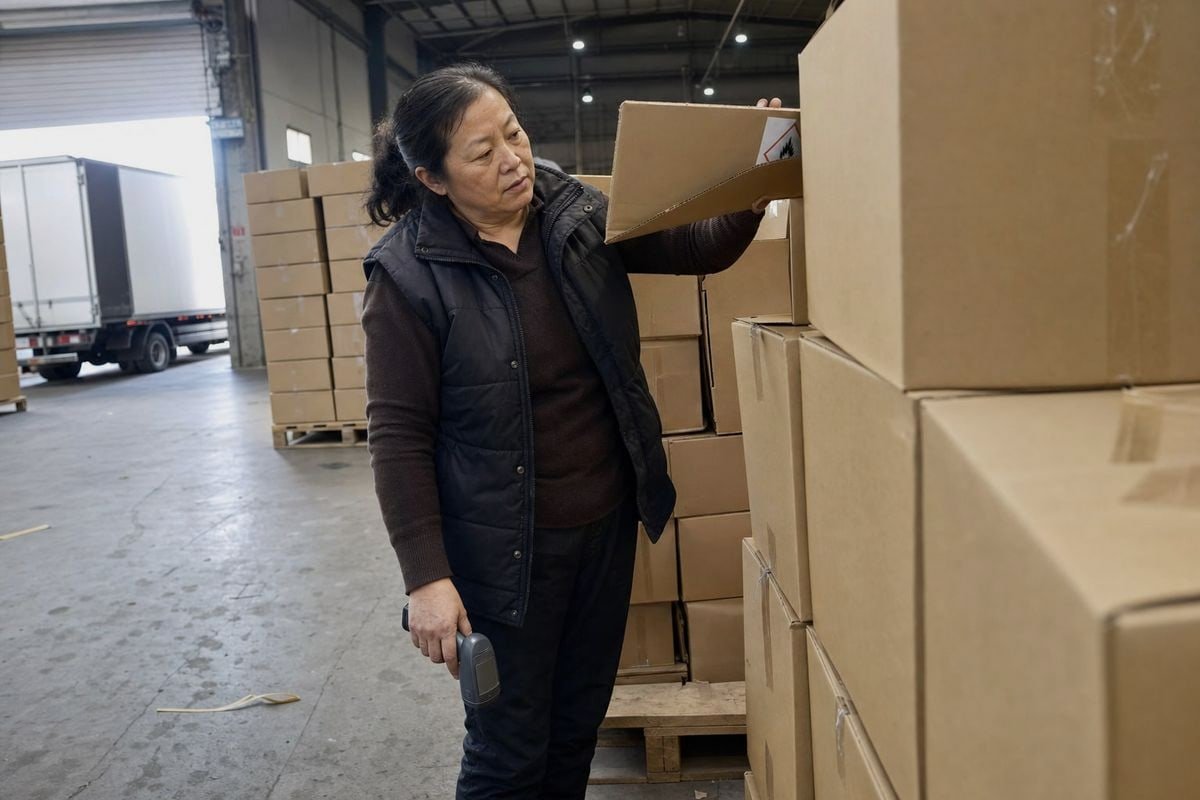
Laissez-moi vous expliquer ce que cela signifie en pratique test du point d'éclair 2. Je couvrirai les symboles requis, les rapports de test qui les étayent, les étiquettes multilingues et ce qui se passe lorsque les choses tournent mal.
Quels symboles de danger et avertissements CLP doivent figurer sur l'emballage de mon allume-feu ?
Un distributeur allemand nous a un jour demandé pourquoi nos rouleaux de bois trempés dans la cire nécessitaient un pictogramme de flamme alors que les bougies ordinaires n'en avaient pas. Cette question va au cœur du CLP : la classification passe avant tout, les étiquettes ensuite.
Les allume-feux en cire de paraffine classés comme inflammables nécessitent généralement le pictogramme de flamme GHS02, le mot d'avertissement Attention ou Danger, des mentions de danger en texte intégral telles que Solide inflammable, des mentions de précaution correspondantes, le nom et l'adresse du fournisseur, l'identificateur du produit et la quantité nominale pour les emballages de consommation.

Voici le point clé que de nombreux acheteurs manquent. La cire de paraffine pure en soi n'est souvent pas classée comme dangereuse. C'est pourquoi certains guides sur les bougies disent que les produits à base de cire sont exemptés de l'étiquetage CLP. Mais un allume-feu n'est pas une bougie. Il est conçu pour s'enflammer rapidement et brûler fort. Nos allume-feu en bois combinent de la fibre de bois et de la paraffine, et c'est ce mélange fini qui est classé — pas la cire brute seule.
Les neuf éléments d'étiquetage que vous devez vérifier
Article 17 du CLP 3 définit le contenu obligatoire de l'étiquette. Au cours de nos 17 années d'exportation vers l'Allemagne, la France, les Pays-Bas et la Pologne, nous construisons chaque étiquette UE autour de cette liste de contrôle :
| Élément d'étiquette | Requis ? | Notes pour les allume-feu |
|---|---|---|
| Nom, adresse, téléphone du fournisseur | Toujours | Le responsable basé dans l'UE est généralement indiqué |
| Identificateur du produit | Toujours | Nom commercial plus identité du mélange si nécessaire |
| Quantité nominale | Emballages consommateurs | Nombre de pièces ou poids, par exemple 100 pièces |
| Pictogramme de danger | S'il est classé | Généralement flamme GHS02 pour les solides inflammables |
| Mention d'avertissement | S'il est classé | Avertissement ou Danger, jamais les deux |
| Mentions de danger | S'il est classé | Texte intégral, pas seulement des codes H |
| Mentions de prudence | S'il est classé | Texte intégral, sélectionné pour un usage consommateur |
| Informations supplémentaires | Au cas par cas | Peut inclure l'UFI ou tout autre texte requis |
| Langue(s) | Toujours | Langue officielle de chaque marché |
La classification régit tout
Nous ne copions jamais une étiquette de la boîte d'un concurrent. Leur formulation peut différer de la nôtre. Des additifs tels que des accélérants, des huiles parfumées ou des liants peuvent complètement modifier le résultat de la classification. Un produit composé à 50% de fibre de bois et à 50% de paraffine peut tester différemment d'un produit contenant du kérosène ajouté. Donc, nous classons chaque formule finie, puis construisons l'étiquette à partir du résultat. N'oubliez pas non plus les considérations de l'article 25 pour les biens de consommation, telles que les déclarations de sécurité pour les enfants. "Tenir hors de portée des enfants" apparaît sur nos emballages consommateurs en pratique courante.
Comment obtenir des rapports de test SGS ou Intertek pour étayer les déclarations de conformité CLP ?
Lorsque nous avons mis en place notre premier programme de test SGS il y a des années, nous avons appris une leçon difficile : le rapport n'est aussi bon que l'échantillon et la portée des tests que vous définissez à l'avance.
Envoyez des échantillons représentatifs de la production à un laboratoire accrédité tel que SGS ou Intertek, demandez des tests d'inflammabilité et de point d'éclair ainsi qu'un examen de la classification CLP, et spécifiez le marché cible. Le laboratoire délivre un rapport que vous pouvez utiliser comme preuve défendable pour la classification des dangers et le contenu de l'étiquette.

Les rapports de test de tiers sont l'épine dorsale d'une revendication de conformité défendable. Les importateurs de l'UE portent la responsabilité légale des produits qu'ils mettent sur le marché. Si une autorité remet en question votre étiquette, vous avez besoin de documentation montrant comment vous êtes arrivé à votre classification. Nos acheteurs aux États-Unis et en Europe considèrent les rapports SGS et Intertek comme une exigence stricte, pas comme un plus appréciable, et nous sommes d'accord avec eux.
Le processus de test, étape par étape
- Définir la portée. Indiquez au laboratoire le type de produit, les marchés cibles et la réglementation applicable. Pour l'UE, cela signifie Règlement CLP (CE) n° 1272/2008 4.
- Soumettre des échantillons représentatifs. Les échantillons doivent provenir de la production réelle, pas d'un échantillon d'or choisi à la main. Notre contrôle qualité lot par lot existe précisément pour que l'échantillon testé corresponde à ce qui est expédié.
- Effectuer des tests de danger physique. Les tests typiques couvrent le comportement d'inflammabilité et les caractéristiques de combustion du mélange fini.
- Recevoir un support de classification. Le rapport documente les résultats des tests qui soutiennent ou excluent les classes de danger telles que les solides inflammables.
- Garder les enregistrements à jour. Retester chaque fois que la formule, un fournisseur de matières premières ou l'emballage change.
Ce qu'un bon dossier de rapport comprend
| Document | Objectif |
|---|---|
| Rapport de test d'un laboratoire accrédité | Preuve de classification des dangers physiques |
| Fiche de Données de Sécurité 5 (Format Annexe II REACH) | Composition, dangers, manipulation, élimination |
| Déclarations des fournisseurs sur les matières premières | Traçabilité des intrants de cire et de fibres de bois |
| Approbation de la maquette d'étiquette | Preuve que l'étiquette correspond à la classification |
Un conseil pratique tiré de notre expérience : demandez au laboratoire de tester sous accréditation ISO/CEI 17025. Les agents des douanes et les la surveillance du marché 6 autorités accordent beaucoup plus de poids aux résultats accrédités. Nous conservons nos rapports SGS et Intertek et les partageons avec les acheteurs lors de l'échantillonnage, afin que leurs équipes de conformité puissent tout examiner avant de passer une commande d'essai.
Mon fournisseur peut-il fournir des étiquettes multilingues pour différents marchés de l'UE ?
Notre équipe de conception a une fois produit cinq versions linguistiques d'une seule boîte d'allume-feu pour un client vendant par l'intermédiaire de distributeurs en Allemagne, en France et dans le Benelux. Obtenir cela correctement leur a évité de diviser les stocks par pays.
Oui, un fournisseur OEM compétent peut imprimer des étiquettes CLP multilingues couvrant tous les marchés cibles. Le CLP exige des mentions de danger et des conseils de prudence dans la langue officielle de chaque État membre où le produit est vendu, de sorte que les panneaux multilingues ou les versions d'étiquettes spécifiques à chaque pays sont une pratique courante.
La conformité linguistique n'est pas facultative en vertu du CLP. Un allume-feu vendu en France doit porter le texte de l'étiquette en français. Vendu en Pologne, il faut du polonais. Certains États membres acceptent plusieurs langues sur une seule étiquette, et de nombreuses marques utilisent des étiquettes européennes combinées pour conserver un SKU pour toute la région. Mais il y a un compromis que nous discutons toujours avec les acheteurs : plus il y a de langues, plus les polices de caractères sont petites et moins il y a d'espace pour la marque. Sur une petite boîte d'allume-feu cylindrique, cet espace disparaît rapidement.
Deux approches courantes
| Avantages | Remplissage mensuel | Régions tempérées, utilisateurs occasionnels |
|---|---|---|
| Une étiquette multilingue (5-10 langues) | SKU unique, inventaire plus simple, MOQ plus bas par version | Disposition encombrée, texte minuscule, moins d'espace pour la marque |
| Versions d'étiquettes spécifiques au pays | Conception épurée, forte présence en rayon | SKUs multiples, MOQs d'impression plus élevés, plus d'approbations de conception graphique |
Que demander à votre fournisseur
Dans notre service OEM/ODM tout-en-un, nous gérons l'ensemble du dossier d'étiquetage : traduction du texte d'avertissement, placement du code-barres, conception de marque privée et emballage d'affichage. Mais nous disons toujours aux acheteurs de garder deux responsabilités claires. Premièrement, la traduction des déclarations de danger et des conseils de prudence doit utiliser la formulation officielle du CLP pour chaque langue — ce sont des phrases standardisées, pas des traductions libres. Deuxièmement, l'acheteur ou son représentant dans l'UE doit donner l'approbation finale, car l' importateur assume la responsabilité légale dans l'UE. Nous fournissons des maquettes prêtes à imprimer et des échantillons de pré-production afin que l'équipe de conformité puisse vérifier chaque panneau linguistique avant la production de masse. La lisibilité est également importante. Les étiquettes doivent rester lisibles pendant le transport et la manipulation normale, et doivent être visibles au point de vente — y compris les multipacks et les boîtes d'affichage.
Que se passe-t-il si mes allume-feux sont jugés non conformes à la douane de l'UE ?
Au début de notre histoire d'exportation, une expédition de produits d'allumage d'un autre fournisseur de notre région a été retenue à Rotterdam en raison de lacunes dans l'étiquetage. Observer cela a façonné la façon dont nous documentons chaque conteneur que nous expédions.
Les allume-feux non conformes peuvent être retenus aux douanes de l'UE, nécessitant un ré-étiquetage, une ré-exportation ou une destruction aux frais de l'importateur. Les autorités peuvent également infliger des amendes, exiger le retrait du marché des stocks déjà vendus et enregistrer le cas dans les systèmes d'alerte de sécurité de l'UE, nuisant aux relations avec les détaillants.

Le coup financier est rarement limité à une seule expédition. Les autorités douanières coopèrent avec les organismes de surveillance du marché, de sorte qu'un conteneur signalé peut déclencher l'inspection des marchandises déjà en rayon. Les détaillants peuvent alors retirer des stocks, émettre des notes de débit ou radier le produit entièrement. Pour un responsable des achats, c'est le scénario cauchemardesque : le coût des marchandises devient la plus petite partie de la perte.
Résultats typiques de l'application de la loi
- Détention à la frontière. L'expédition reste dans un entrepôt sous douane pendant que vous répondez. Les frais de stockage s'accumulent quotidiennement.
- Mesures correctives. Si le produit lui-même est sûr mais que l'étiquette est incorrecte, les autorités peuvent autoriser un ré-étiquetage sous supervision. C'est lent et coûteux, mais récupérable.
- Rejet ou destruction. Si la classification est incorrecte ou si la documentation est manquante, les marchandises peuvent être refusées à l'entrée ou détruites.
- Amendes et suivi. Les États membres fixent leurs propres sanctions. Les problèmes répétés entraînent un examen plus approfondi des futures expéditions.
- Retrait du marché. Les produits déjà distribués peuvent devoir être rappelés de la chaîne d'approvisionnement.
Comment éviter cela avant l'expédition
La prévention est moins chère que n'importe lequel des résultats ci-dessus. Notre approche consiste à verrouiller la conformité lors de l'échantillonnage, pas après la production. Nous confirmons la classification, partageons les rapports de test, obtenons l'approbation des maquettes d'étiquettes par écrit et vérifions la Notification au Centre Antipoison 7 question tôt. Si votre allume-feu est un mélange dangereux en vertu du CLP, une soumission PCN avec un code UFI peut être requise avant la vente dans l'UE — et l'UFI peut devoir figurer sur l'étiquette comme information supplémentaire. Tous les allume-feux à base de cire de paraffine n'ont pas besoin d'un UFI, mais vous devez le vérifier pour votre formulation spécifique plutôt que de présumer. Nous recommandons également de conserver la FDS, les rapports de test et les approbations d'étiquettes dans un seul dossier qui accompagne chaque bon de commande. Lorsque les douanes posent des questions, une réponse rapide et complète permet généralement de faire avancer les marchandises.
Conclusion
La conformité CLP pour les allume-feux à base de cire de paraffine commence par la classification du mélange fini, puis par la création d'une étiquette Article 17 étayée par des rapports de test accrédités et les bonnes langues. Faites-le correctement avant l'expédition, et les douanes de l'UE deviennent une formalité — pas un risque.
Notes de bas de page
Contexte sur les pictogrammes du Système Général Harmonisé utilisés pour l'étiquetage des dangers inflammables. ↩︎
Référence EPA sur les tests d'inflammabilité et de point d'éclair pertinents pour la classification des dangers. ↩︎
Liens vers le règlement officiel de l'UE définissant les éléments d'étiquetage obligatoires référencés dans le texte. ↩︎
Règlement UE fondamental régissant la classification, l'étiquetage et l'emballage référencé dans tout l'article. ↩︎
Explique le document standardisé au format REACH référencé pour la communication des dangers. ↩︎
Contexte du portail officiel de l'UE sur les autorités de surveillance du marché appliquant la conformité CLP. ↩︎
Explique le rôle des centres antipoison pertinents pour les exigences PCN et de code UFI mentionnées. ↩︎


 English
  Spanish
  German
  French
  Arabic
  Portuguese
Rejoignez la conversation