






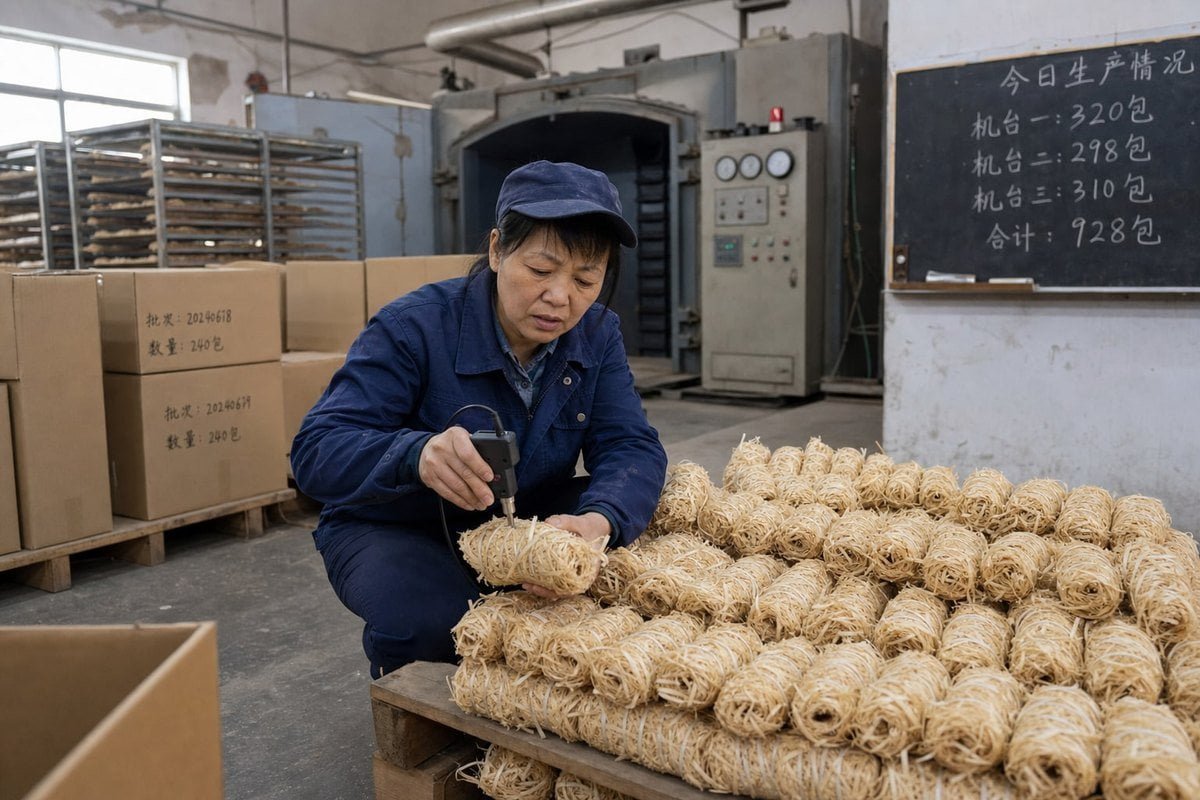
La qualité constante entre les lots d'allume-feu au bois est plus difficile qu'il n'y paraît. Sur notre chaîne de production, un réglage de four déviant a coûté une fois à un client une réclamation pour un conteneur entier.
Pour garantir une qualité constante des lots d'allume-feu en bois expédiés aux entrepôts régionaux, standardiser les spécifications des matières premières, calibrer l'équipement de production, tester la teneur en humidité par lot, échantillonner chaque production pour le temps d'allumage et de combustion, utiliser un emballage anti-humidité et appliquer les règles de stockage en entrepôt avec des rapports de test au niveau du lot.
Cette réponse semble simple. En pratique, chaque étape comporte des pièges. Je vais vous les expliquer un par un, en me basant sur ce qui se passe réellement dans une usine d'allume-feu et dans la logistique d'exportation réelle.
Quelles certifications devrais-je demander pour confirmer une qualité constante sur les lots de production ?
Un distributeur allemand m'a dit un jour que son fournisseur précédent envoyait des "certificats" vieux de trois ans et couvrant un produit différent. Cette conversation a façonné la manière dont nous traitons la documentation aujourd'hui.
Demander la certification ISO 9001 pour les systèmes de management de la qualité, la certification BSCI pour la conformité sociale des usines, le marquage CE lorsque applicable, et les rapports de test actuels SGS ou Intertek liés au produit spécifique. Ensemble, ces éléments confirment que le fournisseur gère un processus reproductible, et pas seulement un lot d'échantillons de bonne qualité.
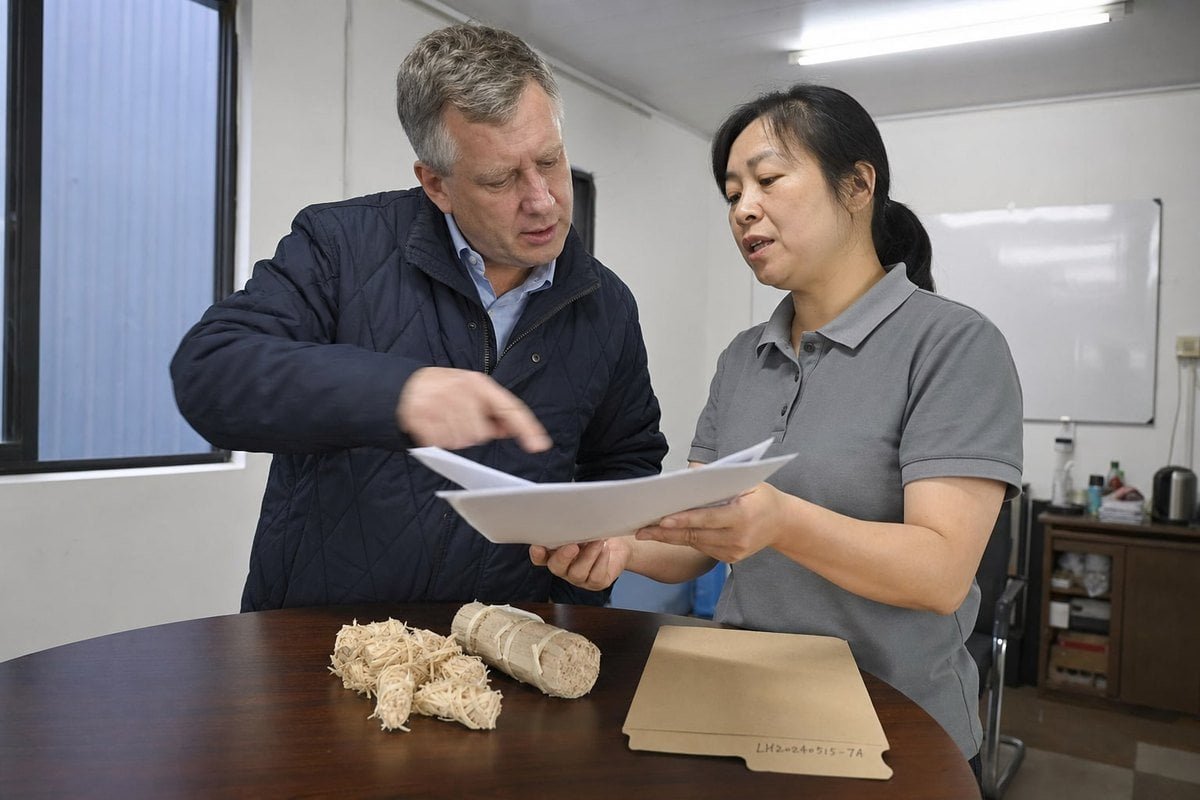
Les certifications sont importantes pour une raison : elles prouvent qu'un système existe. Un seul rapport de laboratoire indique seulement qu'un lot a été approuvé. Une certification Commencez par l'ISO 9001. Cela vous indique que le fournisseur gère un 1 indique que l'usine contrôle l'approvisionnement en matières premières, la production et l'inspection de la même manière à chaque fois. C'est la véritable base de la cohérence d'un lot à l'autre.
Au cours de nos 17 années d'exportation d'allume-feu et de produits à flamme colorée vers plus de 30 pays, nous avons appris que les acheteurs sérieux vérifient trois niveaux de documentation. Premièrement, les certificats au niveau du système. Deuxièmement, les rapports de test au niveau du produit. Troisièmement, les enregistrements au niveau du lot. Les fournisseurs faibles n'ont généralement que le premier niveau, et parfois seulement une copie numérisée de celui-ci.
Les trois niveaux de certification à demander
| Couche | Document | Ce qu'il prouve réellement |
|---|---|---|
| Système | ISO 9001 | L'usine suit des procédures de contrôle qualité documentées à chaque production |
| Social/éthique | rapport d'audit BSCI | L'usine est un site de production réel et audité |
| Produit | Marquage CE, rapports SGS/Intertek | Le produit lui-même répond aux critères de sécurité et de performance |
| Lot | Enregistrements internes de contrôle qualité des lots, fiches de données de sécurité 2 | Chaque lot spécifique a été testé avant d'être libéré |
Comment vérifier que les documents sont authentiques
Demandez toujours le numéro de certificat et l'organisme émetteur. SGS et Intertek 3 peut être vérifié directement auprès du laboratoire. Vérifiez également la date et la portée. Un rapport pour les torches à cire ne couvre pas allume-feu en laine de bois 4. Nous fournissons des fiches de données de sécurité et des rapports de test actuels avec chaque gamme de produits, car nos acheteurs européens et américains considèrent cela comme une exigence stricte, pas comme un avantage. Si un fournisseur hésite sur l'un de ces documents, considérez cela comme votre réponse.
Comment puis-je vérifier que mon premier échantillon correspondra à la qualité de la production de masse avant de passer une commande en gros ?
Lorsque nous développons un nouveau rouleau de bois trempé dans la cire pour un client, nous prélevons des échantillons sur une véritable série de production, pas sur un prototype fait à la main. Cette politique est née d'une dure leçon apprise tôt.
Vérifier la cohérence échantillon-production en demandant des échantillons prélevés sur une véritable ligne de production, en demandant les données de contrôle qualité du lot qui les sous-tendent, en convenant de spécifications écrites pour l'humidité, le temps d'allumage et la durée de combustion, et en organisant une inspection avant expédition sur la première commande en gros.

Le l'écart entre un échantillon idéal et la production de masse est la plainte la plus fréquente que j'entends de la part des responsables des achats. Voici pourquoi cela se produit. Une société de négoce peut sélectionner ou finir à la main des échantillons. Une véritable usine ne peut pas facilement falsifier une série de 100 000 pièces. Votre première tâche consiste donc à confirmer que vous avez affaire à une capacité de fabrication réelle.
Pour les allume-feu en laine de bois, trois variables déterminent si la production correspond à l'échantillon. La géométrie des brins, le chargement de cire et l'humidité. L'épaisseur et la longueur des brins contrôlent la fiabilité de l'allumage. Le rapport de cire contrôle la performance de la durée de combustion. L'humidité contrôle les deux. Si l'un de ces éléments dérive, le produit que vous recevez ne se comportera pas comme l'échantillon que vous avez approuvé.
Un processus de vérification pratique
- Demandez d'où vient l'échantillon. Insistez sur des échantillons produits en ligne, pas des échantillons fabriqués en laboratoire.
- Demandez le dossier de lot derrière l'échantillon, y compris l'analyse de la teneur en humidité et les résultats des tests de combustion.
- Convertissez l'échantillon en une fiche technique. Définissez le temps d'allumage, la durée de combustion, le poids, les dimensions et la plage d'humidité avec des tolérances.
- Conservez un échantillon de référence scellé des deux côtés. Cela devient la norme d'arbitrage.
- Réservez une inspection avant expédition pour la première commande en gros, soit par un tiers, soit par une audit vidéo de cartons aléatoires.
- Commencez par une commande d'essai. Nous soutenons des MOQ flexibles pour cette raison exacte, afin que les acheteurs puissent valider la cohérence avant de s'engager sur un volume à l'échelle d'un entrepôt.
Nos ingénieurs verrouillent les réglages des machines et les intervalles de calibration une fois qu'une spécification est approuvée. C'est ce qui fait que le premier échantillon reflète de manière fiable la production de masse. Demandez à votre fournisseur d'expliquer sa routine de calibration. Une réponse vague prédit généralement un produit vague.
Quelles mesures de contrôle qualité dois-je attendre entre les lots lors de l'expédition vers plusieurs entrepôts régionaux ?
Il y a un compromis que nous évaluons sur chaque commande multi-entrepôts : sécher chaque lot à un point de consigne d'humidité unique est moins cher, mais les climats de destination diffèrent. Les hubs côtiers humides et les hubs intérieurs secs pénalisent différemment le même produit.
Attendez les contrôles des matières premières entrantes, l'étalonnage des machines verrouillées, le séchage au four par lot avec vérification de la teneur en humidité, l'échantillonnage aléatoire de chaque série pour des tests d'allumage et de combustion, l'inspection des joints d'emballage et les critères de libération spécifiques à la destination avant que chaque expédition d'entrepôt ne quitte l'usine.

Les allume-feu ressemblent à un produit simple. Fibre de bois, cire, c'est tout. Mais la performance est très sensible aux petits changements. Le grain, la densité et la teneur naturelle en résine du bois affectent la qualité de la combustion. L'épaisseur des brins affecte la vitesse à laquelle le produit prend feu. L'humidité affecte tout. Le contrôle qualité entre les lots existe pour détecter ces petits écarts avant qu'ils ne deviennent des plaintes de clients dans cinq régions différentes.
Les points de contrôle les plus importants
La chaîne commence par l'approvisionnement en matières premières. Nous standardisons le bois par espèce, plage d'humidité et variation de lot autorisée, au lieu d'accepter le "bois naturel" comme une catégorie large. Ensuite vient le processus de séchage au four 5. Trop sec, et la laine de bois devient cassante et s'effrite pendant le transport. Trop humide, et la fiabilité de l'allumage s'effondre. Nous mesurons l'humidité par lot et l'enregistrons par rapport à l'entrepôt de destination.
Ensuite vient les tests par lot. Le simple succès/échec ne suffit pas. Nous suivons les données de tendance sur plusieurs séries, car une dérive progressive est le tueur silencieux de la cohérence. Si le temps d'allumage moyen augmente sur quatre lots, nous le détectons avant l'expédition du cinquième lot.
| Point de contrôle | Ce qui est vérifié | Pourquoi c'est important pour les entrepôts régionaux |
|---|---|---|
| Bois entrant | Espèce, densité, résine, humidité | Intensité de combustion uniforme sur toutes les séries |
| Étalonnage de la machine | Épaisseur, longueur, texture du fil | Vitesse d'allumage stable d'un lot à l'autre |
| Séchage au four | Teneur en humidité par lot | Empêche la fragilité ou l'échec de l'allumage |
| Échantillonnage final | Temps d'allumage, durée de combustion, intégrité | Critères de libération objectifs par lot |
| Ligne d'emballage | Qualité du scellage, intégrité du film barrière | Le produit reste dans les spécifications pendant le transport |
| Pré-expédition | Audit des cartons, étiquetage, codes de lot | Traçabilité vers chaque destination d'entrepôt |
Contrôles côté entrepôt que vous devriez exiger
La qualité doit survivre au réseau, pas seulement à l'usine. Demandez à votre 3PL ou à votre équipe d'entrepôt de faire respecter le stockage sous contrôle d'humidité dans la mesure du possible, Rotation FIFO 6, les limites d'empilage et les vérifications simples à la réception. Un lot peut quitter notre usine de Ningbo entièrement conforme aux spécifications et se dégrader néanmoins dans un entrepôt chaud et humide avec une mauvaise rotation. Des protocoles de test par lot de notre côté et une discipline de stockage de votre côté constituent le système complet.
Puis-je obtenir des rapports de test spécifiques aux lots pour garantir la conformité sur différents marchés d'exportation ?
L'un de nos importateurs néerlandais expédie le même SKU d'allume-feu vers des entrepôts aux Pays-Bas, en Pologne et au Royaume-Uni. Ses équipes de conformité ont demandé des documents différents dans chaque marché. Nous avons construit notre documentation par lot autour de demandes comme la sienne.
Oui. Une usine compétente devrait émettre des rapports de test spécifiques au lot couvrant la teneur en humidité, le temps d'allumage, la durée de combustion et la composition, chacun lié à un code de lot imprimé sur les cartons, ainsi que des fiches de données de sécurité et des documents de conformité spécifiques au marché pour l'UE, le Royaume-Uni, les États-Unis et d'autres destinations.

Le reporting spécifique au lot est là où traçabilité de la chaîne d'approvisionnement 7 devient réel au lieu d'être théorique. Chaque palette que nous produisons porte un code de lot. Ce code renvoie au lot de matières premières, à la courbe de séchage au four, aux paramètres de la machine utilisés et aux résultats des CQ finaux. Si un entrepôt au Brésil signale un allumage lent sur un lot, nous pouvons en trouver la cause profonde en quelques heures, pas en quelques semaines. C'est la valeur pratique d'une piste papier au niveau du lot.
Les différents marchés d'exportation ont également des attentes différentes en matière de documentation. Nos audits d'assurance qualité sont structurés de manière à ce qu'un système de production puisse alimenter plusieurs régimes de conformité sans avoir à tout retester à partir de zéro.
Ce que la documentation par lot couvre généralement par marché
| Marché | Documents typiquement demandés | Élément au niveau du lot |
|---|---|---|
| UE (Allemagne, France, NL, Pologne) | Documentation relative à la CE, fiches de données de sécurité, déclaration de composition | Code de lot lié aux résultats des tests d'humidité et de combustion |
| Royaume-Uni | Documents de conformité équivalents, FDS | Même traçabilité de lot, étiquetage au format UK |
| États-Unis et Canada | Rapports de test SGS/Intertek, FDS, examen de l'étiquetage | Codes de lot sur les emballages de détail et les cartons principaux |
| Australie, Moyen-Orient, Brésil | Dossiers de conformité à l'importation, données de composition et de sécurité | Rapports de lot disponibles sur demande par expédition |
Comment utiliser les rapports de lot opérationnellement
Ne vous contentez pas de classer ces rapports. Utilisez-les. Faites correspondre chaque réception d'entrepôt à son code de lot. Si une plainte augmente dans une région, consultez d'abord le rapport de ce lot. Comparez son analyse de teneur en humidité et ses données de performance de temps de combustion aux lots voisins. Cela transforme un litige qualité vague en une discussion rapide et factuelle sur la cause profonde. Nous conservons les rapports de lot archivés afin que les partenaires à long terme puissent auditer les expéditions historiques lors de leurs propres audits d'assurance qualité ou des examens de fournisseurs de détail.
Conclusion
Une qualité constante entre les lots d'allume-feu en bois est un système : processus certifiés, échantillons vérifiés en ligne, tests par lot, emballage protecteur et discipline d'entrepôt. Associez-vous à une usine qui documente tout cela.
Notes de bas de page
L'ISO définit la norme de système de management de la qualité référencée pour le contrôle de fabrication répétable d'un lot à l'autre. ↩︎
L'OSHA HazCom régit les exigences en matière de fiches de données de sécurité référencées pour la documentation de conformité des produits d'exportation. ↩︎
SGS est un organisme d'inspection tiers leader qui délivre les rapports de test vérifiables discutés pour la conformité des produits. ↩︎
Référence de fond expliquant la catégorie de produits d'allume-feu discutée tout au long de l'article. ↩︎
Explique le processus de séchage/cuisson du bois essentiel au contrôle de l'humidité et de la cohérence de l'allumage. ↩︎
Explique le principe de rotation des stocks FIFO utilisé pour maintenir la qualité du produit côté entrepôt. ↩︎
Les ressources de facilitation des échanges de l'OMC soutiennent le concept de traçabilité sous-jacent au suivi des codes de lot sur les marchés d'exportation. ↩︎

 English
  Spanish
  German
  French
  Arabic
  Portuguese
Rejoignez la conversation