







Exclusivité contre prix plus basce 1 est la question que notre équipe export entend le plus souvent de la part des distributeurs de Magic Fire Powder exclusivité territoriale 2. Choisissez mal, et vous payez trop cher ou regardez vos rivaux vous sous-coter.
Pour la plupart des distributeurs de Magic Fire Powder, l'exclusivité apporte une plus grande valeur à long terme car elle protège les marges, empêche la sous-enchère des canaux et soutient un positionnement haut de gamme. Le prix le plus bas ne l'emporte que sur les marchés très sensibles aux prix, de type commodité. Les accords les plus solides combinent l'exclusivité territoriale avec des niveaux de prix basés sur le volume.
Cette réponse a besoin de contexte, cependant. Votre marché, vos canaux et vos plans de marque changent tous le calcul. Laissez-moi vous expliquer comment j'aide les acheteurs à y réfléchir.
Comment décider entre les droits de distribution exclusifs et une tarification unitaire plus basse pour mon marché ?
Un distributeur allemand de foyers m'a un jour demandé à la fois notre prix le plus bas et l'exclusivité complète du pays dans le même e-mail. Nous avons d'abord dû décortiquer ce dont son marché avait réellement besoin.
Décidez en fonction du positionnement du produit et du comportement d'achat. Si la Poudre Magique de Feu se vend comme un article haut de gamme, de nouveauté ou un cadeau sur votre marché, choisissez l'exclusivité. Si vos canaux sont principalement en concurrence sur le prix en rayon par rapport à des produits similaires de couleur de flamme, privilégiez un coût unitaire inférieur.

L'idée principale est simple. Magic Fire Powder n'est pas une pure marchandise, mais ce n'est pas non plus un produit de luxe. Il se situe entre les deux. Cela signifie que le bon choix dépend de votre mix de canaux spécifique, et non d'une règle universelle.
Voici le cadre de décision que je partage avec les acheteurs lors de nos premiers appels d'approvisionnement :
| Votre situation | Meilleur choix | Pourquoi |
|---|---|---|
| Vente par l'intermédiaire de marques de camping ou de détaillants de cadeaux | Exclusivité | Les acheteurs paient pour l'unicité, pas pour le prix le plus bas |
| Concurrence dans les canaux de remise ou de marché de masse | Prix plus bas | Les acheteurs comparent les prix directement en rayon |
| Création d'une marque privée | Exclusivité | Protège votre investissement marketing |
| Liquidation de stocks ou entrée rapide dans une nouvelle région | Prix plus bas | La vélocité est plus importante que la marge par unité |
| Propriété de catégorie à long terme dans votre territoire | Exclusivité + niveaux de volume | Combine la protection avec les économies d'échelle |
Posez-vous trois questions
Premièrement, un autre importateur vendant le même sachet à 15% de moins détruira-t-il vos relations avec les détaillants ? Si oui, l'exclusivité vaut de l'argent réel. Deuxièmement, votre clientèle est-elle fidèle à votre catalogue, ou cherche-t-elle ailleurs chaque trimestre ? Les comptes fidèles récompensent l'exclusivité. Troisièmement, pouvez-vous vous engager sur des volumes annuels minimums ? L'exclusivité sans engagement de volume est difficile à accorder pour toute usine, y compris la nôtre.
Au cours de nos plus de 17 années d'exportation de produits à flammes colorées vers plus de 30 pays, les distributeurs qui ont le plus rapidement grandi ont presque toujours choisi la protection territoriale en premier. Ils ont ensuite obtenu des prix plus bas grâce à la croissance du volume, et non par la seule négociation. Ceux qui ont poursuivi le devis le moins cher sont souvent revenus dans les deux ans, généralement après une guerre des prix avec un autre importateur achetant le produit identique.
Puis-je négocier une exclusivité territoriale avec un fabricant certifié sans augmenter mes coûts ?
Un compromis que nous pesons constamment dans notre usine de production de Ningbo : accorder l'exclusivité signifie refuser d'autres acheteurs dans ce territoire. La question est donc ce que nous obtenons en retour.
Oui, si vous proposez des engagements que le fabricant valorise au lieu d'argent. Volumes annuels garantis, fiabilité des prévisions, marketing conjoint et conditions pluriannuelles permettent aux usines certifiées d'accorder une exclusivité territoriale aux prix de gros standard, car une demande prévisible réduit leurs coûts de production et de planification.

L'exclusivité n'est pas une redevance que nous facturons. C'est un risque que nous acceptons. Lorsque notre usine accorde à un distributeur des droits exclusifs pour, disons, les Pays-Bas, nous renonçons à tous les autres acheteurs néerlandais potentiels. Quelque chose doit compenser ce risque. La bonne nouvelle est que la compensation ne doit pas nécessairement être un prix unitaire plus élevé.
Ce que les usines veulent réellement en échange
Voici ce qui rend l'exclusivité réalisable du point de vue de la production, sur la base des accords que nous avons structurés au fil des ans :
- Une quantité annuelle minimum réaliste. C'est l'ancre. Elle remplace les revenus que nous perdons des autres acheteurs.
- Prévisions roulantes. Si vous partagez des prévisions à 90 jours, nous pouvons planifier les lignes de production efficacement. Cette efficacité finance souvent de meilleurs prix, pas pires.
- Une période d'essai. Nous suggérons généralement 12 mois d'exclusivité avec renouvellement lié à l'atteinte du volume. Cela réduit le risque pour les deux parties.
- Engagement de marque privée. Lorsque vous investissez dans votre propre emballage de marque via notre programme OEM, vous signalez que vous construisez le marché, pas que vous le testez.
- Définitions claires du territoire. Les frontières au niveau du pays ou de la région, définies par écrit, évitent les litiges ultérieurs.
Pourquoi la certification est importante ici
L'exclusivité n'a de valeur que si l'approvisionnement qui la sous-tend est fiable. Un accord exclusif avec un atelier non certifié est un passif, pas un actif. Notre ISO 9001 4, documentation BSCI, CE et SGS/Intertek signifie que votre produit exclusif peut réellement passer la douane et réussir les audits de conformité des détaillants aux États-Unis et dans l'UE. J'ai vu des distributeurs perdre des saisons entières parce que leur fournisseur "exclusif" ne pouvait pas produire de rapports de test lorsqu'un grand détaillant le demandait. La conformité est le fondement qui rend la protection territoriale digne d'être négociée en premier lieu.
Une mise en garde : structurez correctement l'accord. Les remises conditionnées uniquement à l'exclusivité peuvent soulever des questions de droit de la concurrence dans certaines juridictions droit de la concurrence 5. Liez plutôt les prix aux niveaux de volume et conservez les prix de revente comme conseils non contraignants. Cela permet de garder l'accord clair des deux côtés.
Quels avantages de marge à long terme devrais-je attendre si je choisis l'exclusivité plutôt que le prix le plus bas ?
Une leçon que j'ai apprise tôt dans notre activité d'exportation : deux importateurs dans le même pays achetant le même design de pochette finiront toujours par se battre sur les prix, et tous deux nous appelleront pour s'en plaindre.
Attendez-vous à des marges brutes plus stables, généralement plusieurs points plus élevées que dans les marchés contestés, car l'exclusivité élimine les sous-enchères intra-marque. Vous gagnez également en pouvoir de fixation des prix avec les détaillants, de meilleurs rendements sur les dépenses de marketing et une réorganisation plus solide de l'économie à mesure que votre territoire protégé mûrit sur deux à trois saisons.

L'histoire de la marge de l'exclusivité se déroule dans le temps, pas dans la première commande. Voici comment l'économie se compare généralement au cours des trois premières années d'un distributeur :
| Facteur | Avec exclusivité | Avec approvisionnement au plus bas prix |
|---|---|---|
| Tendance de la marge brute | Stable ou en amélioration | S'érode à mesure que les concurrents entrent |
| Contrôle du prix de détail | Fort ; vous fixez le niveau du marché | Faible ; le vendeur le moins cher le fixe |
| ROI marketing | Élevé ; vous captez toute la demande que vous créez | Faible ; les rivaux profitent de votre promotion |
| Schéma de réapprovisionnement | Cycles saisonniers prévisibles | Volatile ; les comptes font du shopping |
| Conflit de canaux | Minimal | Litiges fréquents de sous-enchères |
| Position de négociation avec les détaillants | "Effet de levier "source unique" | Statut de fournisseur interchangeable |
L'effet cumulatif que personne ne prend en compte
Le bénéfice le plus sous-estimé est la capture du marketing. Lorsque vous organisez des démonstrations lors de salons professionnels en plein air, placez des boîtes d'exposition aux caisses, ou financez du contenu social montrant des flammes de feu de camp arc-en-ciel, vous créez de la demande. Avec l'exclusivité, chaque unité de cette demande passe par vous. Sans elle, un concurrent important le même produit récolte votre investissement à un prix inférieur. J'ai vu ce scénario exact se dérouler avec des pochettes de couleur flamme sur un grand marché européen. Le distributeur qui a payé pour l'éducation de la catégorie a perdu les réapprovisionnements au profit d'un discounter qui n'a rien payé.
Il existe un contre-argument juste, et je veux l'aborder honnêtement. Certains acheteurs me disent que la marge par unité est moins importante que le chiffre d'affaires, et ils n'ont pas tort pour leurs canaux. Si vous approvisionnez des chaînes de magasins à bas prix où les acheteurs attrapent l'allume-feu le moins cher, la vélocité est reine et les primes d'exclusivité sont gaspillées. Mais la plupart de nos partenaires de distribution vendent via des marques de camping, des détaillants de foyers et des canaux de cadeaux. Dans ces canaux, le modèle de marge protégée surpasse systématiquement le modèle de chasse au volume dès la deuxième année.
Comment protéger ma marque et mon pouvoir de fixation des prix si je renonce à l'exclusivité pour un accord moins cher avec un fournisseur ?
Un acheteur américain a un jour dit à notre équipe qu'il avait renoncé à l'exclusivité pour économiser huit cents par pochette, puis qu'il avait passé un an à se battre contre un importateur rival vendant le même emballage en aluminium noir sur Amazon.
Protégez-vous grâce à une différenciation qui vous appartient : emballage de marque distributeur, formulations ou temps de combustion personnalisés, ensembles de produits groupés et relations commerciales exclusives. Si les concurrents ne peuvent pas acheter votre produit exact, vous conservez le pouvoir de fixation des prix même sans exclusivité territoriale formelle du fournisseur.
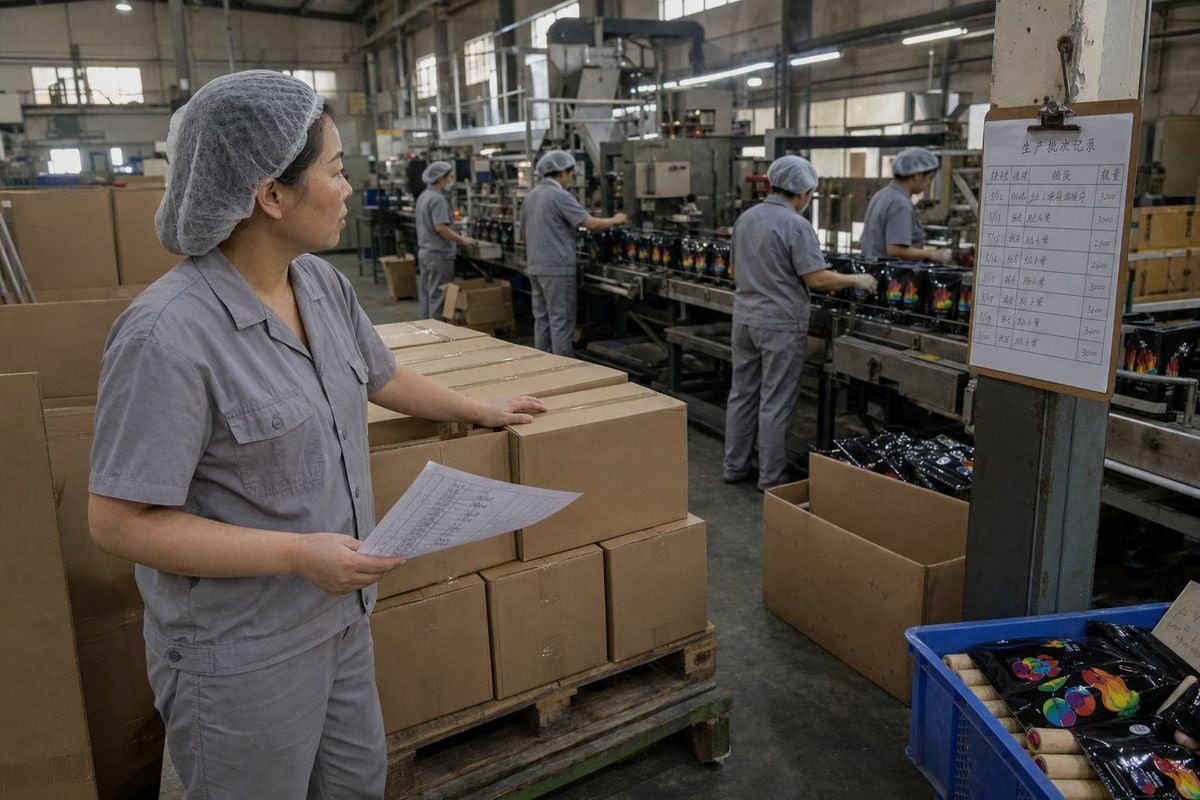
Renoncer à l'exclusivité est une stratégie légitime. Parfois, l'engagement de volume est trop élevé, ou vous êtes encore en train de tester le marché. Mais vous devez remplacer la protection juridique par une protection pratique, sinon vous êtes totalement exposé.
Construisez des douves que le fournisseur ne peut pas vendre deux fois
La défense la plus solide est de rendre votre produit non identique. Grâce à notre programme OEM/ODM, les distributeurs personnalisent la taille de la pochette, la durée de combustion, la quantité de poudre, la conception de la boîte, l'emballage d'exposition, les étiquettes d'avertissement et les codes-barres. Un rival peut acheter de la poudre à feu magique générique chez nous, mais il ne peut pas acheter votre marque, votre illustration ou votre configuration spécifique. C'est une exclusivité de facto sur votre SKU, même sans clause de territoire.
Voici comment les options de protection s'empilent :
| Méthode de protection | Force | Coût pour vous | Notes |
|---|---|---|---|
| Image de marque privée 6 | Élevé | Modéré (conception + MOQ) | Votre marque ne peut pas être dupliquée |
| Spécifications produit personnalisées | Élevé | Faible à modérée | Une durée de combustion ou un nombre d'emballages différent bloque la comparaison directe |
| Accords de vente exclusifs | Moyen | Investissement relationnel | Verrouille les canaux même si le produit est ouvert |
| Lots et kits d'exposition | Moyen | Faible | Les boîtes d'affichage de caisse créent une offre de vente au détail différente |
| Vitesse et service | Faible à moyen | Effort continu | L'avantage du premier arrivé s'estompe sans autres douves |
Surveillez les limites légales
Une chose que vous ne pouvez pas faire est de forcer les détaillants à maintenir vos prix. Les prix de revente fixes ou minimums sont interdits dans la plupart des marchés occidentaux, y compris l'UE et une grande partie du cadre américain. Vous pouvez suggérer des prix de détail et publier des directives de style MAP là où la loi le permet, mais l'application par contrat est risquée. C'est précisément pourquoi la différenciation au niveau du produit bat le contrôle au niveau des prix. Personne ne peut sous-coter un produit que vous seul vendez.
Mon conseil honnête après avoir structuré des accords aux États-Unis, en Allemagne, au Royaume-Uni, en France et au-delà : si vous sautez l'exclusivité, investissez les économies dans le branding. Huit centimes par sachet permettent d'acheter beaucoup d'emballages personnalisés sur une commande de conteneur, et cet emballage vous protège beaucoup plus longtemps que toute remise.
Conclusion
Chasser le devis le moins cher semble sûr mais érode souvent le profit. D'après notre expérience, l'exclusivité plus la tarification par paliers de volume protègent le mieux les marges, et la personnalisation de marque de distributeur vous défend lorsque l'exclusivité n'est pas sur la table.
Notes de bas de page
Source officielle de l'UE expliquant l'exigence de conformité du marquage CE citée pour les audits de vente au détail. ↩︎
Ressource commerciale de l'OMC pertinente pour la distribution transfrontalière et les droits territoriaux dans le commerce international. ↩︎
Définition Wikipédia soutenant la discussion de l'article sur les sous-cots et les litiges de canaux de distribution. ↩︎
Source ISO faisant autorité pour la norme de certification de gestion de la qualité référencée dans l'article. ↩︎
Référence Wikipédia pour le cadre juridique régissant les accords d'exclusivité et de prix discutés. ↩︎
Contexte Wikipédia sur la stratégie de marque de distributeur référencée comme une douve de différenciation. ↩︎
Concept de fond expliquant la restriction légale sur les prix de revente fixes mentionnée dans l'article. ↩︎



 English
  Spanish
  German
  French
  Arabic
  Portuguese
Rejoignez la conversation