







Deposit terms on wood fire starters orders can stall a deal fast. I have watched promising buyers hesitate over 50%, and I have watched our finance team wince at 30% for a stranger. On our production line, wax and wood wool 1 get purchased before a single roll is dipped, so the deposit question is never academic. Get it wrong, and either you carry the risk—or we do.
For wood fire starters orders, a 30% deposit fits repeat buyers with proven payment history ordering standard SKUs, while a 50% deposit fits first-time buyers, custom private-label runs, or large seasonal orders. The right percentage matches trust level, upfront material cost, and cancellation risk—not an industry default.
That is the short answer. But the details matter, because your deposit percentage shapes lead times, negotiation leverage, and even quality protection. Let me walk you through each piece.
What deposit terms should I expect as a first-time wood fire starter buyer?
A few seasons back, a new UK distributor asked us why their first order needed 50% down when a forum post said 30% was "standard." Fair question. Here is the honest answer from our side of the factory floor.
First-time buyers of wood fire starters should expect a 40–50% deposit with the balance due before shipment or against the Bill of Lading. Suppliers set higher initial deposits to cover wax, wood wool, and packaging costs they cannot recover if a new, unverified buyer cancels.
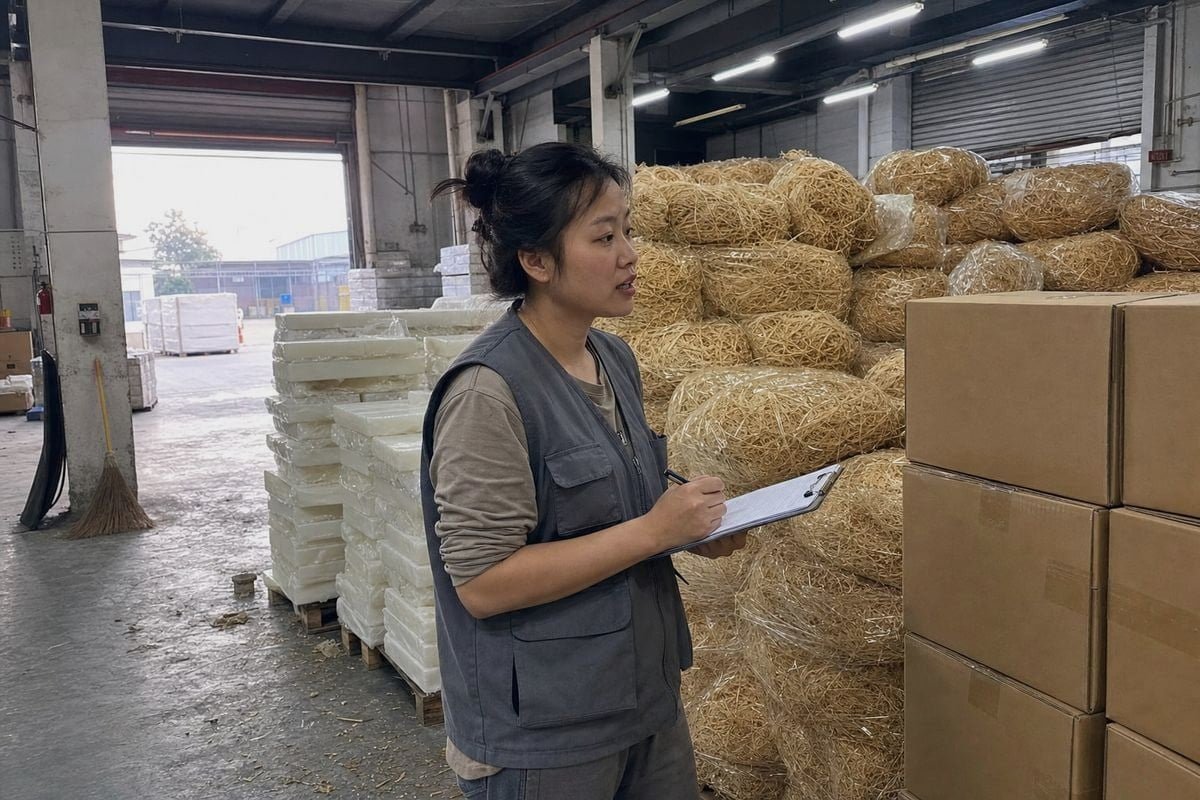
The logic behind first-order deposits is simple: raw materials get bought before production starts. For our wax-dipped wood rolls, that means paraffin, wood shavings, cartons, and any printed retail boxes. If a first-time buyer walks away mid-production, a factory holding branded goods has almost no resale path. That risk is priced into the deposit.
What drives the percentage up or down
Three factors move the number. First, customization. A private-label order 2 with your logo on the box is worthless to anyone else, so it commands the higher end. Second, order size relative to your history—which, for a first order, is zero. Third, verification. Buyers who complete a factory audit, video call, or trade-assurance transaction often unlock softer terms faster.
| Order type (first-time buyer) | Typical deposit | Por qué |
|---|---|---|
| Standard SKU, small trial order | 30–40% | Goods are resellable if you default |
| Private-label / custom packaging | 40–50% | Branded stock cannot be resold |
| Large seasonal prebook (Q4 holiday) | 50% | Capacity is reserved during peak season |
| Very large first order | 50% or L/C | Exposure too high for low deposit |
In our seventeen-plus years exporting to the US, Germany, and beyond, we have found that first-time buyers who accept standard 50% terms—and pay the balance promptly—move to better terms surprisingly fast. Treat the first deposit as the entry fee to a relationship, not a permanent tax. And always get the terms in writing: deposit amount, due date, refund conditions, and balance trigger. A vague verbal agreement protects nobody.
One more point. Some new buyers push hard for 30% on order one. A serious factory will usually say no—and honestly, a factory that says yes to any terms from any stranger may be desperate for cash. That is its own red flag.
How does my deposit percentage affect production priority and lead times?
Every October, our Ningbo lines run near capacity for the holiday season, and our planners quietly rank orders. Deposit status is one of the first things they check. Here is why that matters to you.
A higher or faster-paid deposit typically moves your order up the production queue, because factories only purchase materials and lock line capacity once the deposit clears. During peak season, a 50% deposit paid promptly can shorten effective lead time by one to three weeks versus a delayed 30%.
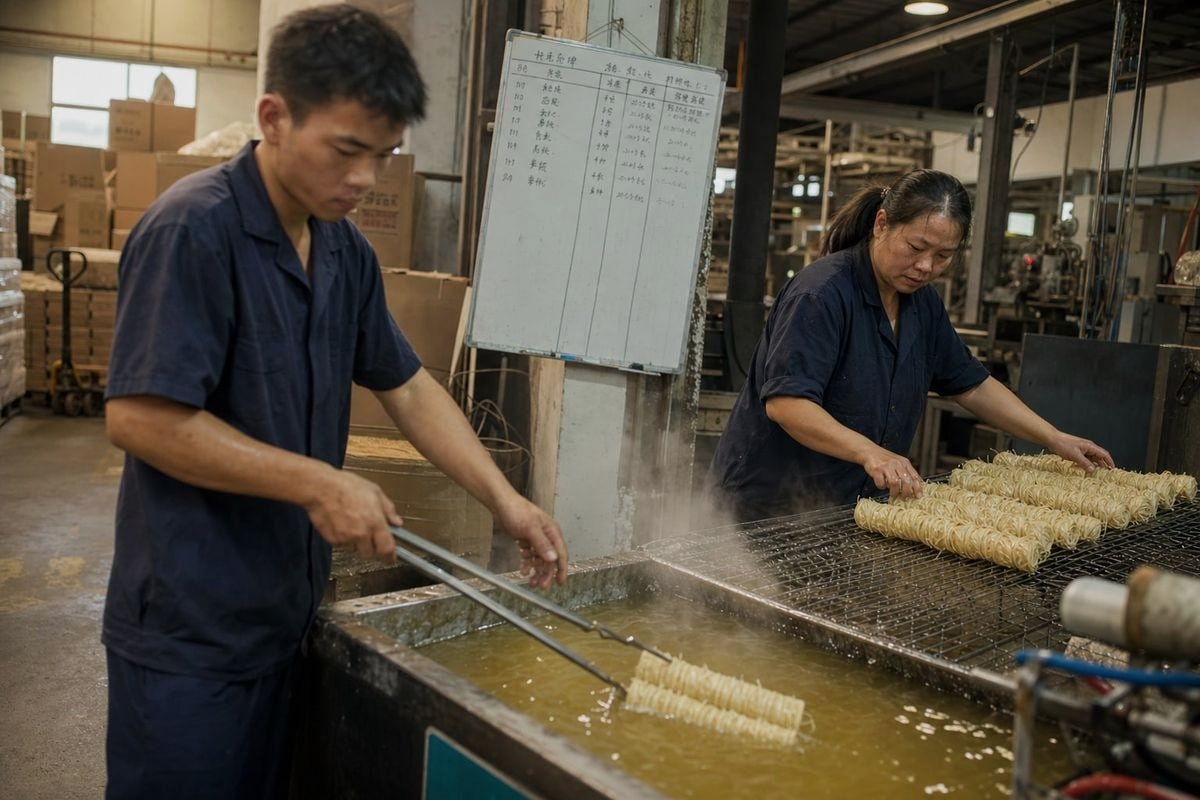
Lead time on wood fire starters is not one clock—it is a chain of clocks. Material procurement, wood wool winding, wax dipping, curing, packing, and booking freight. The deposit starts the first clock. No deposit, no material purchase orders. This is true in our factory and in nearly every factory I know.
Where the deposit sits in the timeline
- Deposit received and cleared. Materials are ordered; capacity is booked.
- Production runs. For wax-dipped rolls, dipping and setting take fixed time you cannot compress.
- Pre-shipment inspection. Third-party or buyer QC happens here.
- Balance paid. Goods release to the forwarder or against the Conocimiento de embarque 4.
Notice step four. A slow balance payment delays shipment just as much as a slow deposit delays production. Buyers sometimes blame "factory lead time" when the real bottleneck was a five-day delay in their own wire transfer.
Seasonality changes the math
Fire starters are brutally seasonal. Orders placed in spring or summer hit open capacity, so factories are more flexible—sometimes accepting 30% even from newer accounts, because the opportunity cost of the line time is low. Orders placed in September for November delivery compete for scarce capacity. A committed 50% deposit signals seriousness, and planners reward seriousness. In our experience, buyers who prebook off-season with modest deposits get both better terms and guaranteed slots. That is the smartest play available, and too few purchasing managers use it.
Currency timing matters too. If your production cycle spans eight weeks, exchange rate movement between deposit and balance can shift real costs. Fixing the invoice currency and, for large orders, agreeing a rate-protection clause keeps both sides whole.
Can I negotiate a lower deposit once I've built a track record with a supplier?
One of our longest-standing German distributors started at 50% down on a trial pallet. Four years and many containers later, their terms look very different. Track record is genuinely negotiable currency.
Yes. After three to five on-time orders, most suppliers will reduce deposits from 50% to 30%, and long-term strategic accounts may negotiate 20% or even balance-after-shipment terms. Consistent volumes, prompt balance payments, and clear forecasts are the strongest levers for softer deposit terms.

Deposit reduction is not a favor—it is a repricing of risk. Every clean transaction lowers the supplier's perceived cancellation and non-payment risk, and rational factories pass that back as flexibility. But you have to ask, and you have to ask with evidence.
What actually earns better terms
From the supplier's chair, these behaviors matter most, roughly in order:
| Buyer behavior | Effect on deposit terms |
|---|---|
| Balance paid on or before due date, every order | Strongest single factor |
| Repeat orders at steady or growing volume | Justifies treating you as a partner |
| Annual forecasts or blanket purchase agreements | Lets the factory plan materials; big leverage |
| Ordering standard SKUs alongside custom runs | Lowers unrecoverable-goods exposure |
| Off-season order placement | Reduces the factory's opportunity cost |
Notice what is missing: order size alone. A big order from an unproven buyer increases exposure; it does not reduce it.
Alternatives when cash flow is tight
If you cannot wait to build history, structured alternatives exist. Letters of Credit 5 give the factory payment security without your heavy upfront cash—common for container-scale orders. Trade-assurance and escrow platforms 6 serve a similar function for smaller volumes. Multi-stage schedules, such as 30% deposit, 30% at mid-production, 40% before shipment, spread risk across the production cycle and work well for goods with curing or drying stages. When we quote OEM clients, we often propose a stepped path in writing: 50% on order one, 40% on orders two and three, 30% thereafter with clean payment history. Putting the path in the contract turns a vague promise into a plan both sides can hold each other to.
What payment terms protect me if quality issues arise after production?
Quality disputes are where payment structure really earns its keep. We once had a buyer's inspector flag inconsistent burn times on a batch—caught at pre-shipment inspection, before the balance was paid. That timing saved everyone a fight.
The strongest protection is tying your balance payment to a passed pre-shipment inspection: pay 30% deposit, then release the remaining 70% only after third-party QC confirms specifications. Combine this with written quality standards, retained samples, and clear remedy clauses covering rework, replacement, or credit.

A deposit percentage alone protects nobody on quality. What protects you is the sequence of payments and the paperwork around them. The balance is your leverage; never surrender it before you have verified the goods.
Build the protection into the contract
Your purchase agreement should specify, at minimum: burn time range per piece, composition (for example, fibra de madera y parafina de 50/50 7), piece weight tolerance, moisture limits, packaging specs, and the applicable safety certifications and test reports. Vague terms like "good quality" are unenforceable. On our side, we hold ISO 9001 processes and provide SGS or Intertek test reports precisely because buyers in the US and EU need documented, checkable standards—and because a signed golden sample resolves most disputes before they start.
Payment structures ranked by buyer protection
| Estructura | Buyer protection level | Notas |
|---|---|---|
| 30% deposit, 70% after passed third-party inspection | Alto | The workable standard for most orders |
| 30/70 against Bill of Lading with inspection clause | Alto | Common in international trade |
| Escrow or trade-assurance platform | Medio-alto | Good for smaller or newer relationships |
| Letter of Credit with inspection documents required | Alto | Best for large orders; higher banking cost |
| 50% deposit, 50% before production completes | Bajo | Balance paid before goods are verifiable |
| 100% upfront | Muy bajo | Avoid except tiny sample orders |
Also agree remedies in advance. If defects appear post-shipment, what happens? Sensible options include replacement units in the next container, a credit note against the next order, or partial refund above an agreed defect threshold. Retain sealed reference samples from each batch on both sides. And check your local regulations—consumer fire products face labeling and safety rules in many markets, and your contract should state which party certifies compliance. A factory confident in its batch-to-batch consistency will accept inspection-linked payments without drama. Hesitation on that clause tells you something.
Conclusión
Choosing wrong on deposits either strains your cash or strains your supplier relationship. The fix is simple: 30% buys flexibility for proven partners; 50% buys protection while trust is still being earned. Match the percentage to the relationship, document everything, and tie the balance to inspection. From our factory floor to your warehouse shelf, that structure keeps both sides honest—and keeps the fire starters shipping on time.
Notas al pie
1. Explains the raw material referenced as an unrecoverable production cost driving deposit risk. ↩︎
2. Explains the private-label concept driving higher deposit requirements for custom goods. ↩︎
3. Background on this raw material used in wax-dipped fire starter production. ↩︎
4. Clarifies the shipping document buyers reference when balance payment is due. ↩︎
5. Defines the trade-finance instrument suppliers accept as an alternative to large upfront deposits. ↩︎
6. Official page describing the payment protection service mentioned as a deposit alternative. ↩︎
7. Background on paraffin wax, a core material composition factor for fire starters. ↩︎



 English
  Spanish
  German
  French
  Arabic
  Portuguese
Únete a la conversación