






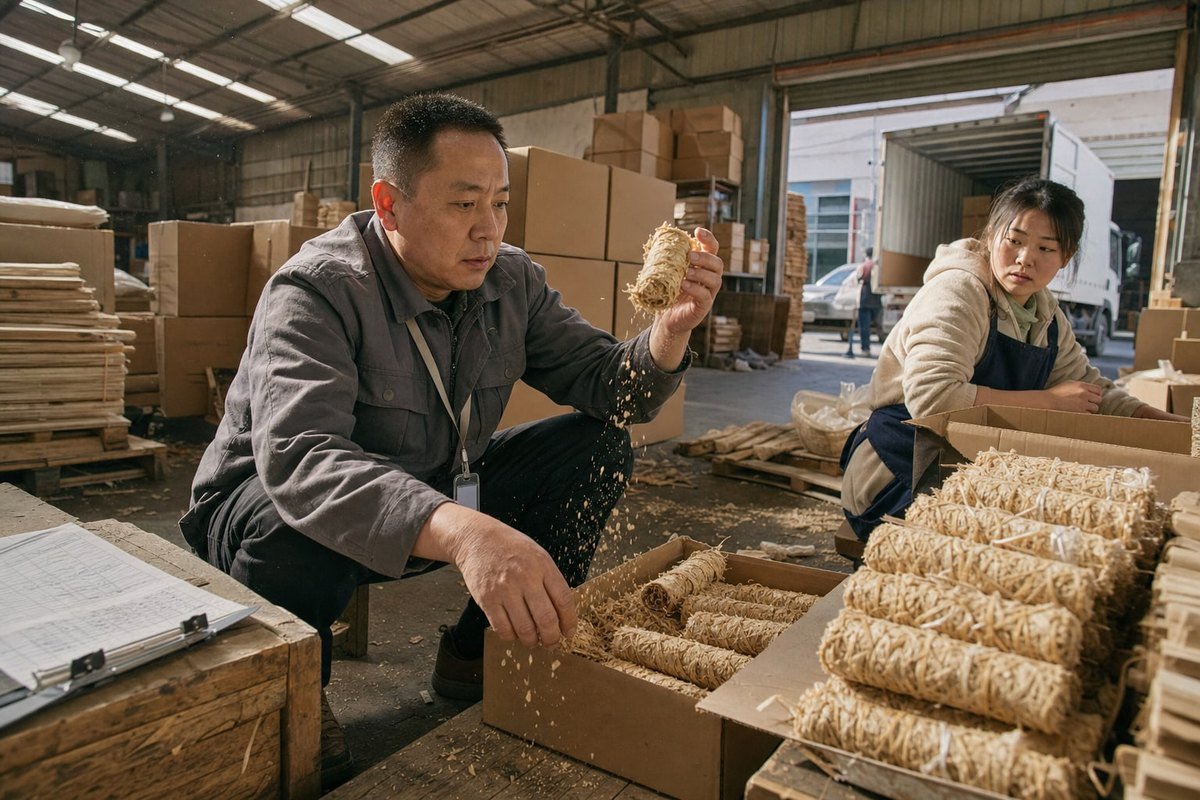
Comprar iniciadores de fuego de leña parece sencillo hasta que llega un contenedor con rollos desmoronados, faltan informes de pruebas o el embalaje no pasa la inspección minorista. Lo he visto pasar. Después de más de 17 años dirigiendo líneas de producción de rollos de leña encerados y productos de llama de color, nuestro equipo ha rescatado a más de unos pocos compradores que confiaron primero en el proveedor equivocado. Lo que está en juego es real: un envío fallido significa pérdida de espacio en los estantes, socios minoristas enojados y meses de tiempo de entrega desperdiciado. La buena noticia es que casi todos estos desastres son evitables si sabes qué comprobar antes de firmar.
Los errores más comunes al comprar iniciadores de fuego de leña son elegir proveedores sin certificaciones de seguridad verificadas, omitir el control de calidad previo al envío, subestimar las realidades de la MOQ y el tiempo de entrega, ignorar el contenido de humedad y la consistencia del tiempo de combustión, y firmar contratos de marca privada antes de confirmar el cumplimiento del embalaje para el mercado de destino.
Cada uno de estos errores tiene una solución clara. A continuación, detallo las cuatro áreas de mayor riesgo, en el orden en que suelen aparecer en un proyecto de abastecimiento real.
¿Cómo Evito Elegir un Proveedor Sin Certificaciones de Seguridad Adecuadas?
Un distribuidor alemán me dijo una vez que su proveedor anterior prometió "cumplimiento total de la CE" por correo electrónico, y luego se quedó en silencio cuando se le pidió el informe de prueba real. Esa conversación dio forma a cómo presentamos nuestra documentación hoy.
Evite proveedores no certificados solicitando los informes originales de ISO 9001, BSCI, CE y SGS o Intertek antes de tomar muestras, verificando los números de certificado directamente con el organismo emisor y confirmando que el producto probado coincide con la formulación exacta del iniciador de fuego que planea importar.
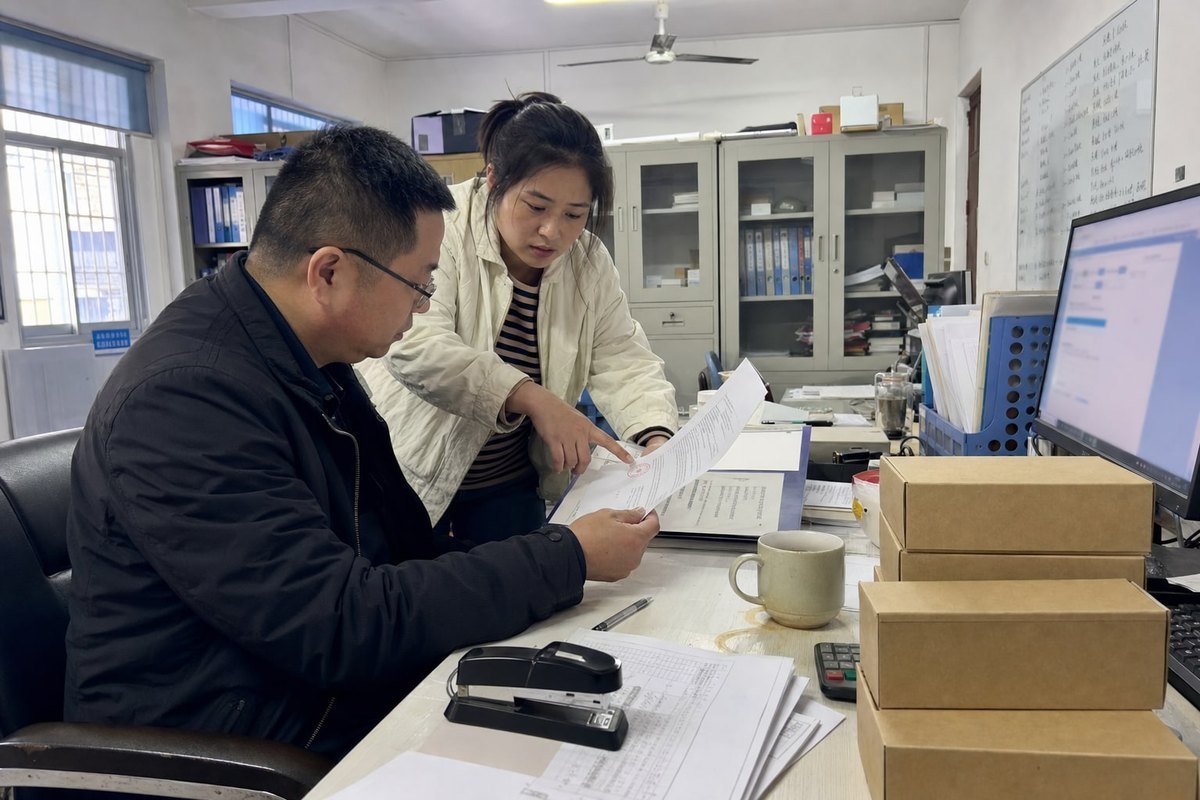
El fraude de certificación en la categoría de productos contra incendios es más común de lo que la mayoría de los compradores esperan. El producto entra en contacto con llamas abiertas, por lo que las autoridades aduaneras, las aseguradoras y los grandes minoristas exigen pruebas de seguridad. Un proveedor que no puede producir documentos reales eventualmente le costará mucho más que uno que cumple.
Los Documentos Que Realmente Importan
No todo el papeleo tiene el mismo peso. Aquí clasifico los documentos que nuestros propios compradores solicitan y lo que cada uno demuestra realmente.
| Documento | Lo Que Demuestra | Señal de alerta si falta |
|---|---|---|
| ISO 9001 1 | La fábrica tiene un sistema de gestión de calidad en funcionamiento | Proceso no repetible; la calidad del lote variará |
| Auditoría BSCI | Cumplimiento laboral ético y social | Las cadenas minoristas en la UE y EE. UU. pueden rechazar al proveedor |
| Marcado CE 2 archivo | El producto cumple con las directivas de seguridad de la UE | Los envíos pueden ser incautados en puertos europeos |
| Informe de prueba SGS / Intertek | Composición verificada por terceros e ingredientes no tóxicos | Afirmaciones como "seguro" o "natural" no están verificadas |
Verifique, No Confíe
Un PDF es fácil de falsificar. Siga tres pasos adicionales. Primero, verifique el número de certificado en el sitio web del organismo emisor. Segundo, confirme que la fecha del informe sea reciente; una prueba de cinco años sobre una formulación descontinuada no demuestra nada. Tercero, haga coincidir la descripción del producto probado con su pedido real. Un informe de prueba que cubra cera de parafina 3 encendedores de fuego no cubre automáticamente una versión de lana de madera natural, porque la composición, la velocidad de ignición y las emisiones difieren.
La seguridad en chimeneas interiores añade otra capa. Si sus clientes queman el producto en interiores, debe solicitar datos de emisiones que muestren que no hay COV dañinos compuestos orgánicos volátiles 4. Para los canales de barbacoa u hornos de pizza, pregunte si el iniciador utiliza materiales de grado alimenticio o al menos una formulación sin residuos, ya que el sabor contaminado por productos químicos es una queja común que se remonta directamente a atajos en el abastecimiento.
¿Qué Problemas de Control de Calidad Debo Vigilar Antes de Realizar un Pedido al Por Mayor?
Hay un compromiso que sopesamos en cada ciclo de producción: la cobertura de cera frente a la exposición de la fibra. Demasiada cera ralentiza velocidad de ignición; muy poca acorta el tiempo de combustión. Ese equilibrio es exactamente donde los proveedores baratos recortan gastos.
Busque proporciones inconsistentes de cera a madera, alto contenido de humedad en el núcleo de madera, variación del tiempo de combustión entre piezas, fibras desmoronadas o desprendidas, y muestras que superen la producción en masa. Siempre pruebe unidades extraídas al azar de un lote de prueba, no muestras doradas seleccionadas a mano.
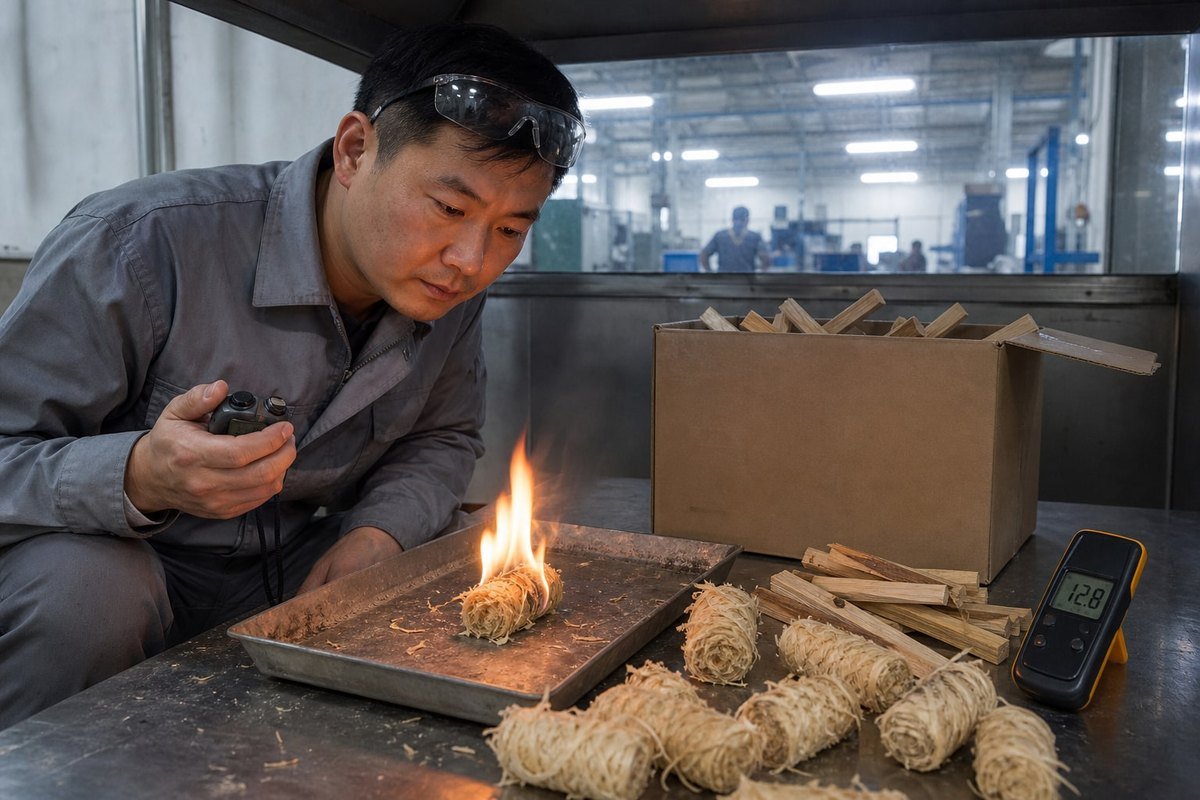
Los problemas de calidad en los iniciadores de fuego de leña se ocultan bien. Un palé de rollos encerados puede parecer perfecto y aun así fallar en la chimenea del cliente. La razón es que el rendimiento depende de variables internas que no puedes ver: contenido de humedad en las virutas de madera natural, profundidad de penetración de la cera y densidad de la fibra.
La Trampa de la Muestra Dorada
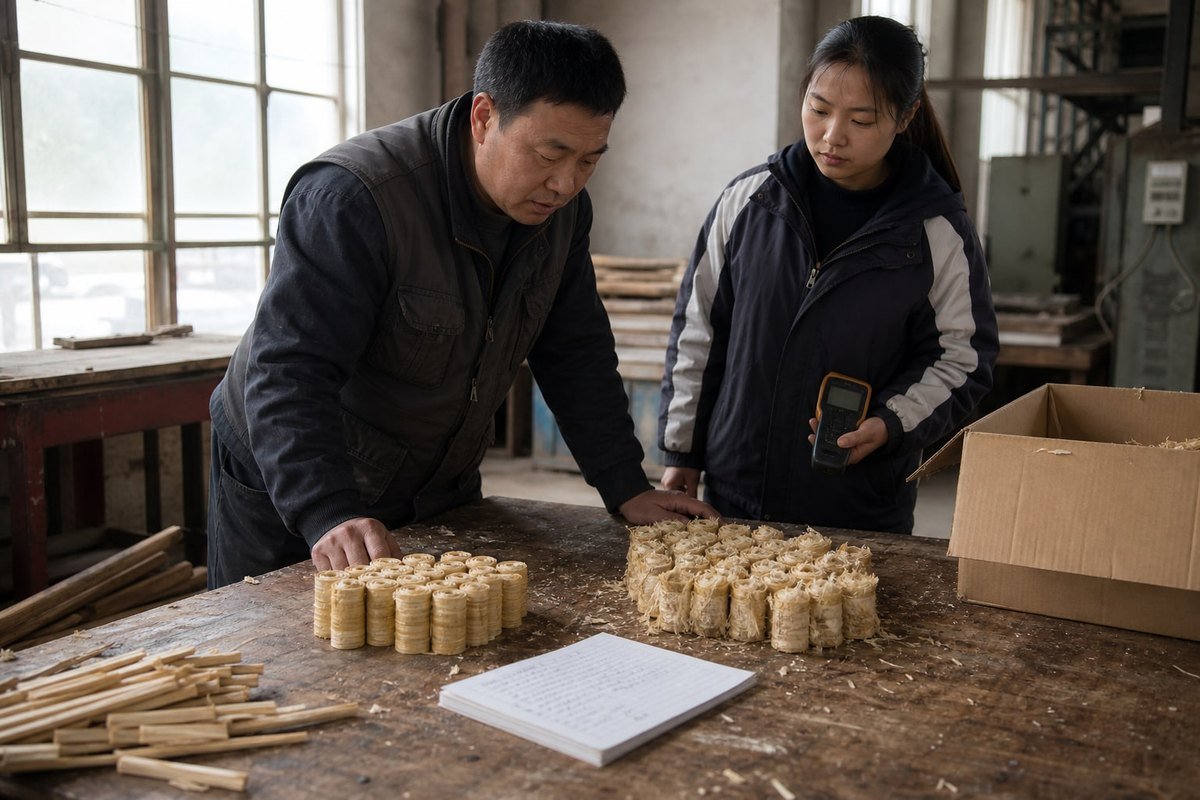
El error de control de calidad más costoso es juzgar una fábrica por su muestra. Las muestras a menudo se fabrican lentamente, por los mejores trabajadores, con insumos de primera calidad. La producción en masa se ejecuta más rápido con diferentes tolerancias. En nuestras líneas, extraemos deliberadamente unidades de control de calidad de cada lote durante la producción a toda velocidad, porque queremos que la primera muestra que reciba un comprador refleje lo que contendrá un contenedor. Haga a cualquier proveedor potencial una pregunta directa: ¿cómo garantiza la consistencia de lote a lote? Una respuesta vaga es su respuesta.
Métricas de Rendimiento Que Debe Probar Usted Mismo
Antes de comprometerse con un pedido al por mayor, realice su propia prueba de banco en al menos 20 piezas aleatorias. Mida esto:
| Métrica | Rango Aceptable para Iniciadores de Calidad | Por qué importa |
|---|---|---|
| Velocidad de ignición | Se enciende con una cerilla en menos de 20 segundos | La ignición lenta genera quejas de los clientes |
| Duración de la combustión | 8–12 minutos, consistente entre piezas | Debe durar más que la ignición de la yesca, no solo una llamarada |
| Contenido de humedad | Bajo y estable; recubrimiento de cera intacto | Los núcleos húmedos causan humo y fallos de ignición |
| Residuo | Mínima ceniza, sin humo negro | El residuo pesado acelera la acumulación de hollín en la chimenea |
| Integridad de la pieza | Sin desmoronamiento en el embalaje | La formulación sin migas evita el desorden y la atracción de plagas |
La Densidad Energética Supera el Recuento de Piezas
Algunos compradores comparar ofertas por solo el recuento de piezas. Eso es un error. Una caja de 100 iniciadores débiles puede ofrecer un costo por ignición peor que 60 rollos densos y bien saturados, porque los clientes usan dos o tres piezas débiles por fuego. Compare el peso por pieza y la duración del tiempo de combustión, luego calcule el costo real por ignición exitosa, no el precio por unidad.
¿Cómo Puedo Prevenir Sorpresas con la MOQ y el Tiempo de Entrega al Abastecer Iniciadores de Fuego de Leña?
Un comprador canadiense nos envió un correo electrónico el otoño pasado pidiendo la entrega antes de la temporada de calefacción. Ya había perdido ocho semanas con una empresa comercial que cotizó un plazo de entrega que nunca controló. Vale la pena compartir esa lección de tiempo.
Evite sorpresas con el MOQ y los plazos de entrega confirmando si su proveedor es una fábrica real, obteniendo los términos del MOQ por escrito por SKU y tipo de embalaje, mapeando el tiempo de producción con los picos estacionales y las ventanas de envío, y negociando un pedido de prueba más pequeño antes de comprometerse con volúmenes de contenedor completo.
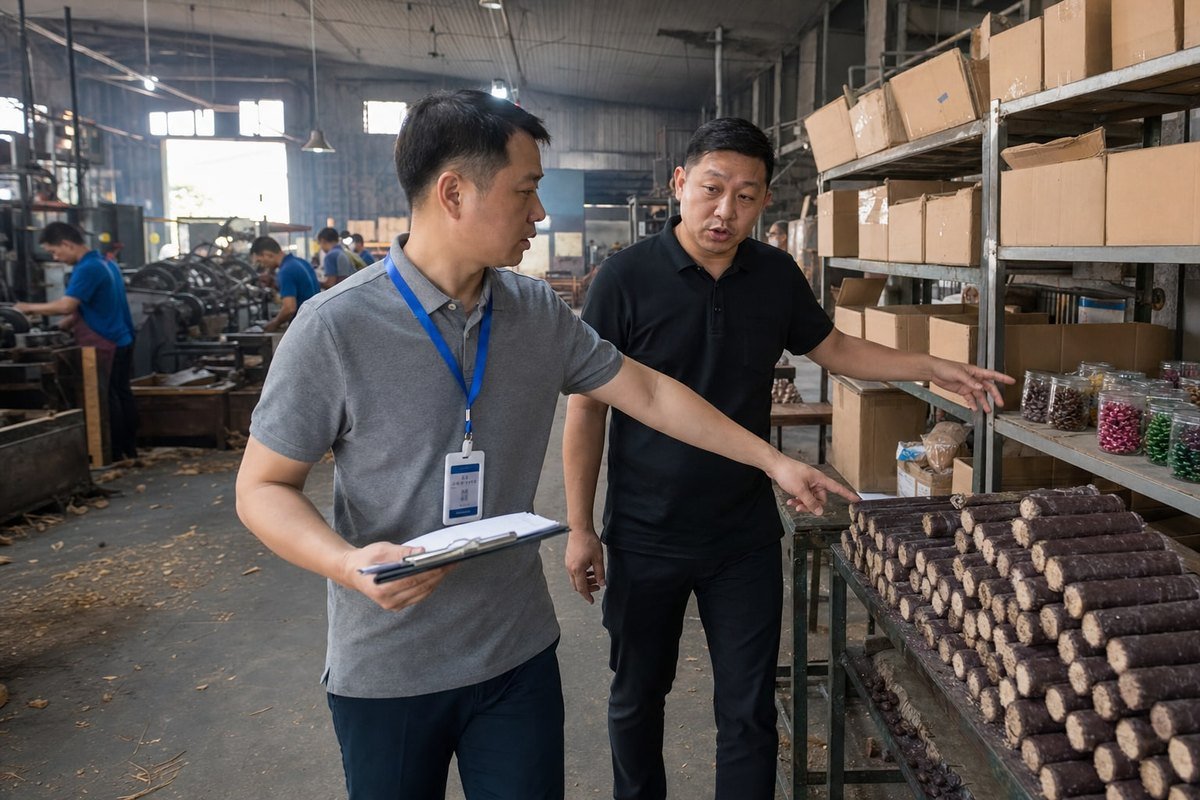
Las fallas en el plazo de entrega en esta categoría casi siempre se remontan a una causa raíz: el comprador nunca supo quién fabricó realmente el producto. Las empresas comerciales cotizan fechas optimistas porque no ven el cronograma de producción. Una fábrica puede decirle exactamente en qué semana su pedido entra en la línea. Cuando cotizamos desde nuestra planta de producción de Ningbo, la fecha refleja la capacidad real de la máquina, no una suposición.
Comprenda el apretón estacional
Los iniciadores de fuego de madera son un producto estacional. La demanda en EE. UU. y Europa alcanza su punto máximo de septiembre a enero. Las fábricas completan sus horarios del tercer trimestre a principios de verano. Si realiza un primer pedido en agosto esperando la entrega en octubre, está compitiendo con todos los compradores establecidos que reservaron en mayo. Planifique hacia atrás desde su fecha de estante:
- Confirme las ilustraciones y etiquetas finales del embalaje.
- Agregue tiempo de producción, típicamente 25–40 días dependiendo de la profundidad de personalización.
- Agregue el flete marítimo, generalmente 30–45 días a EE. UU. o Europa.
- Agregue un margen de despacho de aduanas y entrega interior.
- Agregue un margen de seguridad de dos semanas para la congestión portuaria en temporada alta.
Negocie el MOQ como un profesional
El MOQ es más flexible de lo que la mayoría de los compradores suponen, pero solo si comprende qué lo impulsa. Los cambios de formulación de cera, las planchas de impresión de cajas personalizadas y los tirajes de etiquetas tienen cantidades económicas mínimas. Un pedido de prueba con embalaje genérico a menudo puede enviarse por una fracción del MOQ de marca privada. En nuestra experiencia exportando a más de 30 países, los compradores que solicitan un pedido de prueba pequeño con embalaje estándar, y luego escalan a marca personalizada en el nuevo pedido, obtienen lo mejor de ambos mundos: bajo riesgo primero, personalización completa después. Obtenga todos los términos del MOQ por escrito por SKU, porque un "somos flexibles" verbal se evapora cuando llega la orden de compra.
Confirme también las instrucciones de almacenamiento para el tránsito y el almacenamiento. Los encendedores de fuego de parafina pueden ablandarse en contenedores calientes o almacenes de verano, así que pregunte a su proveedor sobre la tolerancia al punto de fusión y las temperaturas de almacenamiento recomendadas antes de que los productos se almacenen en un centro de distribución de Texas en julio.
¿Qué Debo Verificar Sobre el Etiquetado Privado y el Embalaje Antes de Firmar un Contrato?
Diseñar una caja lista para la venta al por menor enseñó a nuestro equipo más sobre el cumplimiento que cualquier auditoría. Un proyecto temprano de marca privada regresó de una revisión minorista de EE. UU. marcado por una etiqueta de advertencia incompleta, y reconstruimos nuestra lista de verificación de embalaje a partir de esa experiencia.
Antes de firmar, verifique quién es el propietario de los archivos de diseño, confirme que las etiquetas de advertencia y los códigos de barras cumplan con las regulaciones del mercado de destino, solicite una muestra física de preproducción del embalaje, defina las tolerancias de calidad de impresión en el contrato y verifique que las declaraciones de composición en la caja coincidan con los informes de prueba reales.
La marca privada es donde un buen producto se convierte en una marca vendible, y también donde los contratos ocultan la mayoría de las trampas. La caja no es decoración. En mercados regulados, es un documento legal. Todo lo impreso en ella (porcentajes de composición, instrucciones de uso, advertencias de seguridad, marca de origen) debe ser preciso y cumplir con las normativas, o el minorista rechazará el envío al recibirlo.
La lista de verificación de verificación de embalaje
Aquí está la lista de verificación que sigo con nuestros compradores OEM antes de firmar cualquier contrato:
| Artículo a verificar | Qué confirmar | Fallo común |
|---|---|---|
| Etiquetas de advertencia | Cumplir con las regulaciones de inflamabilidad del país de destino | Los requisitos de redacción de la UE y EE. UU. difieren |
| Códigos de barras | GS1 registrado 5, escaneado en la caja física | Código de barras impreso demasiado pequeño o en superficie curva |
| Texto de composición | Coincide exactamente con el informe SGS/Intertek | La caja dice 100% natural; el informe muestra 50% de parafina |
| Afirmaciones de sostenibilidad | Certificado FSC 6 afirmaciones de madera respaldadas por documentos de cadena de custodia | Las afirmaciones ecológicas no verificables activan auditorías de minoristas |
| Propiedad de la obra de arte | El contrato establece que usted es el propietario de los archivos de diseño finales | El proveedor retiene los archivos como rehenes si cambia de fábrica |
| Embalaje de exhibición | Las dimensiones listas para el estante coinciden con el planograma del minorista | Cajas demasiado altas para estanterías estándar |
Coincidir las afirmaciones con el producto
La honestidad de la composición merece especial atención. Si su caja anuncia ingredientes no tóxicos, virutas de madera natural o palos de grasa, el informe de prueba debe respaldar cada afirmación. Las afirmaciones que no coinciden no solo son vergonzosas; crean exposición legal en jurisdicciones de protección al consumidor 7. Imprimimos detalles de composición como porcentajes de fibra de madera y cera directamente en nuestras cajas de venta al por menor porque el etiquetado transparente es ahora un criterio de compra para los grandes canales en los que venden nuestros compradores.
Finalmente, insista en una muestra física de preproducción de la unidad empaquetada completa: caja, inserto, etiqueta, código de barras y producto juntos. Una prueba digital no puede mostrar la deriva del color de impresión, la resistencia de la caja o cómo se asientan los rollos de cera en el interior durante el tránsito. Una muestra física cuesta una semana. Un contenedor rechazado cuesta una temporada.
Conclusión
Cada envío fallido de iniciadores de fuego que he visto se remonta a un paso de verificación omitido. La solución es la disciplina, no la suerte.
El abastecimiento de iniciadores de fuego de madera se reduce a cuatro hábitos: exigir certificaciones verificables, probar unidades de producción aleatorias en lugar de muestras de oro, planificar el MOQ y los plazos de entrega en torno al calendario estacional, y tratar el embalaje como un documento de cumplimiento. Los compradores que omiten estos pasos pagan dos veces: una por el pedido fallido y otra por el reemplazo apresurado. Los compradores que los siguen construyen cadenas de suministro que sobreviven a la temporada alta. gestión de la cadena de suministro 8. Si se lleva una cosa de este artículo, que sea esta: elija un socio cuyo taller, informes de pruebas y contratos cuenten la misma historia. Esa coherencia es lo que separa a un proveedor fiable a largo plazo de una lección costosa.
Notas al pie
Entrada autorizada de Wikipedia que proporciona una visión general completa de la norma de gestión de calidad ISO 9001.



 English
  Spanish
  German
  French
  Arabic
  Portuguese
Únete a la conversación