







Cross-region diversion of wood fire starters nearly cost one of our distributors his exclusive territory sistemas de calidad ISO 9001 1. Gray-market units undercut his pricing, angered his retailers, and eroded trust. Batch codes solved it.
To trace cross-region diversion of wood fire starters, capture the batch code on the diverted unit, decode its production date and lot, match it against manufacturing batch records and shipment documents, then identify which authorized distributor originally received that lot and where it leaked.
Batch codes are your starting clue, not the whole answer chain-of-custody evidence 2. In this guide, I will walk you through building a coding system, decoding it, investigating leaks, and preventing diversion at the factory level.
How can I set up a batch coding system that makes cross-region diversion easy to trace?
During a private-label run for a German fireplace distributor, we printed region-specific lot numbers on every carton. Six months later, that small step exposed a leak in one afternoon.
Set up a batch coding system by assigning each production lot a unique code that encodes the production date, production line, and destination region, then log which distributor receives which lot. Any code appearing outside its assigned territory instantly signals diversion.
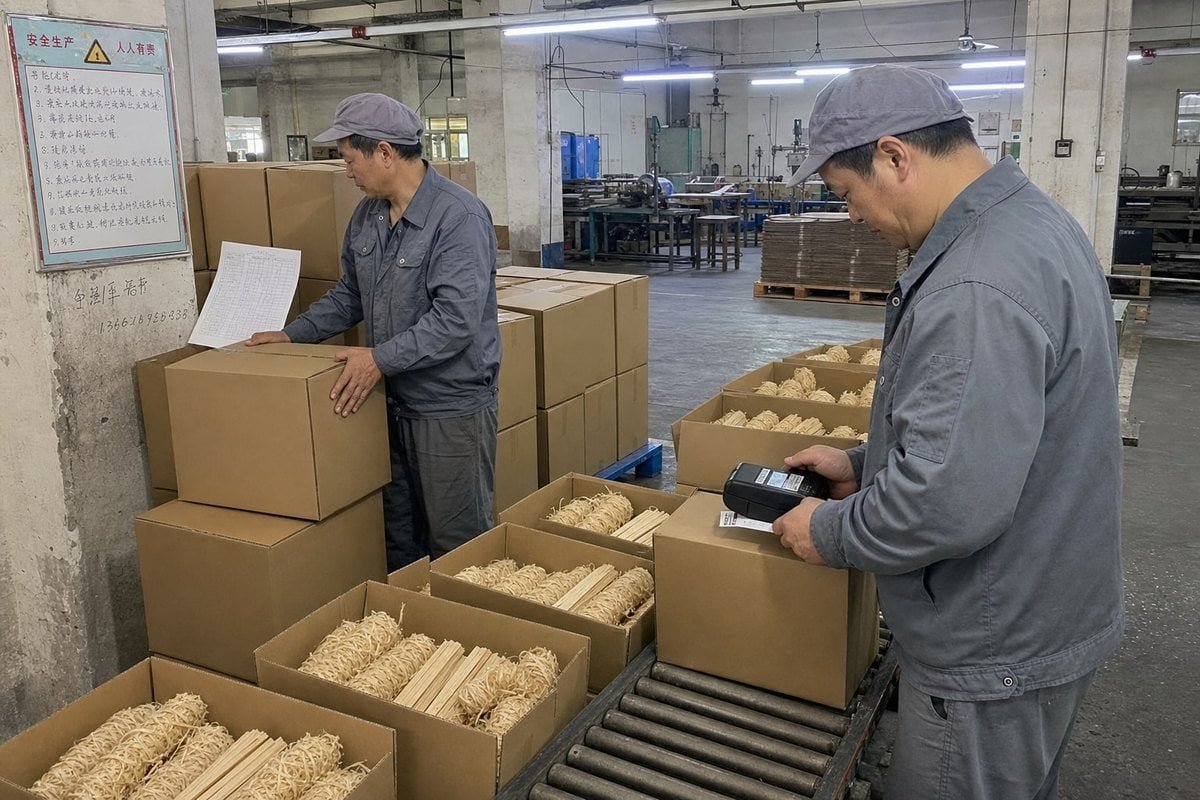
The core idea is simple. A batch code only helps you trace diversion if it carries region intelligence. Most factories print a date code and stop there. That tells you when a product was made, but not where it was supposed to go. On our production lines in Ningbo, we take it one step further. We link every lot number to a specific purchase order, and every purchase order to a destination market. This turns a plain code into a tool for gray market monitoring 3.
The three layers of an effective coding system
You need codes at three levels. Each level catches a different kind of leak.
| Nivel | Where the code goes | Lo que detecta |
|---|---|---|
| Unit level | Inner wrapper or retail box | Single units resold online across borders |
| Case level | Shipping carton label | Pallet-splitting and wholesale diversion |
| Lot level | Manufacturing batch records | Full-container rerouting and parallel trade 4 |
Keep the format decodable but not obvious
I recommend a semi-open format. Your team can decode it in seconds, but a diverter cannot easily guess which digits mark the region. For example, a Julian-style date block plus a two-character line code plus a rotating region suffix works well. Avoid printing the country name in plain text. Diverters will simply relabel it.
One more practical point. Product serialization at the unit level costs more than lot-level coding. For wax-dipped wood rolls sold in bags of 100 pieces, we usually advise buyers to serialize the retail box, not each roll. That balances cost against visibilidad de la cadena de suministro 5. If diversion risk is high in your category, upgrade to scannable QR codes on the case label so warehouse scans build a movement history automatically.
What information should my supplier include in each batch code for full traceability?
A UK buyer once asked me why our sample cartons carried a ten-character code instead of a simple date. My answer became a checklist we now share with every new client.
A supplier's batch code should include the production date, production line or shift, raw material lot reference, purchase order link, and a destination region identifier. Together, these five elements let you trace any unit backward to source and forward to market.

Full traceability runs in two directions. Backward tracing answers where the wood wool and paraffin came from. Forward tracing answers which distributor received the finished lot. Your batch code must support both, because cross-region diversion cases often require you to prove legal origin and intended destination at the same time. Customs disputes, EUDR-style geolocation requirements, and chain-of-custody audits all lean on the same records.
The five data elements that matter
| Elemento | Example format | Why it matters for diversion cases |
|---|---|---|
| Fecha de producción | Julian code 6, e.g., 25187 | Anchors the lot to a verifiable window |
| Line or shift | A2 | Isolates quality and output volumes |
| Raw material lot | W-0341 | Links to wood and wax sourcing documents |
| PO reference | Internal cross-index | Ties the lot to one buyer's order |
| Region identifier | Rotating suffix | Flags out-of-territory appearances |
Ask for the records behind the code
The printed code is only the visible tip. Insist that your supplier maintains manufacturing batch records showing input volumes, output quantities, work orders, and carton counts per lot. In our own QC process, we reconcile every lot's output against the packing list before containers leave. That inventory reconciliation step matters. If a diverter later claims a lot "never existed" or duplicates a code, your supplier's signed records settle the argument. Also confirm the supplier stores these records for at least three years. Diversion disputes often surface long after shipment, and geographic market restrictions written into distributor contracts are only enforceable if the paper trail survives.
Last year, a Polish importer sent me a photo of his private-label fire starters listed on a marketplace in a neighboring country. We traced the leak within a week using our lot logs.
To prove diversion, buy a sample from the unauthorized market, record the batch code, match it to the factory's lot-to-distributor log, then gather invoices, shipping documents, and warehouse records showing that lot was delivered to a specific authorized partner in another region.
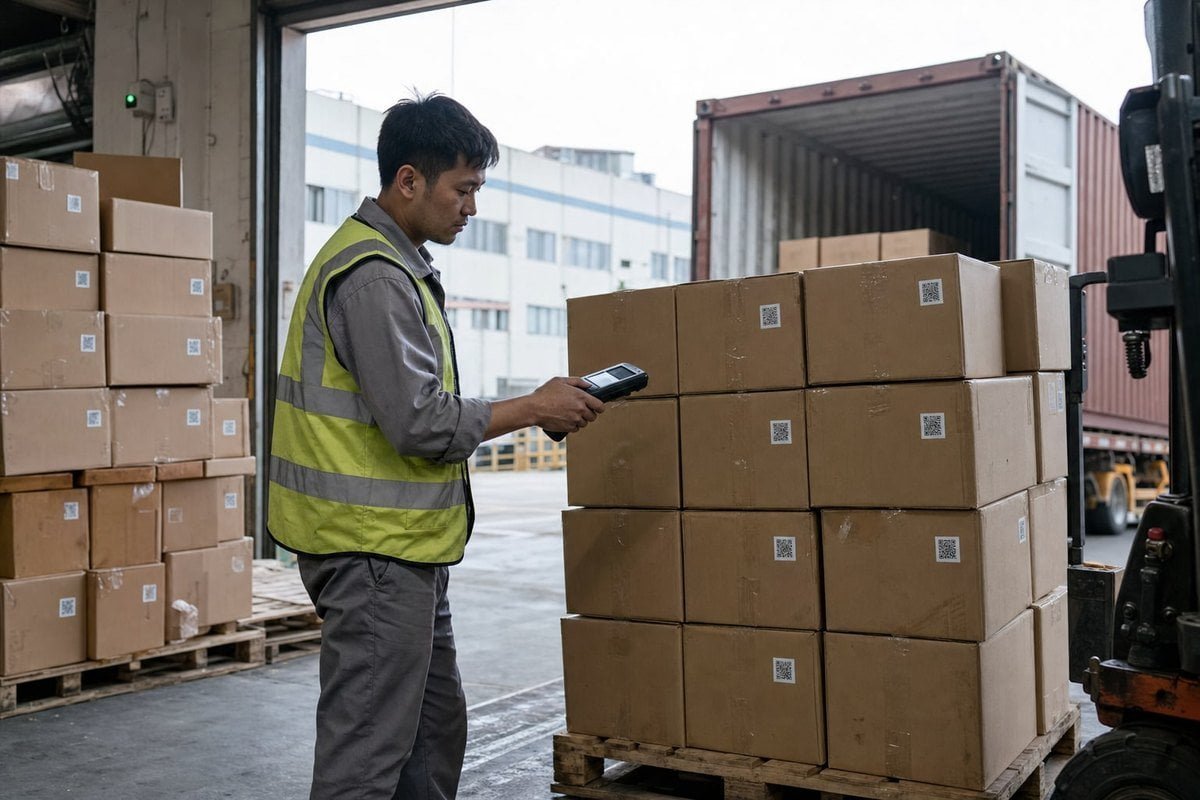
The strongest investigations follow a fixed sequence. Skipping steps weakens your evidence, especially if you plan to terminate a distributor agreement or pursue legal action over unauthorized resale prevention clauses.
The seven-step investigation workflow
- Perform a control buy. Purchase the product in the unauthorized market yourself. Keep the receipt, the listing screenshot, and the intact packaging.
- Capture the code exactly as printed. Photograph the batch code, barcode, and any labels before opening the box.
- Decode the lot. Confirm the production date and line against factory records. A code outside any known production window suggests counterfeiting, not diversion.
- Map the lot to its assigned distributor. Your supplier's shipment log shows who legally received that lot.
- Compare shipment and destination documents. Export declarations, conocimientos de embarque 7, and delivery confirmations establish the intended territory.
- Look for anomaly patterns. Duplicate codes across markets, relabeled cartons, or unusually long gaps between production and retail appearance all point to gray-market warehousing.
- Confirm with chain-of-custody evidence. Warehouse logs and distributor sell-through reports close the loop.
One caveat I always share with buyers: rule out false positives first. A single unit can cross borders through an innocent consumer resale. Parallel trade detection becomes credible when you find repeated codes, commercial quantities, or consistent pricing patterns in the wrong region. Also remember that tracing can break at company boundaries. If your supply chain crosses several legal entities, each one must keep compatible records, or the trail goes cold at the handoff.
Can working with a certified manufacturer help me prevent diversion before it happens?
After seventeen years of exporting fire-starting goods to more than thirty countries, I have learned that diversion prevention starts on the factory floor, not in a lawyer's office.
Yes. A certified manufacturer with ISO 9001 quality systems maintains disciplined batch records, region-coded labeling, and audited documentation by default. This infrastructure makes every lot traceable from raw material to distributor, closing the record gaps that diverters exploit.
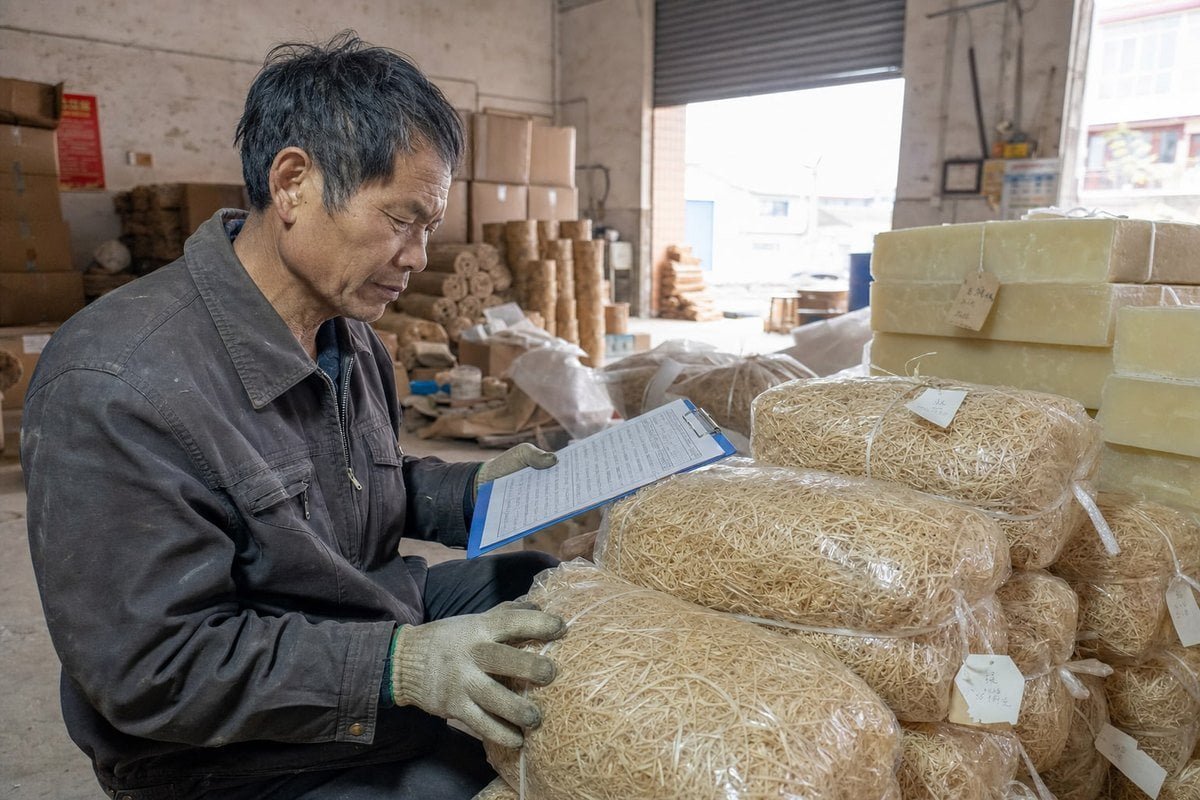
Diverters thrive on sloppy documentation. When a factory cannot say which carton went into which container, nobody can prove where a leaked product came from. Certification changes that. ISO 9001 audits force a factory to keep lot-level production records, and BSCI and SGS or Intertek audits verify that those records are real, not reconstructed after the fact. At our facility, batch-to-batch quality control and batch-to-buyer documentation run on the same system, so traceability is a byproduct of quality discipline rather than an extra cost.
What a certified partner can build into your program
| Prevention measure | Cómo funciona | Diversion risk it reduces |
|---|---|---|
| Region-coded private labels | Unique lot suffix per market on OEM packaging | Relabeling and territory hopping |
| Custom barcodes per territory | Different retail barcodes for each distributor | Marketplace listings using the wrong region's code |
| Controlled carton design | Market-specific warning labels and languages | Cartons blending into unauthorized retail channels |
| Shipment-level lot logs | Factory records tie each lot to one PO and port | Disputes over which partner received a lot |
Prevention is cheaper than investigation
Every diversion investigation I have supported cost the brand weeks of time and strained a distributor relationship. Prevention costs almost nothing by comparison. When we run OEM or ODM projects, adding a region identifier to the batch code and separating barcodes by market adds no meaningful production cost. It simply requires planning before the first mass-production run. That is also why the first sample matters. If your supplier's sample-stage documentation is already tight, their mass-production records will support distribution channel integrity later. If the sample arrives with no lot reference at all, expect the paper trail to fail exactly when you need it.
Conclusión
Diversion drains margin quietly until a distributor walks away. Batch codes, region identifiers, and disciplined factory records turn that hidden leak into a traceable, provable, and preventable problem.
Notas al pie
1. ISO 9001 is the referenced quality standard governing documented traceability and batch records. ↩︎
2. Explains the chain-of-custody concept central to proving product diversion legally. ↩︎
3. Wikipedia background on gray markets, directly relevant to diversion and parallel trade topic. ↩︎
4. WTO resource on parallel trade and intellectual property, relevant to cross-region diversion enforcement. ↩︎
5. ISO governs supply chain traceability standards referenced throughout the batch coding discussion. ↩︎
6. Explains the Julian date coding format used in the production date example. ↩︎
7. Background concept explaining this key shipping document used as diversion evidence. ↩︎



 English
  Spanish
  German
  French
  Arabic
  Portuguese
Únete a la conversación