






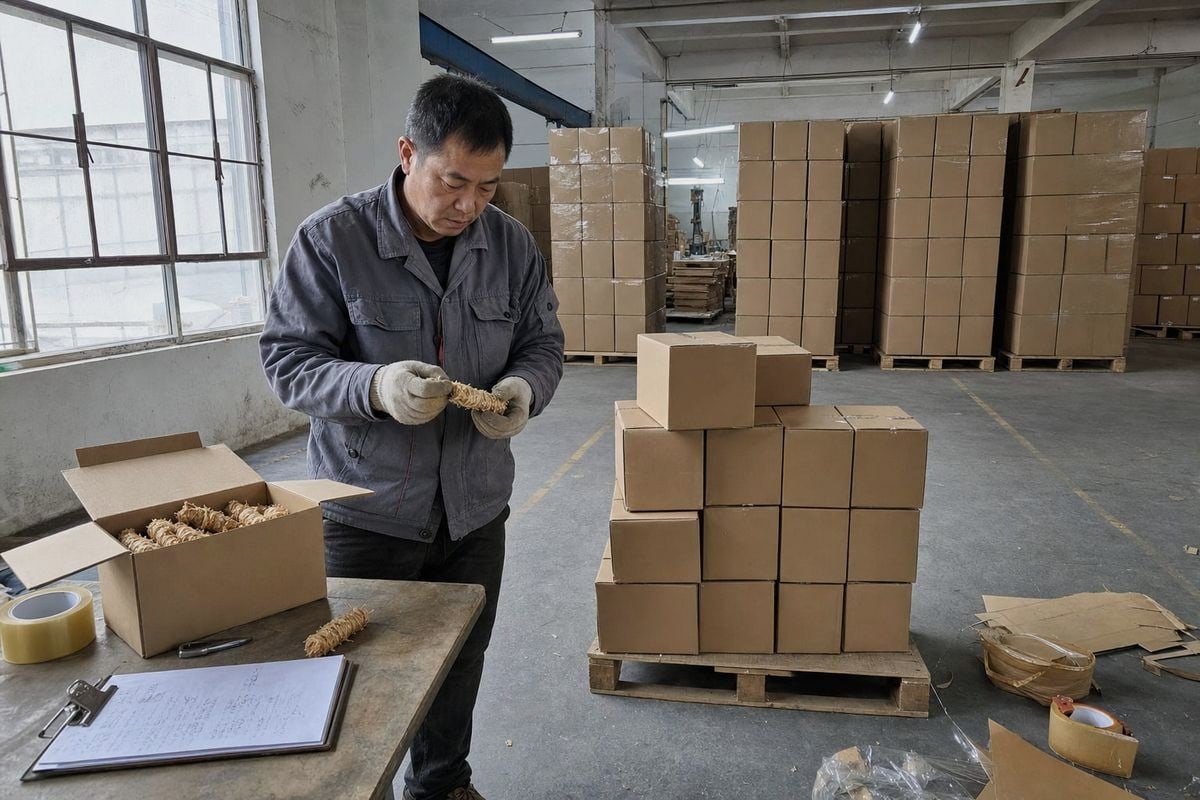
A small trial order before bulk marca blanca 1 sourcing from China is how smart buyers avoid dead inventory Alibaba Trade Assurance 2. On our production line, I have seen both outcomes: buyers who tested first and scaled with confidence, and buyers who ordered a full container on a hunch and spent a year discounting it away. The stakes are real. One wrong bulk order can tie up your cash, clog your warehouse, and damage your retail relationships SGS or Intertek inspectors 3. The good news is that a well-designed trial order removes most of that risk before you commit.
To test market feedback before bulk private label sourcing from China, negotiate a pilot run of 100–500 units, verify quality against an approved golden sample, launch through one sales channel with clear success metrics, and only scale after real buyer behavior—purchases, reorders, and reviews—confirms demand and pricing.
That is the short answer. Now let me walk you through exactly how to structure a trial order so it gives you decision-quality evidence, not just a pile of boxes.
How small can my first trial order be before I commit to bulk private label sourcing?
Last spring, a US camping-goods distributor asked us for just 300 boxes of private-label wood firestarters before their seasonal reset. We said yes—because their pilot plan made scaling obvious for both sides.
Most Chinese suppliers will accept a trial order of 100–500 units for private label products, especially with light branding on existing designs. Orders of 50–100 units can validate quality and packaging, while 250–500 units paired with a real sales channel can validate market demand.

The honest answer is that it depends on what you want to learn. In our 17+ years exporting fire-starting products to more than 30 countries, we have run pilot orders as small as a few cartons and as large as half a container. The size should follow the goal.
Match the order size to your goal
A tiny batch tells you about the product. A larger batch tells you about the market. Here is how I break it down for buyers:
| Trial Size | What It Can Validate | What It Cannot Validate |
|---|---|---|
| Samples (5–20 units) | Product quality, burn time, materials | Packaging at scale, demand, coste puesto en destino 4 |
| 50–100 units | Manufacturing consistency, packaging durability | Statistically useful sales data |
| 100–250 units | Transit damage rates, early customer reviews | Sustained sales velocity |
| 250–500 units | Real demand signals, pricing, reorder intent | Full-scale production economics |
How to negotiate a lower MOQ
Suppliers relax Minimum Order Quantity (MOQ) requirements when the risk feels shared. In my experience, three tactics work best. First, use pilot-run language instead of asking to "break" the MOQ. Tell the factory this is a market test with a follow-on order path if it performs. That framing reduces our uncertainty too, and we say yes far more often. Second, ask for light private labeling—your logo on our existing firestarter designs and stock packaging—rather than custom molds or tooling, which genuinely require volume. Third, offer a slightly higher unit price or a minimum order value across SKUs instead of a strict per-SKU quantity.
One more practical note: platforms like Alibaba Trade Assurance 5 can protect payment on small first orders, and a good sourcing agent can help you find factories open to pilot runs. But nothing replaces talking directly to the factory owner about your scale-up plan.
What should I look for in market feedback before scaling up my order with a China manufacturer?
A German fireplace distributor once told me his 200-unit test "went great" because friends loved the product. Six months later, retail sell-through told a different story. That lesson shaped how I now advise every trial buyer.
Prioritize behavioral feedback over opinions: actual purchases, add-to-cart rates, reorder requests, and organic reviews. Combine this with operational data—return reasons, defect complaints, shipping issues—and only scale when buyers pay full price, repeat purchase, and your margins survive real landed costs.
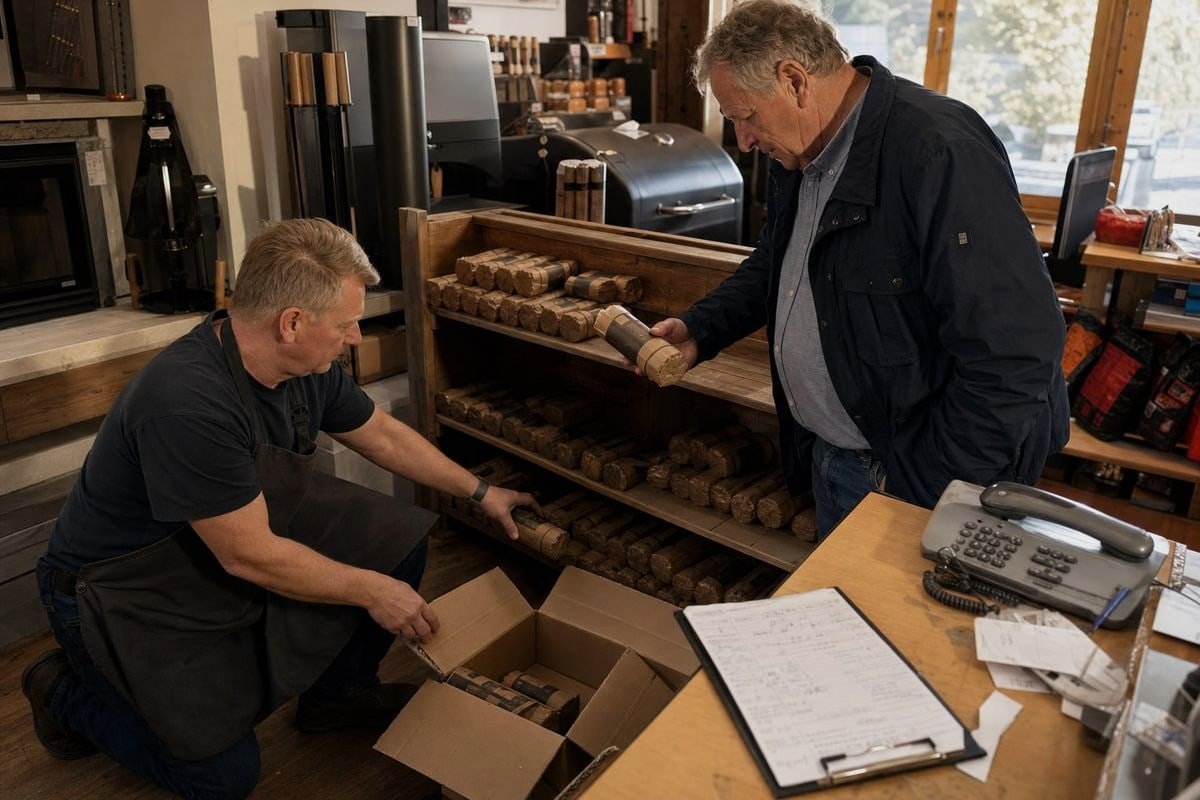
Product validation fails most often because sellers collect the wrong kind of feedback. People say nice things. They rarely pull out their wallets. So I encourage buyers to sort feedback into three buckets and weight them very differently.
The three feedback buckets
| Feedback Type | Ejemplos | Fiabilidad |
|---|---|---|
| Behavioral | Purchases, add-to-carts, repeat orders, deposits | High — money talks |
| Direct | Surveys, DMs, review comments, influencer opinions | Medium — useful for "why" |
| Operational | Defect rates, return reasons, shipping complaints | High — reveals execution risk |
Behavioral feedback is the gold standard. If customers buy at your target price without heavy discounting, demand is real. If they reorder, you have a business. A useful tactic here is a feedback bounty: offer trial customers a discount on the future bulk version in exchange for specific improvement suggestions. You get honest input and an early reorder list at the same time.
Choose your test channel carefully
Marketplace tests move fast but carry noise. If you launch a micro-batch on Amazon FBA 6, your sales data gets influenced by PPC spend, listing quality, and competitor pricing—so strong or weak numbers may not reflect the product itself. A landing page with professional sample photography, sometimes called a shadow listing, isolates demand more cleanly by measuring add-to-cart intent before inventory even arrives. Influencer seeding with micro-creators adds a third signal: honest audience sentiment before a large-scale launch.
My recommendation is one product, one promise, one price, one channel. Keep the test interpretable. Run it for a defined window—many buyers use a 14 to 30 day sprint—and set a go/no-go threshold before you launch, not after.
How do I make sure my trial order accurately reflects future mass-production quality?
The trade-off I weigh most often in our Ningbo facility is speed versus process fidelity. A rushed pilot run made off-line can look perfect—and tell you nothing about what a full production run will deliver.
Approve a golden sample, write a binding product specification sheet covering materials and tolerances, require the trial to run on standard production lines, and hire a third-party quality control inspection. This prevents quality fade, where bulk orders quietly degrade from the approved sample.

Quality fade is the silent killer of private label brands. The first order is excellent. The third order uses cheaper wax, thinner packaging, or looser winding on the wood rolls. By then, your reviews carry the damage. Here is the workflow I recommend to every buyer, because it is the one we hold ourselves to.
A five-step process to lock in quality
- Order golden samples from at least three suppliers. Compare quality, but also compare communication speed and clarity. A factory that answers technical questions precisely during sampling will handle production issues the same way.
- Create a product specification sheet. For our wax-dipped firestarters, that means wood fiber and paraffin ratios, burn time ranges, dimensions, weight tolerances, and packaging specs. Sign it with the supplier so the trial has a binding reference.
- Confirm the trial runs on real production lines. Ask directly: will this pilot use the same equipment, materials, and workers as a bulk order? At our factory, the answer is always yes—that is the entire point of our batch-to-batch quality control system. A hand-built pilot is a beautiful lie.
- Book a third-party quality control inspection. SGS o Intertek 7 inspectors can verify the trial batch against your golden sample before it ships. The cost is small compared to a container of disappointment.
- Do supplier verification early. Confirm you are dealing with a real factory, not a empresa comercial 8. Visit if you can, or request a video audit of the production floor. A trading company cannot control production consistency because it does not control production.
One honest caveat: some setup-intensive elements, like fully custom molds, genuinely behave differently at scale. If your product needs new tooling, discuss how the pilot will approximate bulk conditions, and document any differences in writing.
What certifications and documentation should I request during a trial order to avoid compliance issues later?
A UK importer once came to us after customs held their previous supplier's shipment—no test reports, no proper warning labels. Their trial order with that factory had sailed through; the bulk order did not. Compliance problems hide until volume exposes them.
Request ISO 9001 and BSCI factory certificates, product-specific test reports from SGS or Intertek, CE marking where applicable, safety data sheets, and correct warning labels and barcodes—all verified during the trial phase, because fixing compliance after a bulk order is far more expensive.
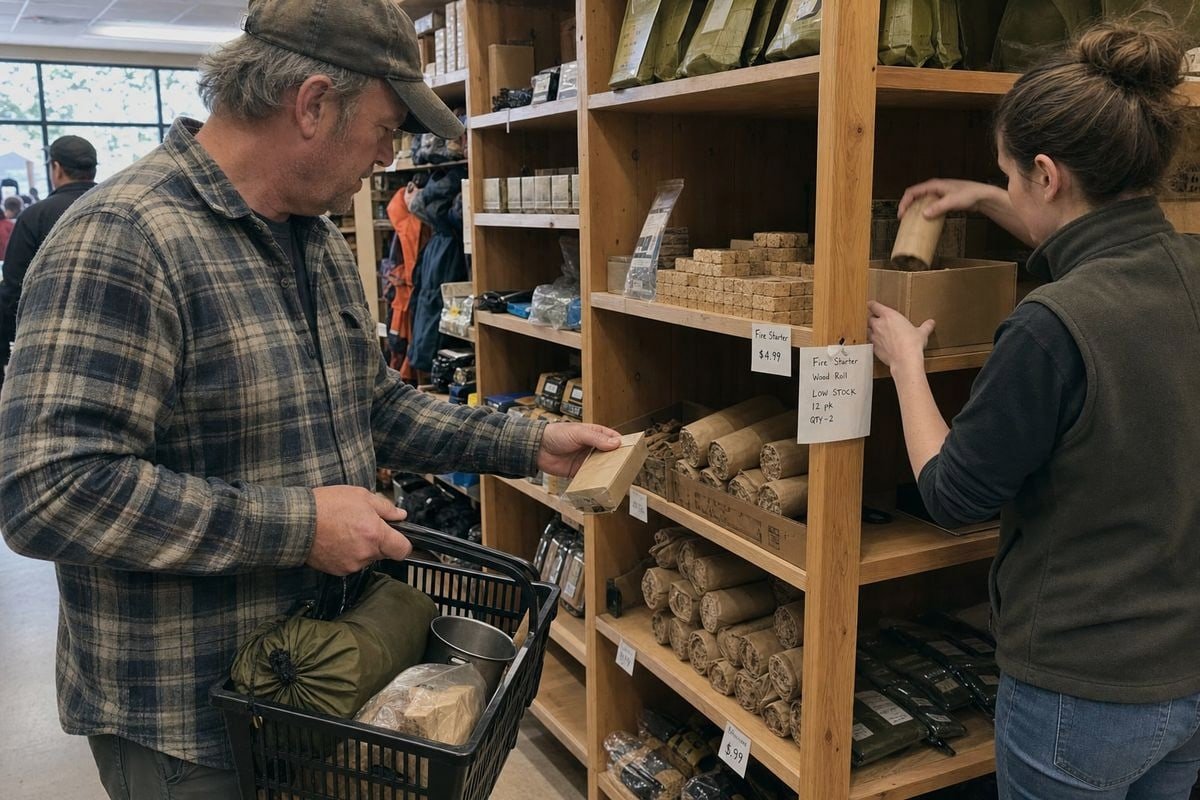
Compliance is where I refuse to let buyers cut corners, because in our category—fire-starting and color-flame products—it is a hard requirement, not a nice-to-have. Every major retail channel in the US and Europe will ask for documentation, and it is far cheaper to verify it on 300 units than to discover a gap on 30,000.
Documentation checklist for a trial order
| Documento | Lo Que Demuestra | When to Request |
|---|---|---|
| Certificado ISO 9001 | Sistema de gestión de calidad de fábrica | Before sampling |
| Informe de auditoría BSCI | Cumplimiento ético y social | Before sampling |
| Informes de prueba SGS / Intertek | Product safety for your market | Before trial production |
| Documentación de marcado CE | EU market conformity (where applicable) | Before trial production |
| Safety data sheet (SDS) | Material composition and handling | With trial shipment |
| Etiquetas de advertencia y códigos de barras | Retail and regulatory readiness | Approved on trial packaging |
Use the trial to test compliance execution, not just possession
Holding a certificate is one thing. Executing compliance on your custom packaging is another. Your trial order should verify that warning labels print correctly, barcodes scan, composition statements match the actual product, and country-of-origin marks appear where your market requires them. When we produce private-label runs for European buyers, we treat the pilot as a full dress rehearsal: custom packaging, labels, inserts, everything exactly as the bulk order would ship.
Also use the trial to nail down logistics numbers. A hybrid logistics approach works well: air-ship a small portion for immediate testing while the rest travels by sea. That gives you a true shipping lead time and an accurate landed cost per unit—freight, duties, and inspection fees included—so your bulk-order margin math rests on real figures, not estimates. I have watched buyers discover that their "profitable" product lost money once real freight costs landed. Better to learn that on 300 units.
Conclusión
A bulk order placed on guesswork can sink a private label brand before it starts. That risk is avoidable.
Structure a small trial order as a real pilot: negotiate a 100–500 unit run, lock quality with a golden sample and specification sheet, verify certifications and landed costs, then launch through one channel with clear metrics. Scale only when purchases, reorders, and margins prove the case. In my years running production for buyers across the US and Europe, the pattern is consistent—the brands that test small and measure honestly are the ones still ordering containers from us five years later. If you are planning a trial order for fire-starting or color-flame products, start the conversation with a pilot plan in hand. A good factory will meet you there.
Notas al pie
1. Background concept underpinning the entire sourcing and branding strategy discussed. ↩︎
2. Official payment protection program referenced for securing small first or



 English
  Spanish
  German
  French
  Arabic
  Portuguese
Únete a la conversación