






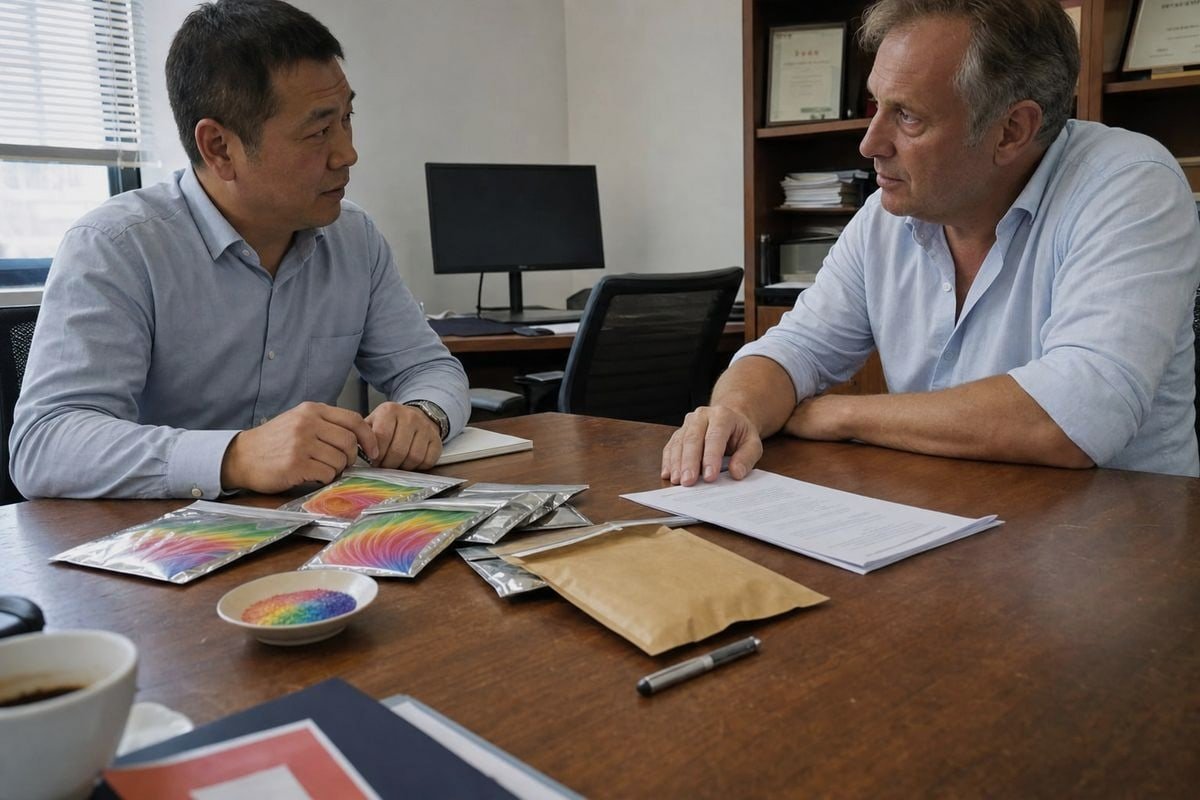
Un contrato de compra de Polvo Mágico de Fuego basado solo en un apodo invita a disputas. He visto que las órdenes de compra vagas le han costado dinero real a los compradores antes de que nuestra fábrica enviara una sola caja.
Un contrato de compra de Polvo Mágico de Fuego debe definir el producto por formulación y especificaciones exactas en un anexo, luego fijar los requisitos de certificación, los estándares de control de calidad a nivel de lote, los compromisos de MOQ y tiempo de entrega, los términos de pago y los requisitos detallados de empaque de marca privada antes de firmar.
Abajo, detallo las cuatro áreas del contrato que más importan. Cada sección le brinda conceptos de cláusulas en lenguaje sencillo que puede adaptar con su propio asesor legal.
¿Qué cláusulas de certificación y cumplimiento debo incluir para proteger mis envíos?
Un distribuidor alemán me dijo una vez que su envío anterior estuvo retenido en aduanas durante seis semanas. El proveedor había prometido el cumplimiento verbalmente, pero nunca incluyó la entrega de documentos en el contrato. Lo arreglamos por escrito.
Exigir al proveedor que garantice el cumplimiento de todas las normas aplicables de seguridad del consumidor y transporte, y que entregue una Hoja de Datos de Seguridad actualizada, etiquetas conformes al GHS, informes de pruebas de terceros y certificados de análisis con cada envío. Hacer de la documentación faltante un motivo válido para el rechazo o el pago aplazado.

El cumplimiento es lo primero que preguntan nuestros compradores serios, y debería ser el primer anexo en su contrato. En nuestra experiencia exportando paquetes de llama de colores a EE. UU., Alemania, el Reino Unido y otros 27 mercados, los compradores que nunca enfrentan retenciones aduaneras son aquellos cuyos contratos detallan los documentos, no solo las promesas.
Nombrar los Documentos, No Solo los Estándares
Una cláusula que dice "el proveedor cumplirá con todas las leyes" es demasiado vaga por sí sola. Acompáñela con una obligación de entrega de documentos. Enumere cada artículo, cuándo debe llegar y qué sucede si no lo hace.
| Documento | Cuándo se Requiere | Consecuencia Contractual si Falta |
|---|---|---|
| Hoja de datos de seguridad 1 (versión actual) | Antes del primer envío y ante cualquier cambio de formulación | El comprador puede rechazar el envío |
| Informe de prueba de terceros (tipo SGS o Intertek) | Antes de la aprobación de la producción en masa | Pedido no confirmado |
| Certificado de análisis con número de lote | Con cada envío | Hito de pago en pausa |
| Etiquetas conformes a GHS 2 y texto de advertencia | En todas las unidades minoristas | Rechazo de unidades no conformes |
| Declaración de clasificación de transporte | Con los documentos de envío | El proveedor asume los costos de reenvío |
Abordar Directamente la Clasificación del Transporte
El envío de materiales peligrosos 3 las reglas dependen de cómo se clasifica el producto. Su contrato debe exigir que el vendedor indique, por escrito, la clasificación de transporte correcta y confirme si el producto se clasifica como sólido inflamable o se envía como mercancía no peligrosa. Nuestras formulaciones ecológicas están diseñadas para evitar productos químicos nocivos, pero aun así incluimos la confirmación de la clasificación en el paquete de documentos de cada comprador, porque los transportistas y los funcionarios de aduanas no aceptan garantías verbales.
Agregar una Garantía de Cumplimiento Normativo e Indemnización
Incluir una garantía de cumplimiento normativo que cubra Cumplimiento de CPSC 4 para productos destinados a EE. UU. y reglas equivalentes para la UE. Luego, respalde esto con una cláusula de indemnización: si el incumplimiento del proveedor causa multas, retiros o reclamaciones de terceros, el proveedor asumirá esos costos. Una exención de responsabilidad por sí sola no protege a nadie; las garantías e indemnizaciones combinadas asignan el riesgo de manera justa.
¿Cómo defino los estándares de control de calidad y consistencia de lotes en el contrato?
En nuestra línea de producción de Ningbo, pesamos, mezclamos y sellamos según procedimientos de lote documentados, porque aprendimos temprano que los efectos de llama de color dependen de la consistencia entre el lote uno y el lote cincuenta.
Definir criterios de aceptación medibles en un anexo de especificación: rangos de composición química, distribución del tamaño de partícula, límites de humedad, salida de color y duración de la combustión. Requerir números de lote en cada cartón, un certificado de análisis por lote, derechos de inspección del comprador y recursos de reemplazo o reembolso para productos no conformes.

Las cláusulas de calidad fallan cuando describen resultados con adjetivos en lugar de números. "Llamas de arcoíris vívidas" no se pueden probar. "Efecto de llama azul-verde sostenido durante un tiempo de combustión mínimo definido por paquete de 25 gramos" sí se puede. Su exhibición de especificaciones de producto debe convertir cada promesa de rendimiento en algo que un laboratorio o una prueba de fogata puedan verificar.
Construir la Exhibición de Especificaciones Basada en Valores Medibles
Aquí está la estructura que recomendamos a los compradores al redactar un anexo de especificaciones para polvo de llama de color:
| Elemento de Especificación | Por qué importa | Cómo verificar |
|---|---|---|
| Rangos de composición (con proporciones de secreto comercial protegidas) | Controla el efecto de color y el perfil de seguridad | Certificado de análisis |
| Distribución del tamaño de partícula 5 | El tamaño de gránulo inconsistente cambia el comportamiento de la combustión | Informe de prueba de tamiz o PSD por lote |
| Límite de contenido de humedad | El polvo húmedo se agrupa y tiene un rendimiento inferior | Análisis de humedad al empacar |
| Efecto de color y duración de la combustión | La promesa al consumidor | Prueba de combustión de muestra, documentada |
| Peso neto por sobre con tolerancia | Previene disputas por llenado insuficiente | Controles aleatorios de peso |
| Vida útil y condiciones de almacenamiento | Protege el inventario minorista | Datos de estabilidad y codificación de fechas |
Bloquea la Trazabilidad de Lotes y los Derechos de Inspección
Requerir números de lote impresos en cada sobre o caja maestra. Luego, otórgate derechos de inspección: una ventana definida después de la llegada para probar muestras contra el anexo, además del derecho a rechazar, exigir reemplazo o reclamar un reembolso por fallos. Nuestros estándares de control de calidad incluyen pruebas lote a lote precisamente para que la primera muestra que un comprador aprueba refleje la producción en masa. Incorpore ese principio en el contrato: la producción en masa debe coincidir con la muestra dorada aprobada, y las desviaciones requieren la aprobación escrita del comprador. También prohíba las sustituciones. Si el vendedor cambia un colorante o aglutinante sin previo aviso, eso por sí solo debería considerarse un incumplimiento material.
¿Qué MOQ, plazo de entrega y condiciones de pago debo negociar para un pedido de prueba?
Existe una compensación que discuto con casi todos los compradores nuevos: una cantidad mínima de pedido de prueba más pequeña aumenta el costo unitario ligeramente, pero reduce su riesgo mucho más de lo que aumenta su precio.
Para un pedido de prueba, negocie una Cantidad Mínima de Pedido reducida por escrito, un plazo de entrega fijo con un período de gracia establecido, un depósito modesto con el saldo contra documentos de envío, y una cláusula que convierta los precios de prueba en precios por volumen en su primer pedido de repetición. Agregue lenguaje de fuerza mayor que cubra las prohibiciones estacionales de incendios.

Los pedidos de prueba existen para probar tres cosas: el rendimiento del producto, la confiabilidad de la fábrica y la comunicación. Su contrato debe hacer que las tres sean medibles. En nuestra fábrica en Liuyang, con producción en Ningbo, mantenemos deliberadamente los MOQ de prueba flexibles porque preferimos ganar un comprador a largo plazo que ganar un primer pedido demasiado grande.
Un Marco Realista para los Términos de Prueba
- Indique explícitamente el MOQ de prueba. No confíe en el sitio web del proveedor. Escriba la cantidad exacta, el formato de empaque (bolsa de plástico, bolsa de papel kraft o frasco) y el precio unitario en la orden de compra.
- Fije el plazo de entrega a partir de un punto de inicio definido. El plazo de entrega debe contar a partir de la recepción del depósito y la aprobación de las ilustraciones, no desde la fecha del pedido. Los puntos de inicio vagos causan la mayoría de las discusiones sobre entregas "tardías".
- Programe el pago. Una estructura de prueba común es un depósito al confirmar el pedido y el saldo contra la copia del conocimiento de embarque. Esto protege a ambas partes sin la complejidad de un fideicomiso.
- Defina los términos de envío con precisión. Indique el Incoterm 6, el puerto, y cuándo pasan la propiedad y el riesgo de pérdida. Para un primer pedido, muchos compradores eligen FOB para que su propio transitario controle el flete.
- Preacuerde la ampliación de escala. Incluya una cláusula que establezca que si la prueba supera las pruebas de aceptación, los pedidos repetidos recibirán automáticamente el precio de volumen cotizado y las mismas especificaciones.
Maneje los Retrasos y la Fuerza Mayor de Manera Justa
Agregue un breve período de gracia para la entrega, luego las soluciones: reparto de costos de flete acelerado, reducción de precios o cancelación por retraso prolongado. Equilibre esto con una fuerza mayor 7 cláusula. Para productos relacionados con el fuego, es razonable incluir prohibiciones regionales de incendios o restricciones de transporte como eventos calificativos, siempre que el proveedor proporcione un aviso escrito inmediato y mitigue cuando sea posible.
¿Cómo especifico los requisitos de etiquetado privado y embalaje para evitar malentendidos?
Un comprador del Reino Unido nos envió una vez "colores de marca" como una foto telefónica de un sobre viejo. Pedimos códigos Pantone y una plantilla en su lugar. Ese único correo electrónico salvó todo su lanzamiento minorista.
Adjunte una muestra de embalaje que especifique los archivos de arte, los colores Pantone, el formato de la bolsa o el frasco, la ubicación del texto de advertencia, los códigos de barras, las marcas del cartón maestro y los estándares de sellado a prueba de humedad. Requerir muestras de embalaje de preproducción para aprobación por escrito, y hacer de la muestra aprobada la referencia vinculante para la producción completa.
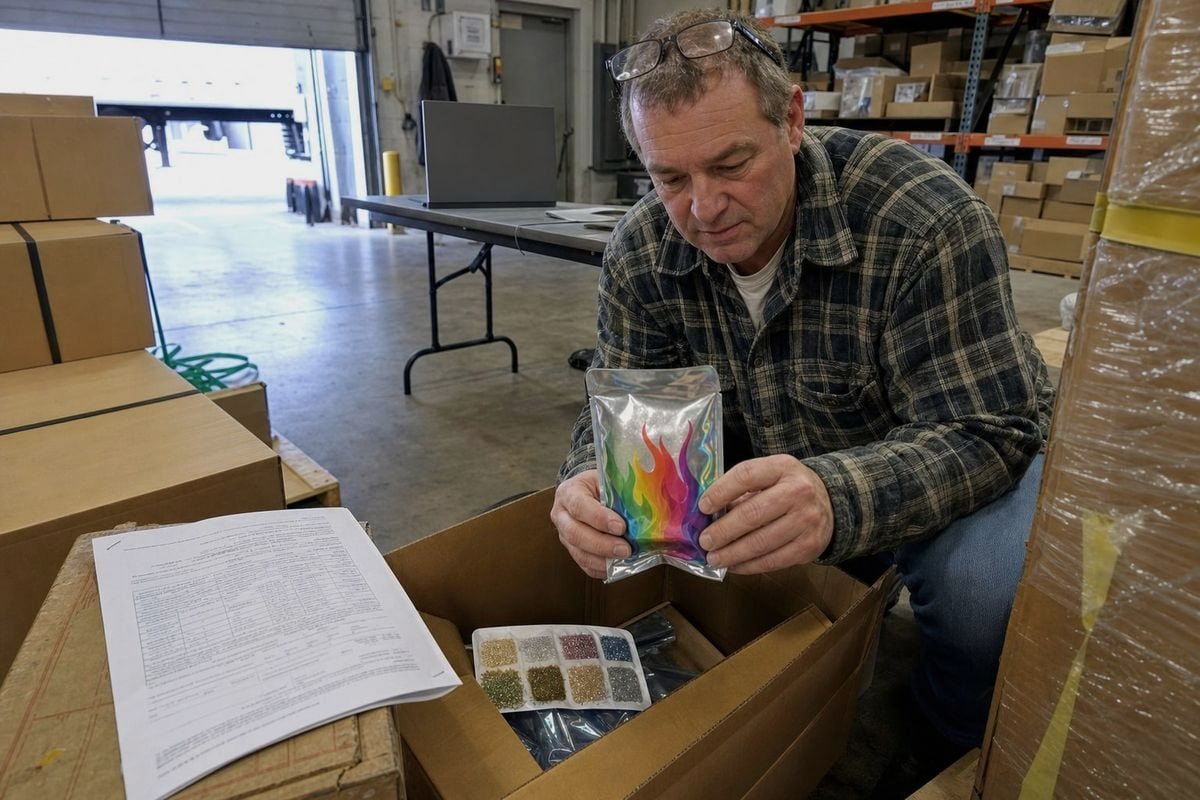
Las disputas de marca privada casi nunca provienen de mala fe. Provienen de suposiciones. El comprador asume que la imprenta igualará los colores de la pantalla. El proveedor asume que el texto de advertencia del comprador es legalmente suficiente. Un anexo de empaque elimina esas suposiciones. Nuestro trabajo integral de OEM/ODM cubre sobres personalizados, bolsas de papel kraft, frascos, cajas de exhibición, etiquetas de advertencia y códigos de barras, por lo que hemos visto exactamente dónde aparecen las brechas.
Qué debe cubrir el Anexo de Empaque
| Elemento | Especificar en el Contrato | Malentendido Común que Previene |
|---|---|---|
| Ilustraciones y activos de marca | Archivos vectoriales, códigos Pantone, aprobación de plantilla | Desviación de color entre la muestra y la producción en masa |
| Formato de empaque | Sobre metalizado, bolsa de papel kraft, frasco o caja de exhibición con dimensiones | Presentación incorrecta en el estante minorista |
| Estándar de sellado y barrera | Sello hermético y a prueba de humedad | Polvo apelmazado o degradado en tránsito |
| Texto de advertencia y uso | Redacción exacta, versiones de idioma, ubicación, elementos GHS | Rechazo del minorista por lagunas en la etiqueta |
| Códigos de barras y códigos minoristas | Números EAN/UPC, posición de impresión, verificación de escaneo | Stock invendible en canales de grandes superficies |
| Especificaciones de cartón maestro y palet | Marcas, recuentos, límites de peso, paletización | Retrasos en la recepción del almacén |
| Embalaje interior de exhibición | Diseño y recuento de la caja expositora abatible | Planes de comercialización no coincidentes |
Hacer de la aprobación una puerta de enlace formal
Exigir al proveedor que produzca una muestra física de preproducción del embalaje final: sobre impreso, sellado, relleno y etiquetado. Su aprobación por escrito de esa muestra se convierte en el estándar de referencia contractual. Luego, indique que los defectos de embalaje, incluidos los fallos de sellado que permiten la entrada de humedad, cuentan como mercancía no conforme con los mismos recursos de rechazo y reemplazo que el polvo en sí. Asigne claramente la responsabilidad: el proveedor es responsable de los daños causados por un embalaje inadecuado. Finalmente, confirme la propiedad de sus ilustraciones y marca en una cláusula de propiedad intelectual, para que su marca privada siga siendo exclusivamente suya.
Conclusión
Un pedido de compra vago para Polvo de Fuego Mágico corre el riesgo de retenciones en aduana, deriva de calidad y disputas de embalaje. Defina el producto en los anexos, exija documentos y bloquee términos comprobables antes de firmar.
Notas al pie
Explica el formato de documento estandarizado requerido para envíos de productos químicos peligrosos. ↩︎
Portal oficial de la OSHA para la comunicación de peligros GHS y las normas de etiquetado. ↩︎
Recurso de materiales peligrosos del DOT de EE. UU. relevante para los requisitos de clasificación de transporte discutidos en el contrato. ↩︎
Página oficial de la CPSC que detalla las regulaciones de seguridad de productos de consumo de EE. UU. a las que se hace referencia en la cláusula. ↩︎
Referencia completa y accesible para los principios de medición del tamaño de partícula. ↩︎
Antecedentes sobre los términos comerciales internacionales utilizados para definir la responsabilidad del envío. ↩︎
Wikipedia explica el concepto legal subyacente a las cláusulas contractuales para interrupciones imprevistas. ↩︎



 English
  Spanish
  German
  French
  Arabic
  Portuguese
Únete a la conversación