







Los datos de ventas deben impulsar cada decisión de inventario de Magic Fire Powder. Sin embargo, muchos compradores en los libros de pedidos de nuestra línea de producción todavía reordenan por instinto, y eso les cuesta margen real.
Los minoristas deben almacenar variantes de Magic Fire Powder utilizando datos de ventas de POS a nivel de variante — rastreando unidades vendidas, tasa de venta y rendimiento a nivel de tienda por color o formato de paquete — luego reordenar los artículos de alta rotación antes de los picos estacionales, reducir los artículos de baja rotación temprano y localizar los surtidos por región en lugar de comprar la línea como un solo producto.
Esa es la respuesta corta. La respuesta más larga cubre qué métricas importan, cómo la estacionalidad cambia tu calendario de compras, cuándo los datos regionales ayudan y cómo equilibrar los productos ganadores con los de movimiento lento. Permítanme repasar cada punto.
¿Qué métricas de ventas debería seguir para identificar mis colores de polvo de fuego mágico más vendidos?
Un distribuidor en Alemania me dijo una vez que reordenaba "todo el arcoíris" cada trimestre. Cuando revisamos sus números juntos, tres colores impulsaron la mayor parte de sus ingresos. El resto se quedó.
Realiza un seguimiento de las unidades vendidas por variante, tasa de venta, contribución de ingresos, velocidad de reposición y margen por SKU. Segmenta cada métrica por color, formato de paquete, tienda y canal. Luego, realiza un análisis ABC para que tus variantes principales de Magic Fire Powder obtengan espacio preferencial en el estante, stock más profundo y ciclos de reposición más rápidos.
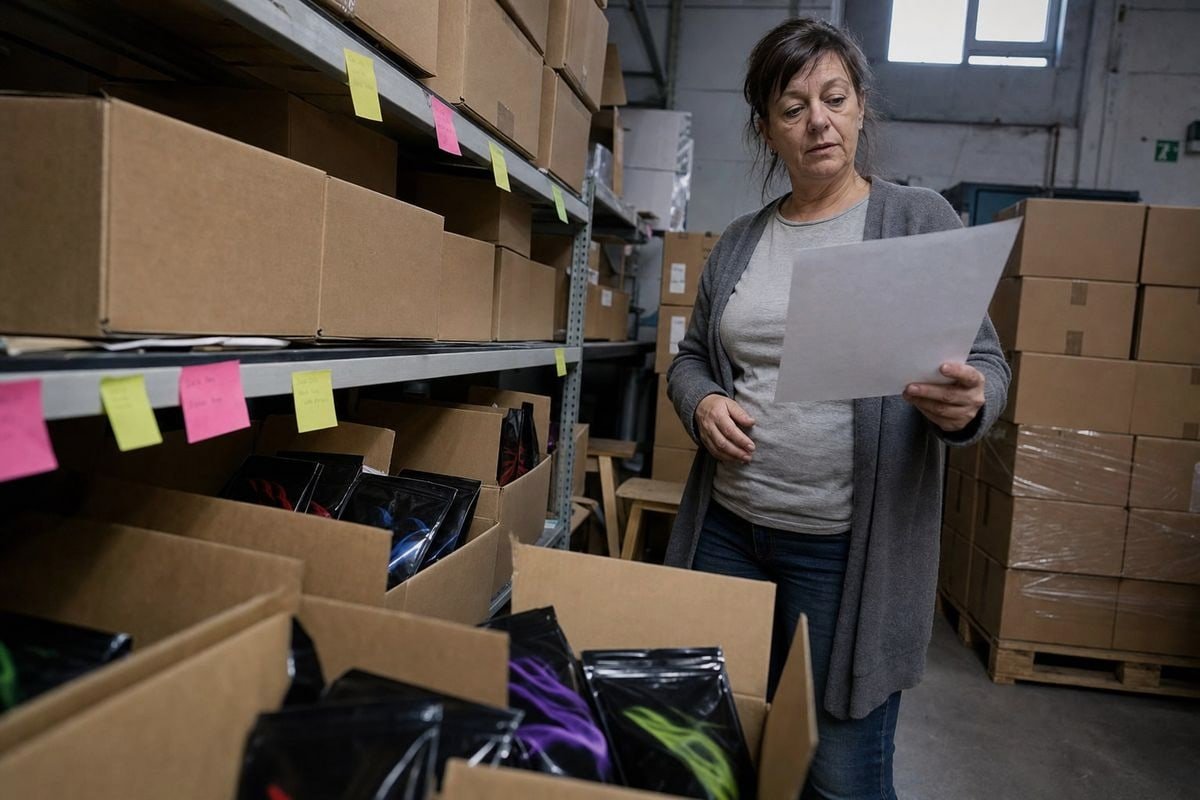
El mayor error que veo en los compradores de nuestros paquetes de colores de llama es la agregación. Miran las ventas totales de Magic Fire Powder como un solo número. Ese número oculta todo lo útil. Un total sólido puede enmascarar una variante azul que sale volando del estante y una variante morada que no se ha movido en dos meses. Necesitas datos a nivel de variante, o estás adivinando.
Las cinco métricas que más importan
Empieza de forma sencilla. No necesitas una suite de análisis empresarial. Necesitas un seguimiento constante de algunos números por SKU.
| Métrica | Lo que te dice | Frecuencia de revisión |
|---|---|---|
| Unidades vendidas por variante | Demanda bruta por color y tamaño del paquete | Semanal |
| Tasa de venta 1 | Ritmo al que el stock sale del estante frente al inventario inicial | Mensual |
| Contribución a los ingresos | Qué variantes realmente pagan las facturas | Mensual |
| Velocidad de reordenación | Qué tan rápido se agota una variante desde la entrega hasta el agotamiento | Por ciclo de pedido |
| Margen por SKU | Si un producto de venta rápida también es un producto rentable | Trimestral |
Utiliza el análisis ABC para clasificar las variantes
Una vez que tengas de tres a seis meses de datos, clasifica tus variantes. Las variantes "A" son tus productos más vendidos, generalmente un pequeño puñado de colores. Merecen un stock profundo y disparadores de reordenación automática. Las variantes "B" generan ventas constantes pero modestas. Mantenlas, pero pide de forma conservadora. Las variantes "C" son tu cola larga. En nuestra experiencia exportando a más de 30 países, los compradores que eliminan o agrupan las variantes C liberan efectivo para los productos ganadores sin perder ingresos significativos.
Un punto más. Datos de punto de venta 2 a menudo se denomina la señal de demanda más pura en la planificación minorista. Pero solo muestra lo que se vendió, no lo que los clientes querían y no pudieron encontrar. Empareja los números de ventas con los registros de disponibilidad de stock para que una semana de cero ventas por falta de stock no se interprete erróneamente como cero demanda.
¿Cómo puedo usar las tendencias de ventas estacionales para planificar mi inventario de Color-Flame antes de la demanda máxima?
Cada otoño, nuestra planta de Ningbo funciona a plena capacidad porque los pedidos de temporada de chimeneas de EE. UU. y Europa llegan a la vez. Los compradores que pronostican con anticipación reciben sus contenedores a tiempo. Los rezagados esperan.
Mapea al menos dos años de ventas mensuales por variante para encontrar tus picos — típicamente la temporada de otoño para chimeneas, campamento de verano y regalos navideños. Luego realiza pedidos con suficiente antelación para cada pico para cubrir los tiempos de fabricación y envío, acumulando existencias adicionales de los colores más vendidos probados.

Los productos de llama de colores son fuertemente estacionales, y el patrón difiere según el mercado. En nuestro historial de pedidos, los compradores de EE. UU. y Canadá alcanzan su punto máximo durante la temporada de chimeneas de otoño y los regalos navideños. La demanda australiana sigue un calendario opuesto. Las marcas centradas en acampar ven picos en verano. Si planificas el inventario a partir de un promedio anual plano, tendrás exceso de stock en primavera y te quedarás sin stock en octubre, el peor mes para estar vacío.
Crea un calendario estacional sencillo
Trabaja hacia atrás desde tu pico. Flete marítimo 3 desde China a EE. UU. o Europa, más el tiempo de producción, significa que tu orden de compra debe llegar meses antes de que tus estantes necesiten producto. Aquí hay una vista de planificación simplificada que mostramos a los nuevos distribuidores:
| Ventana de venta pico | Cuándo confirmar el pedido | Por qué el tiempo de entrega |
|---|---|---|
| Temporada de chimeneas de otoño (septiembre-noviembre) | Finales de primavera / principios de verano | Espacio de producción más tránsito marítimo más tiempo en puerto y en tierra |
| Regalos navideños (noviembre-diciembre) | Mediados de verano | La congestión del transporte en temporada alta añade necesidades de reserva |
| Verano de acampada (mayo-agosto) | Invierno | Coincide con los cambios de temporada previos a la venta minorista |
Combina el historial con señales futuras
Las ventas históricas son tu base, pero no son todo el pronóstico. Un buen pronóstico de pedidos combina la demanda prevista, el stock actual, los tiempos de entrega del proveedor, stock de seguridad 4, y las cantidades mínimas de pedido. Los minoristas modernos incorporan cada vez más análisis predictivos 5 en lugar de depender de promedios simples. Sin embargo, no necesitas IA para empezar. Incluso una hoja de cálculo que compare la tasa de ejecución semanal de este año con las mismas semanas del año pasado señalará si la demanda se está acelerando antes de que llegue tu pico.
También observa el momento de las promociones. Si planeas una campaña de otoño, tu inventario debe llegar primero. Anunciar un color agotado desperdicia el gasto en marketing y frustra a los compradores.
¿Debo confiar en los datos de ventas regionales para elegir qué variantes de Magic Fire almacenar en diferentes mercados?
Sí, y he visto la prueba en nuestros propios mercados de exportación. Los formatos de embalaje y las combinaciones de colores que solicitan nuestros compradores holandeses difieren notablemente de lo que se vende para nuestros socios brasileños y de Oriente Medio.
Sí. Los datos de ventas regionales y de clústeres de tiendas deben dar forma a su surtido, porque las preferencias de color, los casos de uso y la demanda de formatos de embalaje varían según el mercado. Mantenga un conjunto central de productos ganadores nacionales probados, luego personalice el espacio restante en los estantes por región según el rendimiento a nivel de variante local.
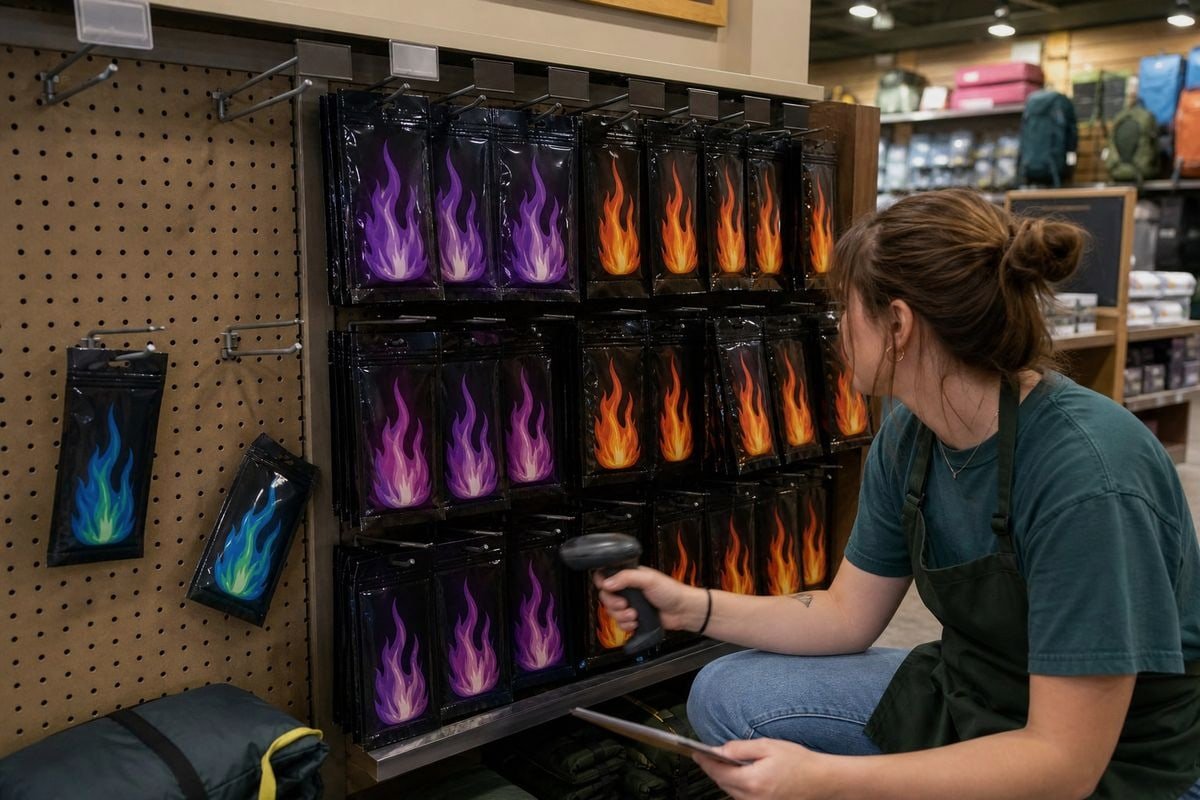
Un único plan de compras nacional es conveniente. Simplifica la compra, el almacenamiento y el diseño del planograma. Pero asume silenciosamente que cada tienda atiende al mismo cliente, y los datos de ventas casi nunca respaldan eso. Las tiendas de regalos urbanas, las tiendas de agricultura y ganadería rurales y los minoristas de campamentos costeros extraen diferentes variantes a ritmos muy diferentes.
Dónde se manifiestan las diferencias regionales
Por lo que nos informan nuestros socios distribuidores, las diferencias se agrupan en tres cosas. Primero, el caso de uso: los mercados con mucha chimenea favorecen las cajas de exhibición multipaquete para las noches en interiores, mientras que los mercados de campamento prefieren sobres individuales que se meten en una mochila. Segundo, el formato: algunos mercados responden al estilo ecológico de bolsa de papel kraft, otros a envases novedosos de papel de aluminio brillante. Tercero, el punto de precio y las expectativas de cantidad por paquete difieren según el canal: un comerciante de regalos de festivales y un canal de ferretería de gran superficie no comercializan de la misma manera.
Un punto intermedio práctico
No cambie a la localización completa de la noche a la mañana. Eso multiplica la complejidad de los SKU y los gastos generales de pedido. Un enfoque de clúster funciona mejor:
- Identifique sus variantes principales que funcionan en todas partes. Estas permanecen en cada ubicación.
- Agrupe las tiendas en clústeres por patrón de demanda, por ejemplo, liderado por campamentos, liderado por chimeneas y liderado por regalos.
- Asigne a cada clúster una pequeña capa localizada de variantes además del núcleo.
- Revise el rendimiento del clúster trimestralmente y promueva o degrade las variantes entre las capas principal y local.
Esto mantiene las compras manejables y permite que las señales de demanda locales influyan realmente en lo que hay en el estante. Los estudios minoristas sobre la planificación de surtidos basada en datos asocian este tipo de localización con un aumento significativo de los ingresos: el estante simplemente se adapta mejor al comprador.
¿Cómo equilibro las variantes de polvo mágico de fuego de movimiento lento con los colores de alta demanda en mi estrategia de reordenación?
Aquí hay una compensación que discuto constantemente con los compradores: un surtido de arcoíris completo se ve muy bien en una caja de exhibición, pero el capital inmovilizado en colores lentos es capital que no financia a sus ganadores.
Proteja la disponibilidad en las variantes de alta demanda primero con un stock más profundo y desencadenantes de reorden más rápidos. Para los movimientos lentos, reduzca las cantidades de reorden, marque o agrupe el stock envejecido temprano, y considere eliminar los bajo rendimiento persistentes. Deje que los datos de venta, no la estética del estante, establezcan la prioridad de reorden de cada variante.

La tensión principal es simple. Las roturas de stock de su mejor color le cuestan sus ventas más fáciles. El exceso de existencias de su color más débil le cuesta dinero, espacio de almacenamiento y pérdidas finales por rebajas. Su estrategia de reordenación tiene que resolver ambos a la vez, y la misma regla no puede aplicarse a ambos grupos.
Reglas diferentes para movimientos diferentes
| Tipo de variante | Enfoque de reordenación | Profundidad de stock | Política de rebajas |
|---|---|---|---|
| Alta demanda (A) | Disparador automático en umbral; ciclos cortos | Profundo, más stock de seguridad | Rara vez se descuenta; proteger el margen |
| Constante (B) | Revisión programada; ciclos moderados | Moderado | Ocasionales promociones vinculadas |
| Lento (C) | Revisión manual solamente; mínimos de pedido | Poco profundo o agrupado | Descontar pronto, no al final de la temporada |
Actuar pronto sobre los movimientos lentos
La rebaja más cara es la tardía. Si una variante muestra una baja rotación después de una temporada completa y una colocación justa en el estante, los datos han hablado. Agruparla con un ganador, descontarla mientras la demanda estacional aún existe, o convertirla en un regalo promocional por compra. Esperar hasta que termine el ciclo de stock significa descontar en un mercado muerto.
Una advertencia de nuestro lado de la cadena de suministro 6: antes de eliminar una variante, verifique si realmente falló. Compruebe si alguna vez se agotó durante las semanas pico, si tuvo una colocación justa en el estante y si las devoluciones o quejas sugieren un problema de calidad en lugar de un problema de demanda. Hemos visto "movimientos lentos" que simplemente eran invisibles en el estante inferior. Y para variantes genuinamente nuevas, dé a los datos tempranos de POS una ventana de prueba justa: expanda los ganadores rápidamente, pero no confunda un período de prueba corto con un veredicto.
Finalmente, alinee esto con su relación con el proveedor. Los MOQ 7 flexibles en colores de prueba, y los plazos de entrega fiables en sus variantes A, hacen que todo el acto de equilibrio sea mucho más fácil. Es exactamente por eso que estructuramos los pedidos de prueba y la programación de pedidos repetidos por separado para nuestros socios OEM.
Conclusión
El stock basado en conjeturas desperdicia capital y se pierde los picos. Rastree las ventas a nivel de variante, planifique los plazos de entrega estacionales, localice por región y reequilibre los reordenamientos mensualmente: los surtidos de Polvo Mágico de Fuego basados en datos superan a la intuición.
Notas al pie
Define la métrica minorista que compara las unidades vendidas con el inventario inicial utilizado para juzgar la demanda real. ↩︎
Explica los sistemas de punto de venta que generan los datos a nivel de transacción que los minoristas utilizan para las decisiones de stock. ↩︎
Fuente de datos de transporte de carga del gobierno relevante para la planificación de plazos de entrega de transporte marítimo. ↩︎
Antecedentes sobre el concepto de inventario de reserva al que se hace referencia en la creación de una previsión de pedidos. ↩︎
Recurso tecnológico oficial que explica el análisis predictivo utilizado para la previsión de la demanda minorista. ↩︎
Recurso autorizado de comercio y logística relevante para las operaciones de la cadena de suministro transfronteriza discutidas. ↩︎
Plataforma líder de abastecimiento B2B donde las prácticas de cantidad mínima de pedido para pedidos de prueba son estándar. ↩︎



 English
  Spanish
  German
  French
  Arabic
  Portuguese
Únete a la conversación