






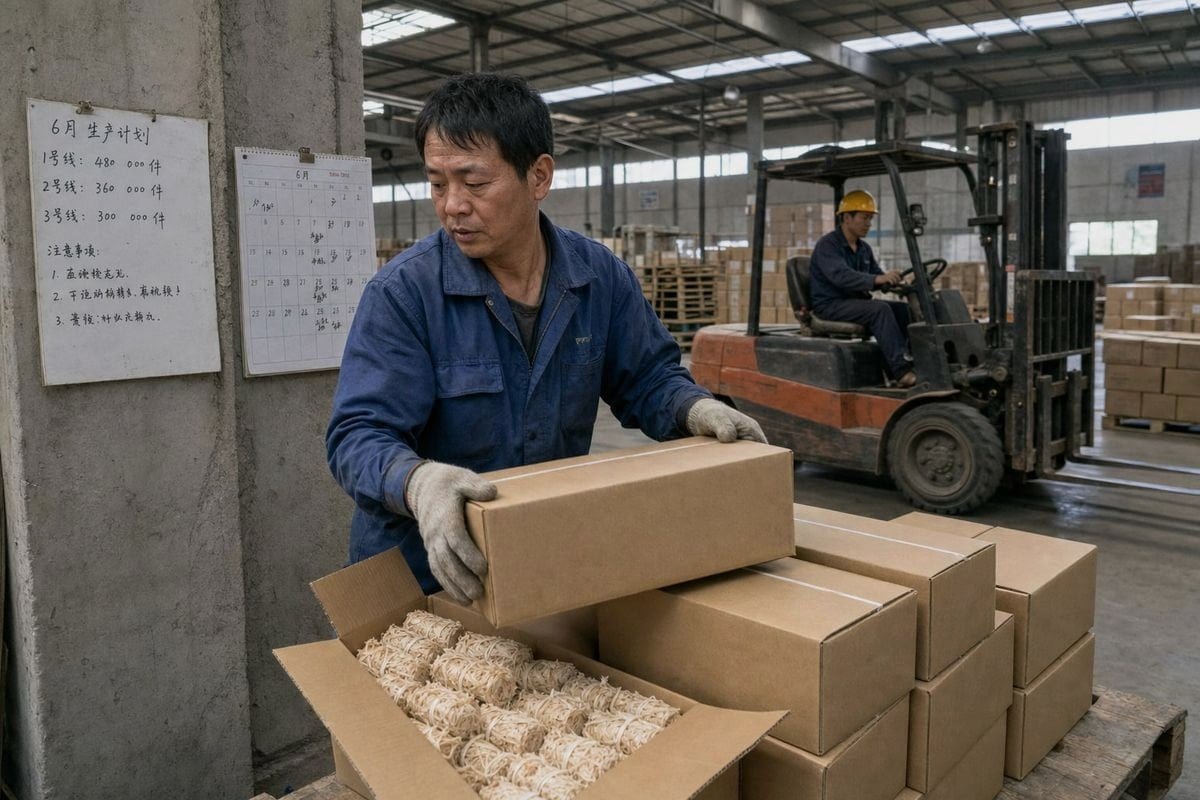
Estabilidad de precios para encendedores de leña preocupa a cada comprador con el que hablo picos de precios estacionales 1. En nuestra línea de producción, observamos que los costos de la cera y la fibra de madera cambian mensualmente, y los compradores lo sienten.
Los contratos anuales ofrecen una estabilidad de precios mucho mayor para los iniciadores de fuego de leña porque fijan el precio unitario y el volumen reservado durante doce meses. El pedido a demanda sigue el mercado al contado, exponiendo a los compradores a picos estacionales del 20-30% antes del invierno, aunque preserva la flexibilidad cuando la demanda es irregular.
Esa es la respuesta corta. Pero la elección correcta para su negocio depende de su patrón de demanda, su flujo de caja y su tolerancia al riesgo. fluctuaciones del costo de las materias primas 2. Permítame guiarlo a través de cada aspecto de esta decisión, utilizando lo que vemos cada año en más de 30 mercados de exportación.
¿Cómo puedo fijar precios predecibles para iniciadores de fuego de leña si firmo un contrato de suministro anual?
Un distribuidor alemán me pidió una vez que mantuviera su precio del primer trimestre hasta diciembre. exposición a la moneda 3. Estructuramos su primer contrato anual esa primavera, y su costo de llegada nunca se movió en todo el año.
Un contrato de suministro anual fija precios predecibles al fijar el precio unitario, reservar capacidad de producción y definir bandas de volumen durante doce meses. El proveedor absorbe las fluctuaciones de las materias primas durante el plazo, por lo que su costo de entrega por paleta se mantiene constante independientemente de los picos estacionales del mercado.
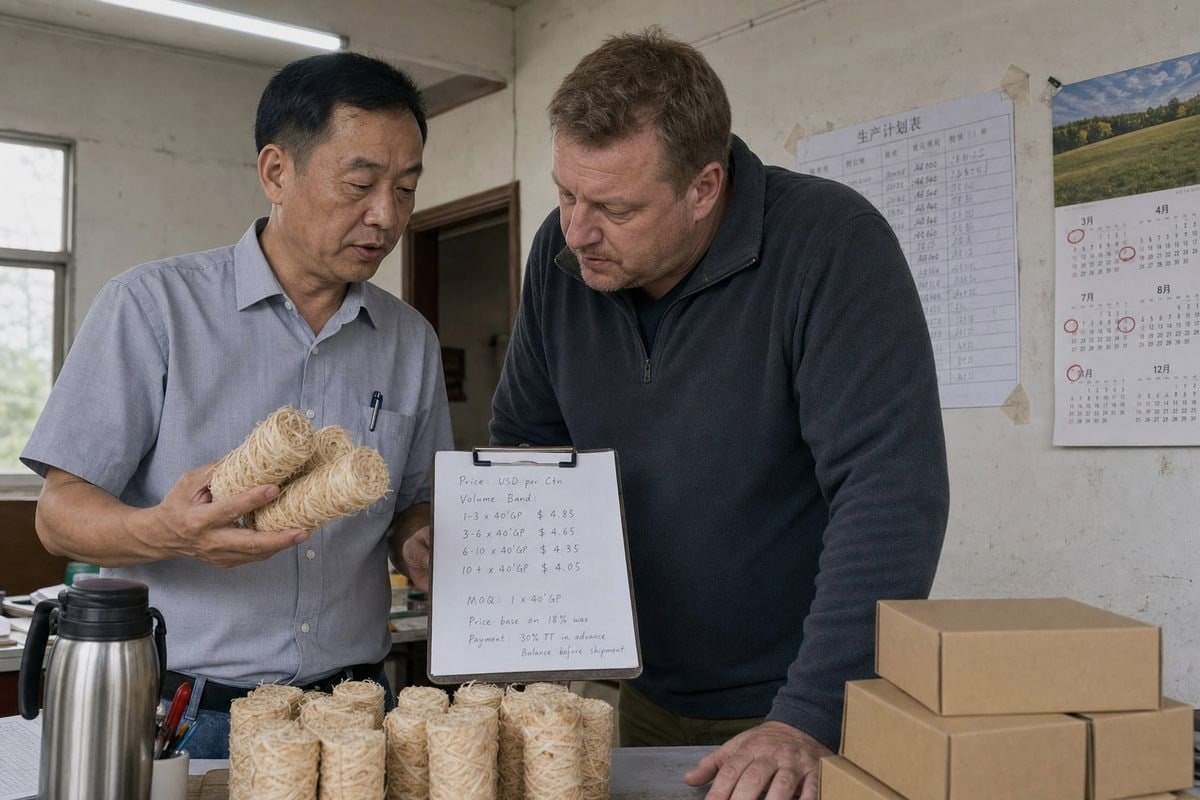
La mecánica es simple una vez que se ve expuesta. contrato de suministro 4. Cuando un comprador firma un acuerdo anual con nuestra fábrica, tres cosas se fijan al firmar: el precio unitario, el rango de volumen comprometido y el cronograma de entrega. A partir de ese momento, el mercado puede moverse, pero su factura no.
Lo que realmente se fija
La mayoría de los contratos anuales para encendedores de leña cubren estos elementos:
| Elemento del contrato | Lo que fija | Por qué importa |
|---|---|---|
| Precio unitario | Costo por pieza o por caja durante 12 meses | Lo protege de los aumentos de cera y fibra de madera a mitad de año |
| Volumen reservado | Ranuras de producción garantizadas | Obtiene producto incluso cuando la capacidad en temporada alta es limitada |
| Cronograma de entrega | Envíos mensuales o trimestrales | Suaviza el almacenamiento y el flujo de caja |
| Bandas de volumen | Una cantidad mínima y máxima | Le da cierta flexibilidad dentro del compromiso |
| Especificación de calidad | Tiempo de combustión, composición, embalaje | La primera muestra coincide con cada lote, durante todo el año. |
La ventaja del tiempo
En nuestra experiencia, los compradores que se comprometen en primavera obtienen los términos más sólidos. Los precios adyacentes a la biomasa siguen una curva estacional clara: los compromisos a principios de año aseguran precios de temporada base, los pedidos a mediados de verano a menudo cuestan entre un 8 y un 15 % más, y los pedidos de octubre pueden costar entre un 20 y un 30 % más a medida que la demanda de la temporada de calefacción alcanza su punto máximo. Un contrato anual firmado en abril esencialmente congela el mejor punto de esa curva durante todo el año.
Hay una advertencia honesta. Si los precios del mercado bajan después de firmar, es posible que pague un poco más que el precio al contado durante parte del período. Ese es el trueque que hace por la certeza. La mayoría de nuestros socios a largo plazo lo aceptan con gusto, porque un costo estable les permite establecer precios minoristas, planificar promociones y proteger los márgenes sin conjeturas.
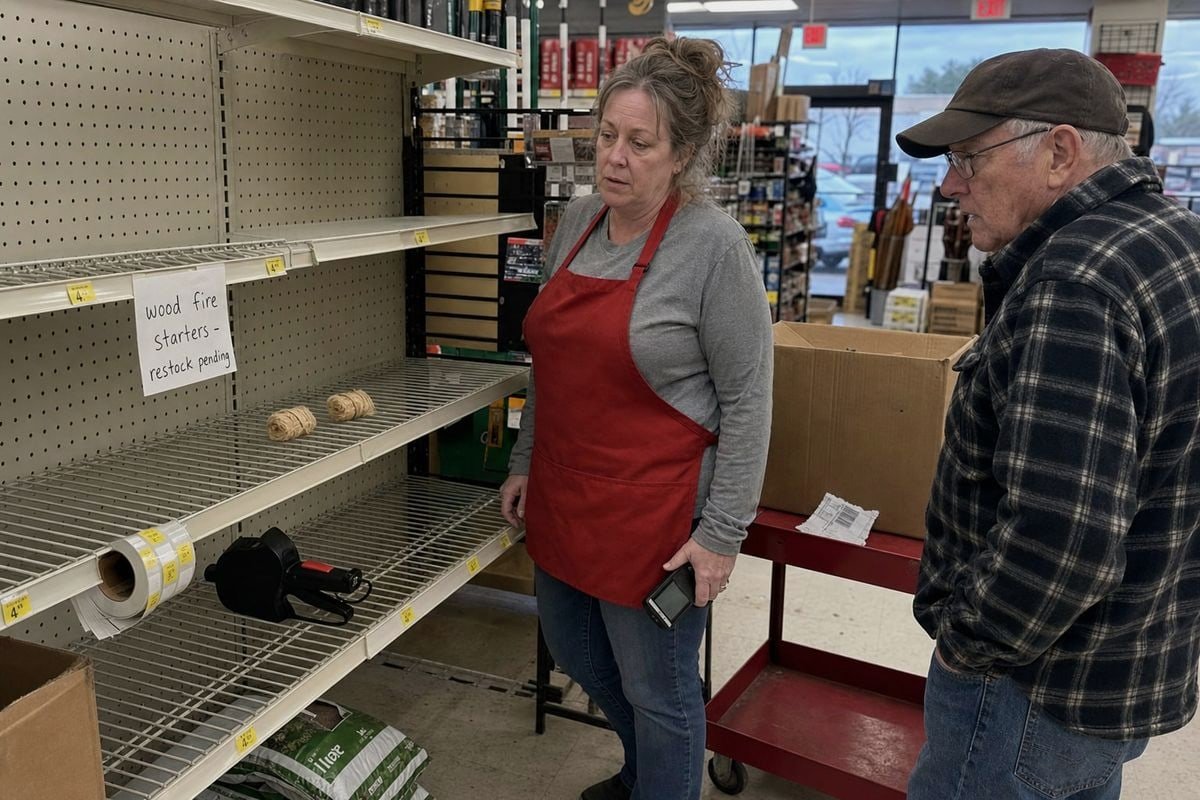
¿Qué riesgos de precio debería esperar si sigo pidiendo iniciadores de fuego de leña a pedido en su lugar?
Cada octubre, nuestra bandeja de entrada de ventas se llena de solicitudes urgentes al contado. El año pasado, un comprador tardío pagó notablemente más por contenedor que un cliente con contrato que enviaba los mismos rollos de madera encerados.
El pedido bajo demanda te expone a picos de precios estacionales del 8-15% a mediados de verano y del 20-30% en octubre, además de riesgo de disponibilidad, plazos de entrega más largos en temporada alta y fluctuaciones de divisas en compras internacionales. Cada pedido se recalcula según las condiciones actuales del mercado, por lo que la elaboración de presupuestos se convierte en una conjetura.
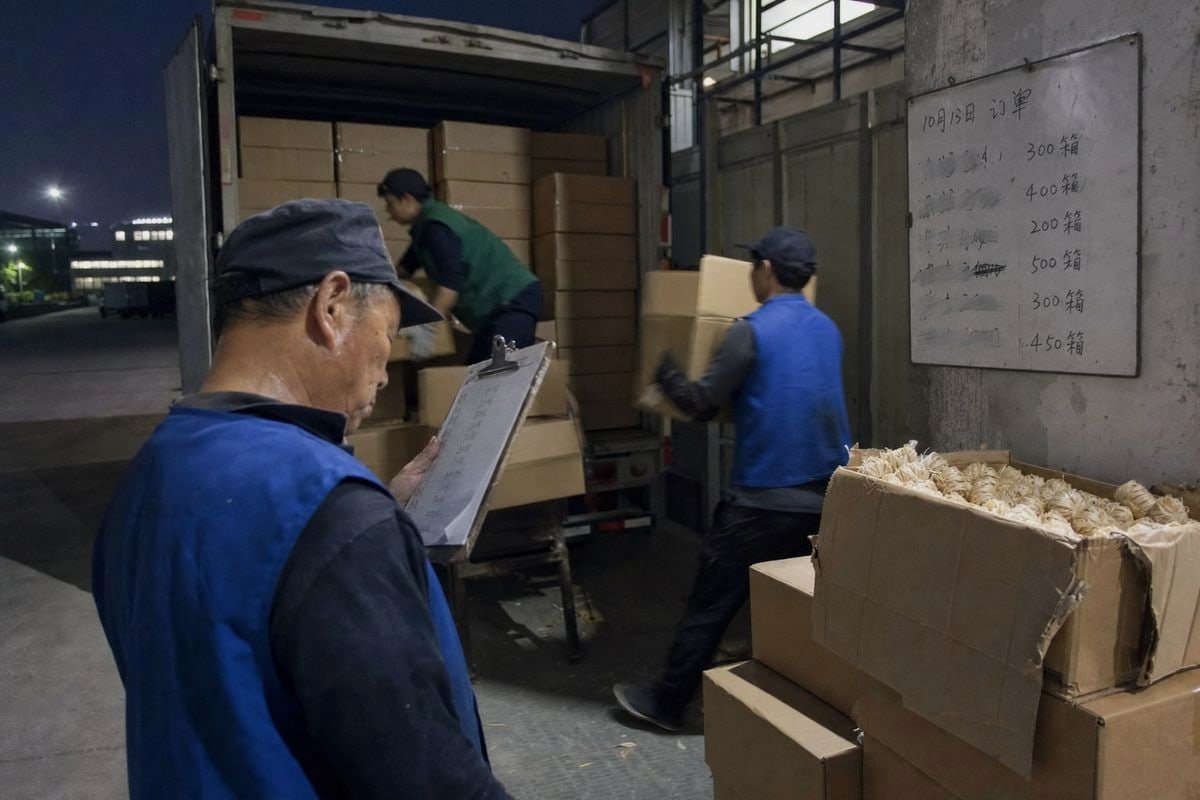
Comprar al contado no es irracional. Sigue el mercado real y, en un mercado débil, eso juega a su favor. Pero necesita ver el panorama completo del riesgo antes de depender de él, porque los riesgos se acumulan en los meses exactos en que más necesita el producto.
Los cuatro riesgos que afectan a los compradores al contado
- Escalada estacional de precios. La demanda de encendedores de leña sigue la temporada de calefacción y las ventas minoristas navideñas. Los compradores que esperan hasta el otoño pagan precios máximos porque todos los distribuidores del hemisferio norte están pidiendo al mismo tiempo.
- Riesgo de disponibilidad. El precio es solo la mitad del problema. Durante los meses pico, las ranuras de producción se llenan. El volumen contratado se envía primero; los pedidos al contado esperan. Una falta de existencias en noviembre puede costarle a un minorista mucho más que cualquier ahorro por unidad.
- Paso de materias primas. Nuestros encendedores son de fibra de madera y parafina 5. Cuando los costos de la parafina o los vinculados a la madera se disparan, las cotizaciones al contado lo reflejan en unas pocas semanas. Los titulares de contratos nunca ven ese ajuste a mitad de año.
- Exposición a la moneda. Las compras internacionales a pedido se reprueban a la tasa de cambio de cada pedido. Una moneda local debilitada infla silenciosamente cada compra al contado posterior, mientras que un contrato anual puede fijar los términos vinculados al tipo de cambio con anticipación.
Cuándo la compra a pedido todavía tiene sentido
Para ser justos, la compra al contado gana en situaciones específicas. Si su demanda es genuinamente impredecible, si tiene espacio de almacén para comprar de manera oportunista en primavera, o si el mercado está plano o cayendo, el control del tiempo es valioso. Algunos equipos de adquisiciones superan los precios de los contratos de esta manera. Pero solo funciona cuando puede tolerar la escasez ocasional y tiene la disciplina para comprar con anticipación; la mayoría de los compradores, en mi experiencia, piden cuando necesitan el producto, que es precisamente cuando los precios alcanzan su punto máximo.
¿Qué modelo de pedido me ayuda a proteger mis márgenes contra las fluctuaciones del costo de las materias primas?
Nuestros iniciadores de fuego de madera son aproximadamente mitad fibra de madera y mitad parafina en composición, por lo que rastreamos ambos mercados de insumos semanalmente. Esos datos dan forma a cómo asesoramos a los compradores sobre la protección de márgenes.
Los contratos anuales protegen mejor los márgenes contra las fluctuaciones de las materias primas porque su base de costos se mantiene fija mientras los precios minoristas se mantienen. Los modelos híbridos —un volumen de contrato base más pedidos puntuales suplementarios— ofrecen el equilibrio más sólido, cubriendo aproximadamente el 70-80% de la demanda prevista a precios fijos.
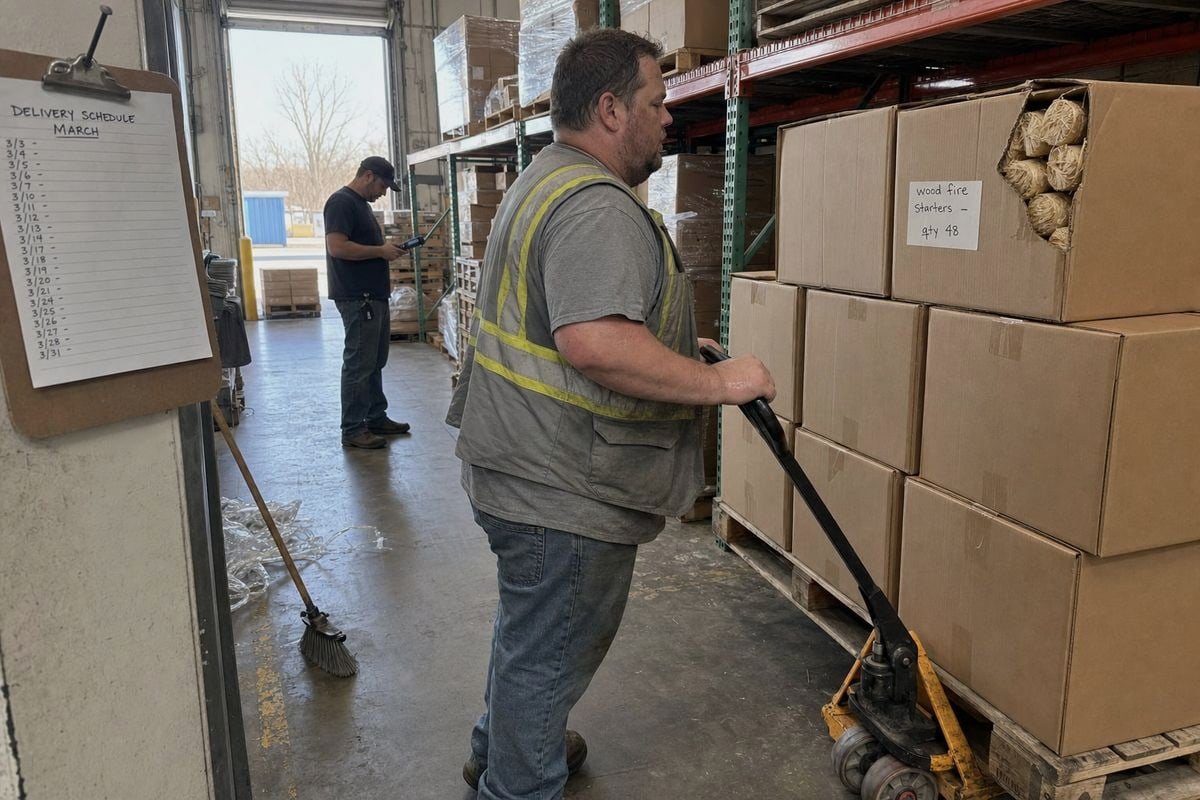
La protección de márgenes se reduce a una pregunta: cuando sus costos de insumos cambian, ¿su precio de venta se mueve con ellos? Para la mayoría de los minoristas y distribuidores, la respuesta es no. Los precios de venta en tienda se fijan con meses de antelación. Las promociones se planifican. Los catálogos se imprimen. Si su costo de adquisición salta un 25 % en octubre pero su precio de venta está fijo, ese aumento va directamente a su margen.
Tres modelos comparados
| Factor | Contrato anual | Pedido bajo demanda | Modelo híbrido |
|---|---|---|---|
| Certeza de precio | Alto — fijo por el plazo | Bajo — se vuelve a cotizar cada pedido | Moderado a alto en volumen base |
| Flexibilidad | Bajo — volúmenes comprometidos | Alto — pida lo que sea, cuando sea | Moderado — se permiten recargas puntuales |
| Protección de margen | Fuerte — base de costos bloqueada | Débil — los márgenes se comprimen en los picos | Fuerte en la base, expuesto en las recargas |
| Disponibilidad en temporada alta | Garantizado a través de espacios reservados | En riesgo — los pedidos puntuales hacen cola al final | Garantizado para el volumen base |
| Desventaja si el mercado cae | Pague temporalmente por encima del precio al contado | Capture ahorros inmediatamente | Captura parcial en la porción al contado |
| Mejor adaptado para | Demanda estable y predecible | Compra irregular u oportunista | Marcas en crecimiento con demanda central |
El auge de las estructuras híbridas y vinculadas a índices
No todos los contratos tienen que ser rígidamente fijos. Las cláusulas de escalada vinculadas a índices de materias primas — puntos de referencia de parafina o madera — se están convirtiendo en estándar. Estos le brindan precios predecibles pero ajustables: el precio puede moverse, pero solo según una fórmula definida en ventanas de revisión definidas, nunca como una sorpresa. Cuando desarrollamos Programas OEM 6 con distribuidores, a menudo recomendamos contratar entre el 70 y el 80 % de la demanda prevista a precio fijo, y luego completar bajo demanda. Obtiene un piso de margen protegido en su volumen principal y conserva la opción de comprar de manera oportunista si el mercado cae. En mercados cada vez más ajustados, esa estructura ha servido consistentemente mejor a nuestros socios a largo plazo que la compra pura al contado.
¿Debería elegir un contrato anual o un pedido bajo demanda en función de mi volumen de pedidos y flujo de caja?
Una marca estadounidense de camping me dijo una vez que su equipo de finanzas vetó un contrato puramente por motivos de flujo de caja, hasta que reestructuramos las entregas en envíos mensuales. El compromiso se mantuvo; la tensión de efectivo desapareció.
Elija un contrato anual si tiene una demanda constante y predecible superior a unos pocos contenedores al año y no puede permitirse quedarse sin existencias. Elija el pedido bajo demanda si su volumen es pequeño, irregular o tiene restricciones de efectivo. Los modelos híbridos se adaptan a compradores en crecimiento con un núcleo predecible y un aumento variable.
El volumen y el flujo de caja son los dos filtros prácticos que resuelven esta decisión para la mayoría de los compradores. Un contrato solo es valioso si puede absorber el volumen comprometido, y solo es factible si el calendario de pagos se ajusta a su capital de trabajo 7 ciclo.
Una guía de decisión por tipo de comprador
| Tipo de Comprador | Patrón de demanda | Modelo recomendado | Razonamiento |
|---|---|---|---|
| Cadena minorista / gran distribuidor | Demanda invernal estable, alto volumen | Contrato anual | Certeza presupuestaria, capacidad reservada, descuentos por volumen |
| Operador de hostelería / lodge | Estacional pero predecible | Contrato anual con entrega escalonada | Suministro garantizado durante la temporada, desembolso mensual de efectivo |
| Proveedor de eventos o festivales al aire libre | Irregular, impulsado por eventos | Bajo demanda, pedido en primavera | La flexibilidad importa más que la certeza; compre antes de que suba la curva |
| Creciente marca de camping / barbacoa | Núcleo predecible más potencial alcista | Híbrido | Asegure la base, persiga el crecimiento con recargas puntuales |
| Pequeño importador probando el mercado | Demanda no probada | Bajo demanda con MOQ de prueba | Evite el riesgo de compromiso hasta que los pronósticos se consoliden |
Consideraciones de flujo de caja que se pasan por alto
Un miedo común es que un contrato anual signifique un único pago inicial gigante. Por lo general, no es así. Los acuerdos bien estructurados escalonan las entregas y los pagos mensualmente o trimestralmente, por lo que la salida de efectivo sigue su ciclo de ventas. En nuestra experiencia con distribuidores europeos y norteamericanos, los contratos anuales escalonados a menudo mejoran el flujo de caja en comparación con la compra de pánico a precios máximos en el cuarto trimestre.
Dos advertencias merecen honestidad. Primero, los compromisos de compra mínima crean un riesgo real si su pronóstico de demanda falla gravemente: puede pagar por un volumen que no puede mover. Segundo, las penalizaciones por terminación o renegociación pueden erosionar el beneficio de estabilidad si su negocio cambia a mitad de período. Negocie bandas de volumen en lugar de una única cantidad fija, e insista en una ventana de revisión a mitad de año. Un buen proveedor estará de acuerdo, porque un contrato viable mantiene la relación viva para el segundo año y más allá.
Conclusión
Los precios inestables erosionan silenciosamente los márgenes cada invierno. La solución es estructural: contrate su volumen básico predecible con anticipación, mantenga la flexibilidad en el resto y asóciese con una fábrica certificada en la que confíe.
Notas al pie
Explica la economía de la demanda estacional subyacente a las fluctuaciones de precios de los iniciadores de fuego de madera discutidas. ↩︎
Antecedentes sobre la volatilidad de los precios de las materias primas relevantes para las fluctuaciones de costos de la cera y la fibra de madera. ↩︎
Definición financiera autorizada que respalda la discusión sobre el riesgo de divisas para compras internacionales. ↩︎
Recurso comercial de la OMC relevante para los acuerdos de suministro internacionales y los términos de adquisición discutidos. ↩︎
Referencia de antecedentes sobre la cera de parafina, una materia prima clave mencionada repetidamente. ↩︎
Referencia ISO relevante para las especificaciones de calidad y los estándares de fabricación en contratos OEM. ↩︎
Concepto de antecedentes que explica el ciclo de flujo de caja relevante para los pagos de contratos escalonados. ↩︎



 English
  Spanish
  German
  French
  Arabic
  Portuguese
Únete a la conversación