






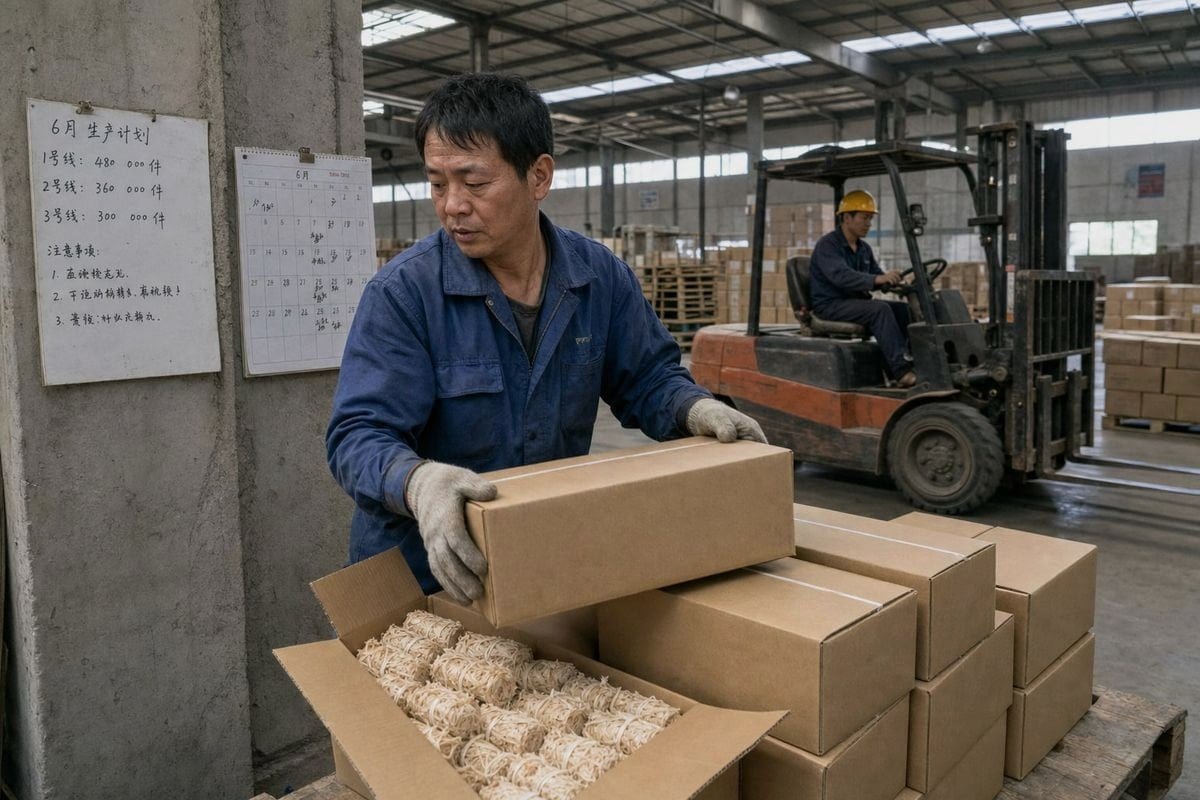
Estabilidade de preços para acendedores de lenha preocupa todos os compradores com quem falo picos sazonais de preços 1. Na nossa linha de produção, observamos os custos de cera e fibra de madeira mudarem mensalmente — e os compradores sentem isso.
Contratos anuais oferecem muito maior estabilidade de preços para acendedores de fogo a lenha porque eles fixam o preço unitário e o volume reservado por doze meses. O pedido sob demanda acompanha o mercado à vista, expondo os compradores a picos sazonais de 20–30% antes do inverno, embora preserve a flexibilidade quando a demanda é irregular.
Essa é a resposta curta. Mas a escolha certa para o seu negócio depende do seu padrão de demanda, do seu fluxo de caixa e da sua tolerância ao risco flutuações de custo de matéria-prima 2. Deixe-me guiá-lo por cada lado desta decisão, usando o que vemos todos os anos em mais de 30 mercados de exportação.
Como posso garantir preços previsíveis para acendedores de fogo a lenha se assinar um contrato de fornecimento anual?
Um distribuidor alemão me pediu uma vez para manter o preço do Q1 até dezembro exposição cambial 3. Estruturamos o primeiro contrato anual dele naquela primavera, e o custo dele nunca mudou durante todo o ano.
Um contrato anual de fornecimento garante preços previsíveis ao fixar o preço unitário, reservar capacidade de produção e definir faixas de volume por doze meses. O fornecedor absorve as flutuações de matérias-primas durante o prazo, para que seu custo total por palete permaneça constante, independentemente dos picos sazonais do mercado.
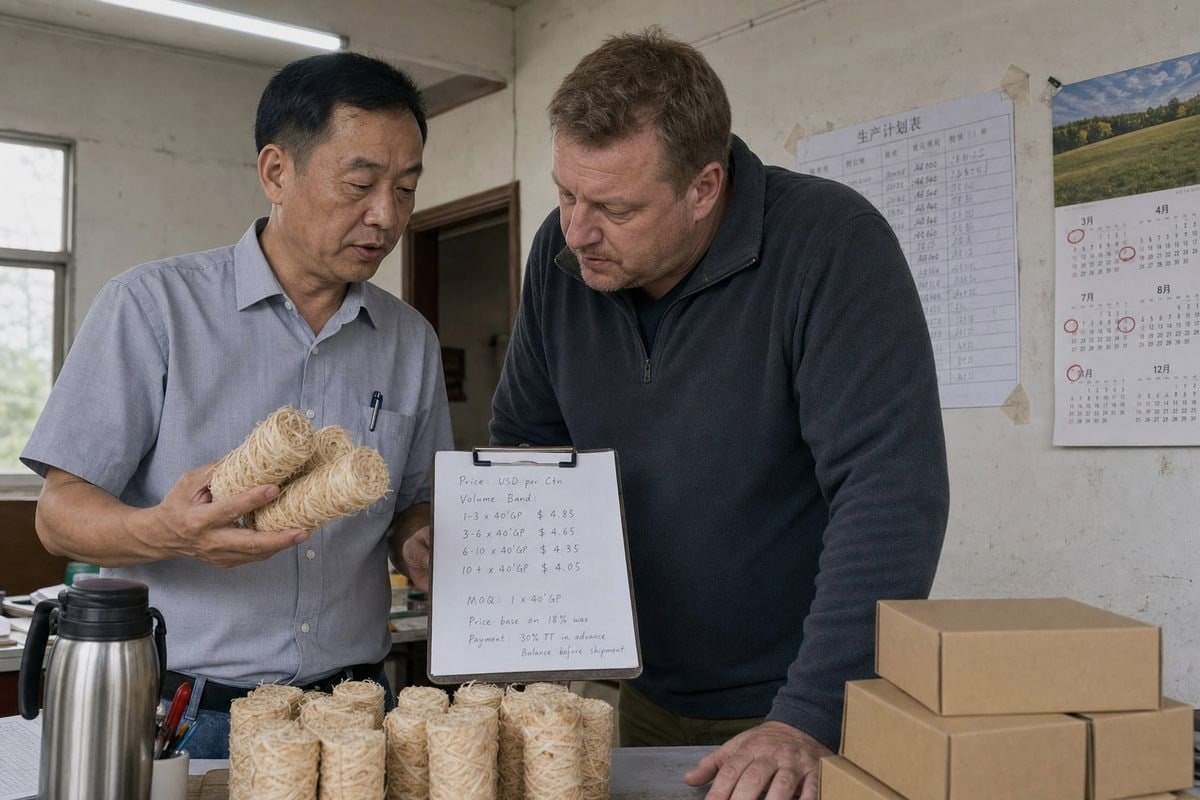
A mecânica é simples quando você a vê explicada contrato de fornecimento 4. Quando um comprador assina um acordo anual com nossa fábrica, três coisas são fixadas na assinatura: o preço unitário, a faixa de volume comprometida e o cronograma de entrega. A partir daí, o mercado pode mudar, mas sua fatura não.
O que é realmente travado
A maioria dos contratos anuais para acendedores de lenha cobre estes elementos:
| Elemento do Contrato | O que ele fixa | Por que é importante |
|---|---|---|
| Preço unitário | Custo por peça ou por caixa por 12 meses | Protege você de aumentos de cera e fibra de madeira no meio do ano |
| Volume reservado | Slots de produção garantidos | Você recebe produto mesmo quando a capacidade de pico da temporada está apertada |
| Cronograma de entrega | Envios mensais ou trimestrais | Suaviza o armazenamento e o fluxo de caixa |
| Faixas de volume | Uma quantidade mínima e máxima | Dá a você alguma flexibilidade dentro do compromisso |
| Especificação de qualidade | Tempo de queima, composição, embalagem | A primeira amostra corresponde a cada lote, durante todo o ano |
A vantagem do tempo
Em nossa experiência, compradores que se comprometem na primavera obtêm os termos mais fortes. A precificação adjacente à biomassa segue uma curva sazonal clara: compromissos no início do ano garantem preços de temporada base, pedidos em meados do verão geralmente custam 8–15% a mais, e pedidos em outubro podem custar 20–30% a mais à medida que a demanda da temporada de aquecimento atinge o pico. Um contrato anual assinado em abril essencialmente congela o melhor ponto dessa curva para o ano inteiro.
Há uma ressalva honesta. Se os preços de mercado caírem após você assinar, você pode pagar um pouco acima do preço à vista por parte do período. Essa é a troca que você faz pela certeza. A maioria dos nossos parceiros de longo prazo aceita isso de bom grado, porque um custo estável permite que eles definam preços de varejo, planejem promoções e protejam margens sem adivinhação.
Que riscos de preço devo esperar se continuar a encomendar acendedores de fogo a lenha sob demanda em vez disso?
Todo outubro, nossa caixa de entrada de vendas se enche de pedidos urgentes à vista. No ano passado, um comprador atrasado pagou visivelmente mais por contêiner do que um cliente contratado enviando os mesmos rolos de madeira encerados.
O pedido sob demanda expõe você a picos sazonais de preços de 8–15% em meados do verão e 20–30% em outubro, além de risco de disponibilidade, prazos de entrega mais longos na alta temporada e flutuações cambiais em compras internacionais. Cada pedido é reavaliado nas condições atuais do mercado, tornando o orçamento uma adivinhação.
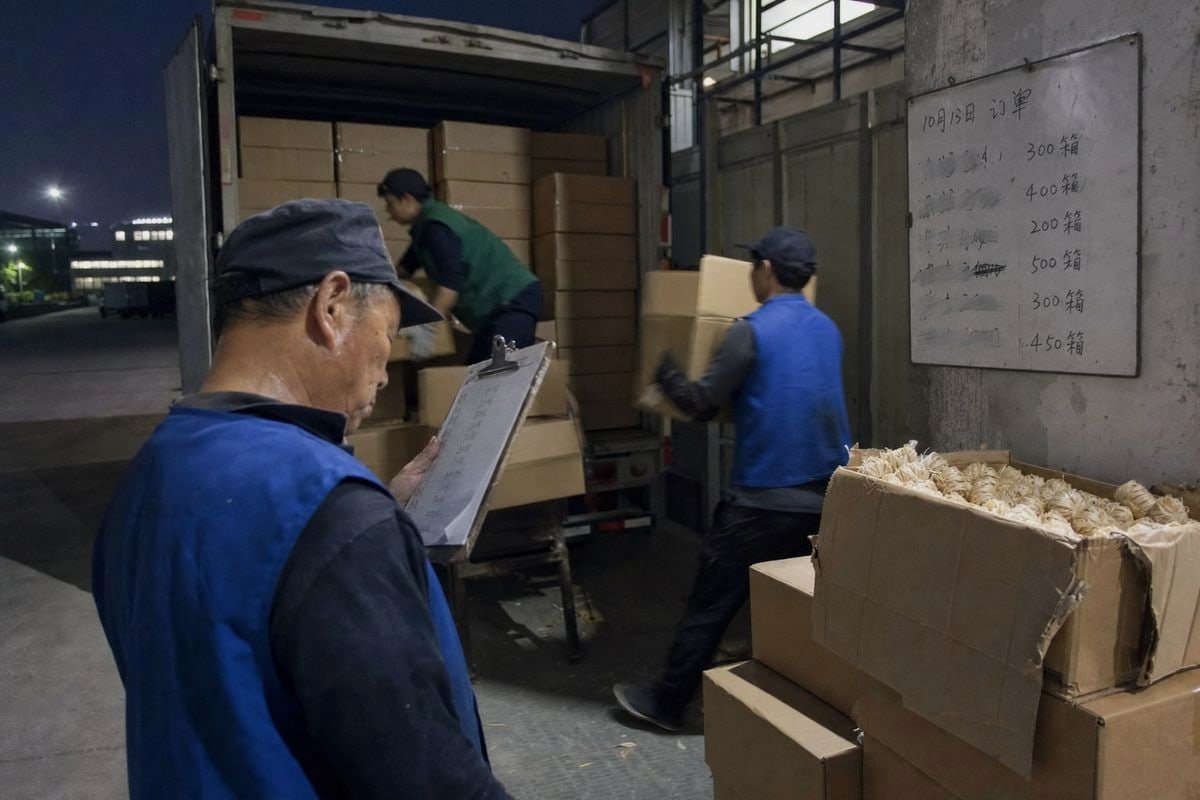
Comprar à vista não é irracional. Ele acompanha o mercado real e, em um mercado fraco, isso funciona a seu favor. Mas você precisa ver o quadro completo do risco antes de confiar nele, porque os riscos se acumulam exatamente nos meses em que você mais precisa do produto.
Os quatro riscos que atingem compradores à vista
- Escalada sazonal de preços. A demanda por acendedores de lenha segue a temporada de aquecimento e o varejo de feriados. Compradores que esperam até o outono pagam preços de pico porque todos os distribuidores no hemisfério norte estão pedindo ao mesmo tempo.
- Risco de disponibilidade. O preço é apenas metade do problema. Durante os meses de pico, os slots de produção se esgotam. O volume contratado é enviado primeiro; os pedidos à vista esperam. Uma falta de estoque em novembro pode custar a um varejista muito mais do que qualquer economia por unidade.
- Repasse de matéria-prima. Nossos acendedores de lenha são de fibra de madeira e parafina 5. Quando os custos de parafina ou ligados à madeira disparam, as cotações à vista refletem isso em poucas semanas. Os detentores de contrato nunca veem esse ajuste no meio do ano.
- Exposição cambial. Compras internacionais sob demanda são reajustadas na taxa de câmbio de cada pedido. Uma moeda doméstica enfraquecida inflaciona silenciosamente cada compra à vista subsequente, enquanto um contrato anual pode fixar termos vinculados a FX com antecedência.
Quando a compra sob demanda ainda faz sentido
Para ser justo, a compra à vista vence em situações específicas. Se sua demanda for genuinamente imprevisível, se você tiver espaço de armazém para comprar oportunisticamente na primavera, ou se o mercado estiver estável ou em queda, o controle de tempo é valioso. Algumas equipes de compras superam os preços de contrato dessa forma. Mas isso só funciona quando você pode tolerar a escassez ocasional e tem a disciplina de comprar cedo — a maioria dos compradores, na minha experiência, pede quando precisa do produto, que é precisamente quando os preços atingem o pico.
Qual modelo de pedido me ajuda a proteger minhas margens contra flutuações de custo de matéria-prima?
Nossos iniciadores de fogo de madeira são aproximadamente metade de fibra de madeira e metade de parafina em composição, portanto, monitoramos ambos os mercados de insumos semanalmente. Esses dados moldam como aconselhamos os compradores sobre a proteção de margem.
Contratos anuais protegem melhor as margens contra flutuações de matérias-primas porque sua base de custo permanece fixa enquanto os preços de varejo se mantêm. Modelos híbridos — um volume de contrato base mais pedidos spot suplementares — oferecem o equilíbrio mais forte, cobrindo aproximadamente 70–80% da demanda prevista a preços fixos.
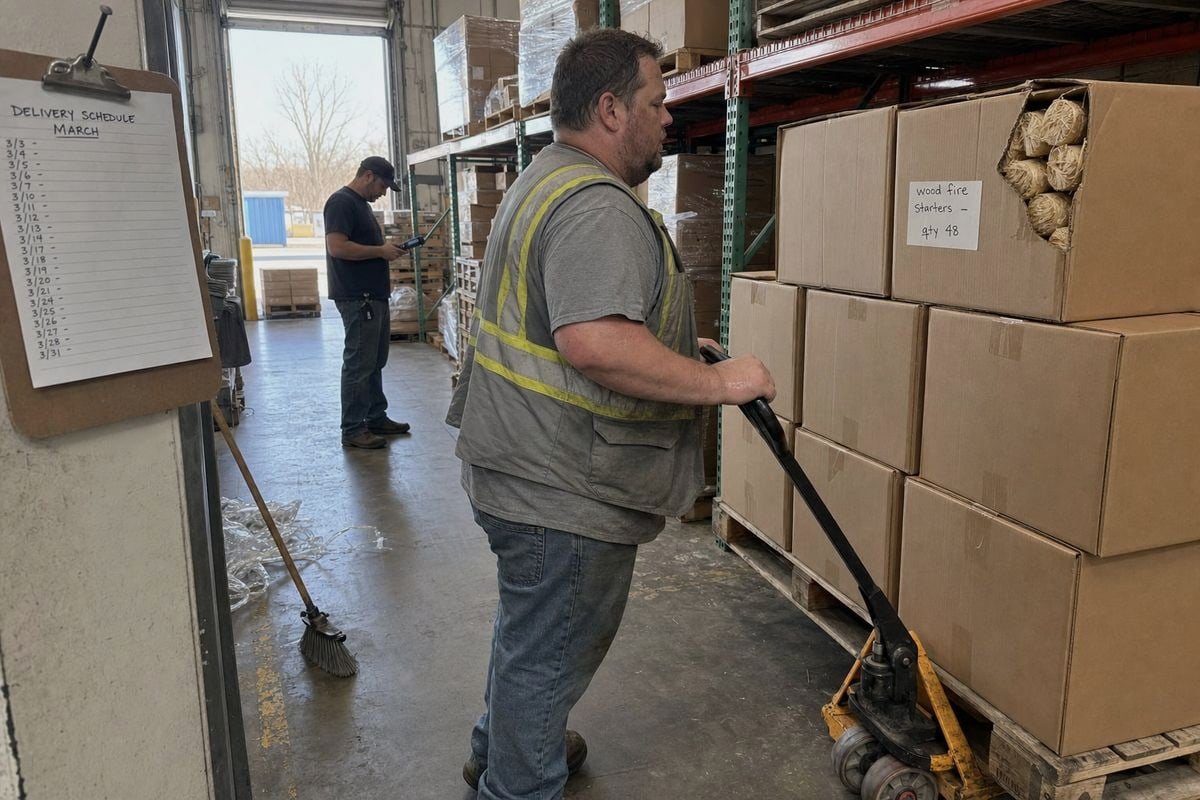
A proteção de margem se resume a uma pergunta: quando seus custos de insumos mudam, seu preço de venda se move com eles? Para a maioria dos varejistas e distribuidores, a resposta é não. Os preços nas prateleiras de varejo são definidos com meses de antecedência. Promoções são planejadas. Catálogos são impressos. Se o seu custo de aquisição saltar 25% em outubro, mas o seu preço na prateleira estiver fixo, esse aumento sai diretamente da sua margem.
Três modelos comparados
| Fator | Contrato Anual | Pedido Sob Demanda | Modelo Híbrido |
|---|---|---|---|
| Certeza de preço | Alto — fixo para o prazo | Baixo — reprecifica a cada pedido | Moderado a alto no volume base |
| Flexibilidade | Baixo — volumes comprometidos | Alto — peça qualquer coisa, a qualquer hora | Moderado — complementos à vista permitidos |
| Proteção de margem | Forte — base de custo travada | Fraco — margens comprimem em picos | Forte na base, exposto nos complementos |
| Disponibilidade na alta temporada | Garantido por meio de vagas reservadas | Em risco — pedidos à vista entram na fila por último | Garantido para volume base |
| Desvantagem se o mercado cair | Pague temporariamente acima do preço à vista | Capture economias imediatamente | Captura parcial na porção à vista |
| Mais adequado para | Demanda estável e previsível | Compra irregular ou oportunista | Marcas em crescimento com demanda principal |
A ascensão de estruturas híbridas e vinculadas a índices
Nem todo contrato precisa ser rigidamente fixo. Cláusulas de escalonamento vinculadas a índices de commodities — referências de parafina ou madeira — estão se tornando padrão. Isso lhe dá preços previsíveis, mas ajustáveis: o preço pode mudar, mas apenas por uma fórmula definida em janelas de revisão definidas, nunca como uma surpresa. Quando desenvolvemos programas de OEM 6 com distribuidores, frequentemente recomendamos contratar 70–80% da demanda prevista com preços fixos, e depois complementar sob demanda. Você obtém um piso de margem protegido em seu volume principal e mantém a opção de comprar opportunisticamente se o mercado cair. Em mercados apertados, essa estrutura serviu consistentemente aos nossos parceiros de longo prazo melhor do que a compra pura à vista.
Devo escolher um contrato anual ou pedidos sob demanda com base no meu volume de pedidos e fluxo de caixa?
Uma marca americana de camping me disse uma vez que sua equipe financeira vetou um contrato puramente por motivos de fluxo de caixa — até que reestruturamos as entregas em remessas mensais. O compromisso permaneceu; a pressão do caixa desapareceu.
Escolha um contrato anual se você tiver demanda constante e previsível acima de alguns contêineres por ano e não puder arcar com rupturas de estoque. Escolha o pedido sob demanda se o seu volume for pequeno, irregular ou restrito em dinheiro. Modelos híbridos atendem a compradores em crescimento com um núcleo previsível e um aumento variável.
Volume e fluxo de caixa são os dois filtros práticos que resolvem essa decisão para a maioria dos compradores. Um contrato só é valioso se você puder realmente absorver o volume comprometido, e só é viável se o cronograma de pagamento se encaixar no seu gestão de capital de giro 7 ciclo.
Um guia de decisão por tipo de comprador
| Tipo de Comprador | Padrão de Demanda | Modelo Recomendado | Raciocínio |
|---|---|---|---|
| Rede de varejo / grande distribuidor | Demanda de inverno estável, alto volume | Contrato anual | Certeza orçamentária, capacidade reservada, descontos por volume |
| Operador de hotelaria / pousada | Sazonal, mas previsível | Contrato anual com entrega escalonada | Fornecimento garantido durante a temporada, desembolso mensal |
| Fornecedor de eventos ou festivais ao ar livre | Irregular, orientado por eventos | Sob demanda, encomendado na primavera | Flexibilidade importa mais que certeza; compre antes que a curva suba |
| Marca crescente de camping / churrasco | Núcleo previsível mais potencial de crescimento | Híbrido | Trave a base, persiga o crescimento com complementos pontuais |
| Pequeno importador testando o mercado | Demanda não comprovada | Sob demanda com MOQ de teste | Evite risco de compromisso até que as previsões se firmem |
Considerações de fluxo de caixa que são esquecidas
Um medo comum é que um contrato anual signifique um único pagamento inicial gigante. Geralmente não é o caso. Acordos bem estruturados escalonam entregas e pagamentos mensalmente ou trimestralmente, para que a saída de caixa acompanhe seu ciclo de vendas. Em nossa experiência com distribuidores europeus e norte-americanos, contratos anuais escalonados geralmente melhoram o fluxo de caixa em comparação com compras de pânico a preços máximos no Q4.
Dois pontos de atenção merecem honestidade. Primeiro, compromissos de compra mínima criam risco real se sua previsão de demanda errar gravemente — você pode pagar por volume que não consegue vender. Segundo, penalidades de rescisão ou renegociação podem corroer o benefício de estabilidade se seu negócio mudar no meio do prazo. Negocie faixas de volume em vez de uma única quantidade fixa, e insista em uma janela de revisão no meio do ano. Um bom fornecedor concordará, pois um contrato viável mantém o relacionamento vivo para o segundo ano e além.
Conclusão
Preços instáveis corroem silenciosamente as margens a cada inverno. A solução é estrutural: contrate seu volume principal previsível antecipadamente, mantenha a flexibilidade no restante e faça parceria com uma fábrica certificada em que confia.
Notas de rodapé
Explica a economia da demanda sazonal que fundamenta as flutuações de preço do acendedor de fogo a lenha discutidas. ↩︎
Contexto sobre a volatilidade dos preços das commodities relevante para as oscilações de custo de cera e fibra de madeira. ↩︎
Definição financeira autoritativa que apoia a discussão de risco cambial para compras internacionais. ↩︎
Recurso comercial da OMC relevante para acordos de fornecimento internacionais e termos de aquisição discutidos. ↩︎
Referência de contexto sobre parafina, uma matéria-prima chave mencionada repetidamente. ↩︎
Referência ISO relevante para especificações de qualidade e padrões de fabricação em contratos OEM. ↩︎
Conceito de contexto explicando o ciclo de fluxo de caixa relevante para pagamentos de contrato escalonados. ↩︎



 English
  Spanish
  German
  French
  Arabic
  Portuguese
Participe da conversa