







Cada agosto, nuestro calendario de producción se llena rápidamente. Los compradores que negocian iniciadores de fuego de madera de marca privada tarde enfrentan recargos por urgencia, espacios perdidos y márgenes reducidos. Hay una mejor manera, y comienza meses antes.
Para negociar iniciadores de fuego de madera de marca privada antes de la temporada alta, verifique primero las certificaciones, llegue con un objetivo de costo de llegada y cotizaciones múltiples, compromisos de volumen comercial y depósitos por mejor MOQ y precios, reserve espacios de producción con 90-120 días de anticipación y documente cada término en una orden de compra por escrito.
Déjame desglosar esto de la manera que se lo explico a los compradores que visitan nuestra fábrica. Cubriremos certificaciones, MOQ y precios, tiempos de entrega y personalización de empaques, en ese orden, porque ese es el orden en que se construye un trato inteligente.
¿Qué certificaciones debo verificar antes de firmar un acuerdo de marca blanca?
Durante una auditoría de fábrica hace unos años, un distribuidor alemán nos pidió nuestro Informe BSCI 1 antes de que siquiera pidiera un precio. Eso me enseñó por dónde empiezan los compradores serios.
Antes de firmar un acuerdo de marca blanca para iniciadores de fuego de leña, verifique la gestión de calidad ISO 9001, el cumplimiento social BSCI, el marcado CE para la UE y los informes de pruebas de terceros de SGS o Intertek. Para los minoristas centrados en la sostenibilidad, solicite también la certificación FSC o la transparencia documentada del abastecimiento de madera.

Las certificaciones no son papeleo. Son su protección legal cuando su marca está en la caja. Con marca privada, usted asume la responsabilidad en el estante, no la fábrica. Si un lote falla una verificación aduanera 2 o una auditoría de minorista, la multa y la retirada recaen sobre usted. Así que siempre les digo a los compradores: revisen los documentos antes de revisar los precios.
Los Documentos Clave a Solicitar
Pida estas cuatro cosas, y pídalas por escrito:
| Por qué es importante para las piñas perfumadas | Lo Que Demuestra | Quién lo requiere |
|---|---|---|
| ISO 9001 | La fábrica opera un sistema de gestión de calidad documentado | La mayoría de los grandes minoristas e importadores |
| BSCI | Mano de obra ética y cumplimiento social en el sitio de producción | Cadenas minoristas de la UE, compradores de grandes almacenes de EE. UU. |
| Informes CE / de pruebas (SGS, Intertek) | El producto cumple con los estándares de seguridad y rendimiento | Entrada al mercado de la UE, listados en tiendas minoristas |
| Certificación FSC o informes de abastecimiento | La fibra de madera proviene de fuentes gestionadas de manera responsable | Marcas y minoristas impulsados por la sostenibilidad |
En nuestro sitio de producción de Ningbo, mantenemos copias actualizadas de todos los informes de prueba en archivo porque los compradores de EE. UU., Alemania y el Reino Unido los solicitan en casi todas las cotizaciones. Un proveedor que duda en compartir informes le está diciendo algo.
Cómo verificar, no solo recopilar
Realice tres comprobaciones sencillas. Primero, confirme que el nombre del titular del certificado coincide con el nombre de la fábrica en su contrato; las empresas comerciales a veces toman prestados documentos. Segundo, verifique las fechas de vencimiento; una auditoría BSCI caducada no vale nada. Tercero, pida al laboratorio de pruebas 3 que confirme el número de informe directamente. SGS e Intertek verifican los informes a pedido. Esto requiere un correo electrónico y puede ahorrarle un contenedor de stock invendible.
También puede vincular las certificaciones a su negociación. Solicitar transparencia en los datos de sostenibilidad, como informes de abastecimiento FSC, como condición para exclusividad a largo plazo le da al proveedor una razón para invertir en su cuenta.
¿Cómo negocio el MOQ y el precio sin sacrificar la calidad?
Una contrapartida que evalúo con cada nuevo comprador es esta: un MOQ bajo en el primer pedido nos cuesta tiempo de cambio, pero nos gana una cuenta a largo plazo. Los buenos proveedores piensan de esta manera también.
Negocie el MOQ y los precios presentando un costo total objetivo, comparando de tres a cinco cotizaciones de especificaciones idénticas y combinando términos — niveles de volumen, depósitos y compromisos de pedidos repetidos — en lugar de presionar solo el precio unitario. Proteja la calidad con muestras aprobadas, especificaciones escritas y pagos vinculados a la inspección.
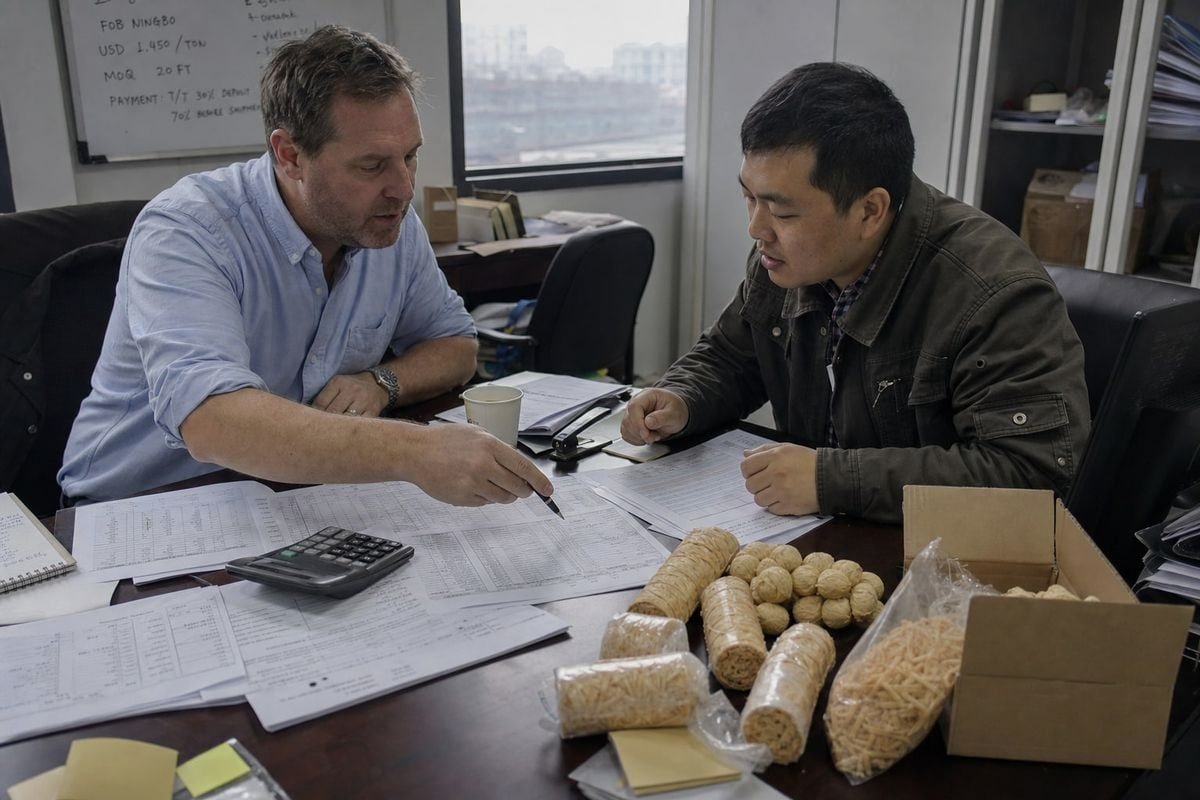
El mayor error que veo es que los compradores negocian el precio ex-fábrica de forma aislada. Su número real es el costo de llegada. Elabore una hoja de costos completa antes de enviar su primer correo electrónico. Incluya el costo del producto, flete, seguro, aranceles, corretaje y tarifas de canal. Los Incoterms y los costos de envío cambian significativamente las matemáticas: un en productos de marca puede perder su ventaja después de que se acumulan los aranceles y la prima de marca. En nuestra experiencia, los vendedores de comercio electrónico sienten esto más, porque su verdadero campo de batalla es el diseño del empaque y la visibilidad en las búsquedas, no el reconocimiento de marca heredado. Ahí es exactamente donde gasta su dinero la etiqueta privada. 4 que parece barato puede resultar caro una vez que se agregan el flete marítimo y los cargos de destino. Conozca su número de retirada antes de negociar.
Obtenga cotizaciones comparables primero
Envíe la misma hoja de especificaciones composición, tamaño, tiempo de combustión, empaque a tres o cinco fábricas verificadas. Solo las especificaciones idénticas le dan un poder de negociación real. La licitación competitiva en contextos mayoristas puede reducir los costos significativamente, pero no revele su techo presupuestario temprano, y nunca mienta con números de competidores falsos. Las fábricas experimentadas pueden darse cuenta.
Agrupe, no apriete
El precio unitario es una palanca entre muchas. En mi experiencia, el precio mayorista a granel mejora más rápido cuando ofrece algo que la fábrica valora a cambio:
| Ofreces | Lo que pides |
|---|---|
| Depósito del 30-50% antes de la producción | Precio unitario más bajo o capacidad reservada |
| Pronóstico rodante de 12 meses | Precios escalonados y programación prioritaria |
| Compromiso de pedido repetido o multitemporada | Cantidad mínima de pedido reducida en la primera ejecución |
| Empaque simple en el pedido de prueba | Impresión de logotipo gratuita o tarifas de muestra exentas |
| Envíos individuales más grandes | Mejores términos de pago, como saldo después de la inspección |
Proteja la calidad mientras negocia
Una pastilla más barata que arde durante seis minutos en lugar de diez matará sus reseñas. Bloquee especificaciones escritas 5: relación de fibra de madera y parafina, contenido de humedad, dimensiones y tiempo mínimo de combustión. Requiere pruebas de tiempo de combustión previas al envío en muestras aleatorias del lote real. En nuestra fábrica, realizamos verificaciones de lote a lote precisamente porque la primera muestra debe coincidir con el contenedor número diez, y su contrato debe exigir lo mismo. Vincule el pago del saldo a la aprobación de control de calidad o a una inspección de terceros. Agregue una cláusula de reparación para productos defectuosos. De esa manera, una concesión de precio nunca se convierte en una concesión de calidad.
¿Qué plazos de entrega debería fijar antes de que llegue la temporada alta?
Una marca de camping de EE. UU. nos envió un correo electrónico a fines de septiembre solicitando un contenedor completo para principios de noviembre. Tuvimos que decir que no: nuestras líneas estaban completamente reservadas por compradores que se habían comprometido en junio.
Reserve los espacios de producción entre 90 y 120 días antes de la temporada alta, dirigidos a pedidos confirmados en junio o julio para entrega en el cuarto trimestre. Presupueste entre 25 y 40 días para la producción más entre 30 y 40 días para el transporte marítimo, y asegure la programación prioritaria con un depósito y una previsión continua.
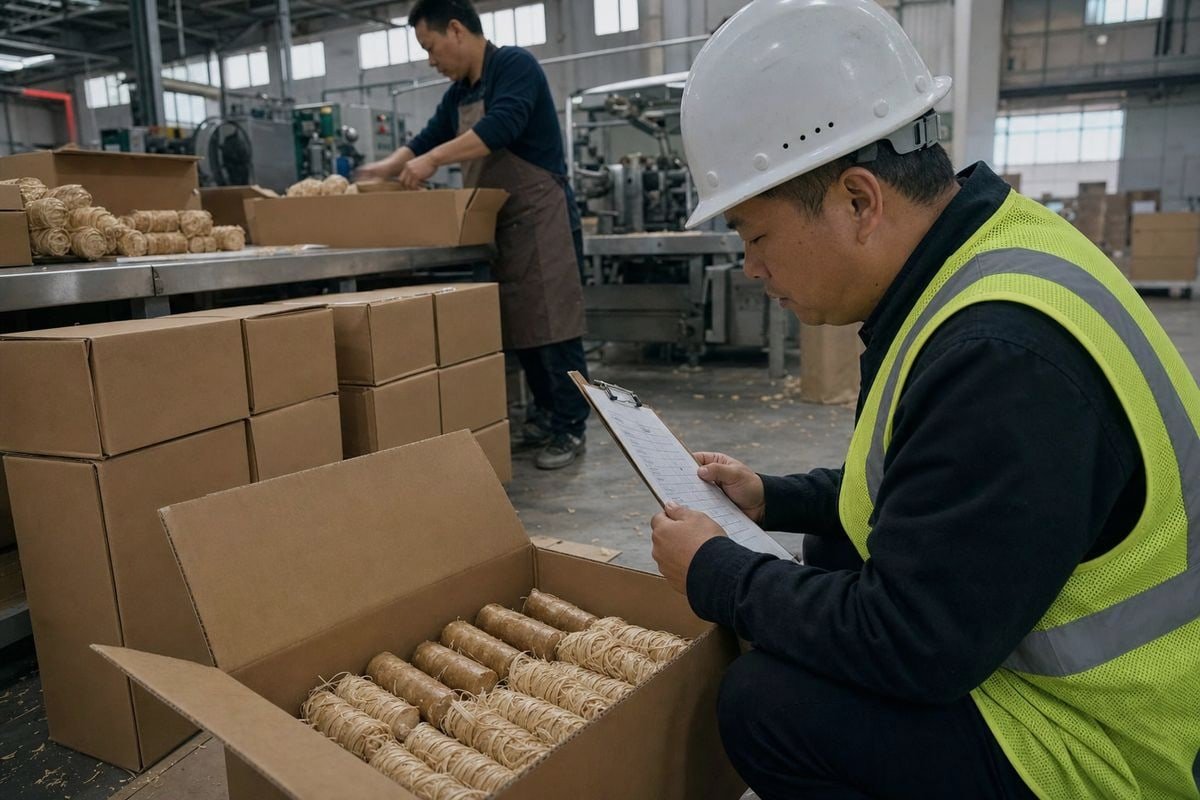
Los iniciadores de fuego son brutalmente estacionales. La demanda se dispara para la temporada de chimeneas, la venta minorista navideña y el campamento de invierno, todo a la vez. Eso significa que cada comprador quiere las mismas semanas de producción. La gestión del tiempo de entrega no es un detalle logístico aquí. Es la diferencia entre estantes llenos en noviembre y disculparse con sus socios minoristas.
Trabaje hacia atrás desde su fecha de estante
Aquí está el cronograma que explico a los compradores:
| Hito | Momento antes de la fecha de estante |
|---|---|
| Finalizar especificaciones y aprobar muestras | 150–180 días |
| Confirmar pedido y pagar depósito | 120–150 días |
| Tirada de producción | 90–120 días |
| Inspección previa al envío y pruebas de tiempo de combustión | 85–90 días |
| Flete marítimo y despacho de aduanas | 45–85 días |
| Entrega terrestre a su centro de distribución | 30–45 días |
Observe lo rápido que desaparece el margen. Una aprobación de muestra retrasada en julio se convierte en una entrega perdida en noviembre.
Utilice el tiempo fuera de temporada como palanca
Las fábricas tienen planificación de la capacidad de fabricación 6 problemas inversos durante la primavera y principios del verano: las líneas se subutilizan. Negocie entonces. A menudo obtendrá mejores precios, tarifas de urgencia exentas y espacios garantizados simplemente porque su pedido llena un período tranquilo. Proporcione un pronóstico rodante de 12 meses al menos 90 días antes de que comience la temporada alta. Los proveedores recompensan la visibilidad del pronóstico con programación prioritaria porque les permite comprar materias primas —lana de madera, cera de parafina— antes de que los precios de las materias primas se disparen.
Construya una red de seguridad
Evalúe al menos un fabricante secundario. Es posible que nunca los utilice, pero una copia de seguridad calificada lo protege de interrupciones y fortalece su posición de negociación. Aclare también los Incoterms con anticipación; FOB frente a DDP cambia quién controla el cronograma de envío, y durante los meses de mayor flete, ese control importa.
¿Cuánta personalización puedo solicitar para mi empaque de marca privada?
Cuando desarrollamos una caja minorista para un distribuidor europeo de chimeneas el año pasado, el proyecto cubrió todo, desde el gráfico de la llama hasta la colocación del código de barras. Ese alcance los sorprendió, gratamente.
Con un proveedor OEM/ODM capaz, puedes personalizar casi todo: diseño de la caja, colores de marca, logotipos, lemas, recuentos de piezas, embalaje interior, cajas de exhibición, etiquetas de advertencia, códigos de barras y texto de cumplimiento multilingüe. Empieza de forma sencilla con pedidos de prueba, luego mejora el embalaje una vez que la demanda esté probada.
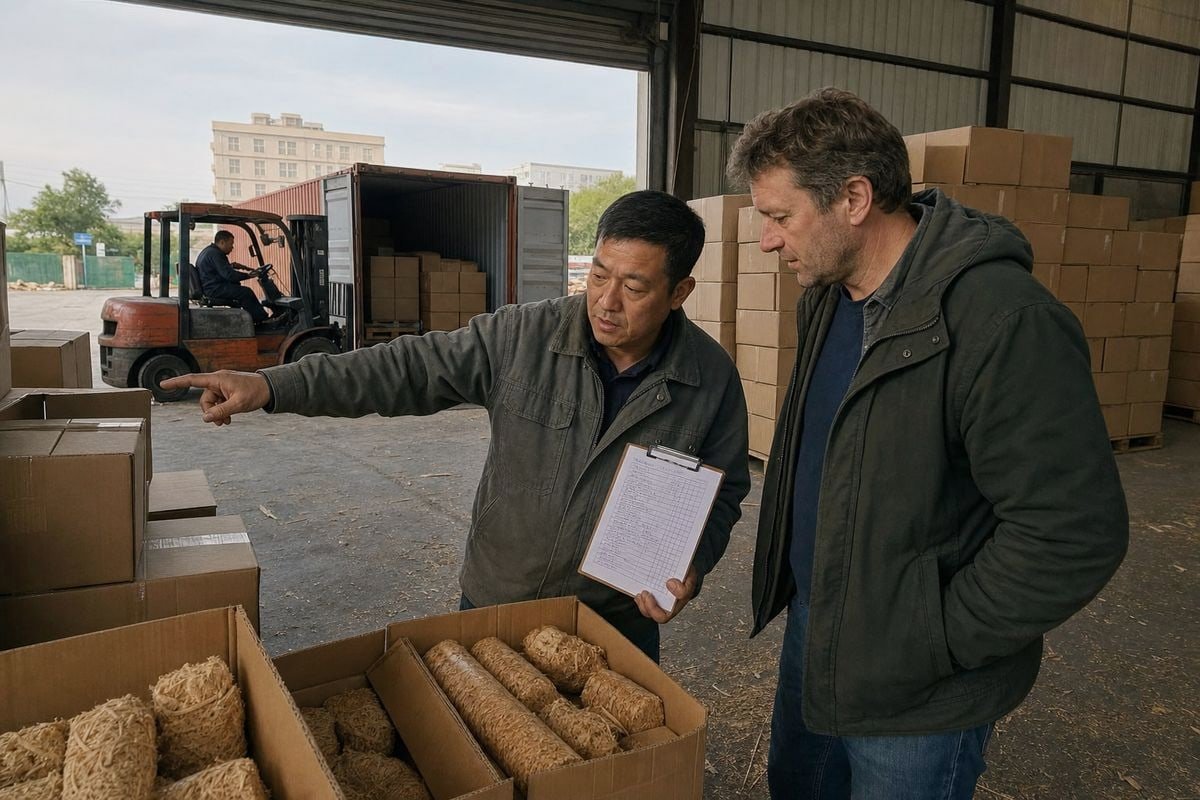
Etiqueta privada significa que el producto es suyo en todos los aspectos visibles. En nuestras propias líneas, nos encargamos del diseño completo de empaques personalizados —cajas minoristas impresas, bolsas de papel kraft, frascos, cartones listos para exhibir— además de los detalles regulatorios que los compradores a menudo olvidan, como etiquetas de advertencia 7 y códigos de barras específicos del mercado. Una fábrica real puede hacer todo esto internamente. Una empresa comercial generalmente no puede, y la calidad del empaque lo demuestra.
Qué puede personalizar de forma realista
Esto es lo que hay que poner sobre la mesa:
- Arte de la caja minorista: su logotipo, colores, lemas y gráficos de llamas, impresos según su guía de marca.
- Número de piezas y formato: 24, 50 o 100 piezas por caja; discos individuales, rollos o kits mixtos.
- Especificaciones del producto: tamaño del disco, relación fibra de madera a parafina y tiempo de combustión objetivo.
- Embalaje interior: envoltorio retráctil, bandejas de papel o relleno suelto.
- Elementos de cumplimiento: texto de advertencia, etiquetado de composición, códigos de barras y paneles multilingües para mercados de la UE.
- Cartones de exhibición listos para estante para programas minoristas de grandes almacenes.
Fase su inversión en empaques
Las planchas de impresión personalizadas y los troqueles cuestan dinero y agregan presión de MOQ. Así que fasealo. Pida su primera tirada con una caja de stock simple más una etiqueta o manga impresa. Pruebe la venta. Luego pase a cajas personalizadas completamente impresas en pedidos posteriores, cuando el volumen justifique las herramientas. Este enfoque reduce su riesgo y le brinda un segundo punto de negociación natural: los proveedores a menudo absorben los costos de las planchas para un pedido posterior confirmado más grande.
Una advertencia: siempre exija una muestra de empaque física, no solo una prueba digital. Los colores cambian entre la pantalla y la prensa, y los protocolos de garantía de calidad deben cubrir los defectos de empaque —esquinas aplastadas, impresiones erróneas, recubrimientos rayados— con el mismo rigor que el rendimiento de combustión.
Conclusión
La negociación tardía cuesta margen, stock y espacio en el estante. Prepárese con anticipación: verifique las certificaciones, conozca su costo de llegada, agrupe los términos, reserve espacios para el verano y documente todo. Así es como se construyen acuerdos sólidos de etiqueta privada.
Notas al pie
1. Página de aterrizaje oficial de amfori para el programa de auditoría social BSCI. ↩︎
2. Guía oficial de la Oficina de Aduanas y Protección Fronteriza de EE. UU. sobre requisitos y procedimientos básicos de importación. ↩︎
3. El líder de la industria SGS explica la importancia de los informes de certificación y verificación de productos. ↩︎
4. Página de la Cámara de Comercio Internacional que define los estándares globales para los términos comerciales utilizados en las negociaciones. ↩︎
5. Entrada de Wikipedia para especificaciones técnicas utilizadas para definir los requisitos del producto en la fabricación. ↩︎
Resumen de Wikipedia sobre cómo las fábricas gestionan el volumen de producción y la programación. ↩︎
Requisitos oficiales del gobierno de EE. UU. para el etiquetado de advertencia en productos de consumo. ↩︎


 English
  Spanish
  German
  French
  Arabic
  Portuguese
Únete a la conversación