







Jeden August füllt sich unser Produktionskalender schnell. Käufer, die privat gekennzeichnete Holzfeueranzünder spät verhandeln, sehen sich mit Eilzuschlägen, verpassten Terminen und dünnen Margen konfrontiert. Es gibt einen besseren Weg, und er beginnt Monate früher.
Um Private-Label-Holzanzünder vor der Hochsaison auszuhandeln, verifizieren Sie zuerst Zertifizierungen, kommen Sie mit einem Ziel für die Landungskosten und mehreren Angeboten, tauschen Sie Handelsvolumenverpflichtungen und Anzahlungen gegen bessere MOQ und Preise, sichern Sie Produktionsplätze 90–120 Tage im Voraus und dokumentieren Sie jede Bedingung in einer schriftlichen Bestellung.
Lassen Sie mich das aufschlüsseln, so wie ich es Käufern erkläre, die unsere Fabrik besuchen. Wir werden Zertifizierungen, MOQ und Preise, Lieferzeiten und Verpackungsanpassungen behandeln – in dieser Reihenfolge, denn so wird ein kluger Deal aufgebaut.
Welche Zertifizierungen sollte ich überprüfen, bevor ich eine Private-Label-Vereinbarung unterzeichne?
Während einer Werksprüfung vor einigen Jahren fragte uns ein deutscher Händler nach unserem BSCI-Bericht 1 bevor er überhaupt nach einem Preis fragte. Das lehrte mich, wo ernsthafte Käufer anfangen.
Bevor Sie einen Private-Label-Vertrag für Holzanzünder unterzeichnen, überprüfen Sie das Qualitätsmanagement nach ISO 9001, die soziale Konformität nach BSCI, die CE-Kennzeichnung für die EU und Testberichte von Drittanbietern von SGS oder Intertek. Für auf Nachhaltigkeit ausgerichtete Einzelhändler fordern Sie außerdem eine FSC-Zertifizierung oder eine dokumentierte Transparenz bei der Holzbeschaffung an.

Zertifizierungen sind keine Papiere. Sie sind Ihr rechtlicher Schutz, wenn Ihr Markenname auf der Verpackung steht. Bei Eigenmarken tragen Sie die Haftung im Regal, nicht die Fabrik. Wenn eine Charge eine Zollkontrolle 2 oder eine Händlerprüfung nicht besteht, landen die Geldstrafe und der Rückruf bei Ihnen. Deshalb sage ich Käufern immer: Prüfen Sie die Dokumente, bevor Sie die Preise prüfen.
Die wichtigsten Dokumente, die Sie anfordern sollten
Fragen Sie nach diesen vier Dingen und fragen Sie schriftlich danach:
| Zertifizierung | Was es beweist | Wer verlangt es |
|---|---|---|
| ISO 9001 | Die Fabrik betreibt ein dokumentiertes Qualitätsmanagementsystem | Die meisten großen Einzelhändler und Importeure |
| BSCI | Ethische Arbeits- und Sozialverträglichkeit am Produktionsstandort | EU-Handelsketten, US-Großhandelskäufer |
| CE / Prüfberichte (SGS, Intertek) | Das Produkt erfüllt Sicherheits- und Leistungsstandards | EU-Markteintritt, Einzelhandelslistungen |
| FSC-Zertifizierung oder Beschaffungsberichte | Holzfasern stammen aus verantwortungsvoll bewirtschafteten Quellen | Nachhaltigkeitsorientierte Marken und Einzelhändler |
An unserem Produktionsstandort in Ningbo halten wir aktuelle Kopien aller Prüfberichte auf Lager, da Käufer aus den USA, Deutschland und Großbritannien diese bei fast jedem Angebot anfordern. Ein Lieferant, der zögert, Berichte weiterzugeben, sagt Ihnen etwas.
Wie man verifiziert, nicht nur sammelt
Führen Sie drei einfache Prüfungen durch. Erstens: Bestätigen Sie, dass der Name des Zertifikatsinhabers mit dem Namen der Fabrik in Ihrem Vertrag übereinstimmt – Handelsunternehmen leihen sich manchmal Dokumente. Zweitens: Überprüfen Sie die Ablaufdaten; eine abgelaufene BSCI-Prüfung ist nichts wert. Drittens: Bitten Sie die Prüflabor 3 den Bericht direkt zu bestätigen. SGS und Intertek überprüfen beide Berichte auf Anfrage. Dies erfordert eine E-Mail und kann Ihnen einen Container unverkäuflicher Ware ersparen.
Sie können Zertifizierungen auch in Ihre Verhandlungen einbeziehen. Die Anforderung von Transparenz bei Nachhaltigkeitsdaten – wie z. B. FSC-Beschaffungsberichte – als Bedingung für langfristige Exklusivität gibt dem Lieferanten einen Grund, in Ihr Konto zu investieren.
Wie verhandle ich MOQ und Preise, ohne die Qualität zu beeinträchtigen?
Ein Kompromiss, den ich bei jedem neuen Käufer abwäge, ist dieser: Eine niedrige MOQ für die erste Bestellung kostet uns Umrüstungszeit, aber sie gewinnt uns ein langfristiges Konto. Gute Lieferanten denken auch so.
MOQ und Preise verhandeln, indem Sie ein Ziel für die Landekosten präsentieren, drei bis fünf Angebote mit identischen Spezifikationen vergleichen und Konditionen bündeln – Mengenstaffelungen, Anzahlungen und Wiederbestellungsverpflichtungen –, anstatt nur den Stückpreis zu drücken. Schützen Sie die Qualität mit genehmigten Mustern, schriftlichen Spezifikationen und einer Zahlung, die an die Inspektion gebunden ist.
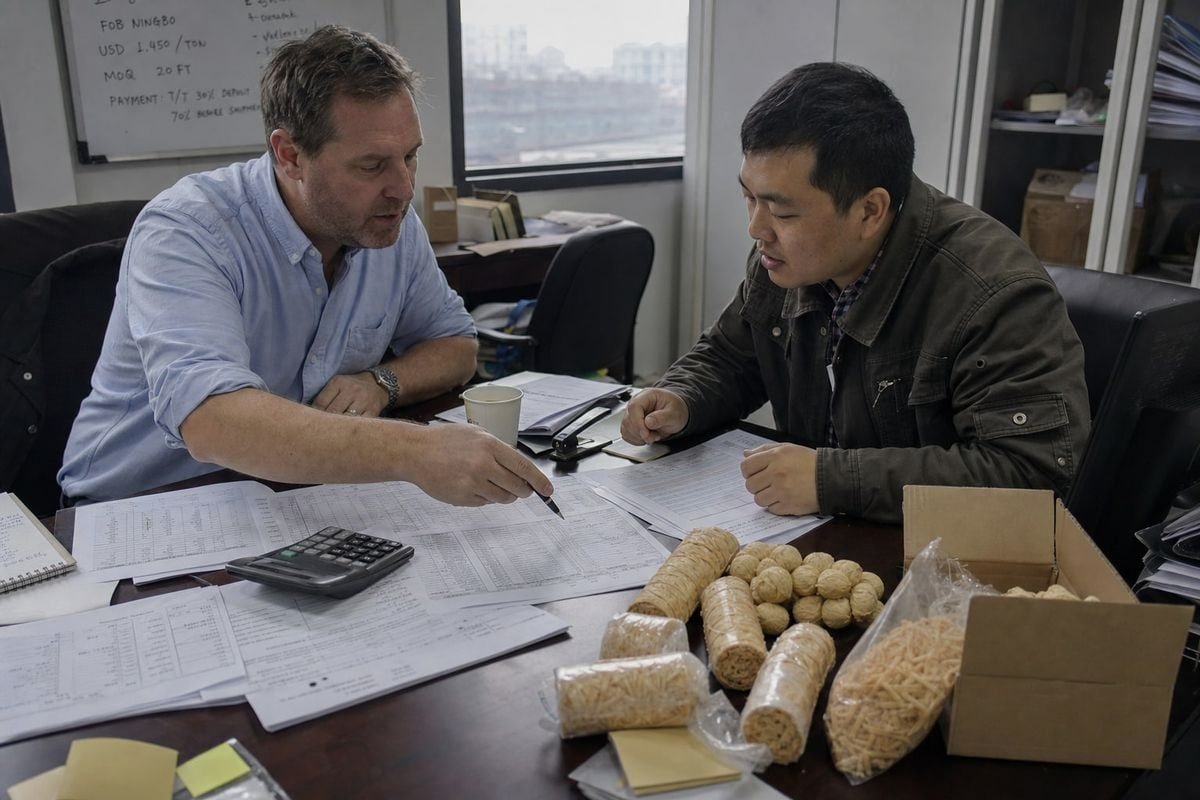
Der größte Fehler, den ich sehe, ist, dass Käufer den ab Werk Preis isoliert verhandeln. Ihre tatsächliche Zahl ist der Ankunftskostenpreis. Erstellen Sie vor dem Versenden Ihrer ersten E-Mail ein vollständiges Kostenblatt. Berücksichtigen Sie Produktkosten, Fracht, Versicherung, Zölle, Maklergebühren und Kanalgebühren. Incoterms und Versandkosten ändern die Rechnung erheblich – ein FOB-Preis 4 das billig aussieht, kann teuer werden, sobald Seefracht und Zielgebühren hinzugefügt werden. Kennen Sie Ihre Ausstiegszahl, bevor Sie verhandeln.
Holen Sie zuerst vergleichbare Angebote ein
Senden Sie das gleiche Lastenheft – Zusammensetzung, Größe, Brenndauer, Verpackung – an drei bis fünf geprüfte Fabriken. Nur identische Spezifikationen geben Ihnen echten Verhandlungsspielraum. Wettbewerbsausschreibungen im Großhandel können die Kosten erheblich senken, aber enthüllen Sie nicht frühzeitig Ihre Budgetobergrenze und bluffen Sie niemals mit gefälschten Konkurrenzzahlen. Erfahrene Fabriken können das erkennen.
Bündeln, nicht quetschen
Der Stückpreis ist ein Hebel von vielen. Meiner Erfahrung nach verbessert sich der Großhandelsgroßhandelspreis am schnellsten, wenn Sie im Gegenzug etwas anbieten, das die Fabrik schätzt:
| Sie bieten | Sie fragen nach |
|---|---|
| 30–50% Anzahlung vor der Produktion | Niedrigerer Stückpreis oder reservierte Kapazität |
| 12-monatige rollierende Prognose | Gestaffelte Preise und bevorzugte Terminplanung |
| Wiederholungsbestellung oder Mehrsaisonen-Verpflichtung | Reduzierte Mindestbestellmenge bei der ersten Auflage |
| Einfache Verpackung bei der Testbestellung | Kostenloser Logodruck oder erlassene Mustergebühren |
| Größere einzelne Sendungen | Bessere Zahlungsbedingungen, wie z. B. Restzahlung nach Inspektion |
Schützen Sie die Qualität während der Verhandlung
Ein billigerer Puck, der sechs Minuten statt zehn brennt, wird Ihre Bewertungen ruinieren. Legen Sie schriftliche Spezifikationen fest schriftliche Spezifikationen 5: Verhältnis von Holzfaser zu Paraffin, Feuchtigkeitsgehalt, Abmessungen und minimale Brenndauer. Verlangen Sie vor dem Versand Tests der Brenndauer an zufälligen Proben aus der tatsächlichen Charge. In unserer Fabrik führen wir Chargen-zu-Chargen-Kontrollen durch, gerade weil die erste Probe mit Container Nummer zehn übereinstimmen muss – und Ihr Vertrag sollte dasselbe verlangen. Binden Sie die Restzahlung an die Qualitätskontrollgenehmigung oder eine Inspektion durch Dritte. Fügen Sie eine Nachbesserungsklausel für defekte Waren hinzu. Auf diese Weise wird eine Preiskonsession niemals zu einer Qualitätskonsession.
Welche Vorlaufzeiten sollte ich vor der Hochsaison festlegen?
A US camping brand once emailed us in late September asking for a full container by early November. We had to say no — our lines were fully booked by buyers who had committed in June.
Produktionsplätze 90–120 Tage vor der Hauptsaison sichern, mit Zielrichtung auf bestätigte Bestellungen bis Juni oder Juli für die Lieferung im 4. Quartal. Planen Sie 25–40 Tage für die Produktion plus 30–40 Tage für den Seefrachttransport ein und sichern Sie sich eine Prioritätsplanung mit einer Anzahlung und einer rollierenden Prognose.
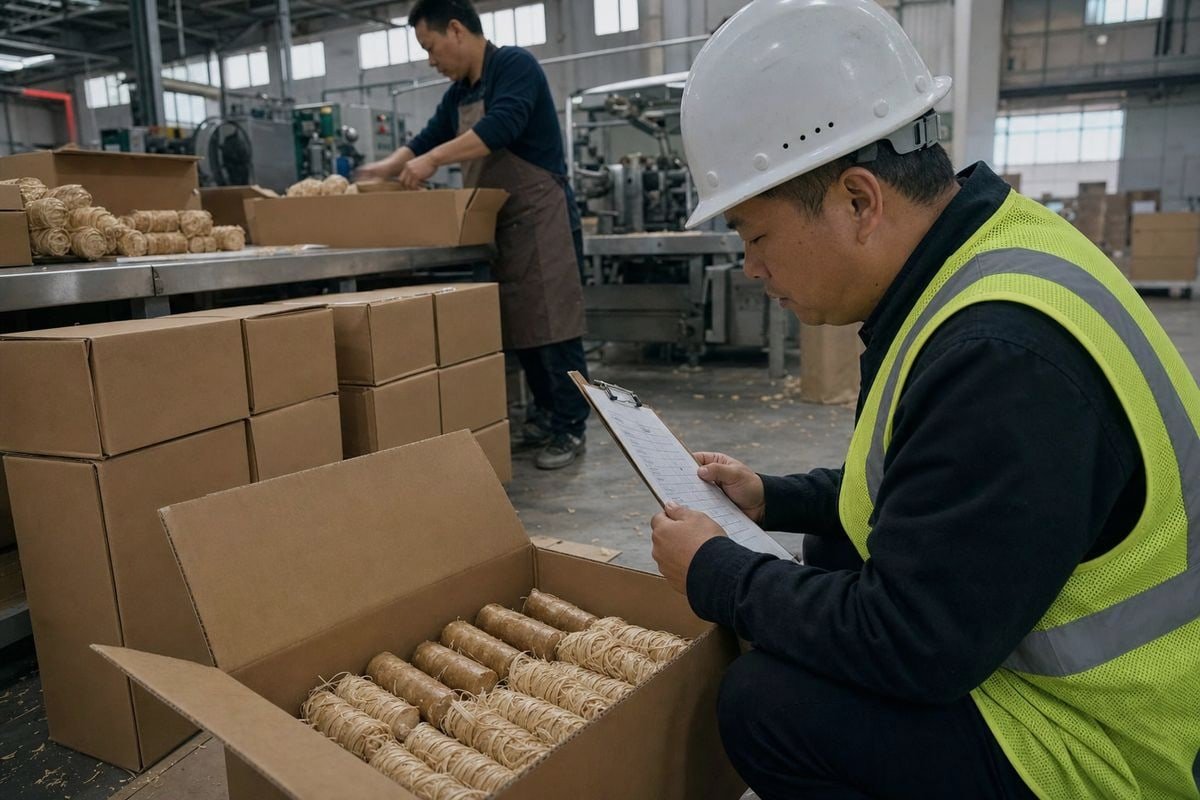
Fire starters are brutally seasonal. Demand spikes for fireplace season, holiday retail, and winter camping — all at once. That means every buyer wants the same production weeks. Lead time management is not a logistics detail here. It is the difference between full shelves in November and apologizing to your retail partners.
Rückwärtsrechnen vom Regaldatum
Here is the timeline I walk buyers through:
| Meilenstein | Timing Before Shelf Date |
|---|---|
| Finalize specs and approve samples | 150–180 days |
| Confirm PO and pay deposit | 120–150 days |
| Production run | 90–120 days |
| Pre-shipment inspection and burn time testing | 85–90 days |
| Ocean freight and customs clearance | 45–85 days |
| Inland delivery to your DC | 30–45 Tage |
Notice how fast the buffer disappears. One delayed sample approval in July becomes a missed November delivery.
Use Off-Peak Timing as Leverage
Factories have manufacturing capacity planning 6 problems in reverse during spring and early summer — lines sit underused. Negotiate then. You will often get better pricing, waived rush fees, and guaranteed slots simply because your order fills a quiet period. Provide a 12-month rolling forecast at least 90 days before peak season starts. Suppliers reward forecast visibility with priority scheduling because it lets them buy raw materials — wood wool, paraffin wax — before commodity prices spike.
Build in a Safety Net
Vet at least one secondary manufacturer. You may never use them, but a qualified backup protects you from disruptions and strengthens your negotiating position. Also clarify Incoterms early; FOB versus DDP changes who controls the shipping schedule, and during peak freight months, that control matters.
Wie viel Anpassung kann ich für meine Eigenmarkenverpackung anfordern?
When we developed a retail box for a European fireplace distributor last year, the project covered everything from the flame graphic to the barcode placement. That scope surprised them — pleasantly.
Mit einem fähigen OEM/ODM-Lieferanten können Sie fast alles anpassen: Boxdesign, Markenfarben, Logos, Slogans, Stückzahlen, Innenverpackung, Displaykartons, Warnhinweise, Barcodes und mehrsprachige Compliance-Texte. Beginnen Sie einfach mit Probebestellungen und rüsten Sie die Verpackung auf, sobald die Nachfrage nachgewiesen ist.
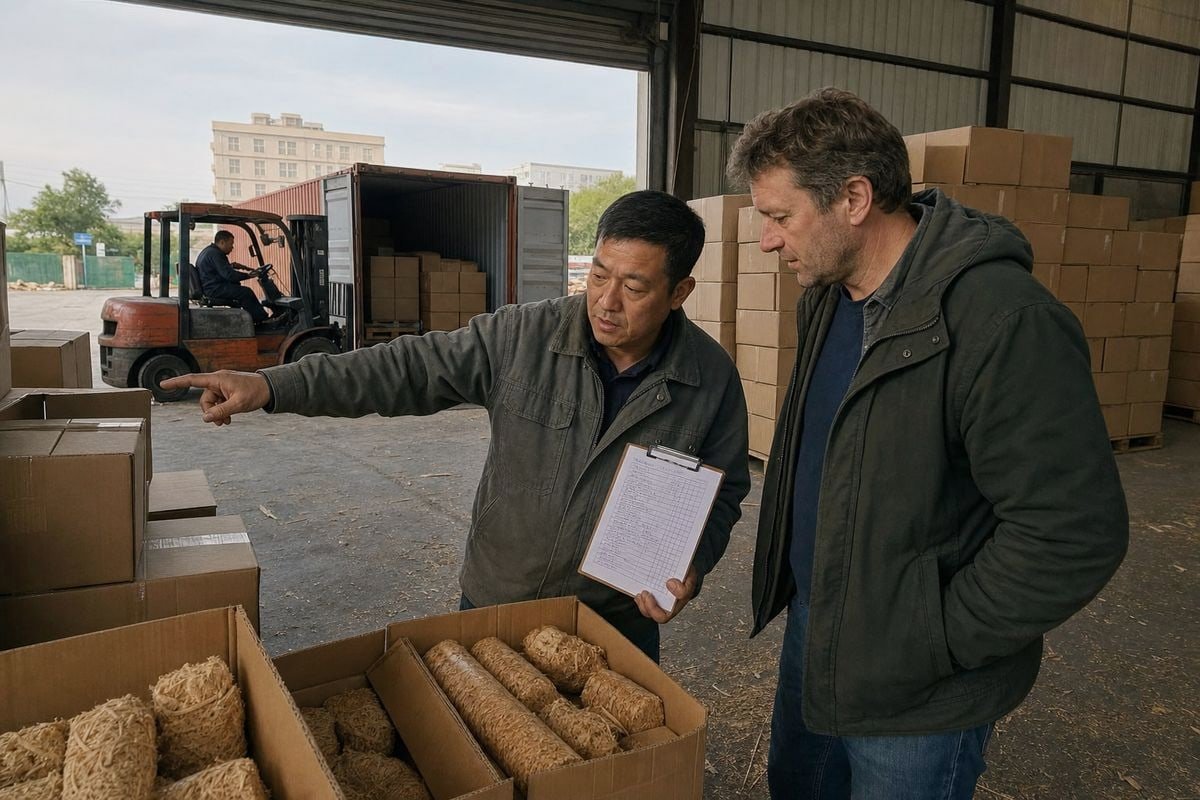
Private label means the product is yours in every visible way. On our own lines, we handle full custom packaging design — printed retail boxes, kraft bags, jars, display-ready cartons — plus the regulatory details buyers often forget, like Warnhinweise 7 and market-specific barcodes. A true factory can do all of this in-house. A trading company usually cannot, and the packaging quality shows it.
Was Sie realistisch anpassen können
Here is what to put on the table:
- Retail box artwork — your logo, colors, taglines, and flame graphics, printed to your brand guide.
- Piece count and format — 24, 50, or 100 pieces per box; individual pucks, rolls, or mixed kits.
- Product specs — puck size, wood fiber to paraffin ratio, and target burn time.
- Inner packaging — shrink wrap, paper trays, or loose fill.
- Compliance elements — warning text, composition labeling, barcodes, and multilingual panels for EU markets.
- Shelf-ready display cartons for big-box retail programs.
Phase Your Packaging Investment
Custom printing plates and dies cost money and add MOQ pressure. So phase it. Order your first run with a simple stock box plus a printed label or sleeve. Test sell-through. Then move to fully printed custom boxes on reorder, when volume justifies the tooling. This approach lowers your risk and gives you a natural second negotiation point — suppliers often absorb plate costs for a confirmed larger reorder.
One caution: always demand a physical packaging sample, not just a digital proof. Colors shift between screen and press, and quality assurance protocols should cover packaging defects — crushed corners, misprints, scuffed coatings — with the same rigor as burn performance.
Schlussfolgerung
Late negotiation costs margin, stock, and shelf space. Prepare early: verify certifications, know your landed cost, bundle terms, lock slots by summer, and document everything. That is how strong private-label deals are built.
Fußnoten
1. Official amfori landing page for the BSCI social audit program. ↩︎
2. Official U.S. Customs and Border Protection guide on basic importing requirements and procedures. ↩︎
3. Industry leader SGS explains the importance of product certification and verification reports. ↩︎
4. International Chamber of Commerce page defining the global standards for trade terms used in negotiations. ↩︎
5. Wikipedia entry for technical specifications used to define product requirements in manufacturing. ↩︎
6. Wikipedia overview of how factories manage production volume and scheduling. ↩︎
7. Official U.S. government requirements for cautionary labeling on consumer products. ↩︎



 English
  Spanish
  German
  French
  Arabic
  Portuguese
Diskutieren Sie mit