






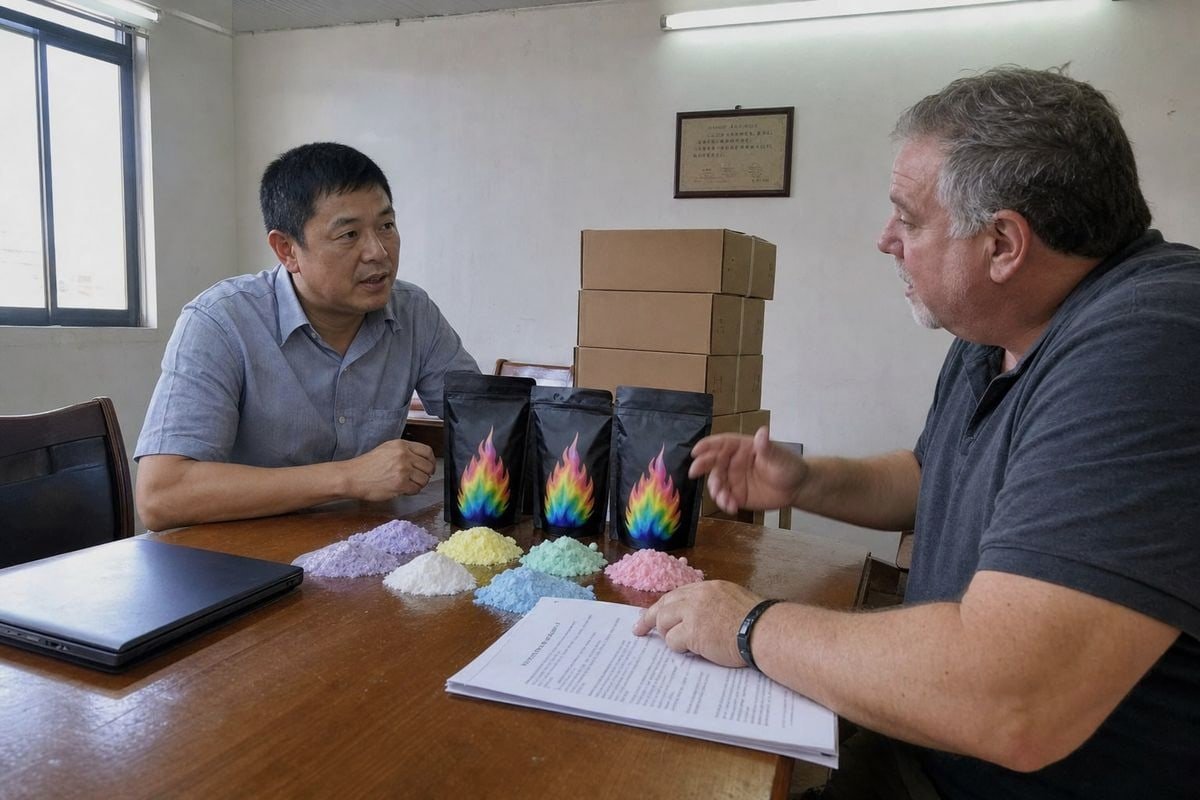
Negotiating exclusive regional distribution rights for Magic Fire Powder can make or break your market Certificación de calidad ISO 9001 1. On our production line, I have watched buyers win big — and lose everything — on this one clause.
To negotiate exclusive regional distribution rights for Magic Fire Powder, verify the supplier's certifications and factory status first, then tie exclusivity to annual minimum order quantities, define the territory and online channels precisely, and sign a China-enforceable contract with performance triggers, IP protection, and clear termination rights.
That answer is the framework. The details decide whether it works. Below, I walk through each stage of the negotiation, using what I have learned shipping color-flame products to distributors in more than thirty countries.
What certifications should I verify before requesting exclusive rights from a Magic Fire Powder manufacturer?
A German distributor once asked us for nationwide exclusivity before he had seen a single test report Marcado CE 2. I told him to slow down. In our Liuyang headquarters, compliance paperwork comes before any exclusivity talk.
Before requesting exclusivity, verify ISO 9001 quality certification, BSCI social audit results, CE marking where applicable, and third-party SGS or Intertek test reports. Also demand a localized Safety Data Sheet (SDS) and confirm the supplier's business license lists manufacturing in its business scope.
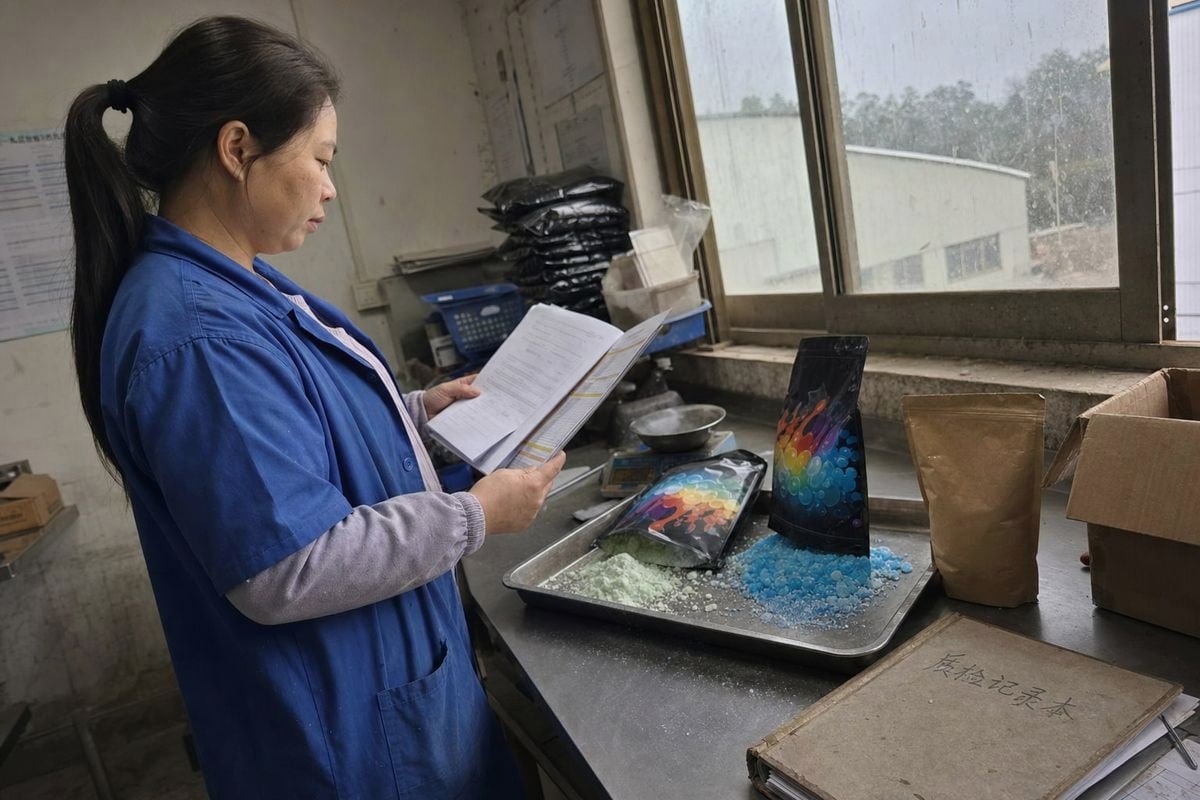
Here is the hard truth about a flame-coloring consumer product: it is not a generic novelty item. Customs authorities may classify it as a chemical preparation, and retailers in the US and EU will ask for safety documentation before they stock it. If your supplier cannot produce that paperwork, your exclusive territory is worthless, because you cannot legally sell in it.
Los documentos centrales a exigir
Start with the factory itself. Check the supplier's registration on the National Enterprise Credit Information Publicity System 3. Confirm the business scope covers manufacturing, not just trading. A trading company reselling someone else's powder cannot guarantee formula consistency, and it cannot honestly grant you exclusivity either, because it does not control production.
Then move to product-level compliance. In our experience exporting to the US, Germany, and the UK, buyers who skip this step face customs holds and retailer rejections later.
| Documento | Lo Que Demuestra | Why It Matters for Exclusivity |
|---|---|---|
| Certificado ISO 9001 | Sistema de gestión de calidad | Batch-to-batch consistency across your whole term |
| Informe de auditoría BSCI | Cumplimiento social y ético | Required by major Western retail chains |
| Informes de prueba SGS / Intertek | Seguridad y composición del producto | Admite el despacho de aduanas y la incorporación de minoristas |
| Hoja de datos de seguridad 4 (SDS) | Chemical handling and hazard data | Legally required for import in most markets |
| Documentación CE (cuando corresponda) | Conformidad del mercado de la UE | Enables lawful sale across your EU territory |
| Business license with manufacturing scope | Genuine factory status | Confirms the supplier can actually deliver on exclusivity |
One smart negotiation move: ask for regulatory exclusivity. That means the supplier provides localized SDS documents and test reports issued solely for your use in your territory. It raises the barrier for gray-market competitors who cannot show compliant paperwork. When our clients request this, we treat it as a sign they are serious partners, and it strengthens their case for territorial exclusivity.
Consider a factory audit before signing. A one-day third-party audit costs little compared to a three-year exclusive commitment built on a supplier who cannot pass retailer vetting.
How do I structure a minimum order quantity agreement that protects my exclusive territory?
There is a trade-off I weigh in every exclusivity discussion: the buyer wants a low Minimum Order Quantity (MOQ) to reduce risk, while we need volume commitments high enough to justify turning away other distributors in that region. Both sides have a point.
Structure the MOQ agreement as tiered annual performance milestones: a modest trial-year quantity, rising minimums in years two and three, quarterly reporting, and automatic conversion from exclusive to non-exclusive status if targets are missed. This protects your territory while keeping the supplier committed.
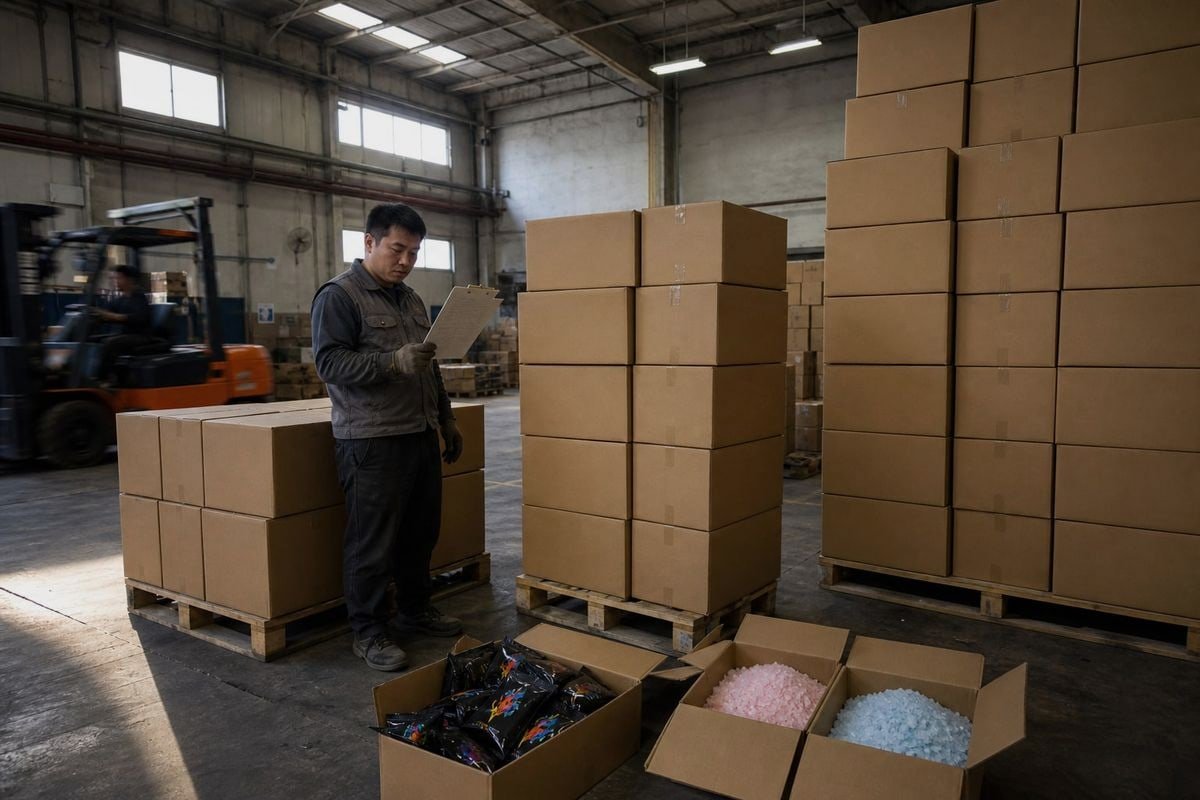
The dominant advice in China distribution deals is consistent: exclusivity should be earned every year, not granted once and forgotten. Minimum annual purchase guarantees are the price of territorial exclusivity. Here is how to build that structure so it protects you rather than traps you.
A tiered milestone model
A flat MOQ across all years is a mistake. Year one is a test-market period. You are building retail listings, running compliance checks, and educating customers about colored campfire flames. Sales will be slower. Year three should look completely different if the product works.
| Year | Propósito | Enfoque de MOQ | Exclusivity Status |
|---|---|---|---|
| Year 1 | Trial and market entry | Modest baseline volume, flexible trial-order MOQs | Exclusive, probationary |
| Year 2 | Growth and channel expansion | Meaningful increase over Year 1 | Exclusive if Year 1 target met |
| Year 3 | Scale and brand establishment | Full commercial volume | Exclusive, with renewal option |
At our factory, we deliberately keep trial-order MOQs flexible for first-time distribution partners. A buyer who can test the market with a reasonable first container is far more likely to hit year-two targets than one forced to overcommit upfront.
Protect yourself both ways
Your MOQ commitment should come with reciprocal supplier obligations. Negotiate these points together:
- Automatic downgrade, not termination. If you miss a milestone, exclusivity converts to non-exclusive rather than the whole agreement collapsing. You keep distribution rights and your inventory investment.
- Force majeure and supply-failure carve-outs. Missed targets caused by the supplier's late shipments or quality failures should not count against you.
- Quarterly reporting instead of surprise audits. Regular sales reports build trust and give both sides early warning.
- Clear Incoterms and payment terms. Specify FOB or CIF terms per order, and align payment terms with your cash cycle , totales de cartón 5, so MOQ volumes stay financeable.
- Carry-over provisions. If you exceed a target one year, part of the surplus should count toward the next year's minimum.
Set the targets high enough to be credible. A supplier who gives up all other buyers in your region for a token MOQ will resent the deal and look for ways around it. A fair number keeps everyone invested.
What contract terms should I negotiate to secure long-term exclusivity with my Chinese supplier?
A buyer from the Netherlands taught me a lesson years ago. He arrived at our Ningbo facility with a three-year marketing plan before he ever asked about exclusivity. We gave him better terms than any buyer who opened with demands. Relationships matter in China, but the contract still does the heavy lifting.
Negotiate a precisely defined territory including online channels, a three-to-five-year term with performance-based renewal, an NNN agreement, China trademark protection with a no-registration clause, allocated compliance responsibilities, and execution by the legal representative with the official company chop.
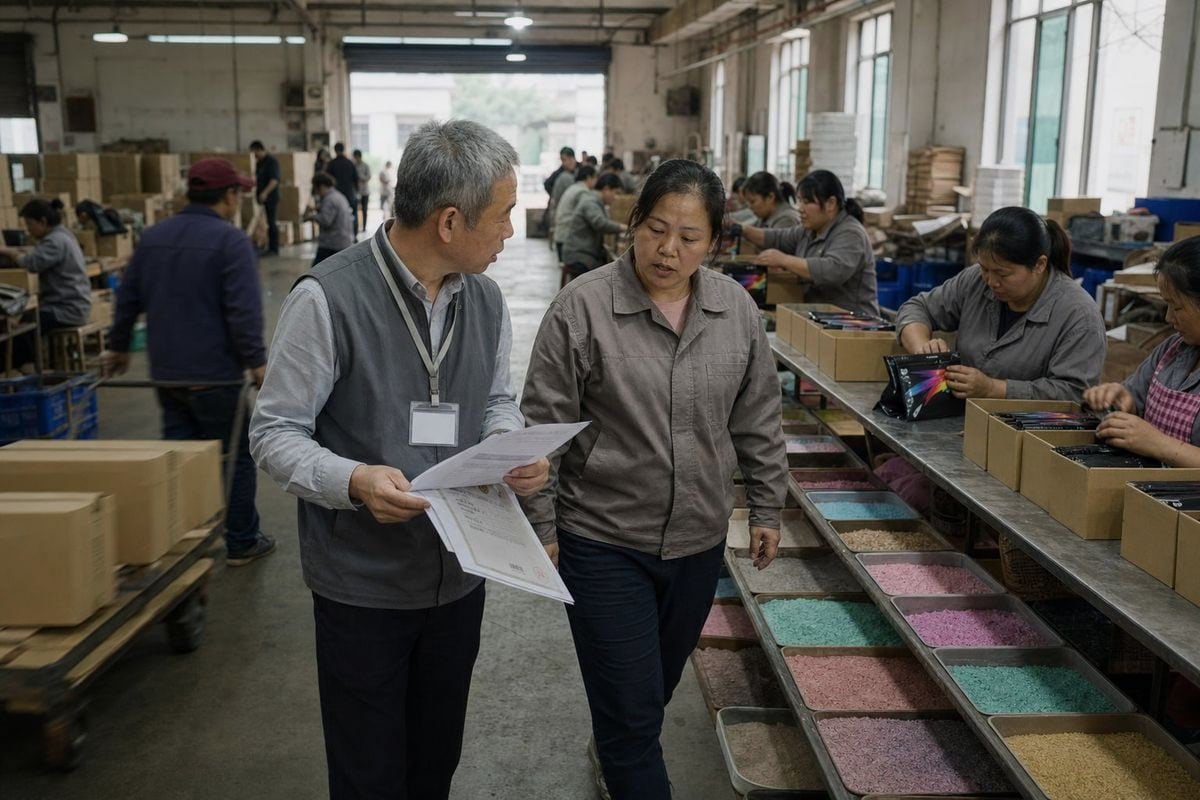
The exclusive distribution agreement is where vague promises become enforceable rights — or fail to. Let me break down the clauses that decide outcomes.
Define the territory tighter than the handshake
Territory disputes are the most common exclusivity conflict I see. "Europe" is not a territory definition. Your contract must name specific countries, and it must address digital channels explicitly. Does your exclusivity cover Amazon, eBay, and TikTok Shop sales into your region? Does it block the supplier's own cross-border e-commerce listings that ship to your customers? If the contract is silent, assume the answer will go against you. Also negotiate brand protection cooperation: the supplier should agree to help remove unauthorized gray-market listings of the product in your region.
The clauses that carry the weight
| Cláusula | What to Negotiate | Error común |
|---|---|---|
| Territory and channels | Named countries plus specific online platforms | Vague regional labels, no e-commerce language |
| Term and renewal | 3 years minimum, 5 if you invest heavily; renewal tied to performance | Open-ended terms with no exit path |
| IP protection | China trademark filed by you first; no-registration clause for the supplier | Letting the factory "handle" your trademark |
| Acuerdo NNN | Non-disclosure, non-use, non-circumvention under Chinese law | Using a standard Western NDA that Chinese courts ignore |
| Precios | Supplier export price list only | Minimum resale price mandates, which violate China's Anti-Monopoly Law 6 |
| Innovation rights | First option on new formulations and color variants | Ignoring R&D pipeline entirely |
| Termination and exit | Inventory buy-back, sell-off period, return of IP assets | No transition plan after termination |
| Execution formalities | Correct Chinese entity name, authorized signatory, company chop | Signing with a sales manager and no seal |
Two points deserve emphasis. First, China follows a first-to-file trademark rule 7. Register your brand and localized packaging marks in China before you share designs with anyone, and add a clause barring the supplier from registering your marks or anything similar. Second, replace your standard non-disclosure agreement (NDA) with a China-specific NNN agreement. The non-circumvention element is what stops a supplier from bypassing you and selling directly to your retail customers.
Term length should match your investment. Three years is the typical minimum for exclusive deals; five years is reasonable when you are funding retail placement, local inventory, and regulatory work. Just make sure renewal depends on both sides performing.
How can I confirm a supplier's production capacity will support my exclusive distribution commitments?
Early in our export history, we lost a promising partnership because a buyer doubted our capacity claims and we had no structured way to prove them. That failure changed how we operate. Today we invite capacity verification before any exclusivity is signed, and I recommend every buyer insist on it.
Confirm capacity through an on-site or third-party factory audit, verification of production lines and staffing, review of past export records to your region, sample-versus-bulk consistency testing, peak-season lead time commitments in writing, and annual social audits to satisfy retailer ESG requirements.
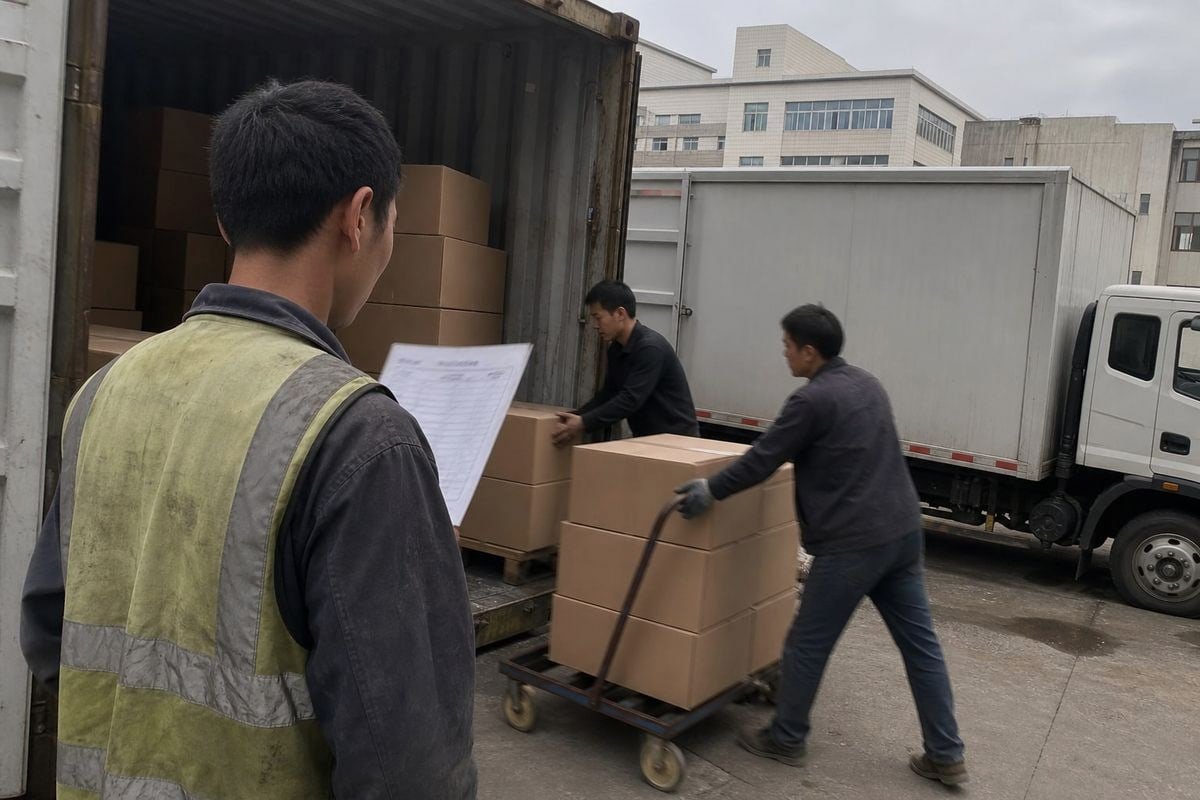
Think about what exclusivity really means for supply risk. You are betting your entire regional revenue on one factory's output. If that factory cannot scale, cannot hold quality through busy seasons, or quietly subcontracts your orders, your tiered MOQ plan collapses — and so does your credibility with retailers.
Verify, then trust
A structured verification process works better than promises. Here is the sequence I recommend to buyers evaluating any Magic Fire Powder supplier, including us:
- Commission a factory audit. Use a third party or visit yourself. Count production lines, check raw material storage, and observe quality control stations. A real factory with seventeen-plus years of operation looks and runs differently from a rented showroom.
- Match claimed capacity to evidence. Ask for production records, export documentation to markets like yours, and container loading photos from past peak seasons.
- Test sample-to-bulk consistency. Order a trial batch, then a larger follow-up, and compare flame color, granule size, and packaging quality. Strict batch-to-batch control is the single best predictor that mass production will match your approved sample.
- Lock lead times into the contract. Camping and fireplace products are seasonal. Get written commitments for standard and peak-season lead times, with remedies for delays.
- Schedule annual social audits. Major Western retailers increasingly demand supply chain transparency and ESG compliance 8. Annual BSCI-type audits keep your retail channels open and give you recurring visibility into the factory.
Also confirm private-label capability. If your exclusivity strategy depends on your own branding — custom pouches, display boxes, warning labels, barcodes — verify the factory can produce shelf-ready packaging in-house rather than outsourcing it. When we run OEM projects for outdoor and camping brands, packaging capacity is checked as carefully as powder output, because a compliant product in non-compliant packaging still fails at the shelf.
Finally, discuss contingency. Ask what happens if demand doubles. A supplier who can explain scaling plans, staffing, and raw material sourcing in concrete terms is a partner worth committing a territory to.


 English
  Spanish
  German
  French
  Arabic
  Portuguese
Únete a la conversación