







Las obligaciones del fabricante de la GPSR cogen a muchas marcas de marca blanca por sorpresa. En nuestras líneas de piñas de pino de llama de color, vimos a compradores perder lanzamientos completos en la UE porque nadie se encargó del cumplimiento con suficiente antelación.
Para cumplir con las obligaciones del fabricante de GPSR para piñas de pino para chimenea de marca blanca, el propietario de la marca debe actuar como el fabricante legal: realizar una evaluación de riesgos documentada, mantener un archivo técnico durante 10 años, etiquetar los detalles de trazabilidad y nombrar a una persona responsable en la UE si la marca tiene su sede fuera de la UE.
A continuación, desgloso cada obligación, explico cómo nombrar a su Persona Responsable y muestro qué documentos debe entregarle su fábrica. Empecemos por los aspectos legales básicos.
¿Qué deberes del fabricante de GPSR debo entender antes de importar piñas de pino para chimeneas de marca blanca a la UE?
Un distribuidor alemán me contó una vez que su transitario retuvo un contenedor porque las bolsas de piñas de pino no llevaban la dirección del fabricante. Esa única línea que faltaba le costó seis semanas de tiempo en el estante.
Bajo el GPSR, un vendedor de marca blanca es el fabricante si el producto lleva su marca. Las obligaciones incluyen garantizar la seguridad general del producto, realizar una evaluación interna de riesgos, preparar la documentación técnica, etiquetar el nombre, las direcciones postales y electrónicas, proporcionar la trazabilidad del lote y añadir instrucciones de seguridad claras en los idiomas locales.
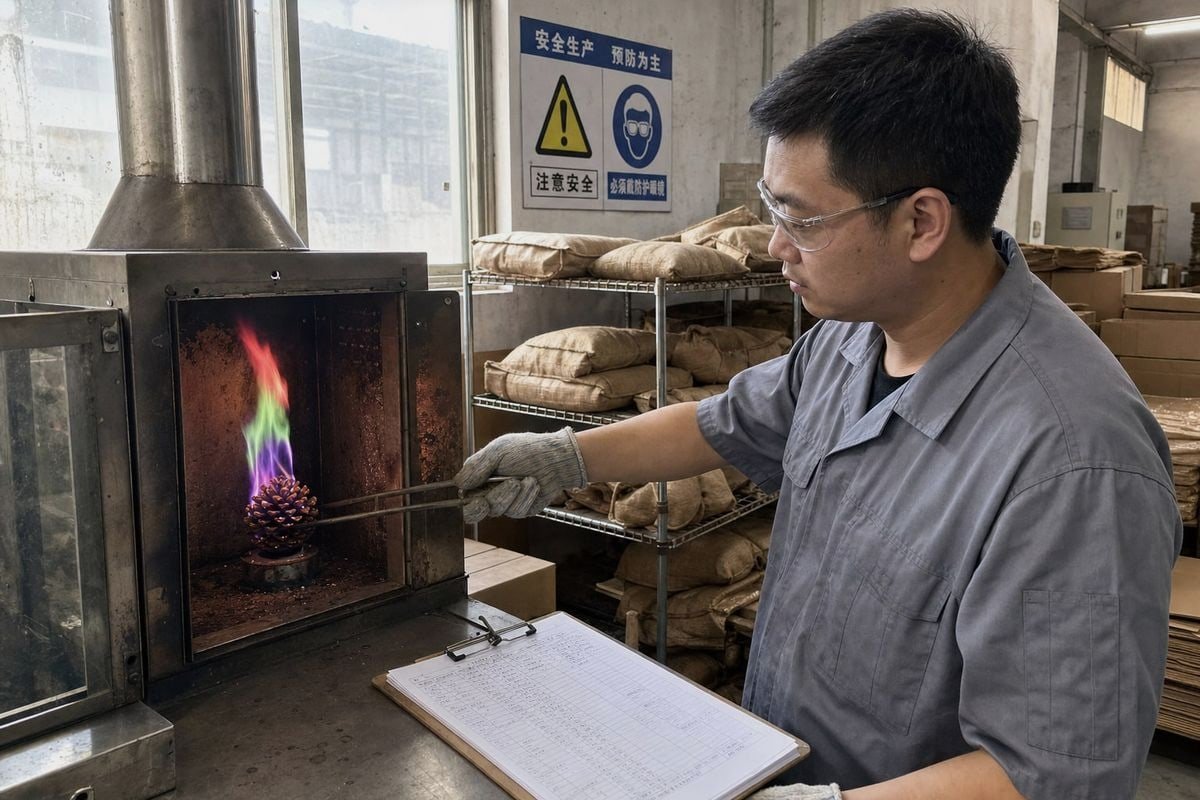
La GPSR es el Reglamento (UE) 2023/988 1. Entró en vigor el 13 de diciembre de 2024, sustituyendo a la antigua Directiva General de Seguridad de los Productos 2. Cubre todos los productos de consumo puestos en el mercado de la UE, y sí, eso incluye las piñas de pino decorativas y de llama de color para chimeneas. No hay exención para productos "simples".
Este es el punto que sorprende a la mayoría de nuestros compradores: la marca blanca no significa cumplimiento ligero. Si las piñas de pino se venden bajo su nombre o marca comercial, usted es el fabricante a efectos de la GPSR. La fábrica que las fabricó físicamente, incluso una certificada como la nuestra, no asume sus obligaciones legales. Nosotros proporcionamos los informes de pruebas y los datos de producción, pero el propietario de la marca firma la entrada en el mercado.
Las obligaciones principales de un vistazo
| Obligación de la GPSR | Qué significa para las piñas de pino para chimeneas |
|---|---|
| Requisito general de seguridad | El producto debe ser seguro en condiciones de uso normales y previsibles, incluido el uso indebido cerca de una llama abierta |
| Evaluación interna de riesgos | Análisis documentado de riesgos de ignición, comportamiento de combustión 3, residuos químicos y de asfixia |
| Documentación técnica | Un expediente que describe el producto y sus características relevantes para la seguridad, conservado durante 10 años |
| Trazabilidad | Número de lote, partida o tipo visible para los consumidores |
| Datos de contacto | Nombre o marca comercial del fabricante, dirección postal y dirección electrónica en el producto o embalaje |
| Información de seguridad | Advertencias e instrucciones en el idioma de cada estado miembro donde venda |
| Preparación para acciones correctivas | Un plan para retirar, revocar, notificar a las autoridades e informar a los consumidores si surge un riesgo |
Un matiz es importante para los productos contra incendios. Dado que nuestras piñas de pino crean llamas de colores, las autoridades de la UE examinan de cerca el comportamiento de la combustión y las instrucciones al consumidor. Un portavelas puede salir adelante con una documentación escasa. Un producto para chimeneas no puede. En nuestros más de diecisiete años exportando a Alemania, Francia y los Países Bajos, hemos aprendido que los productos de la categoría de fuego atraen más atención de vigilancia, no menos. Elabore su expediente en consecuencia.
¿Cómo nombro a una persona responsable en la UE para mi línea de productos de piñas para chimenea?
Cuando ayudamos a marcas estadounidenses y canadienses a preparar lanzamientos en la UE desde nuestras instalaciones de Ningbo, la cuestión de la Persona Responsable surge en casi todas las llamadas de inicio, normalmente demasiado tarde.
Designar un Responsable en la UE contratando a un operador económico establecido en la UE — un importador, representante autorizado, distribuidor o proveedor de servicios de logística — que pueda acceder a su expediente técnico, verificarlo y cooperar con las autoridades. A continuación, imprima su nombre, dirección postal y correo electrónico en el producto, el embalaje o los documentos adjuntos.

Si su empresa está establecida en la UE, puede actuar como su propia Persona Responsable. Si vende desde EE. UU., Reino Unido, China o cualquier otro lugar fuera de la UE, debe nombrar una antes de que sus piñas de pino puedan llegar legalmente a los consumidores de la UE. Los mercados también lo exigen: Amazon bloqueará los listados sin datos válidos de Persona Responsable.
Tiene varias opciones legales, y la elección correcta depende de la forma de su cadena de suministro.
¿Quién puede actuar como su Persona Responsable?
| Opción | Mejor para | Tenga cuidado con |
|---|---|---|
| Su importador de la UE | Marcas con un sólido socio de distribución por mercado | El importador controla su estado de cumplimiento; cambiar de socio genera complicaciones |
| Representante autorizado (proveedor de servicios) | Marcas no pertenecientes a la UE que venden directamente o a través de mercados | Tarifas anuales de retención más costes de revisión de documentos; compruebe los límites de responsabilidad |
| Distribuidor con sede en la UE | Configuraciones sencillas de un solo país | Puede carecer de procesos para solicitudes de autoridades |
| Proveedor de servicios de logística | Modelos de logística tipo FBA | Verifique que realmente aceptan el cargo por escrito |
Tres puntos prácticos de nuestro trabajo de exportación. Primero, la Persona Responsable no sustituye a sus obligaciones de fabricante. Son un punto de contacto y verificador, no un escudo. Segundo, antes de firmar con un proveedor de servicios externo, aclare su SLA de respuesta a incidentes y los términos de responsabilidad: una Persona Responsable puede participar en las decisiones de retirada del mercado, por lo que una lenta es un riesgo real para el negocio. Tercero, pregunte si su fábrica puede desempeñar la función. La nuestra no puede, y la mayoría tampoco: la Persona Responsable debe estar establecida en la UE. Una entidad con sede en China o en EE. UU. simplemente no califica, por muy certificada que esté.
Una vez nombrada, actualice todo: diseño del embalaje, etiquetas del paquete, listados de productos y campos de backend del mercado. Los detalles que no coinciden provocan la eliminación de listados en los programas de logística paneuropea.
¿Qué documentación e informes de prueba necesito de mi fabricante para demostrar el cumplimiento de GPSR?
Cada pedido de prueba que enviamos — incluso tiradas pequeñas de MOQ de piñas de color de llama — sale con el mismo paquete de documentos, porque aprendimos hace años que la falta de papeleo mata los reordenamientos más rápido que cualquier problema de calidad.
Necesita una evaluación de riesgos por escrito, informes de pruebas de terceros que cubran la seguridad química y de combustión, declaraciones de materiales y colorantes, registros de trazabilidad de lotes, arte de etiquetas con advertencias y especificaciones del producto. Juntos, estos forman el archivo técnico que el GPSR requiere que conserve durante 10 años.
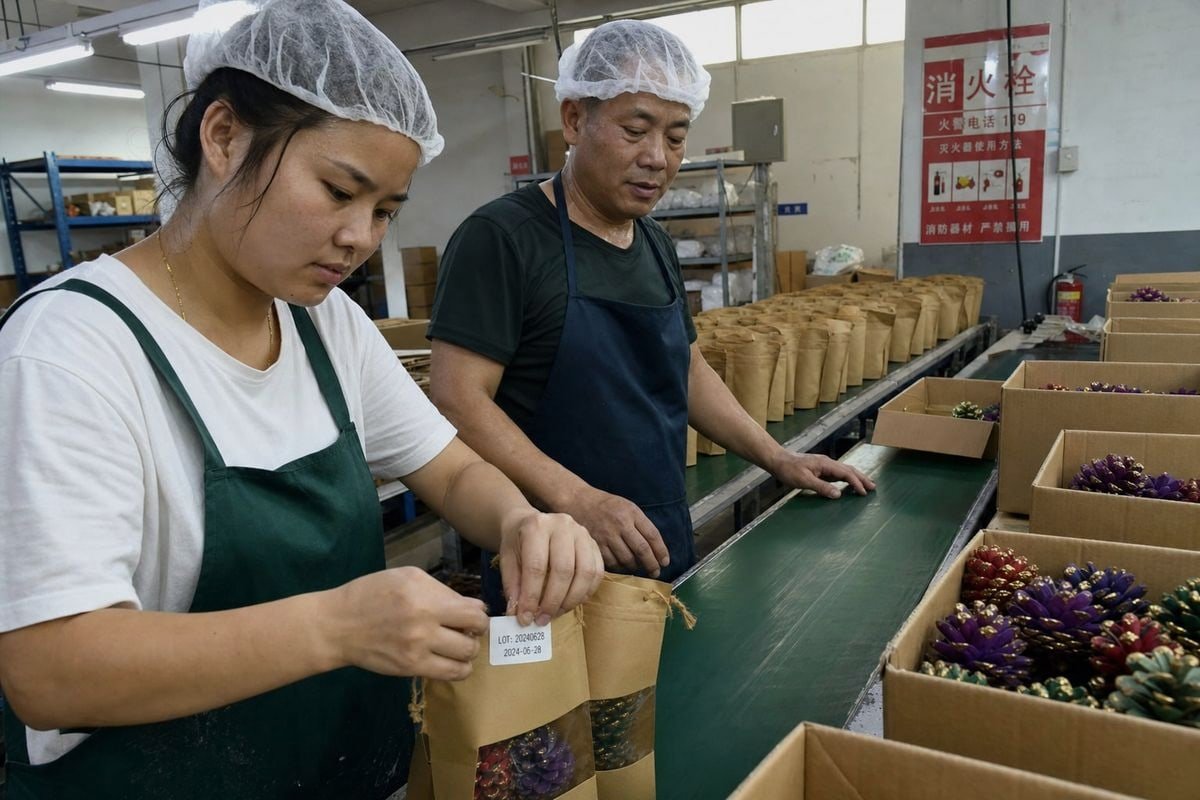
Su fábrica no puede hacer su tarea de GPSR por usted, pero una seria debería entregarle la mayor parte de la materia prima. Aquí está el paquete que preparamos para nuestros compradores B2B, y lo que hace cada pieza dentro de su archivo técnico.
La lista de verificación de documentos a exigir antes de transferir su depósito
| Documento | Por qué GPSR lo necesita | Quién lo proporciona |
|---|---|---|
| Entradas de evaluación de riesgos | Base de su análisis de riesgo interno | Datos de fábrica más su propia evaluación |
| informes de prueba SGS o Intertek | Prueba independiente de combustión y seguridad química | Fábrica (verificar fechas y alcance del informe) |
| Declaraciones de materiales y colorantes | Los aditivos de color de llama pueden activar controles químicos REACH | Fábrica |
| Registros de trazabilidad de lotes/lotes | Vincula cada cartón enviado a una corrida de producción | Fábrica |
| Arte de etiquetas y embalajes | Muestra advertencias, direcciones e identificadores tal como se venden | Conjunto — usted aprueba, la fábrica imprime |
| Instrucciones y texto de advertencia | Prueba de información de seguridad en idiomas locales | Usted redacta, la fábrica aplica |
| Certificaciones de fábrica (ISO 9001, BSCI, CE) | Apoya la diligencia debida y la consistencia de la calidad | Fábrica |
Dos desencadenantes ocultos merecen atención. Primero, los colorantes y la cera utilizados para los efectos de color de llama pueden caer bajo restricciones REACH 4. Esto está más allá de los controles estándar de GPSR, así que pregunte directamente a su proveedor por documentación de seguridad química 5 sobre los compuestos de coloración de llama. Nuestras formulaciones utilizan materiales ecológicos sin químicos dañinos, y respaldamos eso con informes de terceros — pero usted debe exigir la misma evidencia de cualquier proveedor, incluyéndonos a nosotros. Segundo, verifique que el informe de prueba coincida con la configuración exacta de su producto. Un informe para un paquete de bolsa de papel kraft no cubre automáticamente conos decorativos pintados o un formato de bolsa resellable.
Finalmente, confirme que su Persona Responsable puede acceder a este archivo rápidamente. GPSR espera que verifiquen que existe y produzcan documentación cuando una autoridad de vigilancia del mercado lo solicite. 6 Una vez, un comprador holandés nuestro se expandió de los Países Bajos a Polonia y Francia en un trimestre — y descubrió que su etiqueta de advertencia en un solo idioma se convirtió instantáneamente en un problema de tres mercados.
¿Cómo puedo garantizar que mis piñas para chimenea de marca blanca permanezcan conformes en varios mercados de la UE?
GPSR es una regulación, pero la aplicación es nacional. Las sanciones varían ampliamente según el estado miembro — algunos imponen multas basadas en la facturación que alcanzan hasta el 4% de los ingresos anuales de la UE. Es por eso que aconsejamos a los compradores que identifiquen primero su país de principal volumen de ventas y se alineen estrechamente con la autoridad de vigilancia de ese país antes de escalar hacia afuera. El enfoque de Alemania difiere del de Polonia en la práctica, incluso bajo la misma regulación.
Manténgase conforme en los mercados de la UE traduciendo las advertencias de seguridad a todos los idiomas locales, alineando las etiquetas y listados con un archivo técnico maestro, priorizando las reglas de cumplimiento de su país de mayor volumen, manteniendo la trazabilidad de lotes consistente y manteniendo un procedimiento de retirada que su Persona Responsable pueda ejecutar en cualquier estado miembro.
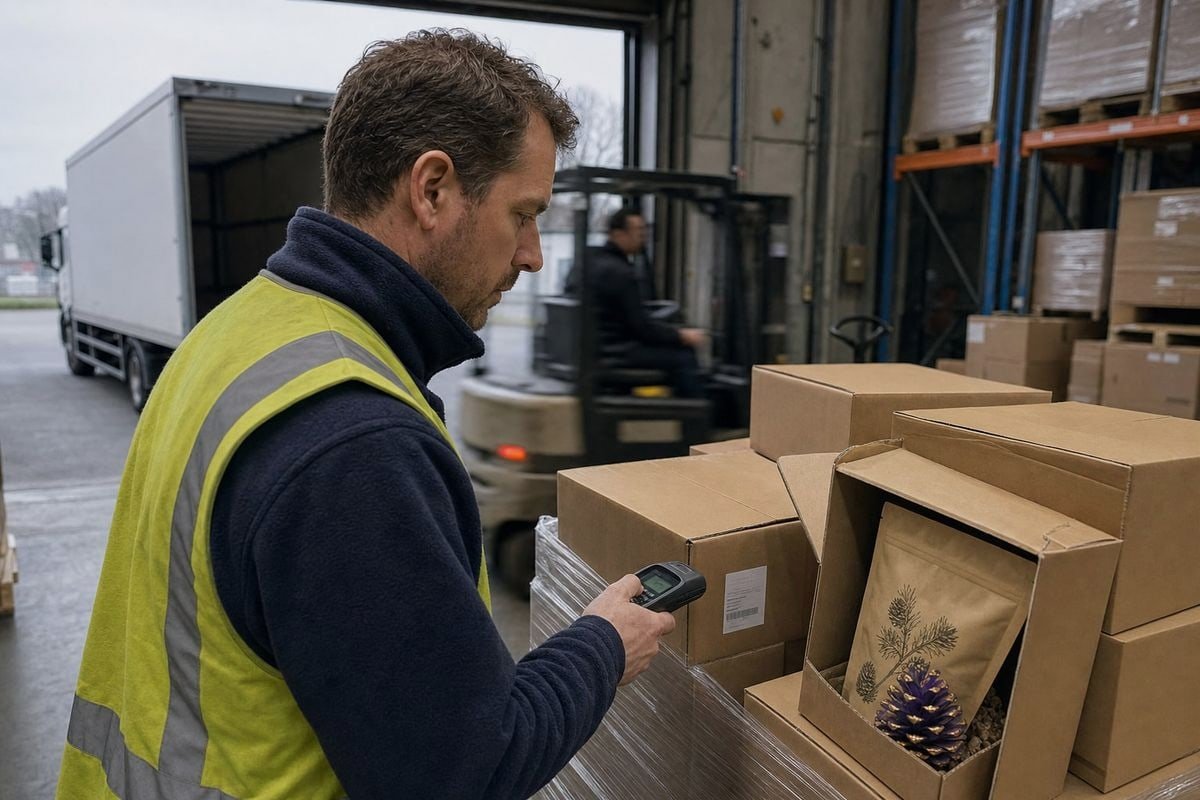
Un flujo de trabajo práctico multimarca.
Construya un archivo técnico maestro.
- Nunca cree archivos separados por país. Un archivo, una evaluación de riesgos, un conjunto de informes de prueba — con anexos de idioma añadidos por mercado. Localice el texto de seguridad.
- "Solo para uso en chimeneas y fogatas", "asegure la ventilación" y "mantener alejado de los niños" deben aparecer en el idioma de cada estado miembro donde venda. Imprimimos paneles de advertencia multilingües para nuestros clientes de la UE por esta misma razón. "Bloquee la trazabilidad de lotes en todos los almacenes.
- Si el inventario se mueve entre centros de cumplimiento en Alemania, Francia y Polonia, el número de lote en cada bolsa debe rastrearse hasta un registro de producción único. Nuestras líneas asignan códigos de lote al llenar, por lo que una piña extraída de cualquier almacén de la UE se mapea a los datos de materia prima. Mantenga las listas sincronizadas.
- Los detalles de la Persona Responsable y del fabricante deben coincidir en el embalaje, los paquetes y el backend de cada mercado. Las discrepancias activan la deslistación automática en los programas Pan-UE. Ensaye la ruta de retirada.
- Decida de antemano quién notifica a las autoridades a través de la. Safety Business Gateway , quién contacta a los consumidores y quién retira el stock. Hacer esto antes del lanzamiento cuesta una tarde. Hacerlo durante un incidente le cuesta a su marca. 7, La consistencia es todo el juego. Cuando su primera muestra, su lote de producción en masa y su documentación cuentan la misma historia, el cumplimiento multimarca deja de ser una lucha y se convierte en rutina. Esa disciplina lote a lote es exactamente por qué ejecutamos un estricto control de calidad entre la muestra y la producción — el papeleo solo se mantiene si el producto detrás de él nunca se desvía.
Las sanciones de GPSR se aplican a nivel nacional y pueden diferir significativamente entre los estados miembros de la UE.
Conclusión
La etiqueta privada lo convierte en el fabricante de GPSR. Cree un archivo técnico, nombre a una Persona Responsable en la UE, exija informes de prueba reales y asóciese con una fábrica que envíe cumplimiento junto con el producto.
Notas al pie
Texto legal oficial de la UE que define el Reglamento General de Seguridad de los Productos referenciado en todo el artículo. ↩︎
Directiva anterior de la UE que el GPSR reemplazó, brindando a los lectores contexto legal. ↩︎
Antecedentes sobre el proceso de combustión relevantes para la discusión de pruebas de seguridad contra incendios. ↩︎
Explicación oficial de la ECHA sobre la regulación química REACH relevante para los aditivos de color de llama. ↩︎
Orientación de la ECHA sobre la documentación de seguridad química requerida bajo REACH para aditivos. ↩︎
Recurso de la UE que explica la aplicación de la vigilancia del mercado nacional mencionada en el artículo. ↩︎
Portal oficial de la UE que las empresas utilizan para notificar a las autoridades sobre incidentes de productos inseguros. ↩︎

 English
  Spanish
  German
  French
  Arabic
  Portuguese
Únete a la conversación