






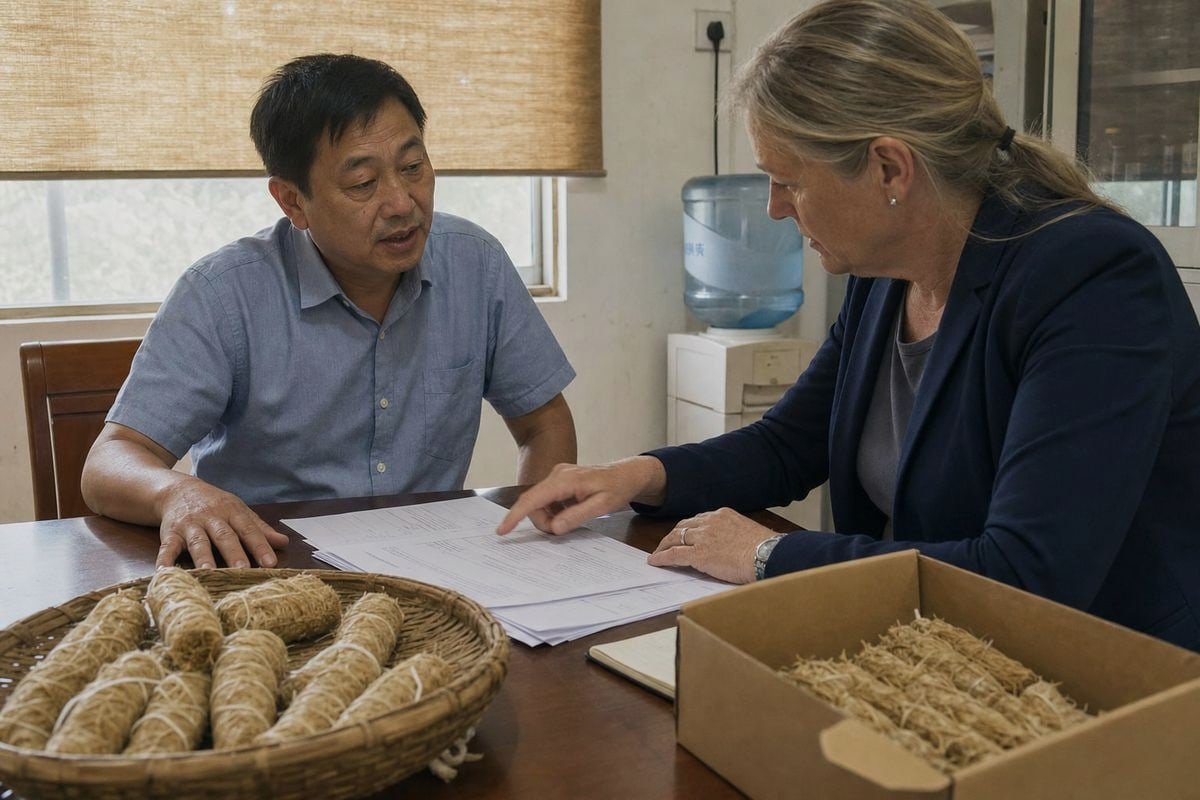
Muchos compradores nos preguntan sobre la cláusula de deducción de tarifas de muestra antes de firmar. Los términos de muestra poco claros causan disputas, facturas retrasadas y pérdida de confianza, y nuestra fábrica lo ha visto todo.
Una cláusula de deducción de la tarifa de muestreo debe definir qué cubre la tarifa de muestreo, quién la paga inicialmente, cuándo se aplica la deducción y cómo se recupera, típicamente como un crédito contra la primera factura a granel una vez que se cumple la cantidad mínima de pedido, respaldado por documentación escrita.
A continuación, desgloso la cláusula en cuatro preguntas prácticas. Cada sección le brinda ideas de redacción, tácticas de negociación y los términos de control de calidad que hacen que la cláusula sea ejecutable.
¿Qué debo incluir en una cláusula de deducción de tarifa de muestreo para proteger mi primer pedido a granel?
Hace unos años, un distribuidor alemán nos envió una cláusula de muestra de dos líneas. Causó una disputa de pago de tres semanas. Nuestro equipo ahora insiste en una redacción precisa desde el primer día.
Incluya un término definido para la tarifa de muestreo, los costos exactos cubiertos, el desencadenante de la deducción, el mecanismo de recuperación, un requisito de documentación, un límite de deducción, reglas de notificación por escrito y un proceso de disputa, todo ello vinculado a la primera factura de su acuerdo de adquisición a granel.
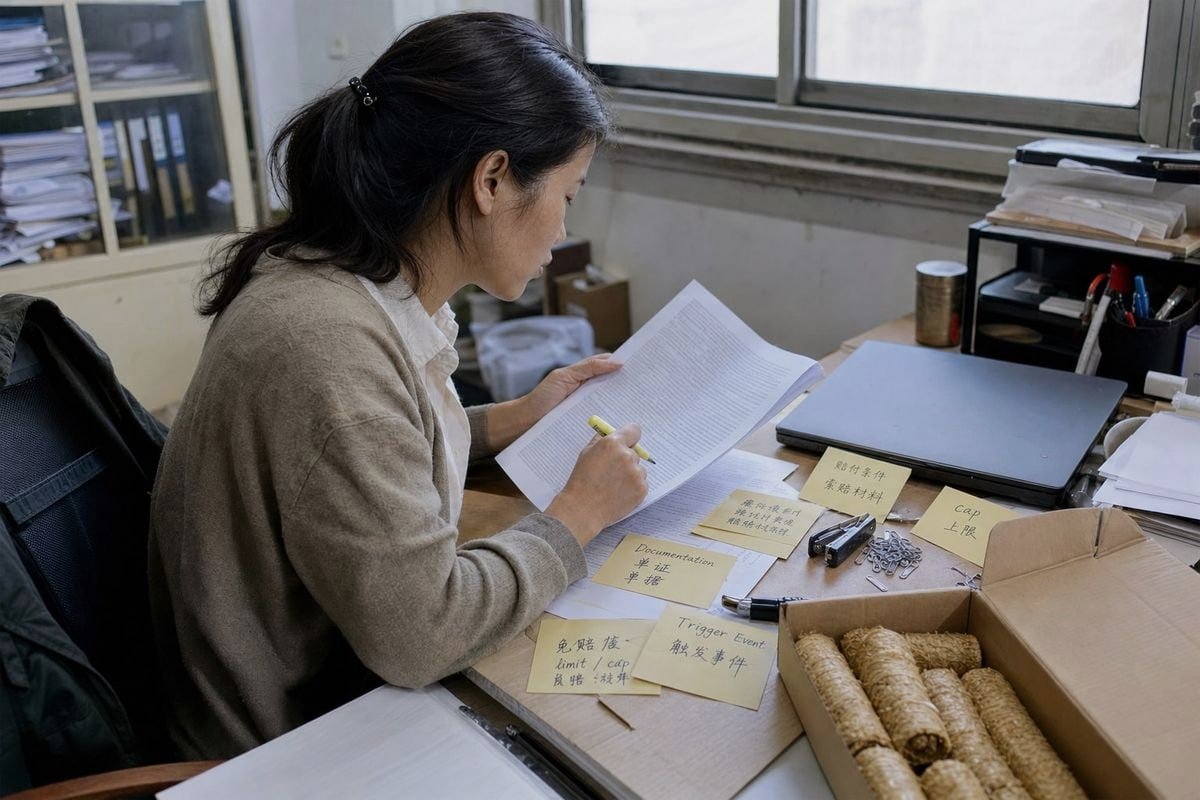
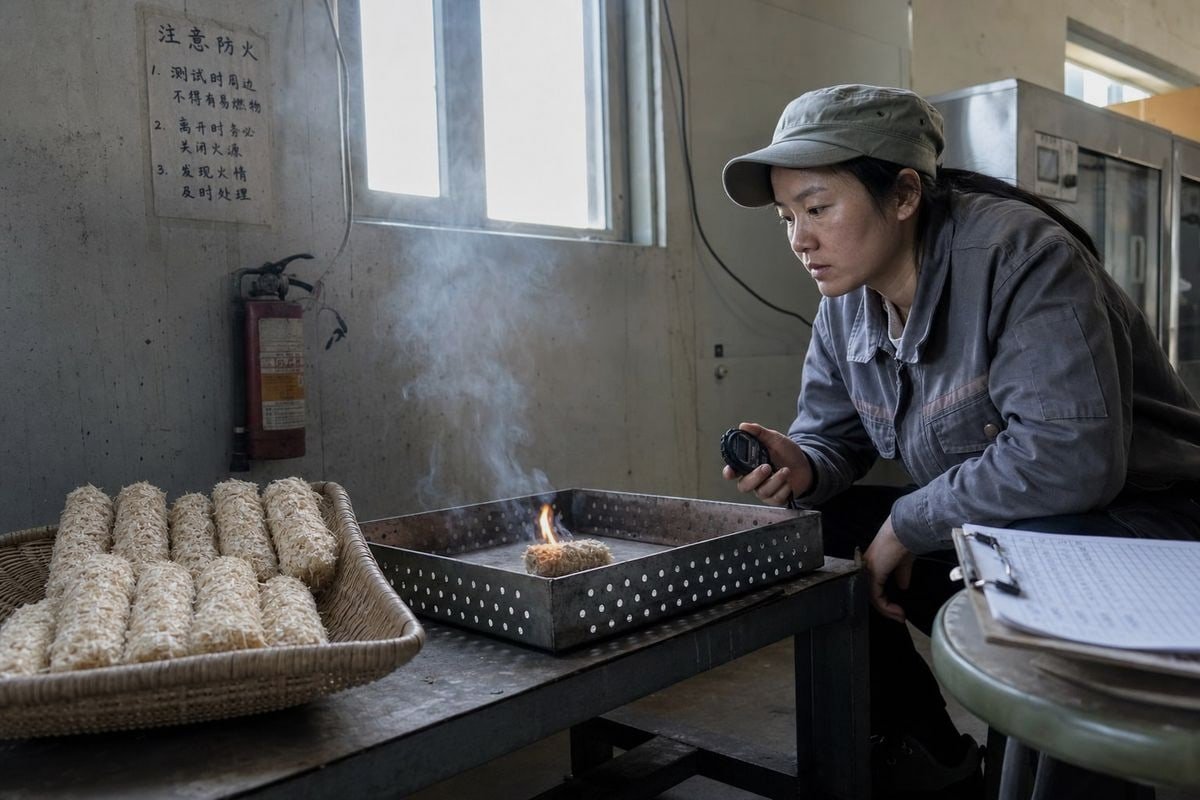
Una cláusula de deducción de tarifas de muestra es una herramienta de asignación de costos. Permite a una parte recuperar los gastos relacionados con la muestra del dinero que de otro modo sería pagadero según el contrato. Para los iniciadores de fuego de madera, eso importa más que para muchos productos. El producto es sensible al rendimiento. El tiempo de combustión, la velocidad de ignición y contenido de humedad 1 varían según el material y la proporción de cera. Por lo tanto, los compradores toman muchas muestras antes de comprometerse con un pedido de producción en masa.
El principal riesgo de redacción es la ambigüedad. Frases vagas como "el comprador puede deducir los cargos de muestreo razonables" invitan a disputas. Nadie se pone de acuerdo sobre lo que significa "razonable" cuando vence una factura.
Elementos centrales que la cláusula debe responder
Su cláusula debe responder cinco preguntas en lenguaje claro:
- ¿Qué cuenta como tarifa de muestra? Muestras de productos, pruebas de laboratorio, flete de muestras, re-pruebas o cargos de inspección de terceros.
- ¿Quién paga primero? Por lo general, el comprador paga por adelantado y el proveedor lo acredita más tarde.
- ¿Cuándo puede ocurrir la deducción? Después de un evento de muestreo acordado, un fallo de aceptación o la aprobación de la factura.
- ¿Cómo se recupera? Deducción directa de la factura, compensación contra pagos futuros o una nota de crédito.
- ¿Qué prueba se requiere? Informes de prueba, recibos, vales o notificación por escrito.
Estructura de cláusula recomendada
| Elemento | Qué especificar | Por qué importa |
|---|---|---|
| Término definido | "Tarifa de muestra" con categorías de costos enumeradas | Previene la expansión del alcance |
| Responsabilidad del pago | El comprador paga por adelantado; el proveedor acredita más tarde | Estándar en acuerdos de exportación |
| Disparador de deducción | Se cumplen los términos del pedido de compra confirmado (por ejemplo, se alcanzó el MOQ) | Objetivo, verificable |
| Mecanismo | Crédito en la primera factura a granel o compensación | Evita transacciones separadas |
| Límite | Máximo deducible por pedido o mes | Protege el flujo de caja del proveedor |
| Documentación | Recibos, informes de prueba, notificación por escrito | Hace que la deducción sea defendible |
| Regla de disputa | Pague la parte no disputada a tiempo | Mantiene los envíos en movimiento |
Un punto más de nuestro Una sola muestra hermosa demuestra muy poco. Lo que realmente se aprueba es una receta de producción y la capacidad de la fábrica para repetirla. Por lo tanto, su inspección debe diseñarse para exponer la variación, no para admirar un cono. Pida varias unidades de muestra extraídas de diferentes puntos de la prueba y evalúelas una al lado de la otra bajo la iluminación que sus clientes verán realmente — iluminación de estantería de venta al por menor y luz diurna, no solo fluorescentes de fábrica. Los colores que coinciden bajo una fuente de luz pueden cambiar notablemente bajo otra, por lo que los vendedores de comercio electrónico se ven perjudicados por las quejas de "la foto se veía diferente". 2. Mantenga la deducción de la tarifa de muestra separada de sus derechos de rechazo de productos no conformes 3. Son remedios diferentes. Mezclarlos en una sola oración crea confusión cuando un lote falla realmente.
¿Cómo negocio los costos de las muestras con un fabricante de iniciadores de fuego de leña antes de firmar un contrato?
Cuando los compradores contactan por primera vez a nuestro Ningbo línea de producción 4, el costo de la muestra suele ser su segunda pregunta, justo después de las certificaciones. La negociación va más fluida cuando ambas partes exponen sus posiciones temprano.
Negocia los costos de las muestras antes de firmar solicitando una política de reembolso de muestras por escrito, acordando quién paga las muestras frente al flete, estableciendo un umbral de volumen para los créditos y confirmando si las muestras personalizadas de marca privada conllevan cargos de herramientas o configuración.
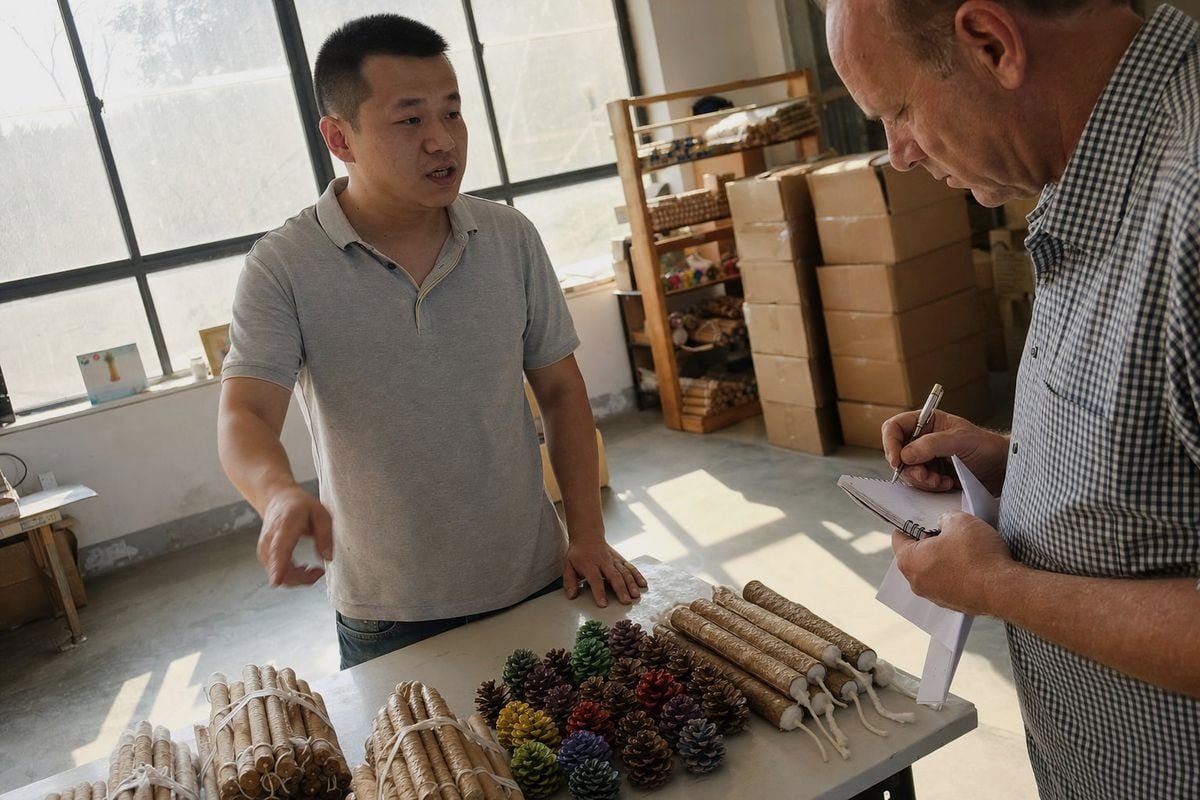
La negociación del costo de la muestra es realmente una conversación de asignación de riesgos. Cada parte tiene preocupaciones legítimas. Comprender ambas posiciones te ayuda a llegar a términos de orden de compra justos más rápido.
Posición del comprador frente a la posición del proveedor
| Punto de negociación | Posición favorable al comprador | Posición favorable al proveedor |
|---|---|---|
| Quién paga las muestras | El proveedor asume el costo como gasto de venta | El comprador paga; se acredita solo después del pedido MOQ |
| Flete de muestra | El proveedor paga el envío por adelantado | El comprador cubre los costos de mensajería |
| Derechos de deducción | Compensación automática contra cualquier factura | Deducción solo con aprobación previa por escrito |
| Límite | No se necesita límite | Límite fijo por pedido o por mes |
| Muestras personalizadas | Se cobra a costo por configuraciones de fabricación de marca privada | En nuestra experiencia exportando encendedores ecológicos a EE. UU. y Europa durante más de 17 años, la mayoría de los acuerdos se resuelven en el medio. Las muestras de catálogo estándar son baratas de producir. Las muestras personalizadas no lo son. Si desea una proporción de cera específica, un tiempo de combustión personalizado o maquetas de embalaje con marca, la fábrica dedica horas de ingeniería reales. Un compromiso justo es tratar esos costos como recuperación de costos de prototipo: el comprador paga por adelantado y el monto se acredita una vez que se envía el primer pedido de producción en masa. |
Pasos prácticos de negociación.
Solicite la política de muestras por escrito del proveedor antes de solicitar nada.
- Separe el costo del producto del costo del flete en la discusión.
- Proponga un umbral de volumen: por ejemplo, el crédito se aplica solo si el primer pedido supera un valor acordado.
- Confirme el mecanismo de crédito: partida de línea de factura, nota de crédito o ajuste de costo unitario.
- Una advertencia del lado de la fábrica. Los proveedores se resisten a los derechos de deducción abiertos porque pueden convertirse en descuentos ocultos. Si su cláusula es estrecha y medible, una fábrica seria la aceptará rápidamente. Si es vaga e ilimitada, espere resistencia, y considere como una señal de alerta a un proveedor que la acepte sin cuestionar.
- Un distribuidor holandés de chimeneas me dijo una vez que habían perdido tarifas de muestra en tres fábricas diferentes antes de encontrarnos. El patrón siempre era el mismo: promesas verbales, nada por escrito.
La estructura de reembolso sobre pedido es la norma de la industria para el muestreo de iniciadores de fuego. El.
¿Puedo obtener un reembolso o crédito de las tarifas de muestreo una vez que realice un pedido de producción en masa?
el comprador paga las muestras por adelantado.
Sí — la mayoría de los fabricantes reembolsarán o acreditarán las tarifas de muestreo una vez que realice un pedido de producción masiva que califique, típicamente como un crédito de reembolso en el pedido contra su primera factura a granel, siempre que se cumpla la cantidad mínima de pedido y los términos se documenten por escrito.
. Esto filtra las consultas no serias y cubre los costos directos del proveedor. Luego, una vez que se firma un acuerdo de adquisición a granel que califica y se confirma el pedido, la tarifa de muestra regresa como crédito. Tres mecanismos de crédito comunes. Hay tres formas en que el dinero regresa. Cada una tiene sus pros y sus contras.
Crédito de la primera factura
Tarifa de muestra completa deducida de la primera factura a granel.
| Mecanismo | Cómo funciona | Lo mejor para |
|---|---|---|
| Pedidos simples, únicos | Crédito progresivo estilo NRE | Tarifa distribuida en las primeras tres a cinco tiradas de producción |
| Grandes configuraciones de herramientas o embalajes personalizados | Ajuste de costo unitario | Precio por unidad reducido ligeramente para absorber la tarifa |
| Programas de repetición a largo plazo | El crédito de la primera factura es el más limpio. Ve la deducción como una partida de línea y el rastro de papel es obvio. El crédito progresivo alivia el flujo de caja inmediato del proveedor en proyectos de personalización intensiva. El ajuste del costo unitario funciona para programas continuos, pero oculta el crédito dentro de los precios, lo que dificulta la auditoría. | Condiciones que generalmente se aplican al crédito |
Las fábricas rara vez ofrecen reembolsos incondicionales. Espere estas condiciones: Cantidad mínima de pedido. 5 en proyectos de personalización intensiva. El ajuste de costo unitario funciona para programas en curso, pero oculta el crédito dentro del precio, lo que dificulta la auditoría.
Condiciones que suelen adjuntarse al crédito
Las fábricas rara vez ofrecen reembolsos incondicionales. Espere estas cláusulas:
- Una cantidad mínima de pedido. El crédito se activa solo cuando se cumple el MOQ. Nuestros MOQs de prueba flexibles significan que este umbral es generalmente alcanzable para importadores establecidos.
- Un límite de tiempo. Muchos proveedores requieren el pedido a granel dentro de los 90 a 180 días posteriores a la entrega de la muestra.
- Documentación. Conserve juntos su factura de muestra, registro de pago y la promesa de crédito por escrito.
- Límites de alcance. Los gastos de envío y las tarifas de laboratorio de terceros a menudo se excluyen del crédito a menos que se negocien por separado.
Incluya los términos del crédito directamente en los términos de su orden de compra o en el acuerdo de suministro. Una cadena de correos electrónicos ayuda, pero una cláusula firmada gana disputas.
¿Qué términos contractuales aseguran que mi muestra coincida con la calidad de la producción a granel final?
La consistencia del lote es donde nuestros 17 años de disciplina de producción demuestran su valía. Una muestra perfecta no significa nada si el contenedor número tres se quema de manera diferente al contenedor número uno.
Requerir una cláusula de muestra de referencia, especificaciones de producto escritas con tolerancias, estándares de control de calidad a nivel de lote, derechos de inspección previa al envío, muestras de referencia retenidas y remedios claros para productos no conformes, que incluyen rechazo, reemplazo o deducción de precio vinculada a fallas de prueba documentadas.
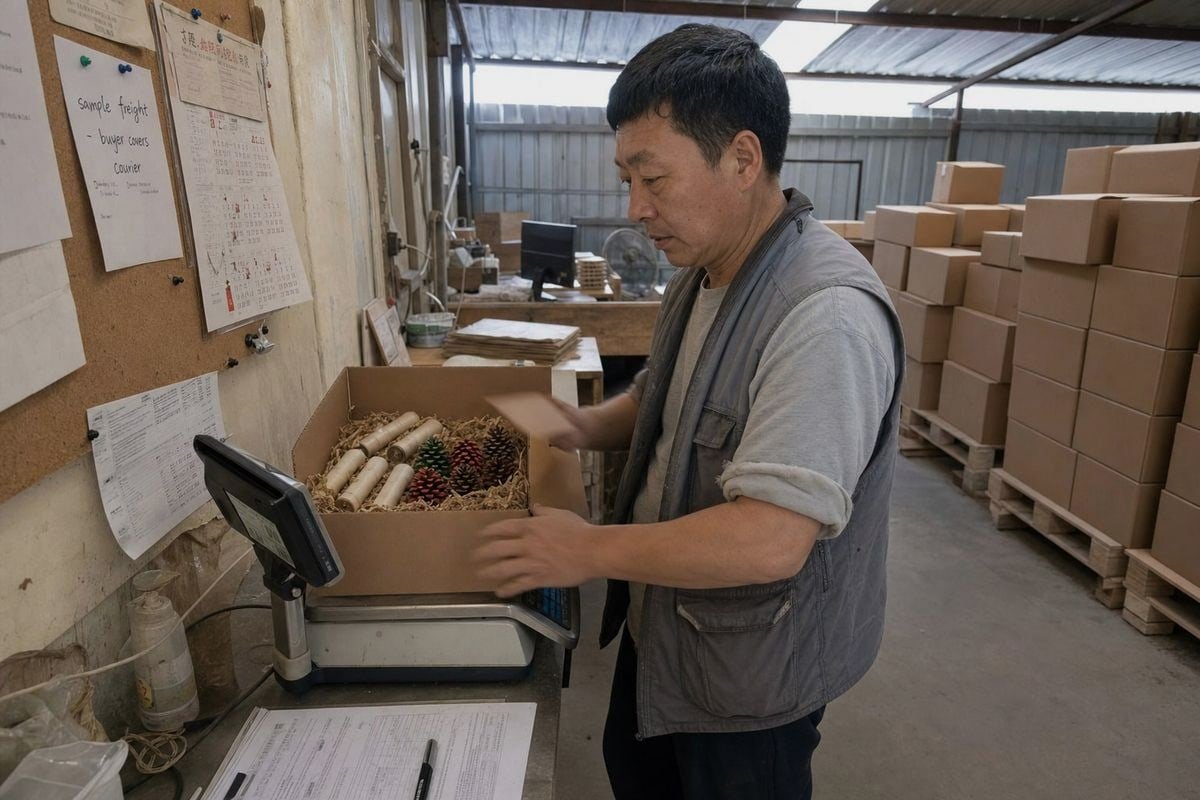
La cláusula de tarifa de muestreo y la cláusula de coincidencia de calidad funcionan juntas. La primera protege su dinero. La segunda protege su producto. Para los iniciadores de fuego de madera, la deriva de calidad generalmente se manifiesta en cuatro áreas: humedad de la materia prima, relación de cera, tiempo de combustión y embalaje.
El mecanismo de muestra dorada
El término más confiable es una cláusula de muestra dorada. Así es como funciona en la práctica:
- Ambas partes aprueban una muestra física por escrito.
- La fábrica conserva una contra-muestra sellada; el comprador conserva otra.
- Toda la producción a granel debe cumplir con la muestra dorada dentro de las tolerancias establecidas.
- Cualquier desviación requiere aprobación previa por escrito antes de que comience la producción.
En nuestras líneas, cada muestra aprobada se registra con su relación cera-fibra, dimensiones y tiempo de combustión objetivo. Ese registro se convierte en el estándar de producción 6. Es por eso que el estricto control de calidad lote a lote importa más que una hermosa primera muestra: la muestra solo demuestra la capacidad, mientras que la disciplina del proceso demuestra la consistencia.
Términos de especificación para incluir en el acuerdo
Su acuerdo de suministro de fabricación debe definir especificaciones medibles, no adjetivos. Ejemplos útiles para iniciadores de fuego de madera:
- Límite máximo de contenido de humedad. El exceso de humedad reduce la eficiencia térmica. Establezca un porcentaje máximo, similar a los estándares utilizados para la leña secada en horno.
- Rango de tiempo de ignición y combustión. Por ejemplo, ignición dentro de un número determinado de segundos y una duración mínima de combustión por pieza.
- Divulgación de la composición. Los porcentajes de fibra de madera y cera indicados en el embalaje deben coincidir con la realidad de la producción.
- Documentos de cumplimiento. Exija informes de prueba válidos de laboratorios reconocidos. Nuestros compradores tratan los informes de SGS o Intertek como un requisito estricto, y usted también debería hacerlo.
Términos de inspección y reparación
Otorga el derecho a inspeccionar antes del envío y a tomar muestras aleatorias de cada lote entregado. Luego, defina la vía de reparación para productos no conformes: aviso de rechazo 7 por escrito dentro de una ventana corta, opción del proveedor de reemplazar o acreditar, y — volviendo a la cláusula de muestreo — el derecho del comprador a deducir los costos de re-prueba documentados. Mantenga el derecho de deducción y el derecho de rechazo como reparaciones separadas y claramente redactadas. Esa separación es lo que evita que un problema de calidad se convierta en una guerra de pagos.
Conclusión
Una cláusula de muestra vaga cuesta silenciosamente dinero y confianza a los compradores. Defina la tarifa, el desencadenante, el crédito y la prueba, luego combínelo con términos de calidad de muestra dorada para un primer pedido sin disputas.
Notas al pie
Explicación científica integral del contenido de humedad y su medición en diversos materiales. ↩︎
Recurso gubernamental para empresas que navegan por el comercio internacional y la logística de exportación. ↩︎
Definición legal autorizada y derechos del comprador con respecto a los productos no conformes según el UCC. ↩︎
Resumen histórico y técnico de los sistemas de producción y ensamblaje industrial. ↩︎
Guía financiera que explica la importancia del flujo de caja para las operaciones comerciales. ↩︎
Descripción detallada de los estándares técnicos utilizados para garantizar la calidad y la consistencia en la fabricación. ↩︎
Requisitos y procedimientos legales para emitir un aviso de rechazo legítimo según el derecho comercial. ↩︎



 English
  Spanish
  German
  French
  Arabic
  Portuguese
Únete a la conversación