






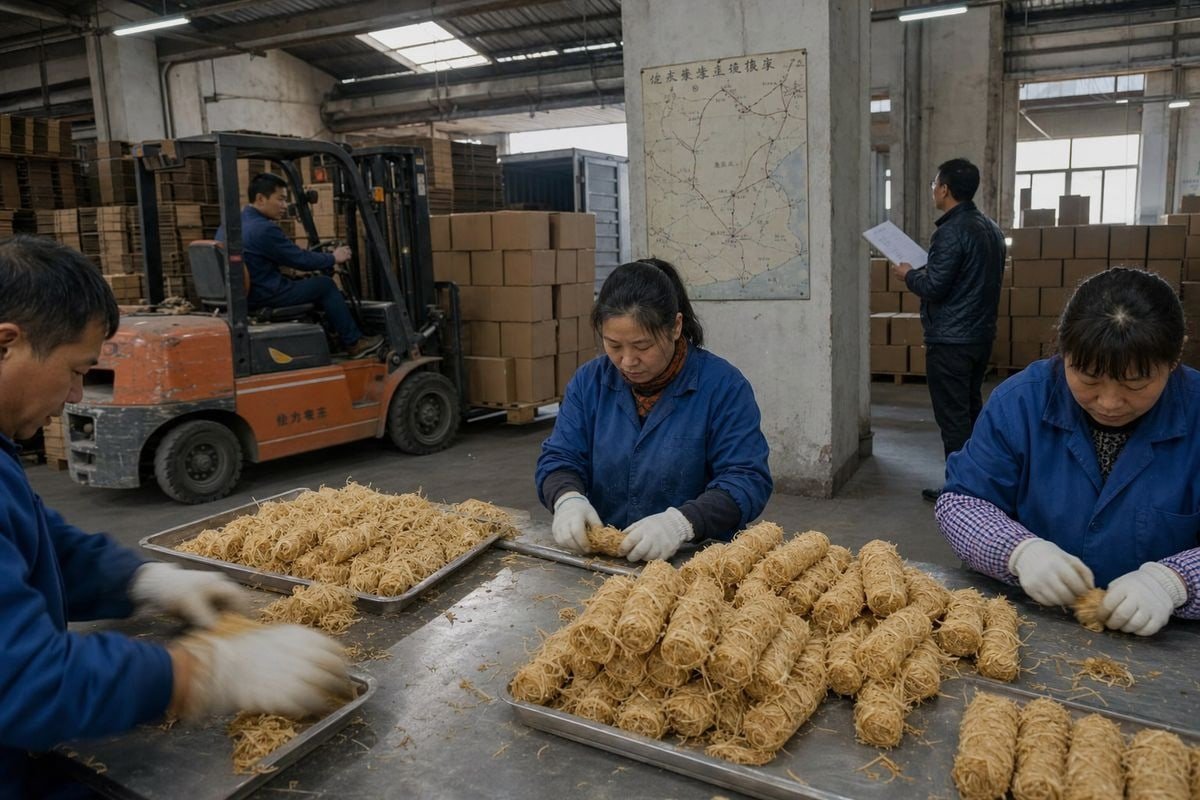
Los compradores me preguntan sobre la cadena de suministro de iniciadores de fuego de madera de China casi semanalmente en nuestro piso de producción. los aranceles de la Sección 301 1. Los aranceles los confunden. Las afirmaciones de capacidad los abruman. Un código SA incorrecto puede anular el margen de toda una temporada, y he visto que les sucede a los importadores que se saltaron la tarea.
La cadena de suministro de iniciadores de fuego de madera de China lidera a nivel mundial en capacidad, con fábricas agrupadas que producen cientos de miles de unidades mensualmente y aproximadamente el 61% de la cuota de exportación. Sin embargo, los aranceles varían según la clasificación HS y el destino: los aranceles de la Sección 301 de EE. UU. y las reglas del Capítulo 44 de la UE pueden cambiar significativamente el costo de llegada.
Entonces, la capacidad es la fortaleza de China y los aranceles son la variable. Capítulo SA 44 2. Permítanme guiarlos a través de ambos lados, utilizando lo que vemos todos los días enviando iniciadores de fuego a más de 30 países.
¿Qué aranceles de importación y clasificaciones arancelarias se aplican a los encendedores de leña de China?
Un distribuidor alemán nos envió un correo electrónico en pánico. Su agente de aduanas había reclasificado su envío a mitad de despacho, y su factura de aranceles casi se duplicó. los aranceles de la Sección 301 3. Ese día enseñó a nuestro equipo de exportación una lección duradera: la clasificación decide el costo.
Los iniciadores de fuego de madera de China suelen clasificarse bajo el Capítulo 44 del SA (artículos de madera) o el Capítulo 36 (iniciadores de fuego), dependiendo de la composición. Los importadores de EE. UU. pueden enfrentar aranceles de la Sección 301 además del arancel base; los importadores de la UE pagan las tasas del Arancel Aduanero Común más posibles derechos antidumping. Verifique siempre el código exacto con un agente de aduanas.
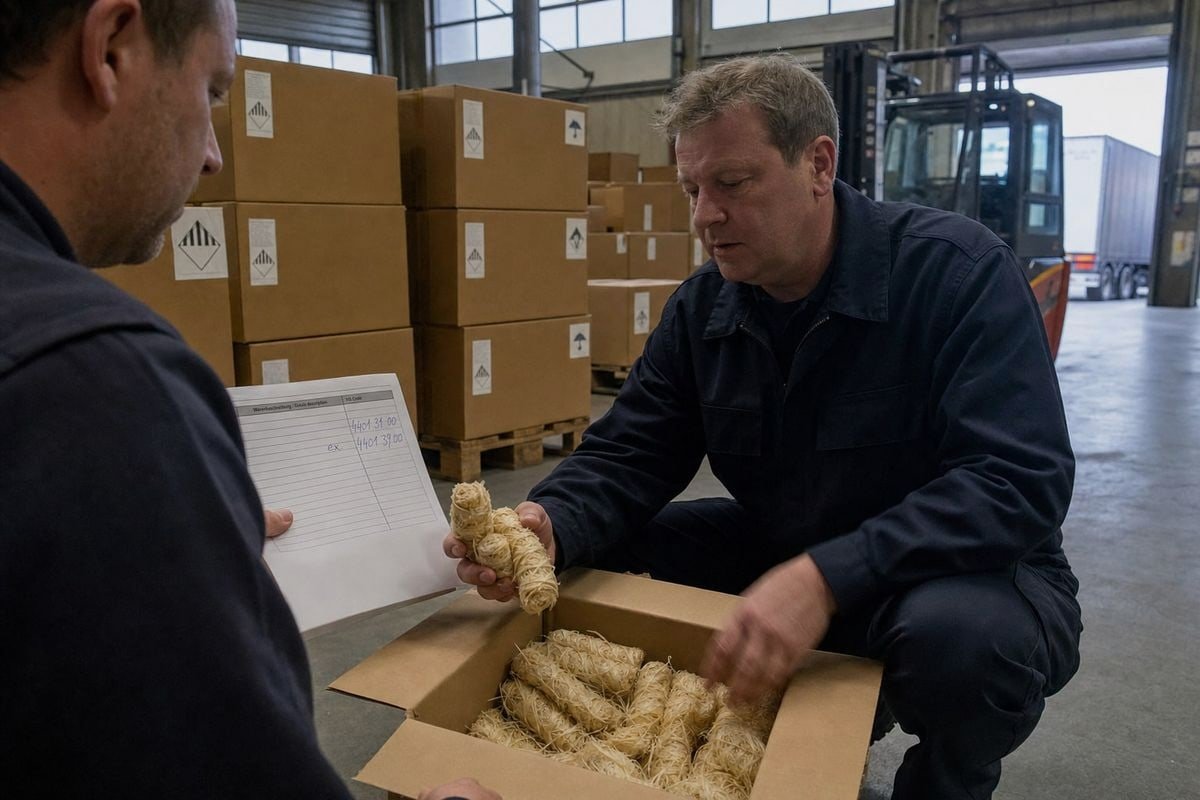
No existe un arancel universal único para los iniciadores de fuego de madera, y cualquiera que le cotice un número fijo está simplificando demasiado. Regulación de Deforestación de la UE 4. El arancel depende de tres cosas: de qué está hecho el producto, qué código aduanero se aplica y dónde lo está importando.
Nuestros rollos de madera encerados, por ejemplo, son 50% fibra de madera y 50% parafina. Esa mezcla importa. Un producto de pura lana de madera puede caer bajo el Capítulo 44 como artículo de madera. Una vez que la cera o la parafina se convierte en un componente definitorio, algunas autoridades aduaneras tratan el producto como un encendedor preparado bajo el Capítulo 36. Los dos caminos conllevan diferentes tasas base y, en los EE. UU., diferente exposición a los aranceles adicionales de la Sección 301 sobre productos de origen chino.
Las principales capas de costos a verificar
Cuando preparamos la documentación de exportación para los compradores, los guiamos a través de la pila completa de costos de llegada, no solo de la línea de aranceles:
| Capa de costo | Qué lo impulsa | Quién lo controla |
|---|---|---|
| Precio de fábrica | Materiales, mano de obra, volumen del pedido | Proveedor |
| Flete interior y manipulación portuaria | Ubicación de la fábrica, congestión portuaria | Proveedor y transitario |
| Flete marítimo 5 | Corredor, temporada, disponibilidad de contenedores | Transitario |
| Arancel de importación base | Clasificación SA, acuerdos comerciales | Aduana de destino |
| Sección 301 / derechos antidumping 6 | Origen y código del producto (EE. UU./UE) | Política de destino |
| IVA / GST | Normas fiscales de destino | Gobierno de destino |
Pasos prácticos antes de realizar el pedido
- Pregunte al proveedor el código SA exacto que declara en los documentos de exportación.
- Haga que su propio agente de aduanas confirme la clasificación del lado de la importación. Los códigos de exportación e importación no siempre coinciden.
- Solicite una resolución vinculante si el producto se encuentra entre las categorías de madera y encendedor.
- Modele el costo de llegada a ambas tasas de aranceles posibles antes de comprometerse con el volumen.
En nuestra experiencia exportando a EE. UU., Alemania, Reino Unido y Francia, los compradores que verifican la clasificación por adelantado nunca enfrentan las sorpresas de mitad de despacho que perjudican a los no preparados.
¿Cómo se compara la capacidad de fabricación china con otras regiones de abastecimiento para el volumen de mi pedido?
Diecisiete años en esta industria me han demostrado un patrón constante: cuando un minorista necesita contenedores de 40 pies llenos a tiempo, la conversación de abastecimiento casi siempre vuelve a los clústeres de fábricas de China.
Las fábricas chinas de iniciadores de fuego de madera operan a escalas que otras regiones rara vez igualan — algunas tienen capacidades de 500.000 piezas por mes, y China tiene aproximadamente el 61% de la cuota de exportación mundial de iniciadores de fuego. Vietnam y Europa del Este ofrecen alternativas, pero con una menor profundidad de proveedores y cadenas de materias primas menos consolidadas.
Aquí hay una comparación rápida de cómo se comparan las principales regiones de abastecimiento para un pedido B2B típico:
| Región de Abastecimiento | Capacidad Típica | Costo Unitario | Flexibilidad de MOQ | Riesgo clave |
|---|---|---|---|---|
| China (clústeres de Zhejiang, Guangdong, Hunan) | Muy alta; las fábricas grandes listan 500,000 unidades/mes | Bajo | Alto — escala de prueba a contenedor | Exposición de tarifas y clasificación |
| Vietnam / Camboya | Crecimiento a través de la expansión "China+1" | Bajo a medio | Medio | Cadena de suministro de madera de desecho menos madura |
| Europa del Este | Moderado | Medio | Medio | Abastecimiento fragmentado de materias primas |
| Mercado nacional de EE. UU. / Europa Occidental | Bajo a moderado | Alto | Bajo | Escala limitada para programas minoristas |
Por qué la capacidad de China es profunda
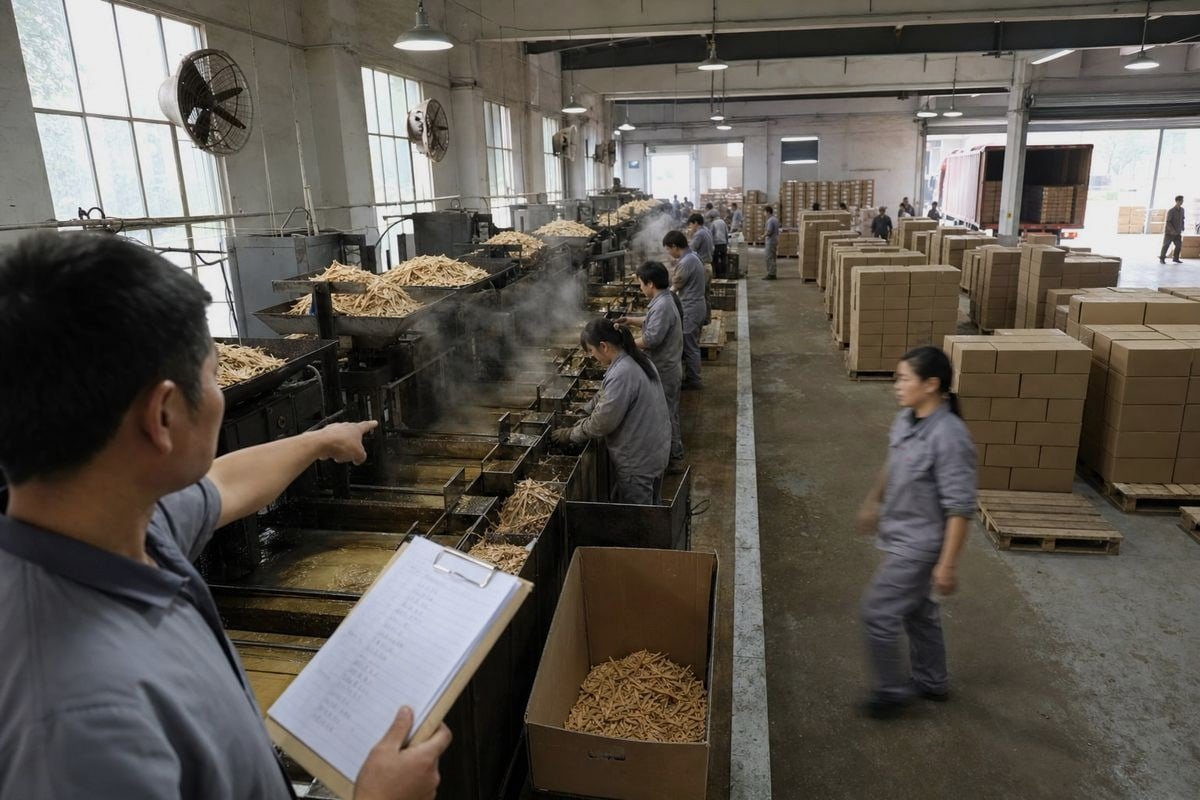
La historia de la capacidad no se trata solo de máquinas grandes. Se basa en toda la cadena detrás de la fábrica. La producción de encendedores de fuego de China se basa en un enorme ecosistema de procesamiento de madera 7. Serrín, virutas y recortes de aserraderos y fábricas de muebles alimentan directamente la producción de encendedores de fuego. Este uso circular de los residuos de madera otorga a los productores chinos una ventaja en el costo de las materias primas que las cadenas de suministro menos consolidadas en Vietnam o Europa del Este luchan por igualar.
Nuestra propia configuración refleja esta estructura. Tenemos nuestra sede en Liuyang, Hunan — el clúster de productos contra incendios de China — con líneas de producción en Ningbo, Zhejiang, cerca de uno de los puertos de exportación más activos del mundo. Esa geografía es típica de cómo se organiza la industria: materias primas, procesamiento, recubrimiento de cera, empaque y acceso al puerto se encuentran dentro de un radio eficiente.
Una nota de sano escepticismo
Seré honesto sobre una cosa. Las listas de capacidad en línea son afirmaciones de marketing, no cifras auditadas. Algunos proveedores publican números enormes para ganar consultas. Cuando los compradores visitan nuestras instalaciones de Ningbo, les mostramos líneas en funcionamiento, registros de lotes e historial de envíos, porque la capacidad publicada no significa nada hasta que vea cómo se mantiene bajo un programa de producción real. Trate las capacidades publicadas como indicativas y verifique antes de confiar en ellas.
¿Pueden los proveedores chinos satisfacer mis necesidades de tiempo de entrega y escalabilidad durante la temporada alta?
Cada agosto, nuestro programa de producción en Ningbo se llena rápidamente. La demanda del invierno del hemisferio norte impulsa el calendario de toda la industria, y los compradores que reservan tarde aprenden de la manera difícil lo que significa la temporada alta.
Sí — los proveedores chinos establecidos pueden cumplir los plazos de entrega de temporada alta y escalar, pero solo con reservas anticipadas. La demanda de iniciadores de fuego alcanza su punto máximo antes del invierno del hemisferio norte, por lo que los pedidos realizados a finales del verano aseguran espacios de producción y de buques; los pedidos tardíos corren el riesgo de retrasos por fábricas llenas y puertos congestionados.

La cuestión del plazo de entrega se divide realmente en dos partes: tiempo de producción y tiempo de tránsito. Ambos se comprimen o se estiran según la temporada.
El ritmo estacional en torno al cual debe planificar
La demanda de encendedores de fuego en EE. UU. y la UE alcanza su punto máximo en otoño e invierno. Eso significa que los volúmenes de producción y exportación aumentan en los meses anteriores. Aquí está el calendario de planificación que seguimos con nuestros distribuidores:
| Plazo | Qué sucede | Qué debes hacer |
|---|---|---|
| Marzo – Mayo | Las fábricas tienen capacidad abierta | Ejecute pedidos de prueba, finalice el empaque y las ilustraciones de marca privada |
| Junio – Agosto | Los pedidos de temporada alta bloquean los espacios de producción | Confirme los volúmenes de la temporada principal y reserve el flete |
| Septiembre – Octubre | Fábricas a plena producción; puertos ocupados | Envíe contenedores; los retrasos son costosos ahora |
| Noviembre – Enero | Venta minorista en los mercados de destino | Revise el rendimiento, planifique nuevos pedidos |
Lo que requiere una escalabilidad genuina
La escalabilidad no son solo máquinas de repuesto. En nuestros más de 17 años operando líneas de productos contra incendios, hemos descubierto que tres cosas determinan si un proveedor puede realmente aumentar su capacidad durante los meses pico. Primero, contratos de materias primas: la fibra de madera y la parafina deben asegurarse con anticipación, o la producción se detiene sin importar cuántos trabajadores agregue. Segundo, control de calidad lote a lote: escalar rápidamente sin un control de calidad estricto produce tiempos de combustión inconsistentes, y tiempos de combustión inconsistentes producen devoluciones. Tercero, coordinación logística: un contenedor terminado que pierde su barco pierde una o dos semanas al instante.
El flete marítimo agrega de cuatro a seis semanas a Europa o América del Norte además del tiempo de producción. Por lo tanto, un cronograma realista de temporada alta, desde el pedido confirmado hasta los productos en su muelle, a menudo dura de 8 a 12 semanas. Los compradores que tratan eso como la línea de base, no el peor de los casos, rara vez se enfrentan a estantes vacíos en noviembre.
Un consejo práctico más: pregunte a su proveedor cómo manejan los pedidos de prueba antes de la temporada alta. Mantenemos deliberadamente los MOQ flexibles para los compradores primerizos en primavera, porque una pequeña prueba en abril les dice a ambas partes todo lo que necesitan saber antes de comprometerse con los contenedores de otoño.
¿Cómo verifico el cumplimiento y los estándares de calidad al comparar proveedores de iniciadores de fuego de leña?
Un comprador del Reino Unido me dijo una vez que los "certificados" de su proveedor anterior resultaron ser prestados de otra fábrica. Su envío fue retenido, su lanzamiento minorista se retrasó una temporada y su cliente se fue. Los fallos de cumplimiento rara vez son baratos.
Verificar proveedores solicitando certificados ISO 9001 y BSCI actuales, informes de prueba SGS o Intertek específicos del producto y documentación CE cuando corresponda, luego confirmar los números de certificado con el organismo emisor. Para importaciones a la UE, también verificar la preparación para los requisitos de trazabilidad de madera de la EUDR y el etiquetado de advertencia correcto.
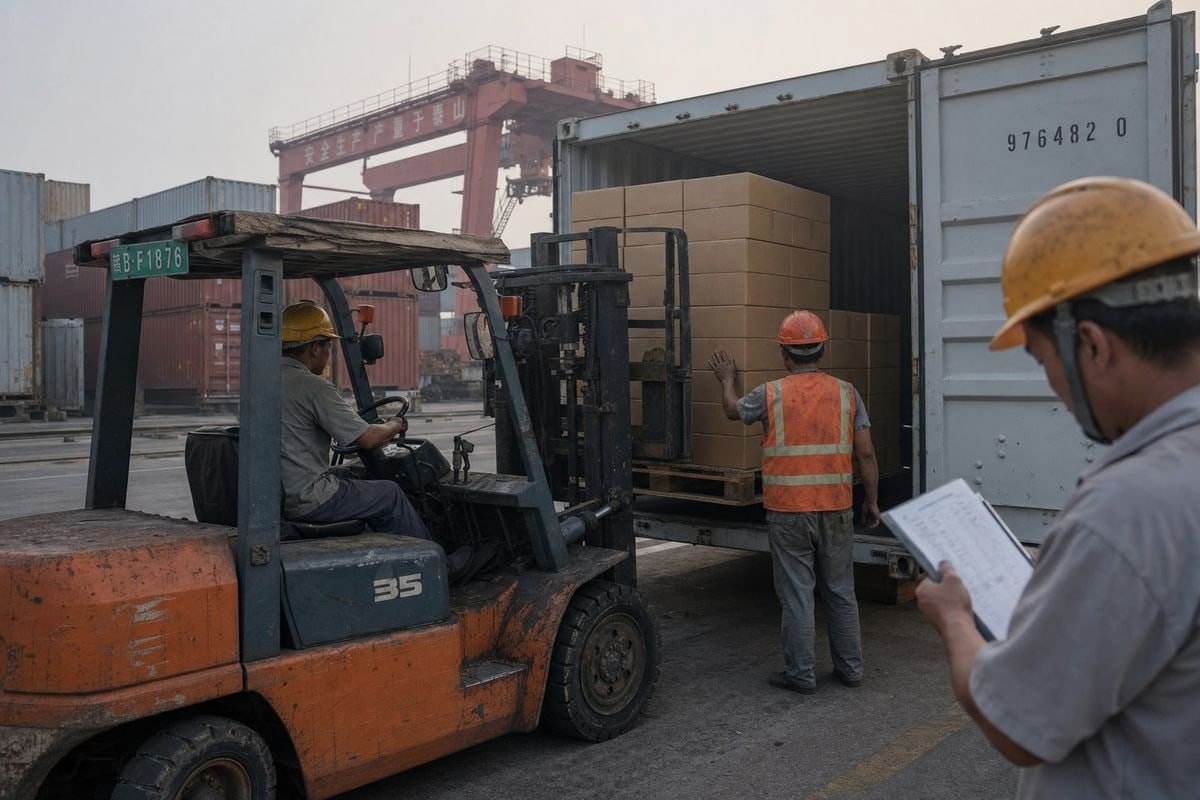
El cumplimiento es donde los proveedores baratos y los proveedores confiables se separan más rápido. Un encendedor de fuego es un producto de combustión que va a los hogares de los consumidores, chimeneas y campamentos. Los minoristas lo saben, y sus equipos de abastecimiento tratan la documentación como una puerta de entrada dura, no como una preferencia. Los nuestros también: cada comprador al que servimos en EE. UU., Alemania y Francia solicita informes de prueba antes de solicitar una segunda cotización de precio.
La lista de verificación de verificación que recomendamos
Trabaje a través de estos pasos en orden, y no omita el último:
- Solicite los certificados del sistema de calidad de la fábrica — ISO 9001 para gestión de calidad, BSCI para cumplimiento social.
- Pregunte por informes de prueba específicos del producto de laboratorios reconocidos como SGS o Intertek, no solo autodeclaraciones de fábrica.
- Verifique que los informes coincidan con el producto real — misma composición, misma especificación de combustión, fecha de emisión reciente.
- Confirme los números de certificado directamente con el organismo emisor. Existen certificados fraudulentos o prestados en esta industria.
- Pida una muestra y compárela con el lote de producción en masa más tarde. La primera muestra de una fábrica seria refleja de manera confiable la calidad a granel; la de una fábrica débil no.
Los artículos de cumplimiento que los compradores pasan por alto con mayor frecuencia
Dos áreas confunden a los importadores que se centran solo en los certificados. La primera es el etiquetado: las etiquetas de advertencia, los códigos de barras y los requisitos de idioma difieren según el mercado, y las cadenas minoristas rechazan envíos por advertencias faltantes. Creamos etiquetas de advertencia y códigos de barras personalizados en el empaque en la etapa de diseño precisamente por esta razón. La segunda es la Regulación de Deforestación de la UE 8. La EUDR introduce requisitos de trazabilidad y documentación para las importaciones de madera a Europa. Es un costo de cumplimiento emergente que muchas comparaciones de aranceles ignoran, y los proveedores sin documentación de origen de madera tendrán dificultades para apoyar a los compradores de la UE a medida que se intensifica la aplicación.
La composición ecológica también es importante. Los compradores preguntan cada vez más qué hay realmente en el producto. Nuestros iniciadores de fuego utilizan fibra de madera y cera sin productos químicos nocivos, y respaldamos esa afirmación con informes de laboratorio, porque en esta categoría, "confía en mí" no es una estrategia de cumplimiento.
Conclusión
Comprar iniciadores de fuego a ciegas conlleva el riesgo de shocks arancelarios, temporadas perdidas y envíos rechazados. La cadena de suministro de iniciadores de fuego de madera de China ofrece una capacidad inigualable, pero solo la clasificación verificada, la reserva anticipada y los proveedores certificados protegen su margen. Habiendo enviado productos de fuego compatibles de marca privada a más de 30 países durante más de 17 años, sabemos la diferencia que marca un socio preparado. Verifique primero, luego escale.
Notas al pie
Explica la base legal de los aranceles de EE. UU. mencionados repetidamente en el artículo ↩︎
Referencia oficial de los capítulos de clasificación del Sistema Armonizado discutidos ↩︎
Fuente autorizada que explica el mecanismo arancelario de la Sección 301 de EE. UU. sobre las importaciones chinas. ↩︎
Fuente oficial de la UE que detalla los requisitos de trazabilidad de la madera de la EUDR mencionados en el artículo. ↩︎
Antecedentes sobre el método de envío que afecta los plazos de entrega discutidos en el artículo ↩︎
WTO expl


 English
  Spanish
  German
  French
  Arabic
  Portuguese
Únete a la conversación