







Assessing educational costs for marketing wood fire starters nearly broke one of our early export deals Marcado CE 1. The buyer budgeted for ads, then discovered labeling, training, and compliance content ate the margin first.
Assess educational costs for marketing wood fire starters by region: map consumer awareness, price sensitivity, compliance rules, and channel structure per market, then budget certification, localized labeling, retailer training, demos, and support content as separate line items — not as one global marketing figure.
That sounds simple. In practice, each region hides different costs. Below, I break the question into four buyer-critical areas, using real numbers and export lessons from 30+ markets.
What compliance and certification requirements should I budget for when marketing wood fire starters in different countries?
Seventeen years of shipping fire products taught our team one hard rule: compliance is the first educational cost, because every label, claim, and instruction sheet must be legally defensible before it can teach anyone anything flammability testing 2.
Budget for region-specific certifications first: CE marking and REACH-aligned documentation for the EU, ASTM-referenced flammability testing and CPSC labeling expectations for the US, plus third-party test reports (SGS or Intertek) that retailers demand. Expect $2,000–$15,000 per market depending on scope.
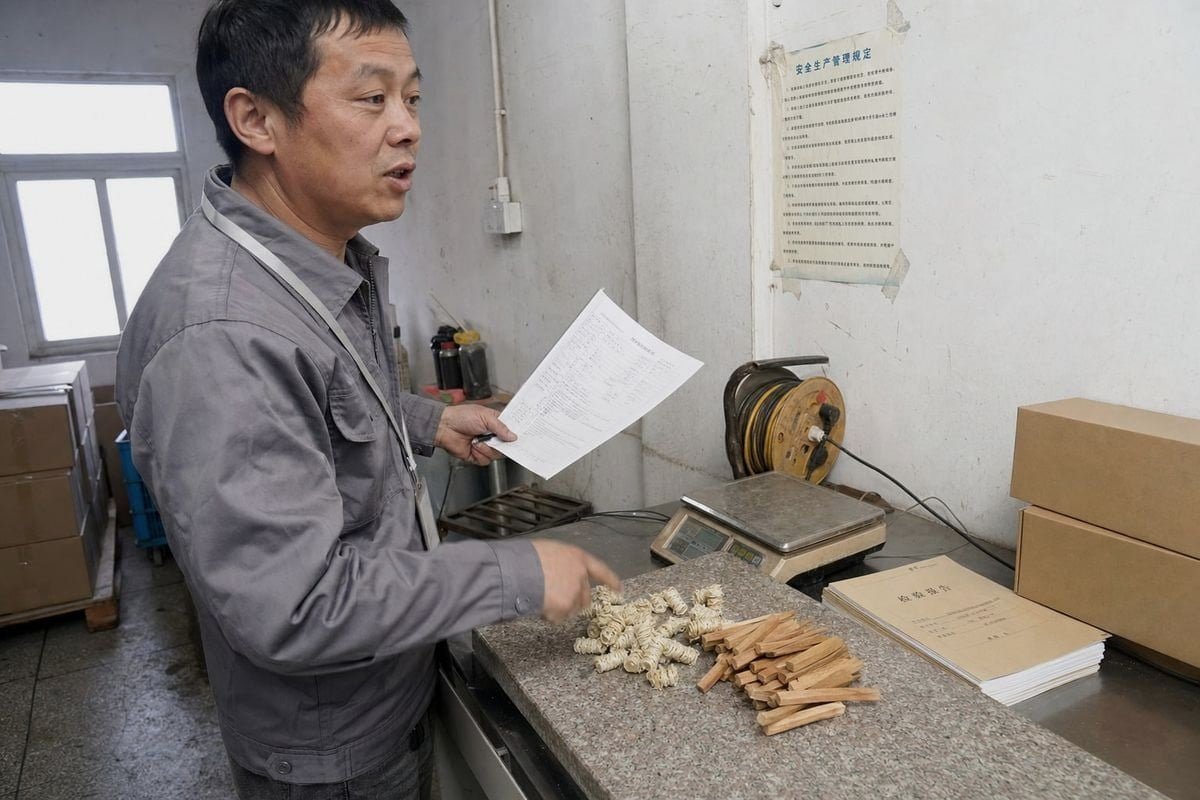
Compliance costs split into three buckets, and buyers often only budget for the first one.
The three compliance buckets
First, product testing. Fire starters made from fibra de madera 3 and wax need burn-behavior tests 4, composition verification, and sometimes packaging flammability checks. In our experience, EU-bound shipments face the deepest scrutiny. German and French distributors routinely ask for informes SGS o Intertek 5 before they even discuss pricing. US buyers focus more on retailer-specific requirements, especially for Home Depot–type channels.
Second, documentation. Test reports expire or become outdated when formulations change. If you switch wax suppliers or adjust the wood-fiber ratio, some markets require re-testing. That is a recurring cost, not a one-time fee.
Third, the educational layer built on top. Once certified, you must explain the certification to distributors, retailers, and end consumers. That means compliance summaries, retailer onboarding sheets, and FAQ content — all localized.
Typical budget ranges by market
| Mercado | Core requirements | Typical first-entry cost | Recurring cost driver |
|---|---|---|---|
| UE (Alemania, Francia, Países Bajos) | CE-relevant testing, REACH documentation, eco-claim substantiation | $5,000–$15,000 | Eco-claim rule updates, re-tests |
| EE. UU. / Canadá | ASTM-referenced tests, retailer compliance packets, bilingual labels (Canada) | $3,000–$10,000 | Retailer audit refresh |
| Reino Unido | UKCA-aligned documentation 6 post-Brexit | $2,500–$8,000 | Divergence from EU rules |
| Australia | ACCC-aligned safety labeling | $2,000–$6,000 | Import batch checks |
| Oriente Medio | Conformity certificates, Arabic labeling | $2,000–$7,000 | Country-by-country variation |
Nuestra fábrica tiene ISO 9001 7, BSCI, and CE certification with standing SGS and Intertek relationships, so buyers sourcing from us skip some of these costs. But you should still budget for market-side registration and retailer paperwork on your end.
How do regional safety labeling and warning standards affect my total marketing and packaging costs?
A Polish distributor once returned an entire packaging run to us — not for quality, but because the warning text size was two millimeters too small under local interpretation. That single lesson reshaped how we quote private-label projects.
Regional labeling standards can add 15–30% to packaging costs through mandatory warning text, pictograms, language requirements, and layout constraints. Multi-language markets like Canada and the EU cost the most, since each SKU may need separate artwork, legal review, and print plates per country.
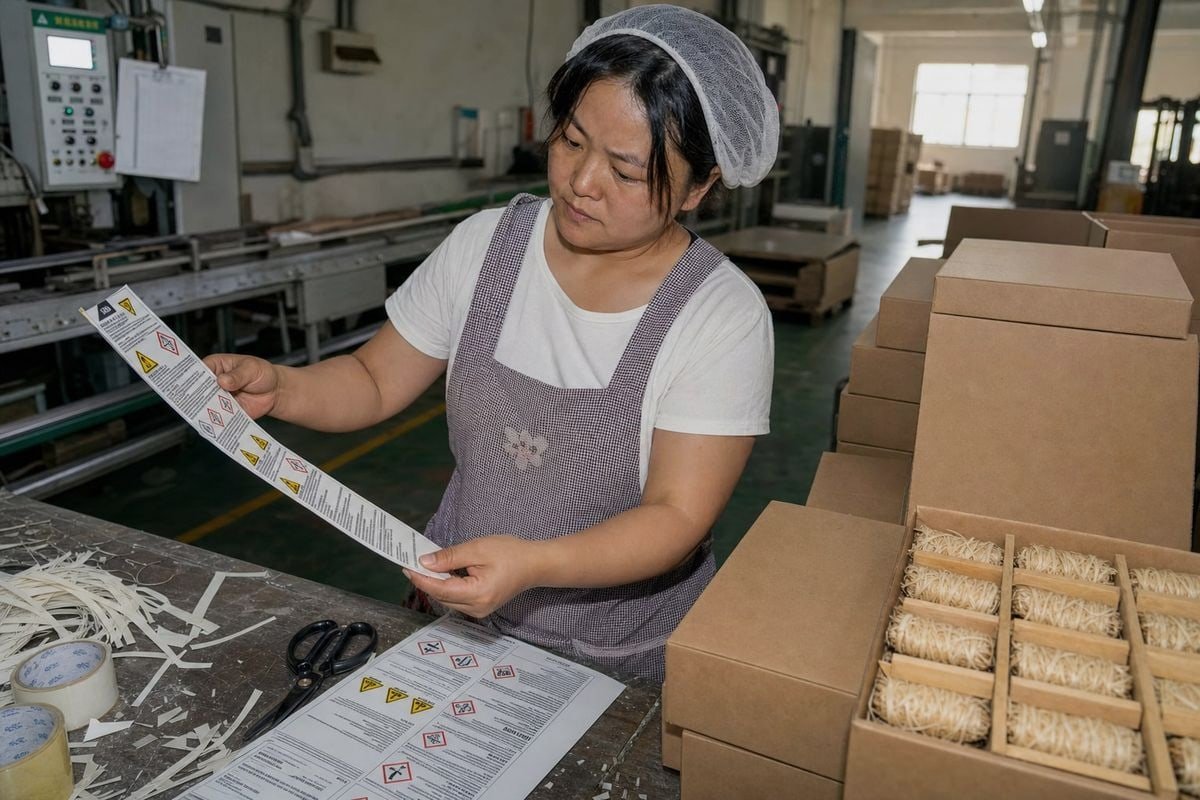
Labeling is where marketing and law collide. Your package is your cheapest educational tool. It teaches the consumer how to use the product safely. But regulators control what it must say, in which language, at what size, and sometimes in what position.
Where the costs actually come from
Design costs multiply per market. One master design becomes five or six regional variants. Each variant needs translation, legal review, and often a local-market check by your distributor. Print costs rise too. Short runs of country-specific packaging cost more per unit than one global run.
Then there are structural constraints. Warning blocks eat space you wanted for branding. In some EU markets, environmental claims like "eco-friendly" or "natural" now require substantiation on-pack or via a linked source. Get that wrong, and you face relabeling costs or shelf removal — far more expensive than doing it right upfront.
Cost comparison across common label scenarios
| Escenario | Languages needed | Artwork variants | Relative packaging cost |
|---|---|---|---|
| US-only launch | Inglés | 1 | Base |
| US + Canada | Inglés + francés | 2 | +15–20% |
| EU multi-country | 3–5 languages | 3–5 or combined | +20–30% |
| Oriente Medio | Árabe + inglés | 1–2 | +10–20% |
At our Ningbo production site, we pre-build warning labels, barcodes, and country-compliant artwork into OEM projects, because fixing labels after printing is the single most common avoidable cost we see importers absorb. My advice: treat label compliance as an education budget line, decided before design, not after.
When we localized our wax-dipped wood roll instructions for Brazil, we assumed translation was the job. It wasn't. Fire-use culture there centers on churrasco grilling, not fireplaces — so the entire visual story had to change.
Expect hidden costs in cultural adaptation (not just translation), video re-shoots for local fire-use contexts, higher customer-support volume in low-awareness markets, distributor training time, seasonal content refreshes, and skepticism-fighting proof content — often 30–50% above your initial localization estimate.

Hidden costs cluster around one core problem: low product familiarity forces you to teach more, and teaching more costs more. Market research on natural firelighters shows they carry roughly a 35–50% price premium over petroleum-based options, and around 42% of consumers still associate green fire starters with weaker performance. That perception gap is your education bill.
The costs nobody puts in the first budget
- Cultural re-framing. North American content shows campfires. European content shows wood stoves and fireplaces. Latin American content works better around BBQ and affordability. Same product, three different stories, three content budgets.
- Video and demo re-production. How-to videos with foreign kitchens, wrong plug types, or unfamiliar fireplaces reduce trust. Re-shooting for local context is a real line item.
- Customer support inflation. In markets where fewer than 12% of category sales go to natural firelighters — parts of Southeast Asia and Latin America — support tickets and pre-sale questions spike. Budget support hours per unit sold, not as a flat overhead.
- Distributor and retailer education. Your channel partners must explain the product before consumers ever see it. Training decks, sample kits, and in-store demo materials are recurring costs.
- Proof content. Burn-time comparisons, side-by-side ignition demos, and certification explainers cost money to produce but directly attack the performance-skepticism problem.
- Seasonal refresh. Fire starter demand swings with climate. Content built for autumn fireplace season needs a summer camping variant in most markets.
A practical rule from our export work: whatever you estimate for localization, hold 40% more in reserve for these second-wave costs. New markets always reveal one educational gap you didn't predict.
How can I compare supplier documentation and test reports to estimate true regional market-entry costs?
Purchasing managers who visit our Liuyang headquarters usually ask about price in the first hour. The smart ones spend the second hour reading our test reports — because that document stack predicts their real market-entry cost better than any quote does.
Compare suppliers by requesting current SGS or Intertek test reports, ISO 9001 and BSCI certificates, CE documentation, and batch QC records. Suppliers with complete, up-to-date files can cut your market-entry compliance and education costs by 30–60%, since you avoid duplicate testing and relabeling.
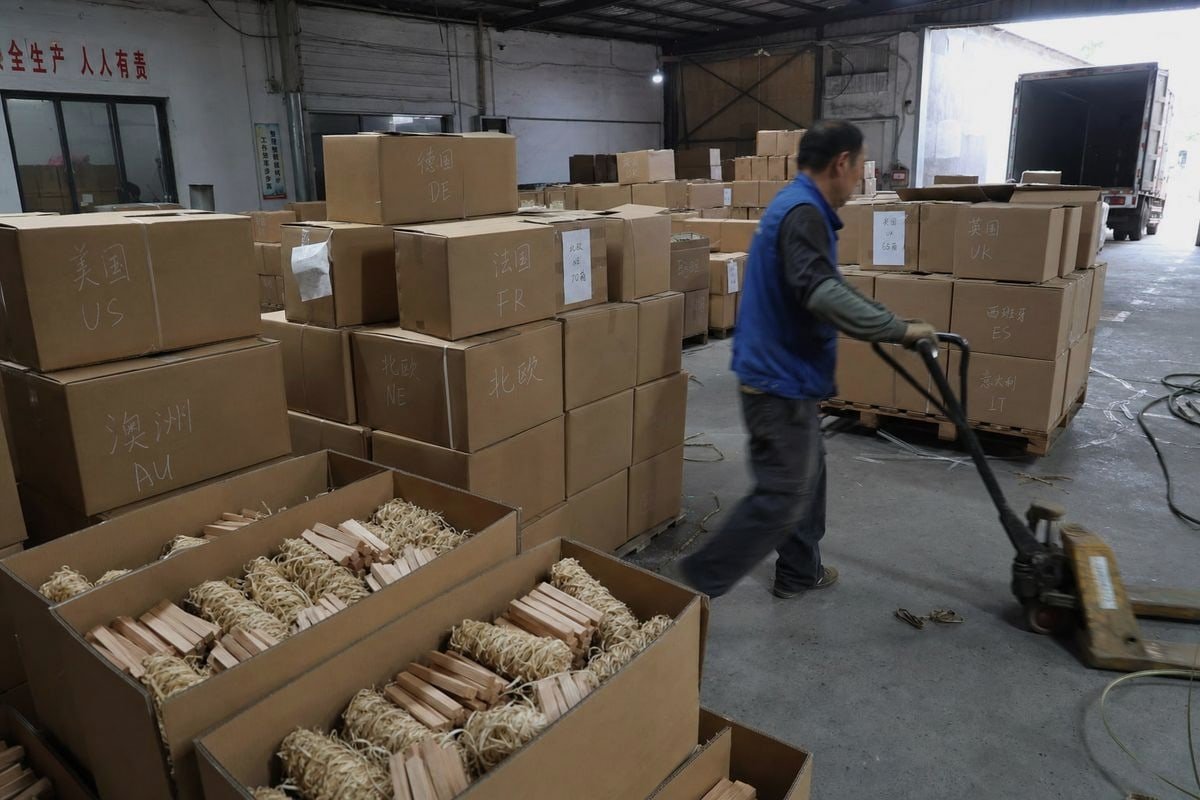
A supplier's documentation quality is a cost forecast. Weak paperwork means you pay for testing, relabeling, and re-education later. Strong paperwork means much of the compliance education is already done for you.
A practical document-comparison checklist
| Documento | Lo que te dice | Cost impact if missing |
|---|---|---|
| SGS / Intertek test report (current) | Product meets destination-market testing needs | $3,000–$10,000 in duplicate testing |
| Certificado ISO 9001 | Batch-to-batch consistency is systematized | Returns, re-inspection, quality disputes |
| Auditoría BSCI | Retail chains will accept the factory ethically | Lost big-box listings |
| Documentación CE | EU shelf-readiness | Border holds, relabeling |
| Composition declaration (e.g., wood fiber/paraffin ratio) | Label accuracy and eco-claim support | Legal exposure on claims |
| Registros de control de calidad del lote | First sample matches mass production | Mid-contract quality drift |
Turning documents into a budget estimate
Use a simple three-step method. First, list every document your target market and retailer require. Second, mark which ones the supplier already holds in current, valid form. Third, price the gaps: each missing report equals a testing fee, a delay cost, and often an education cost, since you must explain the gap to your channel partners.
One more nuance from our side of the table. Ask whether the supplier's first sample genuinely reflects mass production. Our production lines in Ningbo run strict batch controls precisely so that a buyer's compliance file stays valid across reorders. A supplier whose product drifts between batches quietly invalidates your test reports — and that is the most expensive hidden cost of all.
Conclusión
Educational costs for marketing wood fire starters are regional, not global. Budget compliance, labeling, localization, and supplier documentation per market — and partner with factories whose paperwork already carries part of that load.
Notas al pie
1. Official EU source explaining CE marking requirements for product compliance. ↩︎
2. ASTM standards govern flammability testing referenced for US market compliance. ↩︎
3. Background concept explaining the raw material composition of wood fire starters. ↩︎
4. ASTM International sets standardized flammability and burn-behavior test methods referenced for compliance. ↩︎
5. SGS is a leading third-party testing and certification body cited for verifying export compliance documentation. ↩︎
6. Official UK government guidance on UKCA marking post-Brexit compliance requirements. ↩︎
7. ISO 9001 is the official quality management standard referenced for supplier certification. ↩︎


 English
  Spanish
  German
  French
  Arabic
  Portuguese
Únete a la conversación