






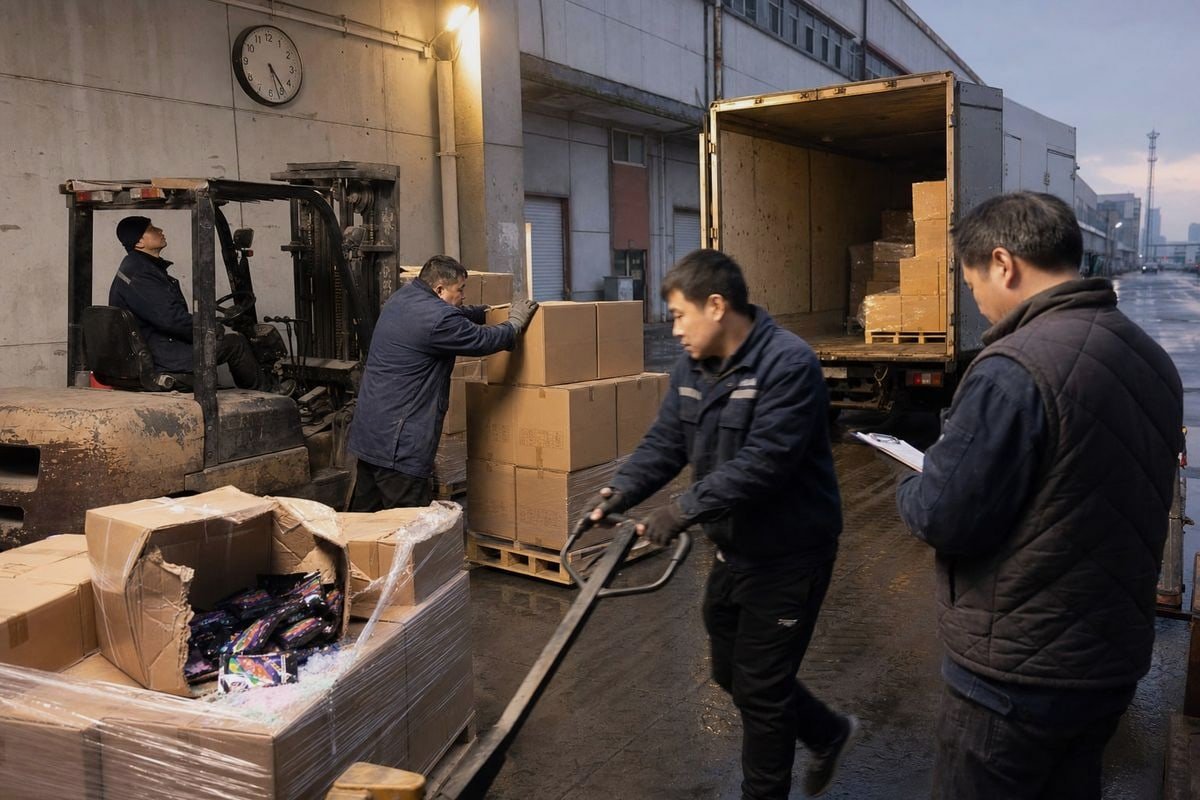
Every autumn, our Ningbo [production line races the calendar](https://sunrichfire.com/how-plan-wood-fire-starter-manufacturing-timelines-around-amazon-peak-season-deadlines/). Emergency air freight decisions decide whether our buyers' Magic Fire listings survive peak season or lose rank overnight. One stockout can erase months of momentum.
Arrange emergency air freight by setting pre-agreed trigger thresholds, classifying rank-critical SKUs in advance, booking air cargo capacity 2–3 weeks early through multiple forwarders, preparing complete customs documents before tender, and slowing sales velocity with ad throttling until the urgent shipment lands.
That is the short answer. The longer answer is a playbook. Below, I break down each step so you can act fast without paying panic prices or triggering customs delays.
How do I decide when a delayed shipment justifies switching to emergency air freight?
Last November, a German distributor called me in a panic. His ocean container of color-flame packets was stuck outside Hamburg, and his fireplace-season listing had nine days of stock left. We had to decide fast.
Switch to emergency air freight when projected inventory cover falls below your air transit time plus buffer, when the delayed SKU is high-margin and rank-critical, and when the lost-sales and rank-recovery cost clearly exceeds the air freight premium.

The decision should never feel like a coin flip. In our experience exporting to 30+ countries, the sellers who protect their Best Sellers Rank protection year after year use objective triggers, not gut feeling. Panic decisions during a supply chain disruption 1 almost always cost more than planned ones.
Set trigger thresholds before peak season starts
Write your rules down in September, not in the middle of a crisis. A simple rule works well: when your replenishment lead time gets dangerously close to your remaining days of inventory cover, air freight stops being optional. For our Magic Fire buyers, that usually means a threshold of 21–25 days of supply for hero SKUs during Q4.
Run the margin math honestly
Compare two numbers. First, the air freight premium per unit. Second, the true cost of a stockout: lost sales, lost buy box share, rank decay, and the ad spend needed to claw the listing back. For a high-velocity seasonal item like a color-flame packet, rank recovery after a two-week stockout can take six to eight weeks. That math usually favors flying the goods.
Use urgency tiers, not all-or-nothing thinking
Not everything needs to fly. Classify shipments into tiers and apply pre-approved routing rules to each.
| Nivel | Shipment type | Response |
|---|---|---|
| Nivel 1 | Rank-critical hero SKU, imminent stockout | Immediate air uplift, direct flight if possible |
| Nivel 2 | Important SKU, moderate delay tolerance | Flexible air routing or air-sea hybrid |
| Nivel 3 | Bulk or delay-tolerant stock | Keep on ocean, adjust promotions instead |
One objection I hear often: "Air freight destroys my margin, so I never use it." That thinking treats air as a default mode rather than a surgical tool. Used selectively on 10–15% of a batch, it is inventory stockout prevention insurance, not a cost center. The German buyer flew 800 kg of Tier 1 stock, kept the rest on the water, and his listing never went dark.
What documents and lead times does my supplier need to prepare for a fast air freight booking?
A trade-off we weigh at our Liuyang headquarters every October: pre-print documentation for orders that might fly, or wait for confirmation? We now pre-prepare paperwork for every peak-season order, because document delays kill more "emergency" shipments than flight availability does.
Your supplier needs a commercial invoice, packing list, accurate HS codes, safety data sheets, air waybill details, and any product test reports ready before cargo tender. Book air cargo capacity 6–7 days ahead for routine moves and 14–21 days ahead during peak season.

Here is the uncomfortable truth about freight forwarder lead times during peak season: the flight is rarely the bottleneck. The paperwork is. When a booking fails, it is usually because a document was missing, an Código HS 2 was wrong, or the cargo-ready date slipped after space was already confirmed.
The document checklist your supplier should hold ready
| Documento | Why it matters for air freight | When to prepare |
|---|---|---|
| Factura comercial | Customs valuation; errors trigger holds | Before production ends |
| Lista de empaque | Matches physical cargo to declaration | At packing stage |
| HS / HTS codes | Wrong codes add 3–5 days of delay | At order confirmation |
| Test reports / SDS | Required for chemical-adjacent goods | Kept on file year-round |
| Air waybill data | Enables booking before cargo is final | 7+ days before tender |
| Certificates (CE, SGS) | Proves compliance at destination | Kept current, batch-linked |
For our color-flame products, we keep SGS and Intertek reports batch-linked and ready to send within hours. That single habit has saved buyers multiple peak-season bookings.
Lead times that actually hold during peak season
Routine air planning works on a 6–7 day window before the cargo-ready date. Peak season is different. Air cargo capacity 3 tightens sharply from October onward, and carriers prioritize contract holders. Book 14–21 days ahead to avoid being rolled, and reserve space 4–8 weeks out for shipments you already know are critical. Yes, that sounds contradictory for an "emergency." It is not. The teams that execute emergency air freight successfully reserved optionality months earlier—weekly rolling forecasts shared with their forwarder, provisional bookings, and flexible allocations they can activate in 24 hours.
Communicate one clear required delivery date
Give your forwarder a single required delivery date and a shipment priority level. Vague urgency ("as fast as possible") gets vague results. A concrete date lets the forwarder pick between direct flights, consolidated air, and hybrid routing intelligently.
How can I keep my product listing rank stable while waiting for an urgent shipment to arrive?
A US camping brand we supply taught me this lesson. Their Magic Fire listing hit low stock in early December, and instead of letting it sell out, they deliberately slowed sales. Their rank barely moved.
Protect listing rank by throttling PPC spend to slow velocity, raising price modestly to stretch remaining stock, updating handling times honestly, avoiding a full stockout at all costs, and resuming promotion aggressively the moment the air shipment checks in.
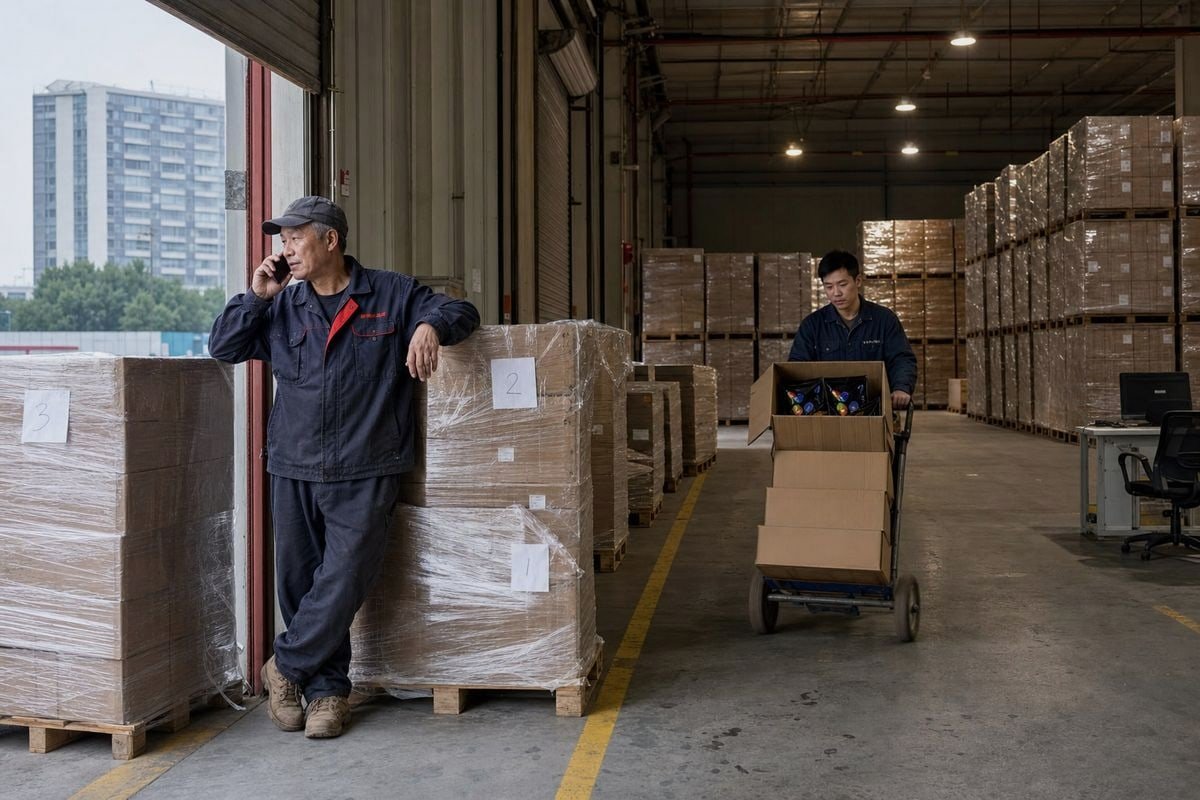
The core principle is simple: a slow listing recovers fast, but a dead listing resets. Marketplace algorithms punish out-of-stock status far more harshly than reduced velocity. So while your time-critical logistics team handles the shipment, your marketplace team should manage demand on the other end.
Slow the sell-through deliberately
Cut ad spend on the at-risk SKU first. Some sophisticated sellers integrate real-time freight tracking with their PPC tools so ad budgets throttle automatically the moment a shipment ETA slips. You do not need that level of automation to copy the idea manually. Reduce bids, pause top-of-search placements, and pull the SKU from deals. A moderate price increase of 5–10% also stretches inventory cover without collapsing conversion history.
Keep the replenishment pipeline visible
Para Amazon FBA replenishment 4, create the inbound shipment early and keep tracking data flowing. Real-time milestone alerts let you intervene the moment cargo stalls at a transit hub, instead of discovering the problem three days later. Some carriers provide EDI data to marketplaces that supports in-transit visibility, which helps the platform anticipate your restock.
Plan the relaunch before the plane lands
Door-to-door transit time is not the finish line. Budget for customs clearance, last-mile delivery to the fulfillment center, and check-in time. Then pre-load your recovery plan: restored ad budgets, restored pricing, and a coupon to reignite velocity. Sellers who treat arrival day as launch day recover rank in days. Sellers who wait passively lose weeks.
A structural fix worth considering: the rolling air-bridge model, where 10–15% of every production batch ships by air by default. We pack split shipments like this regularly for seasonal buyers. The air portion lands early and absorbs any ocean delay before it ever touches listing visibility.
Which certifications and compliance checks should I verify before rushing an air freight order to avoid customs delays?
Compliance questions are the first thing serious buyers ask us—before price, before MOQ. And with good reason: for fire-themed products, one missing test report can hold an "urgent" air shipment at customs longer than the ocean alternative would have taken.
Verify product safety test reports, correct HS classification, dangerous goods screening, destination-market certifications such as CE for Europe, accurate labeling and warning text, and supplier factory audits like BSCI before tendering any rush air freight order.
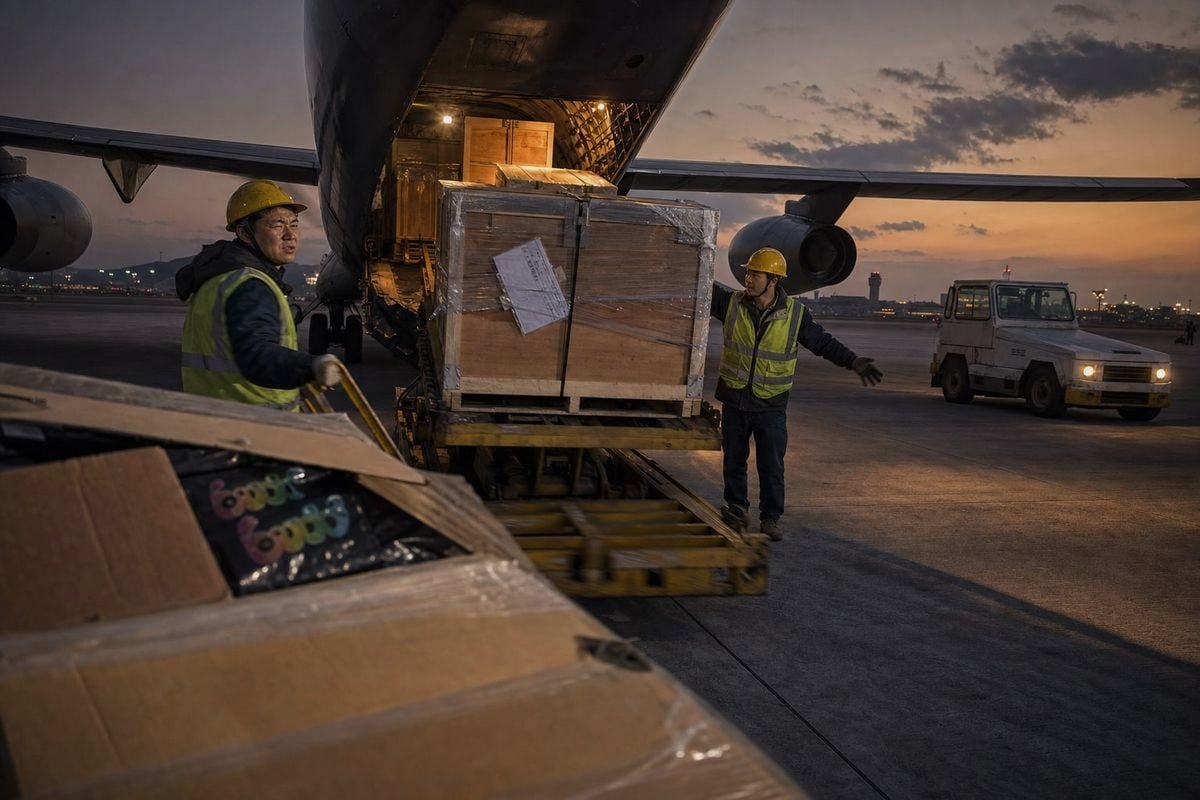
La proceso de despacho de aduanas 5 does not speed up because your shipment is urgent. Customs officers see paperwork, not deadlines. So compliance readiness is the difference between a 24-hour clearance and a week-long hold that defeats the entire purpose of flying the goods.
Match certifications to the destination market
Different markets demand different proof. Here is how we map it for our own product lines:
| Mercado | Key compliance checks | Common delay trigger |
|---|---|---|
| EE. UU. | SGS/Intertek test reports, correct HTS code, warning labels | Misclassified HTS code, missing SDS |
| UE (Alemania, Francia, Países Bajos) | CE marking, REACH-relevant test data, language-correct labels | Missing CE documentation |
| Reino Unido | UKCA/CE transition compliance, safety labeling | Outdated certification format |
| Canadá / Australia | Bilingual or local labeling, safety data sheets | Non-compliant warning text |
Screen for air-specific restrictions early
Air freight has stricter cargo rules than ocean. Anything remotely chemical-adjacent gets scrutiny. Our Magic Fire packets are made from materiales ecológicos 6 with no harmful chemicals, and we hold current SGS and Intertek reports precisely so buyers can present clean documentation for air uplift. Ask your supplier for the dangerous goods assessment 7 before you book, not after the cargo reaches the airport. A rejected tender at origin can cost you your reserved slot and push you back into the spot market—right when peak season surcharges are at their worst.
Verify the factory, not just the paperwork
Certificates can be outdated or borrowed. A supplier with ISO 9001 8 and BSCI audits, batch-to-batch quality control, and test reports tied to your actual production batch removes the risk that customs pulls samples and finds a mismatch. Over 17+ years of exports, the shipments that cleared fastest were always the ones where documentation, labeling, and physical product told exactly the same story.
Conclusión
Peak season punishes hesitation. A delayed container quietly becomes a dead listing, and rank recovery costs far more than freight ever will. The fix is a prebuilt playbook: clear triggers, tiered SKUs, early bookings, and flawless documents.
Working from our factory floor in Ningbo, I have watched buyers save entire seasons with one well-timed air shipment—and I have watched others lose Q4 to a missing test report. Set your thresholds now, split your shipments, keep compliance files current, and treat emergency air freight as a planned pathway rather than a panic button. Your listing rank will thank you in January.
Notas al pie
1. Background concept on supply chain dynamics relevant to the panic-



 English
  Spanish
  German
  French
  Arabic
  Portuguese
Únete a la conversación