






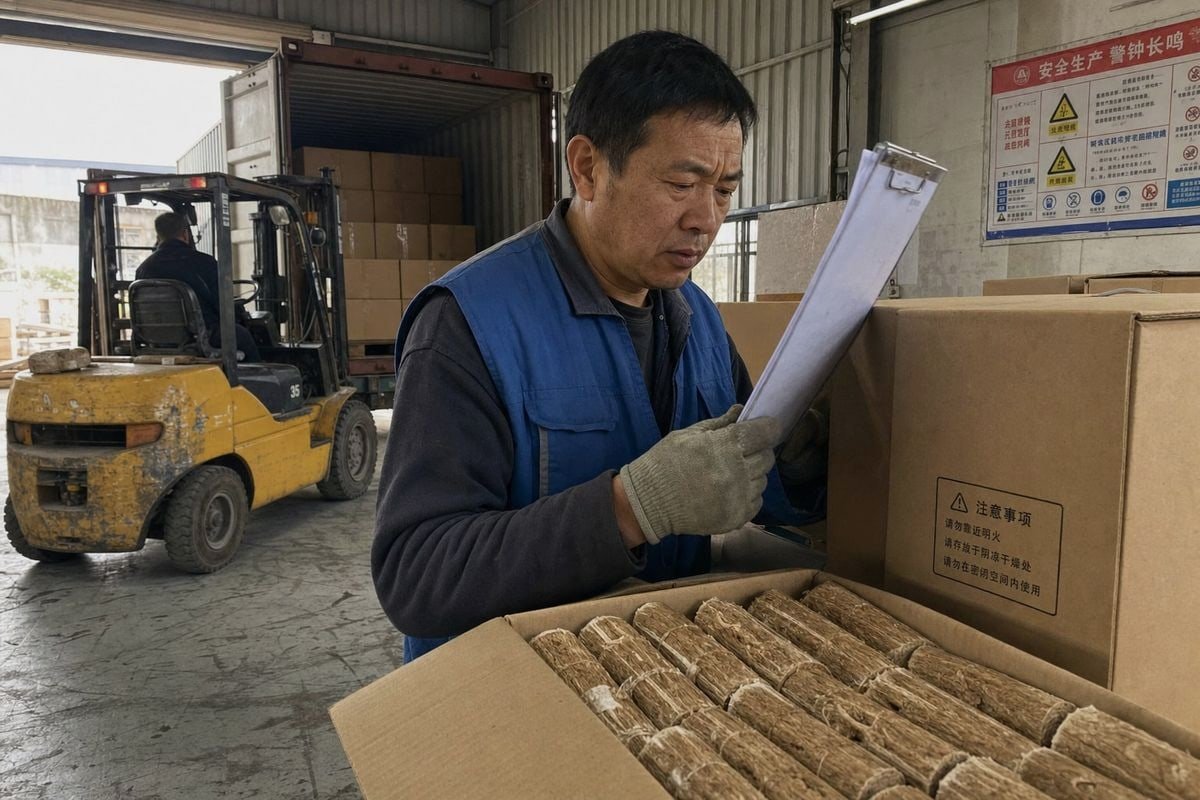
Etiquetado adicional para iniciadores de fuego de leña confunde a más mayoristas que cualquier problema de precios que veamos Informes de auditoría social BSCI 1. En nuestra línea de producción, hemos visto cómo los envíos se detenían en la aduana por una advertencia faltante.
Sí, los mayoristas de ferretería y jardinería suelen necesitar etiquetado adicional para los iniciadores de fuego de leña. Los requisitos dependen de la formulación, el mercado de destino y las normas del minorista, y pueden incluir advertencias de inflamabilidad de la FHSA, una SDS, declaraciones de la Proposición 65 de California, marcas de cumplimiento de VOC y declaraciones de cantidad neta según la FPLA.
La buena noticia es que esto es manejable. Una vez que sepa qué reglas se aplican a su producto específico, el etiquetado se convierte en una lista de verificación, no en un misterio. Permítame guiarlo a través de cada capa.
¿Qué certificaciones y etiquetas de advertencia necesito para los iniciadores de fuego de madera vendidos en mi mercado?
Un distribuidor alemán me preguntó una vez por qué el producto de su competidor llevaba tres iconos de advertencia mientras que su muestra no llevaba ninguno. La respuesta se debió a la formulación y al destino, no a la suerte.
Las etiquetas requeridas dependen de su mercado: las ventas en EE. UU. suelen necesitar advertencias de inflamabilidad de la FHSA, texto de identidad y cantidad neta de la FPLA, y declaraciones de "mantener fuera del alcance de los niños". California agrega las reglas de la Proposición 65 y la CARB VOC. Las ventas en la UE requieren conformidad relevante de la CE y registro local de la ley de empaques.
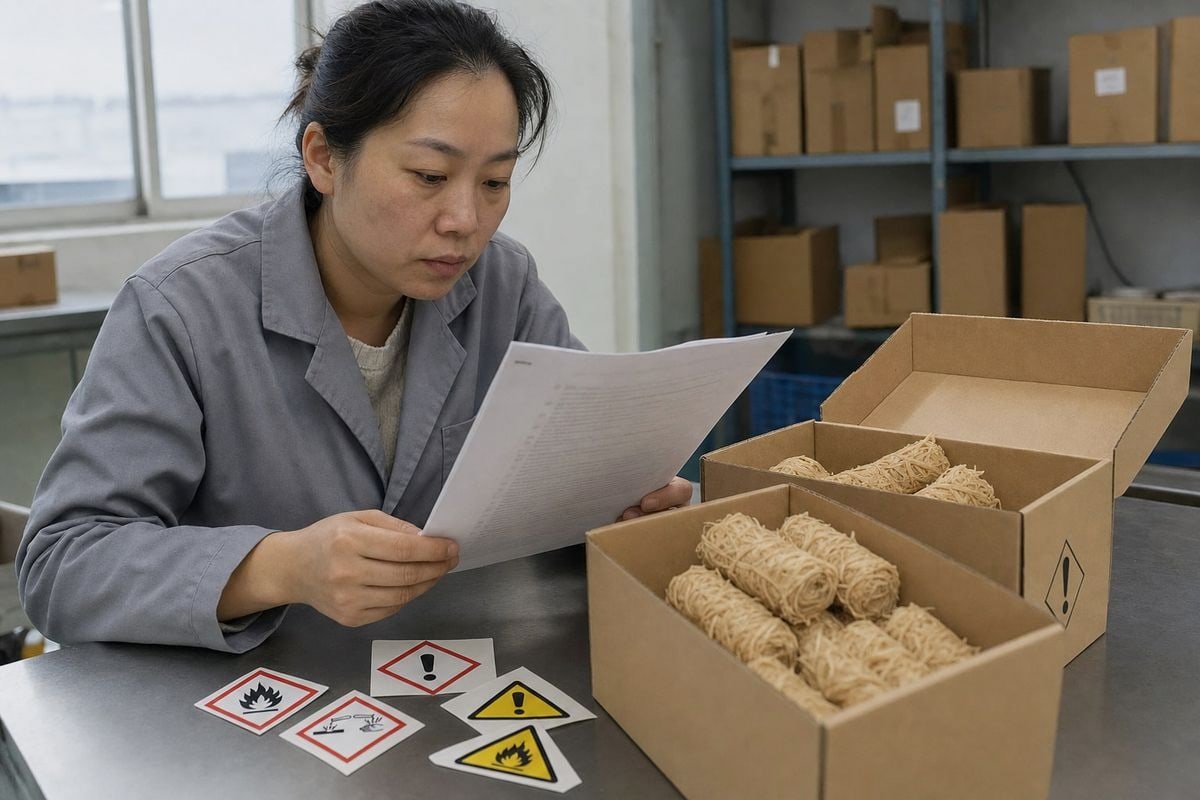
Los iniciadores de fuego de leña no son una categoría regulada. Un rollo de lana de madera con recubrimiento de cera con 50% de fibra de madera y 50% de parafina se encuentra en un grupo de cumplimiento diferente al de un producto con acelerante líquido. Esa distinción lo impulsa todo. Bajo requisitos de etiquetado de la CPSC 2, un producto doméstico solo activa etiquetado de precaución obligatorio cuando es inflamable, combustible, tóxico o peligroso de otra manera bajo un uso razonablemente previsible. Muchos iniciadores a base de madera sólida no se prueban como peligrosos bajo Reglas de comunicación de peligros GHS 3, y su Hoja de Datos de Seguridad incluso puede indicar "no se requieren elementos de etiquetado". Pero no puede asumir eso. Debe confirmarlo con una SDS actual para su formulación exacta.
Las principales capas regulatorias
| Capa | Lo que requiere | Aplica cuando |
|---|---|---|
| Cumplimiento de la FHSA (federal de EE. UU.) | Palabra de señal, declaración de peligro principal (por ejemplo, INFLAMABLE), texto de primeros auxilios, "mantener fuera del alcance de los niños" | El producto cumple con la clasificación de peligro |
| FPLA (federal de EE. UU.) | Identidad del producto, cantidad neta, nombre y dirección del fabricante/envasador/distribuidor | Todos los productos de consumo |
| Proposición 65 de California | Advertencia que nombra al menos un químico listado (las advertencias de forma corta se están eliminando gradualmente en las actualizaciones de 2025) | Exposición a químicos listados por encima del umbral |
| Cumplimiento de CARB / VOC | Certificación, instrucciones de uso, fecha de fabricación o código de fecha en el contenedor | Materiales encendedores de carbón 4 vendido en California |
| Leyes de empaque de la UE (por ejemplo, Alemania) | Registro del productor y participación del sistema para residuos de empaque | Venta de productos empaquetados en ese país |
Certificaciones que los compradores realmente solicitan
En nuestros más de diecisiete años exportando a EE. UU., Alemania, Reino Unido y Francia, los documentos que los compradores solicitan con más frecuencia son Certificación de fábrica ISO 9001 5, informes de auditoría social BSCI e informes de prueba SGS o Intertek para el producto terminado. Estas no son etiquetas legalmente obligatorias, pero los grandes canales de venta minorista las tratan como boletos de entrada. Los estándares de empaque minorista de cadenas como los compradores tipo Home Depot a menudo exceden el mínimo legal, así que construya según las especificaciones del minorista, no solo la ley.
¿Cómo puedo obtener un embalaje de marca privada personalizado y conforme sin pedir una gran cantidad mínima de pedido (MOQ)?
Los pedidos de prueba son donde comienzan la mayoría de nuestras asociaciones. Un importador holandés de suministros de jardinería nos probó una vez con un solo palé de cajas de marca privada antes de comprometerse con volúmenes de contenedores la temporada siguiente.
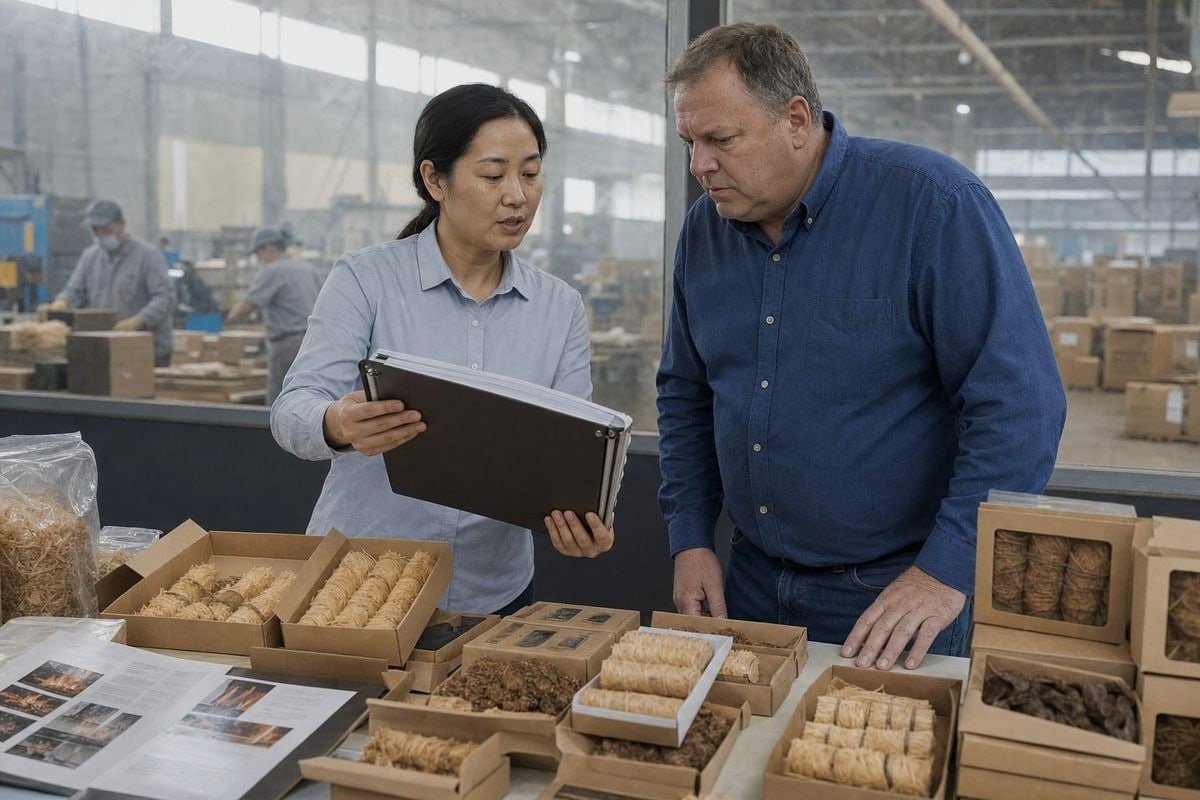
Puedes obtener empaques de marca privada que cumplen con las normativas con MOQ bajos trabajando con una fábrica que ofrece servicios OEM/ODM internos. Busca proveedores que ofrezcan plantillas de etiquetas preaprobadas, impresión digital para tiradas pequeñas y MOQ escalonados que distribuyan los costos de diseño en pedidos de prueba y repetidos.
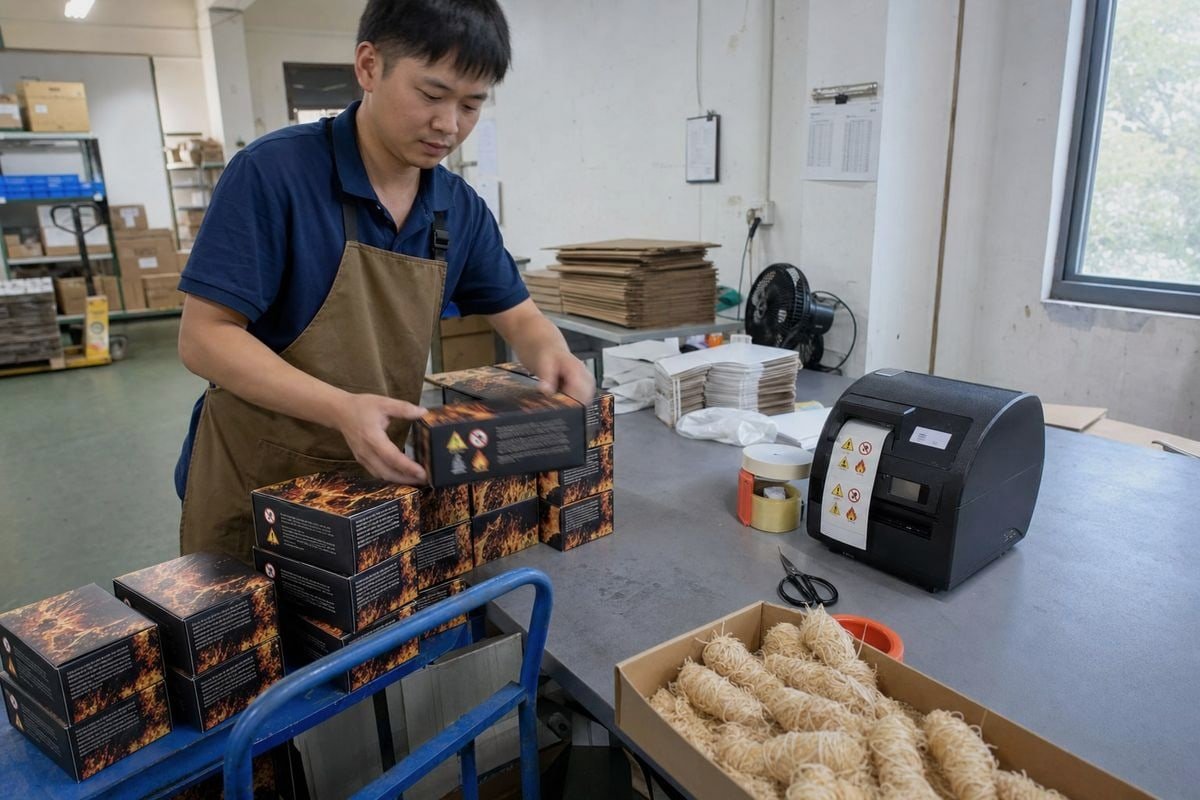
El etiquetado privado agrega una complicación legal que muchos mayoristas pasan por alto. Una vez que el nombre de su marca aparece en la caja, usted se convierte en el responsable ante los ojos de los reguladores y minoristas. Eso significa que su nombre y lugar de negocio deben aparecer en el paquete según la FPLA, y riesgo de responsabilidad del producto 6 se desplaza hacia usted si el etiquetado es incorrecto. Por lo tanto, un MOQ bajo por sí solo no es suficiente. El empaque debe cumplir desde la primera tirada pequeña.
Así es como lo estructuramos en nuestra fábrica, y lo que debe exigir de cualquier proveedor:
- Comience con una plantilla maestra que cumpla. Mantenemos arte de etiquetas que ya lleva el bloque de advertencia de inflamabilidad estilo FHSA, instrucciones de uso, declaración de composición (por ejemplo, 50% fibra de madera, 50% parafina) y línea de cantidad neta. Su diseñador solo cambia los elementos de la marca.
- Use impresión digital para tiradas de prueba. La impresión offset fuerza MOQs altos. La impresión digital nos permite producir unos cientos de cajas de marca para que pueda probar el mercado sin almacenar un año de stock.
- Bloquea el texto normativo, libera la marca. Tratamos el lenguaje de advertencia, los códigos de fecha y los códigos de barras como campos bloqueados. Los colores, logotipos y eslóganes permanecen totalmente personalizables. Esto evita que un diseñador reduzca accidentalmente una advertencia obligatoria por debajo del tamaño legible.
- Prepara tu MOQ. Una ruta típica es un juego de muestras, luego un pedido de prueba de un palé, luego cantidades de contenedor. La aprobación de la obra de arte se traslada, por lo que el lote dos coincide exactamente con el lote uno.
Un consejo práctico más: pida a su proveedor que coloque una zona de advertencia Prop 65 en la obra de arte, incluso si aún no está vendiendo en California. Agregarla más tarde significa reimprimir todo.
¿Mi proveedor proporcionará códigos de barras, SDS e informes de prueba para que el despacho de aduanas sea sin problemas?
Las lagunas documentales causan más retrasos en la aduana que los defectos del producto, en mi experiencia enviando a más de treinta países. Una SDS faltante retuvo una vez un envío brasileño durante dos semanas.
Un proveedor capaz debe proporcionar códigos de barras compatibles con GS1, una Hoja de Datos de Seguridad actual en formato GHS de 16 secciones, informes de pruebas de terceros de laboratorios como SGS o Intertek, y documentos de clasificación de transporte. Confirme que los cuatro existen antes de que comience la producción, no después de que se envíe el contenedor.
Los funcionarios de aduanas y los transitarios trabajan con papel, no con el producto en sí. Si la documentación es ambigua, el envío espera. Para los productos que inician incendios, la pregunta crítica es la clasificación de materiales peligrosos para el transporte. Algunos iniciadores de fuego se envían como productos ordinarios; otros se clasifican como Sólidos inflamables (Clase 4.1) 7 según las reglas del DOT, que requiere letreros de materiales peligrosos en los contenedores de envío exteriores y cambia el costo de su flete. La SDS de su proveedor y los datos de prueba de transporte determinan qué camino toma su producto. Ejecutamos esta clasificación durante el desarrollo del producto, no al momento de la reserva, porque cambiar un envío de carga general a materiales peligrosos en tránsito es costoso y lento.
El paquete de documentos que necesita cada SKU
| Documento | Propósito | Quién lo proporciona |
|---|---|---|
| Hoja de Datos de Seguridad (SDS) | Comunicación de peligros GHS para aduanas, minoristas y logística | Fábrica, actualizada por formulación |
| Informe de prueba SGS/Intertek | Demuestra la composición y las afirmaciones de seguridad | Laboratorio de terceros, organizado por la fábrica |
| Código de barras GS1 (EAN/UPC) | Escaneo minorista e inventario | Cuenta GS1 del comprador o soporte de fábrica |
| Carta de clasificación de transporte | Confirma el estado de envío de materiales peligrosos o no peligrosos | Fábrica con soporte de laboratorio |
| Certificado de origen | Tasas de aranceles y cumplimiento comercial | Fábrica o cámara de comercio |
Dos cosas que vale la pena preguntar
Primero, pregunte si la SDS coincide con la formulación exacta que está comprando. Una SDS genérica extraída de Internet es una señal de alerta, y los documentos que no coinciden crean un riesgo real de responsabilidad del producto. Segundo, considere los códigos QR GS1 Digital Link en el embalaje. Le permiten servir archivos SDS específicos de la región y actualizaciones de cumplimiento en línea sin reimprimir cajas para cada estado o país. Hemos comenzado a ofrecer esto a los compradores que venden en múltiples regiones regulatorias, y reduce notablemente las revisiones de arte.
¿Cómo confirmo la coherencia del etiquetado en cada lote de producción antes de realizar un pedido al por mayor?
La deriva de lotes nos enseñó una dura lección al principio. Hace años, un subcontratista de impresión cambió la densidad de la tinta entre tiradas, y un minorista señaló la discrepancia en el estante. Después de eso, trajimos ese punto de control internamente.
Confirmar la consistencia del lote exigiendo un acuerdo de muestra dorada, pruebas de etiquetas de preproducción, puntos de control de control de calidad en línea para impresión y colocación, y una inspección fotográfica previa al envío de cada lote. Compare cada lote con la muestra dorada sellada y reserve el derecho a una inspección de terceros.
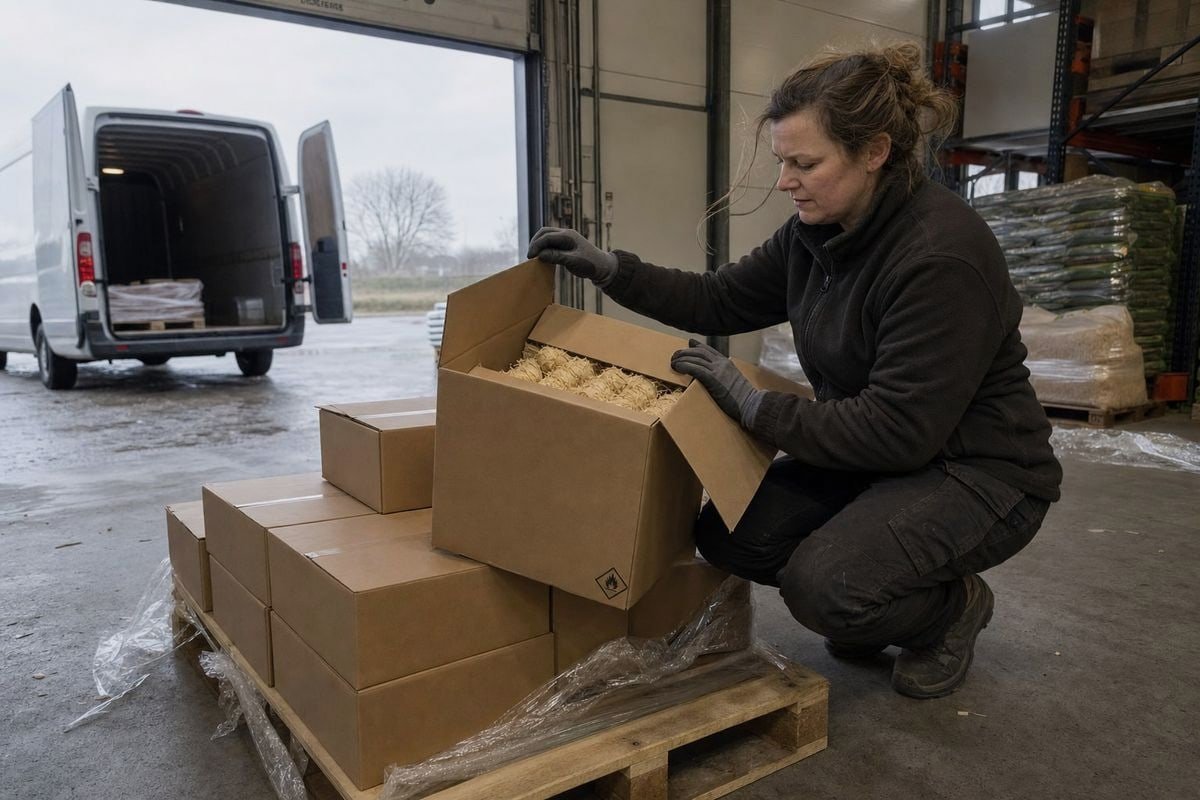
La consistencia es un problema de proceso, no un problema de confianza. Incluso las fábricas honestas se desvían si nadie ancla el estándar. El ancla es una muestra dorada: una unidad de referencia sellada físicamente y firmada mutuamente que define el contenido correcto de la etiqueta, la calidad de impresión, el color, la colocación de la advertencia y el formato del código de fecha. Cada lote futuro responde a esa muestra. En nuestras instalaciones en Ningbo, la muestra dorada se encuentra en la oficina de control de calidad, y el supervisor de línea verifica las primeras unidades de cada tirada contra ella antes de que continúe la impresión masiva.
Un flujo de trabajo de verificación de lotes que puede copiar
| Etapa | Comprobar | Qué solicitar al proveedor |
|---|---|---|
| Preproducción | Obra de arte de la etiqueta, texto de advertencia, dígitos del código de barras, lógica del código de fecha | Prueba digital más una foto de prueba impresa |
| Primer artículo | Primera unidad terminada frente a la muestra dorada | Fotos del panel frontal, trasero y de advertencia |
| Control de calidad en línea | Alineación de impresión, cobertura de cera, adhesión de la etiqueta | Lista de verificación de control de calidad por lote, compartida bajo petición |
| Pre-envío | Muestreo aleatorio en cajas | Informe de inspección con fotos del lote |
| Post-envío | Muestras retenidas de cada lote | El proveedor conserva muestras de retención selladas |
Por qué los códigos de fecha importan más de lo que crees
Las reglas CARB de California para materiales de encendedores de carbón requieren que cada contenedor muestre la fecha de fabricación o un código de fecha decodable, e incluso para los iniciadores sólidos no regulados, los minoristas exigen cada vez más trazabilidad. Un sistema de códigos de fecha consistente significa que si un lote tiene un problema, retira un lote, no todo su inventario. Pida a su proveedor que explique su formato de código de fecha por escrito. Si no pueden decodificar sus propias etiquetas, aléjese. Las etiquetas de advertencia de inflamabilidad, los códigos de barras y el texto de composición también deben verificarse dígito por dígito en la etapa del primer artículo, porque un solo dígito de código de barras incorrecto falla las auditorías de escaneo del minorista y puede generar contracargos que borran su margen.
Conclusión
El etiquetado adicional para iniciadores de fuego de madera es real, escalonado y manejable. Verifique su SDS, bloquee las ilustraciones conformes, exija documentación completa y ancle cada lote a una muestra de referencia.
Notas al pie
Página oficial de amfori que detalla la auditoría social BSCI y el monitoreo de la cadena de suministro. ↩︎
Guía oficial del gobierno de EE. UU. sobre los requisitos de etiquetado para sustancias domésticas peligrosas según la FHSA. ↩︎
Resumen del estándar internacional para la clasificación de productos químicos y la comunicación de peligros en etiquetas y SDS. ↩︎
Regulaciones de la Junta de Recursos del Aire de California que rigen las emisiones de VOC y el etiquetado de productos encendedores de carbón. ↩︎
Página oficial del estándar internacional que especifica los requisitos para un sistema de gestión de calidad. ↩︎
Guía completa sobre responsabilidad del producto y gestión de riesgos del Instituto de Información de Seguros. ↩︎
Definición técnica y clasificación de materiales peligrosos, específicamente sólidos inflamables utilizados en el transporte. ↩︎

 English
  Spanish
  German
  French
  Arabic
  Portuguese
Únete a la conversación