







Sicherheitshinweise auf der Verpackung von Magic Fire Pulver können eine Sendung ausmachen oder brechen. Ich habe gesehen, wie Käufer ganze Containerladungen beim Zoll verloren haben, weil auf einem Warnhinweis eine erforderliche Formulierung fehlte. An unserer Produktionslinie in Ningbo behandeln wir das Warnetikett genauso ernst wie die Pulverformel selbst – denn ein schwaches Etikett kann Rückrufe, Geldstrafen und blockierte Angebote auslösen. Die gute Nachricht: Es richtig zu machen ist ein wiederholbarer Prozess, und ich werde Sie genau durchführen, was Ihre Verpackung sagen muss.
Magic Fire Pulver Verpackung muss warnen: von Kindern fernhalten, nicht essen, trocken lagern, von Hitze und offenen Flammen fernhalten, Haut- und Augenkontakt vermeiden, Rauch nicht einatmen, nur wie angewiesen verwenden, plus Erste-Hilfe-, Lagerungs- und Entsorgungshinweise gemäß GHS/CLP-Regeln.
Das sind die Kernbotschaften. Aber die Anforderungen ändern sich je nach Markt, je nach Formulierung und je nachdem, wie Sie das Produkt verkaufen. Lassen Sie mich jede Ebene aufschlüsseln, damit Sie mit Zuversicht einkaufen können.
Welche Zertifizierungen beweisen, dass meine Magic Fire Pulververpackung die Sicherheitsanforderungen der USA und der EU erfüllt?
Ein deutscher Händler stellte mir einmal eine direkte Frage während einer Werksaudit 1 in Liuyang: "Zeigen Sie mir das Papier, nicht die Versprechungen." Dieser einzige Satz prägte, wie wir heute jede Compliance-Datei bearbeiten.
CE-Kennzeichnung, SGS- oder Intertek-Prüfberichte, GHS/CLP-konforme Kennzeichnungsprüfung, ISO 9001-Fabrikzertifizierung und BSCI-Sozialaudits belegen zusammen, dass die Verpackung von Magic Fire-Pulver die Sicherheitsanforderungen der USA und der EU erfüllt. US-Käufer benötigen außerdem eine CPSIA-konforme Dokumentation und für Kalifornien eine Prüfung nach Proposition 65.

Zertifizierungen funktionieren in Schichten. Kein einzelnes Zertifikat deckt alles ab, daher prüfen ernsthafte Käufer den gesamten Stapel. In unseren siebzehn Jahren Export von Farbfackelprodukten in die USA, nach Deutschland, Großbritannien, Frankreich und darüber hinaus haben wir gelernt, dass Zollbeamte und Einzelhandels-Compliance-Teams unterschiedliche Dokumente suchen. Hier ist, wie die Teile zusammenpassen.
Der Zertifizierungsstapel, Schicht für Schicht
| Zertifizierung / Bericht | Was es beweist | Wer danach fragt |
|---|---|---|
| CE-Kennzeichnung | Produkt erfüllt die geltenden EU-Sicherheitsrichtlinien | EU-Zoll, EU-Einzelhändler |
| SGS / Intertek Prüfbericht | Von Drittanbietern geprüfte Zusammensetzung und Gefahren | Einzelhandelskäufer, Importeure, Versicherer |
| GHS/CLP-Etikettenprüfung | Warnhinweis verwendet korrekte Piktogramme und Aussagen | EU-Marktüberwachung, US-OSHA-konforme Käufer |
| ISO 9001 | Fabrik verfügt über ein kontrolliertes Qualitätsmanagementsystem | Große Einzelhandels-Beschaffungskanäle |
| BSCI-Audit | Fabrik erfüllt soziale Compliance-Standards | Europäische Marken und Ketten |
| Sicherheitsdatenblatt (SDB) | Vollständige Gefahren-, Erste-Hilfe- und Entsorgungsdaten | Alle B2B-Käufer, Logistikspediteure |
Warum Etikett und Zertifikat übereinstimmen müssen
Ein häufiger Fehler, den wir sehen: Ein Lieferant hat einen gültigen SGS-Bericht, aber das gedruckte Warnhinweis stimmt nicht mit den in diesem Bericht aufgeführten Gefahren überein. Marktinspektoren vergleichen die beiden. Wenn das Sicherheitsdatenblatt besagt, dass das Produkt schwere Augenreizungen verursacht, muss das Etikett die entsprechende Gefahrenmeldung und Spülhinweise enthalten. Wenn wir private Etikettenverpackungen für Kunden entwerfen, prüft unser Compliance-Team jede Warnformulierung anhand des Testberichts, bevor die Grafik in den Druck geht. Dieser einzelne Schritt hat Käufer vor kostspieligen Neuauszeichnungen an den Bestimmungshäfen bewahrt.
Für die USA fügen Sie eine weitere Prüfung hinzu. Produkte, die in Kalifornien verkauft werden, sollten auf Proposition 65-Substanzen 2. Selbst Spurenmetalle können eine Offenlegungspflicht auslösen, daher bitten Sie Ihren Lieferanten schriftlich um das Screening-Ergebnis.
Welche Warnhinweise und Gefahrensymbole sind für den Export von Farbrauch-Feuerwerkskörpern gesetzlich vorgeschrieben?
Es gibt einen Kompromiss, den wir bei jedem neuen Verpackungsprojekt abwägen: Käufer wünschen sich verspielte, auffällige Beutel, aber Regulierungsbehörden wünschen sich nüchterne, unübersehbare Gefahrenhinweise. Unser Designteam hat gelernt, beides auf demselben kleinen Folienbeutel zu liefern.
Farbstoff-Flammen-Paket-Exporte erfordern gesetzlich ein Signalwort (Warnung oder Gefahr), anwendbare GHS-Piktogramme, Gefahrenhinweise wie gesundheitsschädlich beim Verschlucken und verursacht Augenreizung, Sicherheitshinweise zu Zündquellen und Kindern sowie Erste-Hilfe-Texte – alles in der Sprache des Zielmarktes.

Das genaue Panel hängt von der Chemie Ihres Produkts ab. Dies ist ein Punkt, den viele Erstimporteure übersehen. Ein sanftes Lagerfeuer-Farbmittel und ein metallisches pyrotechnisches Pulver 3 können in einem Beutel identisch aussehen, tragen aber sehr unterschiedliche rechtliche Kennzeichnungspflichten. Regulierungsbehörden klassifizieren nach Formulierung, nicht nach Marketingkategorie.
Kernwarnhinweise, die jeder Beutel tragen sollte
- Außerhalb der Reichweite von Kindern aufbewahren. Gesundheitsbehörden haben dokumentiert, dass Kinder Farbstoffbeutel 4 für Süßigkeiten halten. Diese Warnung ist nicht verhandelbar.
- Nicht essen oder schlucken. Kombinieren Sie es mit "Bei Verschlucken Giftnotrufzentrale anrufen."
- Vor Gebrauch von Hitze, Funken, offenen Flammen und heißen Oberflächen fernhalten.
- Trocken halten. Feuchtigkeitsempfindliche oder wasserreaktive Formulierungen erfordern dies ausdrücklich.
- Haut- und Augenkontakt vermeiden. Spülhinweise einschließen.
- Staub oder Rauch nicht einatmen. Brennende Metallsalze können reizende Verbindungen freisetzen.
- Nur in gut belüfteten, offenen Holzfeuern verwenden. Die Verwendung in Gasöfen, Pelletöfen und Kochflammen verbieten.
- Inhalt und Behälter gemäß den örtlichen Vorschriften entsorgen. Restasche mit Metallsalzen sollte nicht in Boden oder Wasserläufe gelangen.
Gefahren mit Piktogrammen abgleichen
| Gefahrenklassifizierung | Typische Aussage | GHS-Piktogramm |
|---|---|---|
| Akute orale Toxizität (Kat. 4) | Gesundheitsschädlich bei Verschlucken (H302) | Ausrufezeichen |
| Hautreizung | Verursacht Hautreizungen (H315) | Ausrufezeichen |
| Augenreizung | Verursacht schwere Augenreizung (H319) | Ausrufezeichen |
| Entzündlicher Feststoff | Entzündbarer Feststoff (H228) | Flamme |
| Aquatische Toxizität | Schädlich für Wasserorganismen | Umwelt |
Sprache ist ebenfalls wichtig. Kanada verlangt zweisprachige englische und französische Texte. Die EU verlangt die Amtssprache jedes Bestimmungslandes. Wenn wir Exportdateien für Kunden vorbereiten, die in einer Bestellung nach Polen, in die Niederlande und nach Frankreich versenden, erstellen wir von Anfang an separate Sprachfelder oder mehrsprachige Etiketten – eine nachträgliche Anpassung verdoppelt die Kosten.
Wie bekomme ich konforme, marktreife Warnetiketten für die Verpackung von Eigenmarken-Magic Fire?
Letztes Jahr kam eine britische Campingmarke mit wunderschönen Verpackungsdesigns und null Warntext zu uns. Ihr Designer hatte die Rückseite als freien Platz für Lifestyle-Fotos behandelt. Wir haben das Layout gemeinsam in weniger als zwei Wochen überarbeitet, und das Produkt bestand den britischen Einzelhandels-Compliance-Check beim ersten Versuch.
Holen Sie sich konforme Eigenmarken-Warnetiketten, indem Sie mit einer zertifizierten Fabrik zusammenarbeiten, die SDS-basierte Etiketteninhalte, GHS/CLP-formatierte Grafiken, Übersetzungen in die Zielsprache und eine Vorabprüfung der Compliance anbietet. Bestätigen Sie, dass der Lieferant aktuelle Testberichte besitzt und eine OEM-Etikettenanpassung anbietet, bevor Sie bestellen.
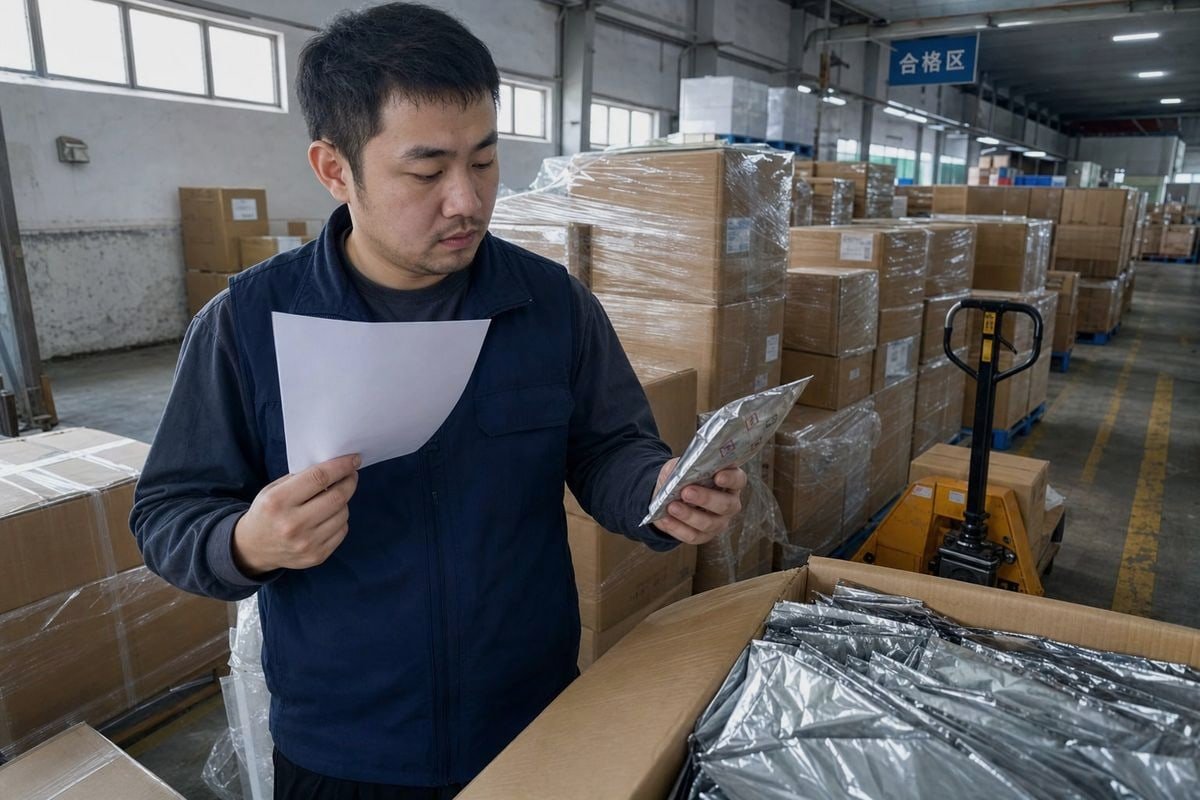
Eigenmarkenprojekte scheitern häufiger an Etiketten als an der Produktqualität. Das Pulver kann perfekt sein, aber wenn der Beutel das Falsche sagt – oder gar nichts – ist die Sendung bei Ankunft tot. Hier ist der Prozess, den wir mit jedem OEM-Kunden durchlaufen, verfeinert durch Hunderte von Eigenmarkenprojekten in über dreißig Ländern.
Der Fünf-Schritte-Workflow für die Etikettenkonformität
- Beginnen Sie mit dem Sicherheitsdatenblatt, nicht mit dem Design. Das Sicherheitsdatenblatt definiert, welche Gefahren- und Sicherheitshinweise 5 zwingend erforderlich sind. Das Artwork kommt danach.
- Sperren Sie die obligatorische Zone. Wir blockieren einen festen Bereich auf der Packung für das Signalwort, Piktogramme und den Warntext. Designer arbeiten darum herum, niemals darüber.
- Professionell übersetzen. Maschinelle Übersetzung von Gefahrenhinweisen ist ein bekannter Fehlerpunkt. Regulierungssätze haben in jeder Sprache eine feste offizielle Formulierung.
- Fügen Sie marktspezifische Extras hinzu. Proposition 65-Text für Kalifornien. Zweisprachige Felder für Kanada. Hinweise zur Gerätebeschränkung (keine Gasfeuerstellen, keine Pelletöfen) für den nordamerikanischen Einzelhandel.
- Führen Sie eine Compliance-Prüfung vor dem Druck durch. Unser Team vergleicht das endgültige Artwork vor der Plattenherstellung Zeile für Zeile mit dem Testbericht.
Was gute OEM-Etikettenunterstützung ausmacht
Ein fähiger Fabrikpartner sollte Ihnen bearbeitbare Etikettenvorlagen aushändigen, nicht nur ein gedrucktes Muster. Sie sollten die Piktogrammdateien 6 im Vektorformat erhalten, den exakten obligatorischen Text pro Markt, Anleitungen zur Platzierung des Barcodes und eine Bestätigung der Mindestschriftgrößen. Wir beraten auch zum Verpackungsformat: Unsere Plastiktüten, Kraftpapiertüten und Gläser haben jeweils unterschiedliche bedruckbare Flächen, und das Glasformat bietet oft den meisten Platz für mehrsprachige Felder. Wenn Ihr Lieferant nicht erklären kann, warum ein bestimmter Satz auf dem Etikett erscheint, ist das ein Warnsignal für sich.
Ein weiterer praktischer Tipp: Vermeiden Sie bonbonartige Designelemente. Helle Farbverläufe verkaufen sich, aber Gesundheitsbehörden haben Beutel beanstandet, die Süßigkeiten ähneln. Wir lenken Kunden zu klar nicht-essbaren visuellen Sprachen – Flammen-Grafiken, Outdoor-Bildern, mattschwarzen Hintergründen –, die den Reiz im Regal aufrechterhalten, ohne ein Kind zum Öffnen der Packung zu verleiten.
Welche Testberichte und Dokumentationen sollte mein Lieferant für die Verpackungskonformität bereitstellen?
Früh in meiner Exportkarriere habe ich eine harte Lektion gelernt: Ein Käufer in Australien bat mitten in der Lieferung um unser Transportklassifizierungsdokument, und der Spediteur hielt die Waren tagelang zurück, während wir es produzierten. Seitdem senden wir das vollständige Dokumentenpaket, bevor die Waren das Werk verlassen.
Ihr Lieferant sollte ein aktuelles Sicherheitsdatenblatt (SDB), Prüfberichte von Drittanbietern von SGS oder Intertek, CE-Konformitätsdokumentation, eine Transportklassifizierungserklärung, eine Überprüfung der Kennzeichnungskonformität, ISO 9001- und BSCI-Zertifikate sowie Chargenrückverfolgbarkeitsaufzeichnungen vorlegen – alle datiert, in englischer Sprache und passend zur exakt versandten Formulierung.
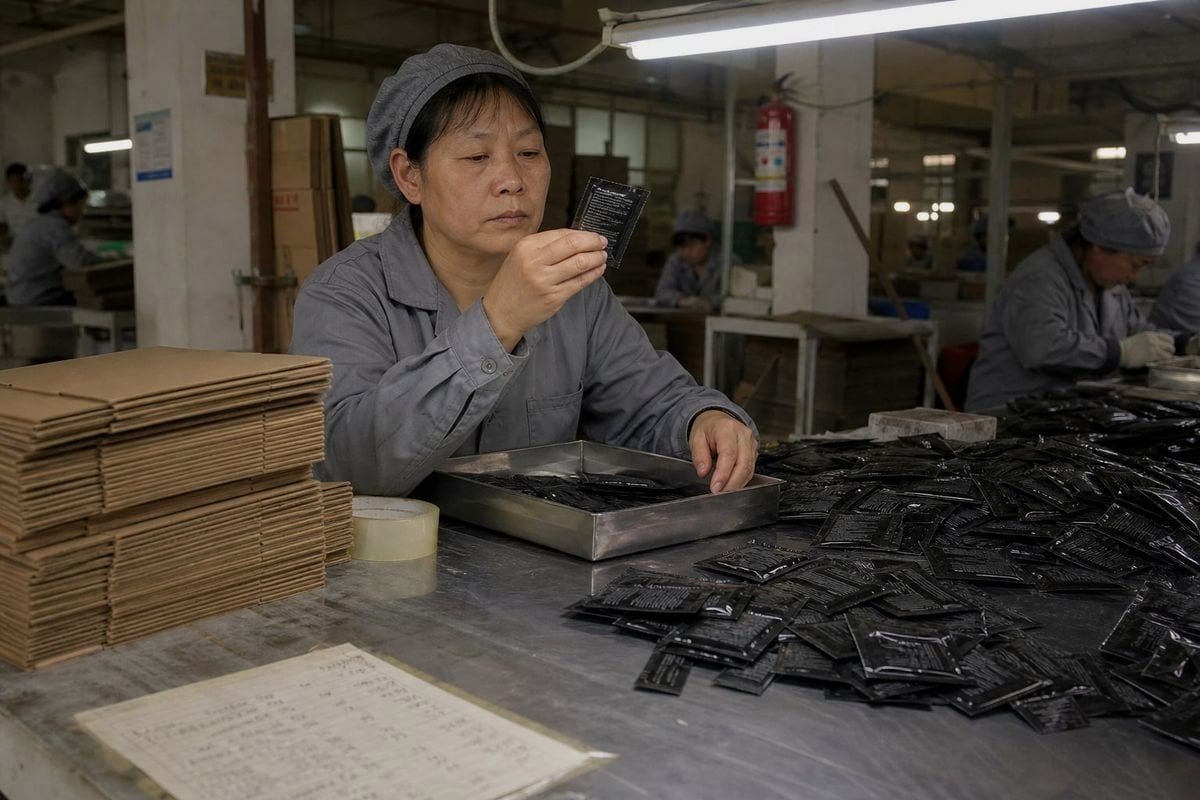
Dokumentation ist, wo sich echte Fabriken von Handelsunternehmen unterscheiden. Ein Händler leitet die Unterlagen weiter, die die versteckte Fabrik ihm gibt, oft veraltet oder zu einer anderen Formulierung gehörend. Ein echter Hersteller erstellt und pflegt den Dateisatz für jede Charge. Hier ist die vollständige Checkliste, die wir unseren Käufern aushändigen, und was jedes Dokument tatsächlich für Sie leistet.
Die vollständige Dokumenten-Checkliste
| Dokument | Zweck | Rotes Flagge, wenn fehlend |
|---|---|---|
| Sicherheitsdatenblatt (16-Abschnitte GHS-Format) | Definiert Gefahren, Erste Hilfe, Handhabung, Entsorgung | Kann nicht legal versenden oder korrekt kennzeichnen |
| SGS / Intertek Prüfbericht | Unabhängige Verifizierung der Zusammensetzung | Sie verlassen sich allein auf das Wort des Lieferanten |
| CE / Konformitätserklärung | EU-Marktzugang | Risiko der Beschlagnahmung durch die EU-Zollbehörde |
| Transportklassifizierungsaussage | Bestätigt die See-/Luftfrachtkategorie | Lieferverzögerungen oder -verweigerung durch den Spediteur |
| Überprüfung der Etikettenkonformität | Bestätigt, dass das Artwork mit den Gefahrendaten übereinstimmt | Umetikettierungskosten am Bestimmungsort |
| ISO 9001 Zertifikat | Konsistentes Produktionsqualitätssystem | Risiko von Chargenschwankungen |
| BSCI Auditbericht | Überprüfung ethischer Produktion | Blockiert durch europäische Einzelhandelskonformität |
| Chargenprotokolle / Rückverfolgbarkeit | Verknüpft versandte Waren mit getesteter Formel | Keine Rückrufabwehr |
Wie die Dokumente auf Echtheit geprüft werden können
Sammeln Sie nicht nur PDFs. Überprüfen Sie die Berichtsnummer direkt beim ausstellenden Labor — SGS und Intertek 7 beide bieten Verifizierungsdienste an. Bestätigen Sie, dass der getestete Produktname mit Ihrem tatsächlichen Produkt übereinstimmt und nicht mit einem ähnlichen Artikel. Überprüfen Sie die Daten: Berichte, die älter als zwei oder drei Jahre sind, spiegeln möglicherweise nicht die aktuelle Formulierung wider. Und fordern Sie die Überarbeitungsverlauf des SDB an; ein lebendes Dokument zeigt, dass der Lieferant die Konformität aktiv aufrechterhält, anstatt sie als einmalige Übung zu behandeln.
Nach unserer Erfahrung treten Käufer, die die Papiere vor der ersten Bestellung prüfen, fast nie auf spätere Konformitätsüberraschungen. Diejenigen, die diesen Schritt überspringen, bezahlen ihn an der Grenze.
Schlussfolgerung
Schwache Warnhinweise lassen gute Produkte scheitern. Starke Etiketten – gestützt durch echte Testberichte und eine zertifizierte Fabrik – passieren den Zoll, zufriedenstellen Einzelhändler und schützen Endverbraucher. Wählen Sie einen Partner, der die Konformität auf dem Papier nachweist.
Fußnoten
Amfori betreibt das BSCI-Programm für soziale Compliance-Audits, das im gesamten Zertifizierungsstapel referenziert wird. ↩︎
Kaliforniens OEHHA verwaltet die Prop. 65-Regeln für die Offenlegung von Chemikalien, die für die US-Konformität referenziert werden. ↩︎
Hintergrundreferenz, die pyrotechnische Formulierungen und ihre unterschiedlichen Gefahrenklassifizierungen erklärt. ↩︎
Giftnotrufzentralen dokumentieren Risiken der Aufnahme durch Kinder, die obligatorische Kindersicherheitswarnungen rechtfertigen. ↩︎
Die CLP-Verordnung der ECHA definiert die obligatorische Formulierung von Gefahren- und Vorsichtshinweisen für EU-Etiketten. ↩︎
Der Hazard Communication Standard der OSHA regelt die Anforderungen an GHS-Piktogramme und Kennzeichnungen in den USA. ↩︎
SGS ist eine führende unabhängige Prüf- und Zertifizierungsstelle, die für die Überprüfung von Lieferantenberichten genannt wird. ↩︎
ISO-Normen bilden die Grundlage für die Qualitäts- und Testrahmen, die unabhängige Testberichte legitimieren. ↩︎


 English
  Spanish
  German
  French
  Arabic
  Portuguese
Diskutieren Sie mit