






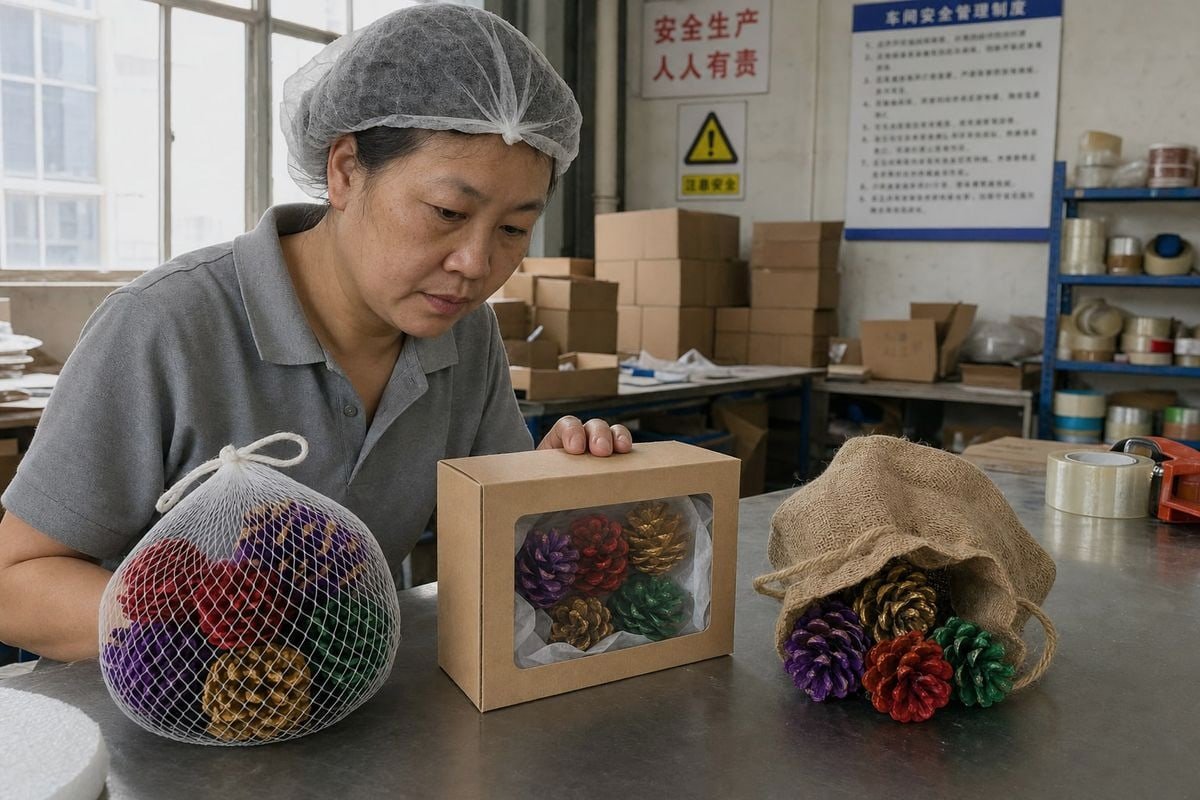
Auswahl zwischen [Netz-, Karton- oder Juteverpackungen für farbige Kiefernzapfen](https://sunrichfire.com/how-choose-packaging-fireplace-colored-pine-cones-bulk-mesh-color-box/) hat eine unserer frühen Exportaufträge fast zum Scheitern gebracht. Die falsche Wahl kostet Geld, beschädigt das Produkt und frustriert die Käufer.
Mesh-Verpackungen für gefärbte Kiefernzapfen bieten Atmungsaktivität und niedrige Kosten, aber schwachen Schutz und Branding. Kartons bieten den besten Schutz, Attraktivität im Regal und Private Labeling zu höheren Kosten. Jute bietet einen rustikalen, umweltfreundlichen Look mit moderatem Schutz, aber begrenzter Bedruckbarkeit und möglichem Verfangen von Fasern.
Jede Option passt zu einem anderen Geschäftsziel. Unten zerlege ich Schutz, Regalattraktivität, Branding und Großhandelswert einzeln. Dann können Sie die Verpackung auf Ihren Markt abstimmen.
Welche Verpackungsoption bietet den besten Schutz für meine gefärbten Kiefernzapfen während des Fernversands?
Ein Behälter mit farbigen Flammen-Kiefernzapfen kam einmal mit abgebrochenen Schuppen in Hamburg an, weil der Käufer auf dünne Netzsäcke bestand. Diese Lieferung hat unserem Verpackungsteam eine bleibende Lektion erteilt.
Starre Schachteln bieten den besten Schutz für gefärbte Kiefernzapfen während des Fernversands. Ihre Struktur verhindert Quetschungen, abgebrochene Schuppen und Beschädigungen der Beschichtung. Gittergewebe lässt die Zapfen verrutschen und aneinander reiben, während Jute eine moderate Eindämmung, aber wenig Stapelfestigkeit bietet. Für den Seefrachtverkehr sind Schachteln klar im Vorteil.
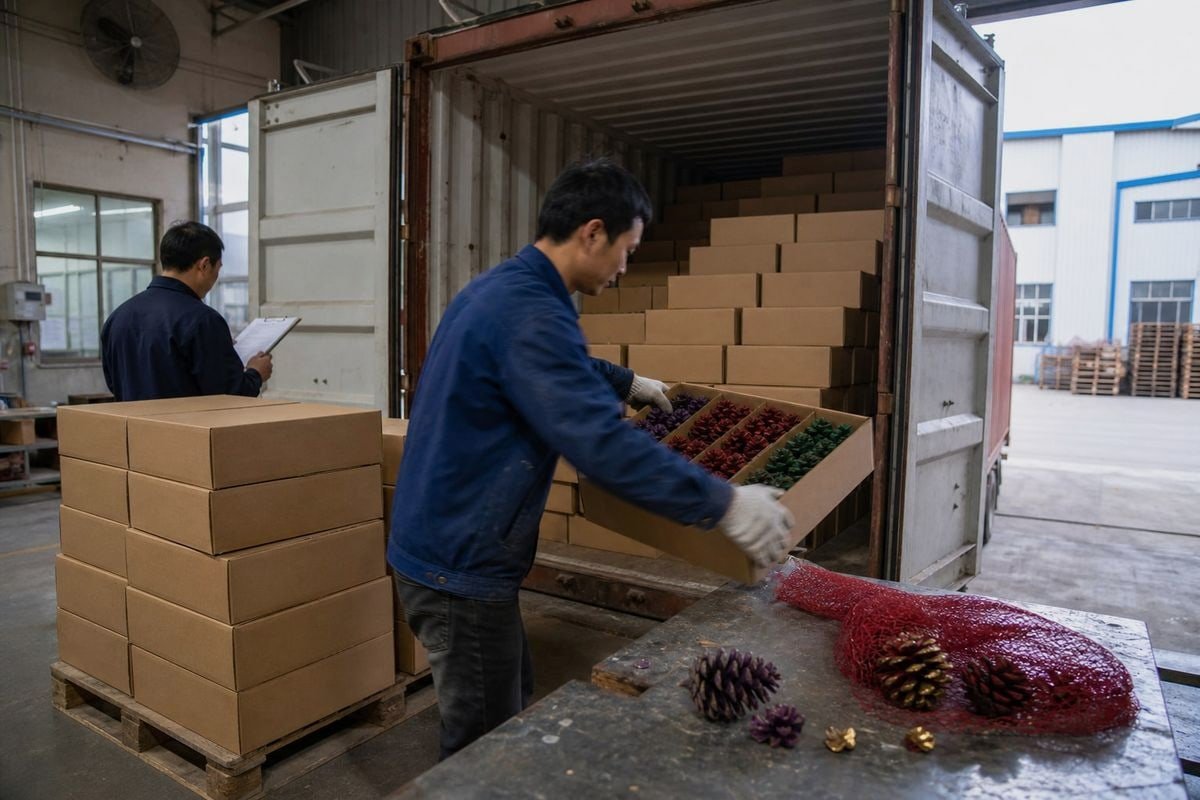
Farbige Kiefernzapfen sind zerbrechlicher, als die meisten Käufer annehmen. Die Schuppen sind steif, aber brüchig. Sobald ein Zapfen mit Farbflammen-Chemikalien oder dekorativer Farbe beschichtet ist, ist eine abgebrochene Schuppe sofort sichtbar. Produkthaltbarkeit während des Transports ist daher das Erste, was wir mit neuen Distributoren besprechen.
Wie jedes Material Transportbelastungen standhält
Kartons schaffen einen festen Innenraum. Zapfen können sich nicht bewegen, und gestapelte Kartons tragen die Last durch die Wellpappwände 1, nicht durch das Produkt. Wenn wir 40-Fuß-Container in die USA oder nach Australien versenden, halten Masterkartons mit inneren Trennwänden die Bruchrate über eine sechs-wöchige Seereise sehr niedrig.
Netz ist das Gegenteil. Zapfen verschieben sich bei jeder Vibration. Schuppen stechen durch das Netz, verfangen sich und brechen ab. Feiner Partikelstaub von farbbehandelten Beschichtungen kann auch durch das Netz sickern und äußere Kartons und später Verkaufsregale verfärben. Jute hält den Staub besser zurück, aber die hohe Reibung von groben Naturfasern kann zu einem Schuppen-Lock führen, bei dem sich Zapfen verheddern und beim Auseinanderziehen brechen.
| Faktor | Netz | Karton | Jute |
|---|---|---|---|
| Druckfestigkeit | Schlecht | Ausgezeichnet | Mäßig |
| Risiko von Schuppenabplatzungen | Hoch | Niedrig | Moderat |
| Staubkontrolle | Schlecht | Ausgezeichnet | Mäßig |
| Stapelbarkeit in Containern | Schlecht | Ausgezeichnet | Schlecht |
| Feuchtigkeitskontrolle während des Transports | Ausgezeichnet | Benötigt trockene Zapfen | Gut |
Die Feuchtigkeitsfrage
Eine Nuance ist hier wichtig. Frische oder feuchte Zapfen benötigen Luftzirkulation, und versiegelte Kartons können Feuchtigkeit einschließen und Schimmel fördern. Aber vollständig getrocknete, ausgehärtete, farbbehandelte Zapfen – was unsere Produktionslinie versendet – haben einen geringen Feuchtigkeitsgehalt. Für sie wird die Schimmelprävention während des Aushärtens behandelt, nicht durch den Beutel. Der Vorteil der Atmungsaktivität von Netz verschwindet also größtenteils, und der Schutz wird zum entscheidenden Faktor.
Wie schneiden Netz-, Kisten- und Juteverpackungen im Hinblick auf die Attraktivität im Einzelhandel ab?
Als ich vor ein paar Jahren auf einer Kaminmesse in Deutschland unterwegs war, sah ich, wie Käufer einfache Netzsäcke ignorierten und sich zu bedruckten Kartons und rustikalen Jutepouches hingezogen fühlten. Regalattraktivität verkauft.
Schachteln bieten durch den Vollfarbdruck, Fenster und eine erstklassige Struktur die stärkste Verkaufsattraktivität im Einzelhandel. Jute eignet sich hervorragend für rustikale, Bauernhaus- und umweltbewusste Positionierungen. Netzgewebe bietet die beste Sichtbarkeit des Rohprodukts im Einzelhandel, sieht aber am wenigsten poliert aus und eignet sich eher für preisgünstige Massenbehälter als für erstklassige Regale.

Regalattraktivität ist keine einzelne Eigenschaft. Sie teilt sich in Sichtbarkeit, wahrgenommenen Wert und Markengeschichte auf. Jedes Material schneidet in jeder Dimension unterschiedlich ab, und die richtige Antwort hängt davon ab, wo Ihr Produkt im Geschäft platziert ist.
Sichtbarkeit versus wahrgenommener Wert
Netz bietet Käufern volle Sichtbarkeit im Verkaufsregal. Sie können Größe, Form und Farbsättigung 2 jedes Zapfens sehen. Für Impulskäufe in einem Bulk-Behälter an der Kasse funktioniert das. Aber Sichtbarkeit hat einen Nachteil, den viele Käufer übersehen: Opake Kartonverpackungen schützen lichtempfindliche Farbstoffe und metallische Beschichtungen vor UV-Verblassen. Zapfen in Netz unter hellem Verkaufslicht können merklich schneller an Lebendigkeit verlieren, und ein verblasstes Produkt tötet den Verkauf.
Kartons verbergen das Produkt, es sei denn, Sie fügen ein Fenster hinzu – was genau wir empfehlen. Ein Kraftkarton mit einem klaren PET-Fenster 3 gibt Ihnen das Premium-Gefühl plus einen kontrollierten Blick auf die Zapfen. Es bietet Ihnen auch Platz für den mehrfarbigen Flammeneffekt, den die Zapfen selbst im Regal nicht zeigen können.
Jute erzählt eine Geschichte. Ein Jutesack mit Kordelzug und Juteschleife signalisiert handgefertigt, natürlich und plastikfrei. Für Farmhouse-Deko-Läden, Gartencenter und Weihnachtsgeschenkmärkte ist diese rustikale Textur das Verkaufsargument. Wir produzieren Jutepouches mit einfachen ein- oder zweifarbigen Logodrucken, und sie verkaufen sich gut in europäischen Geschenkkanälen.
Material auf den Einzelhandelskanal abstimmen
Eine nützliche Regel aus unserer Exporterfahrung: Passen Sie die Verpackung an den Gang an. Camping- und Outdoor-Händler reagieren auf robuste Kraft-Standbodenbeutel mit Fenstern. Kamin- und Heimdekorationskanäle reagieren auf geschenkfertige Kartons und Jute. Discount- und Volumenkanäle tolerieren Netz. Wenn Ihre Käufer auch duftende Varianten wie Zimt-duftende Kiefernzapfen führen, denken Sie daran, dass atmungsaktive Netz- und Jutematerialien Duft schnell entweichen lassen; versiegelte oder ausgekleidete Kartons bewahren Duft viel besser.
Kann ich kundenspezifisches Branding und Private Labeling auf Netz-, Kisten- oder Juteverpackungen erhalten?
Anfragen für Eigenmarken machen den größten Teil der OEM-Arbeit aus, die meinen Schreibtisch kreuzt, sodass ich diese Frage anhand von Tausenden von echten Grafikdateien beantworten kann, nicht anhand von Theorie.
Ja, alle drei Formate unterstützen benutzerdefinierte Branding, aber die Möglichkeiten variieren stark. Boxen unterstützen Vollfarbdruck, Barcodes, Warnhinweise und mehrsprachige Texte. Jute akzeptiert ein- oder zweifarbige Logodrucke und benutzerdefinierte Etiketten. Mesh benötigt angebrachte Kopfkarten oder Hängeetiketten für jegliches aussagekräftige Private Labeling.
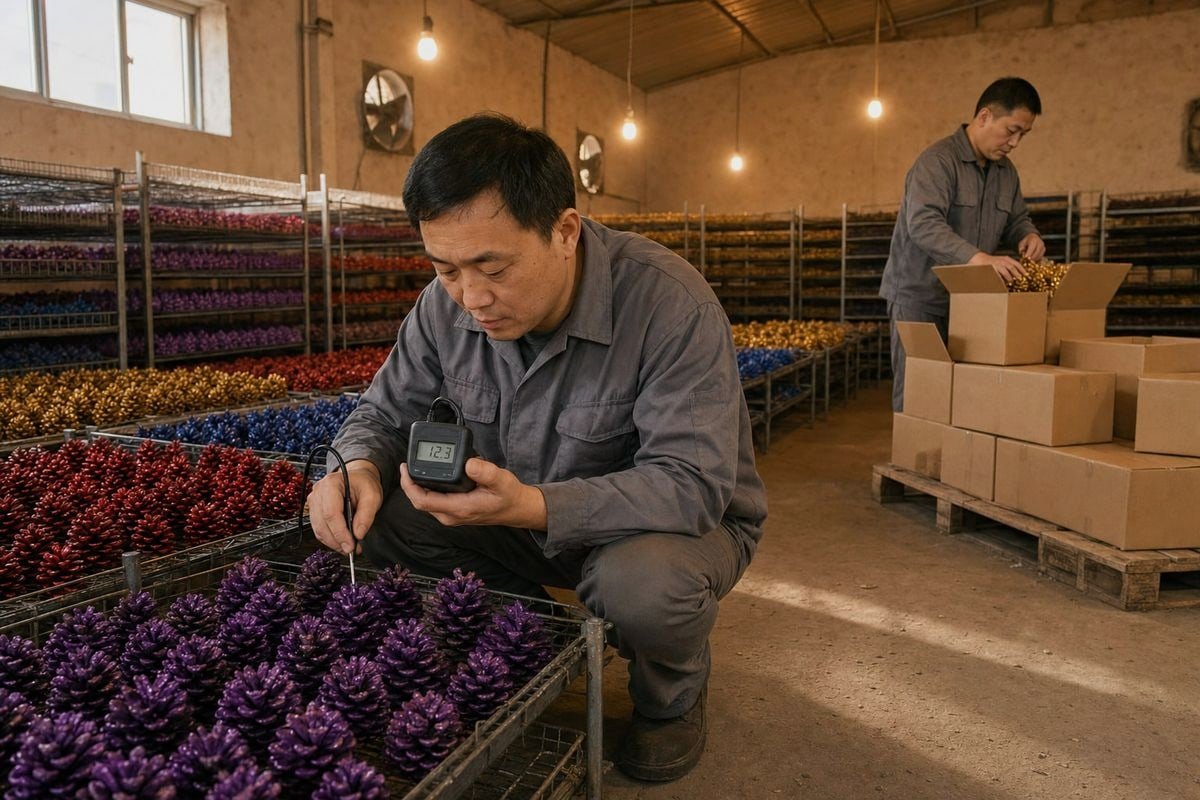
Branding ist der Bereich, in dem sich die drei Materialien am schärfsten trennen. Für ein feuerbezogenes Produkt ist die Verpackung nicht nur Marketingfläche. Es ist Compliance-Fläche. Feuer-Effekt-Produkte, die in den USA und der EU verkauft werden, benötigen Sicherheitshinweise 4, Gebrauchsanweisungen und oft mehrsprachigen Text. Diese Realität prägt, was jedes Format realistisch tragen kann.
Was jedes Format unterstützt
| Branding-Element | Netz | Karton | Jute |
|---|---|---|---|
| Vollfarbige Grafik | Nein | Ja | Begrenzt |
| Logo-Druck | Nur Etikett | Ja | 1–2 Farben |
| Sicherheitswarnungen und Anweisungen | Header-Karte | Volle Paneele | Genähtes Etikett oder Anhänger |
| Barcode-Platzierung | Hangtag | Auf Paneel gedruckt | Aufkleber oder Etikett |
| Klares Produktfenster | Ganze Tasche | Optionales PET-Fenster | Einsatz benötigt |
| Mehrsprachiger Compliance-Text | Sehr begrenzt | Ausgezeichnet | Begrenzt |
Boxen sind der klare Gewinner für regulierte Feuerstarter-Verpackungen. Eine bedruckte Box bietet Ihnen volle Paneele für flammhemmende Hinweise, Zertifizierungszeichen 5, Chargencodes und Anweisungen in mehreren Sprachen. Auf unserer Seite verlässt jede Private-Label-Box, die wir für den US- oder EU-Markt produzieren, das Werk mit den erforderlichen Warnhinweisen und Barcodes, gestützt auf unsere CE-Kennzeichnung und SGS- oder Intertek-Prüfberichte, da unsere Käufer die Einhaltung als harte Anforderung betrachten.
Praktische OEM-Hinweise
Jute liegt in der Mitte. Das grobe Gewebe begrenzt die Druckauflösung, sodass feine Verläufe und kleine Texte verschwimmen. Wir lenken Käufer zu kräftigen Logos, einfachen Tannenzapfenillustrationen und einem eingenähten oder angebundenen Etikett für rechtliche Texte. Netz ist die schwächste Leinwand. Die praktikable Lösung ist eine bedruckte Header-Karte, die oben angeheftet wird, oder ein äußerer Verkaufsdisplaykarton, der das Branding trägt, während das Netz das Produkt hält. Beides erhöht die Kosten, was den Preisvorteil von Netz schmälert. Mit über 17 Jahren OEM- und ODM-Produktionserfahrung können wir auch Formate mischen – zum Beispiel Jutebeutel, die in einen gebrandeten Einzelhandelsdisplaykarton verpackt sind –, sodass sowohl der rustikale Look als auch der Compliance-Text ins Regal gelangen.
Welche Verpackungsart bietet mir den besten Wert, wenn ich Großmengen für den Großhandelsvertrieb bestelle?
Kostengespräche mit Großhandelskäufern beginnen immer mit dem Stückpreis und enden irgendwo interessanter: Fracht, Schadensraten und Abverkauf. Unser Angebotsteam berechnet diese Zahlen wöchentlich.
Mesh liefert die niedrigsten Stück- und Frachtkosten für den Großhandel, aber höhere Bruchraten gleichen die Einsparungen aus. Kartons sind im Voraus teurer, reduzieren aber Schäden, Rücksendungen und Nachverpackungen und bieten den besten Gesamtwert für Premium-Linien. Jute ist preislich im Mittelfeld und eignet sich für rustikale und Geschenkprogramme mit mittlerem Volumen.
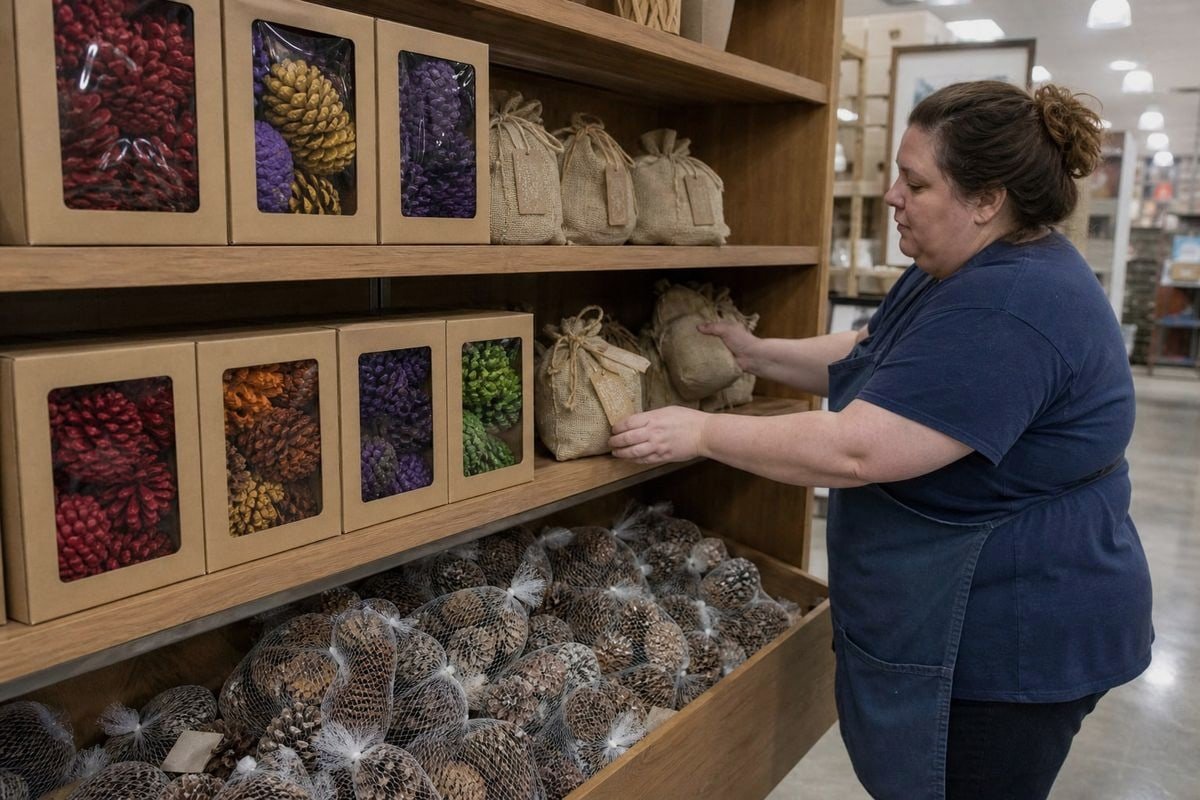
Wahrer Großhandelswert ist angekommene Kosten 6 pro verkaufbarer Einheit, nicht der Preis der Tasche oder Box allein. Lassen Sie mich aufschlüsseln, wie sich die Zahlen tatsächlich bewegen.
Die vier Kostentreiber
- Materialkosten. Netz ist pro Einheit am billigsten. Jute kostet aufgrund von Naturfasern und Nählohn mehr. Bedruckte Kartons sind am teuersten, obwohl Kraftfensterbeutel dicht dahinter liegen.
- Großversandkosten. Netz und Jute sind flexibel, sodass sie sich unregelmäßigen Containerraum anpassen und leicht überfüllt werden können. Kartons nehmen festes Volumen ein, stapeln sich aber präzise, was den Containerwürfel oft effizienter nutzt als lose gestapelte Säcke.
- Schäden und Schwund. Hier wird billige Verpackung teuer. Abgebrochene Zapfen, staubverschmutzte Displays und schimmelige Rücksendungen schmälern die Marge. Kartons minimieren diese Verluste.
- Einzelhandelsfertigkeit. Kartons und bedruckte Beutel gehen direkt ins Regal. Netz muss oft am Bestimmungsort neu verpackt oder in einen Displaykarton verpackt werden, was zusätzliche Arbeit für Ihren Händler bedeutet.
| Wertfaktor | Netz | Karton | Jute |
|---|---|---|---|
| Kosten der Einzelverpackung | Am niedrigsten | Höchste | Mitte |
| Frachteffizienz | Gut | Sehr gut | Gut |
| Schadensbedingte Verluste | Hoch | Niedrig | Moderat |
| Regalfertig bei Ankunft | Selten | Ja | Normalerweise |
| Beste Passform | Großbehälter, Bastelbedarf | Premium-Einzelhandel, Geschenke | Rustikale und Geschenkkanäle |
Nachhaltigkeit als Wertfaktor
Immer mehr unserer europäischen Käufer fragen nach nachhaltiger Verpackung 7 bevor sie nach dem Preis fragen. Jute ist biologisch abbaubar und wiederverwendbar, was die plastikfreie Positionierung unterstützt. Recycelte Kraftkartons sind weitgehend recycelbar und passen zur umweltfreundlichen Materialgeschichte hinter unseren farbigen Flammenprodukten selbst. Netz, insbesondere Kunststoffnetz, ist am schwierigsten im Hinblick auf Nachhaltigkeit zu verteidigen, obwohl wiederverwendbare Formate dies abmildern. Für Testbestellungen halten wir MOQs flexibel, damit ein Händler eine verpackte Premium-Linie gegen eine Jute-Geschenklinie in derselben Saison testen und die tatsächlichen Abverkaufsdaten entscheiden lassen kann.
Schlussfolgerung
Verpackung an den Zweck anpassen: Netz für günstige Großmengen, Kartons für Schutz und Branding, Jute für rustikalen Charme. Wählen Sie nach Kanal und gesamten Lieferkosten, nicht nach Stückpreis.
Fußnoten
Technische Erklärung des Strukturmaterials, das in Versandkartons verwendet wird, um Produktdruck zu verhindern. ↩︎
Wissenschaftlicher Kontext, wie Lichteinwirkung die wahrgenommene Intensität und Qualität von Produktfarben beeinflusst. ↩︎
Technische Details zum klaren Kunststoffmaterial, das für Sichtfenster von Produkten in Einzelhandelsverpackungen verwendet wird. ↩︎
Offizielle Ressource der US-Regierung für Standards zur Verbraucherproduktsicherheit und obligatorische Kennzeichnungsvorschriften. ↩︎
Offizielle EU-Regulierungsnorm für Produktsicherheit und Konformitätszertifizierung, die für den internationalen Handel erforderlich ist. ↩︎
Stabile, maßgebliche Definition des Gesamtpreises eines Produkts, einschließlich aller Transportkosten und Steuern. ↩︎
Regierungsdaten und Richtlinien zu den Umweltauswirkungen und dem Recycling verschiedener Verpackungsmaterialien. ↩︎



 English
  Spanish
  German
  French
  Arabic
  Portuguese
Diskutieren Sie mit