






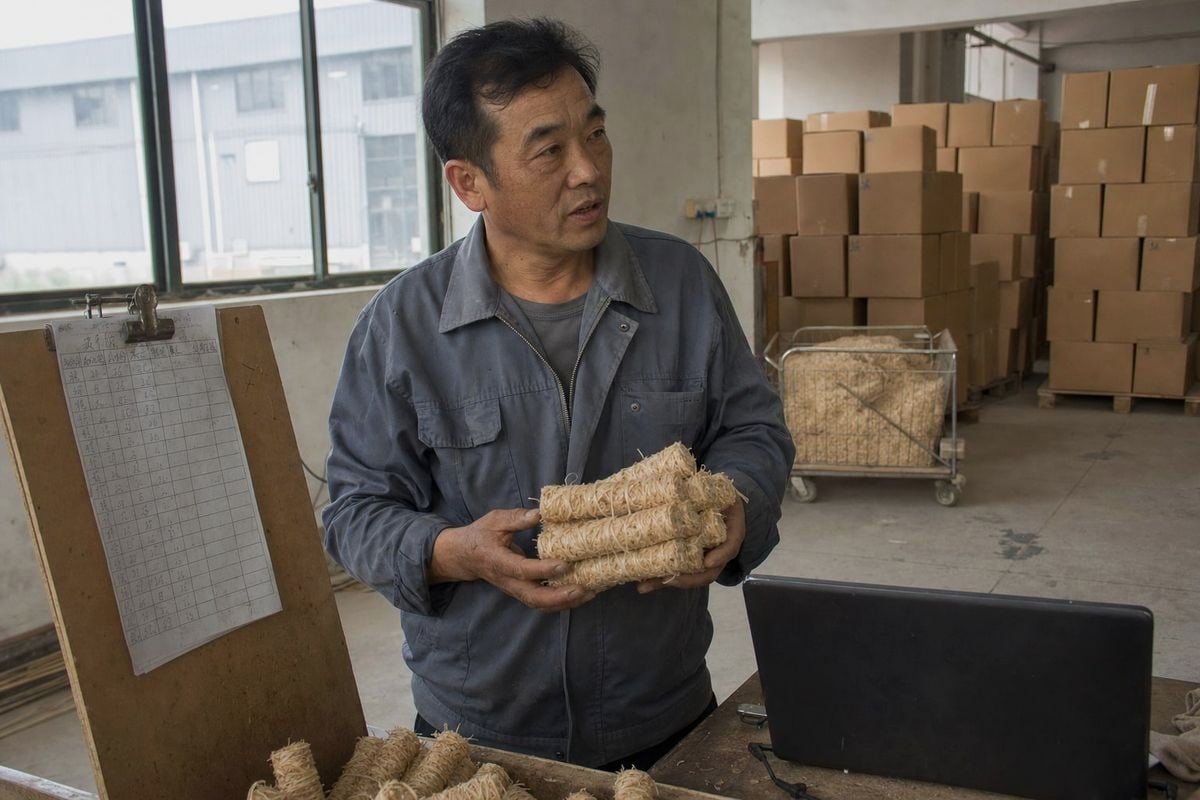
Die Wahl zwischen einem Sourcing Agent und einem Inhouse-Team für Holzfeueranzünder aus China sieht auf dem Papier einfach aus BSCI-Sozialaudits 1. An unserer Produktionslinie in Ningbo sehe ich, warum das nicht so ist.
Ein Sourcing-Agent kostet 3–10% des Bestellwerts mit geringem Startrisiko, während ein Inhouse-Team 40.000–60.000+ pro Jahr kostet, aber mehr Kontrolle bietet. Für Holzanzünder eignen sich Agenten für neue oder Importeure mit geringem Volumen; Inhouse-Teams lohnen sich bei hohen, wiederkehrenden Jahresausgaben.
Die Kopfgebühr ist nur ein Teil des Bildes. Unten zerlege ich die tatsächlichen Kosten, die [spezifischen Compliance-Risiken für Feueranzünder](https://sunrichfire.com/what-entry-barriers-compliance-costs-wood-fire-starters-us-vs-eu/) und eine praktische Methode, um zu entscheiden, welches Modell zu Ihrem Unternehmen passt.
Wie viel kostet es mich wirklich, einen Sourcing-Agenten zu beauftragen, im Vergleich zum Aufbau meines eigenen internen Sourcing-Teams?
Ein Käufer aus Polen erzählte mir einmal, dass er fast einen Vollzeit-Beschaffungsmanager für eine einzige $30.000-Testbestellung unserer mit Wachs getränkten Holzrollen eingestellt hätte. Die Rechnung hat ihn gerade noch rechtzeitig gestoppt.
Ein Beschaffungsagent berechnet in der Regel eine Provision von 3–10%, Pauschalgebühren von $300–$2.000 pro Projekt oder Honorare von $300–$3.000 monatlich. Eine interne Einstellung für die Beschaffung in China kostet mit Gehalt und Gemeinkosten etwa $40.000–$60.000 pro Jahr, zuzüglich Reisekosten, Audits und Anlaufzeit.
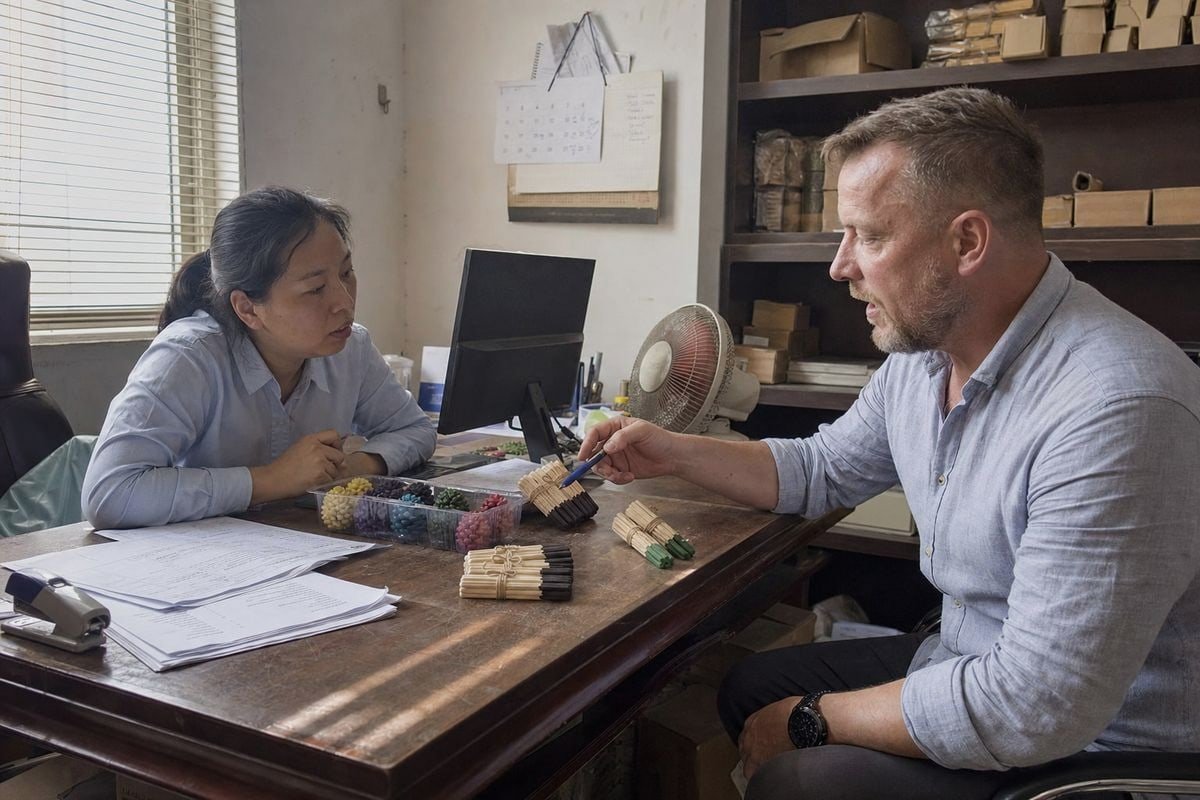
Die Gebührenmodelle sehen unterschiedlich aus, daher ist der faire Vergleich die jährlichen Gesamtkosten im Verhältnis zu Ihrem jährlichen Einkaufsvolumen. Hier ist, wie sich die Zahlen normalerweise stapeln.
Die drei Kostenmodelle nebeneinander
| Kostenpunkt | Sourcing Agent | Inhouse-Team | DIY-Direktbeschaffung |
|---|---|---|---|
| Basiskosten | 3–10% Provision oder $300–$2.000 Pauschalgebühr | $40.000–$60.000/Jahr Gehalt + Nebenkosten | Ihre eigene Zeit |
| Werksaudits & Qualitätskontrolle | $100–$300 pro Mann-Tag (oft gebündelt) | Separat von Ihnen bezahlt | Separat bezahlt oder übersprungen |
| Reisen zu Fabriken | Normalerweise enthalten oder minimal | $300–$1.500 pro Reise | $300–$1.500 pro Reise |
| Anlaufzeit | Schnell, wenn der Agent die Kategorie kennt | 12–24 Monate bis zur vollen Wirksamkeit | Langsam, Versuch und Irrtum |
| Kosten für versteckte Fehler | Niedriger, wenn der Agent Lieferanten prüft | Niedriger, sobald das Team ausgereift ist | Höchste |
Wo der Break-Even liegt
Rechnen Sie die Zahlen für Ihre prognostizierten Ausgaben durch. Bei einer Testbestellung von $10.000 bedeutet eine Provision von 5–10% $500–$1.000. Das ist ein Bruchteil eines Monatsgehalts für eine Beschaffungskraft. Selbst bei jährlichen Ausgaben von $100.000 kostet eine Agenturgebühr von 5% etwa $5.000 pro Jahr. Das Inhouse-Modell beginnt erst zu gewinnen, wenn die Ausgaben hoch sind, die Bestellungen wiederholt werden und das Team auch Qualitätskontrolle, Logistik und Lieferantenentwicklung für mehrere Produktlinien übernimmt.
Nach unserer Erfahrung im Export von Feueranzündern in über 30 Länder sind die Käufer, die am meisten kämpfen, diejenigen, die nur die sichtbare Gebühr vergleichen. Die versteckten Kosten – fehlgeschlagene Muster, abgelehnte Lieferungen, feuchtigkeitsbeschädigte Kartons, verpasste Lieferzeiten – lassen die Agenturprovision in den Schatten stellen, wenn die Lieferantenauswahl schiefgeht. Einige Agenturführer behaupten, dass durch bessere Verhandlungen und weniger Mängel Gesamtkosten von 10–30% eingespart werden. Ich betrachte diese Zahl vorsichtig, aber die Richtung stimmt: Ein kompetenter Vermittler zahlt sich oft schon beim ersten verhinderten Fehler aus. Ein inkompetenter ist reiner Overhead.
Welchen Compliance- und Qualitätsrisiken bin ich ausgesetzt, wenn ich die direkte Zusammenarbeit mit einem zertifizierten Hersteller überspringe?
Jede Charge, die unser Werk in Ningbo verlässt, wird mit Prüfberichten versandt, da unsere EU- und US-Käufer sie ohne diese rechtlich nicht auf Regalen platzieren können. Diese Papierspur ist nicht optional.
Das Überspringen eines zertifizierten Herstellers setzt Sie fehlgeschlagenen Händlerprüfungen, fehlender EN 1860-3 oder ASTM F2417-Brandschutzkonformität, falscher Gefahrgutversanddokumentation, Materialsubstitution, inkonsistenter Zündleistung und Zollbeschlagnahmungen aus. Bei brennbaren Feststoffen können diese Ausfälle die Versicherung ungültig machen und Produktrückrufe auslösen.
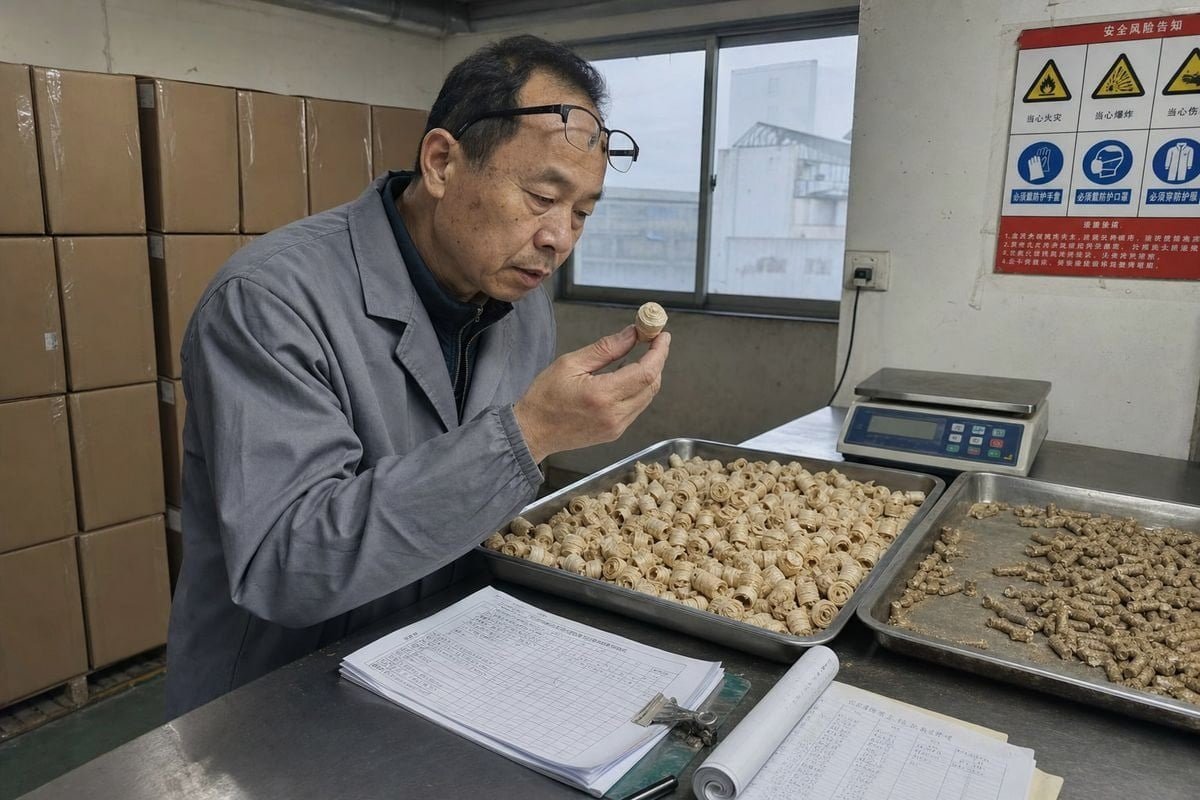
Holzfeueranzünder sehen wie eine einfache Ware aus. Komprimiert Holzwolle 2, Paraffinwachs 3, ein Karton. Aber Regulierungsbehörden und Einzelhändler behandeln sie nicht als einfach. Sie behandeln sie als brennbare Feststoffe, und das ändert alles an Ihrer Risikobereitschaft.
Der Compliance-Stack, den die meisten Importeure unterschätzen
Es gibt vier Ebenen, die Sie abdecken müssen, und ein unzertifizierter Lieferant deckt normalerweise keine davon ab:
- Produktsicherheitsstandards. Einzelhändler in der EU verlangen zunehmend EN 1860-3 für Feueranzünder; US-Kanäle fragen oft nach ASTM F2417. Wenige Sourcing Agents verwalten dies proaktiv, es sei denn, Sie beauftragen dies ausdrücklich.
- Versand und Gefahrgutklassifizierung. Feueranzünder können spezielle Dokumentation und Spediteure erfordern, die mit brennbaren Feststoffen vertraut sind. Eine falsche Deklaration kann einen Container am Hafen stranden lassen.
- Werkszertifizierung. Große Einzelhandelsbeschaffungskanäle verlangen routinemäßig ISO 9001 4 und BSCI-Sozialaudits, bevor sie einen Lieferanten aufnehmen. Wir haben beides, zusammen mit CE-Kennzeichnung 5 und SGS/Intertek-Prüfberichten, genau weil unsere Käufer danach gefragt werden.
- Chargenkonsistenz. Eine erste Probe mit einer Zusammensetzung von 50/50 Holzfaser und Paraffin bedeutet wenig, wenn die Produktionscharge drei heimlich das Wachsverhältnis ändert, um Kosten zu senken. Zündzeit und Brenndauer driften damit.
Was ein Fehler tatsächlich kostet
| Risikoereignis | Typische Konsequenz |
|---|---|
| Fehlende Brandschutzbescheinigung | Händler-Delisting oder abgelehnter Kaufauftrag |
| Falsche Gefahrgutdokumentation | Zollverzögerung, Geldstrafen oder Zurückweisung der Sendung |
| Wachsmischungsverhältnis-Austausch | Schwache Zündung, Kundenrücksendungen, Markenschädigung |
| Feuchtigkeitsexposition während des Transports | Ganze Chargen lassen sich nicht entzünden |
| Keine nachverfolgbaren Testberichte | Haftungsrisiko nach einem Vorfall |
Die Zusammenarbeit mit einem Handelsunternehmen oder einer ungeprüften Fabrik bedeutet, dass Sie oft nicht überprüfen können, wer das Produkt tatsächlich hergestellt hat. Wenn etwas schief geht – und bei brennbaren Gütern kann "schief gehen" eine Verletzungsklage bedeuten – endet die Papierkette bei einem Zwischenhändler. Ob Sie einen Agenten oder ein internes Team einsetzen, der nicht verhandelbare Schritt ist die Bestätigung, dass der tatsächliche Hersteller die Zertifizierungen besitzt und die Testberichte in seinem eigenen Namen ausstellt.
Kann ein Sourcing Agent die gleiche Produktionsaufsicht garantieren, die ich erhalten würde, wenn ich die Beziehung zur Fabrik selbst verwalten würde?
Letztes Jahr bat ein deutscher Händler um einen Videoanruf mit unserer Wachstauchlinie mitten in der Produktion, bevor er seine Restzahlung freigab. Kein Agentenbericht hätte ersetzen können, was er in zwanzig Minuten mit eigenen Augen sah.
Nein. Ein Agent bietet geplante Inspektionen und Berichte, aber keine kontinuierliche Überwachung. Die direkte Werksleitung gibt Ihnen Echtzeit-Einblick in Wachsverhältnisse, Feuchtigkeitskontrolle und Verpackung. Agenten können dies nur mit klar definierten Inspektionskontrollpunkten, AQL-Standards und verifizierten No-Kickback-Vereinbarungen annähern.
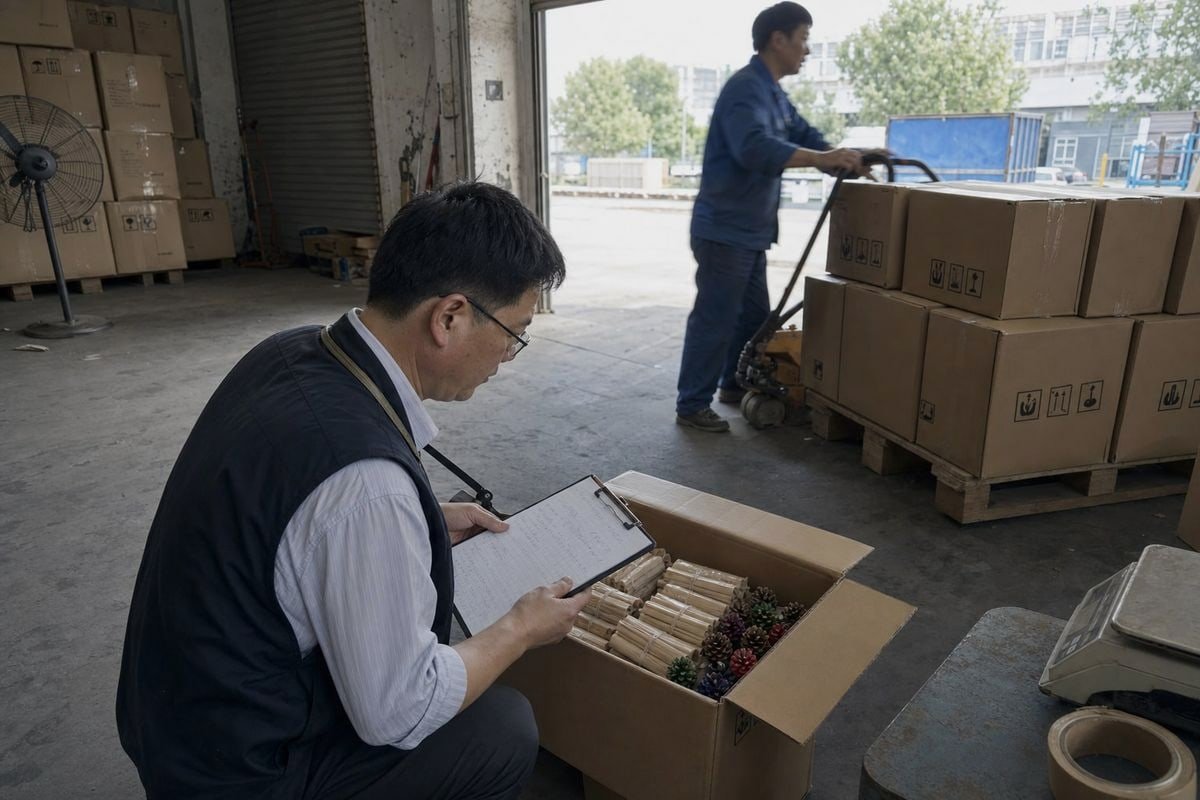
Ich möchte hier ehrlich über beide Seiten sein, denn ich sitze in der Fabrikhalle und sehe, wie die Aufsicht tatsächlich funktioniert – oder versagt.
Was ein Agent wirklich liefern kann
Ein seriöser Agent kann Vorproduktionsprüfungen, Inspektionen während der Produktion und Inspektionen vor dem Versand für etwa 100–300 £ pro Mann-Tag arrangieren. Für Feueranzünder umfasst eine gute Inspektion Zündtests an Stichproben, Messung der Brenndauer, Feuchtigkeitskontrollen des Holzwolle, Konsistenz der Wachsabdeckung, Kartonintegrität und korrekte Warnhinweise und Barcodes. Wenn diese Kontrollpunkte in Ihrer Kaufvereinbarung aufgeführt sind, kann die Aufsicht durch den Agenten recht effektiv sein.
Wo das Agentenmodell zusammenbricht
Die Schwächen sind strukturell, nicht persönlich. Agenten verdienen einen Prozentsatz des Bestellwerts, daher ist es ihr Anreiz, Bestellungen abzuschließen, nicht Chargen abzulehnen. Einige Agenten erhalten Bestechungsgelder von Fabriken, was Ihre Preise heimlich erhöht und ihre Qualitätskontrolle abschwächt. Einige Inspektionen sind oberflächliche Hakenkontrollen. Sie können diese Risiken kontrollieren, aber nur mit gezielten Schritten:
- Fordern Sie vor der Beauftragung eine schriftliche Offenlegung einer No-Kickback-Richtlinie an.
- Überprüfen Sie die Gewerbeanmeldung des Agenten, bevor Sie eine Anzahlung leisten.
- Definieren AQL-Stichprobenentnahme 6 Niveaus und spezifische Zündleistungsprüfungen schriftlich.
- Bestehen Sie auf Foto- und Videobeweisen, die mit Chargennummern verknüpft sind.
- Behalten Sie sich das Recht vor, unabhängige Inspektionen durch Dritte 7.
Warum die Wahl der Fabrik wichtiger ist als der Zwischenhändler
Hier ist der Teil, den Käufer oft übersehen: Die Qualität der Aufsicht hängt mehr von der Fabrik ab als davon, wer sie überwacht. In unserer eigenen Werkstatt ist die Chargen-zu-Chargen-Qualitätskontrolle in den Prozess integriert – Steuerung der Wachstemperatur, Gewichtstoleranz pro Rolle, Feuchtigkeitskontrollen vor der Verpackung –, weil unsere Stammkunden erwarten, dass der zehnte Container der ersten Probe entspricht. Eine disziplinierte Fabrik braucht weniger Überwachung. Eine chaotische Fabrik wird Lücken in jedem Inspektionssystem finden, egal ob der Inspektor für einen Agenten oder für Sie arbeitet.
Welche Option gibt mir langfristig bessere Kontrolle über MOQs, Eigenmarken und Lieferzeiten für Holzanzünder?
In über 17 Jahren OEM-Arbeit wiederholt sich das Muster, das ich am häufigsten gesehen habe: Kontrolle folgt der Beziehungstiefe, nicht der Organisationsstruktur. Die Käufer, die flexible Mindestbestellmengen erhalten, sind diejenigen, die die Fabrik kennt.
Ein Inhouse-Team bietet eine stärkere langfristige Kontrolle, da Sie die Fabrikbeziehung direkt besitzen, was flexible Mindestbestellmengen, schnellere Eigenmarken-Iterationen und vorrangige Produktionsplätze ermöglicht. Agenten bieten einen schnelleren anfänglichen Zugang, behalten aber die Lieferantenbeziehung – und Ihren Verhandlungsspielraum – in ihren Händen.
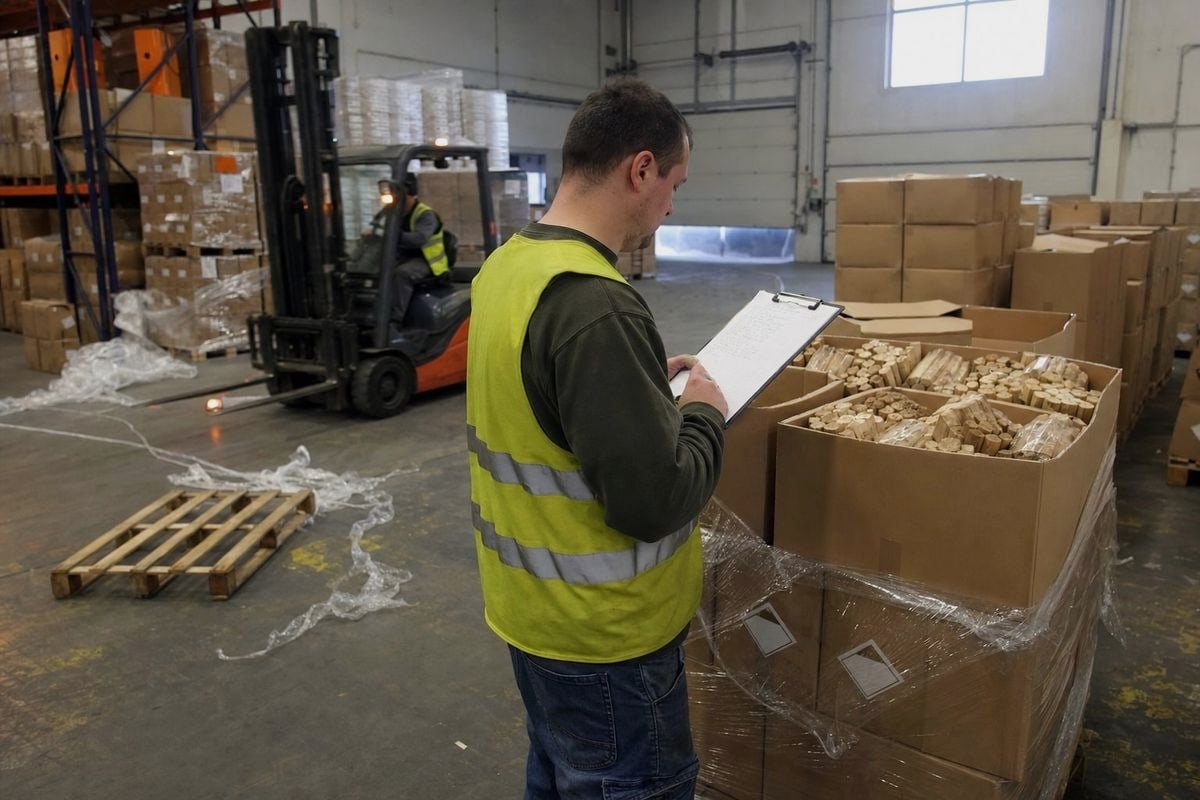
Für einen Rohstoffkauf spielt diese Frage kaum eine Rolle. Für ein Privates Label Holzfeueranzünder Programm, entscheidet es Ihre Wachstumsgrenze.
Vergleich der Kontrolle auf einen Blick
| Faktor | Sourcing Agent | Inhouse-Team | Direkte Fabrikpartnerschaft |
|---|---|---|---|
| MOQ-Flexibilität | Hängt vom Einfluss des Agenten ab | Starke nachfolgende Beziehung baut auf | Stärkste, direkt verhandelt |
| Private-Label-Geschwindigkeit | Zusätzliche Kommunikationsschicht | Direkte, schnelle Iterationen | Am schnellsten – die Fabrik besitzt die Werkzeuge |
| Vorlaufzeit Priorität | Geteilt mit anderen Kunden des Agenten | Erarbeitet über 12–24 Monate | Erarbeitet durch wiederholte Bestellungen |
| Lieferantenkenntnisse | Bleibt beim Agenten | Bleibt in Ihrem Unternehmen | Gemeinsam und dokumentiert |
| Risiko beim Wechseln | Hoch — Agent kontrolliert die Quelle | Niedrig | Niedrig |
Die Eigenmarken-Realität
Benutzerdefiniertes Branding für Feuerstarter beinhaltet mehr bewegliche Teile, als die meisten Käufer erwarten: Box-Artwork, Display-Verpackung, Warnhinweise in mehreren Sprachen, Barcodes, Anpassung der Brenndauer und manchmal kundenspezifische Rollengrößen. Jeder Revisionszyklus, der durch einen Agenten läuft, fügt Tage und Übersetzungsrisiken hinzu. Wenn unsere OEM-Kunden direkt mit uns zusammenarbeiten, bewegen sich Artwork-Genehmigungen und Musterrunden in einem Gesprächsfaden, und die genehmigte Verpackung ist die verpackung, die versendet wird.
Die Frage nach der Vorlaufzeit
Die Vorlaufzeiten für Feuerstarter schwanken mit zwei Dingen: Paraffinwachspreise, die den Erdölmärkten folgen 8, und saisonalen Nachfragespitzen vor Herbst und Winter. Ein internes Team oder eine direkte Fabrikbeziehung ermöglicht es Ihnen, Festpreis-Lieferverträge abzuschließen und Produktionsplätze frühzeitig zu reservieren. Ein Agent kann dies auch tun, aber die Vereinbarung liegt zwischen dem Agenten und der Fabrik – nicht zwischen Ihnen und der Fabrik. Wenn Sie sich vom Agenten trennen, können Sie den Lieferanten, die Preisgeschichte und die Werkzeuge in einem Zug verlieren.
Der praktische Mittelweg, den viele unserer mittelgroßen Käufer nutzen, ist ein Hybrid: ein kleiner interner Koordinator, der die Fabrikbeziehung innehat, unterstützt durch eine anteilige externe Qualitätskontrolle vor Ort in China. Es hält die Beziehung in Ihrem Namen, während die Vorarbeit ausgelagert wird.
Schlussfolgerung
Die billigste Beschaffungsoption ist selten die kostengünstigste, sobald Defekte, Verzögerungen und Compliance-Verstöße eingepreist sind – und bei Feuerstartern brennen diese Fehler schnell.
Nutzen Sie einen Agenten, wenn Sie neu sind oder kleine Mengen bestellen: Die 3–10% Gebühr kauft Überprüfung und Inspektionen, die Sie nicht selbst durchführen können. Bauen Sie interne Kapazitäten auf, wenn jährliche Ausgaben, wiederholte Bestellungen und mehrere Produktlinien 40.000–60.000 € Fixkosten rechtfertigen. Aber unter beiden Modellen ist die Grundlage dieselbe: eine zertifizierte, geprüfte Fabrik, die ihre eigenen Prüfberichte ausstellt und ihre Qualität vom ersten Muster bis zum hundertsten Container konstant hält. In unserer Anlage in Ningbo ist das der Standard, nach dem wir bauen – denn für die Importeure, die wir in den USA und Europa bedienen, sind Compliance und Konsistenz nicht verhandelbar, und das von Ihnen gewählte Beschaffungsmodell sollte beides schützen.
Fußnoten
Amfori BSCI ist die Organisation hinter dem genannten Standard für soziale Compliance-Audits. ↩︎
Erklärt das Excelsior-Holzfaser-Material, das für die Zusammensetzung von Feuerstartern zentral ist. ↩︎
Hintergrundreferenz, die das erdölbasierte Material erklärt, das in Feuerstartern verwendet wird. ↩︎
Offizielle ISO-Seite, die den genannten Qualitätsmanagementstandard für die Fabrikzertifizierung erklärt. ↩︎
Offizielle EU-Seite, die die Anforderungen der CE-Kennzeichnung für die Produktkonformität erklärt. ↩︎
Hintergrund zur Methodik der Akzeptanz-Qualitätsgrenz-Stichprobenentnahme, die bei Qualitätskontrollen verwendet wird. ↩︎
SGS ist ein führendes globales Inspektions- und Testunternehmen, das für die unabhängige Qualitätsprüfung relevant ist. ↩︎
EIA-Datenquelle, die Erdölpreise verfolgt, die sich direkt auf die Paraffinwachskosten auswirken. ↩︎

 English
  Spanish
  German
  French
  Arabic
  Portuguese
Diskutieren Sie mit